







Puzzles & Games
Filters
115 products





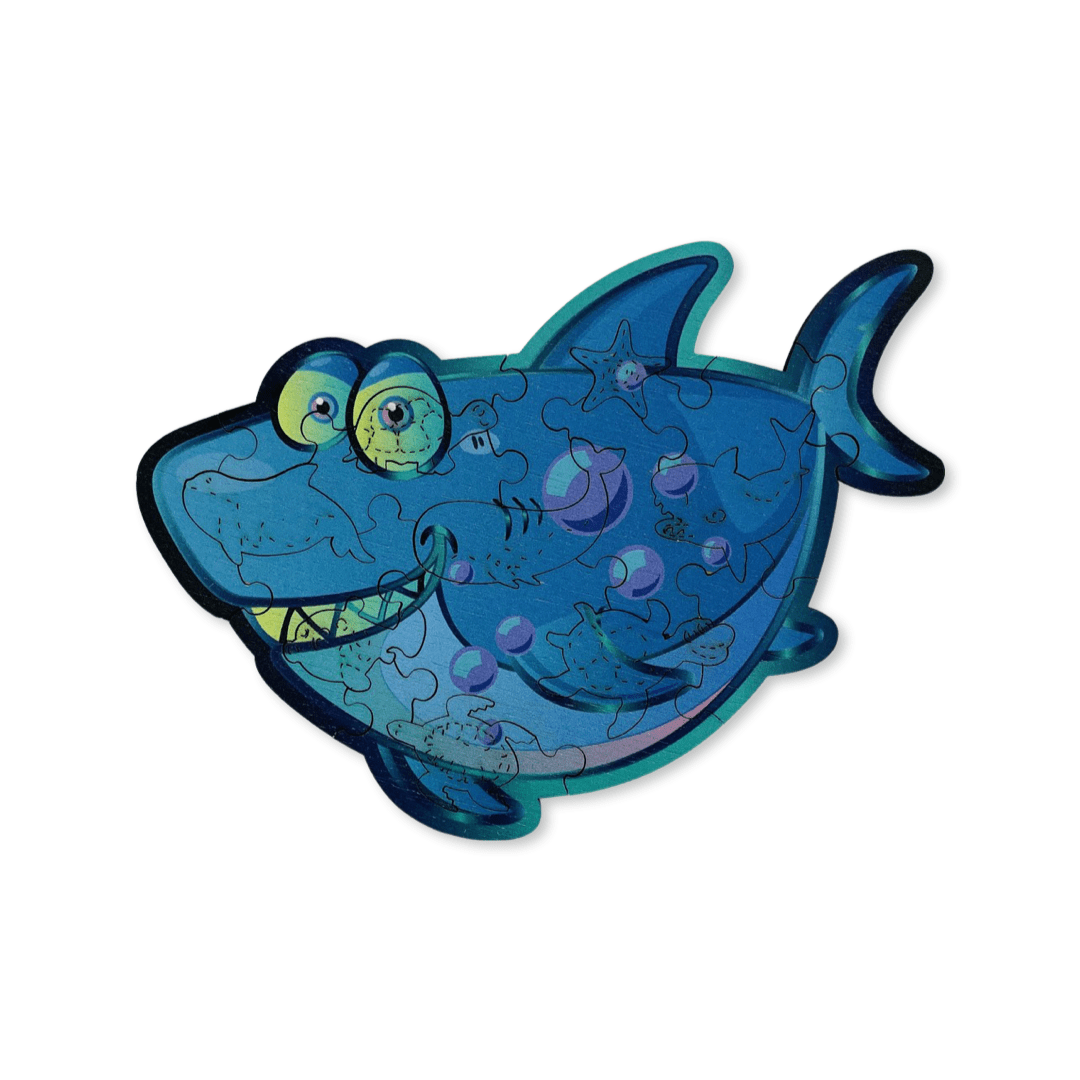
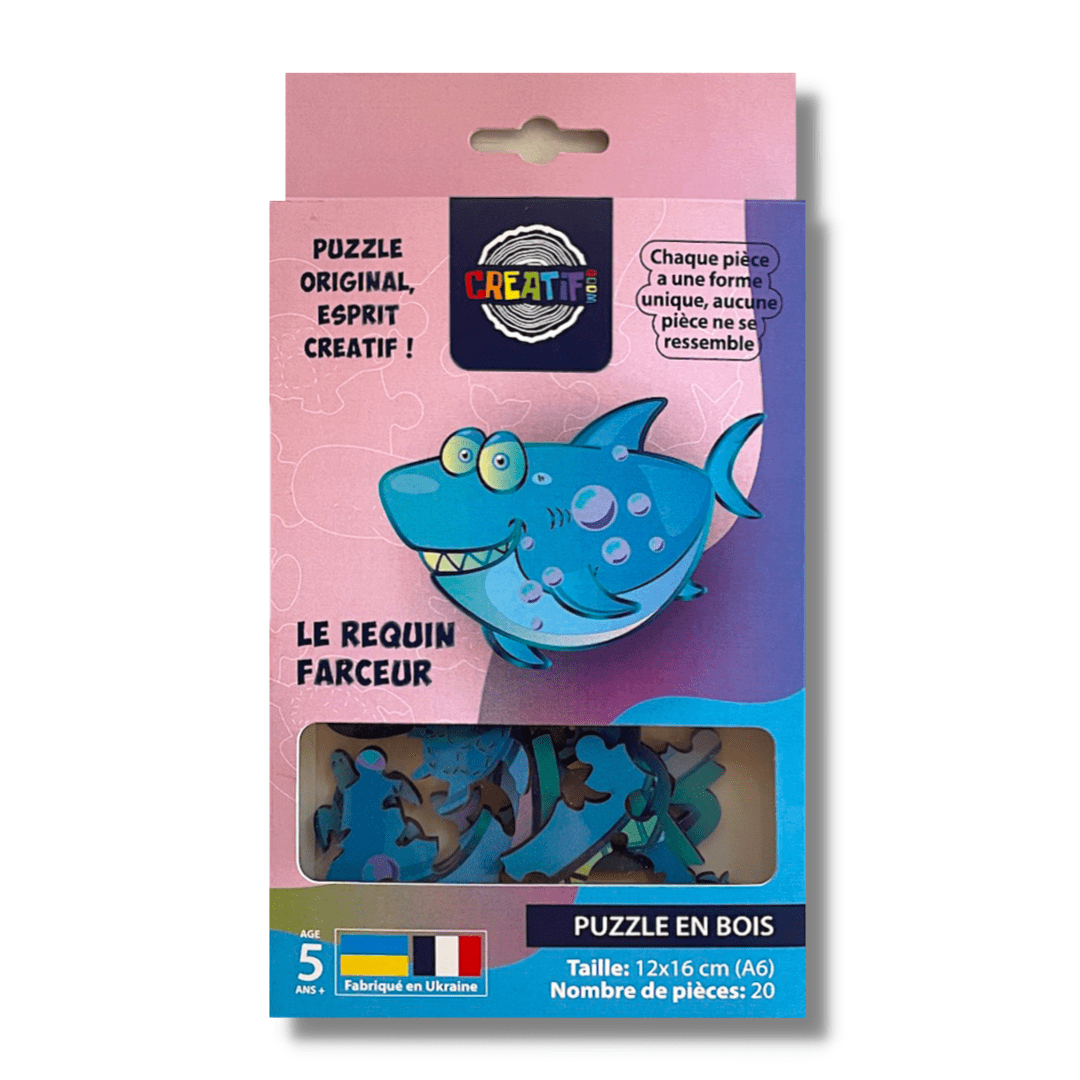
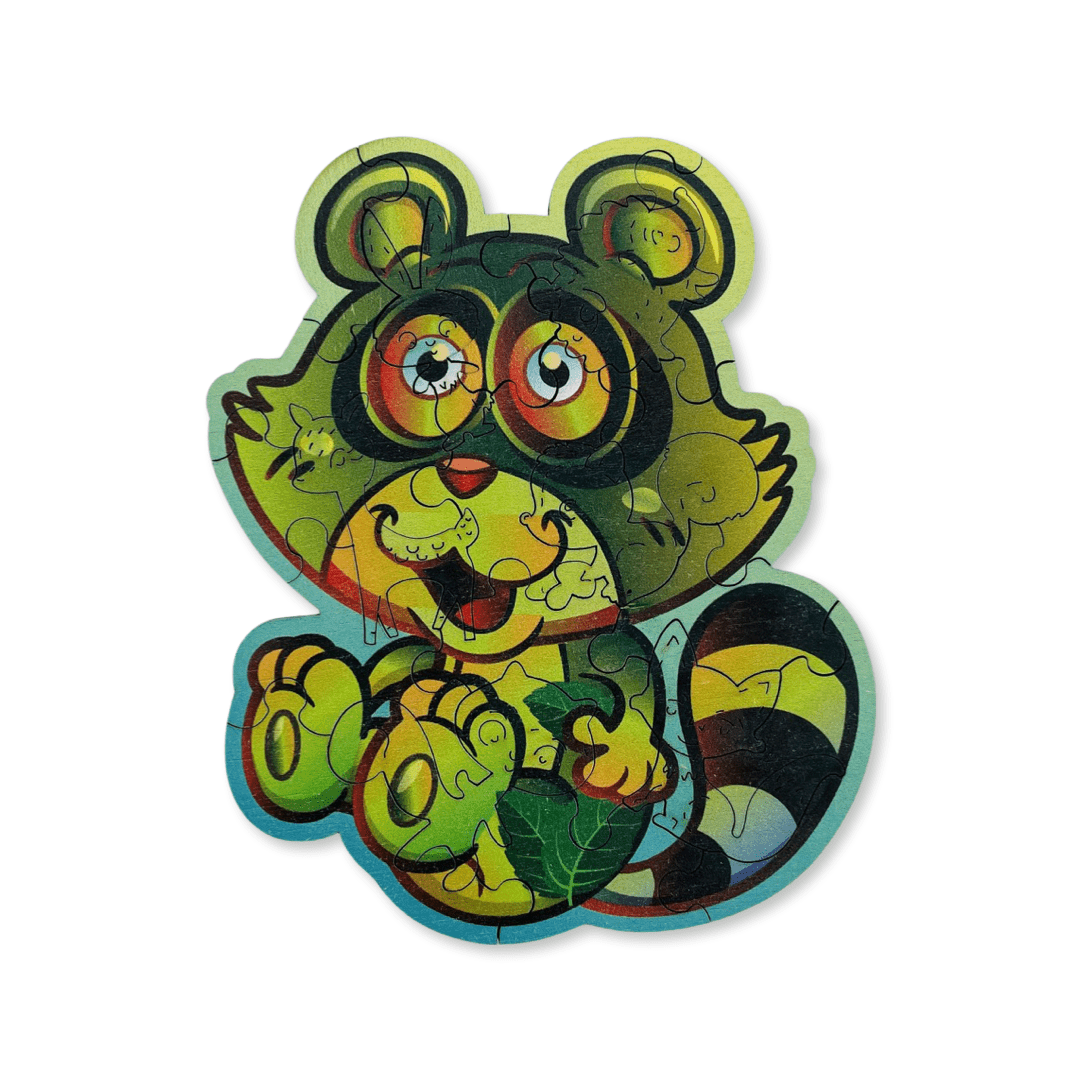
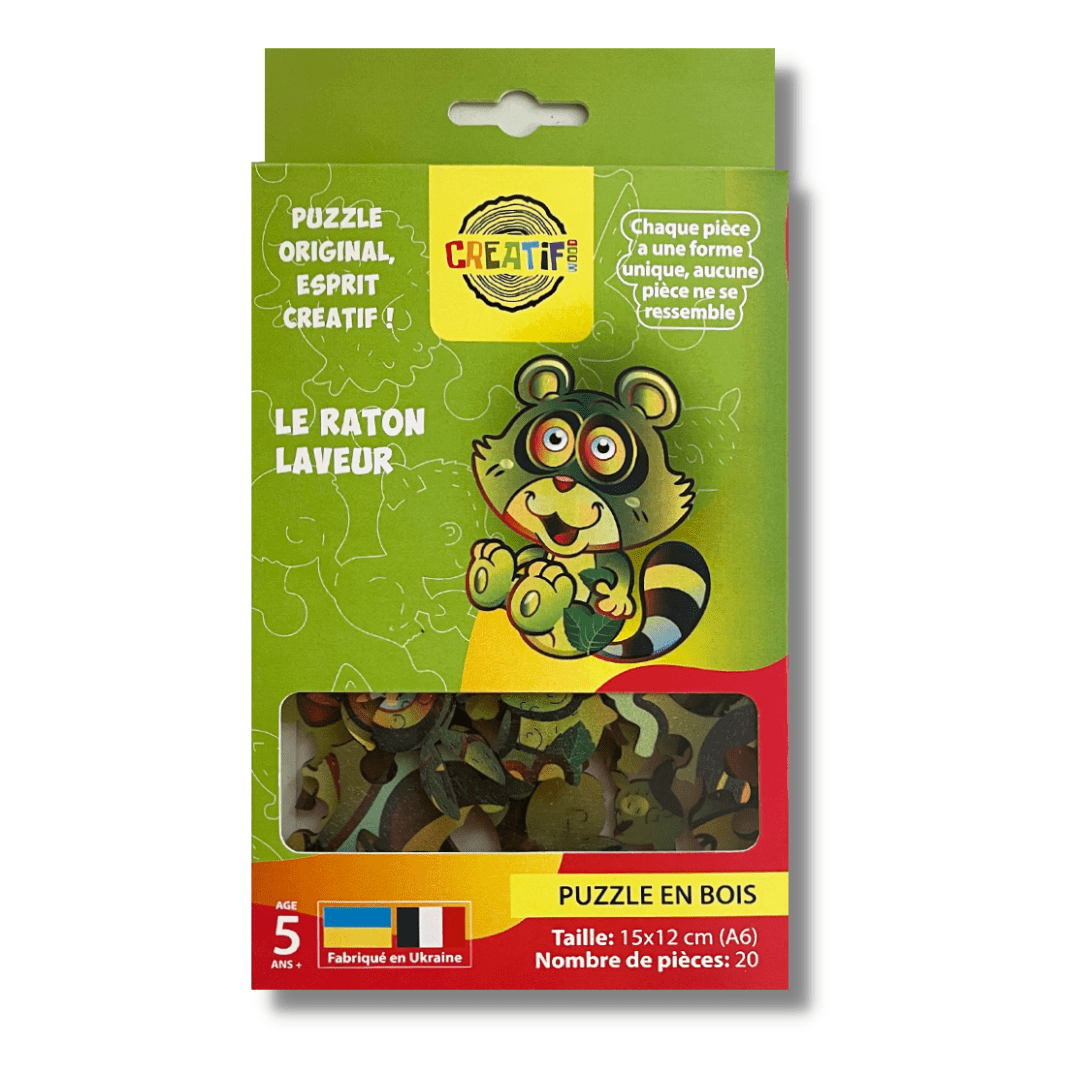
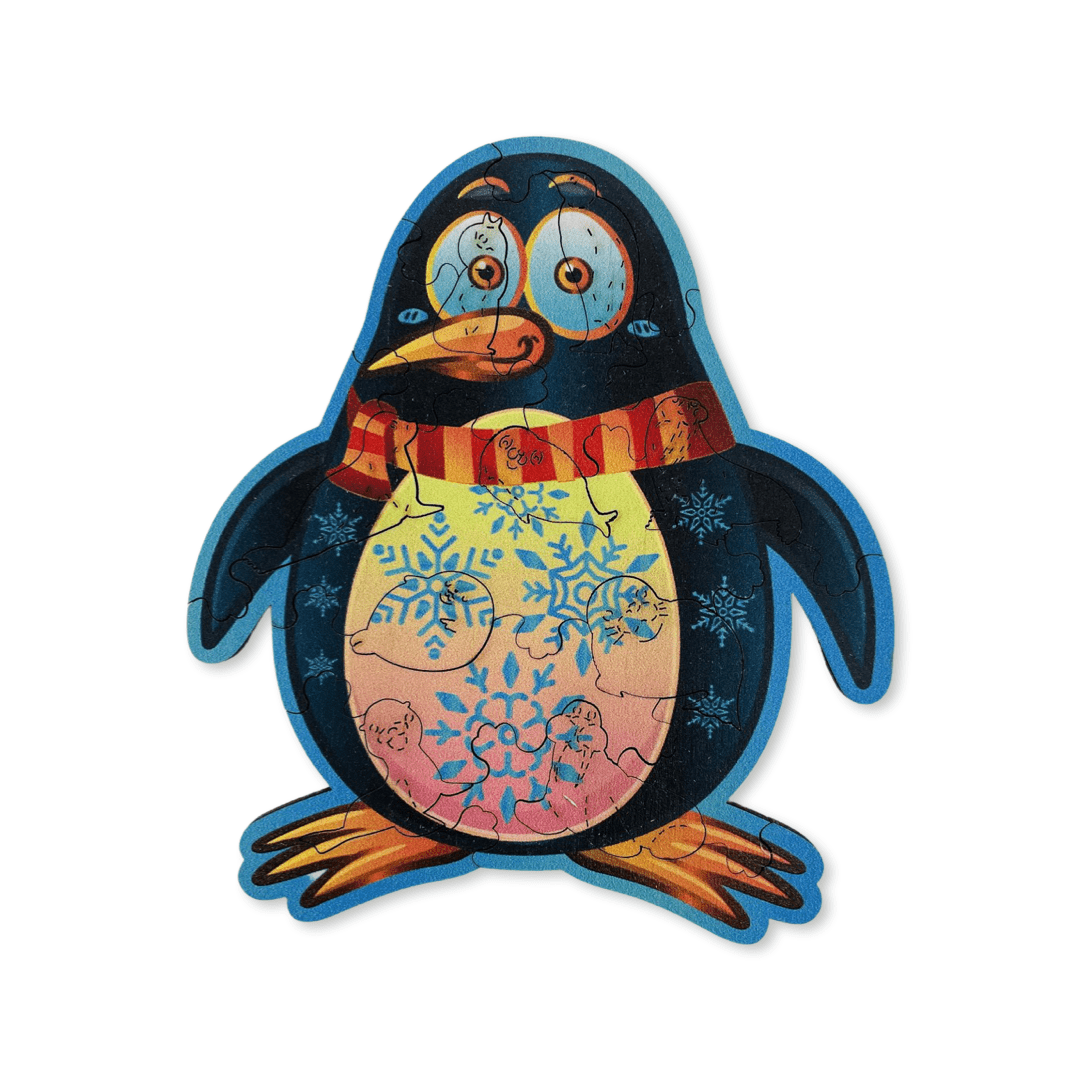
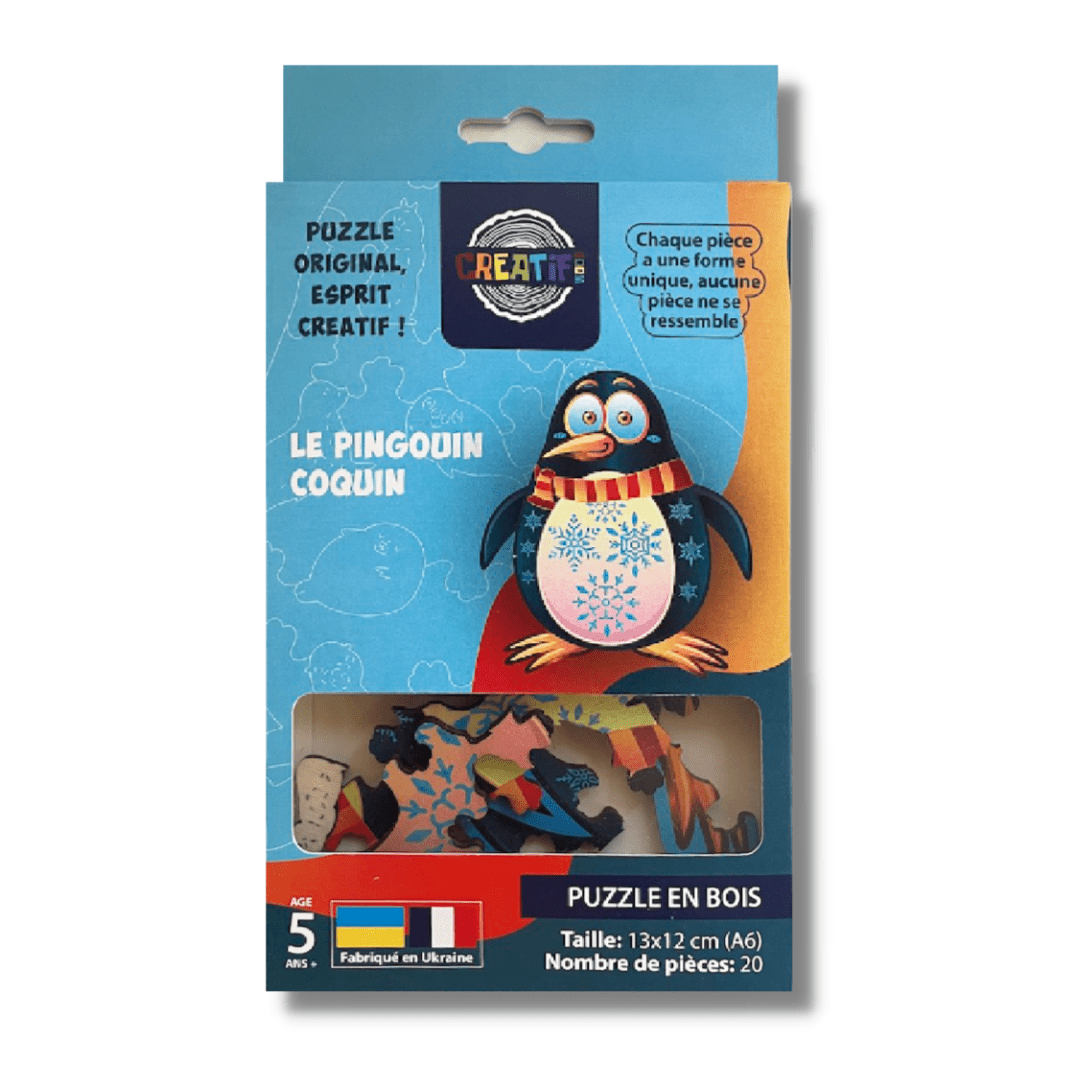


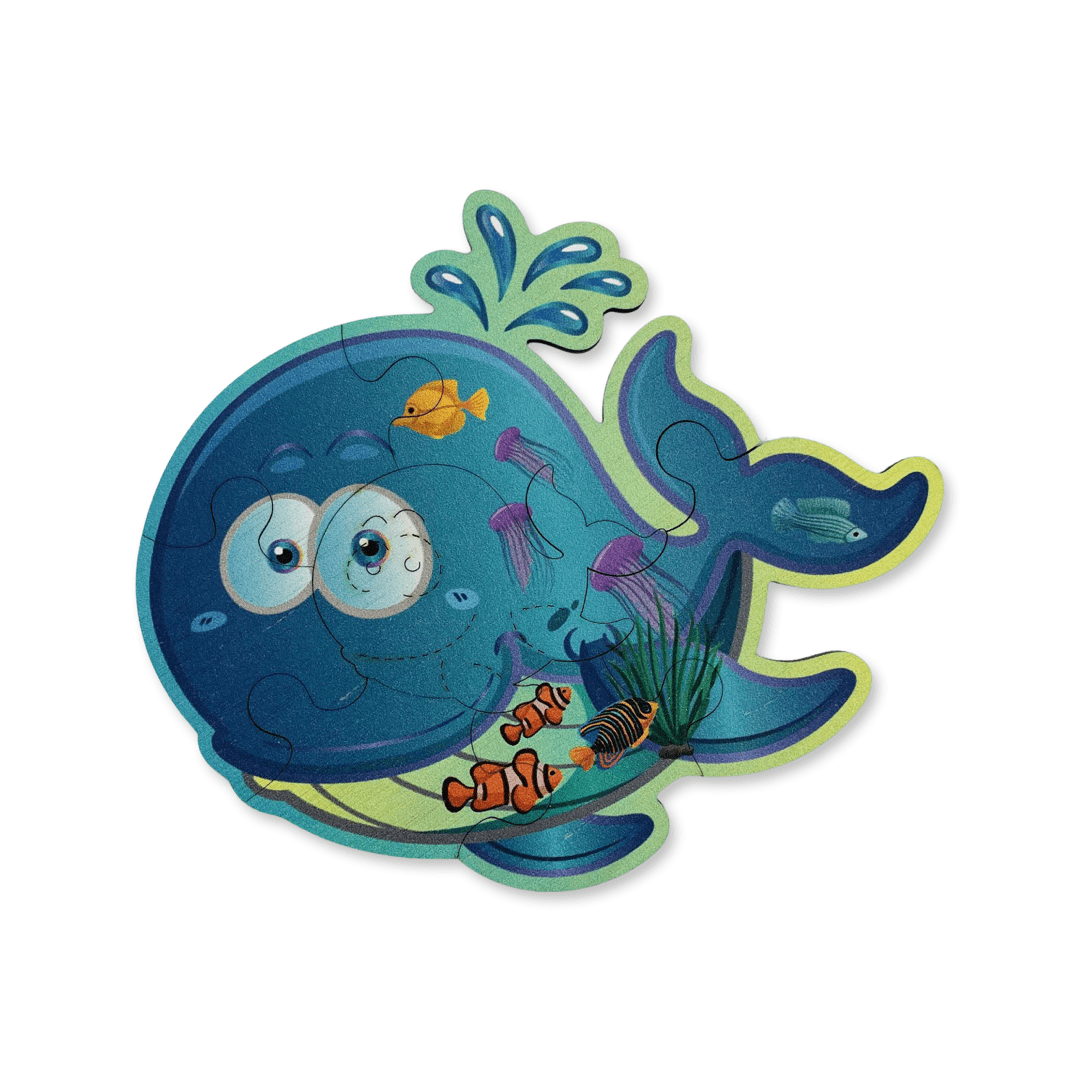
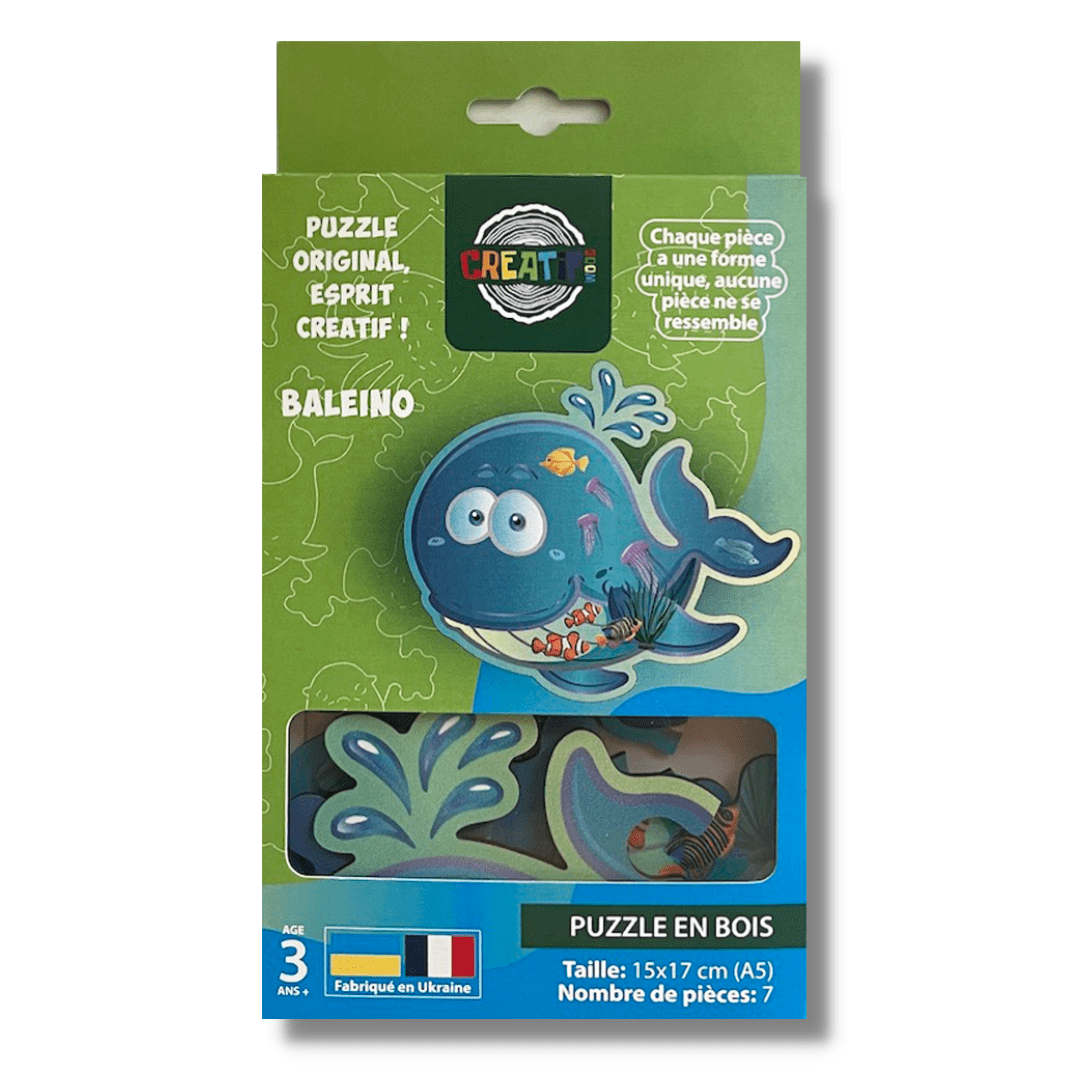


Everything that gets built, solved or played
Four kinds of thing live on this page. Jigsaws cut into the shape of what they show. Games and teaching sets that get played rather than assembled – dominoes, mahjong, sudoku, a balance tower, and the classification sets used in primary classrooms. Construction sets of notched beams that hold without glue. And six sculptures built from numbered slices of cardboard.
Wood throughout, apart from those six, and none of it needs a screen or a battery.
Which board games are here?
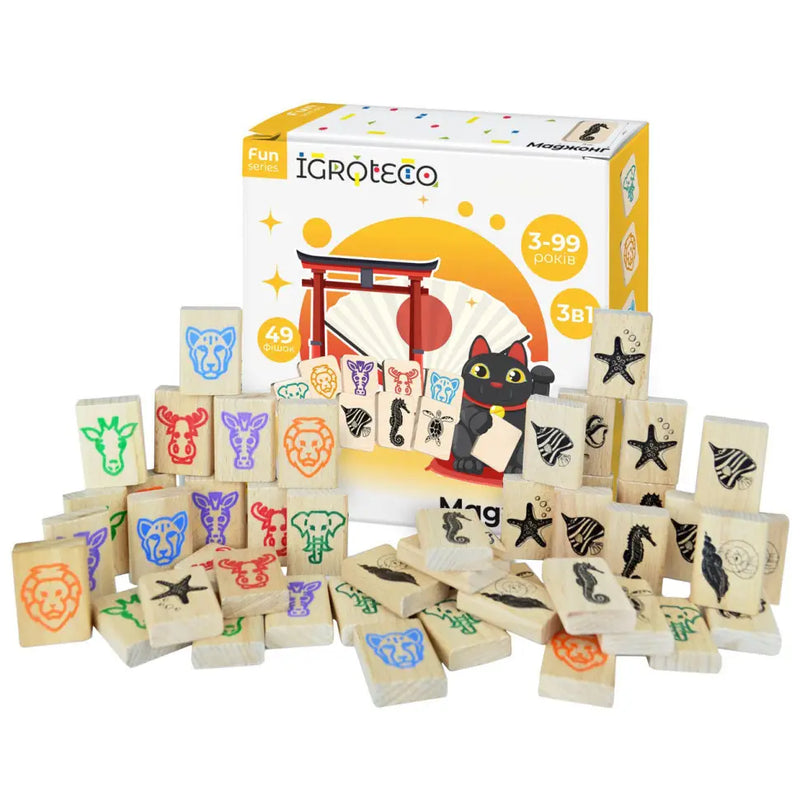
The familiar ones, remade in a material that survives them. Dominoes matched by drawn faces rather than by pips, so a child can play before they can count, on tiles thick enough to stand on edge. Mahjong tiles of even thickness that stack far higher than card ones, and turn face down for a memory game. Sudoku played with coloured shapes, or with fox, dog, cow and pig counters for younger players. A balance tower of fifty-four painted blocks where a die chooses the colour you must pull.
Which sets are teaching materials?
Two of them are named systems rather than games. The counting rods follow the method of the Belgian teacher Georges Cuisenaire, in classroom use since the 1950s: fifty-six rods in graded lengths, each length its own colour – the maker's own colours rather than the classic scheme. The logic blocks are Dienes blocks: forty-eight shapes varying in form, colour, size and thickness, no two alike, which is set theory before anyone calls it that.
If a teacher has asked for either by name, this is what they meant. Both come with ten double-sided cards and twenty graded tasks, which is what makes them exercises rather than a bag of blocks.
What makes the jigsaws different?
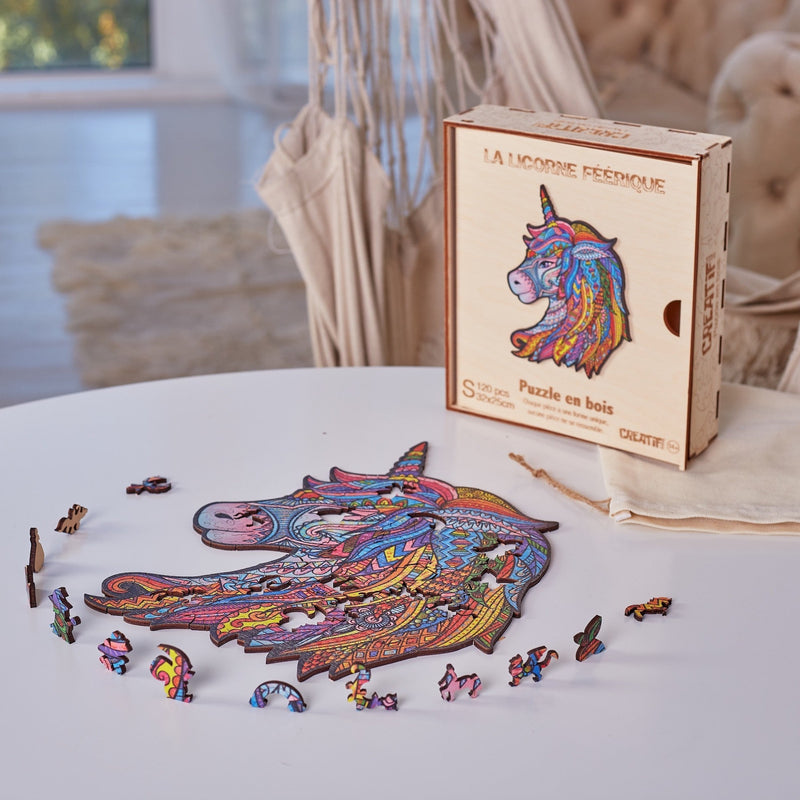
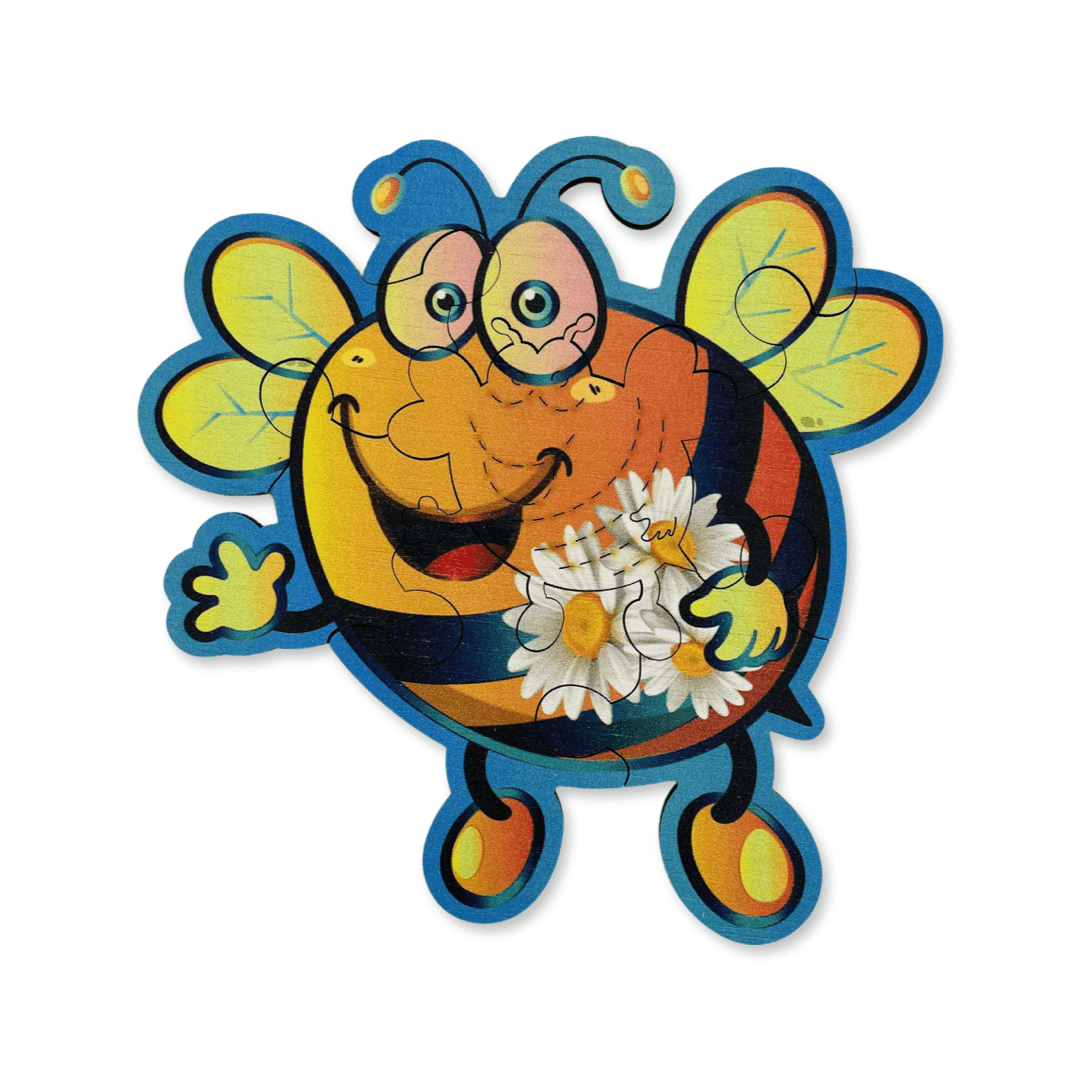
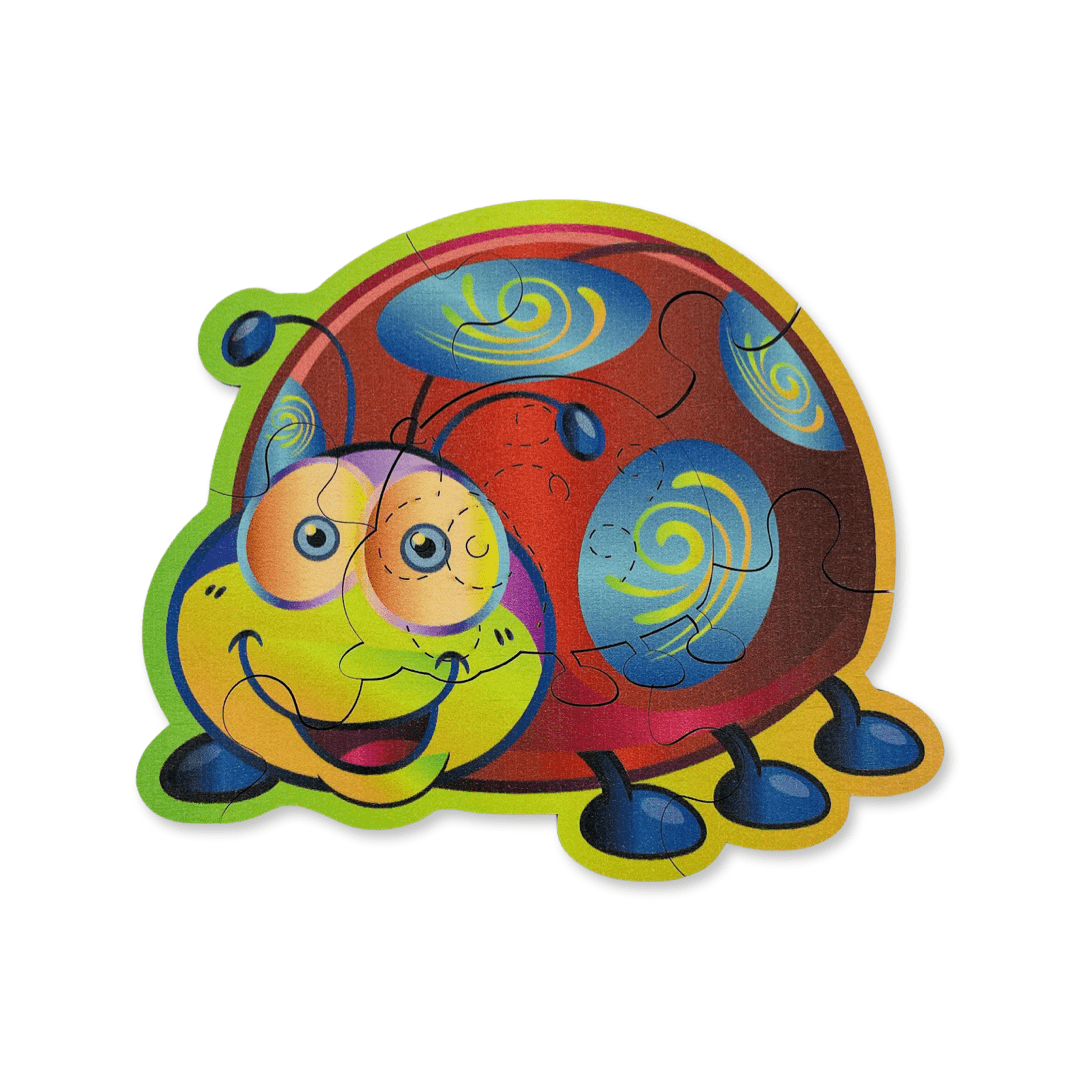
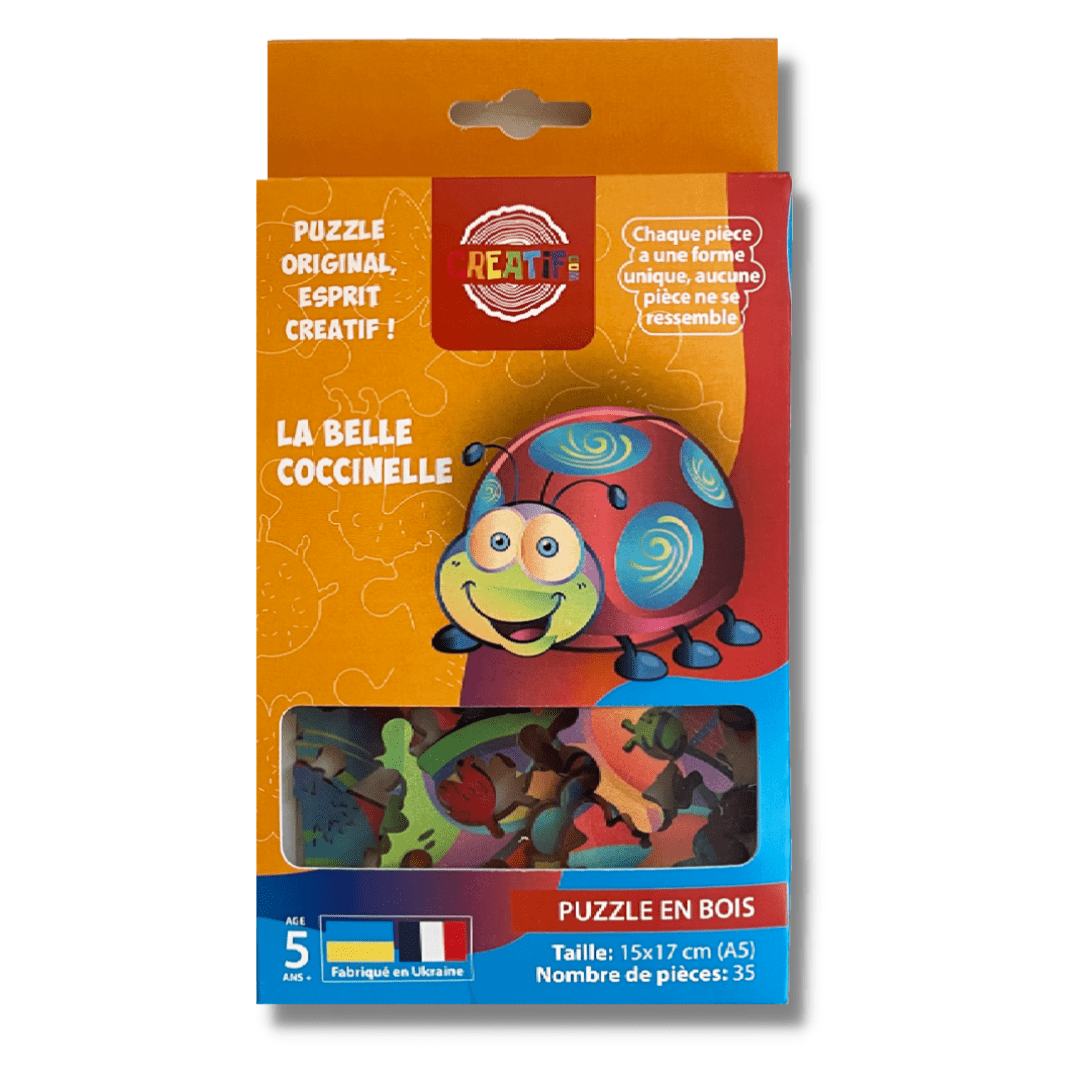
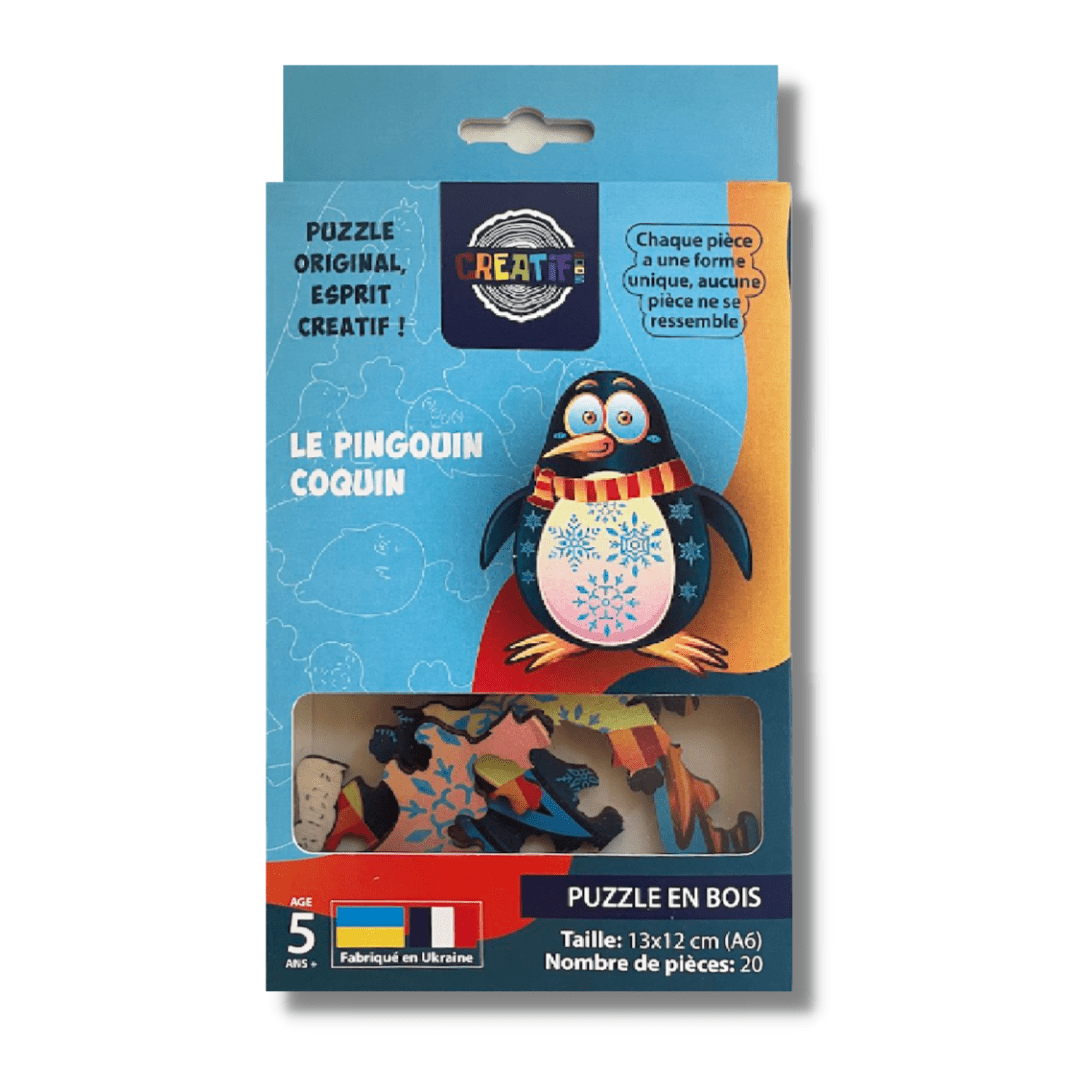
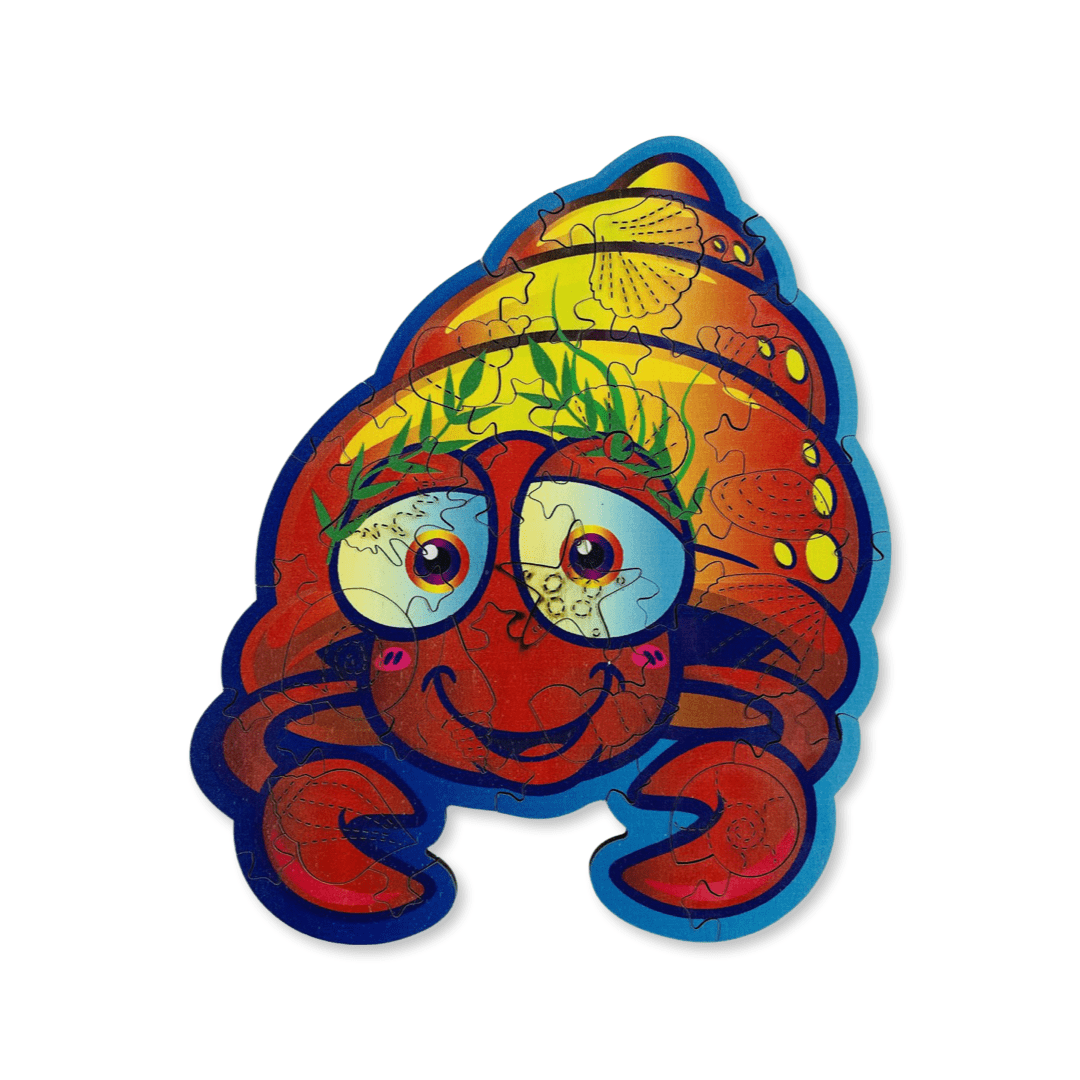
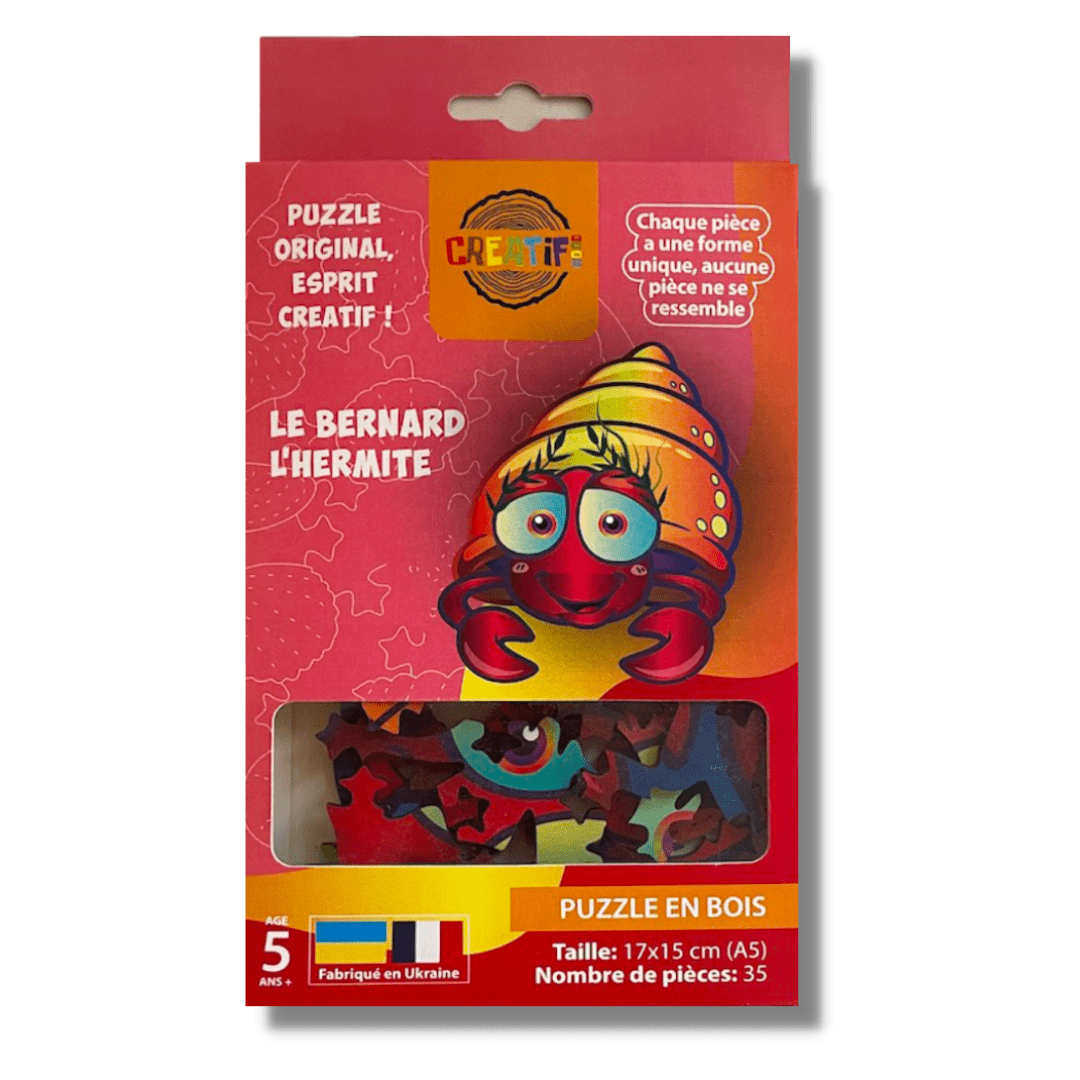
They are laser-cut from wood, so the finished board takes the shape of its subject – a lion's head, a whale mid-dive, a disc with a decorative edge – and there is no rectangular border to build first, which removes the strategy most people rely on.
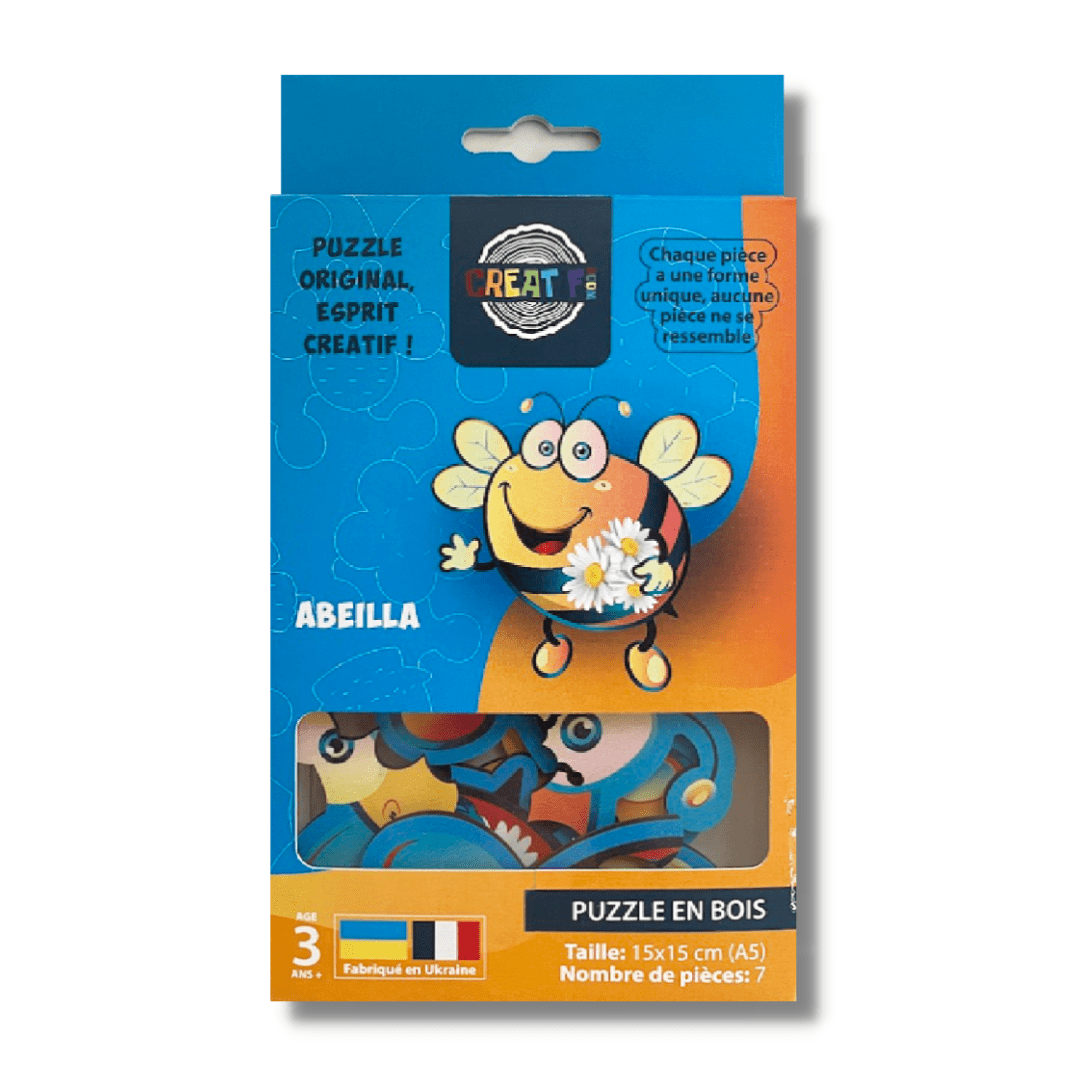
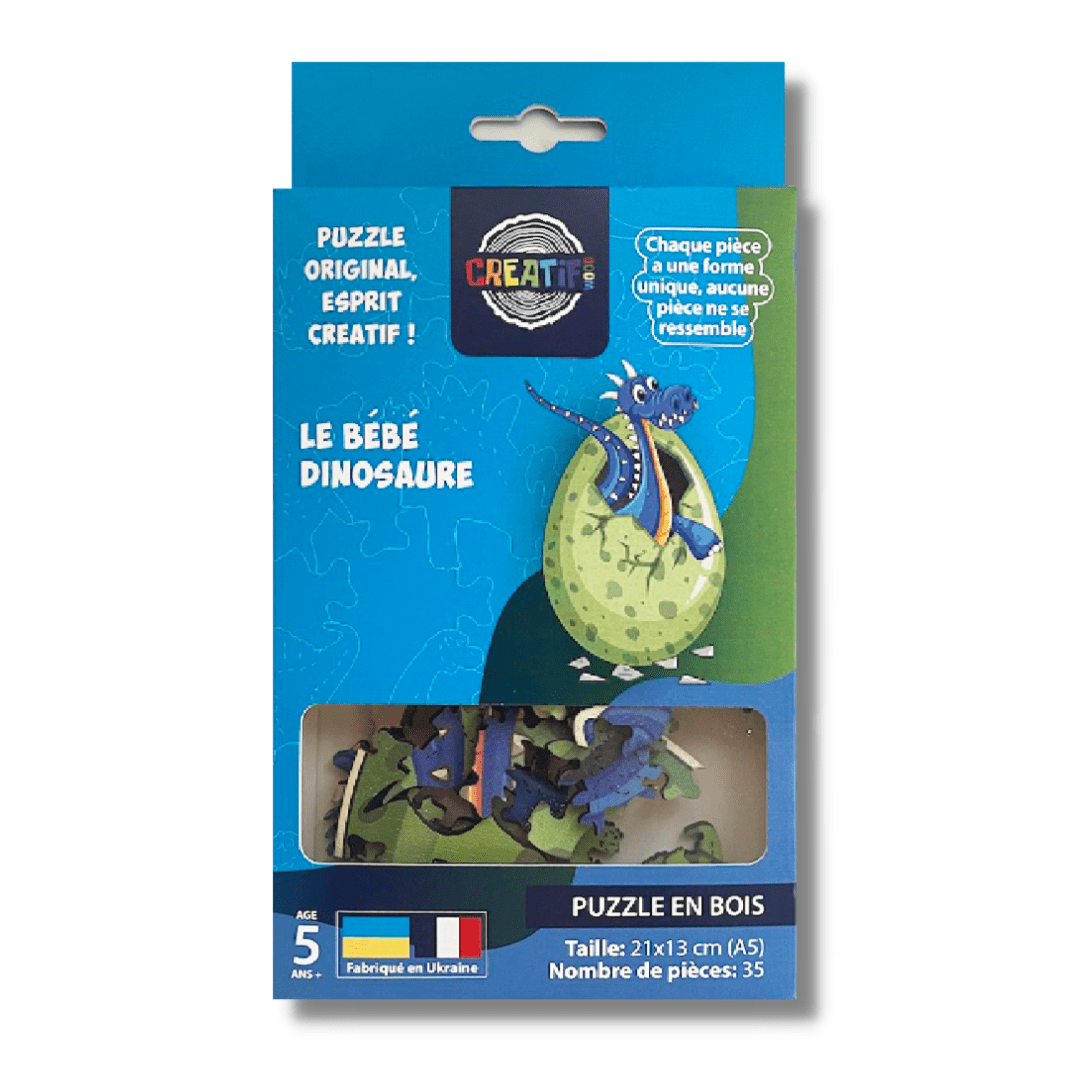
Scattered through most of them are figural pieces – a rhino, a palm tree, a fish – cut as recognisable shapes rather than as interlocking tabs, a tradition from the hand-cut wooden puzzles of a century ago that die-cut cardboard could not carry. They run from seven pieces for a three-year-old to 250 for an evening or two.
What are the construction sets and the sculptures?
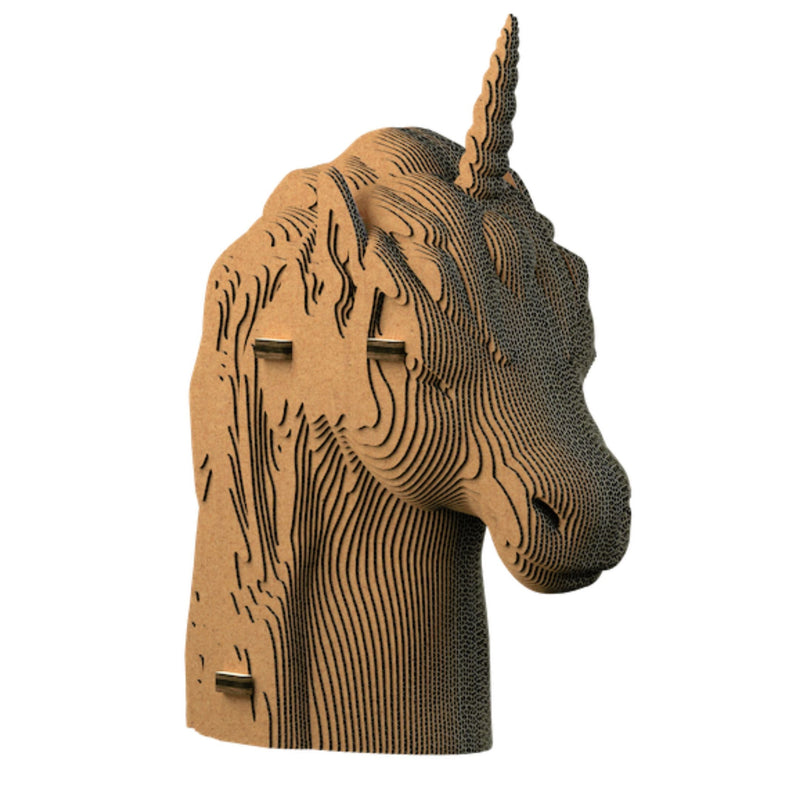
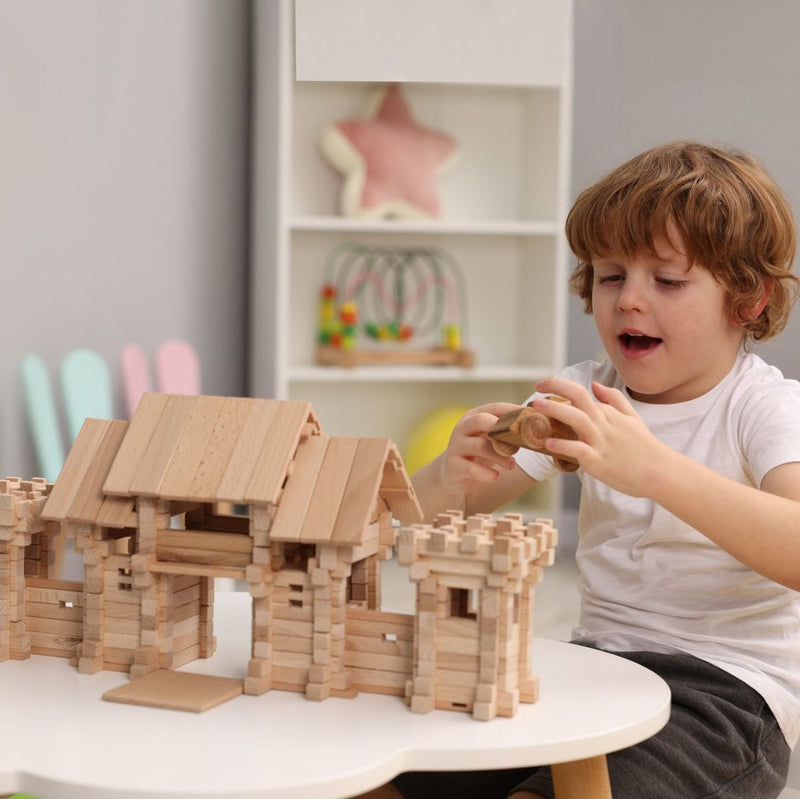
The construction sets are notched wooden beams that lock into each other without glue or tools: houses, a tower, a castle with its walls and gateway, and an Eiffel Tower, from thirty-seven pieces to 296. The sculptures are the other way round – cardboard, not wood – built from numbered slices on metal rods into a lion, a dragon, a cat, a unicorn, a Staffordshire terrier and a locomotive, and they stand on a shelf when done.
Where should I start?
If you want a jigsaw, the wooden puzzles page filters by subject and by piece count. If you want a game to play with other people, or a set for a classroom, the dominoes, mahjong, sudoku, the tower and the teaching sets are under wooden games and learning toys. Something to build and keep: the construction sets and the cardboard sculptures.
If you are buying for a child, the age markings mean something here rather than being cautious: the block sets from two and three, seven-piece jigsaws from three, task cards and twenty-piece boards from five. The ornamental jigsaws and the balance tower are marked 14+.
Why wood?
Because it can be cut to any line, so a puzzle piece can be a rhino and a puzzle can be a whale. Because a tile thick enough to stand on edge and stack is a second toy inside the first. And because a notched beam holds a wall together with nothing but its own weight. The toy sets are solid wood, bare or in water-based paint; the six cardboard sculptures are cardboard on purpose, since a stack of slices is what they are.