







Puzzles 100–199 pieces
Filters
41 products




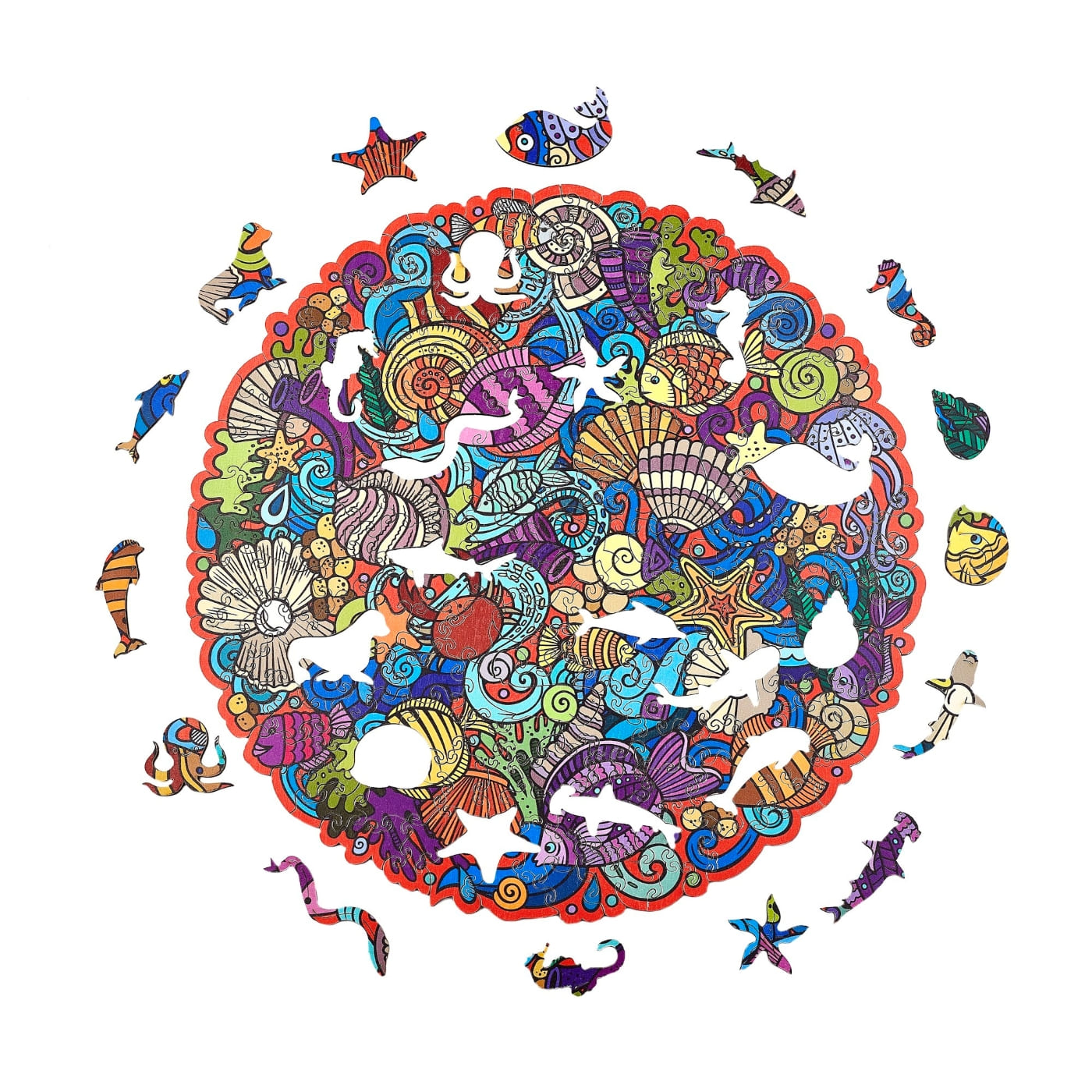
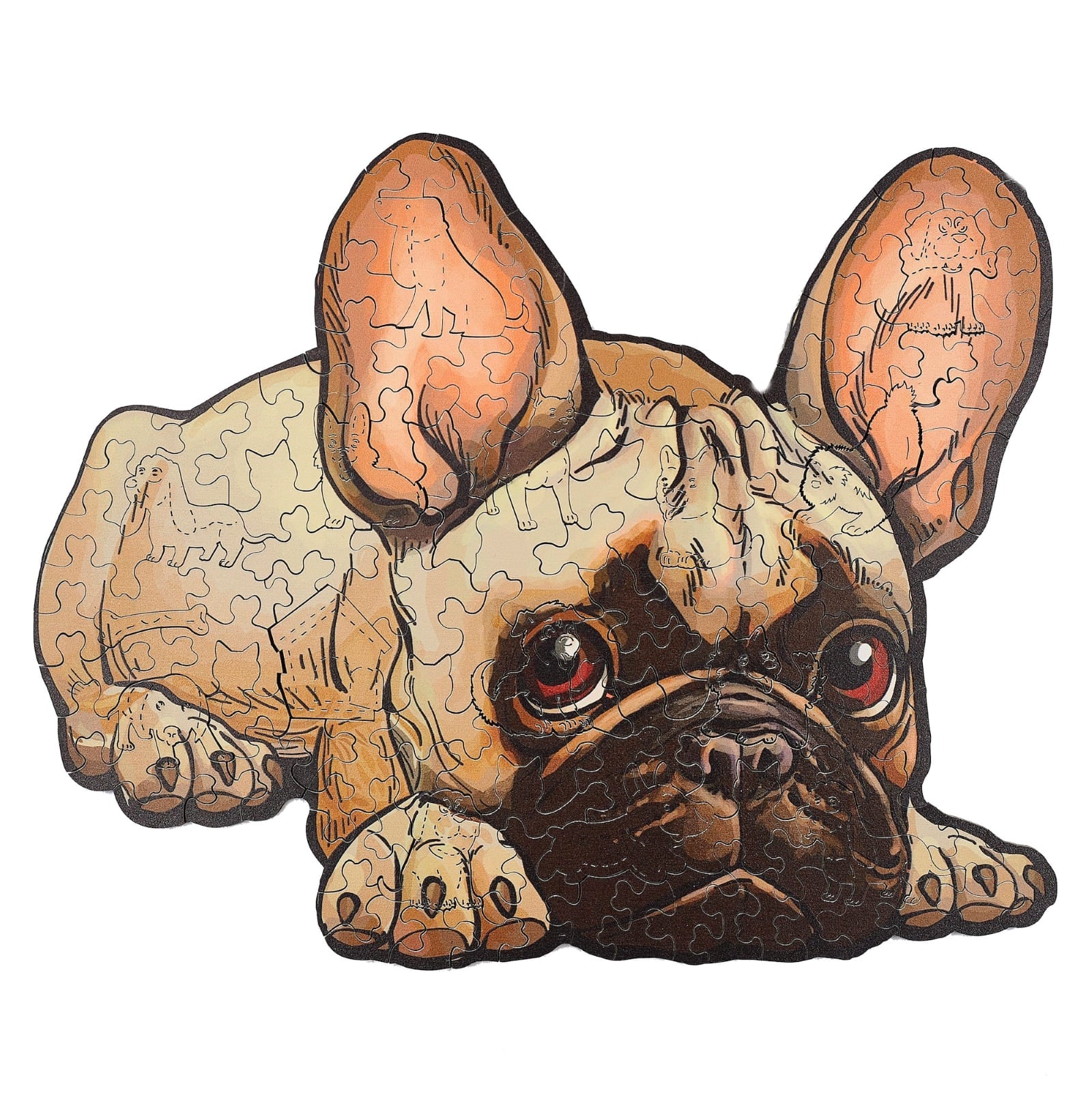
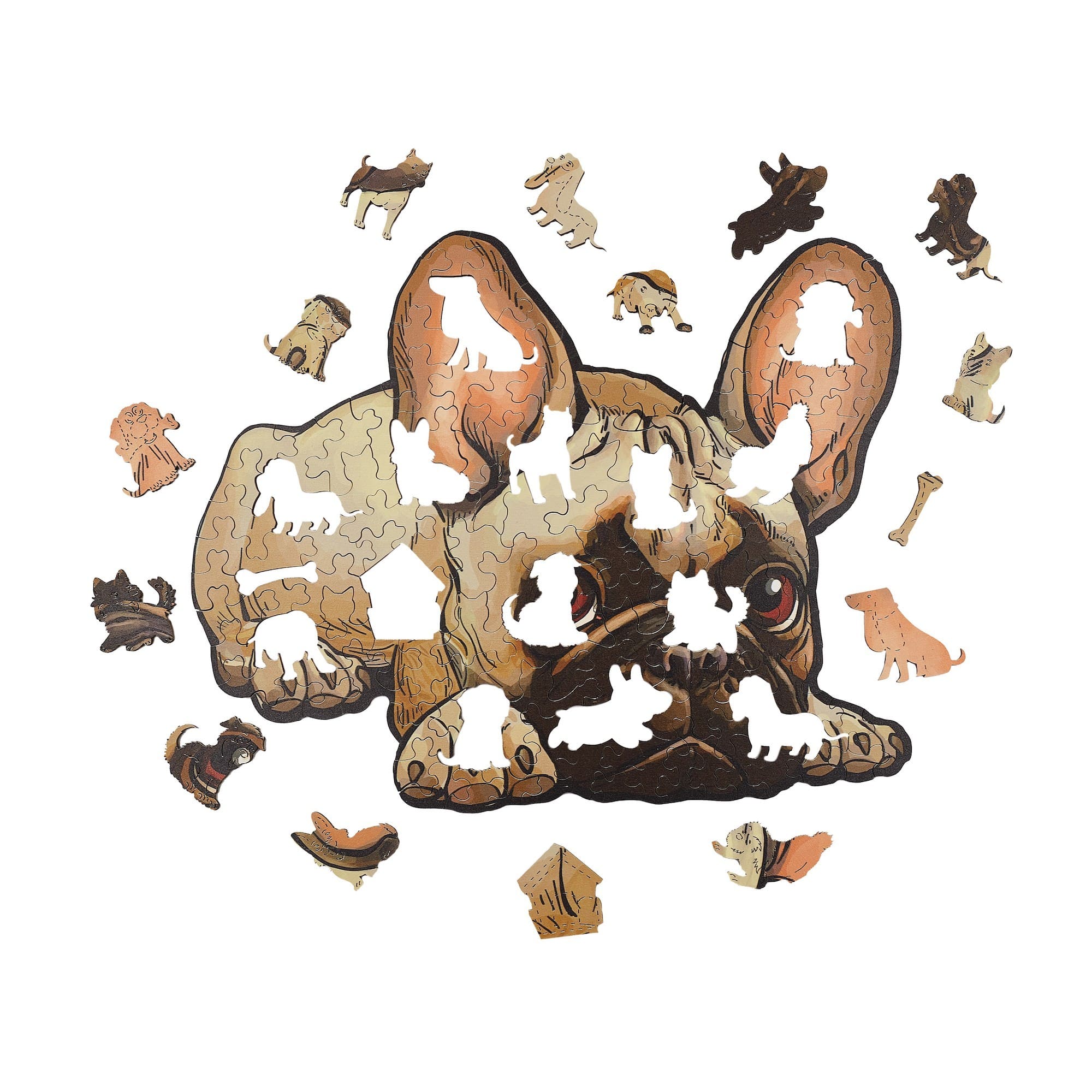
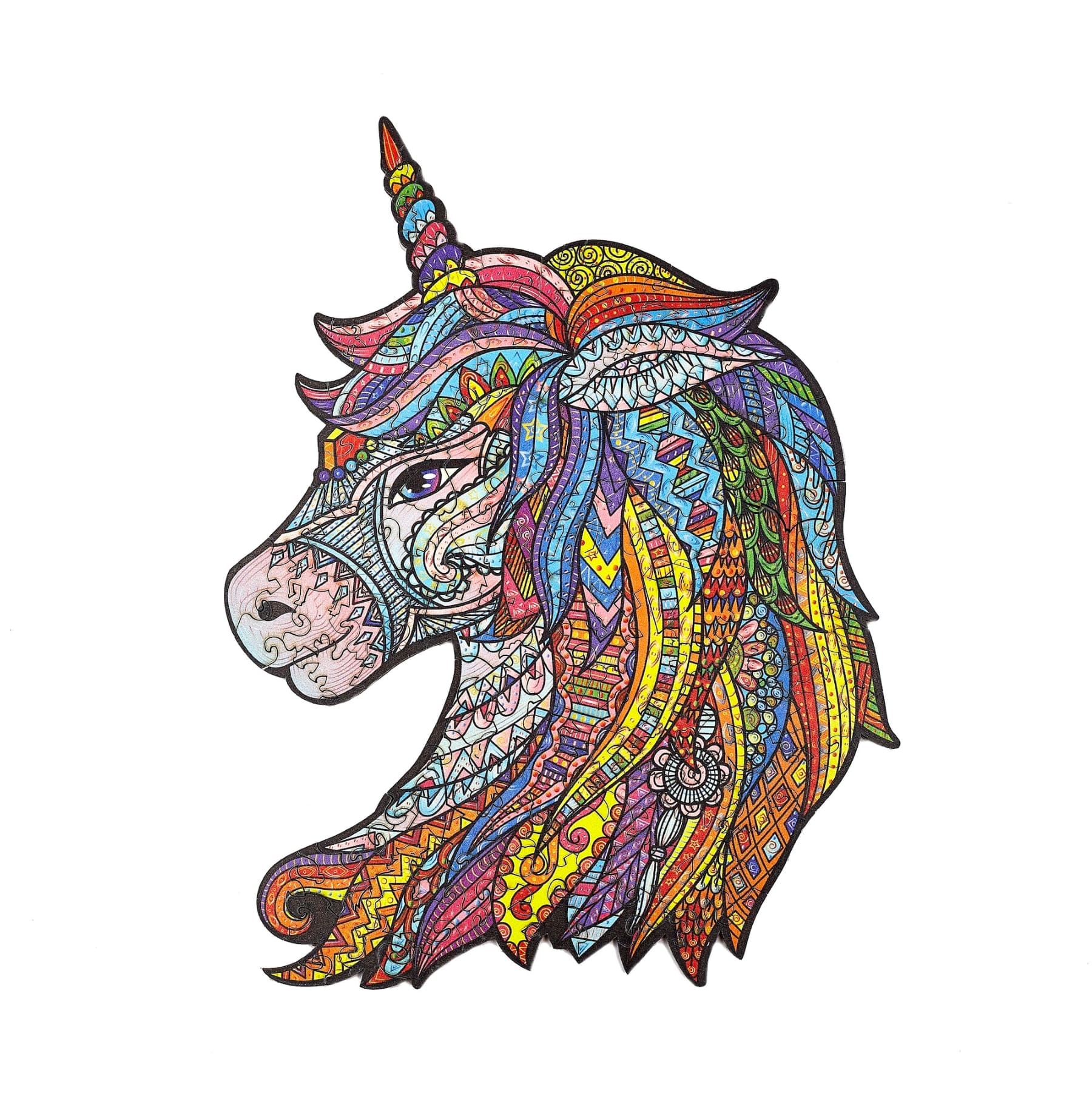



Continue exploring
The middle of the range, and most of it
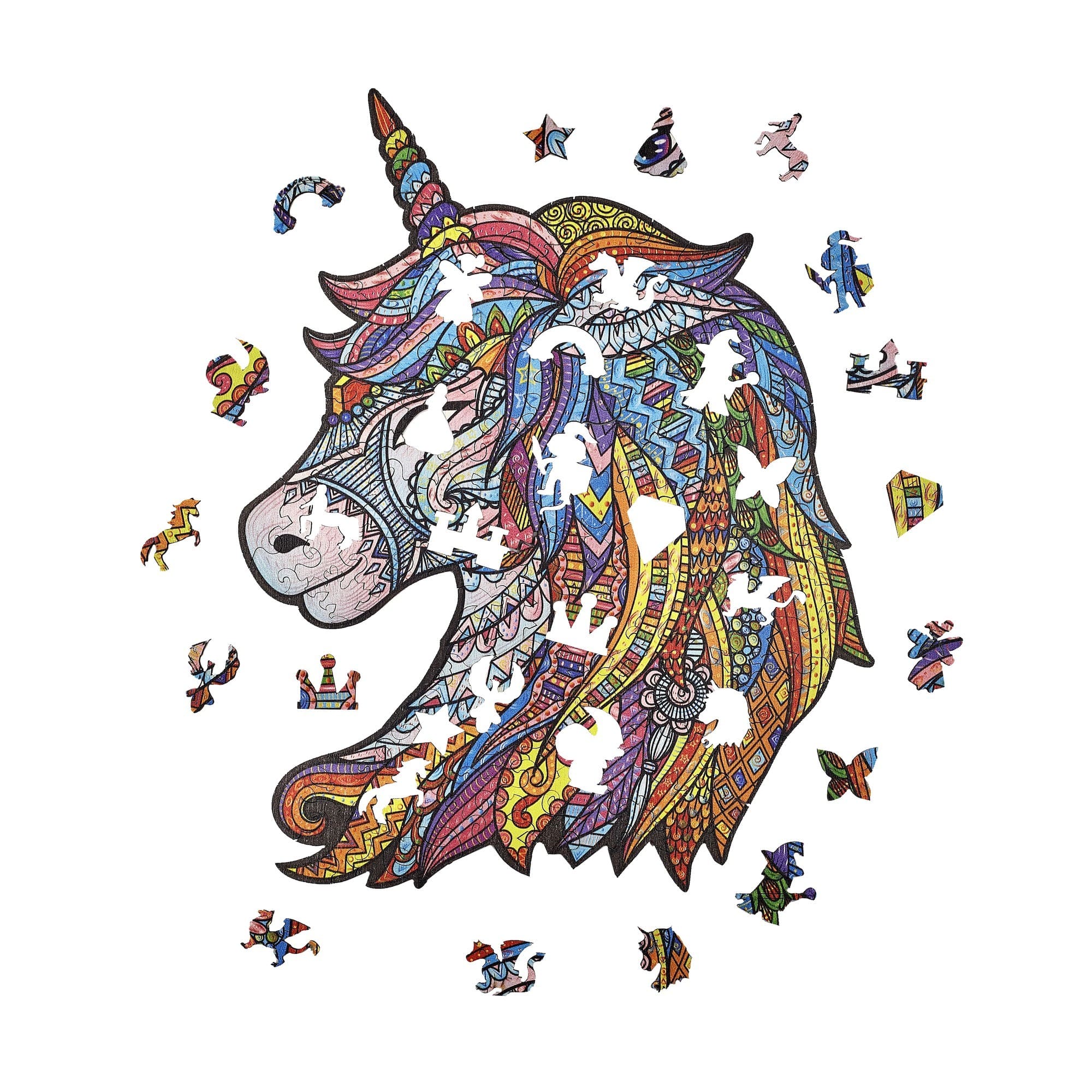
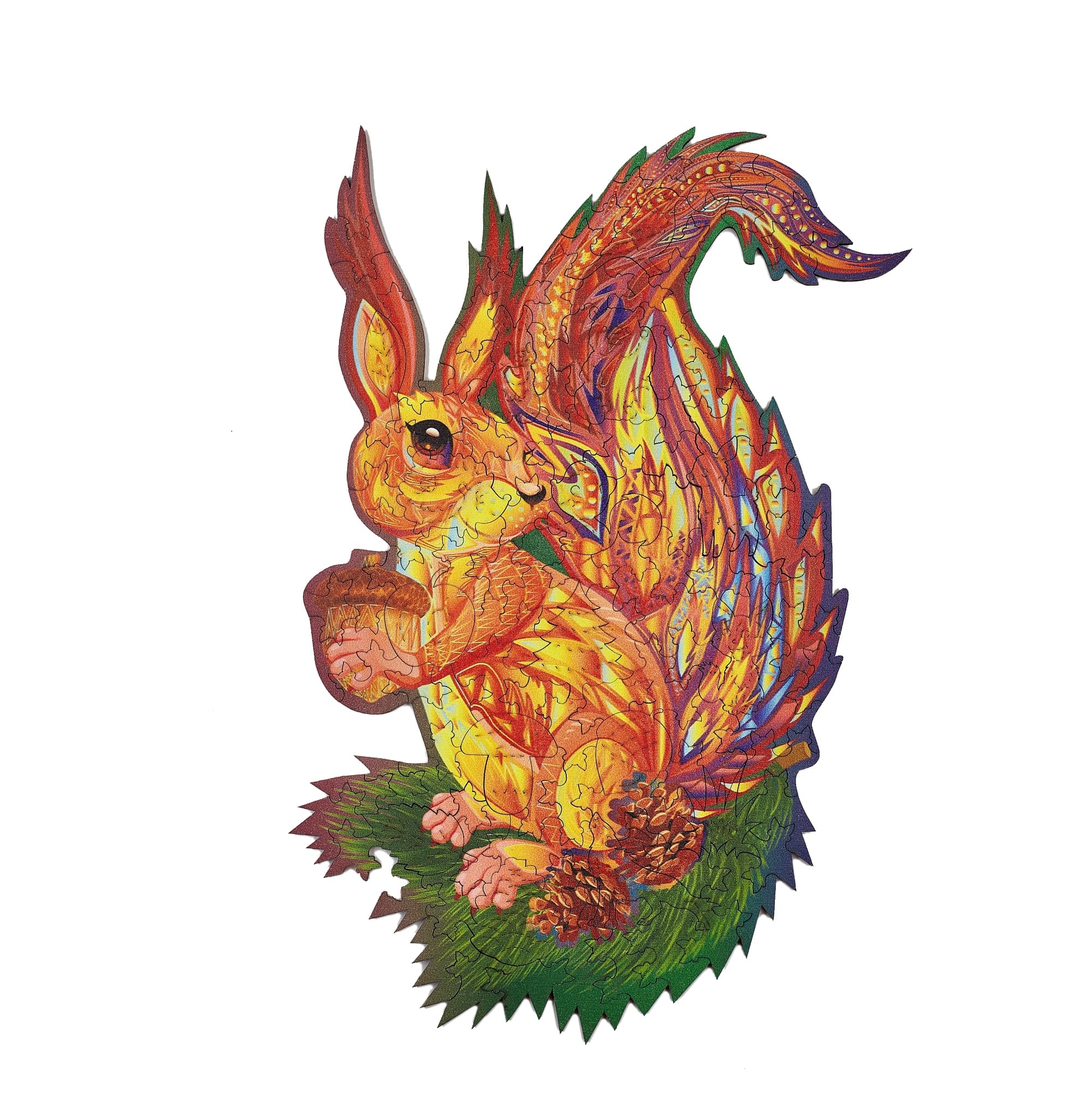
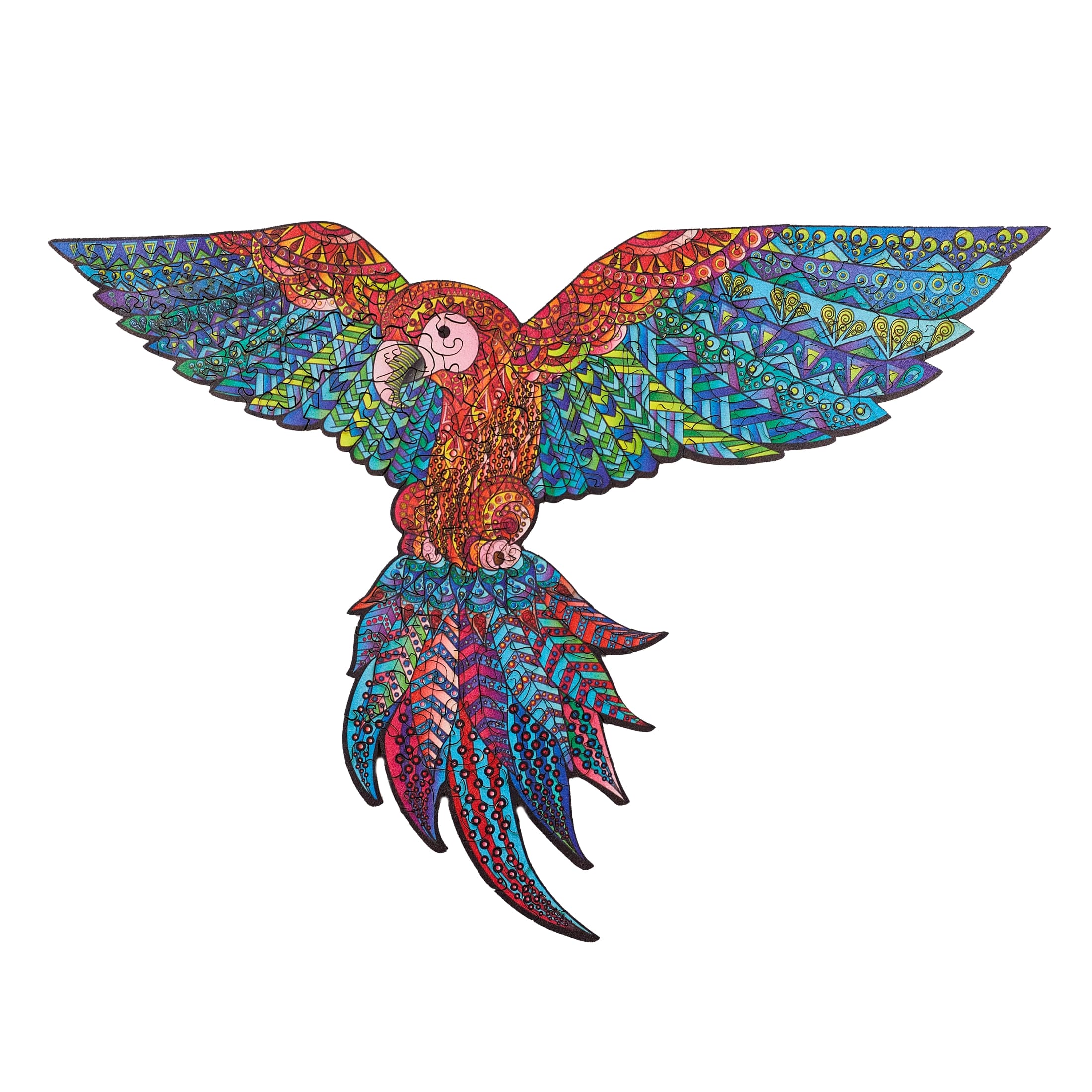
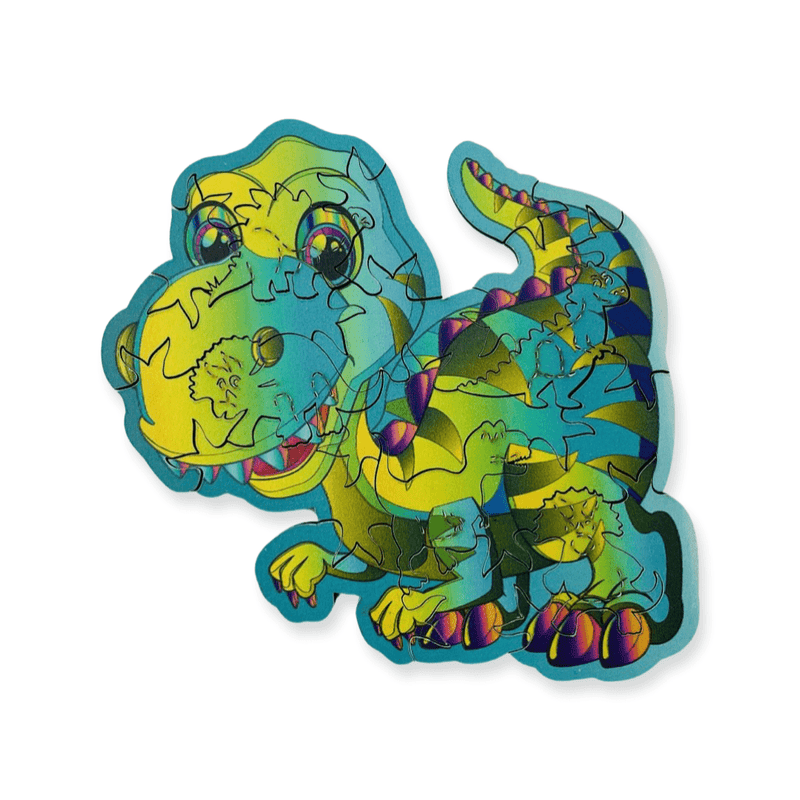
Between a hundred and a hundred and ninety-nine pieces sit more of our designs than in any other range, and it is the count most people choose. It is where a wooden puzzle becomes a project without becoming a commitment: an evening, as a rough guide, two to four hours for most designs, and the boards nearest two hundred spill into a second sitting.
What changes above a hundred pieces?
Below this count each piece is still recognisably part of something – an ear, a paw, a section of tail. Above it they stop being parts and become fragments, and the puzzle changes from placing to solving. That is the threshold this range sits on. A hundred and twenty pieces is not marginally harder than thirty-five; it is a different task, which is why our children's boards stop at thirty-five and our adult designs start here.
Why do these take longer than the count suggests?
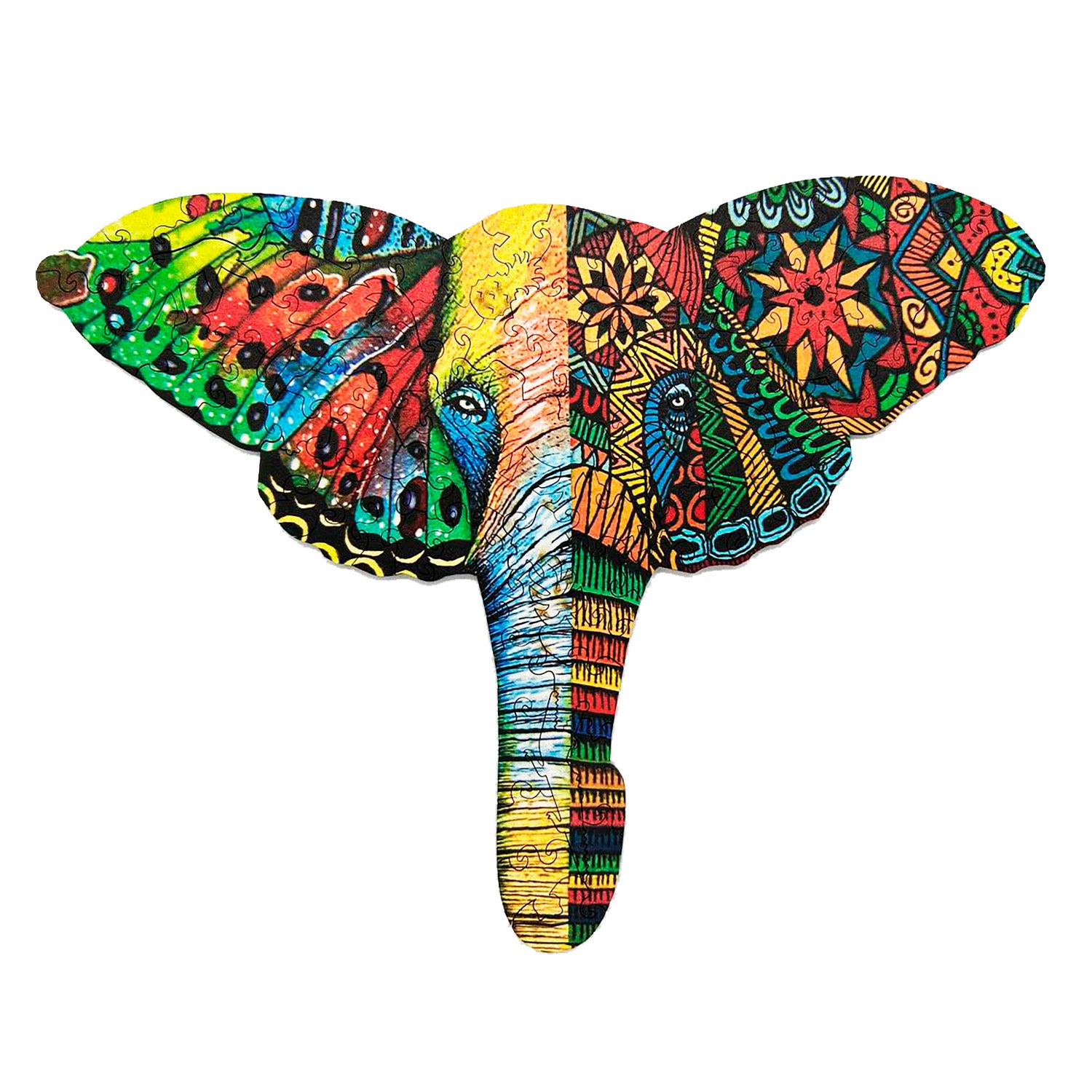
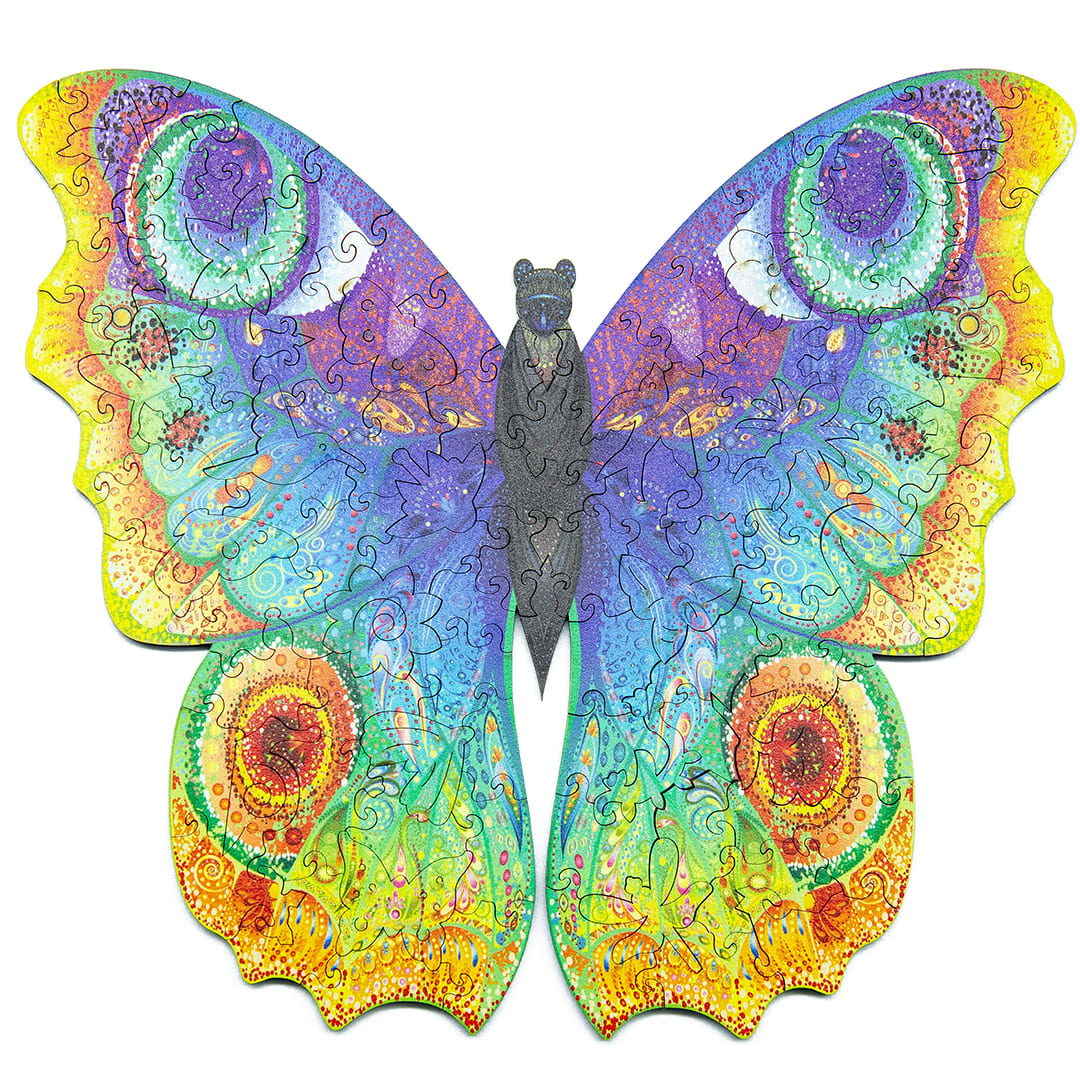
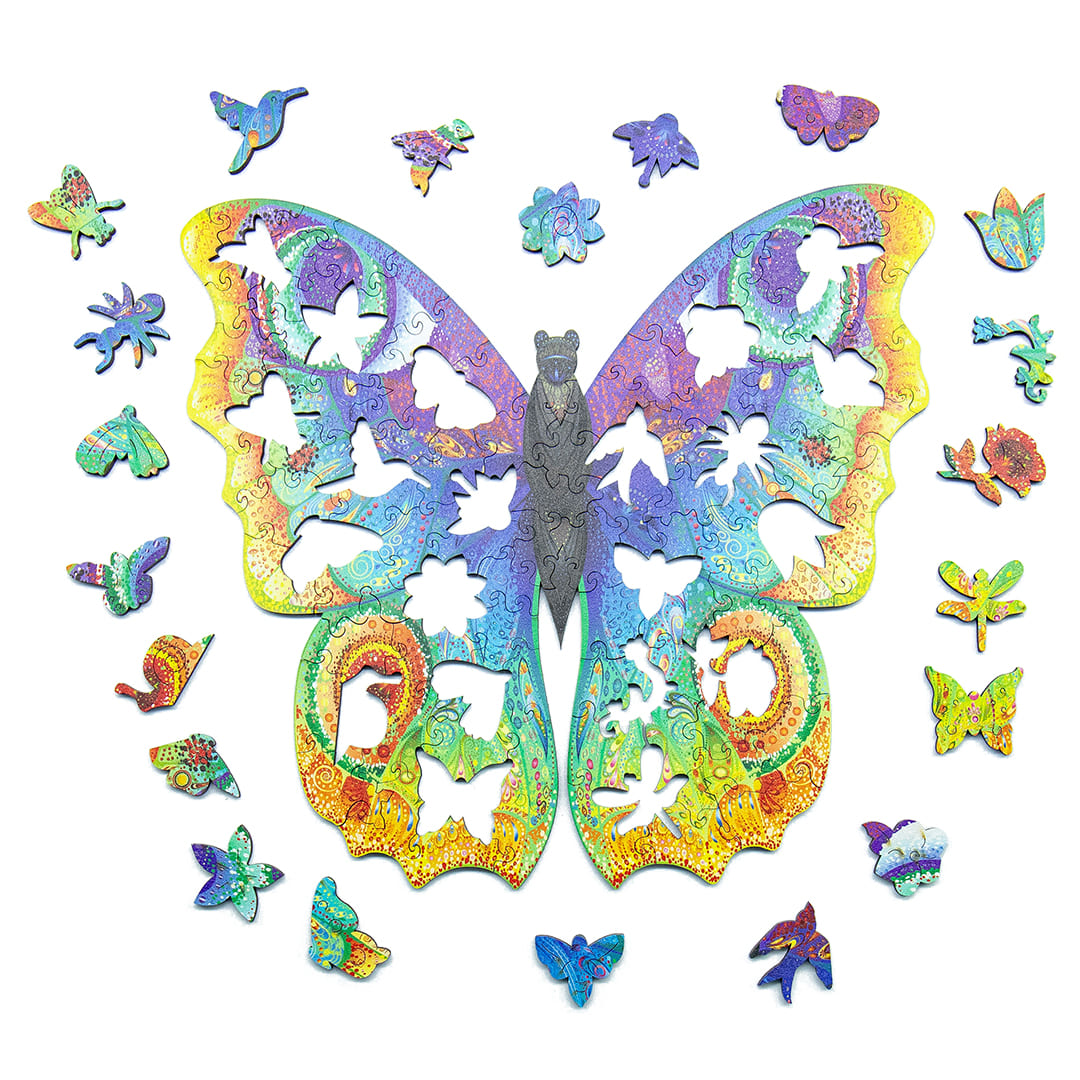
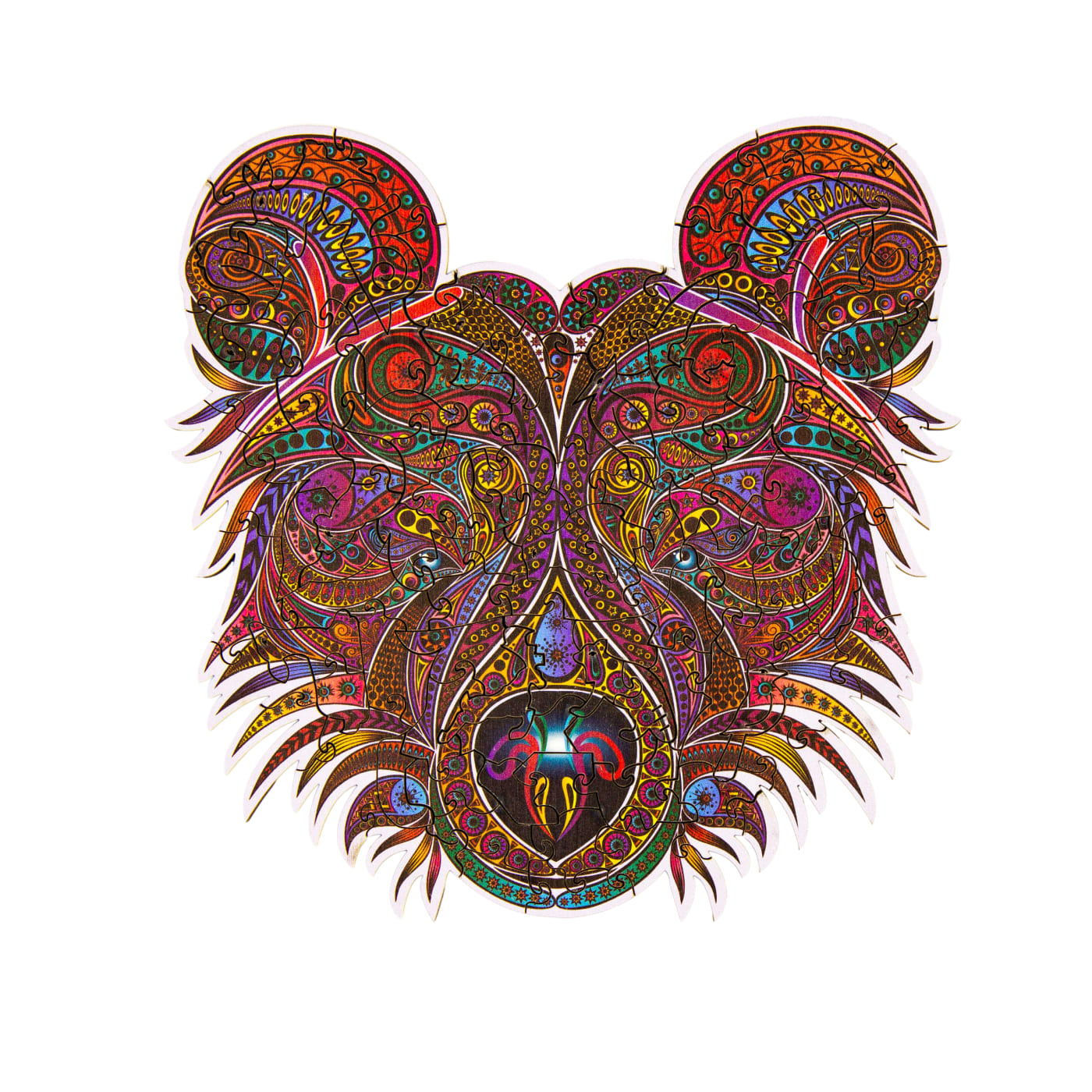
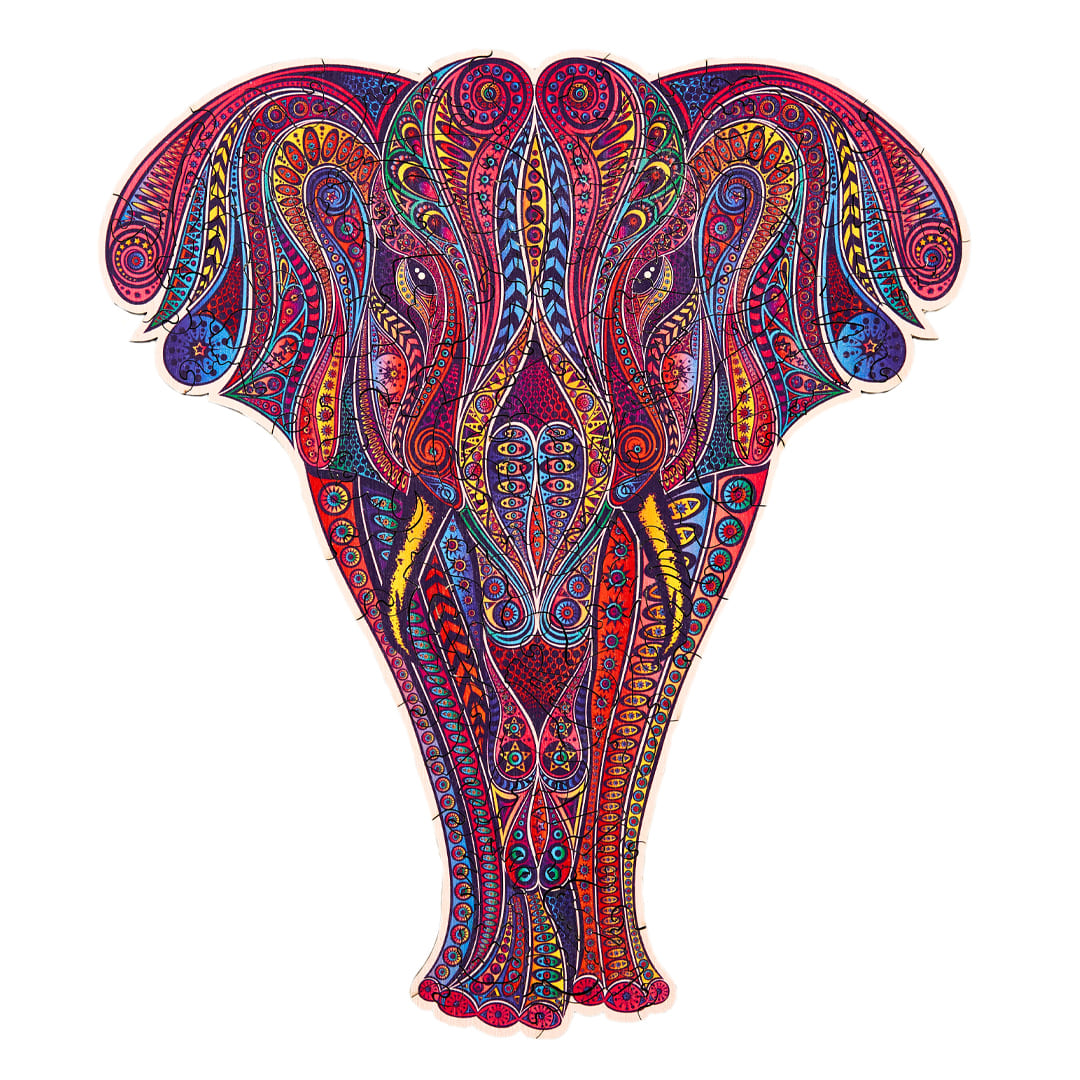
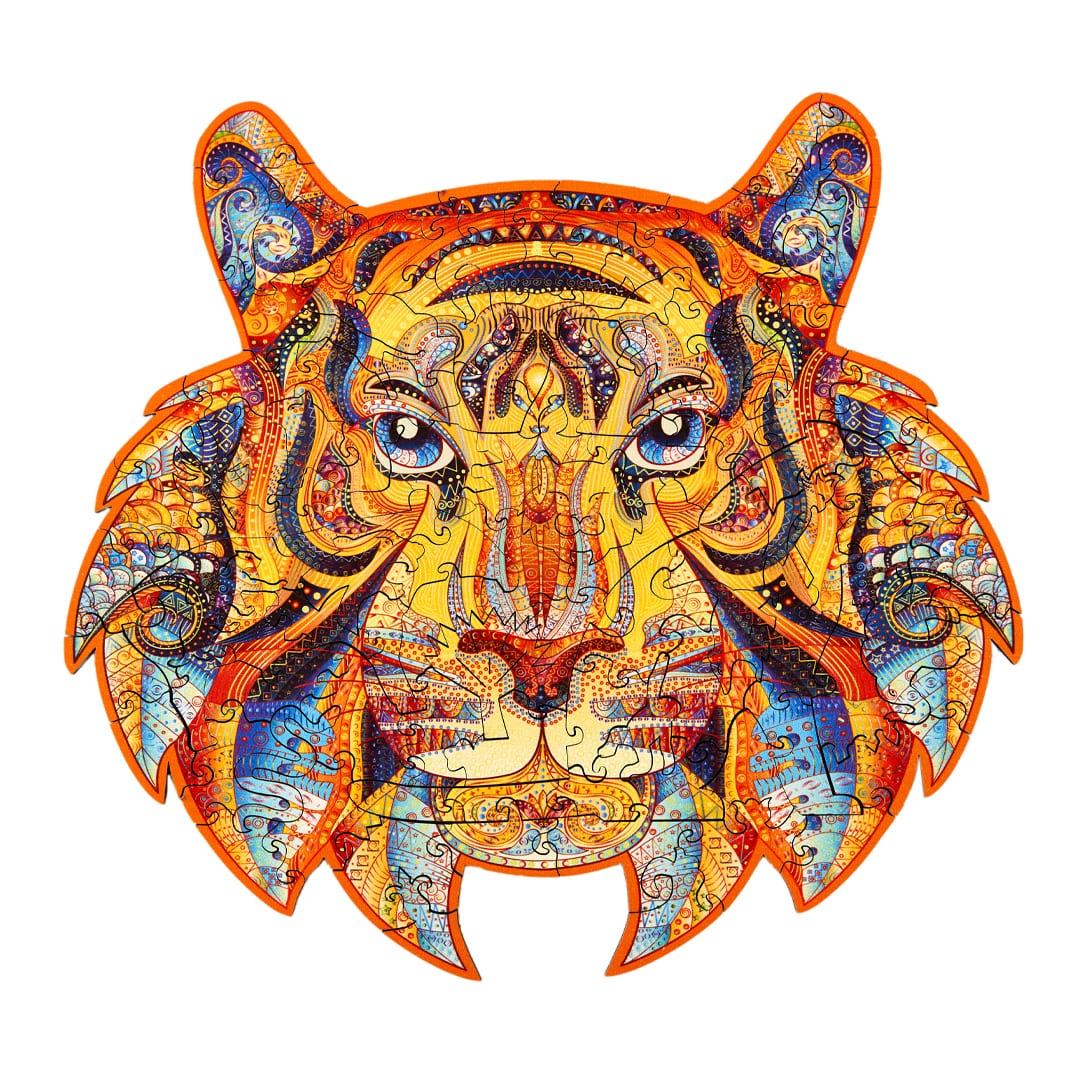
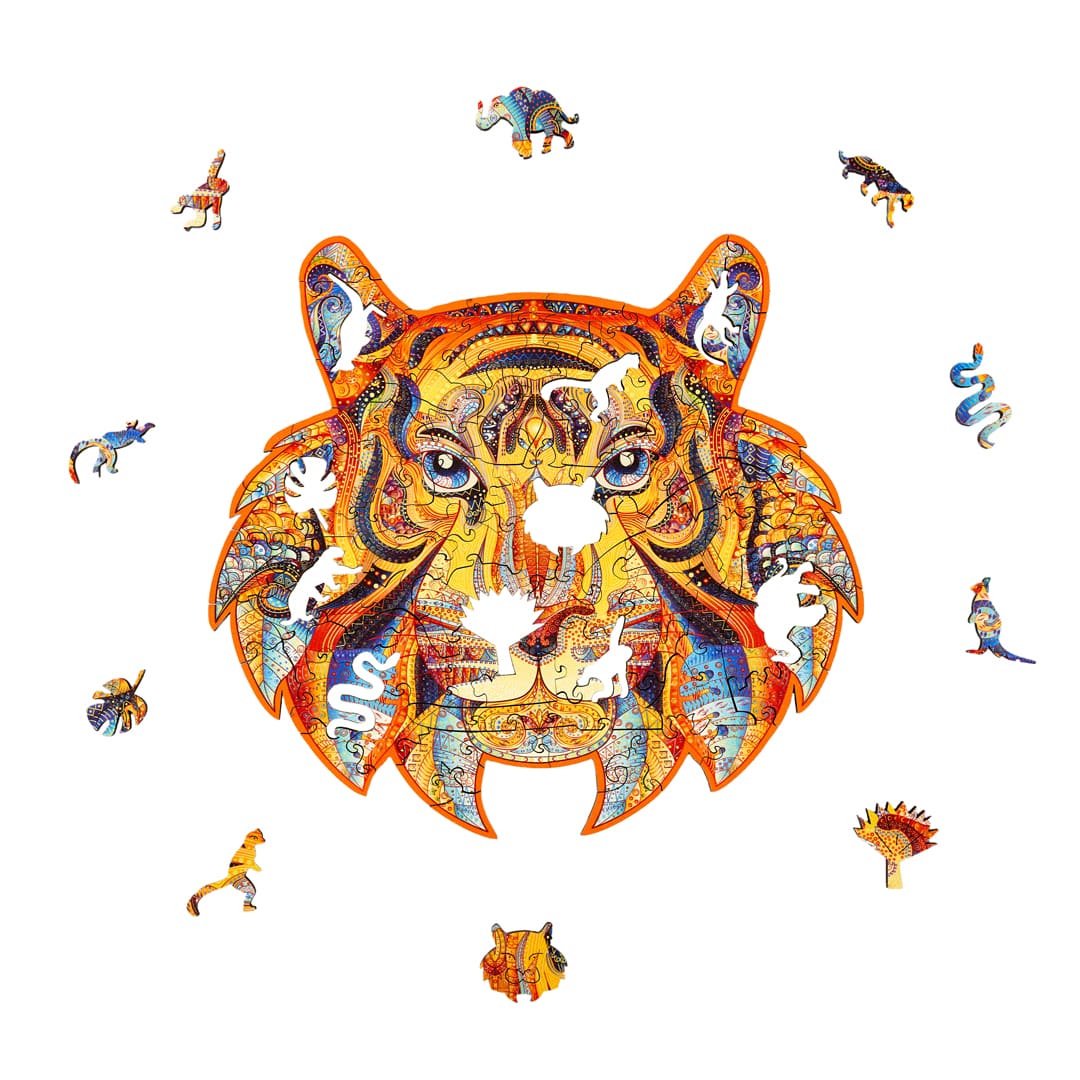
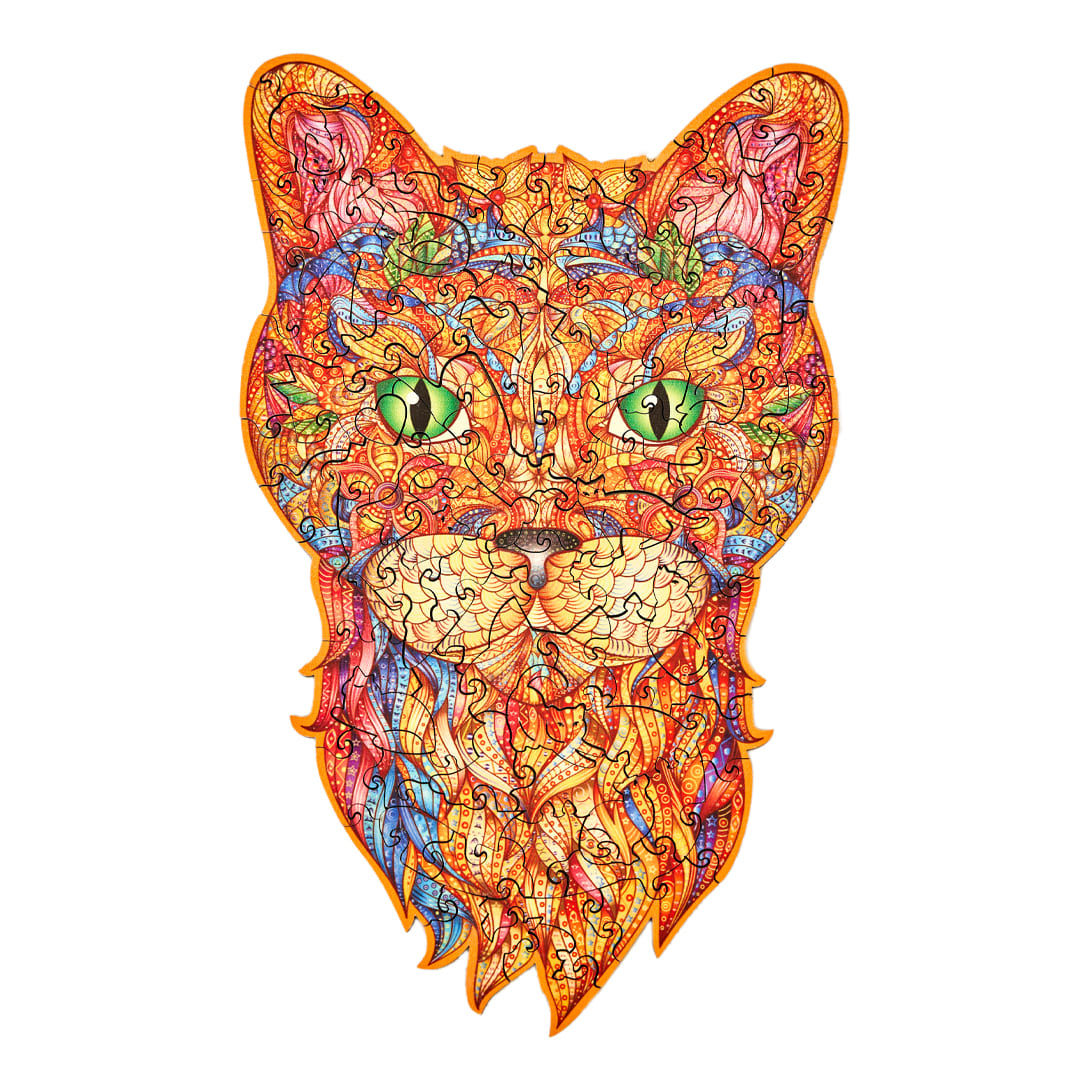
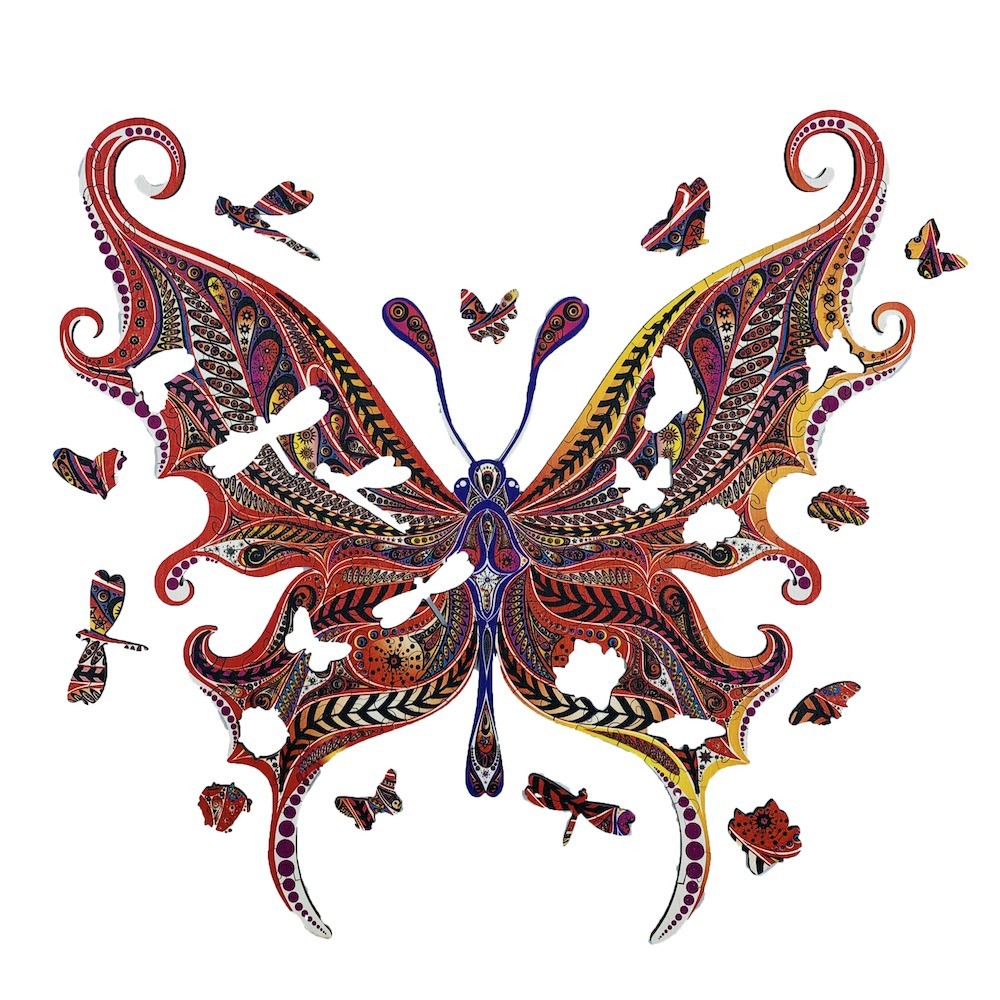
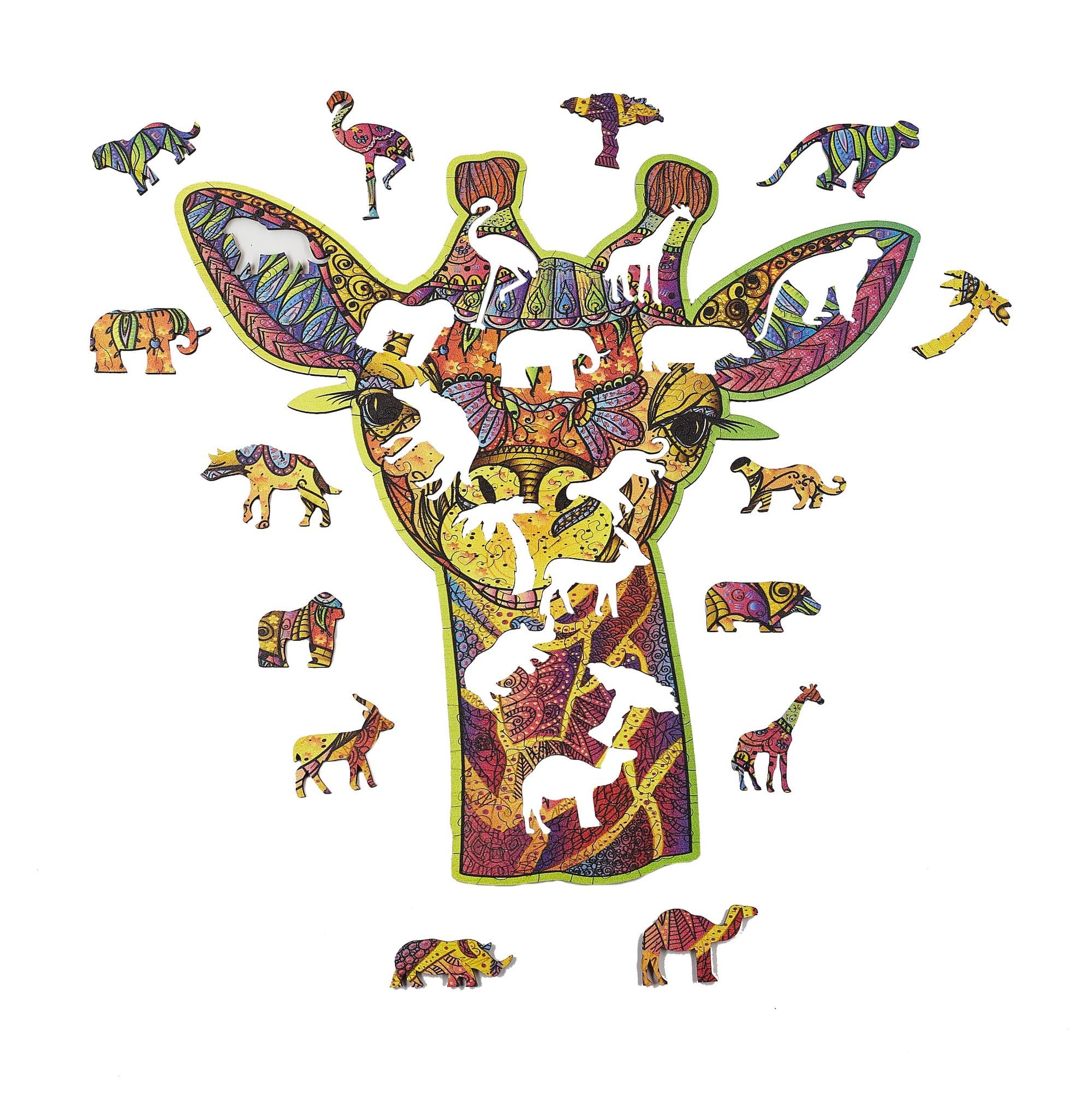
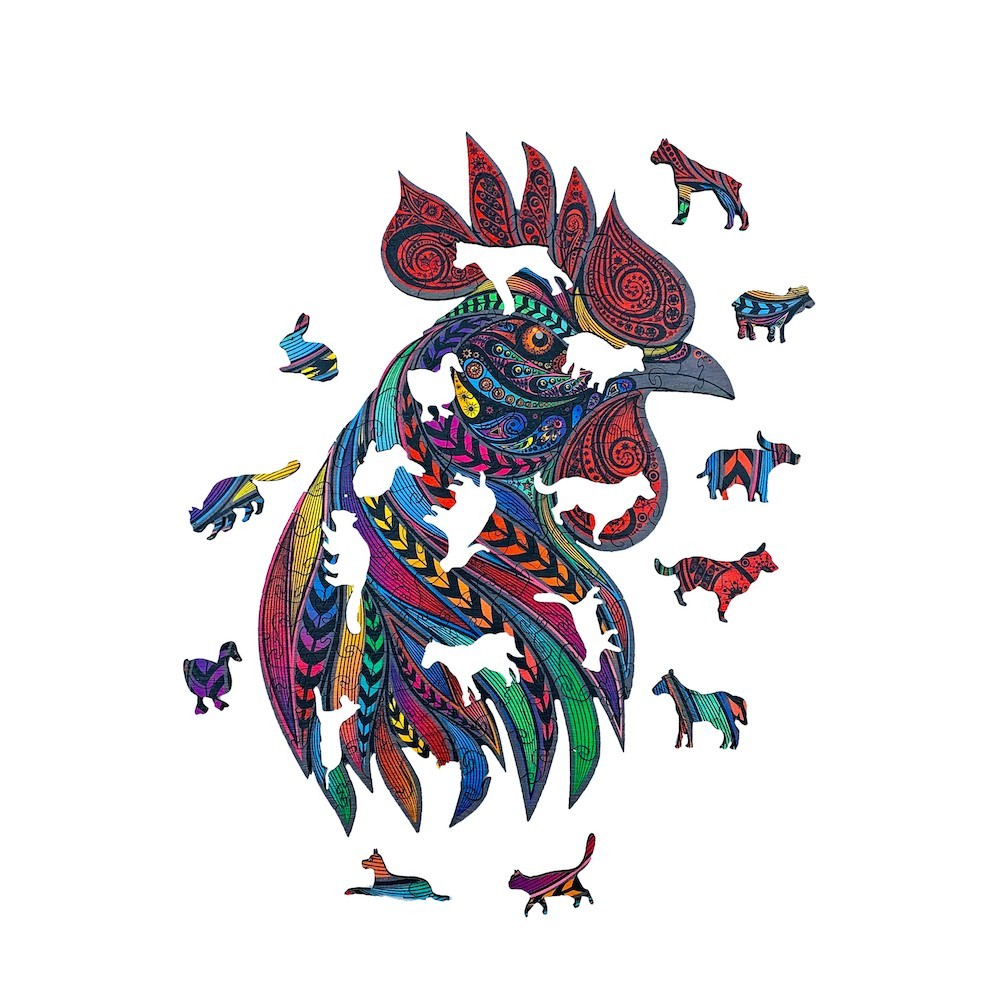
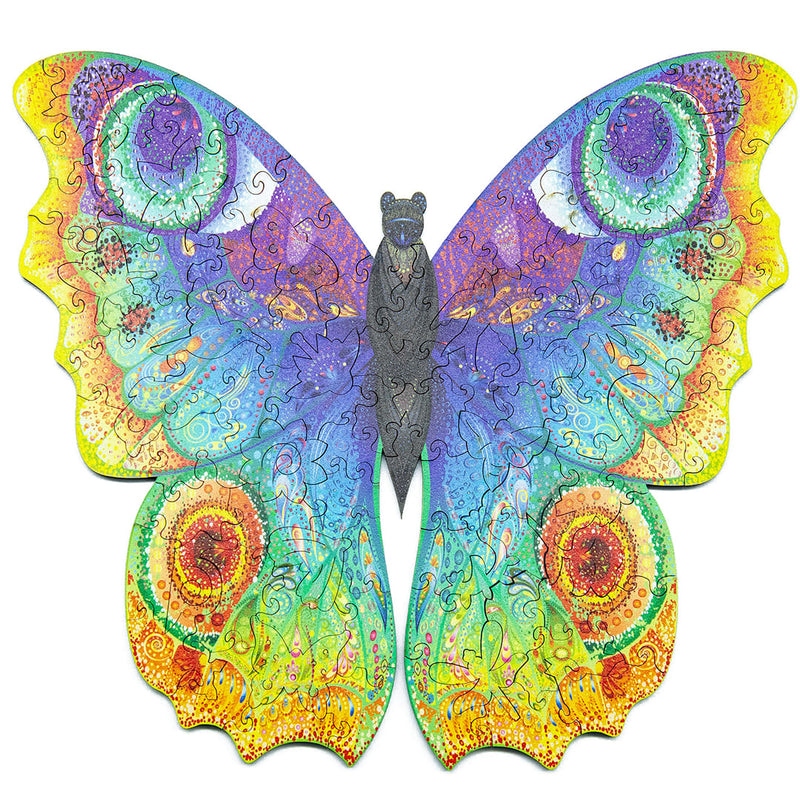
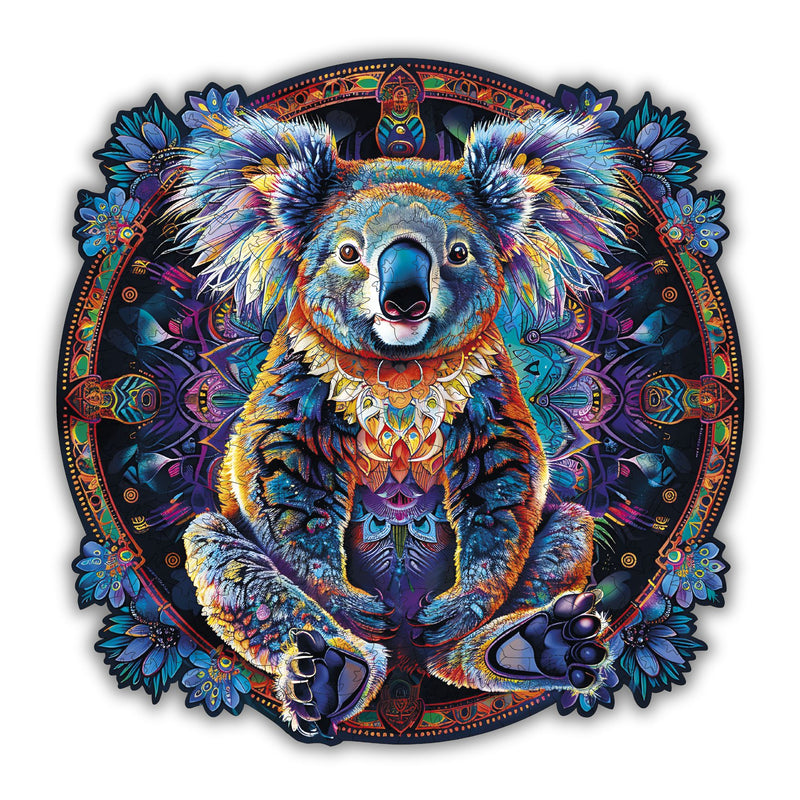
The outline follows the animal, so there is no rectangular border to anchor from. On the symmetrical designs – the butterflies, the frontal portraits – every piece has a mirror twin that looks identical and will not fit, and only the direction of the curve separates them. Ornament repeats across large areas, so colour sorting gets you to a region and no further. Most people end up starting from the eye or the muzzle, which is the one high-contrast feature on almost every board.
What is in this range?
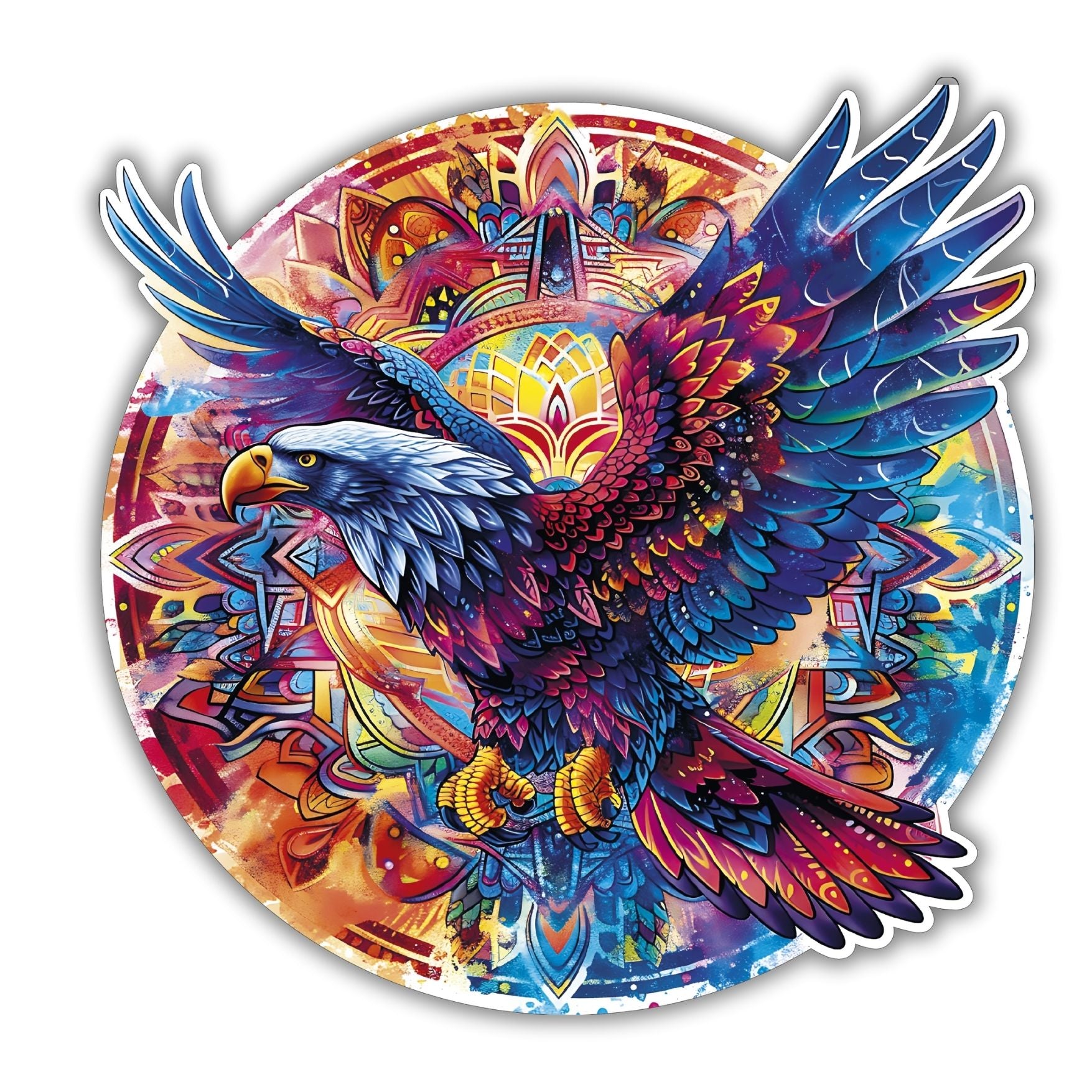
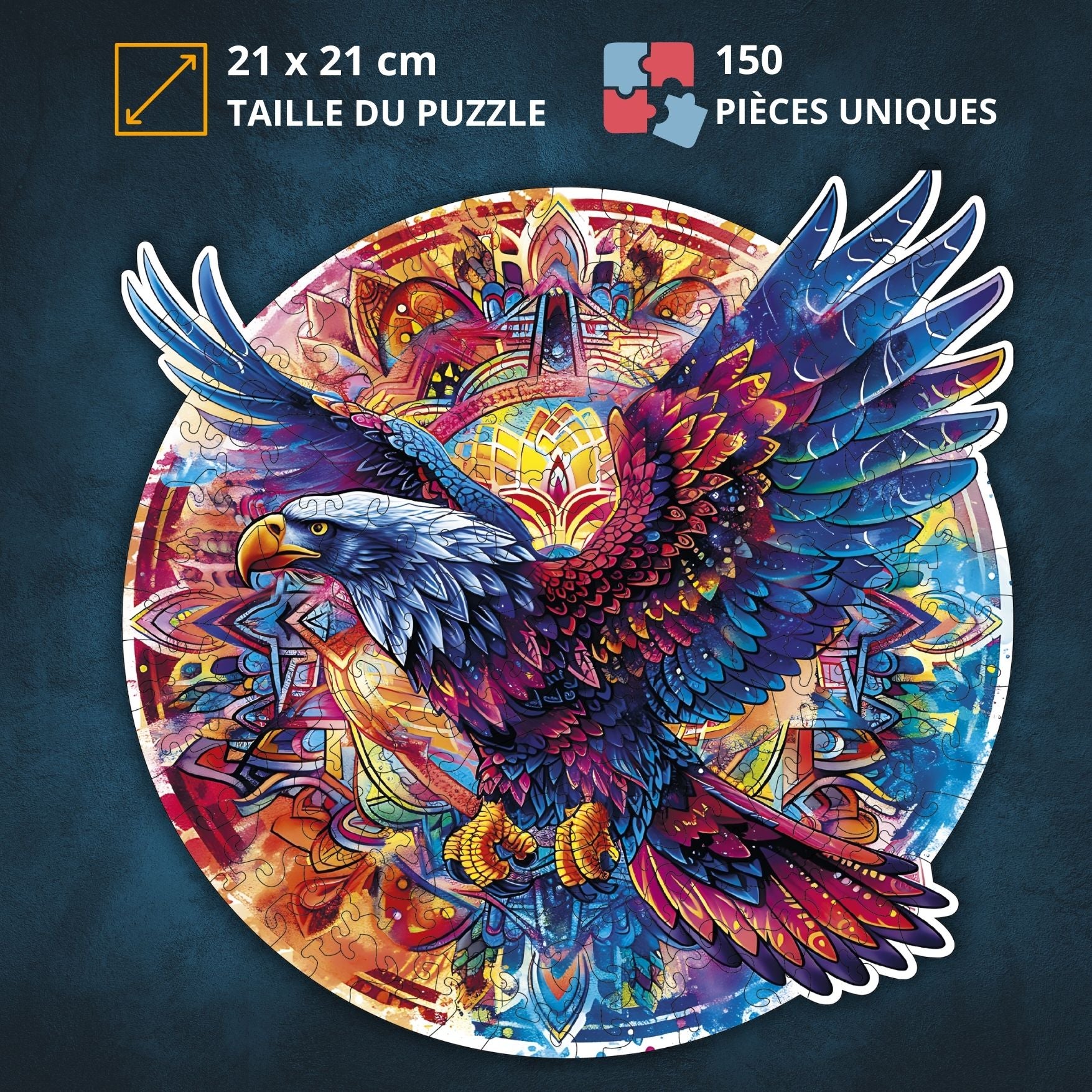
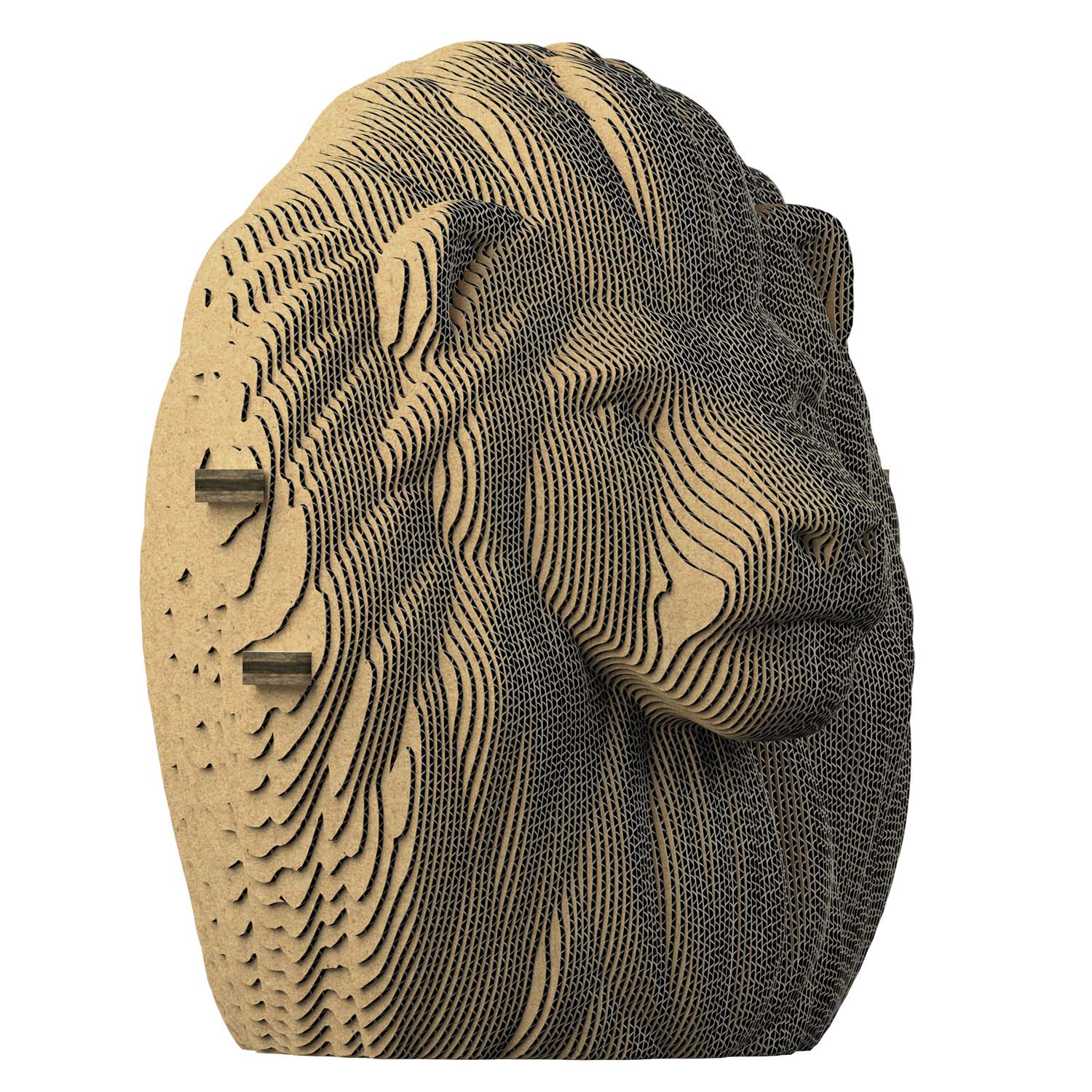
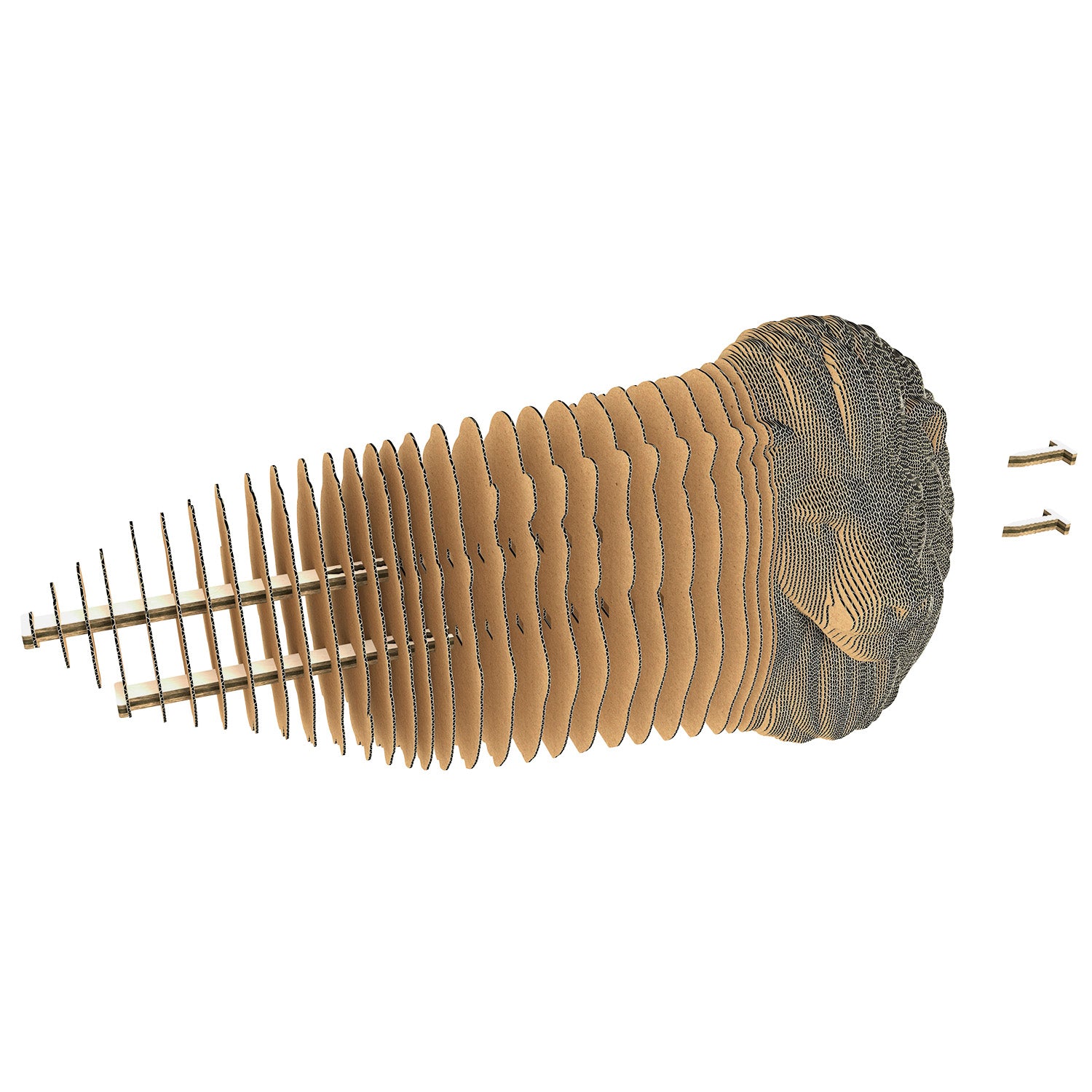
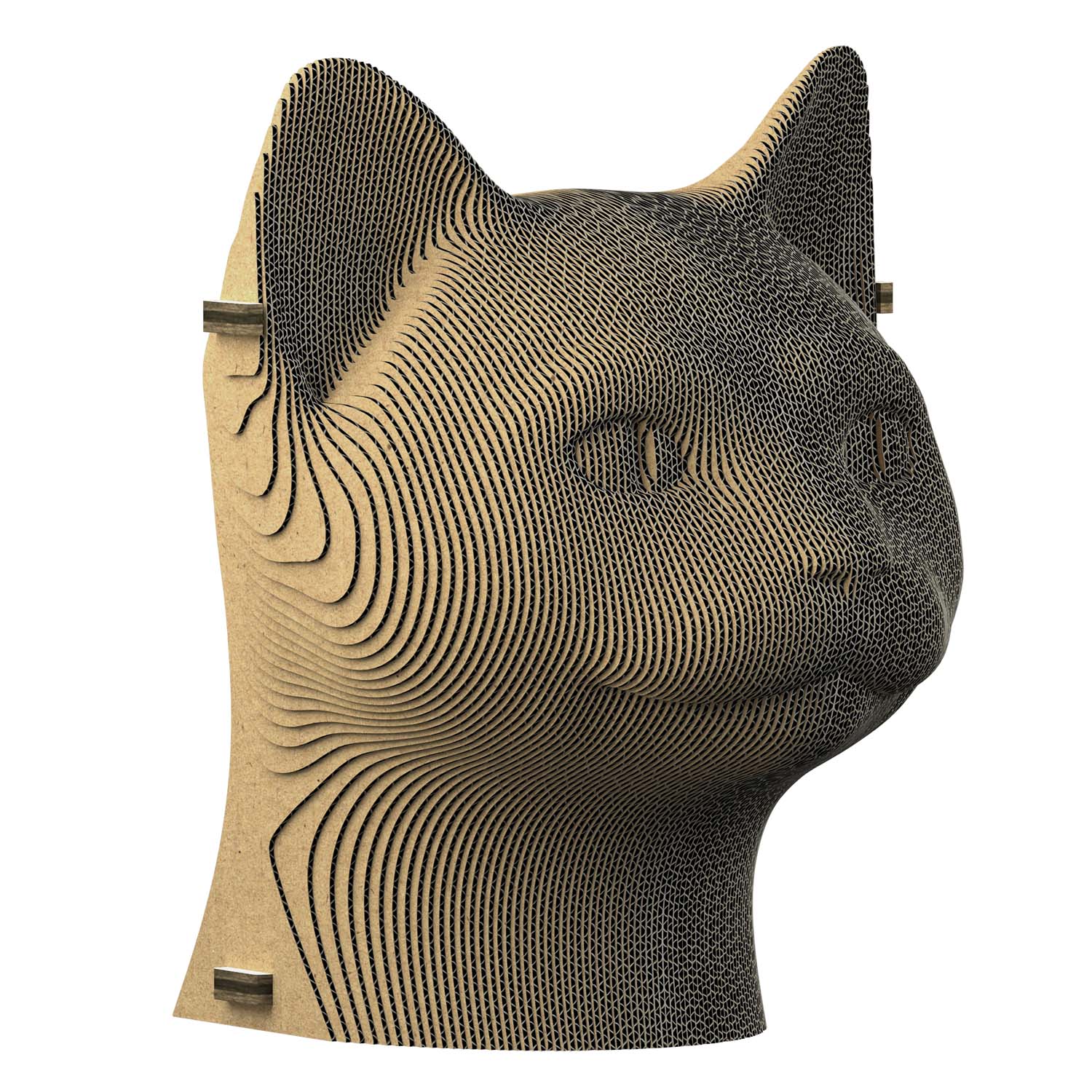
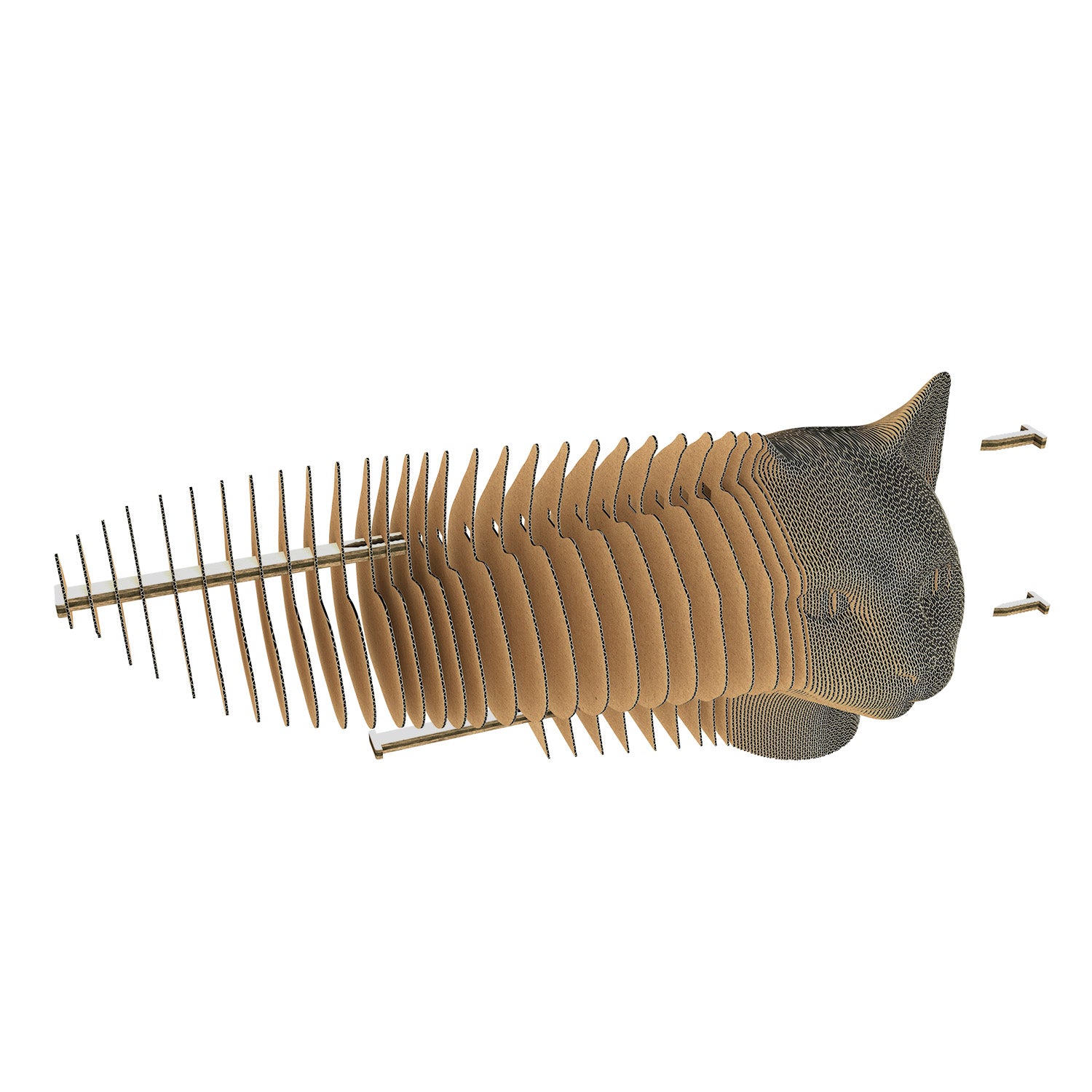
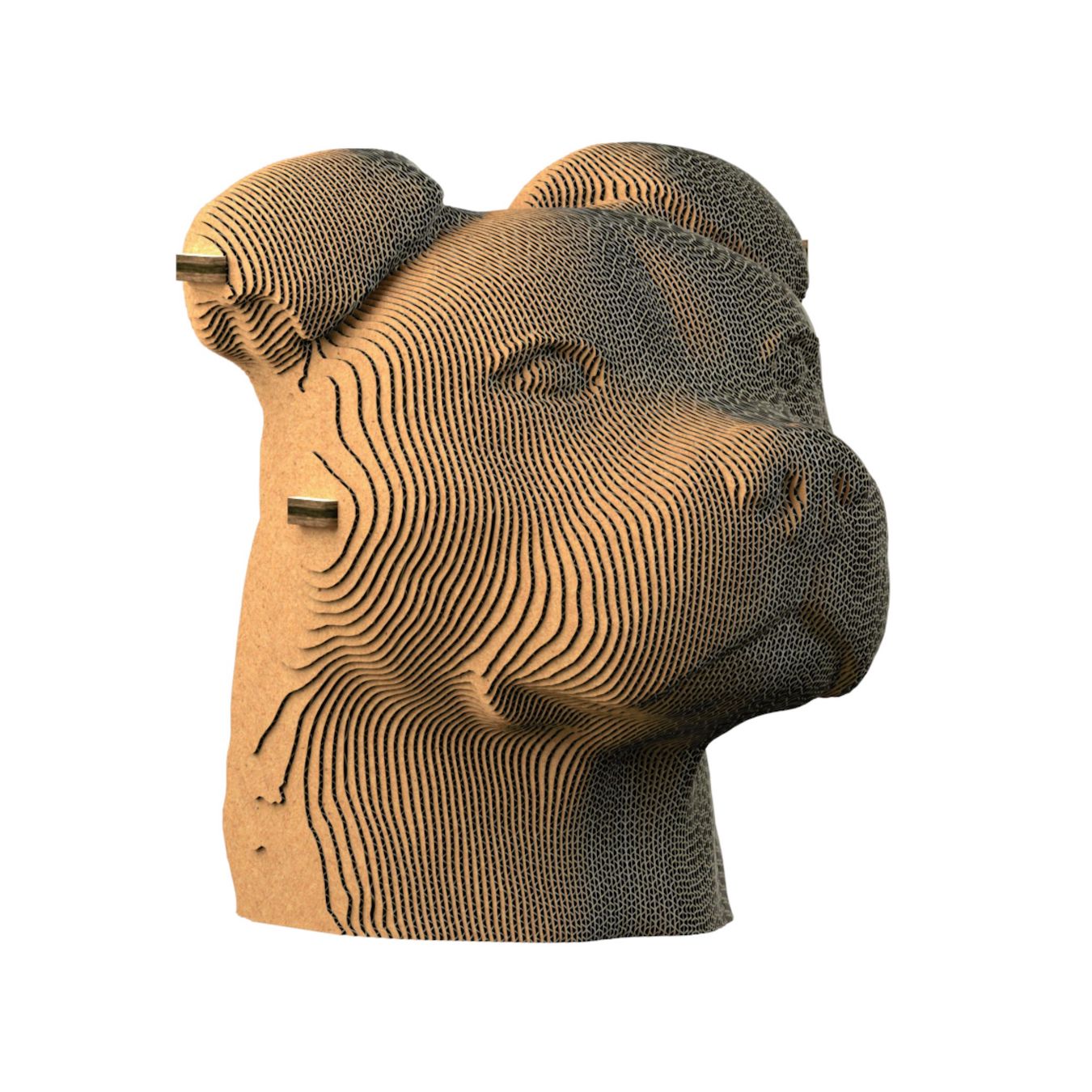
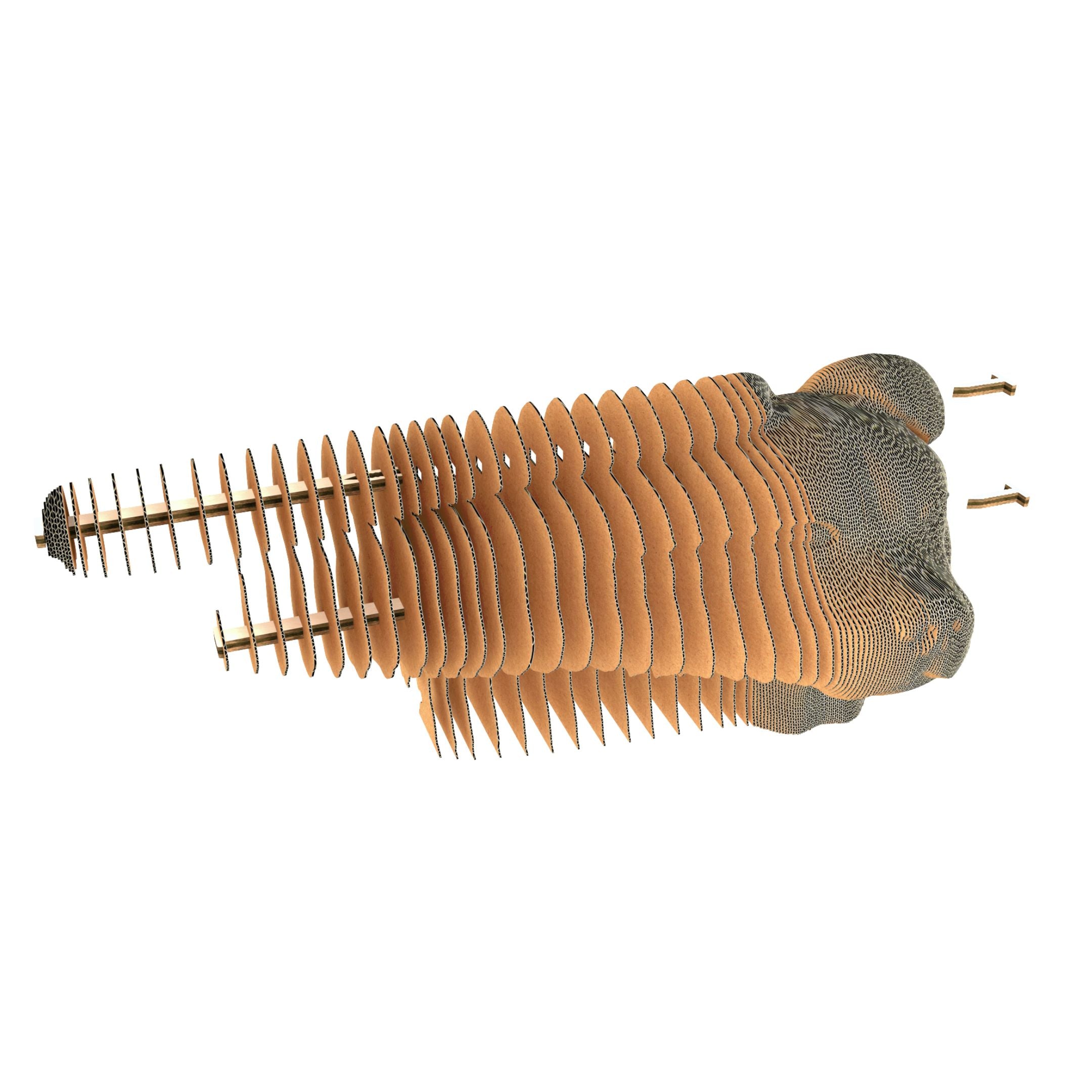
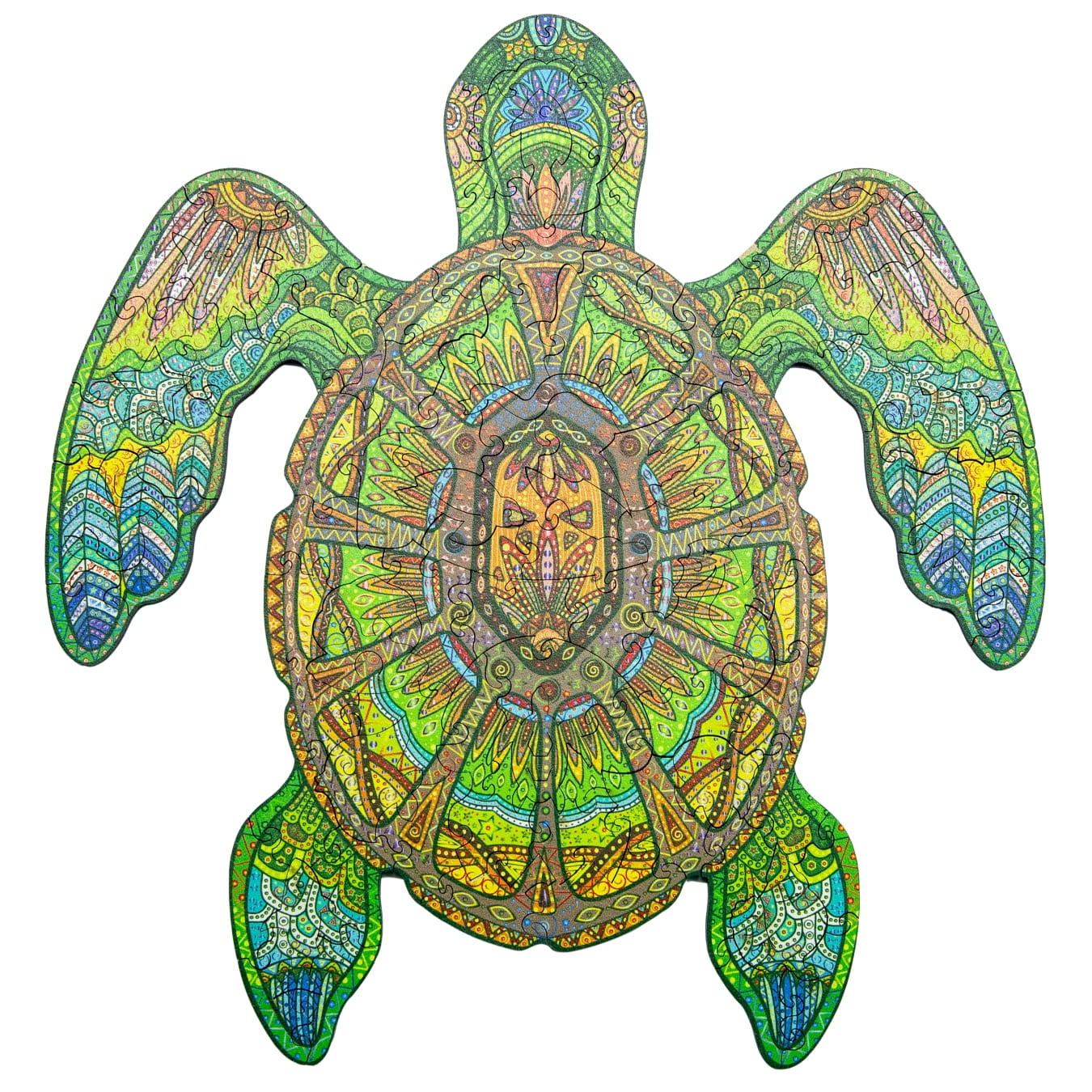
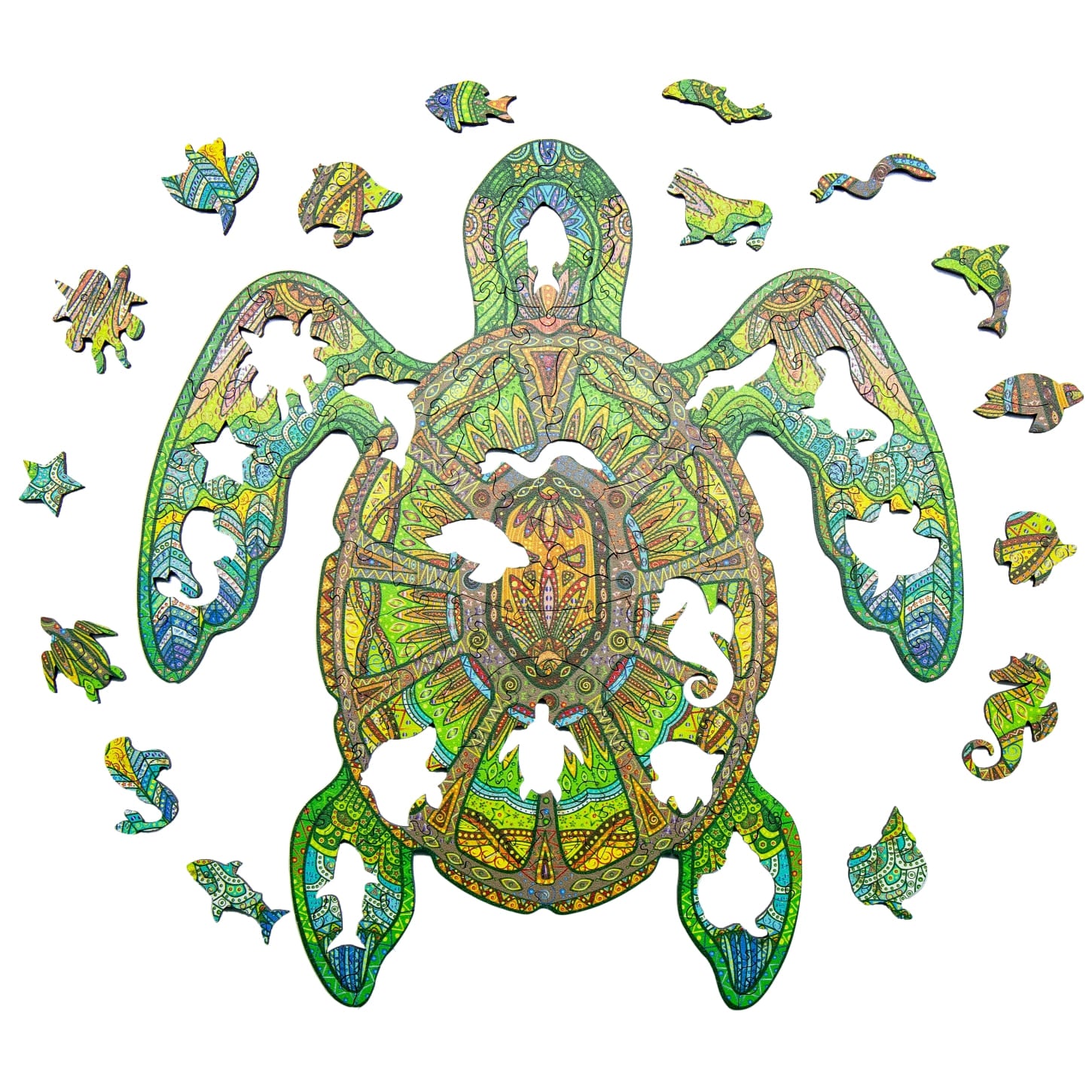
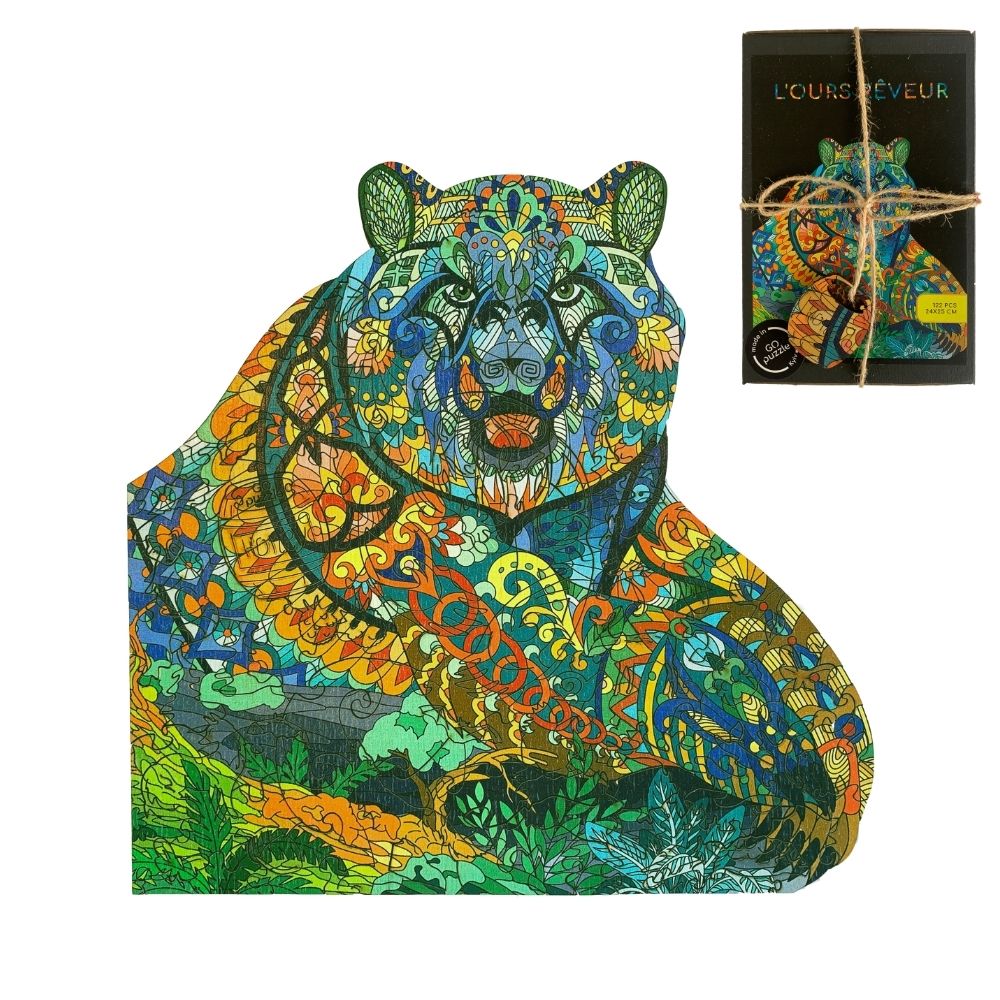
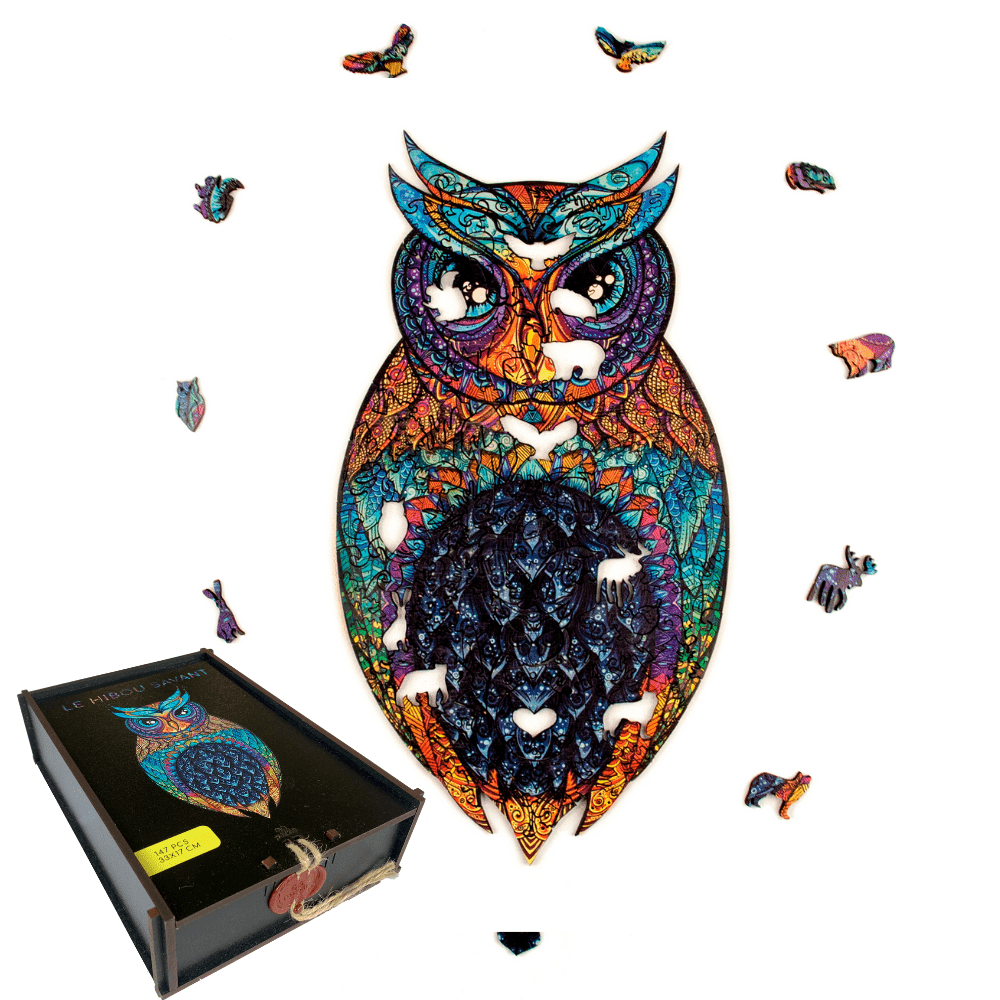
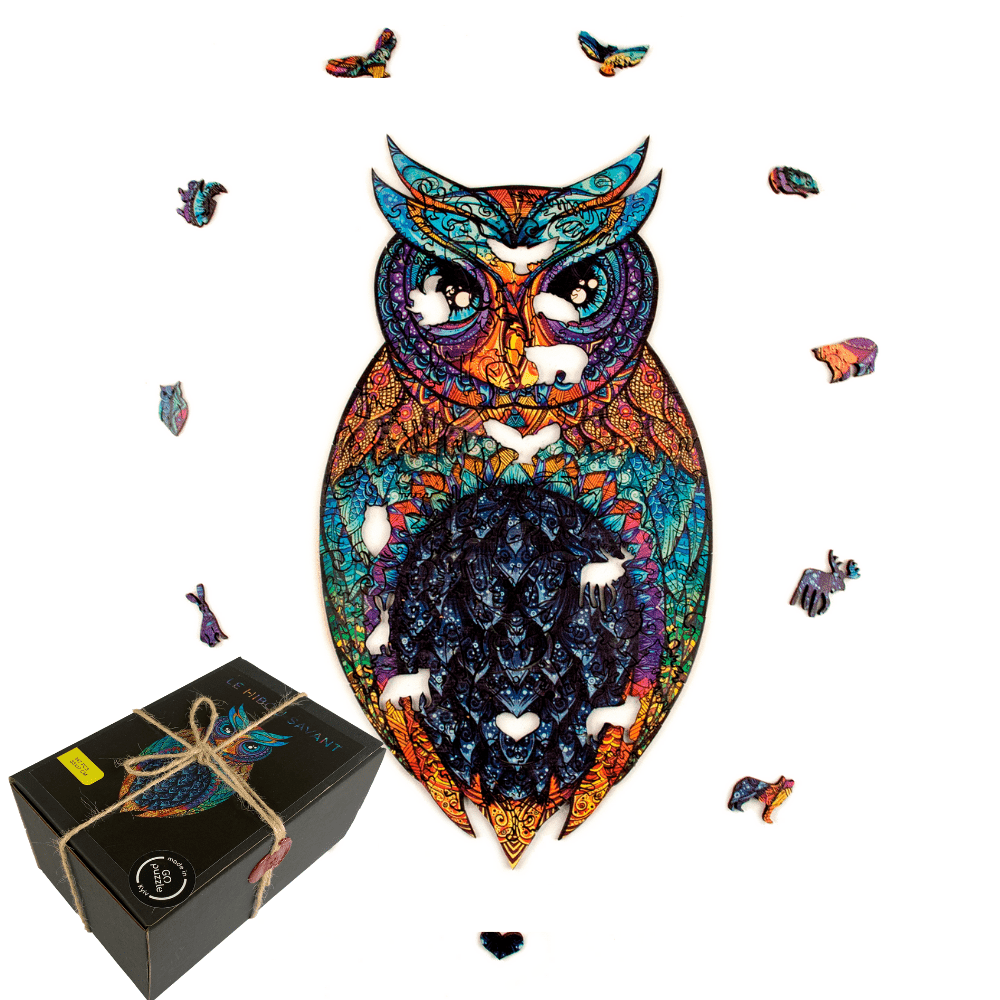
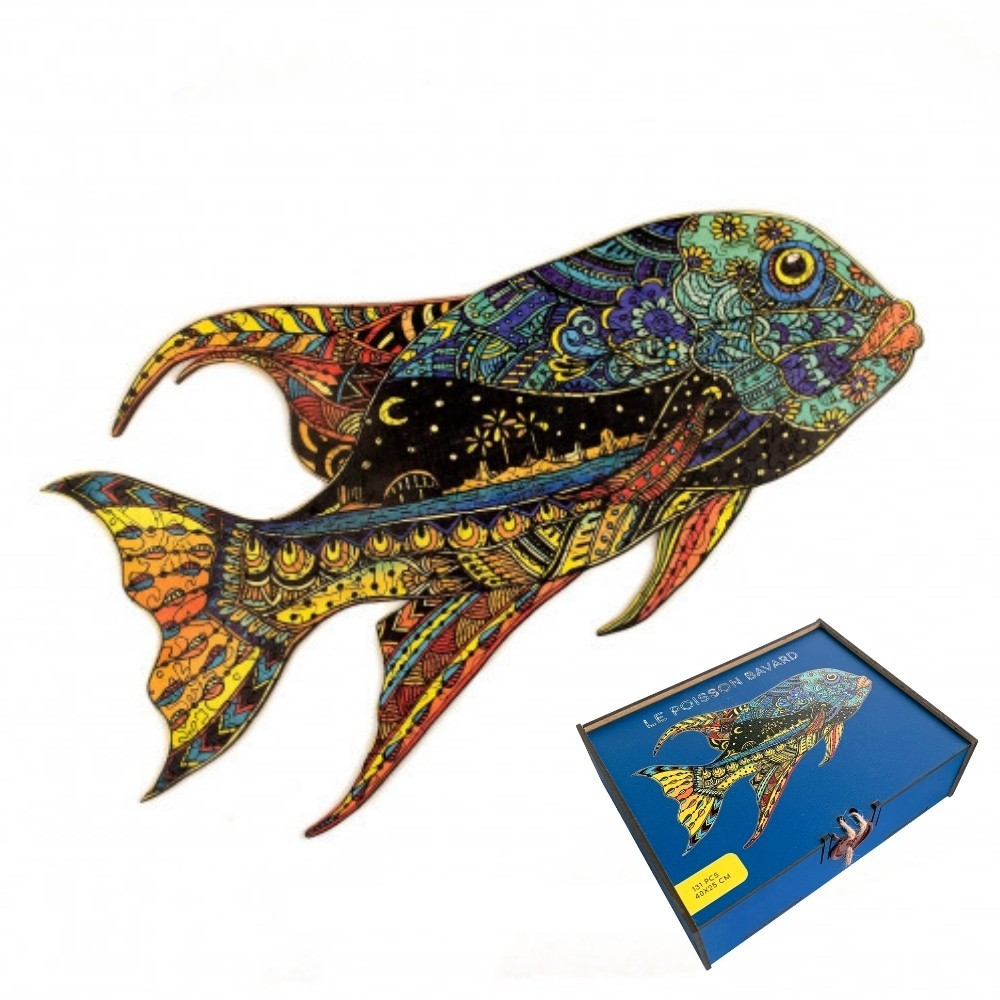
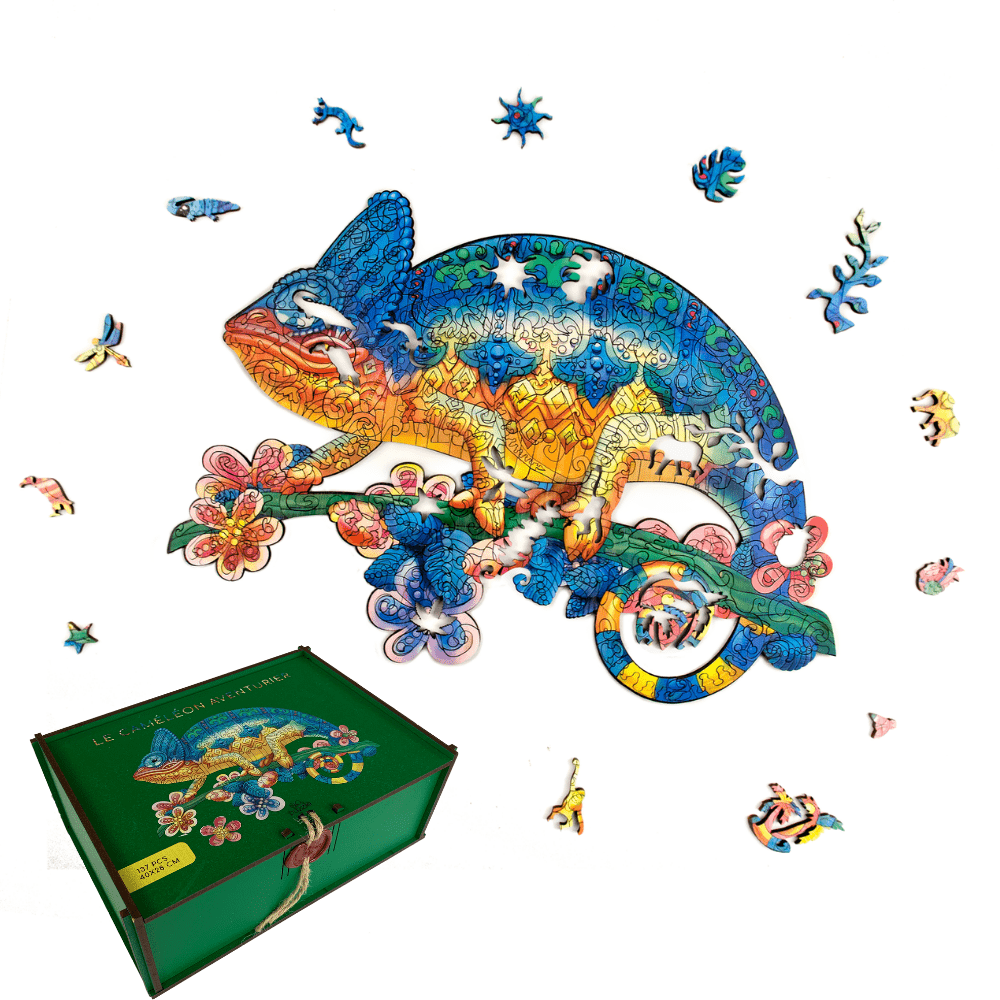
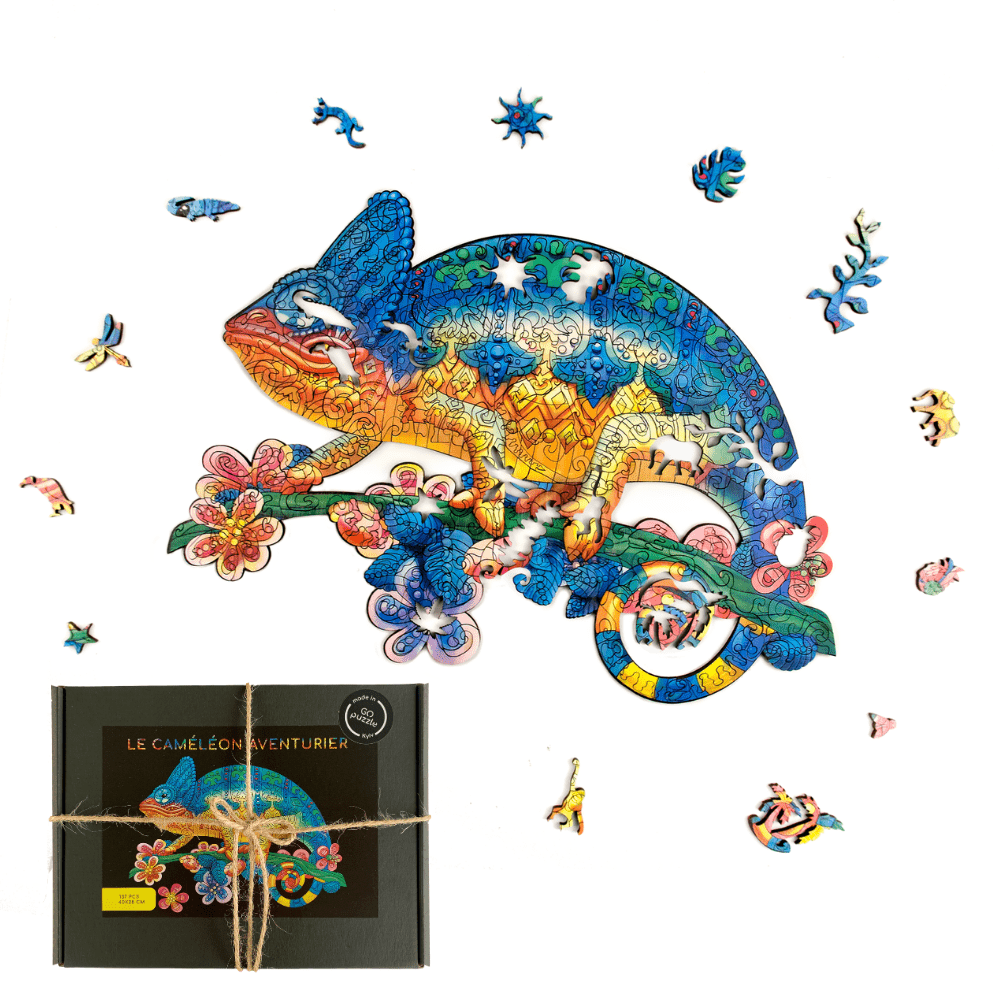
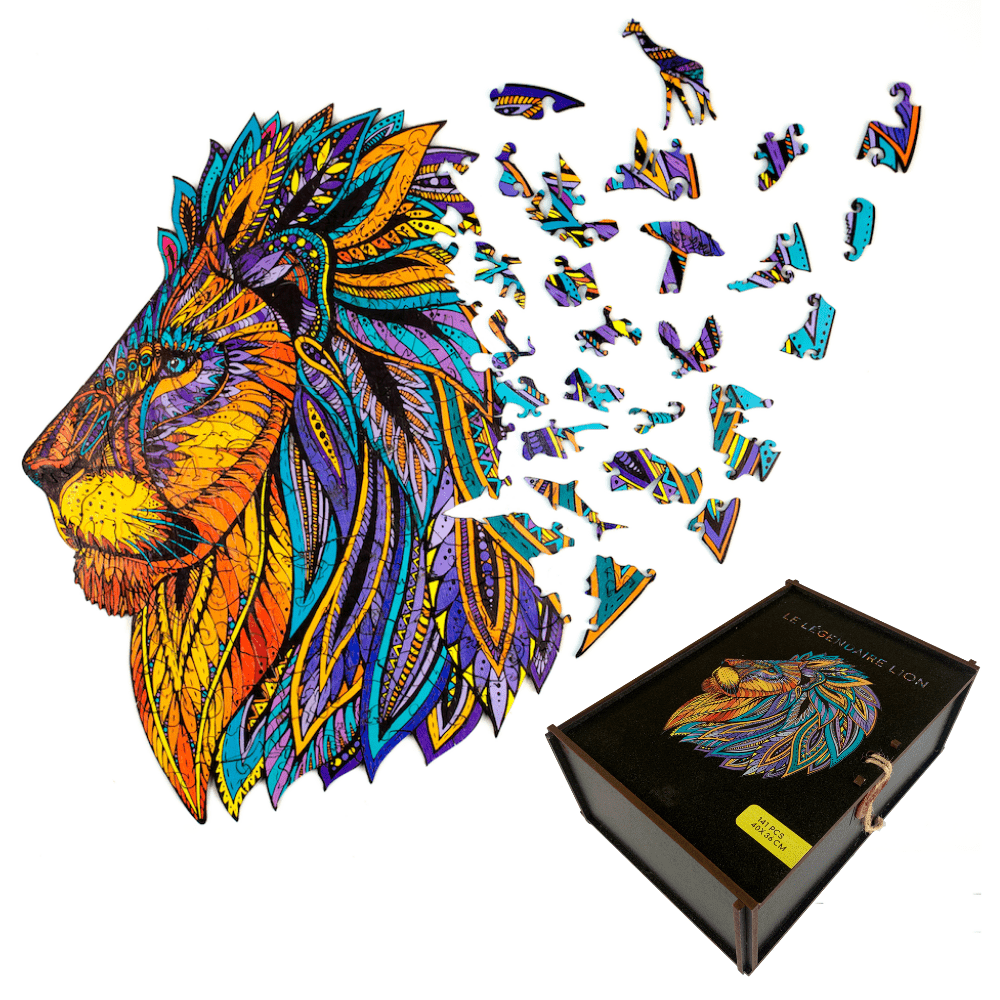
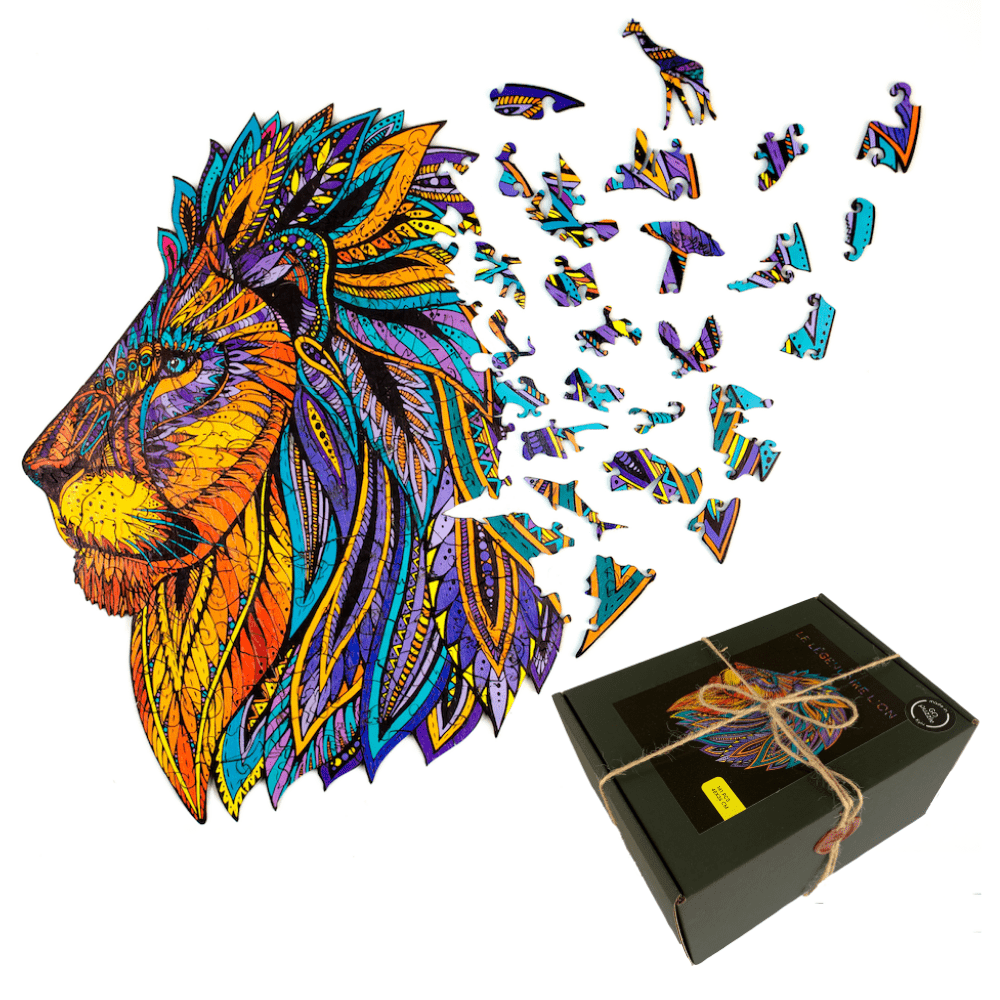
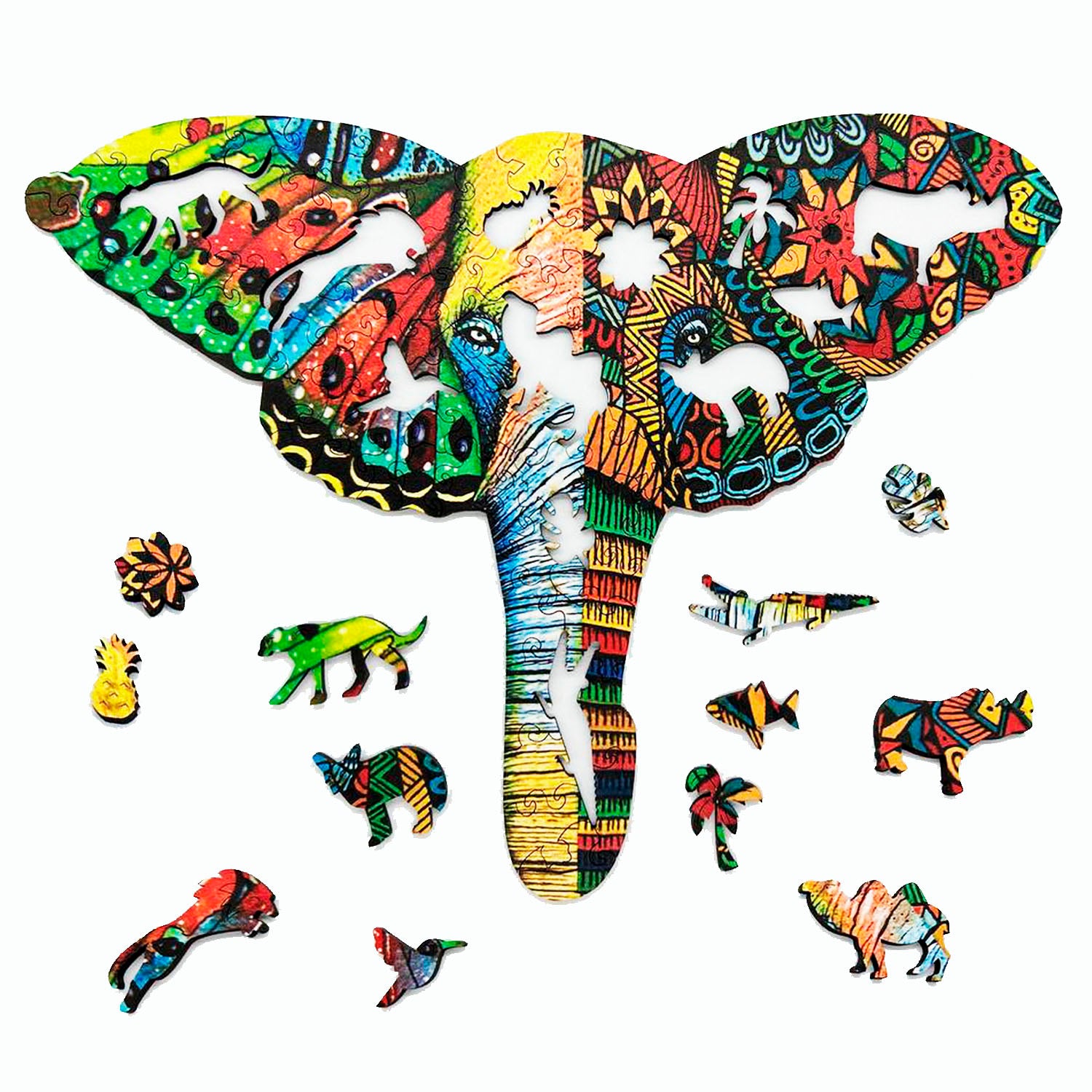
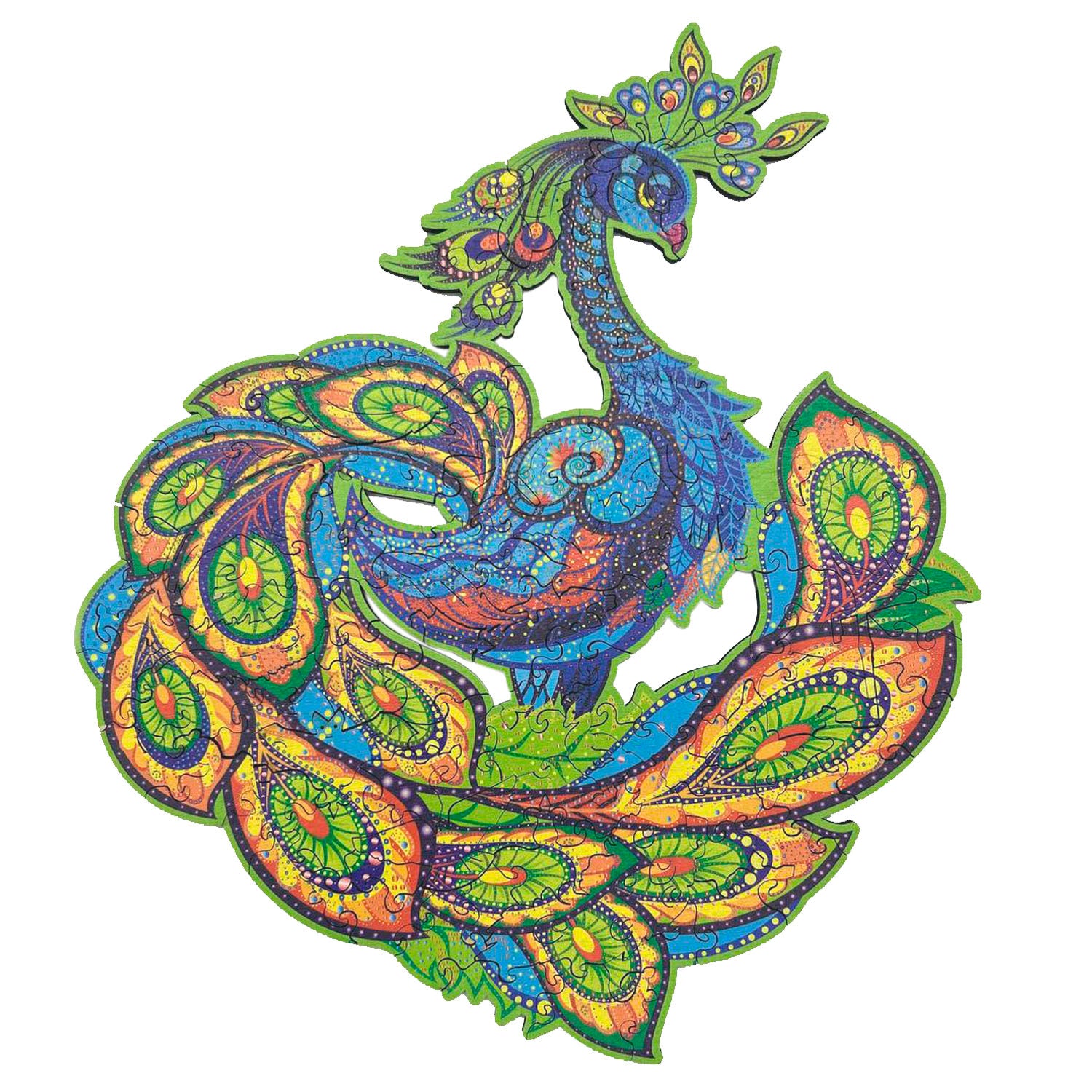
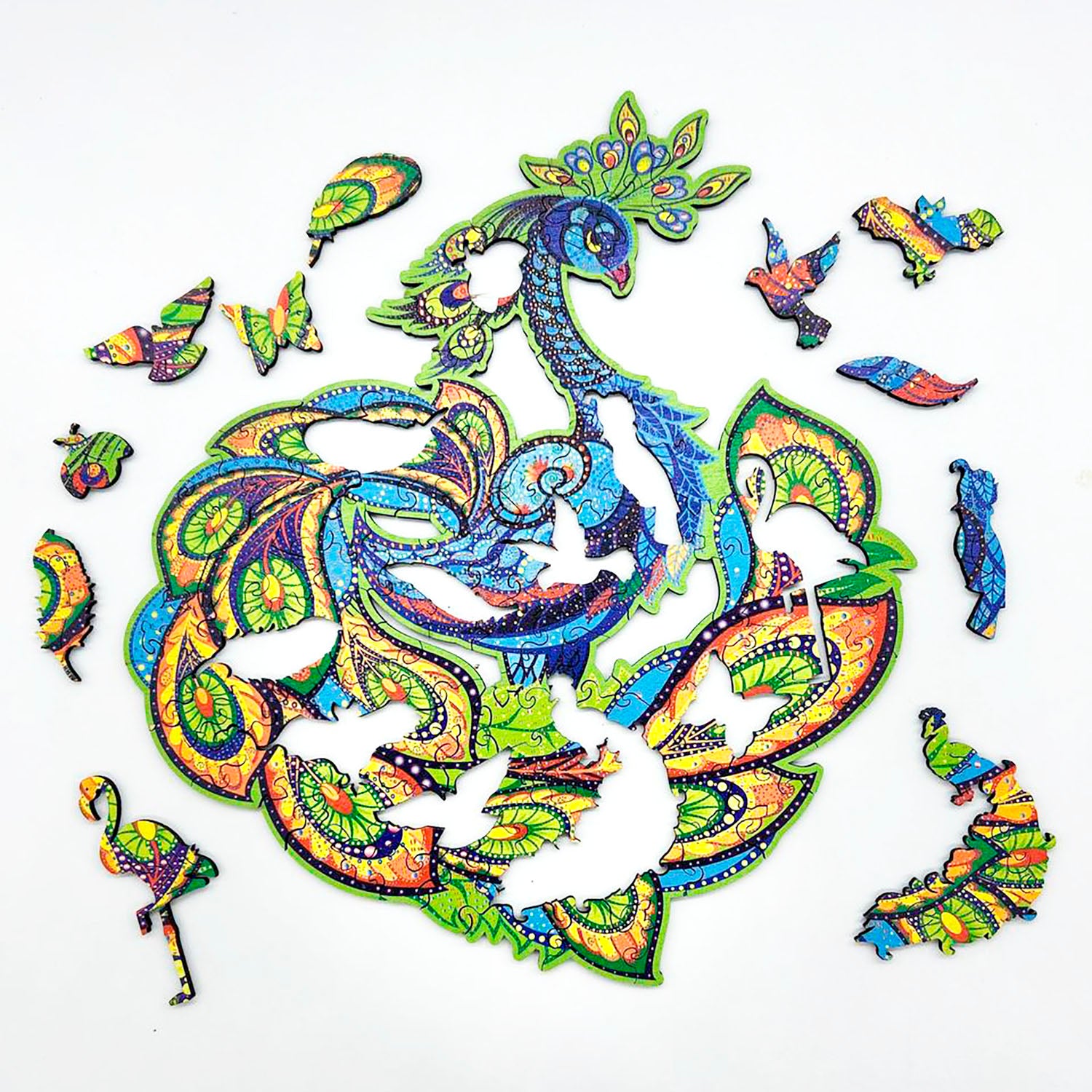
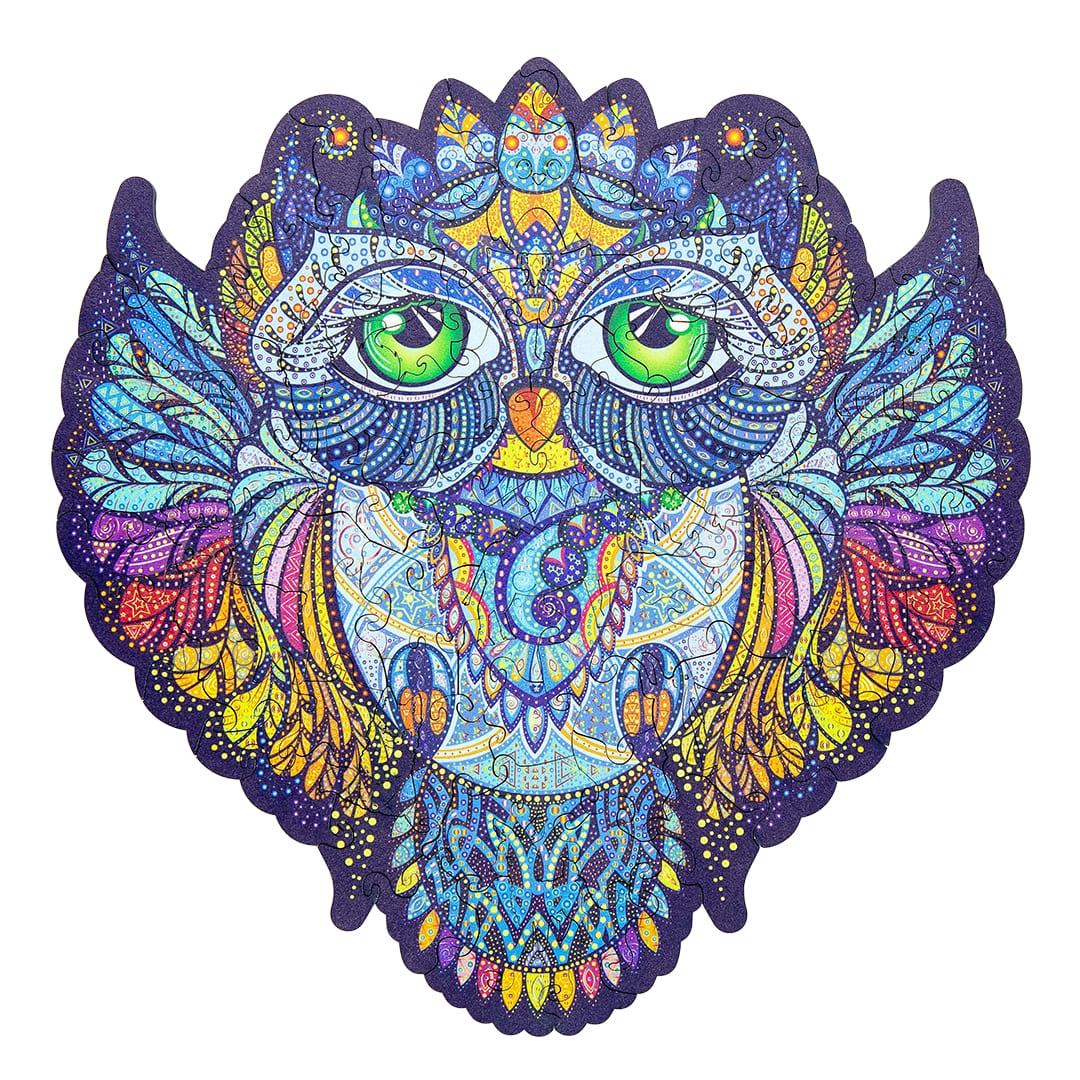
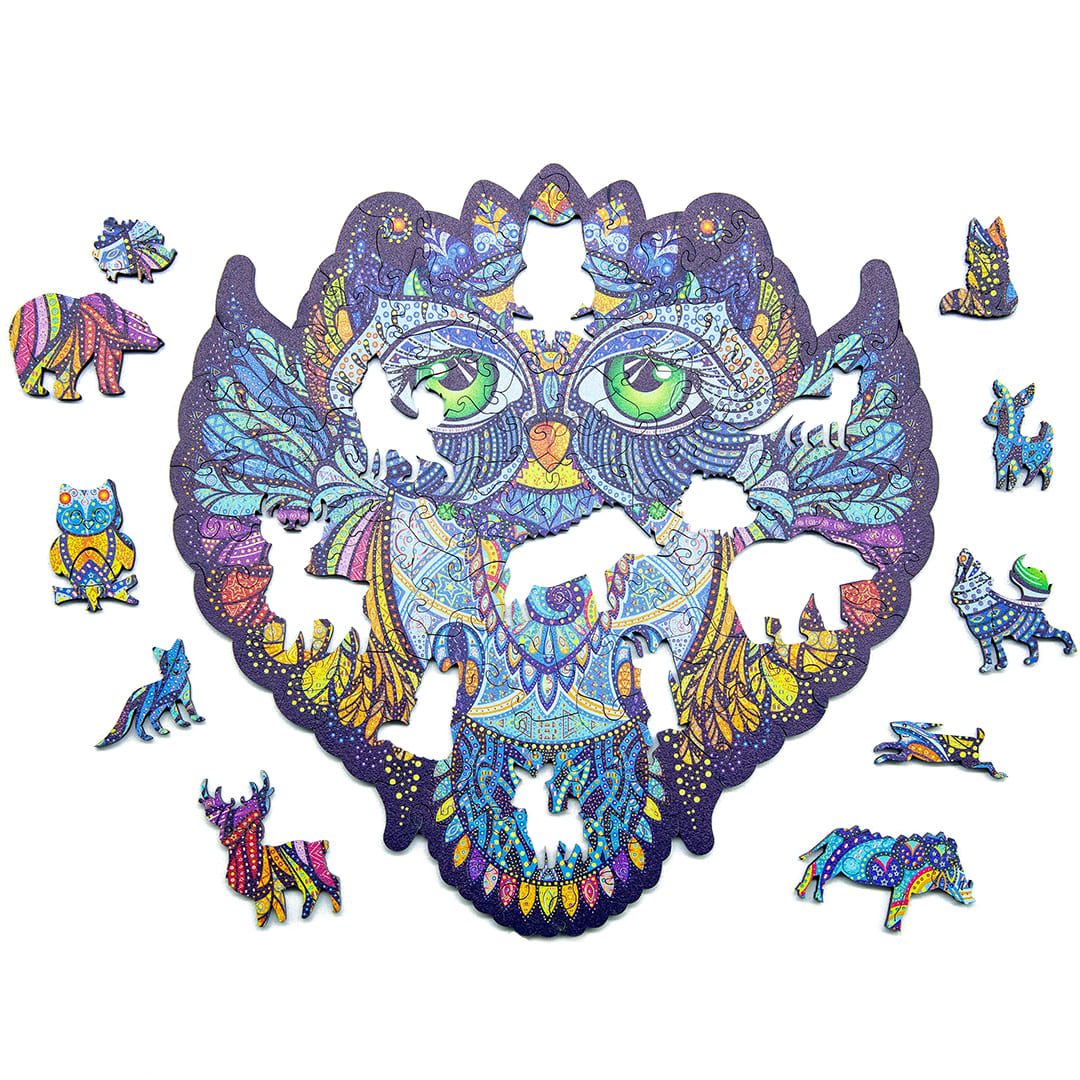
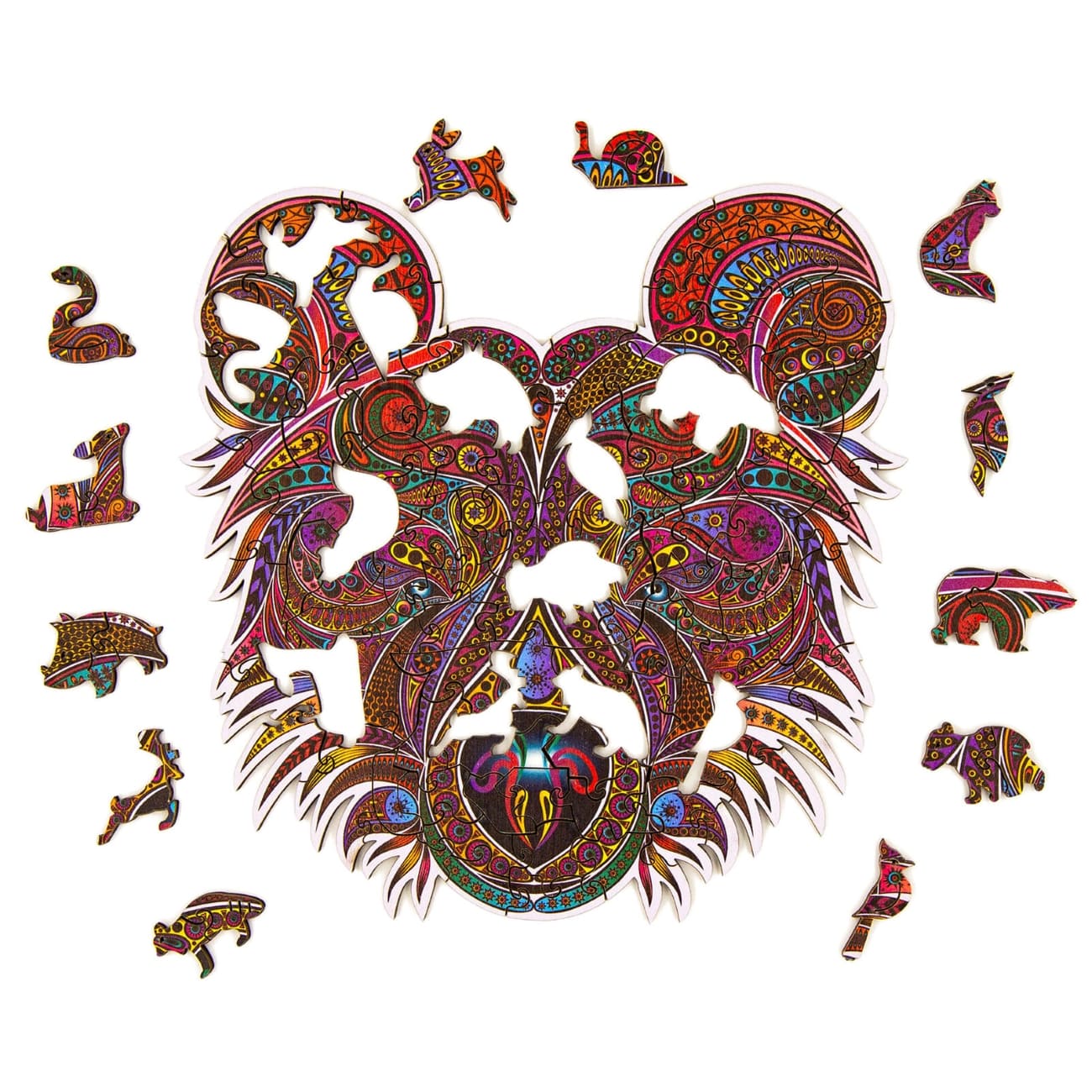
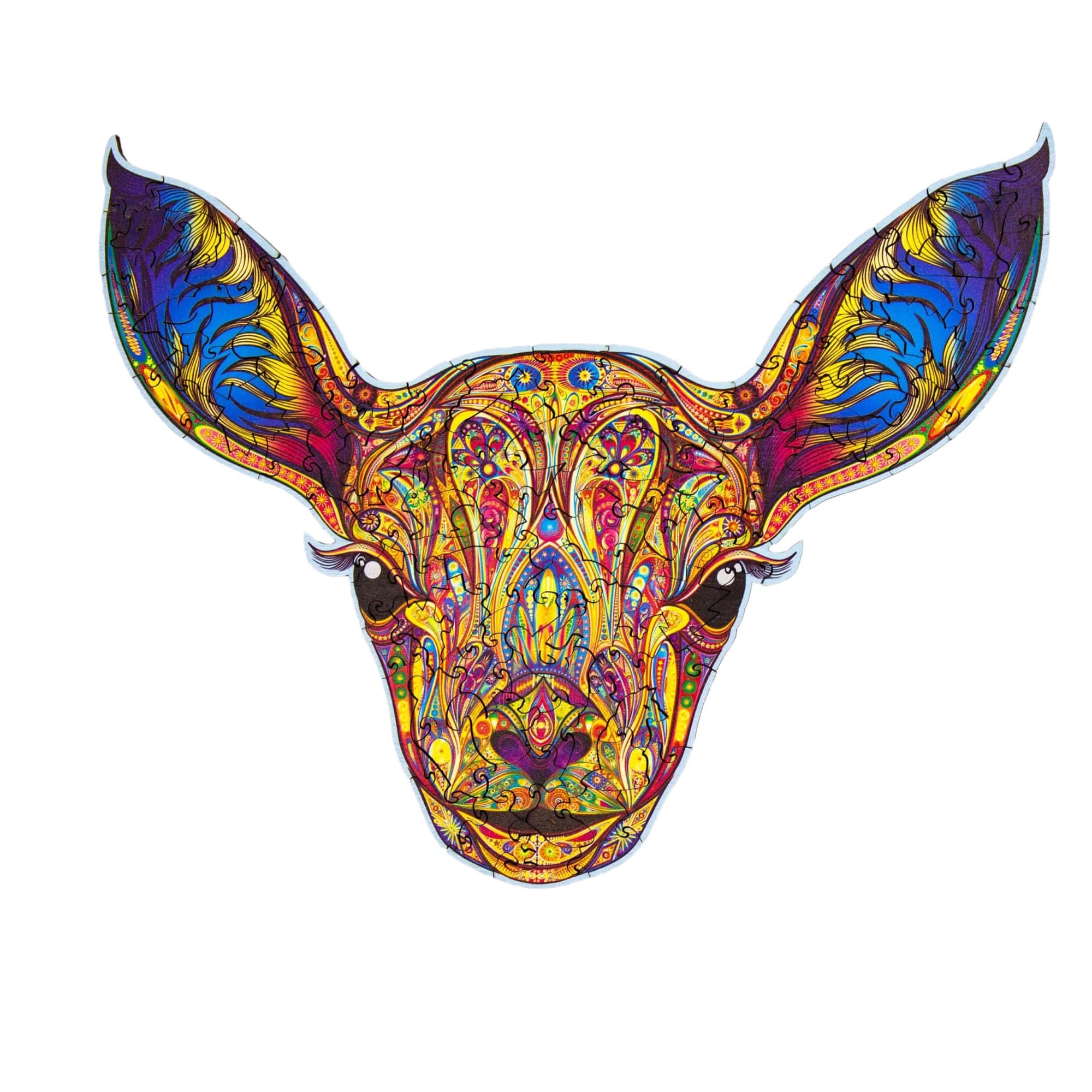
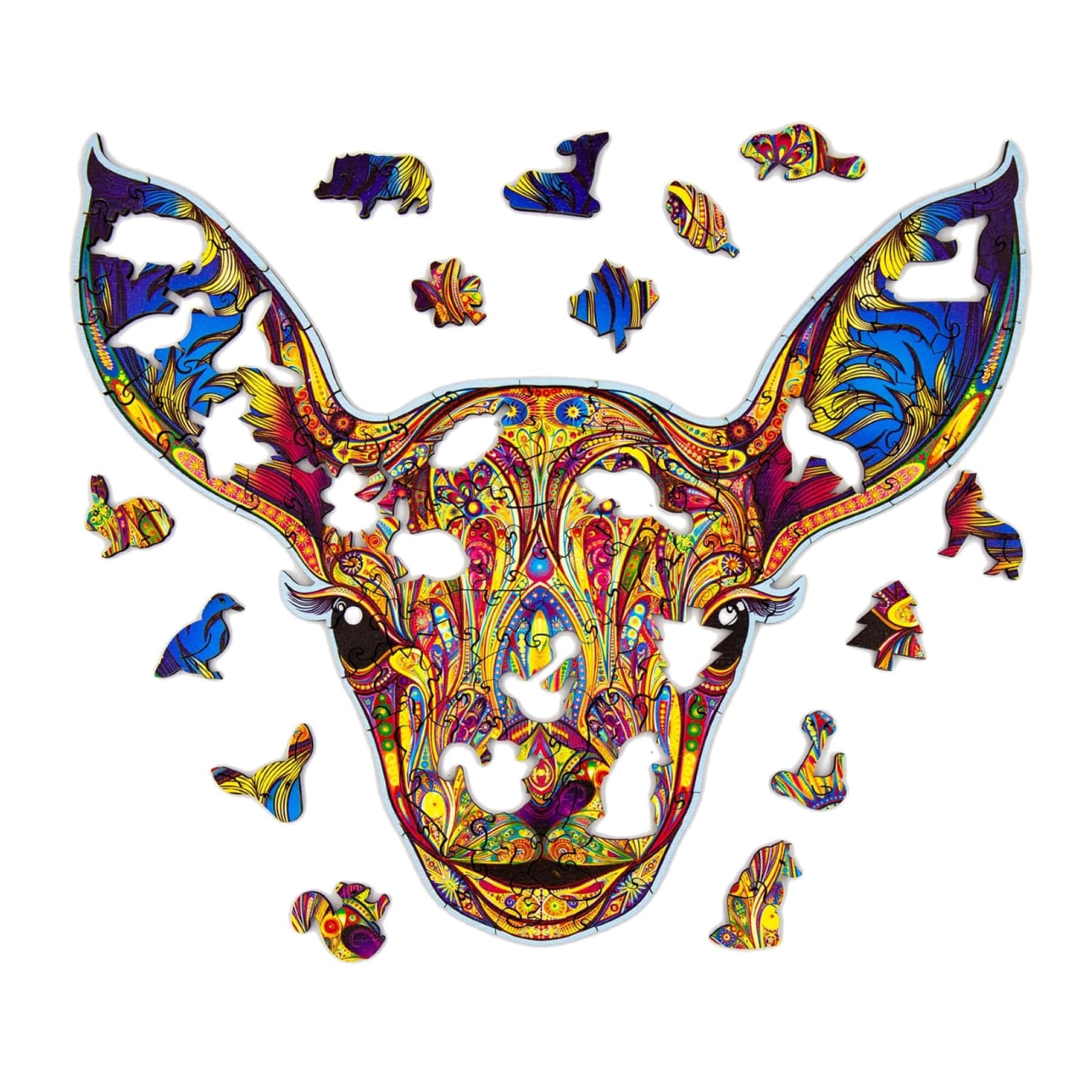
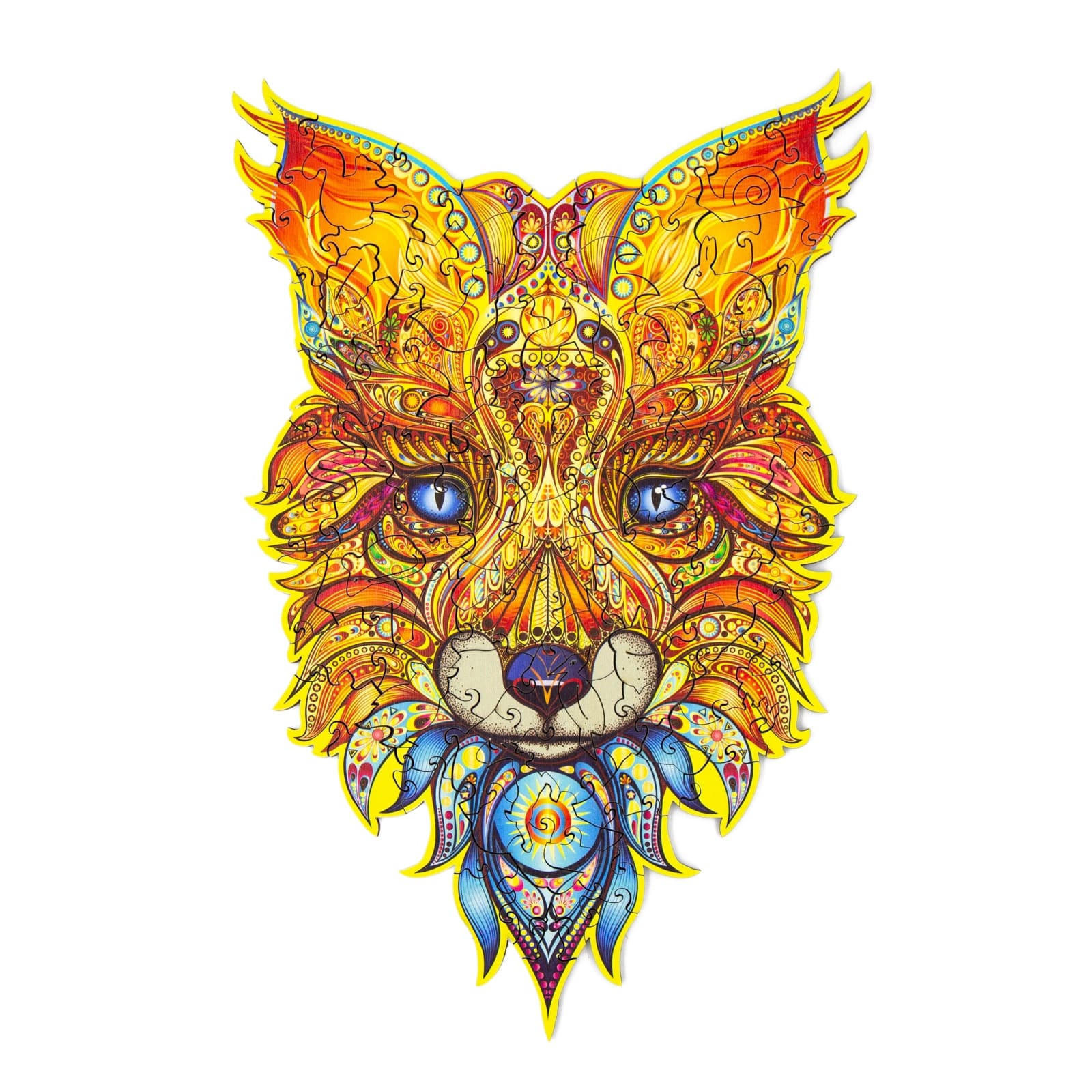
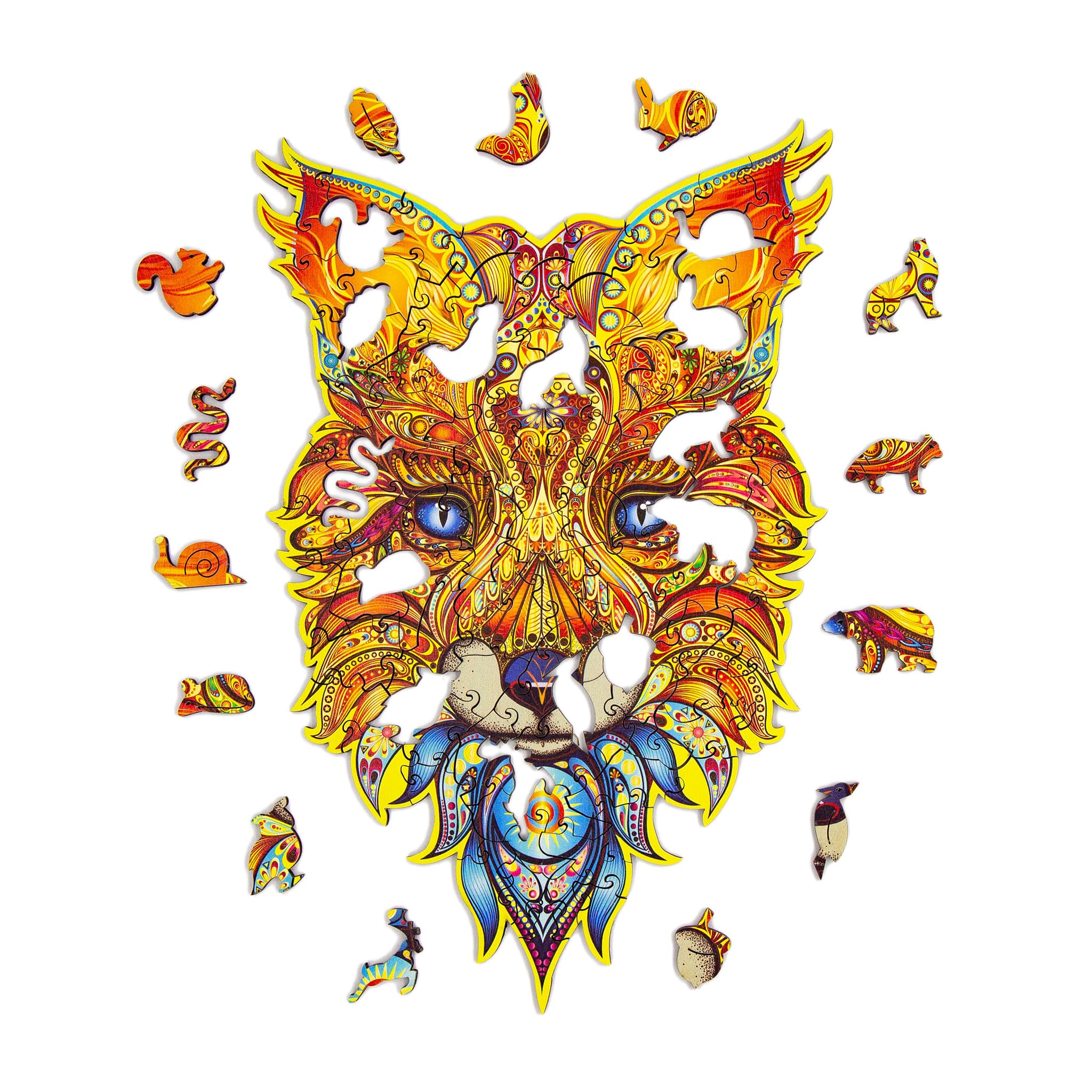
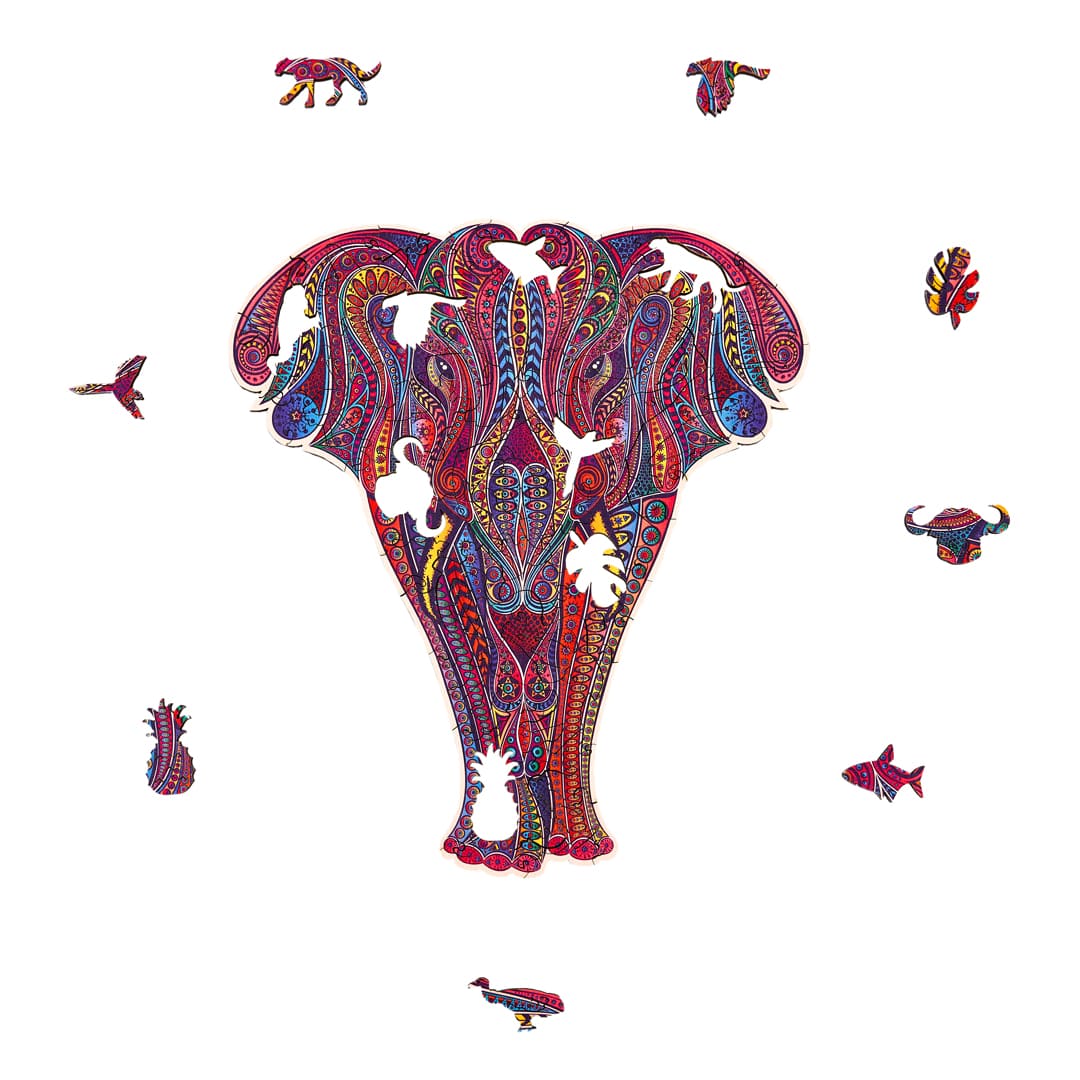
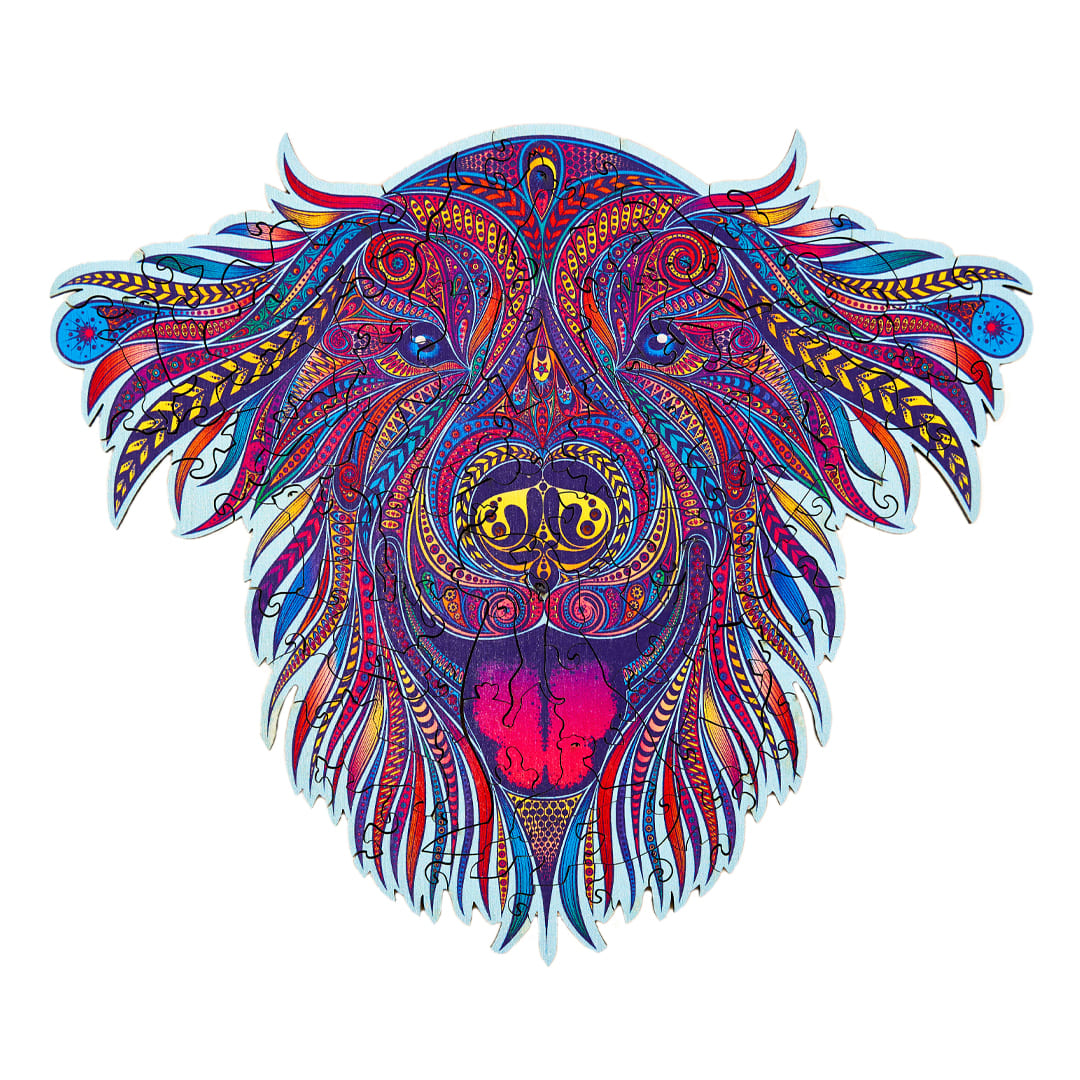
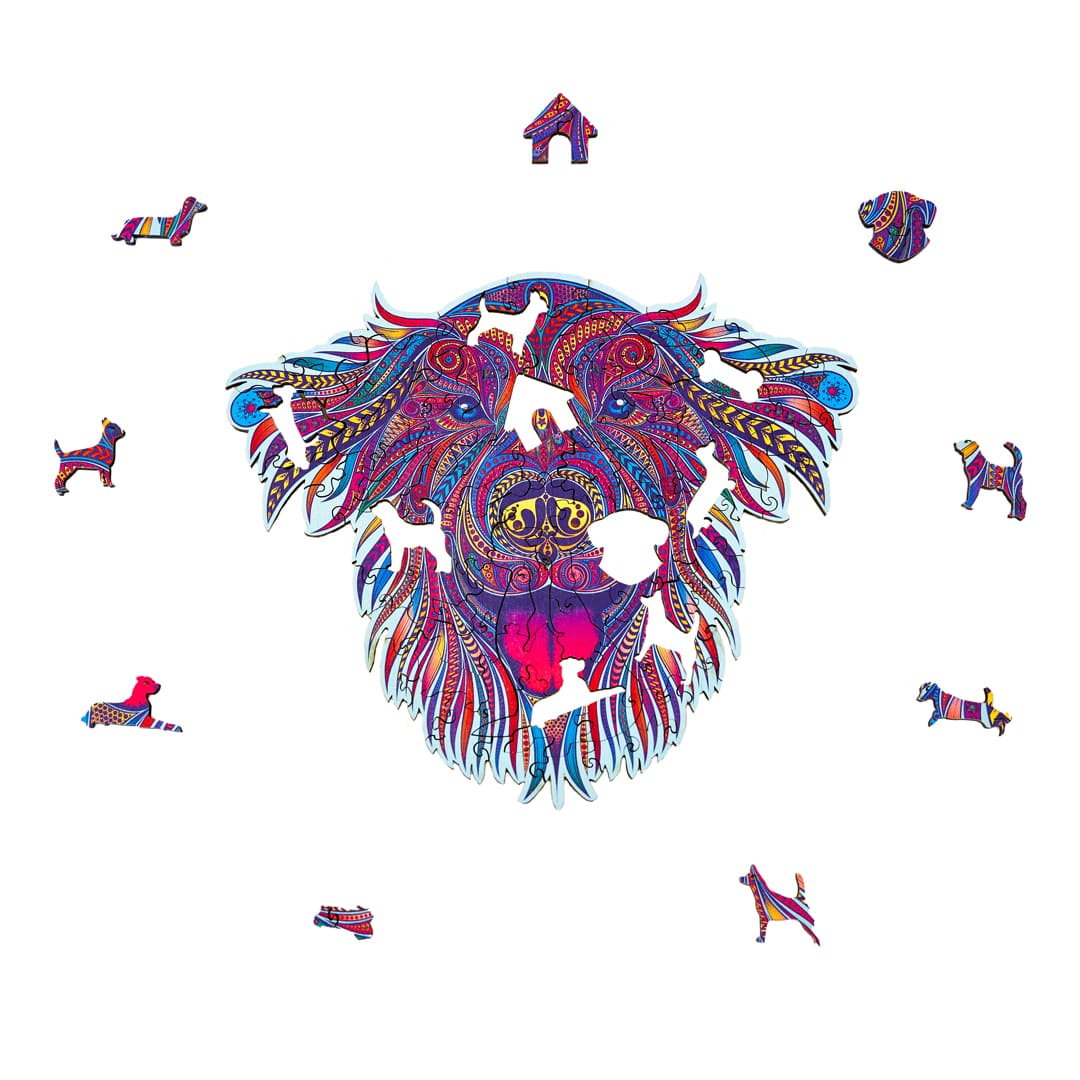
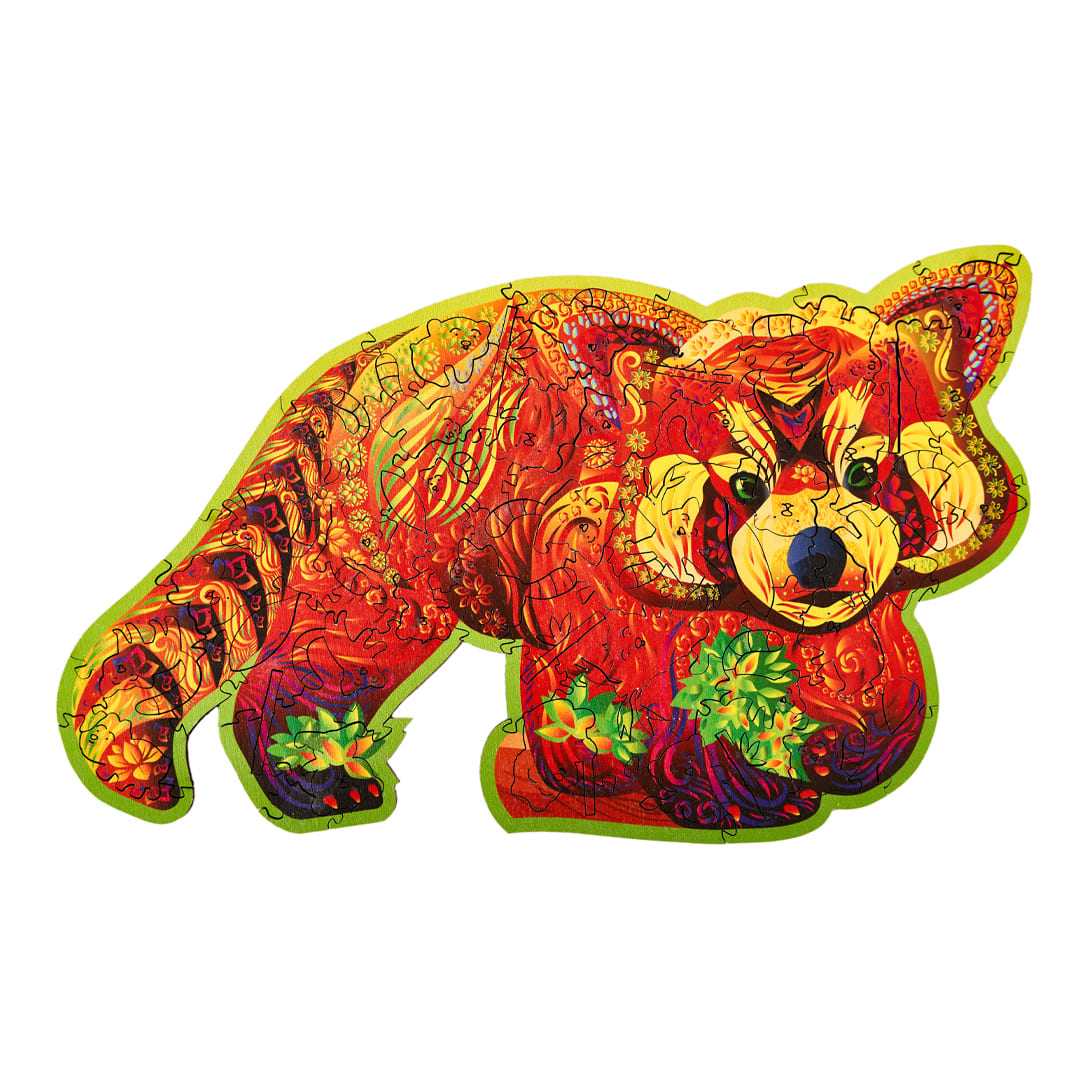
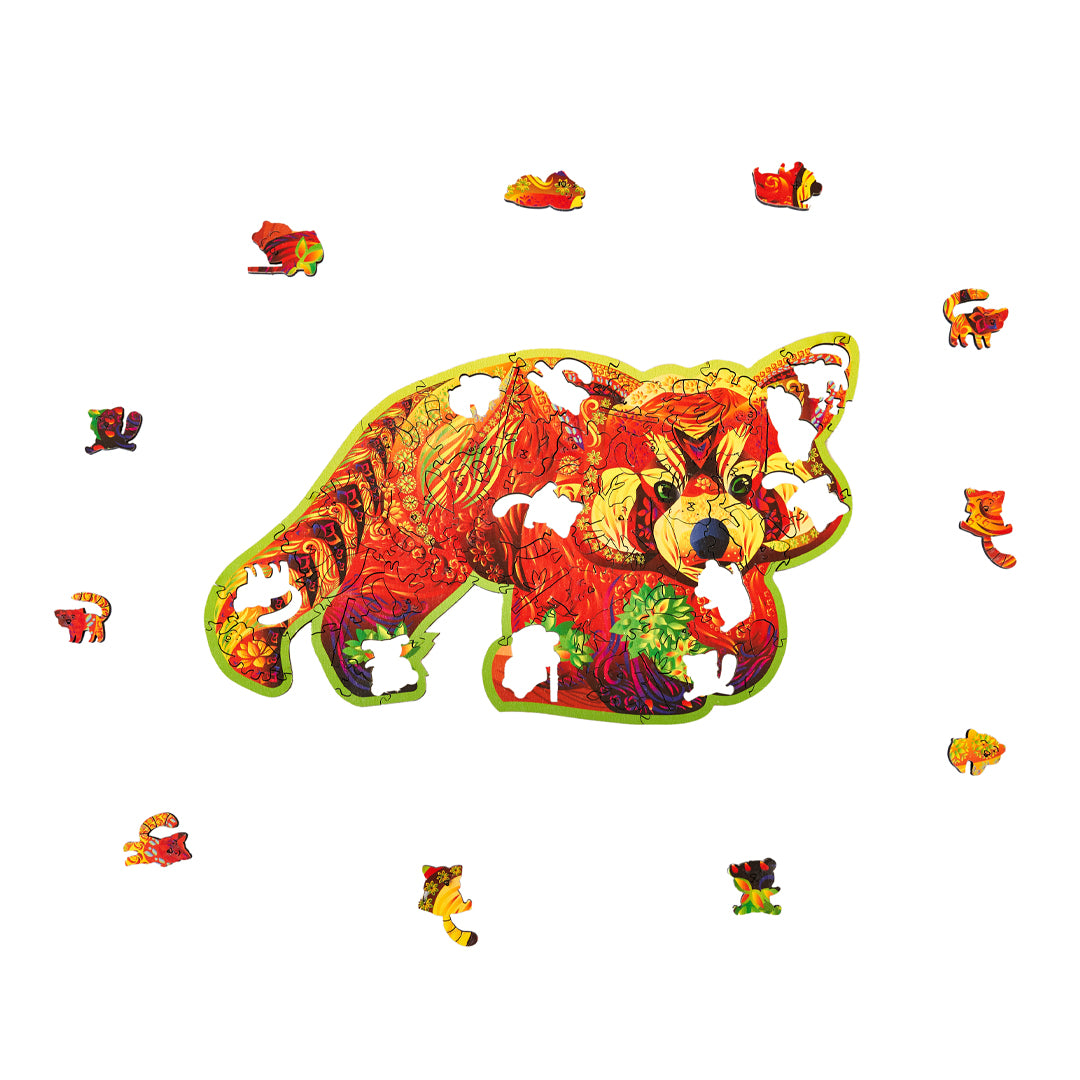
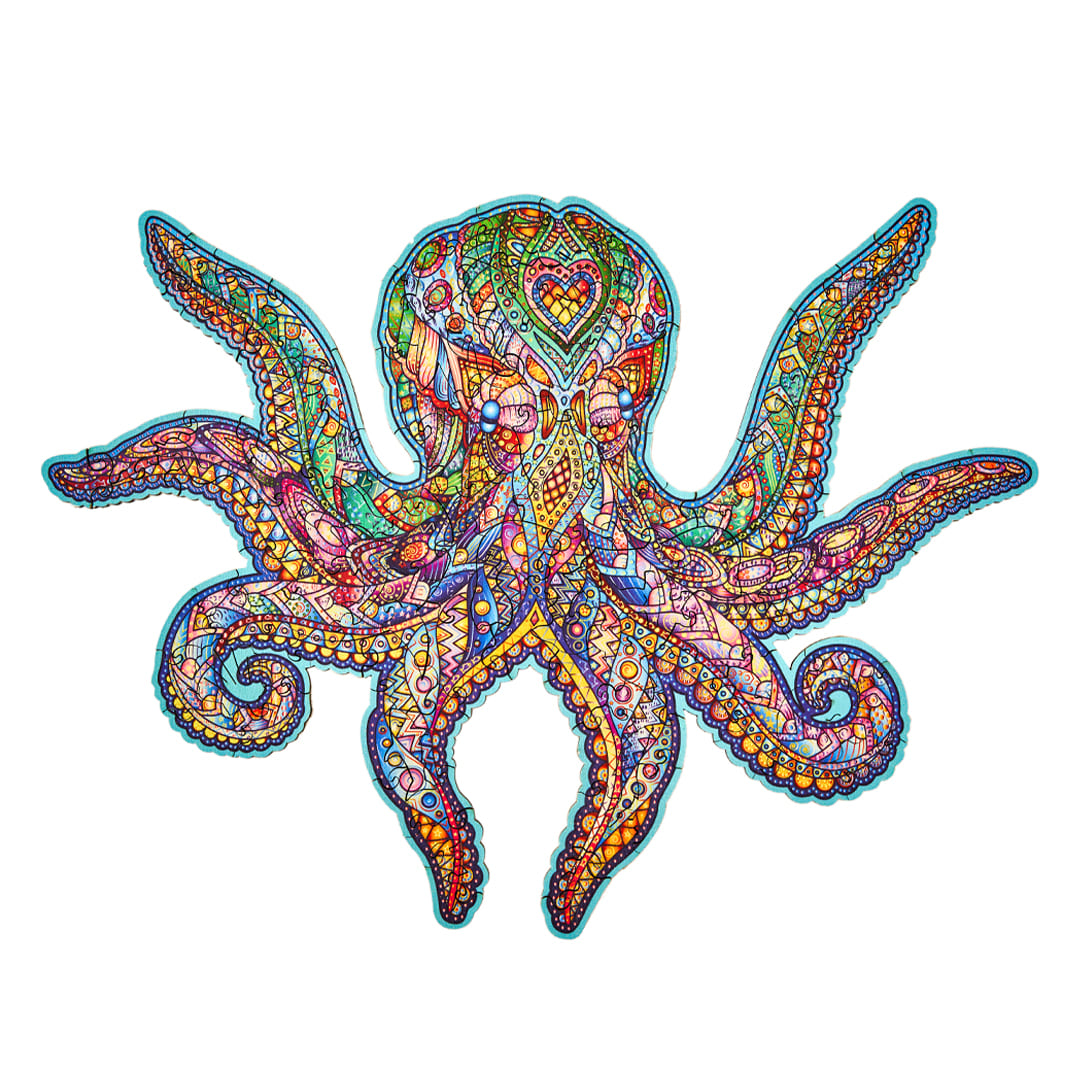
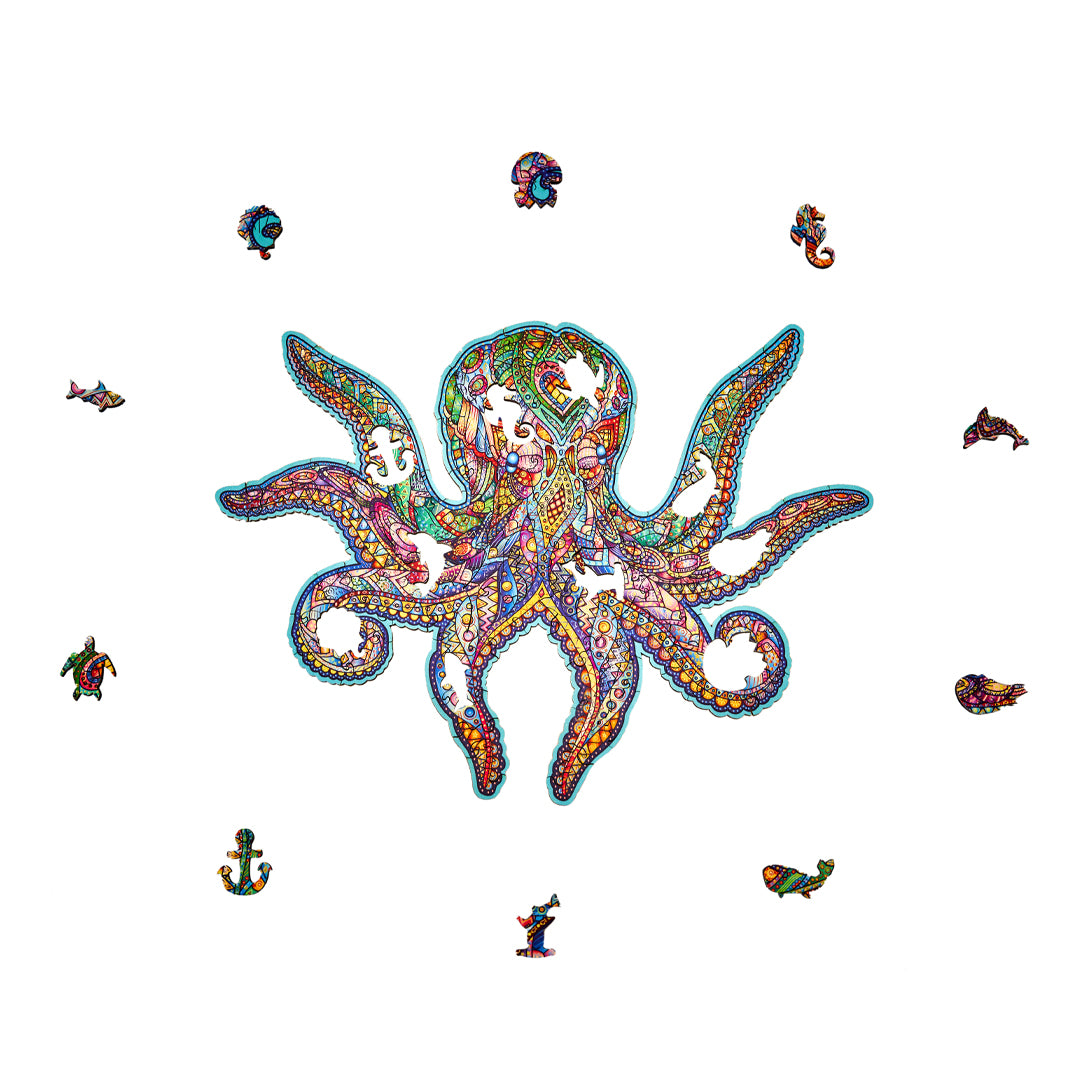
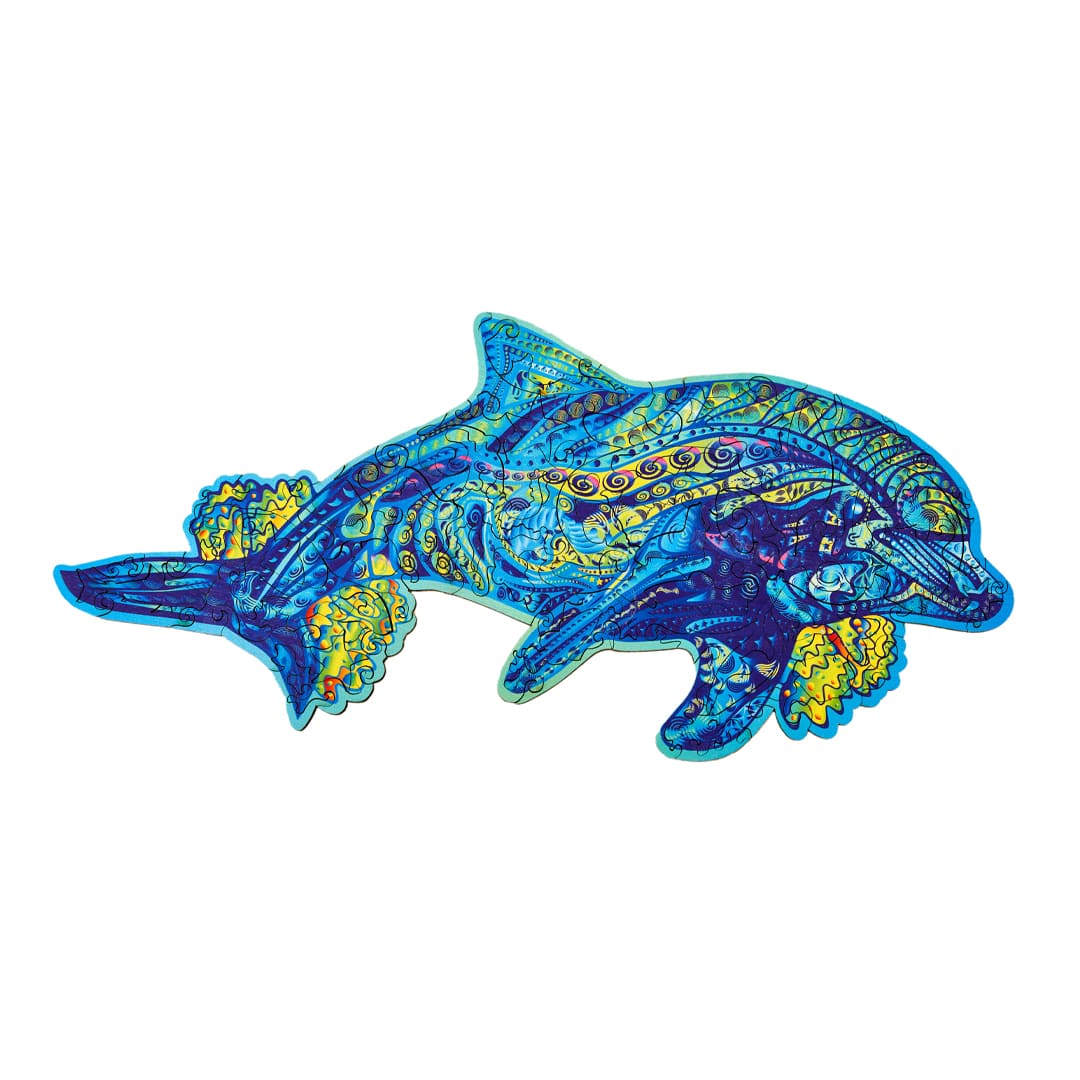
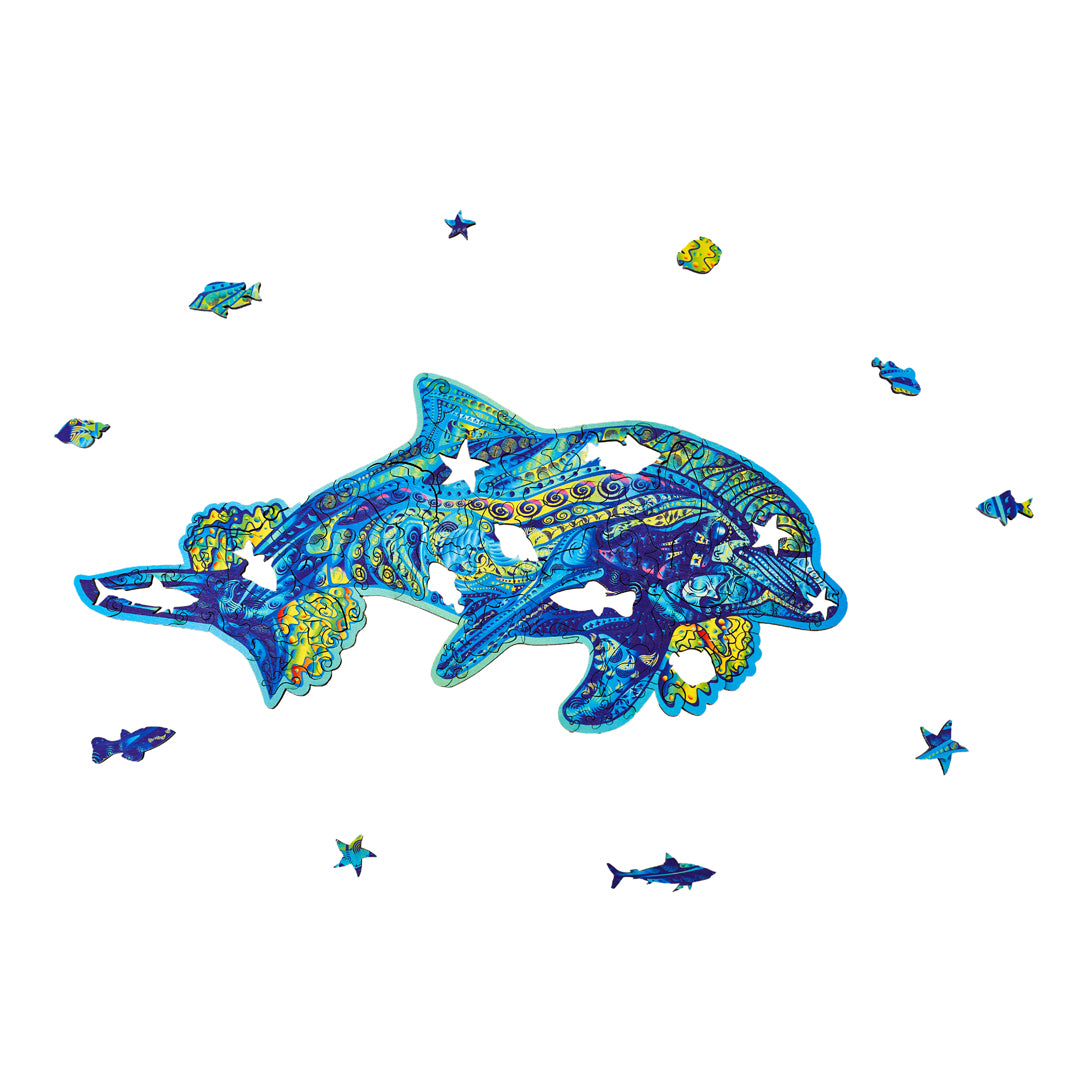
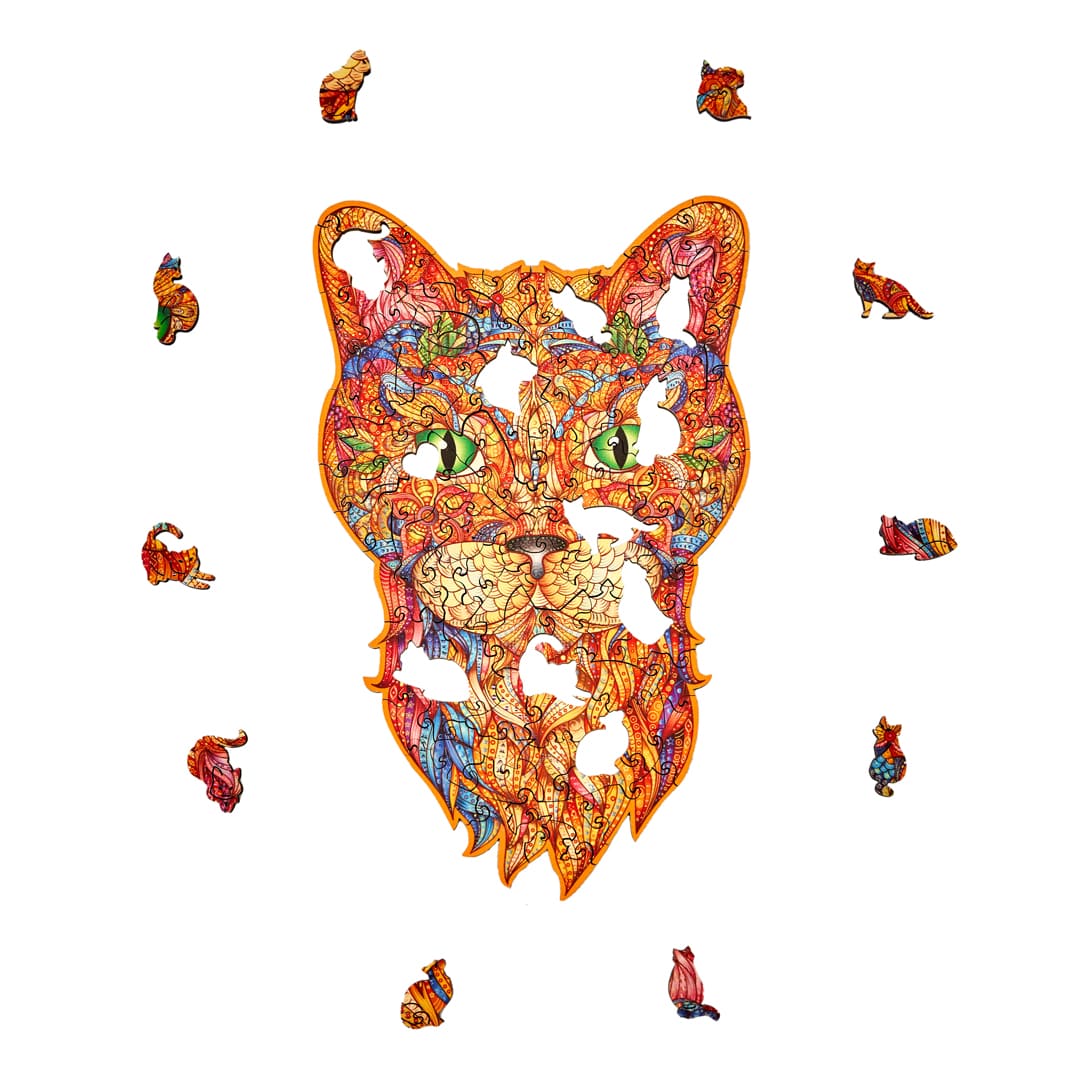
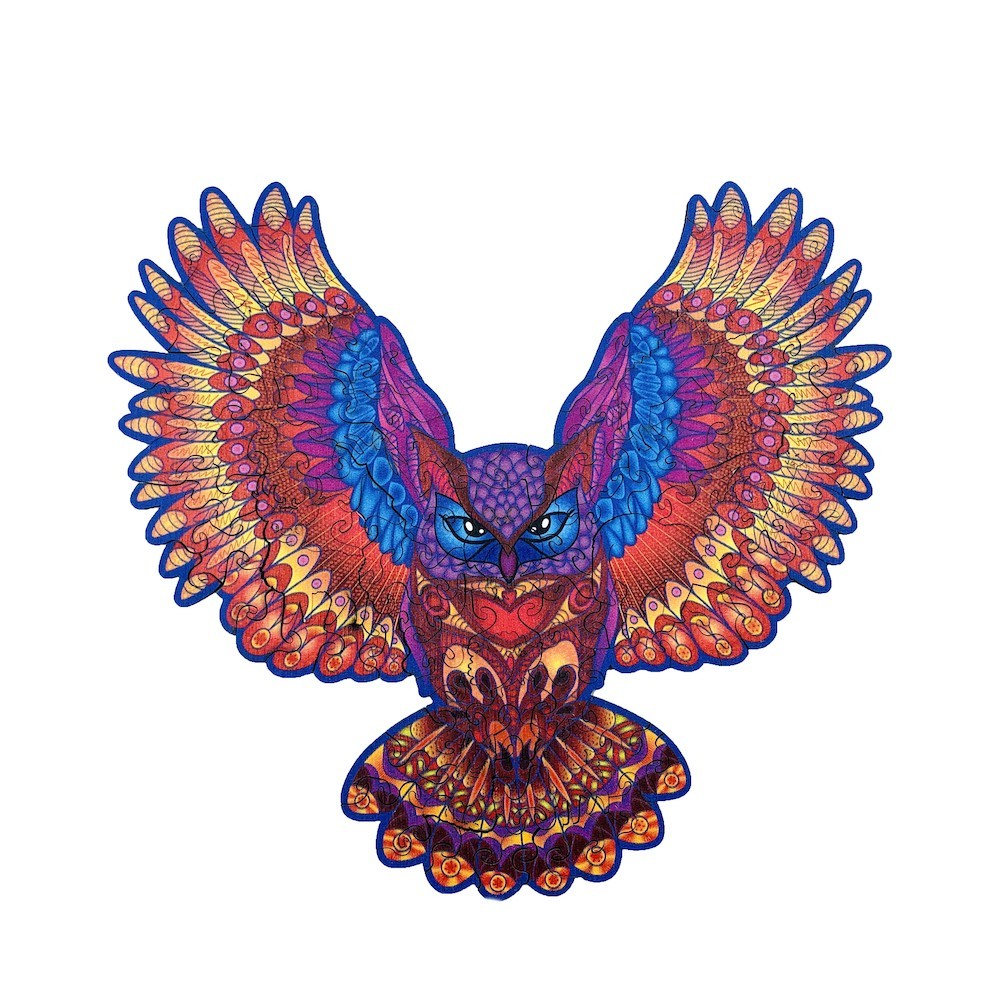
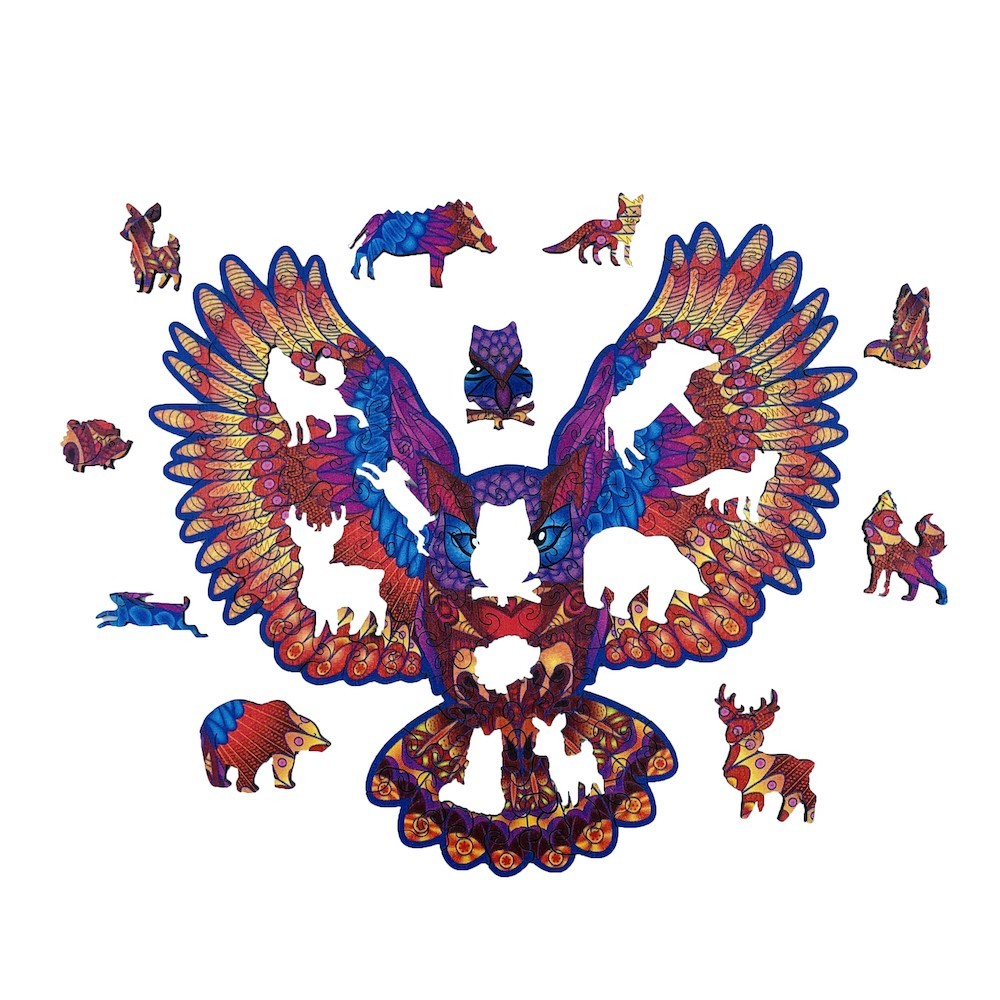
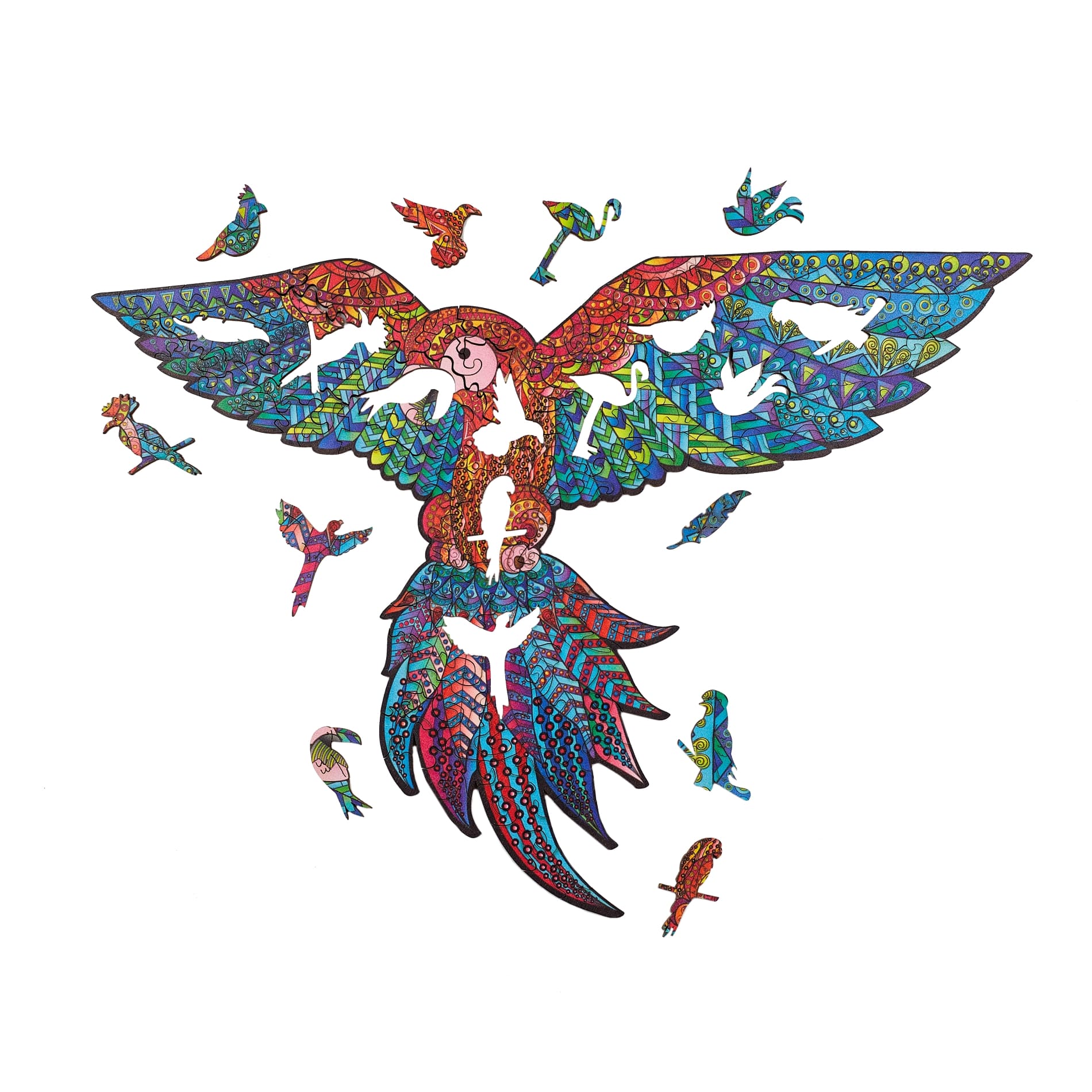
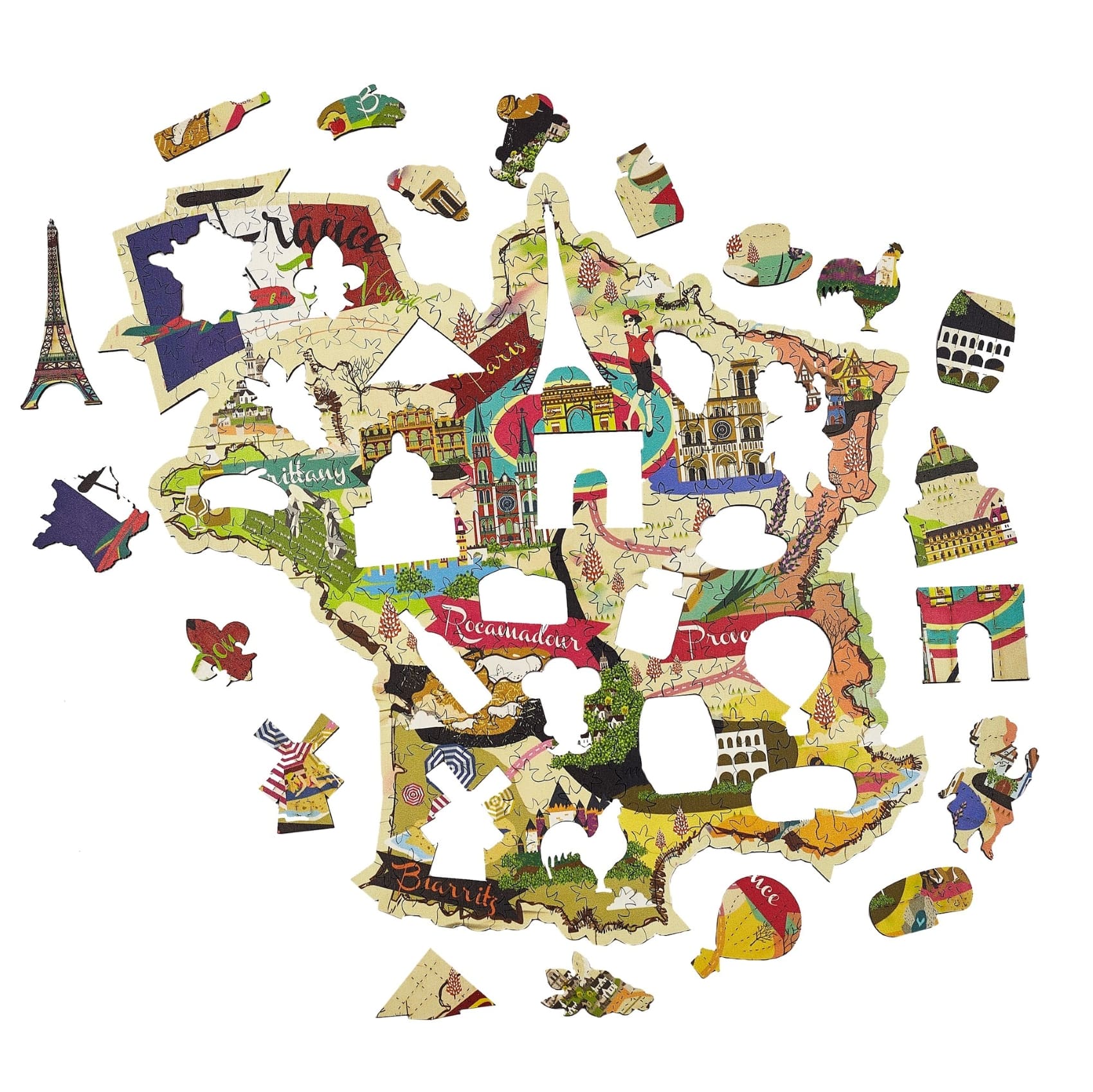
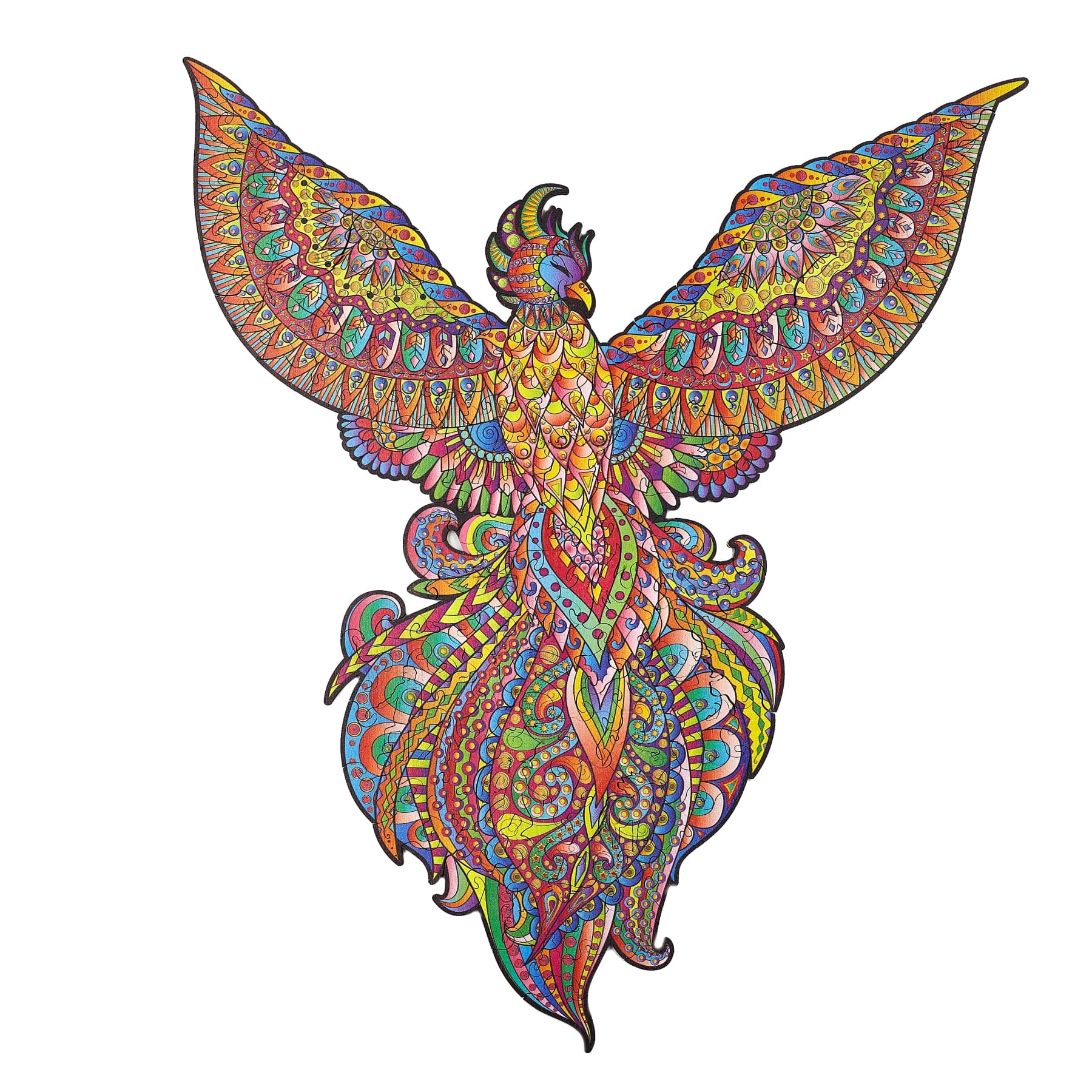
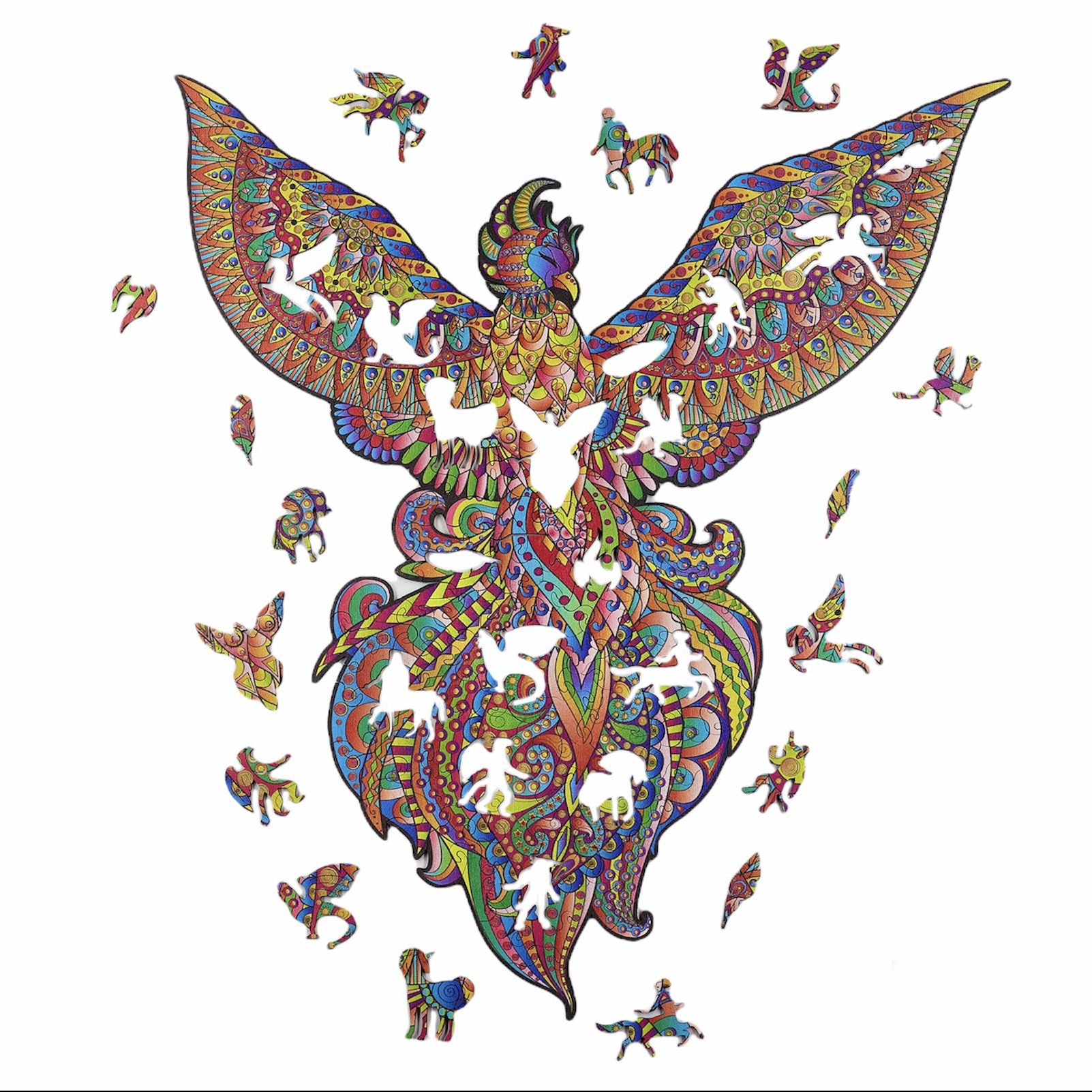
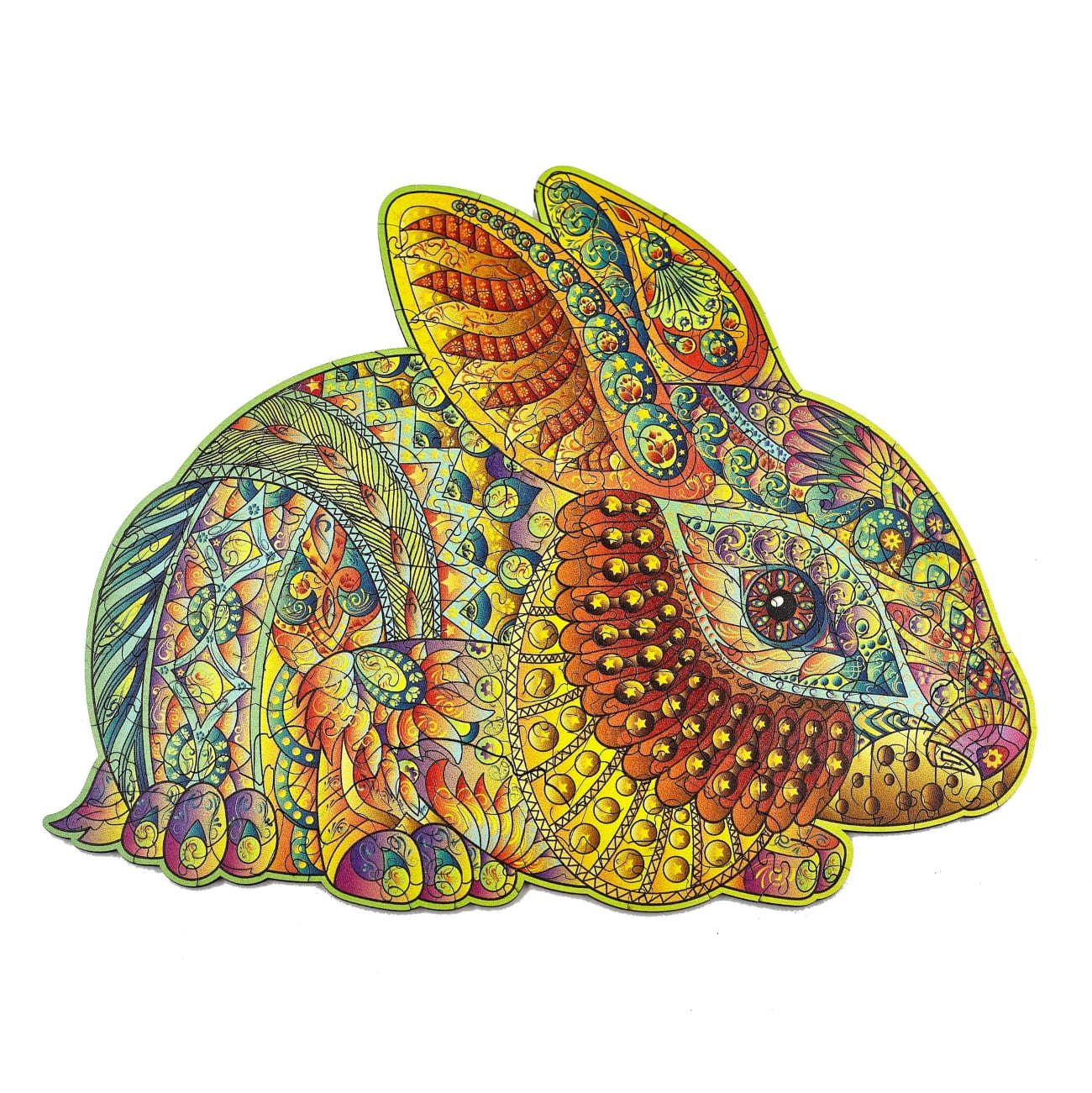
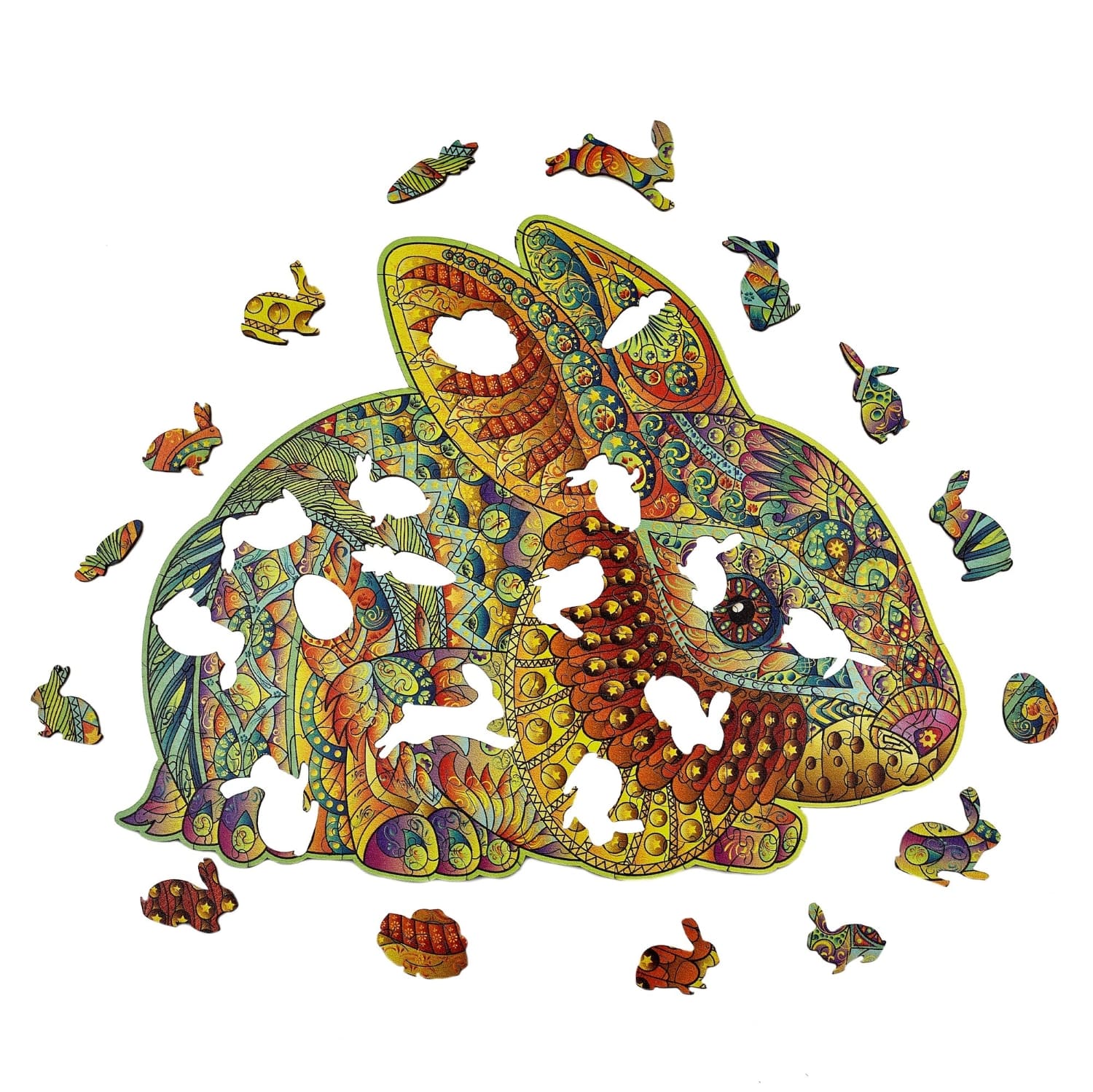
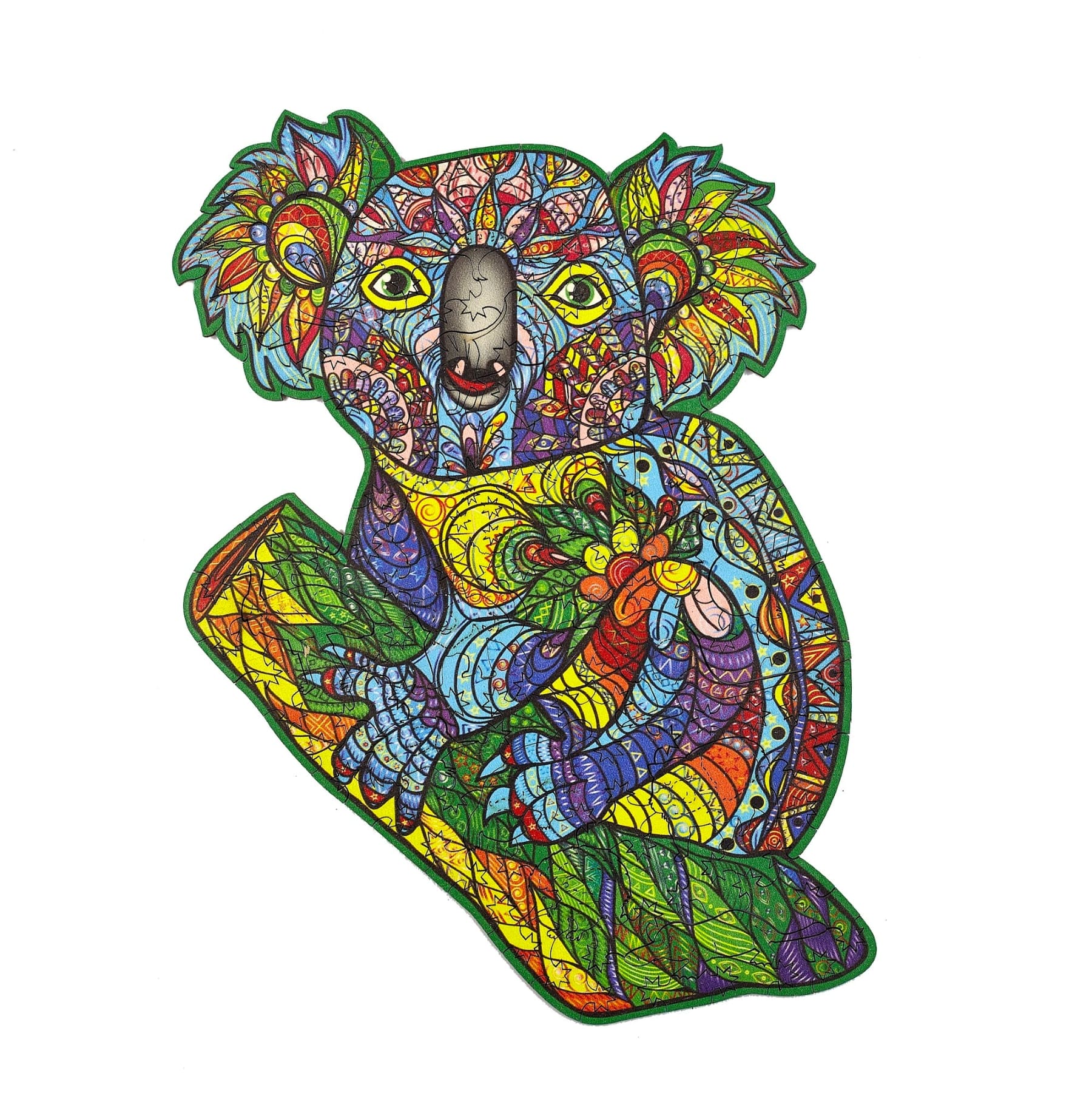
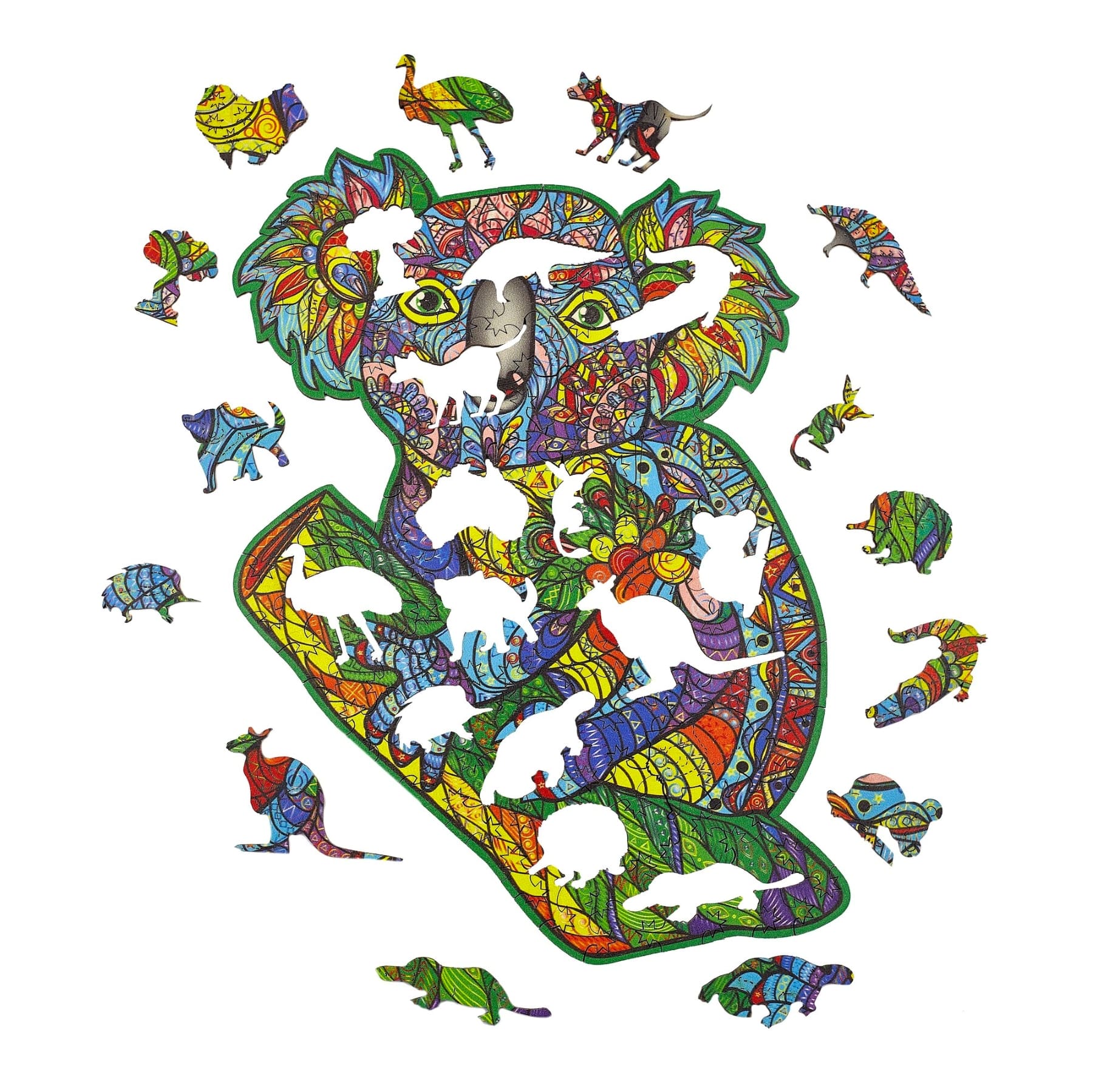
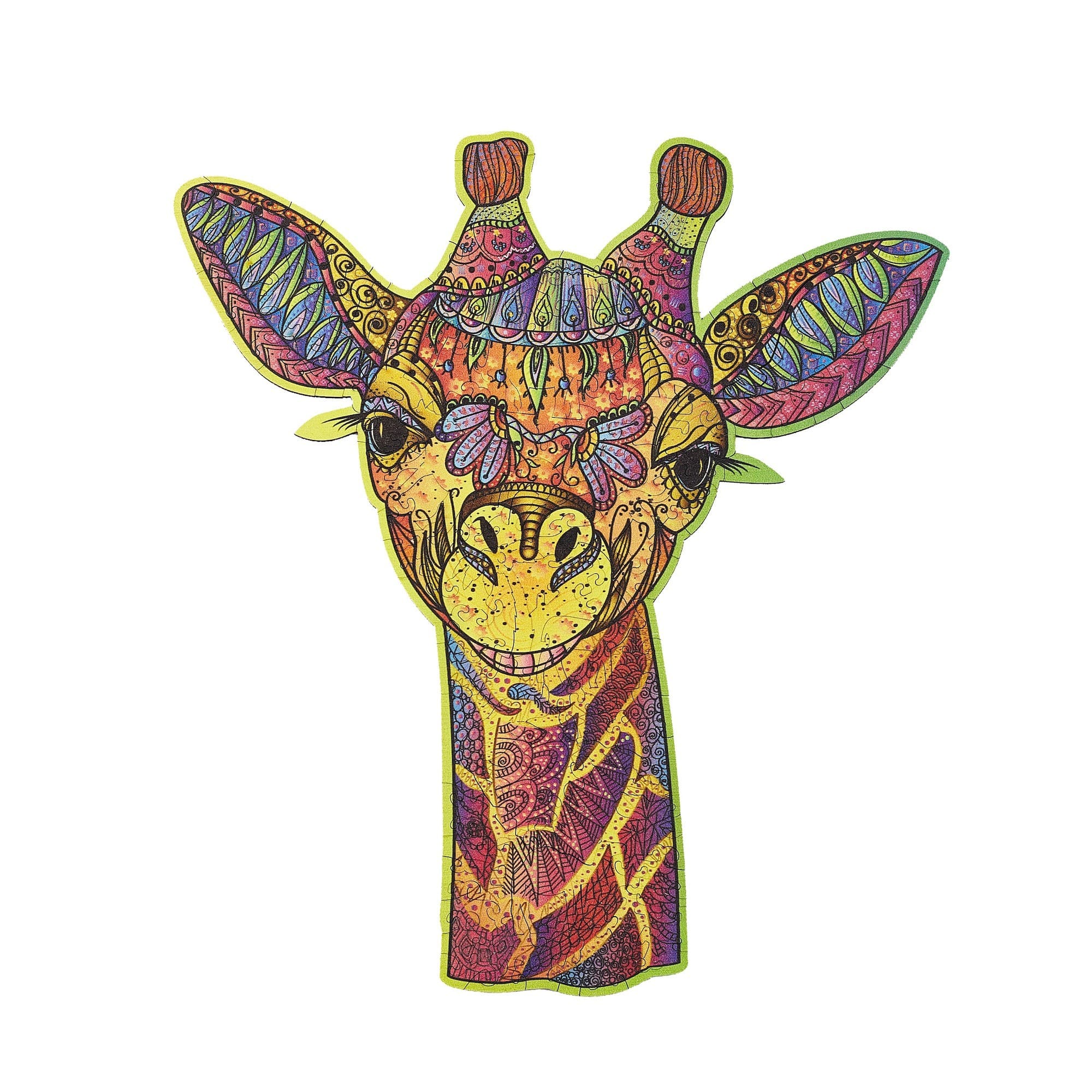
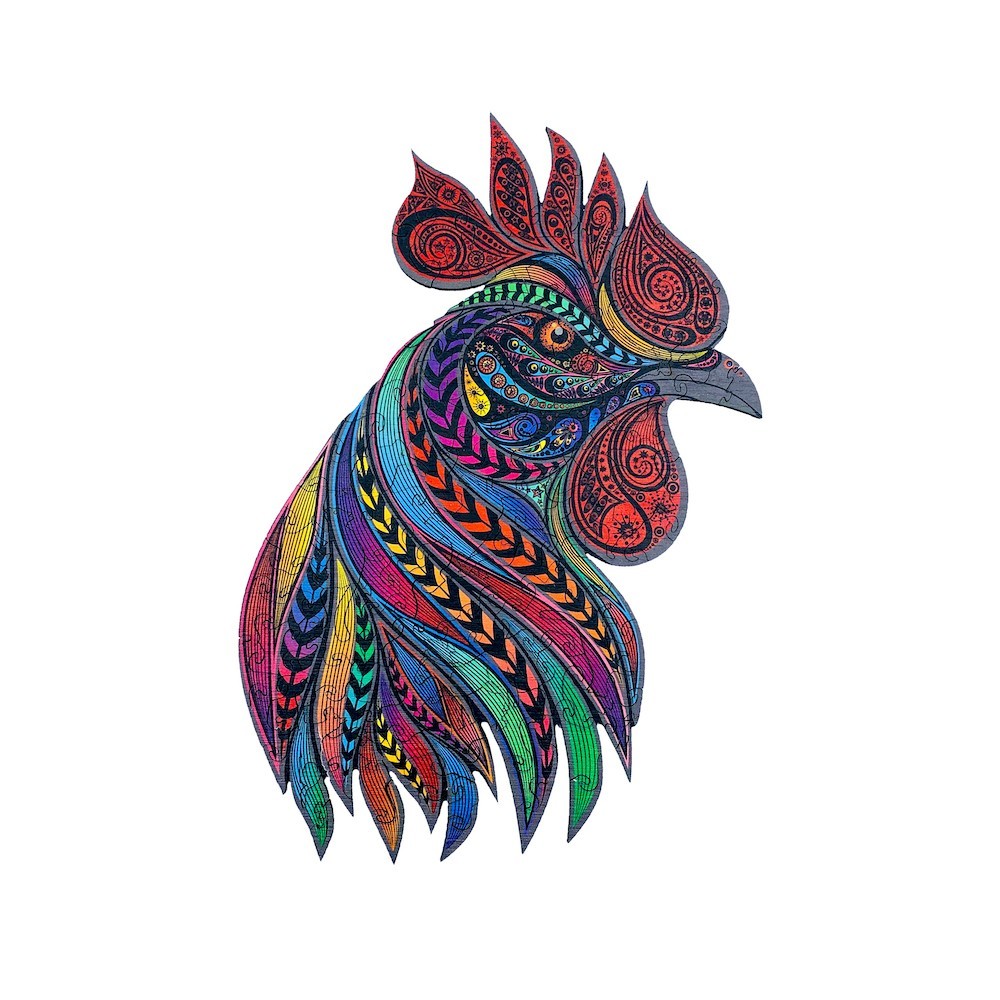
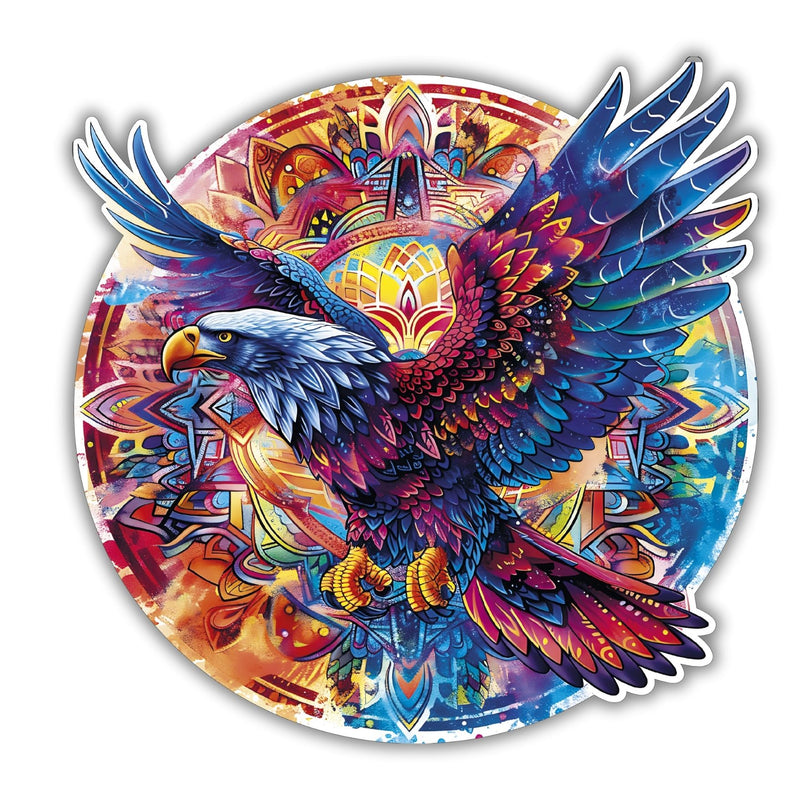
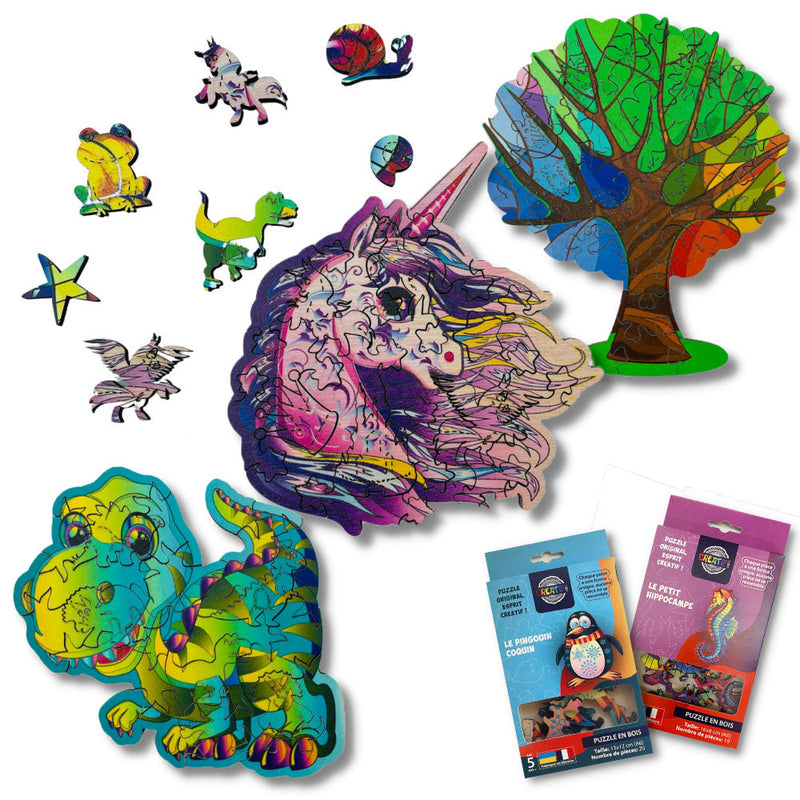
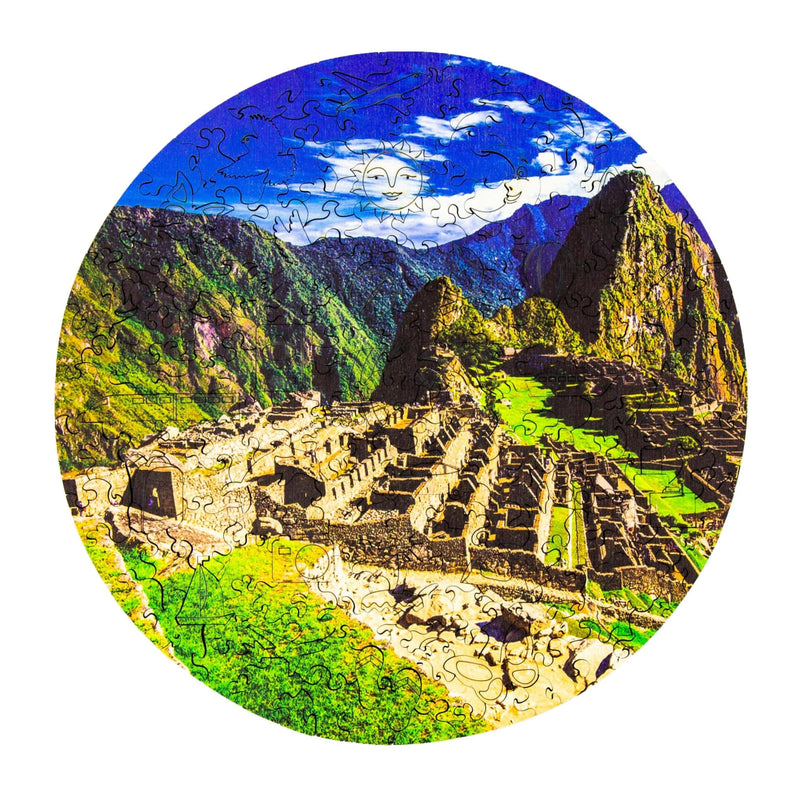
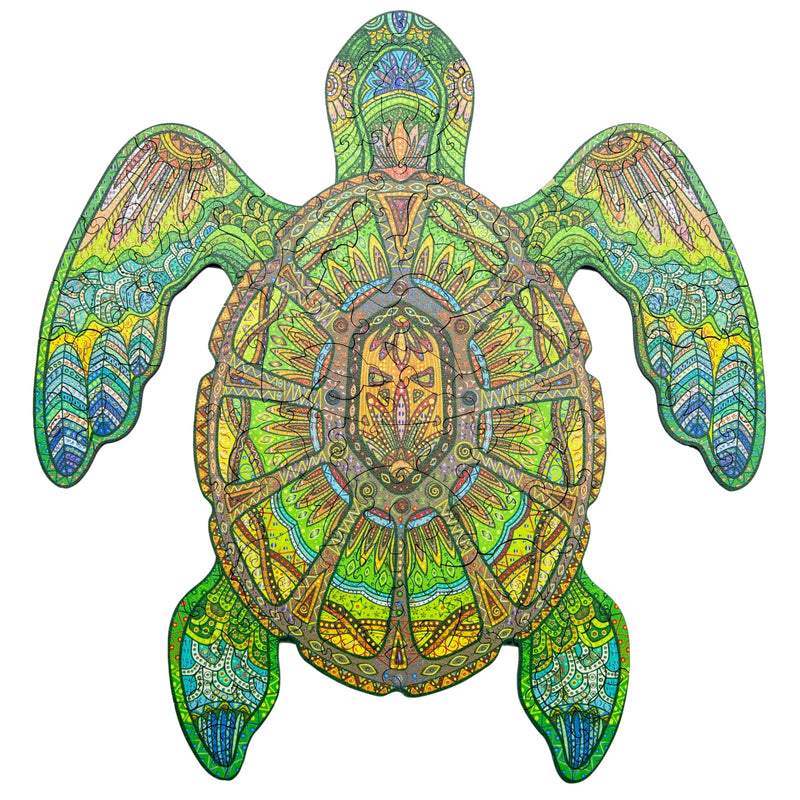
Most of our ornamental animal silhouettes, from the Green Turtle at exactly a hundred pieces to the Flaming Phoenix at a hundred and ninety-nine. The three butterflies. Five of the six gift-box editions with their wooden boxes. The two planets, Planet Terra seen from orbit and Planet Marina, and the France Discovery map cut to the outline of the country. And one round painted design, the Liberty Eagle at a hundred and fifty; the other round designs, and the photographic landscape discs, all sit above two hundred. The three 3D cardboard sculptures that share the count are a different product, layered card built on rods, with a page of their own.
How do I choose within it?
Piece count alone will not tell you which is harder. A design with flat colour blocks and hard outlines is faster than one with a continuous gradient at the same count, and a mirrored butterfly at a hundred and seventy-five pieces takes longer than a two-hundred-piece animal. Each product page says where the difficulty sits on that particular board. Lighter, or for a child: under 100 pieces. The deep end: 200 pieces and over.