Puzzles & Games

Wooden Toys & Games

Filters

Sort by:

16 products
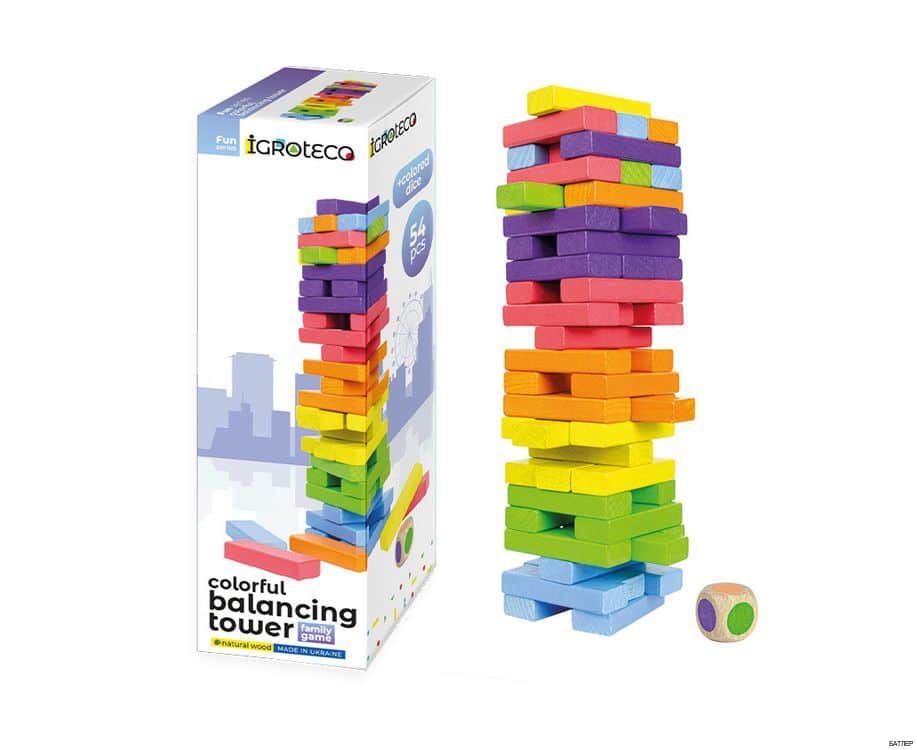
Jeu de société 'Tour d'équilibre' en couleur
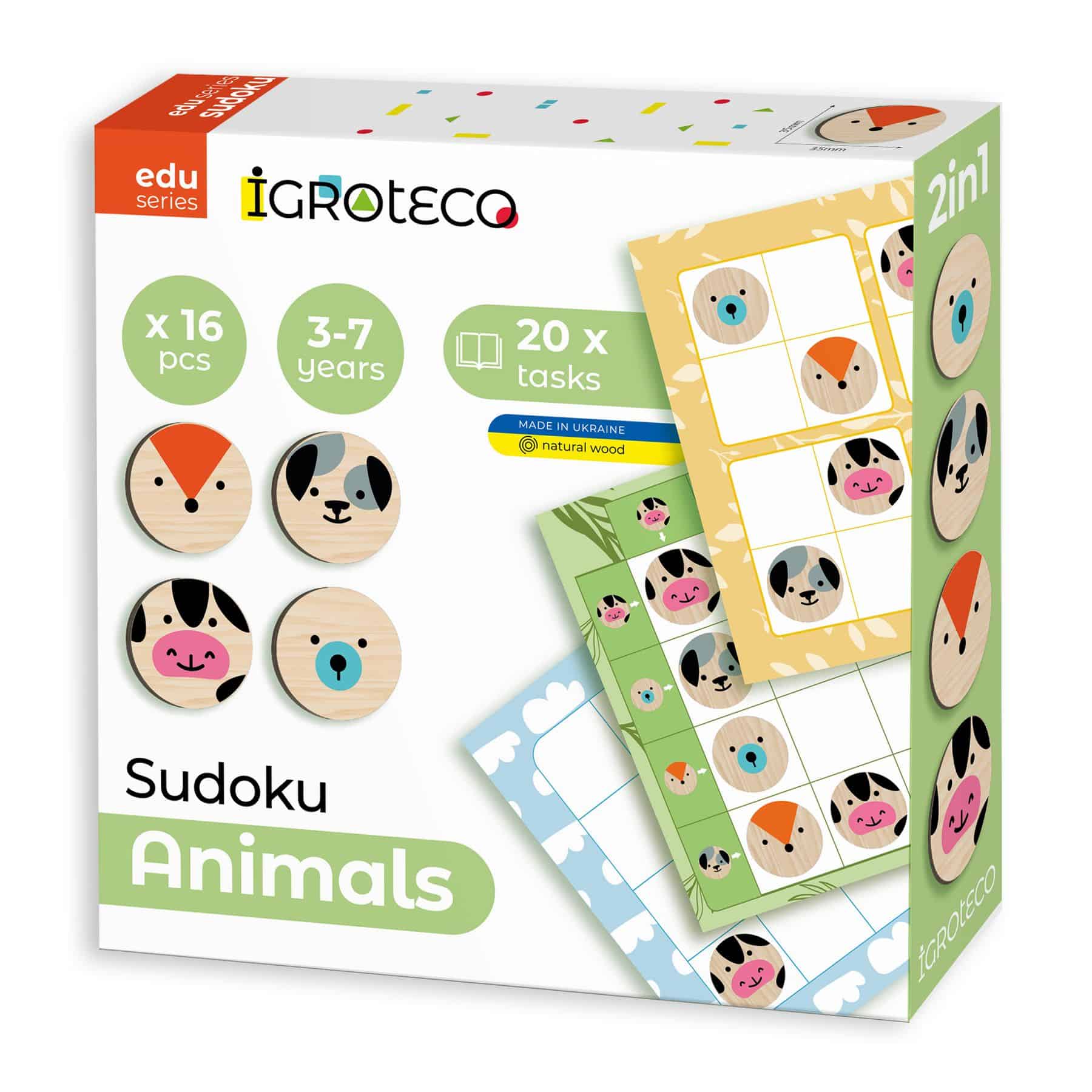
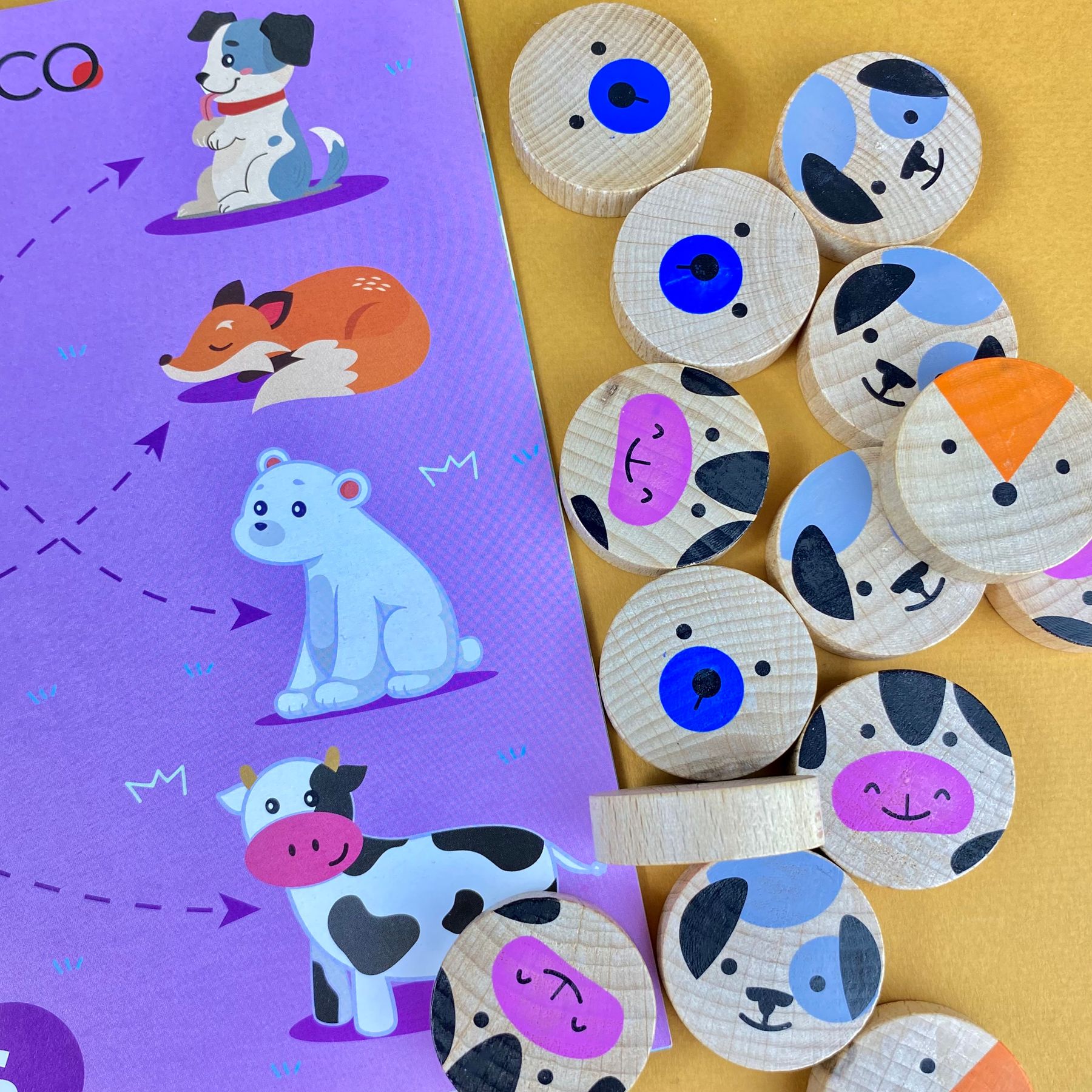
SUDOKU Animaux  16 pièces
SUDOKU Animals, 16 pieces Sale price€17,90
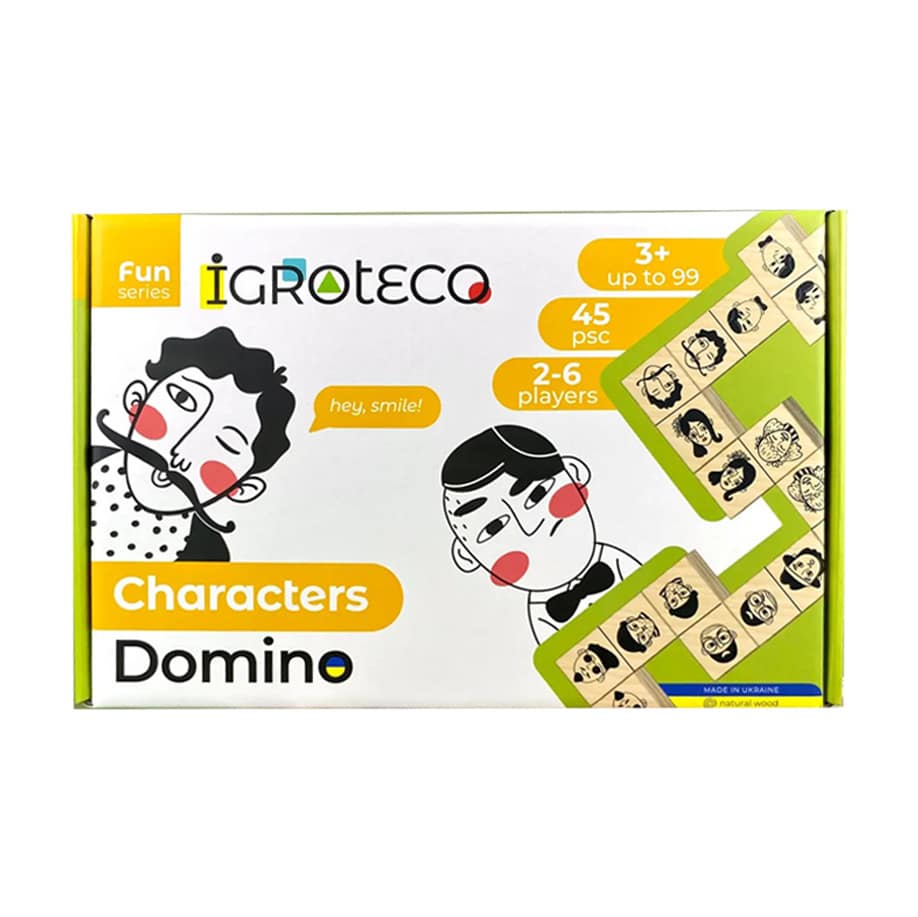
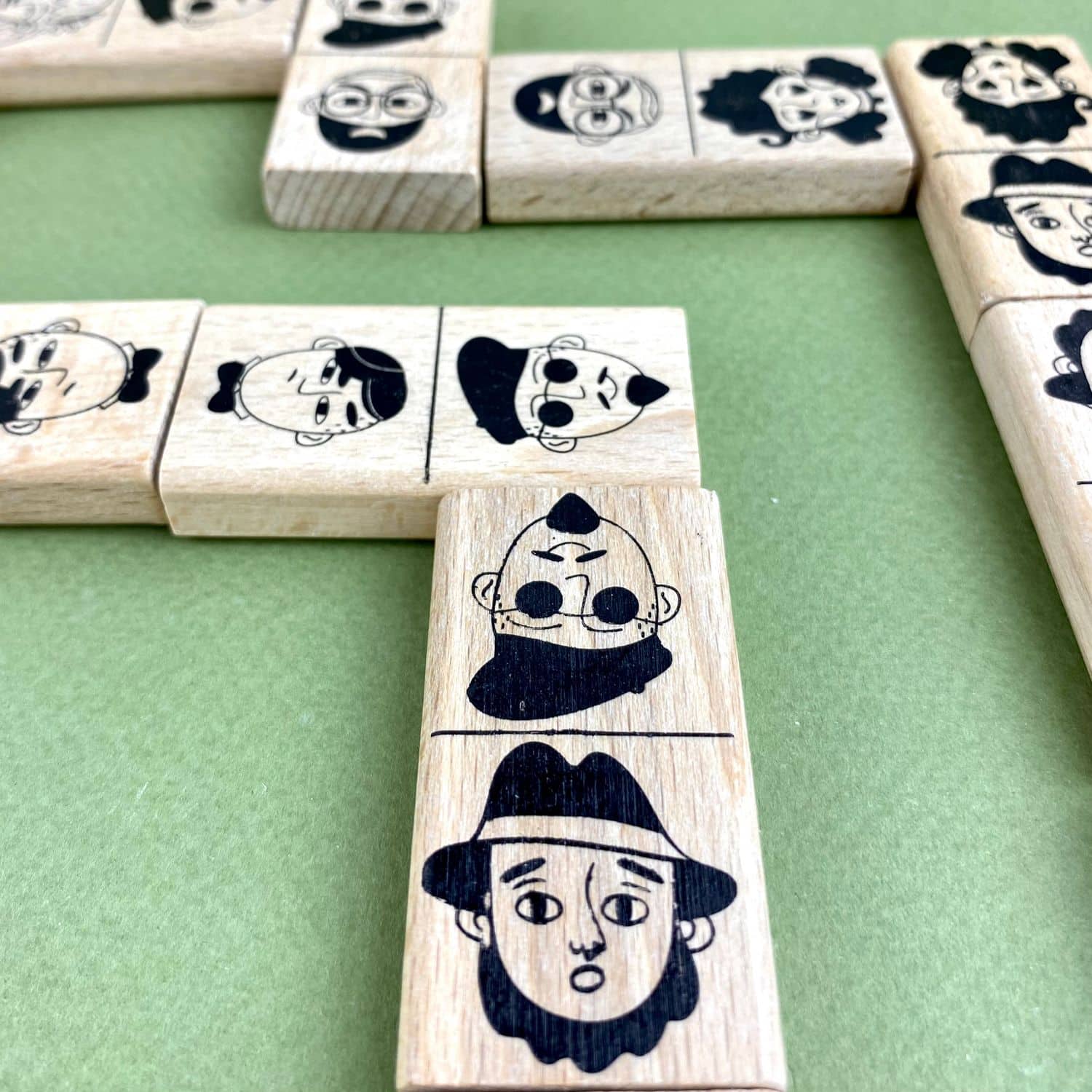
Domino  45 pièces
Dominoes, 45 pieces Sale price€22,30
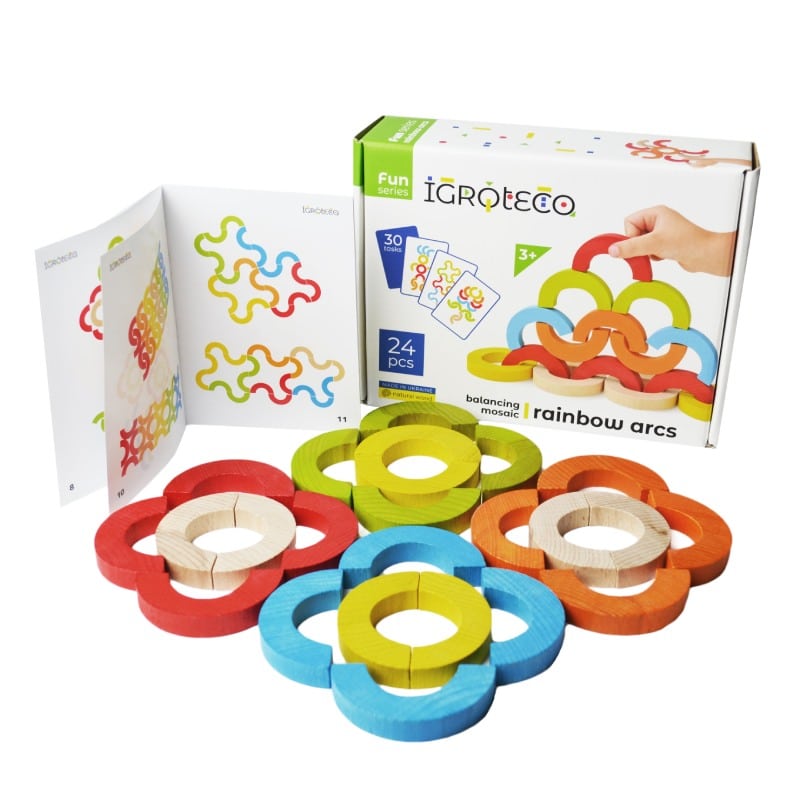
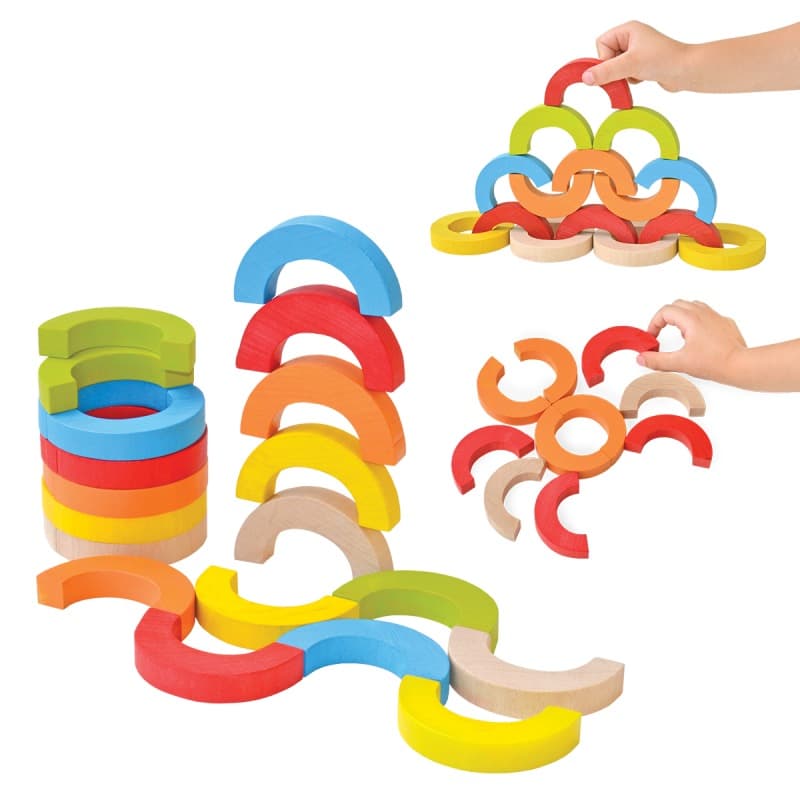
Mosaïques équilibrantes en bois Arcs arc-en-ciel 24 pièces
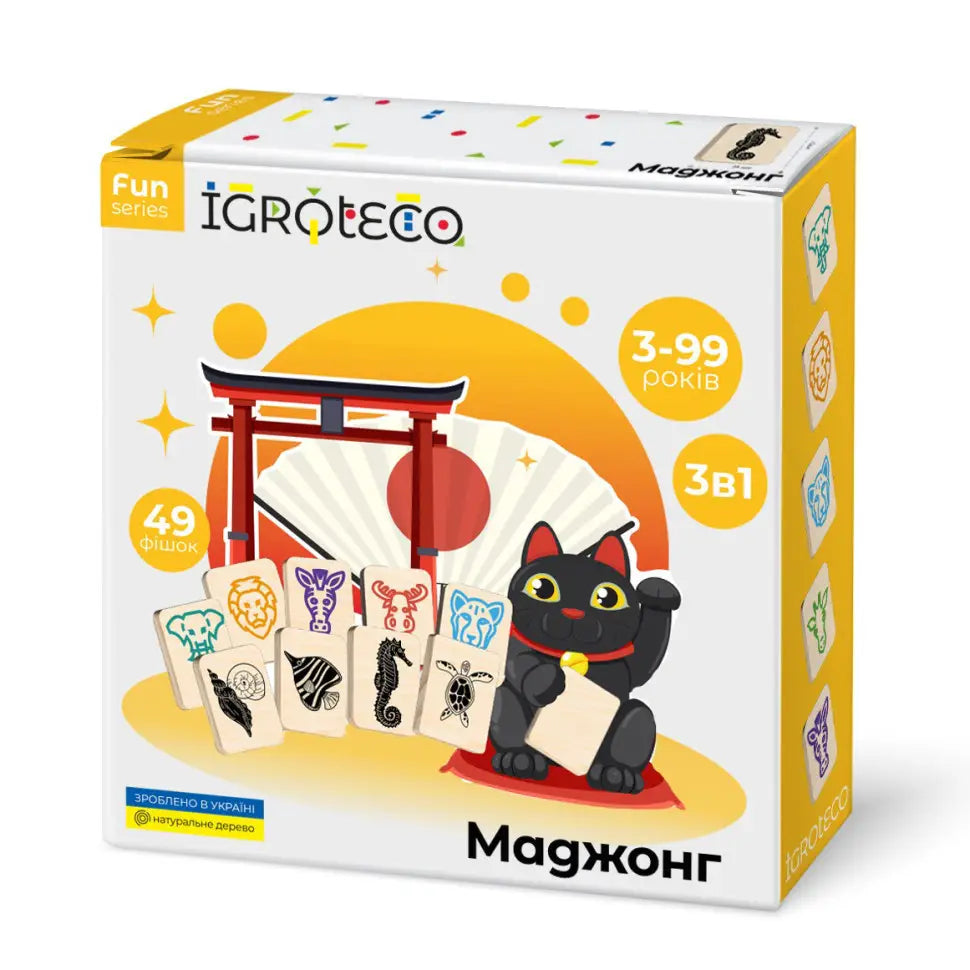
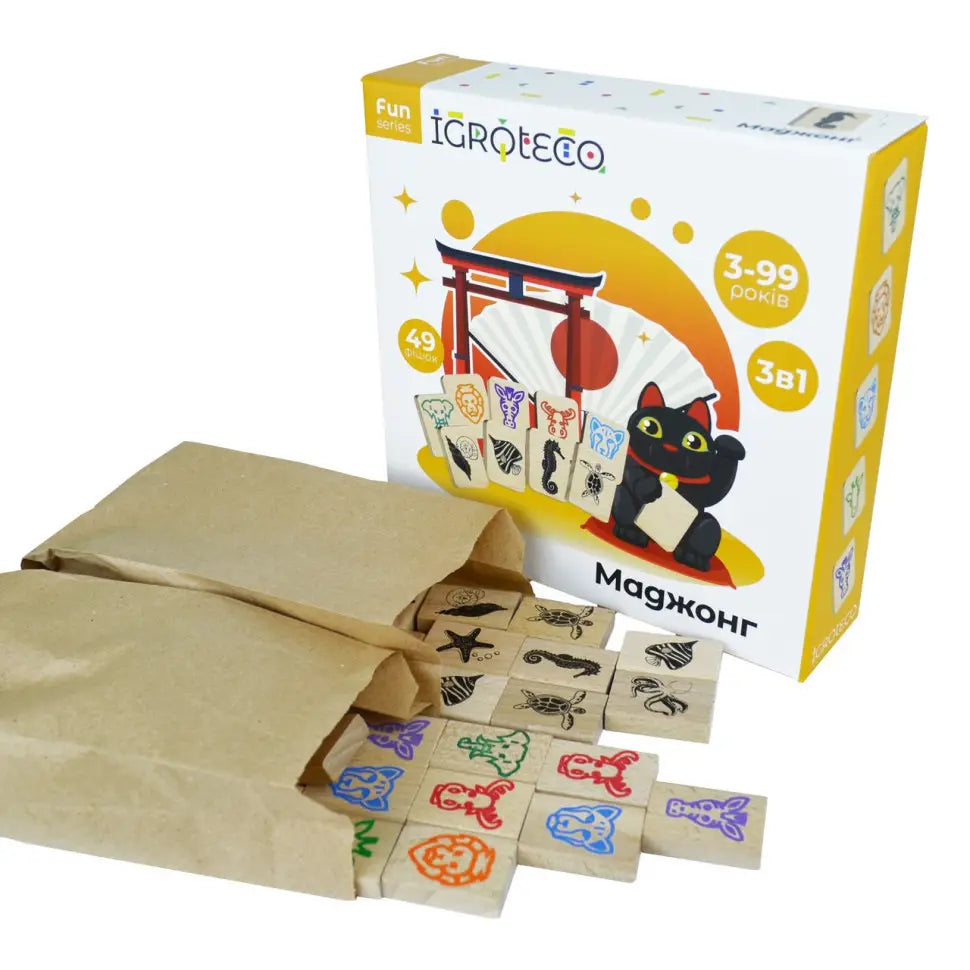
Mahjong 49 pièces
Mahjong, 49 pieces Sale price€18,90
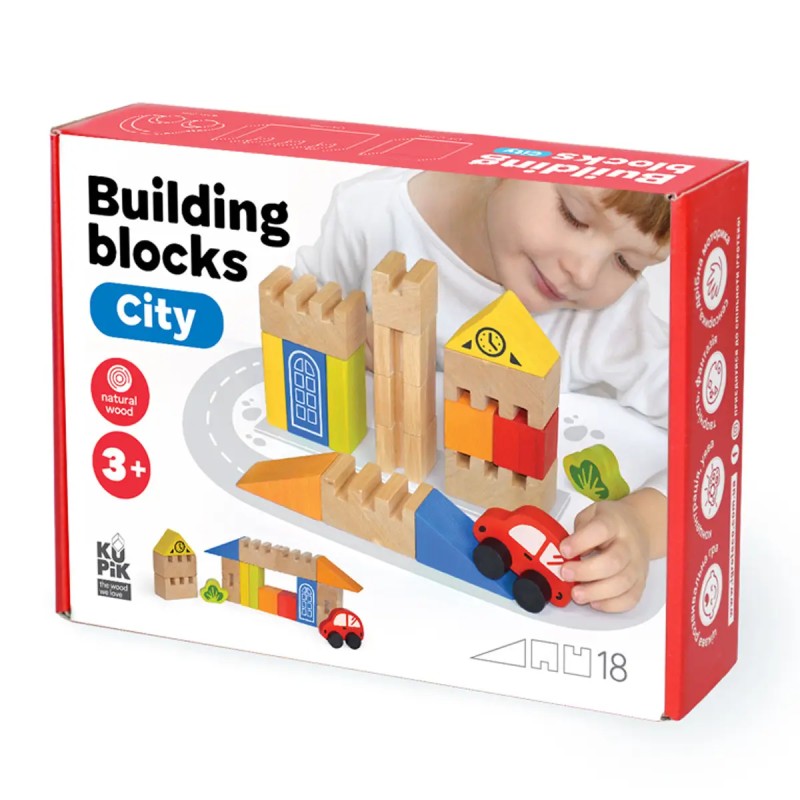
Blocs de construction City 18 pièces
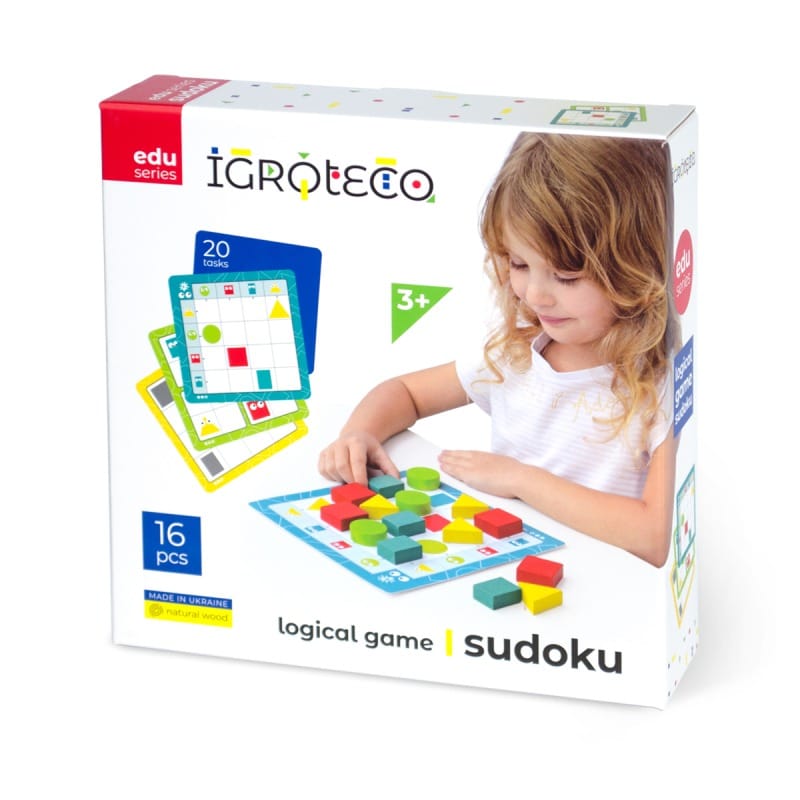
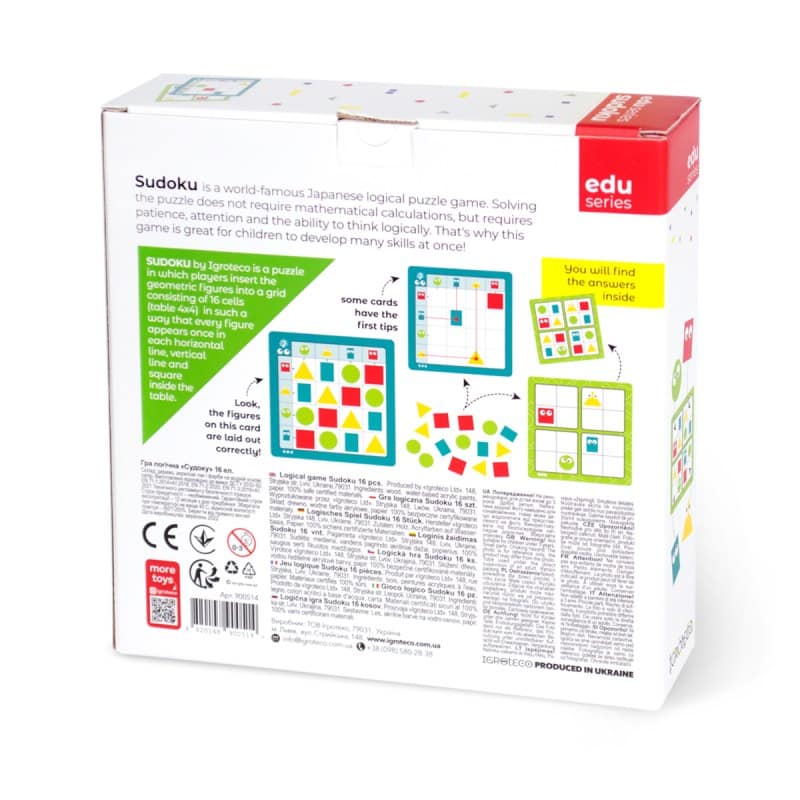
Jeu logique Sudoku
Sudoku Logic Game Sale price€16,90
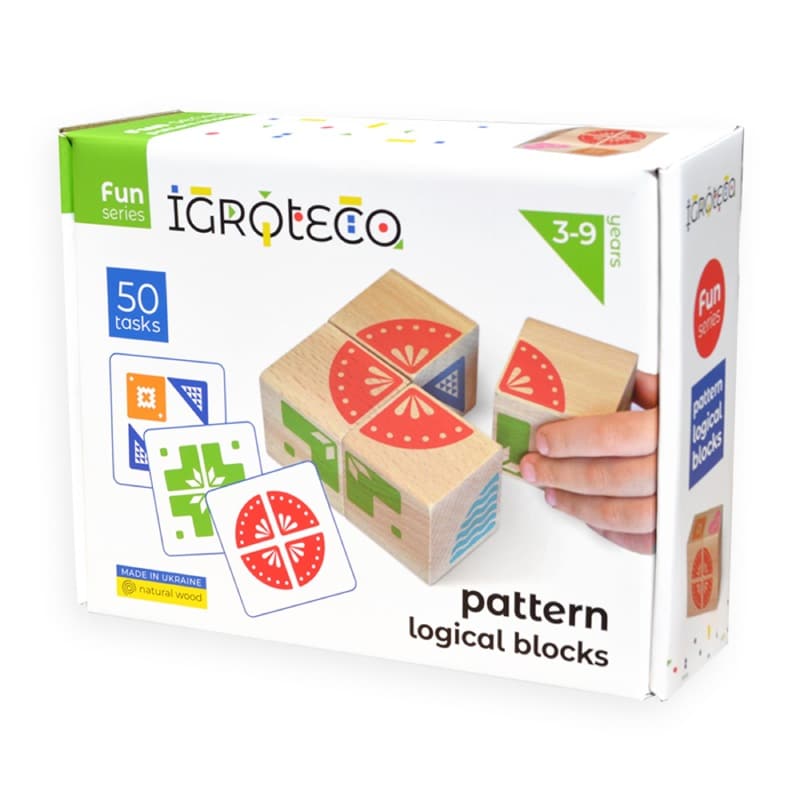
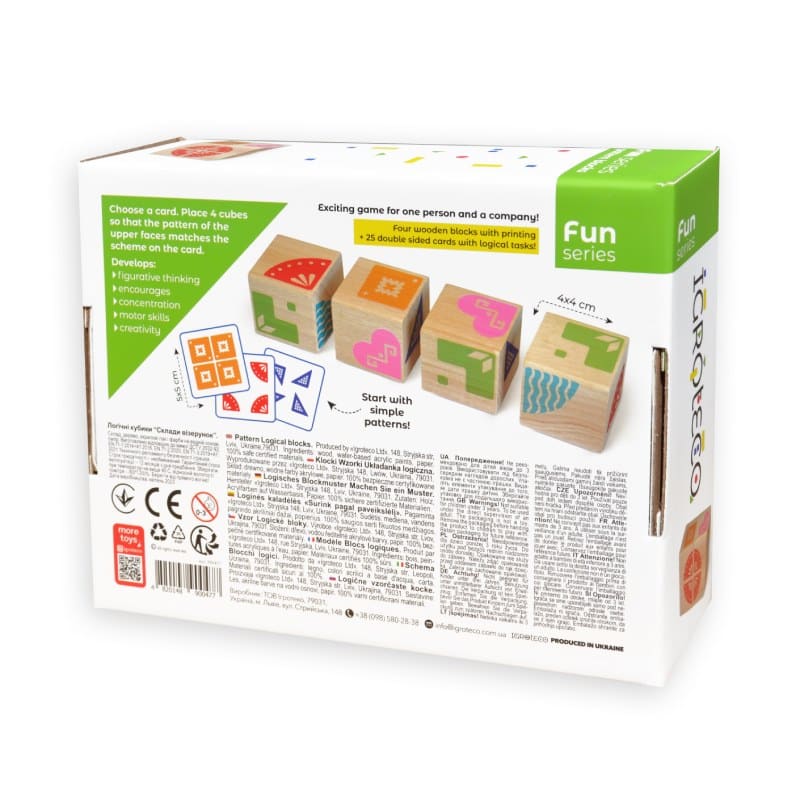
Blocs logiques 4 pièces
Pattern Cubes, 4 pieces Sale price€12,90
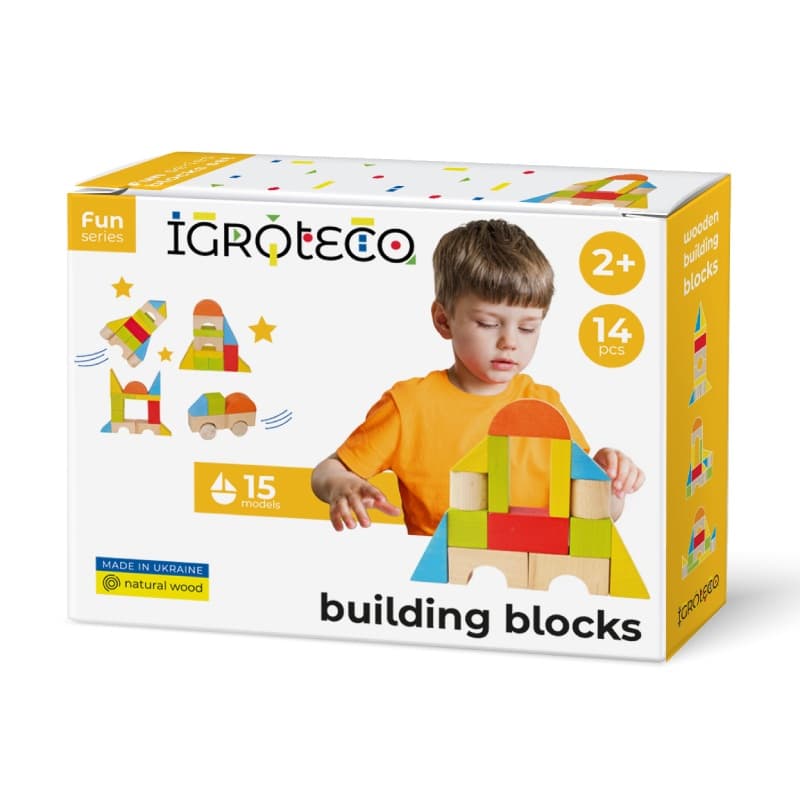
Ensemble de blocs de construction Universal 14 pièces
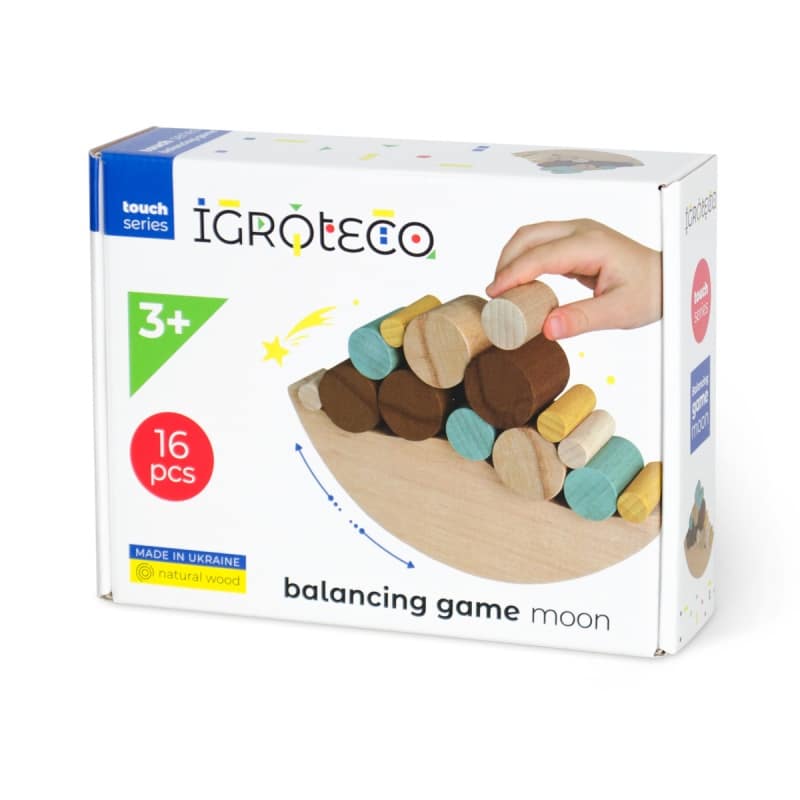
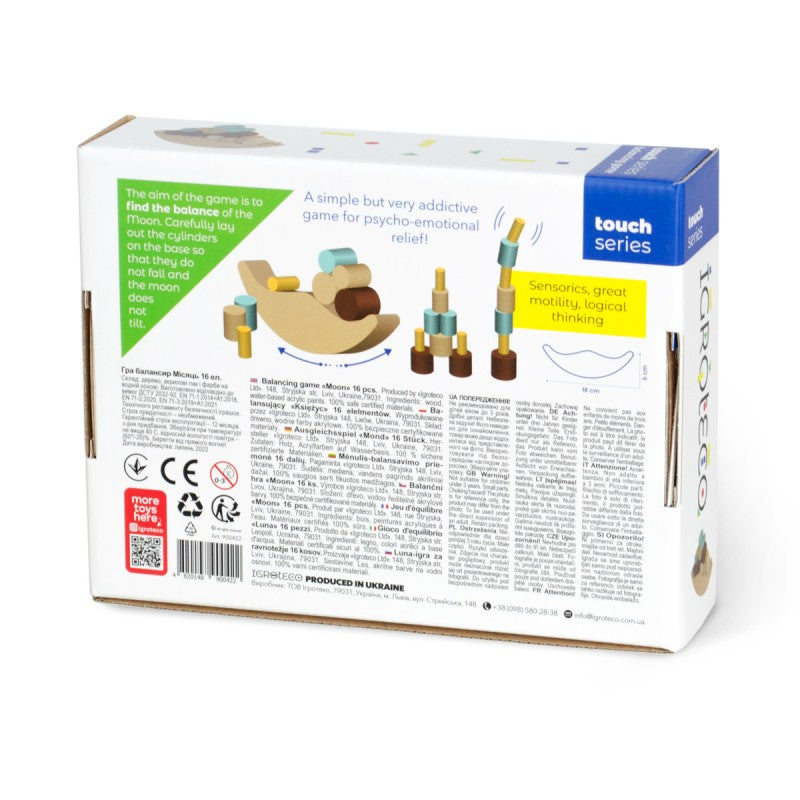
Jeu d'équilibre "Lune" 16 pièces
Balance Game "Moon", 16 pieces Sale price€14,90
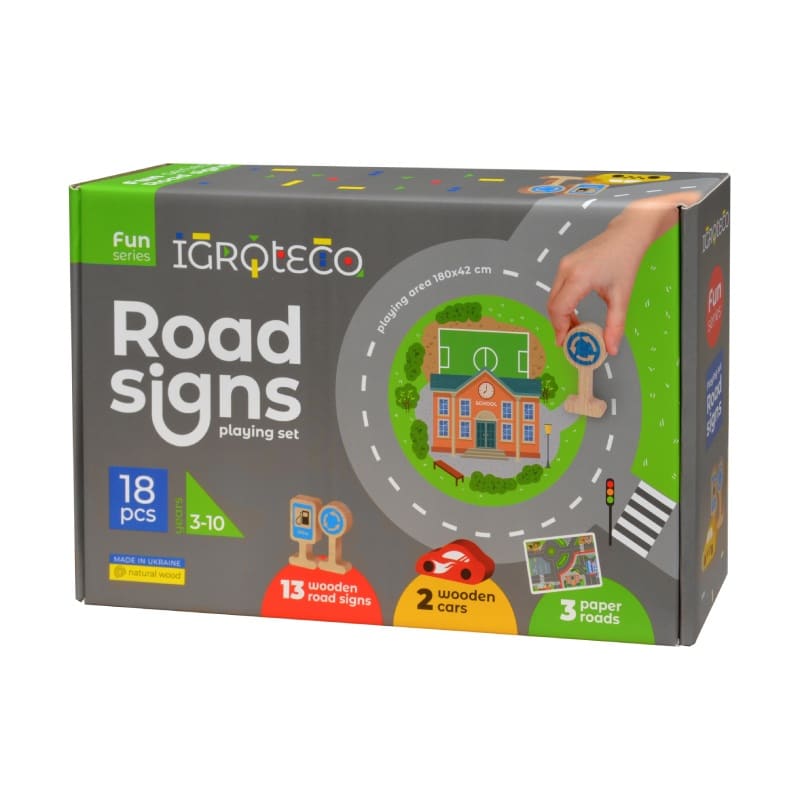
Set de jeu Panneaux routiers 18 pièces
Road Signs Play Set, 18 pieces Sale price€21,90
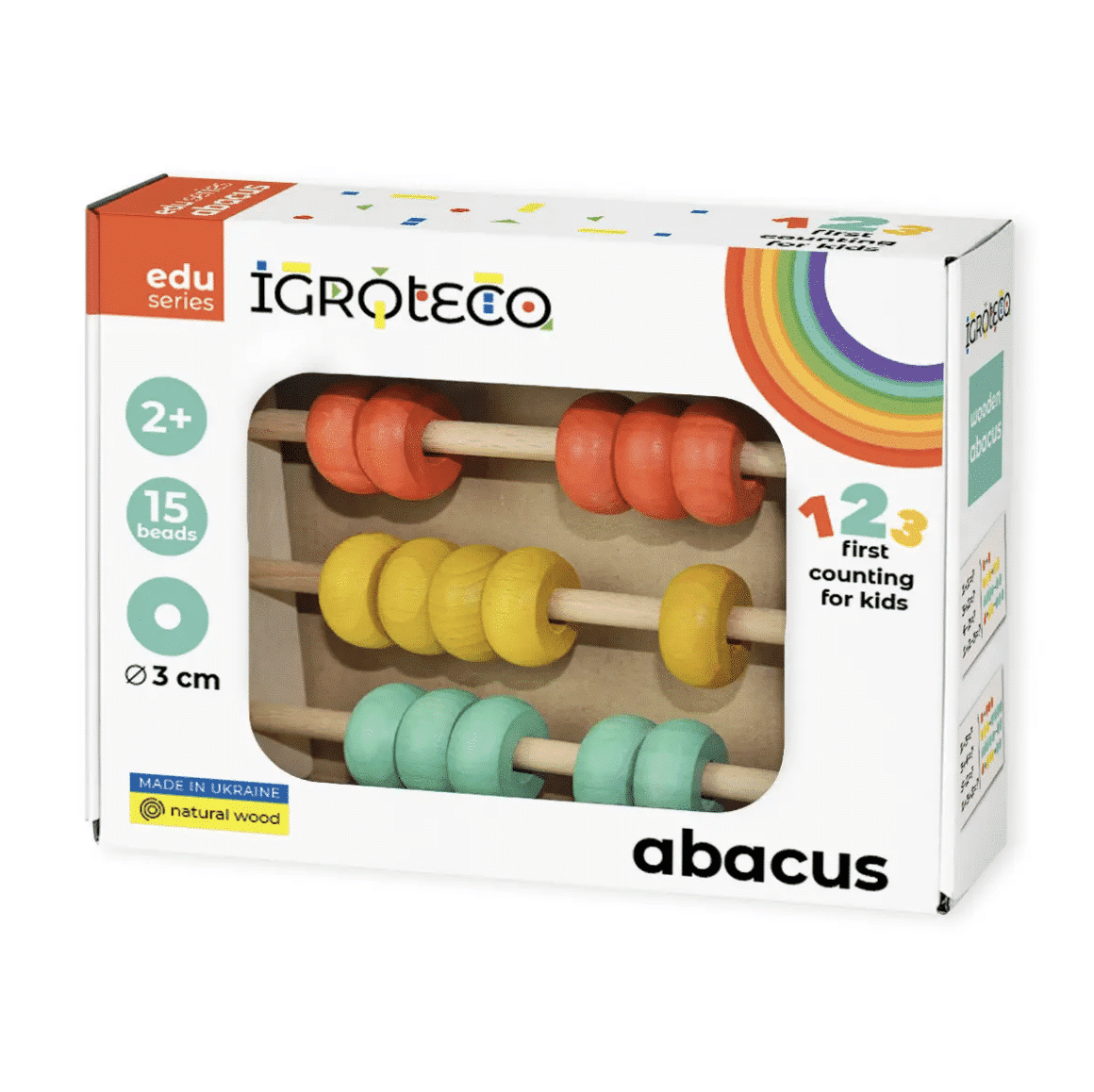
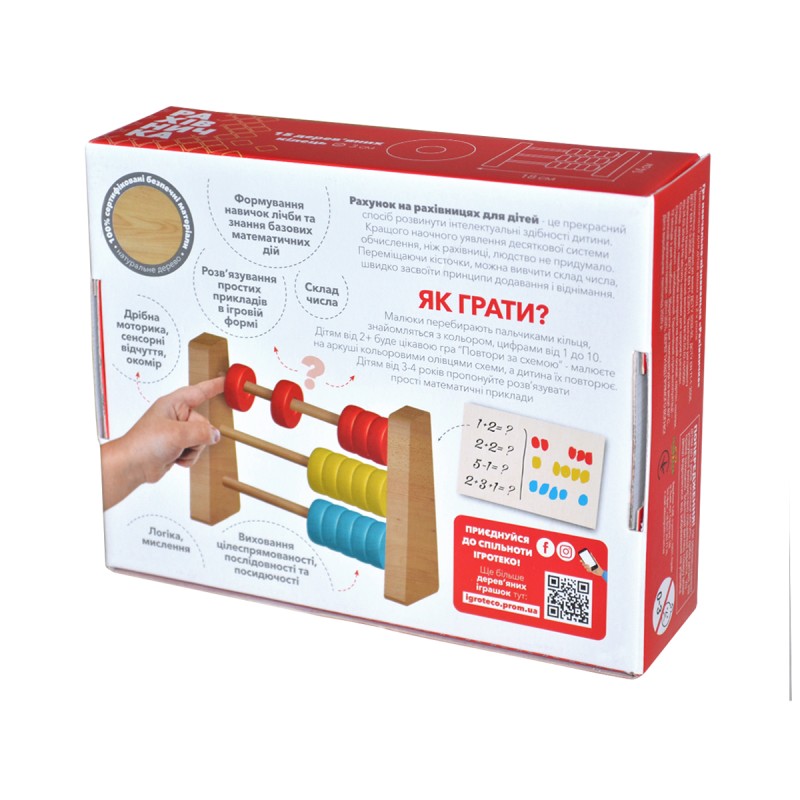
Boulier en bois 3*5
Wooden Abacus 3×5 Sale price€15,90
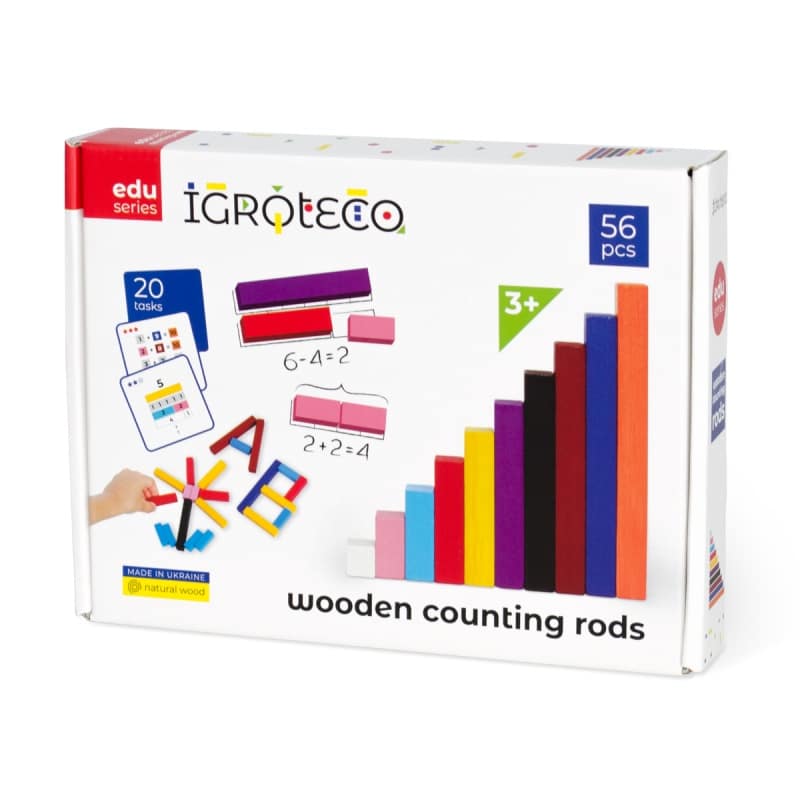
Tiges de comptage en bois 56 pièces
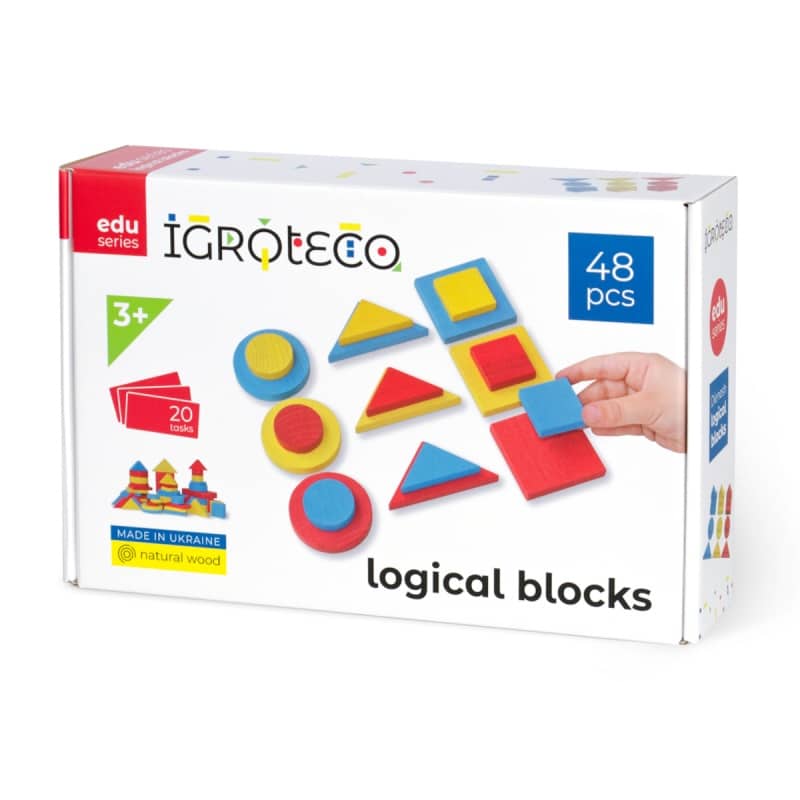
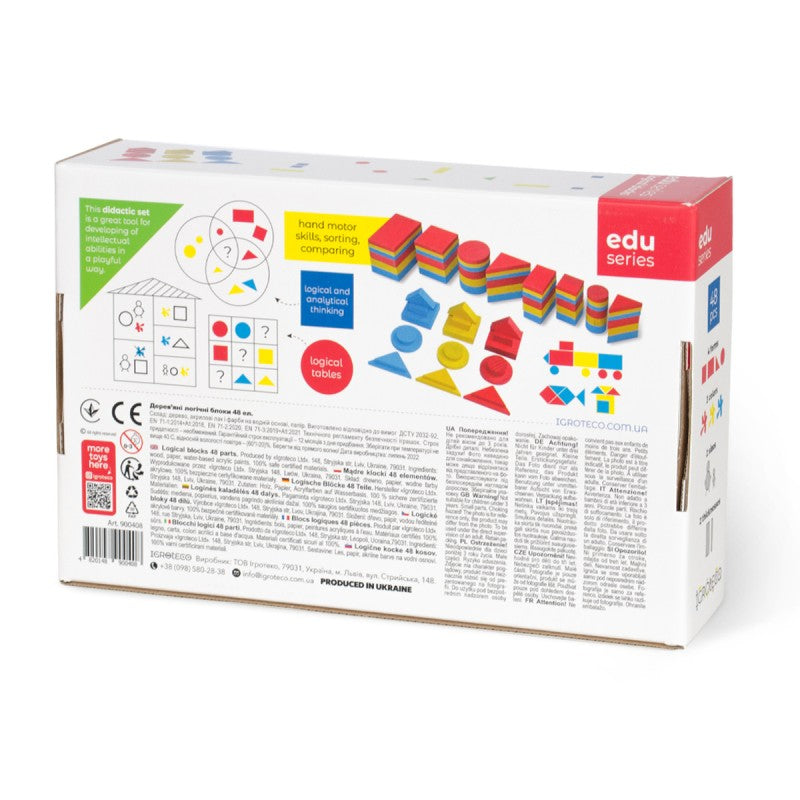
Blocs logiques 48 pièces
Dienes Logic Blocks, 48 pieces Sale price€28,90
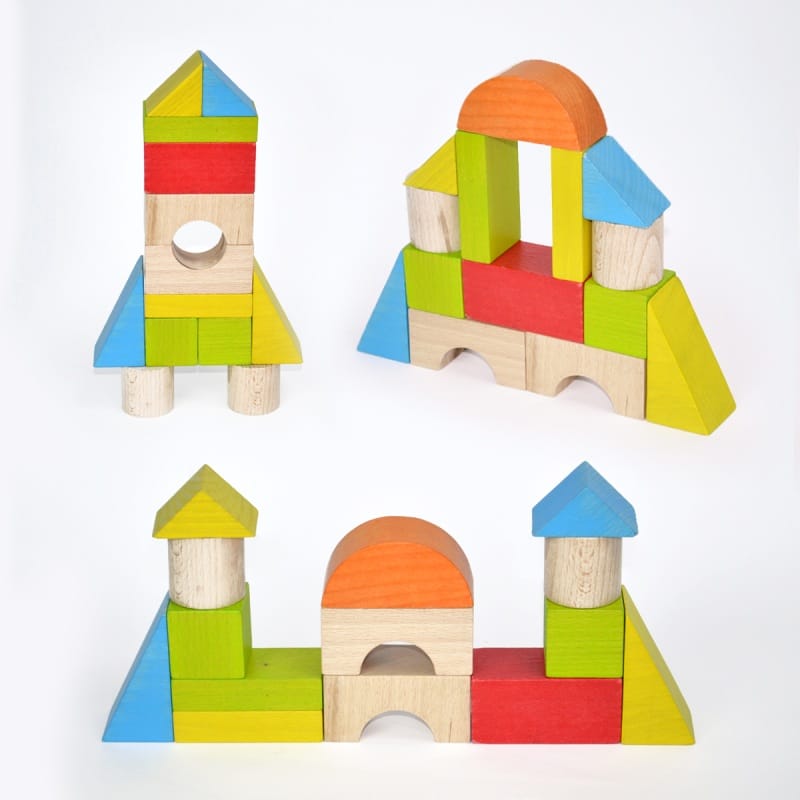
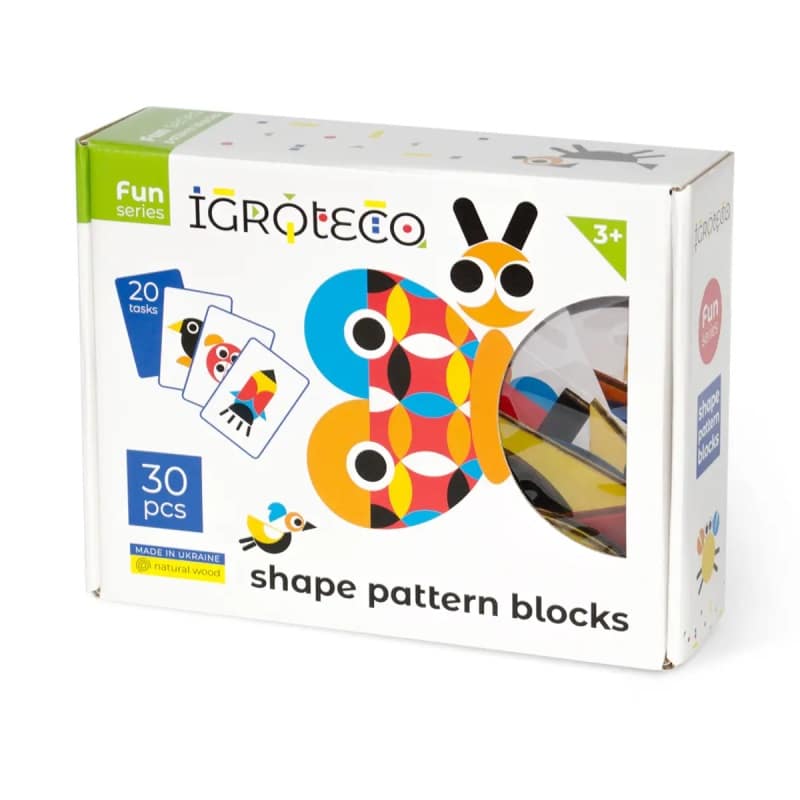
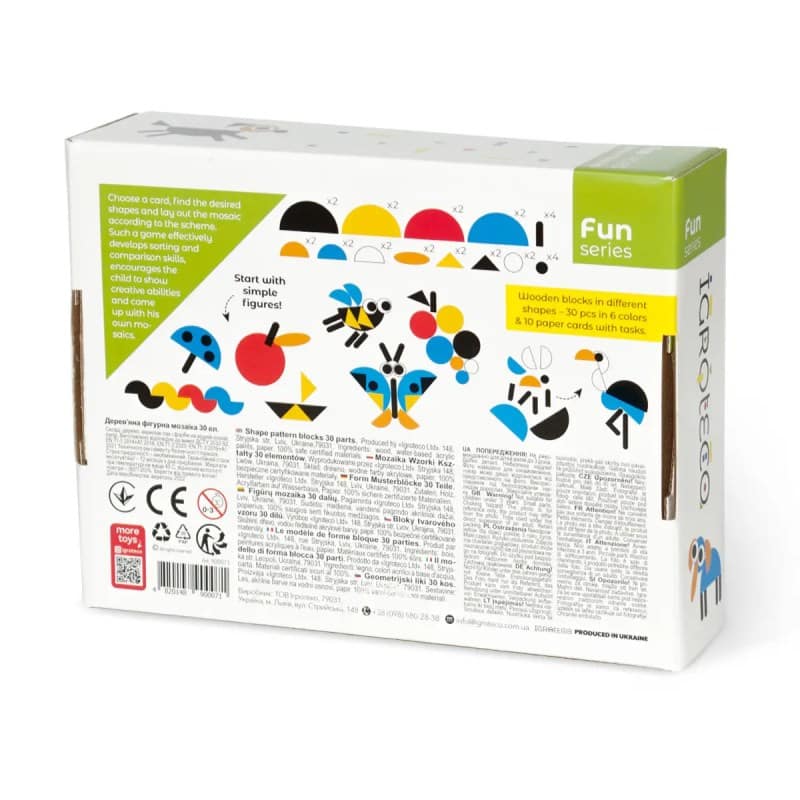
30 blocs en bois
30 Wooden Blocks Sale price€13,90
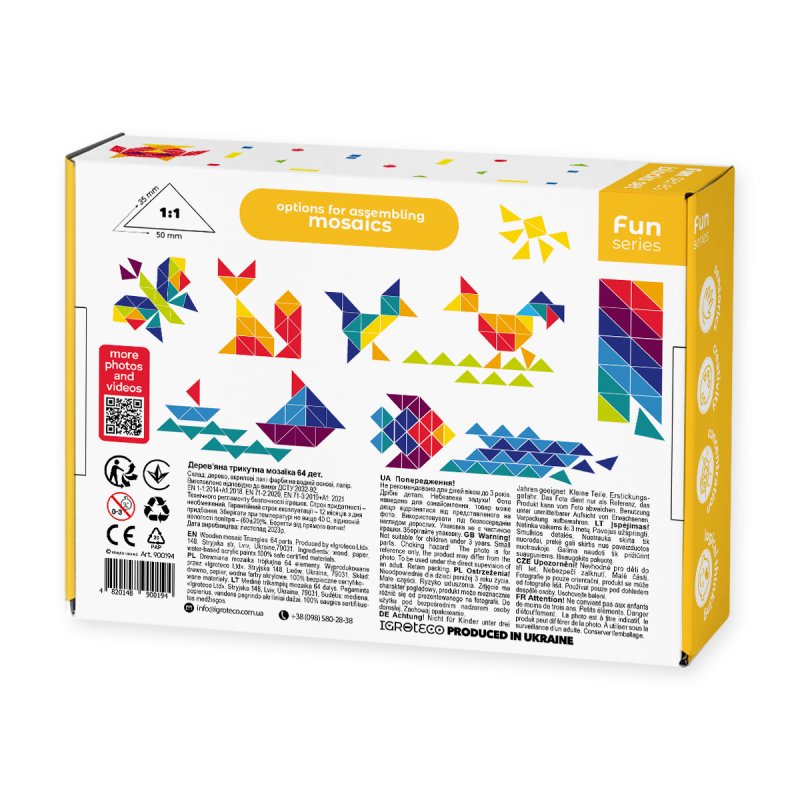
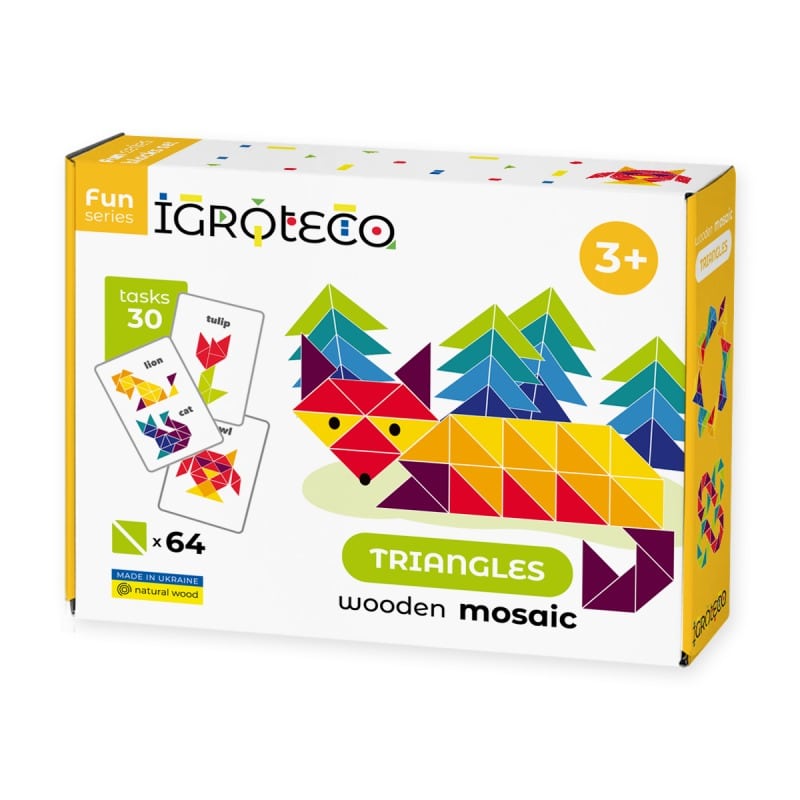
Mosaïque en bois TRIANGLES 64 pièces

Games and teaching materials, not toys in general

Everything in this collection is made by Igroteco, a Ukrainian manufacturer working in solid wood – painted with water-based colour or left bare. The range splits into two halves that behave quite differently, and it is worth knowing which you are looking at.

One half is games: dominoes, mahjong, sudoku, a balancing tower. The other is teaching material – Cuisenaire rods, Dienes logic blocks, an abacus, counting sets. The second group looks like toys and is not; it is what primary classrooms have used for seventy years.

What are Cuisenaire rods and Dienes blocks?

Two of these are not generic products. The counting rods are the Cuisenaire system, devised by the Belgian teacher Georges Cuisenaire and in classroom use since the 1950s: fifty-six rods in graded lengths, each length its own colour, so that number relationships can be handled before they are named.

The logic blocks are Dienes blocks, from the Hungarian mathematician Zoltán Dienes: forty-eight shapes varying in form, colour, size and thickness, no two alike. Sorting them is set theory before anyone calls it that.

If a teacher has asked for either by name, this is what they meant.

Why wood rather than plastic?

Weight, mostly. A plastic counting rod slides when a child lays another beside it; a wooden one stays put, and lining pieces up accurately is the exercise. A plastic block tower falls under its own lightness. Wooden tiles stack; card ones bend.

The pieces are also untreated or finished in water-based paint, with no varnish, which matters at the age when things go in mouths.

Which set for which age?

The range runs from two to fourteen, and the markings mean something. At two the sets are large solid blocks and an abacus with 3 cm beads. At three the task cards appear and the sets become exercises with a right answer. At fourteen there is one product, the balance tower, and that is a family game rather than a child's one.

Each product page carries its own age and the number of pieces.

What are the task cards for?

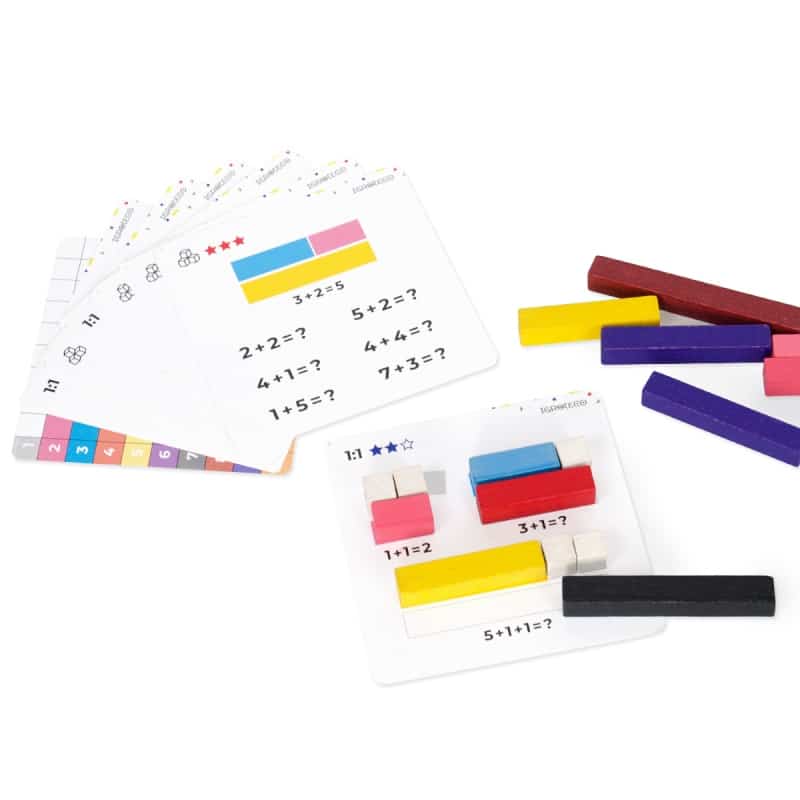
Most sets here come with ten double-sided cards and twenty graded tasks. That is what separates them from a bag of blocks: the same pieces work as free play and as structured work, and the cards give a parent something to do with the set rather than leaving it on the floor.

The tasks progress rather than repeating. A set bought at three is still being used at six.

What are they made of?

Solid wood, water-based paint where there is colour, and an instruction booklet in every set. Made in Ukraine. Nothing here needs batteries, and nothing makes a noise.

Frequently asked questions

What is the difference between the Pattern Cubes and the Dienes Logic Blocks?

They are unrelated products that used to share a name. The Pattern Cubes are a puzzle: four cubes whose faces combine into fifty designs. The Dienes Logic Blocks are a forty-eight-piece classification set, used for sorting and set logic. If a school has asked for logic blocks, they mean the Dienes set.
Are the Cuisenaire rods the standard set?

They follow the Cuisenaire method: graded lengths from one to ten centimetres, each length its own colour, so lengths can be compared and combined by hand. One honest caveat – the colours are Igroteco's own rather than the classic scheme, so if a child already uses classic-coloured rods at school, treat the two sets as separate rather than mixing them. Fifty-six rods with ten cards and twenty tasks.

Which of the two sudoku sets should I choose?

The animal version for a younger child: the counters are round, the pictures are recognisable, and the reverse of each card is a simpler matching game. The shape version once that is easy, since abstract forms are harder to hold in mind than a fox.

What age is realistic, rather than what is on the box?

The two-year-old sets are large solid blocks and the abacus, with nothing small enough to swallow. From three the task cards appear and the sets become exercises with a correct answer, which is when they start being useful rather than only interesting. The balance tower is marked 14+ but works with anyone who can stack.

Is the paint safe?

Water-based, on solid wood, with no varnish or lacquer anywhere in the range. Several sets are supplied entirely unpainted.

Do the sets work together?

The manufacturer states that their block ranges combine, so a child with two block sets has more than two sets' worth of building. The games and the teaching materials are self-contained.

What comes in the box besides the pieces?

Most sets include an instruction booklet, ten double-sided cards and twenty graded tasks. That is what makes them exercises rather than a bag of blocks. The product page for each set lists its exact contents.

Are these Montessori materials?

Cuisenaire rods and Dienes blocks are used in Montessori settings and in conventional classrooms alike, though neither was designed by Maria Montessori. The rest of the range is not Montessori material and we would not describe it that way.