







Wooden Puzzles
Shop by category

Filters
84 products
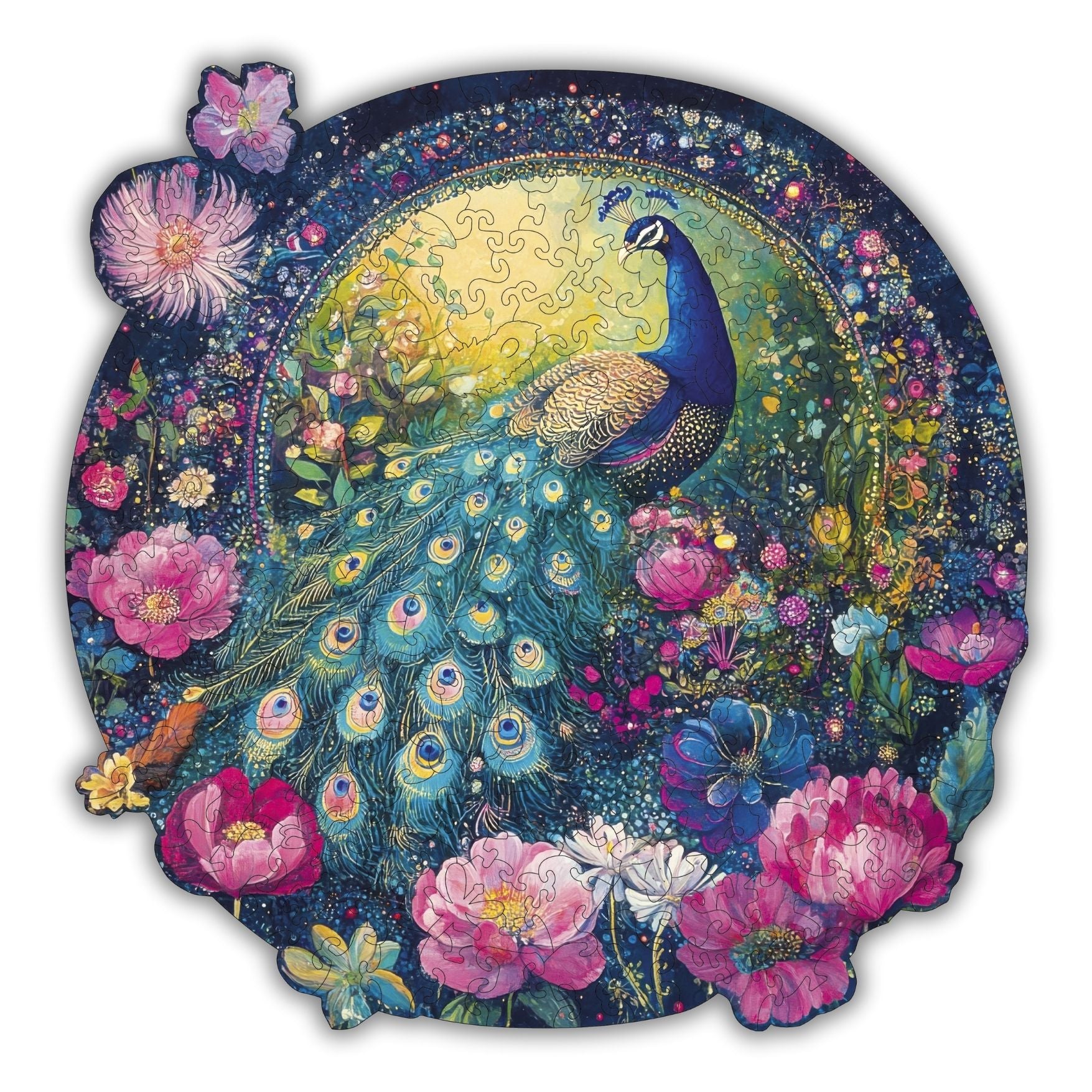
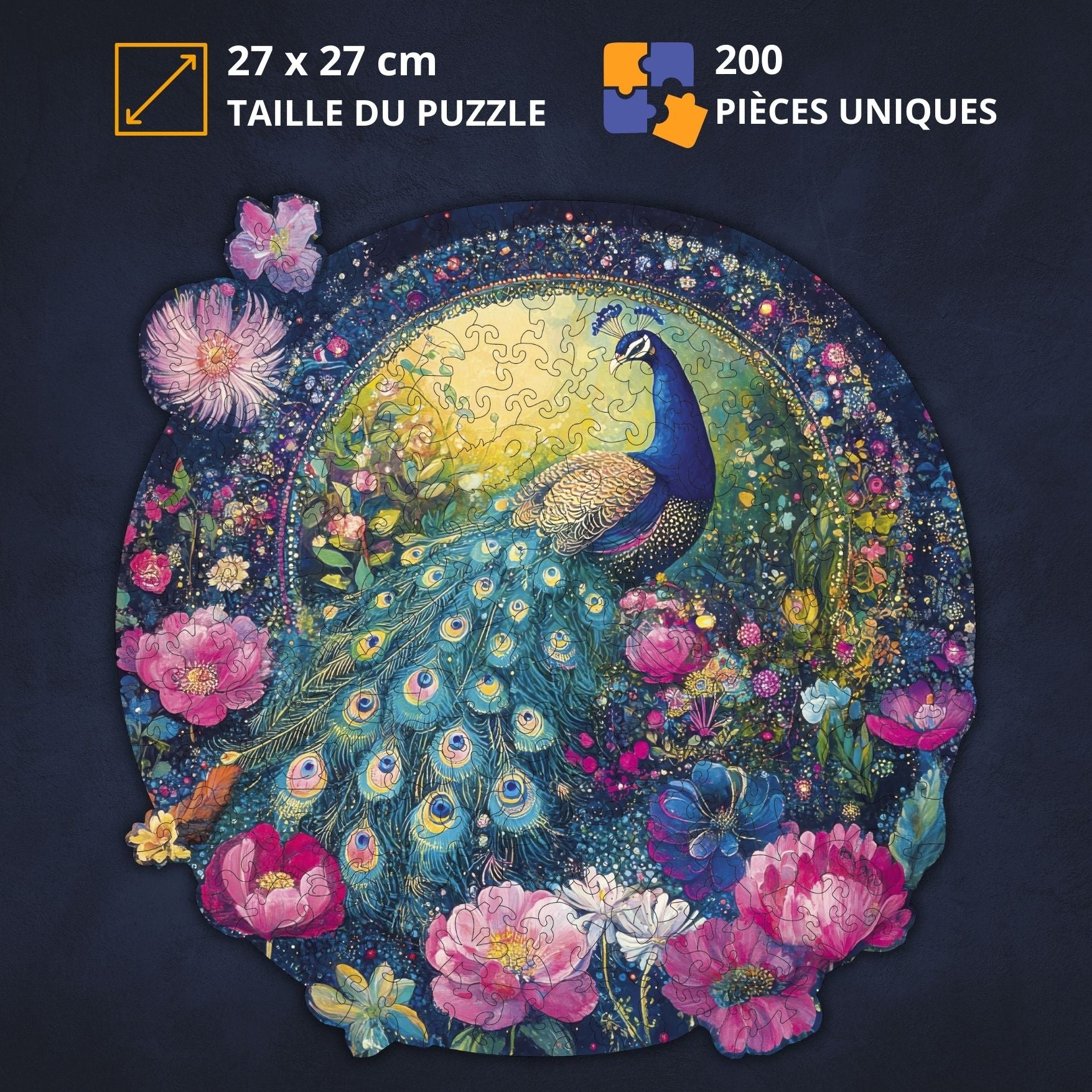
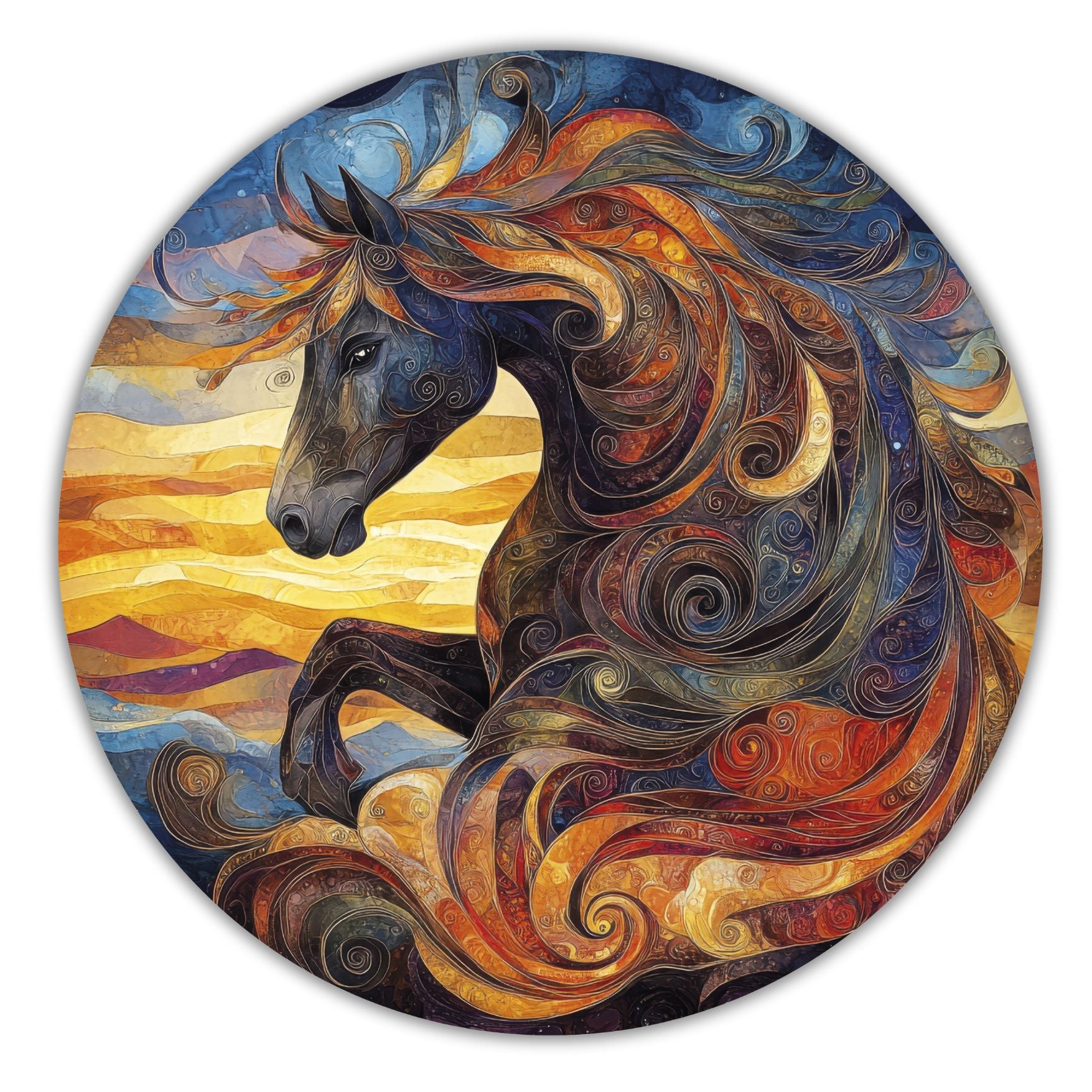
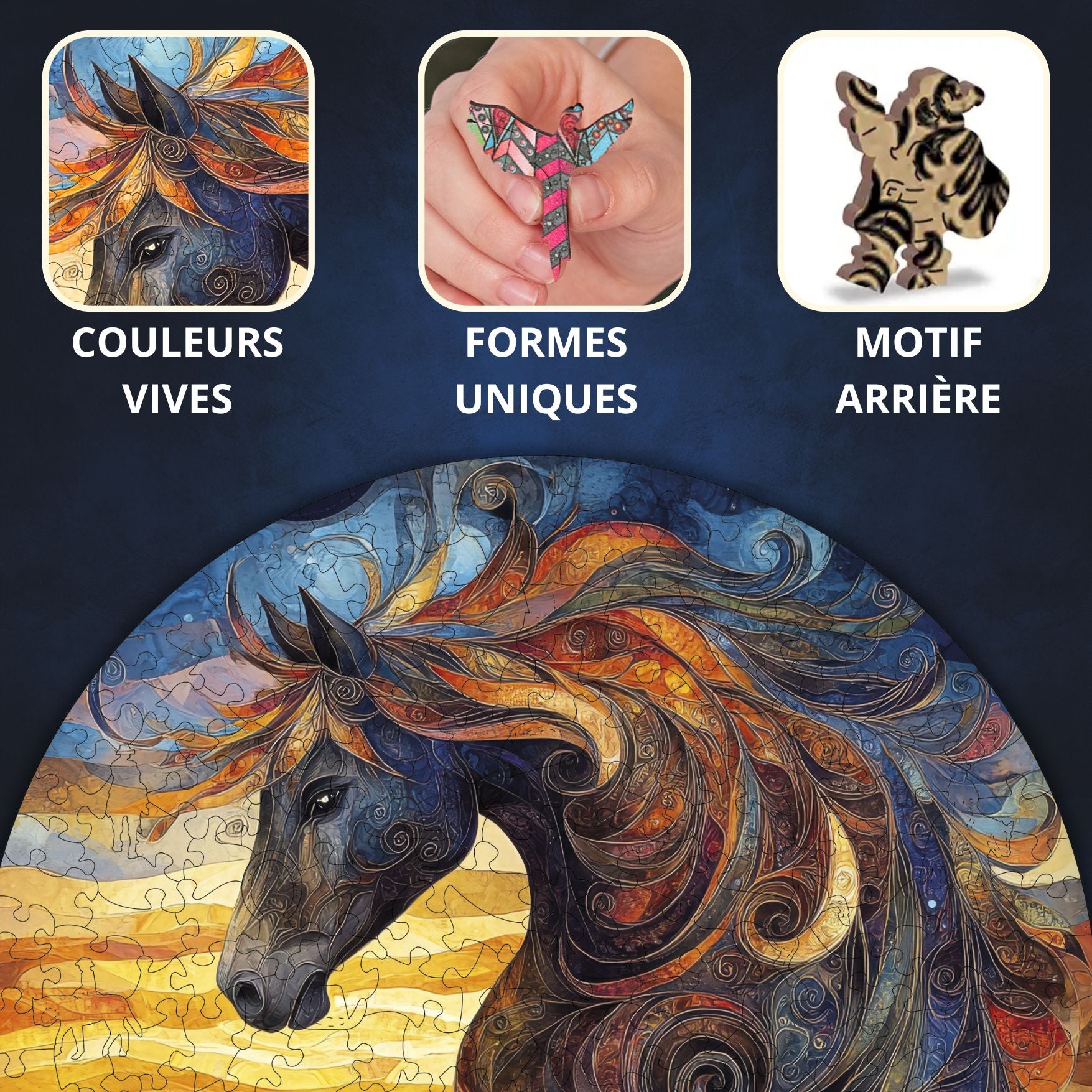
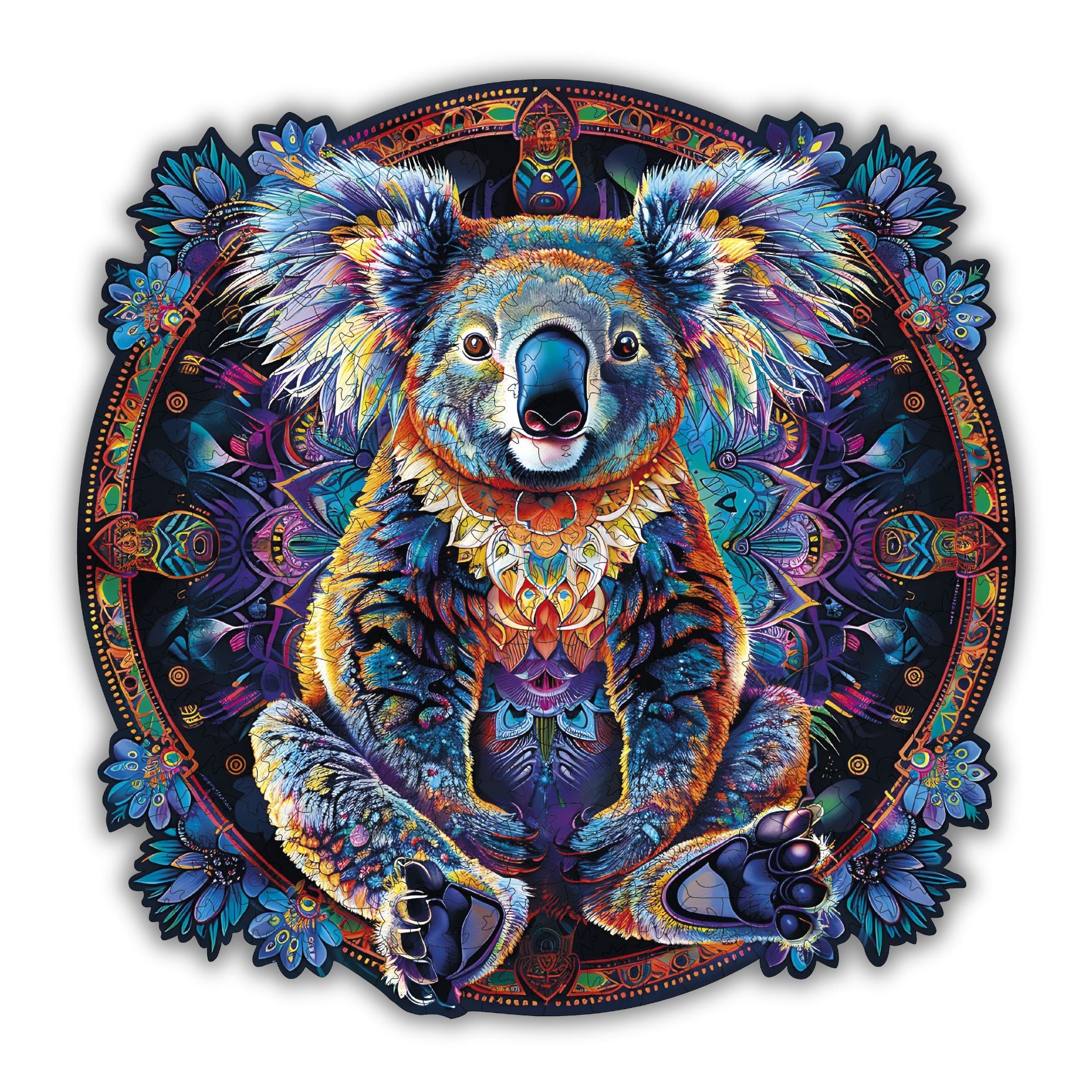
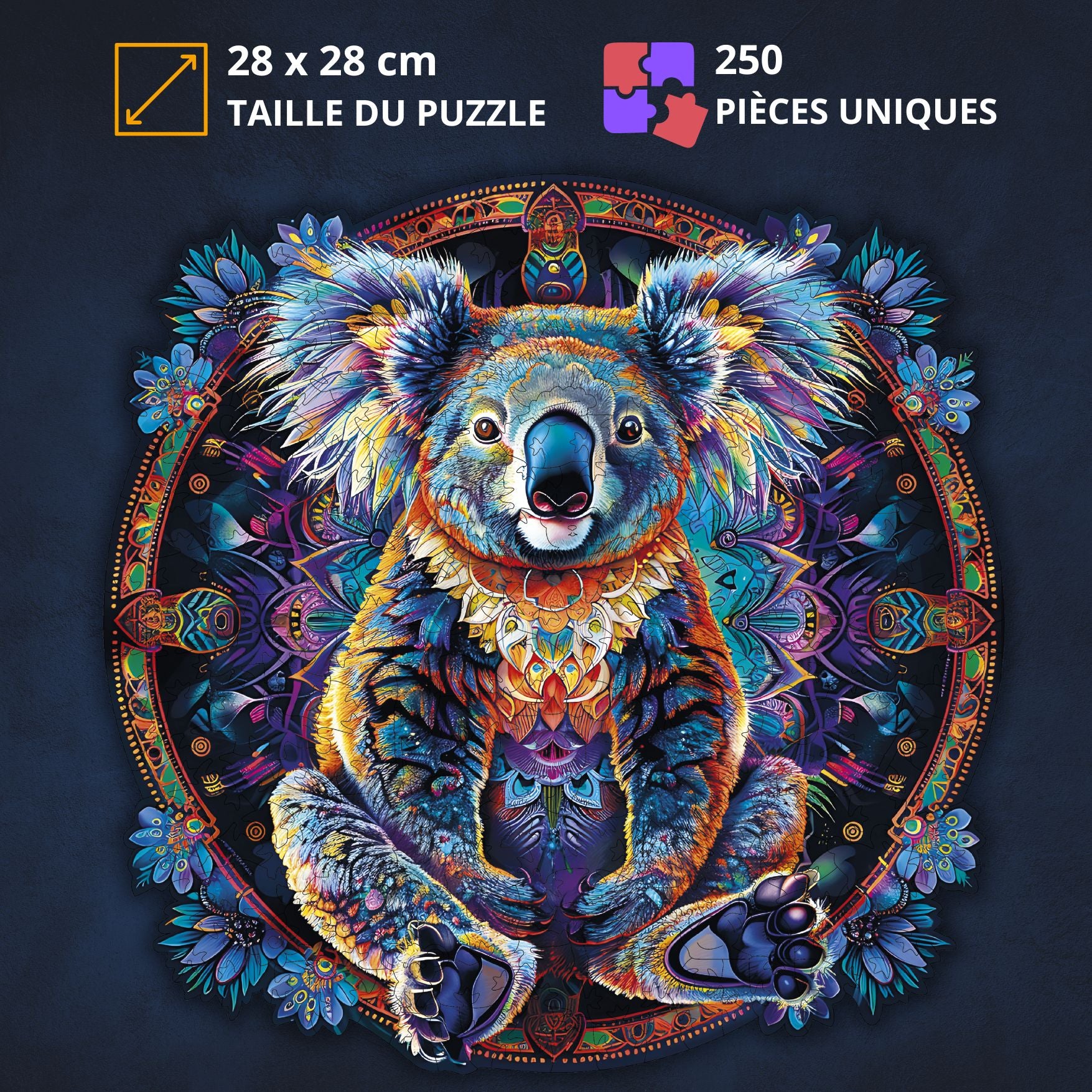
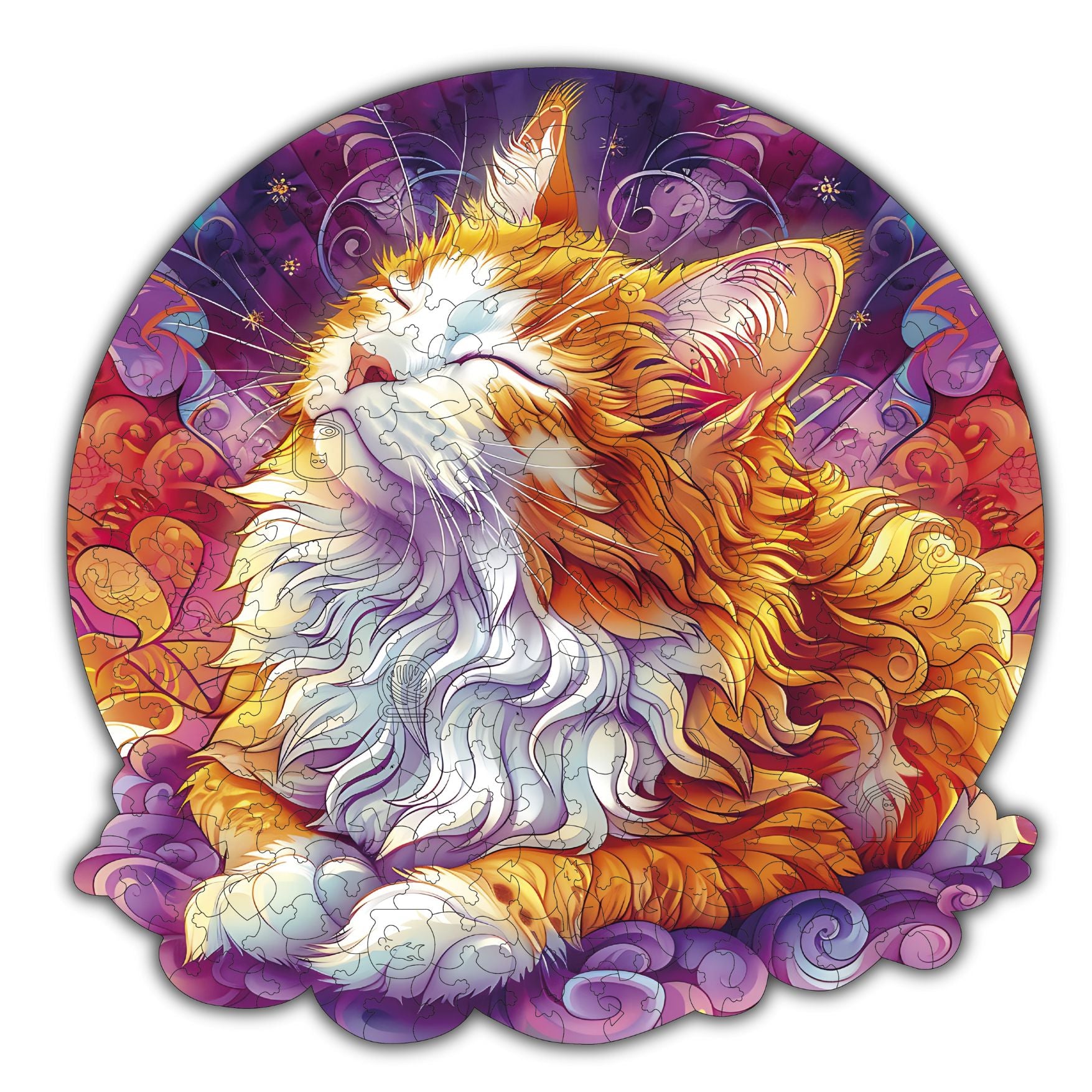
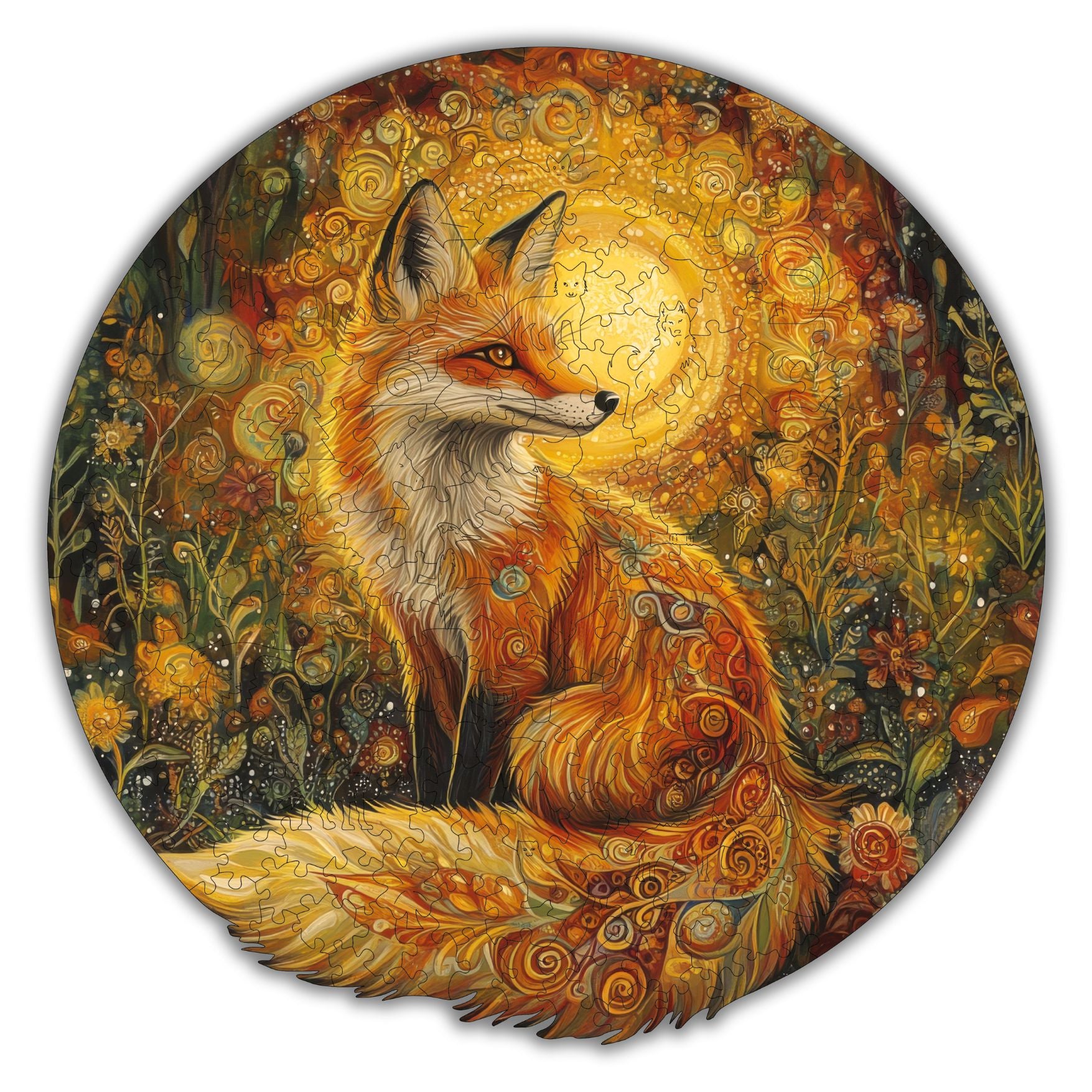
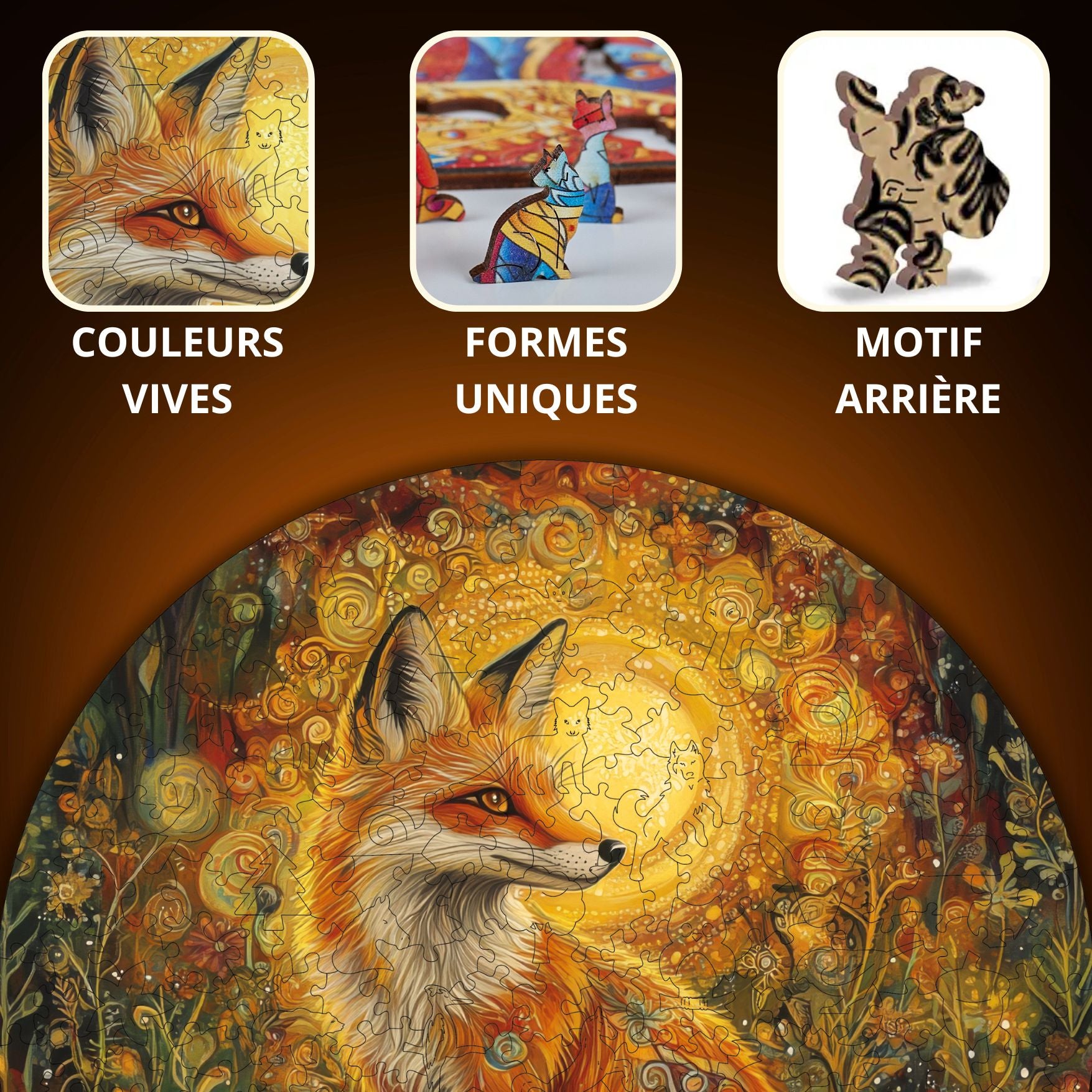
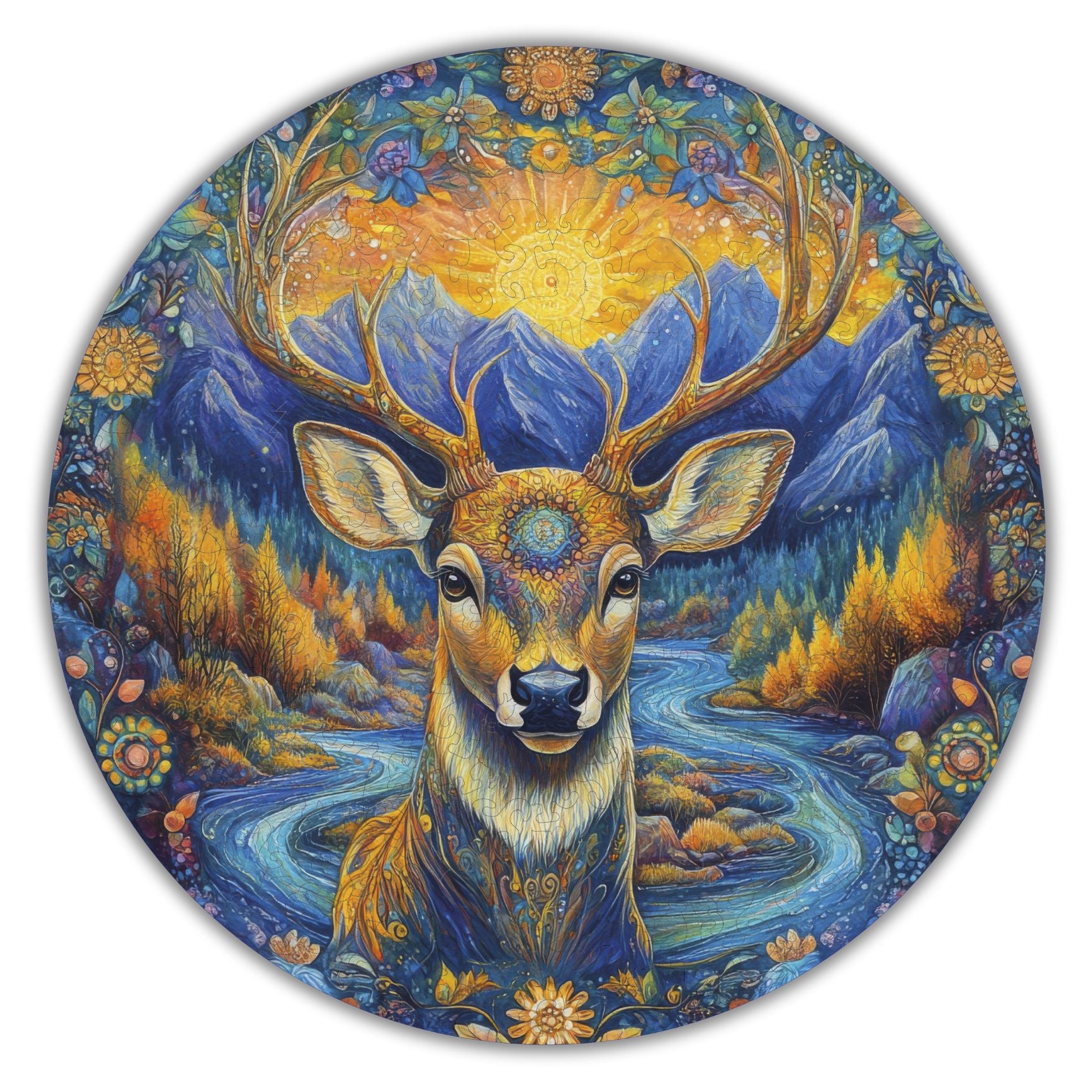
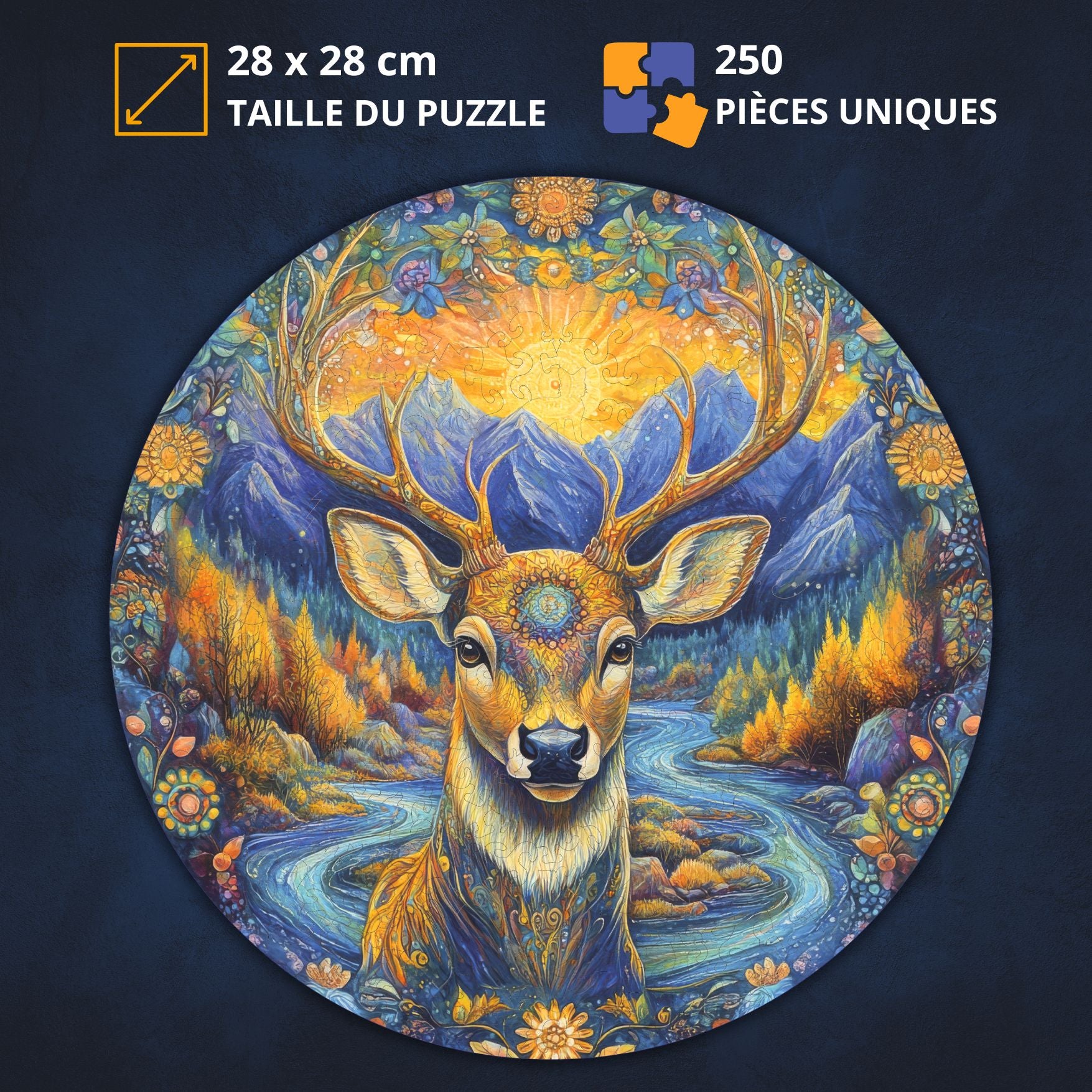
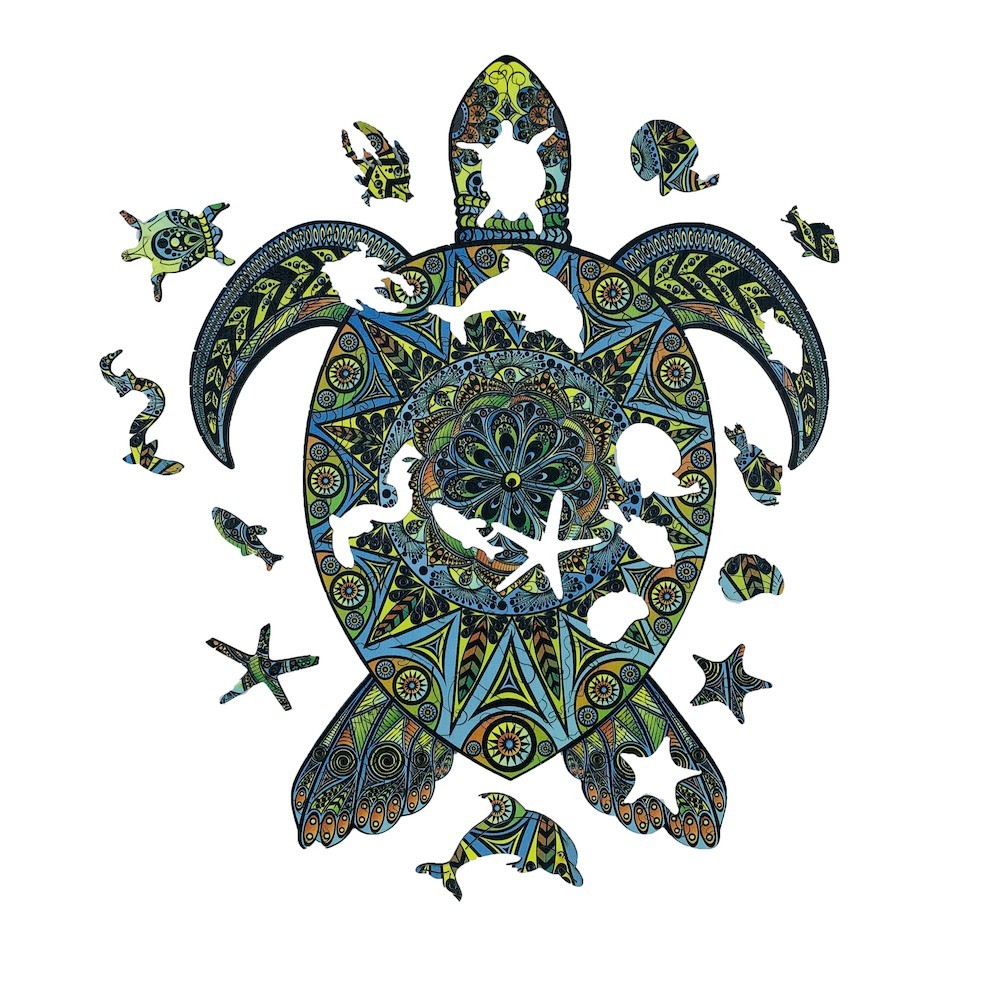
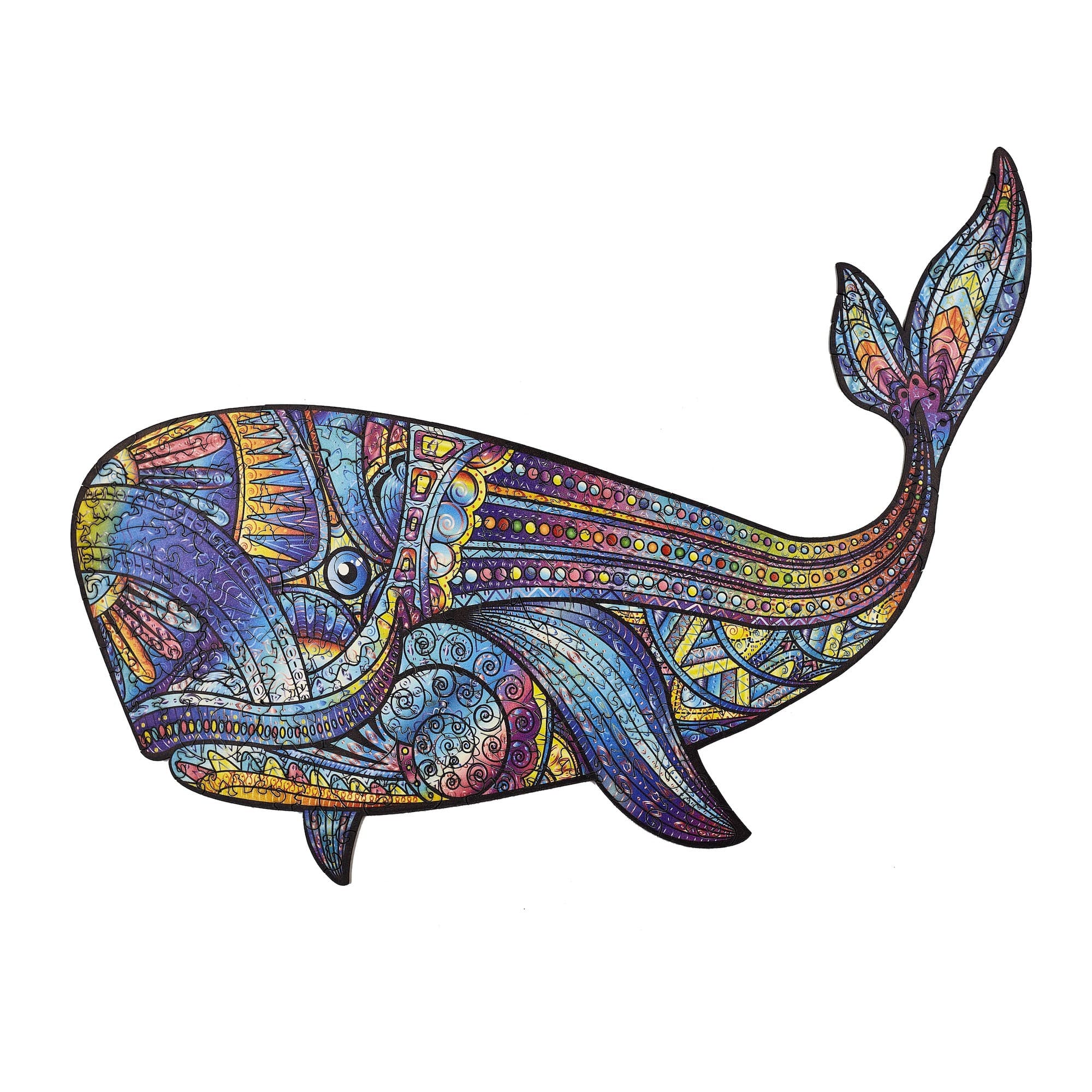
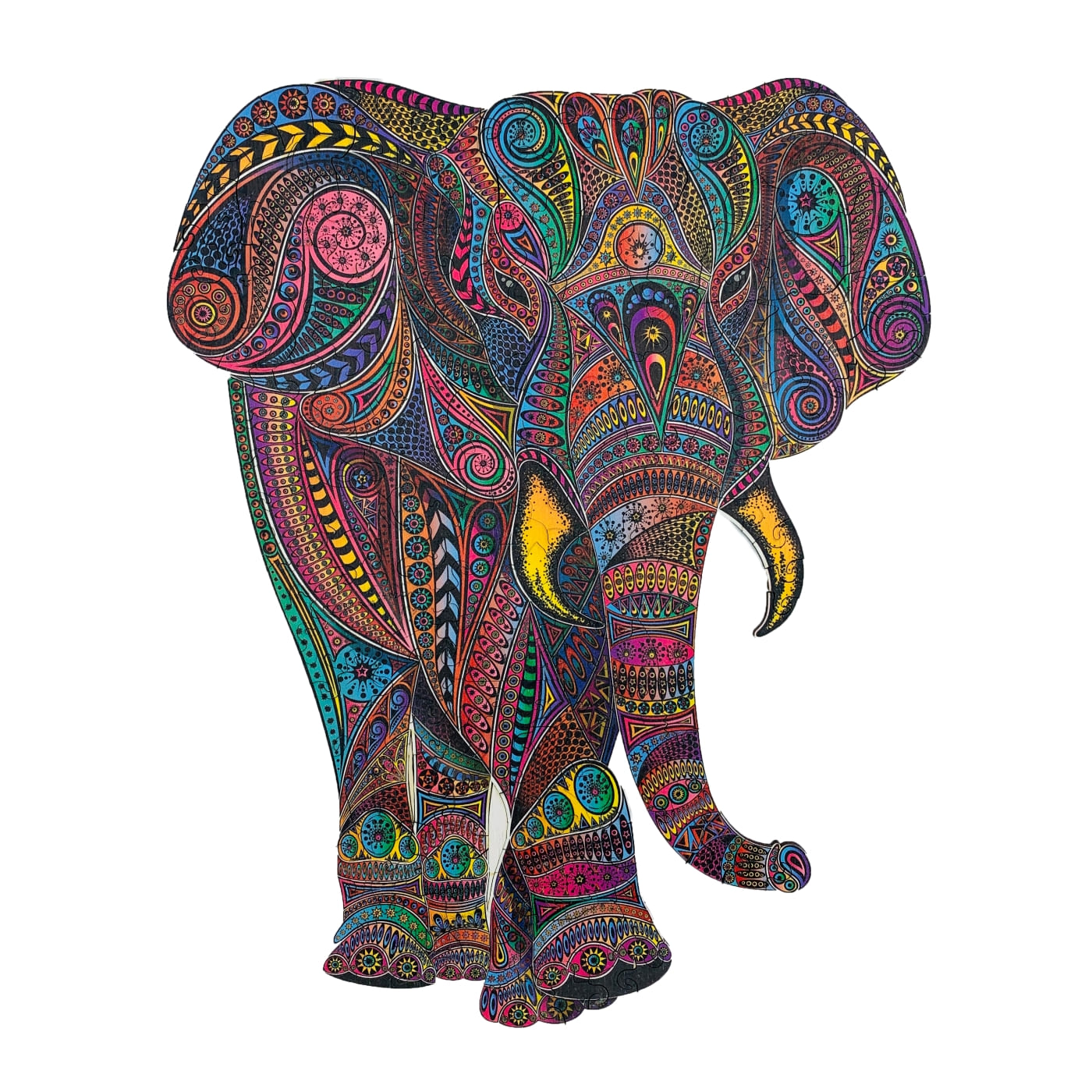
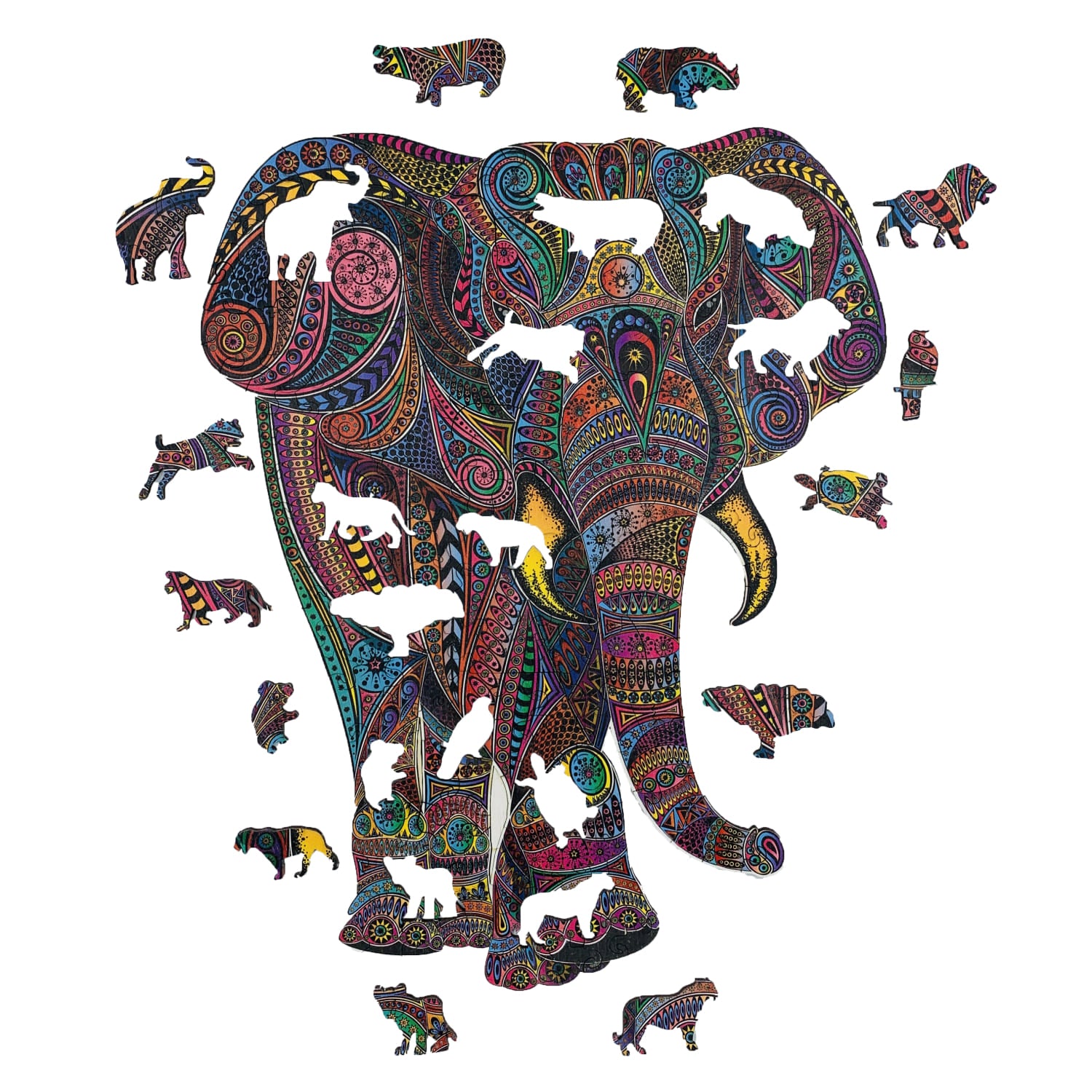


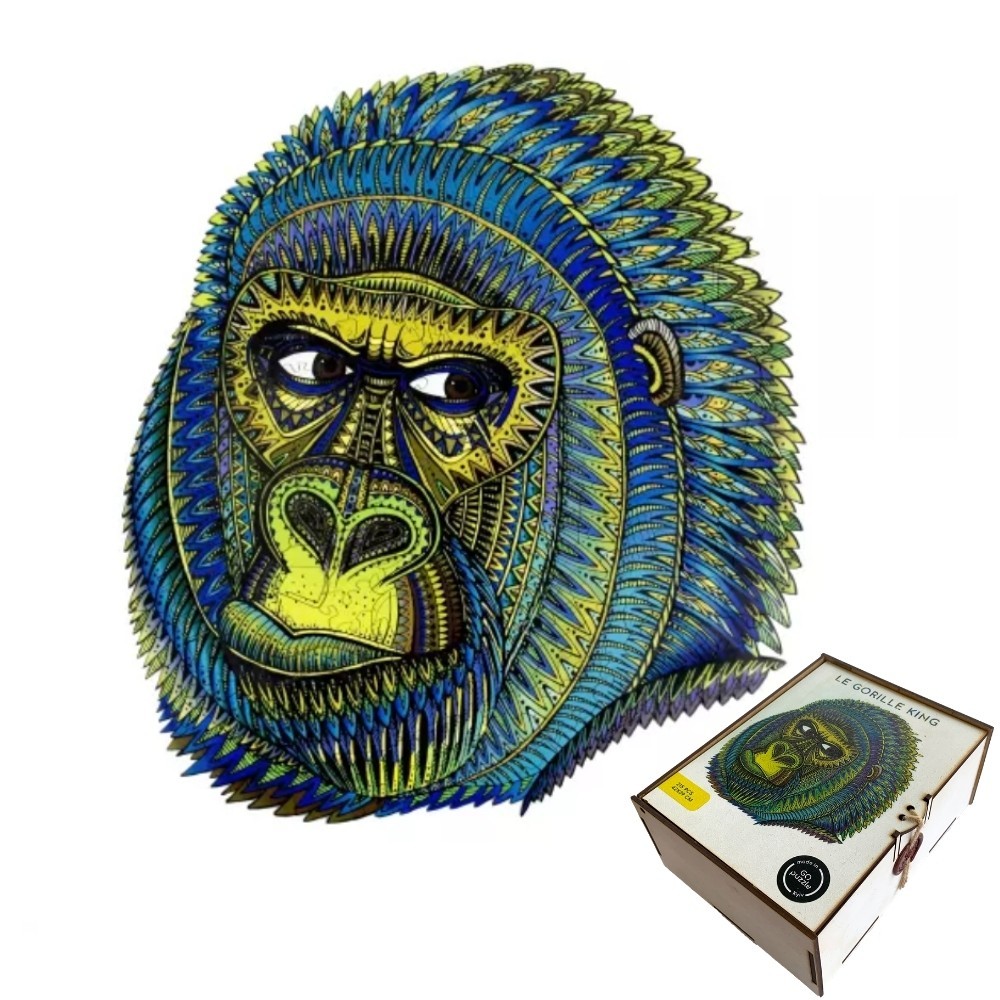
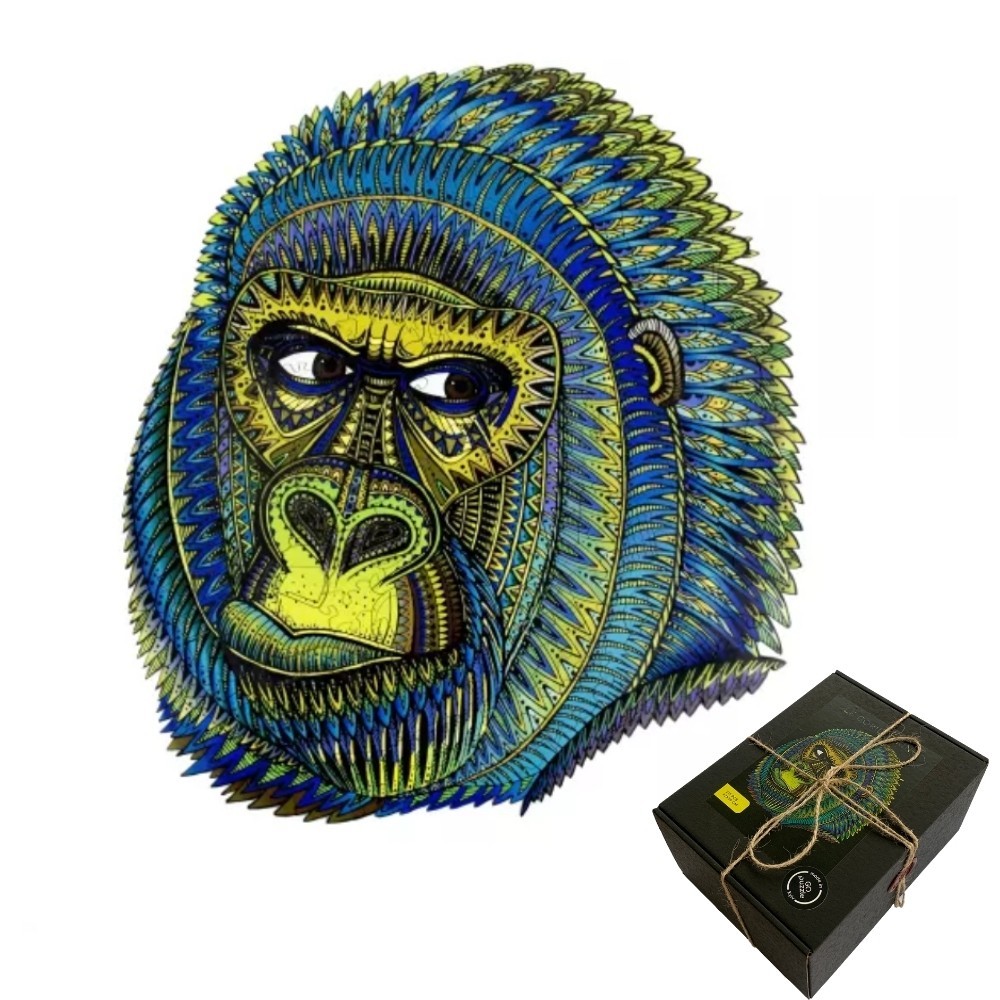
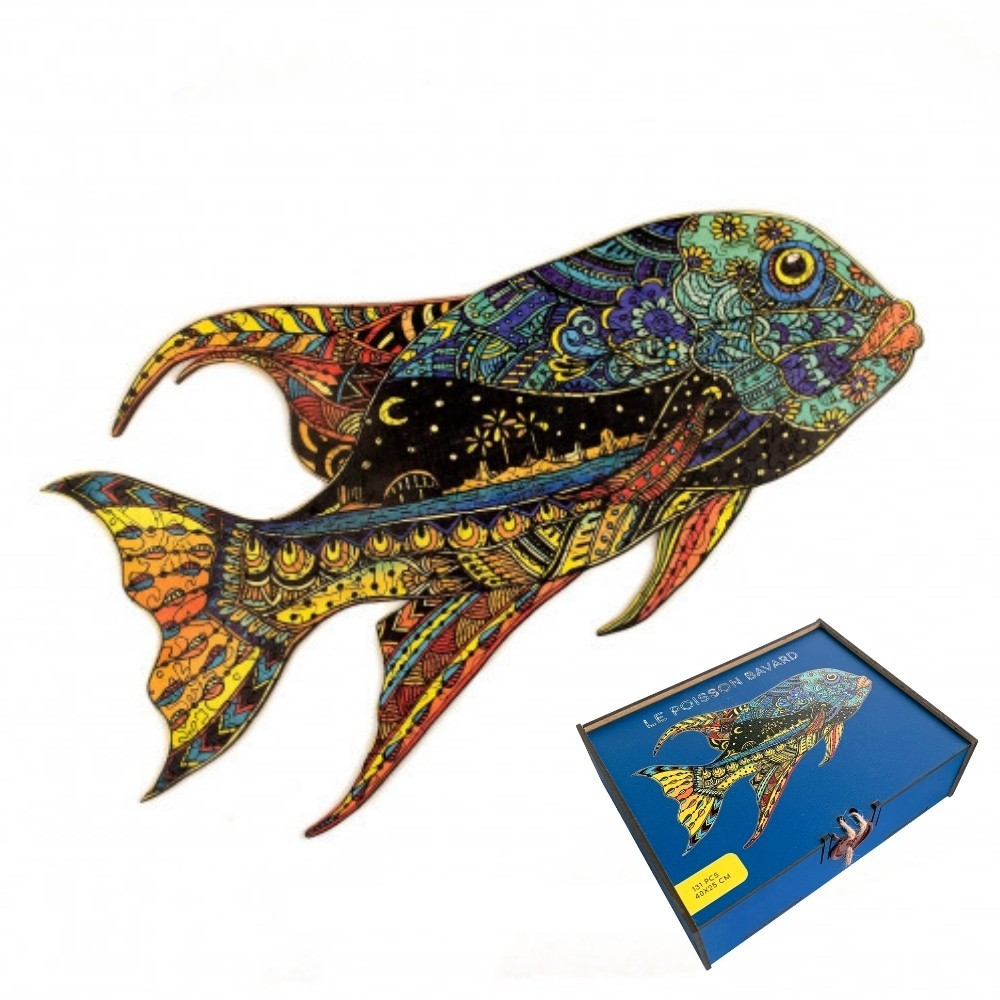
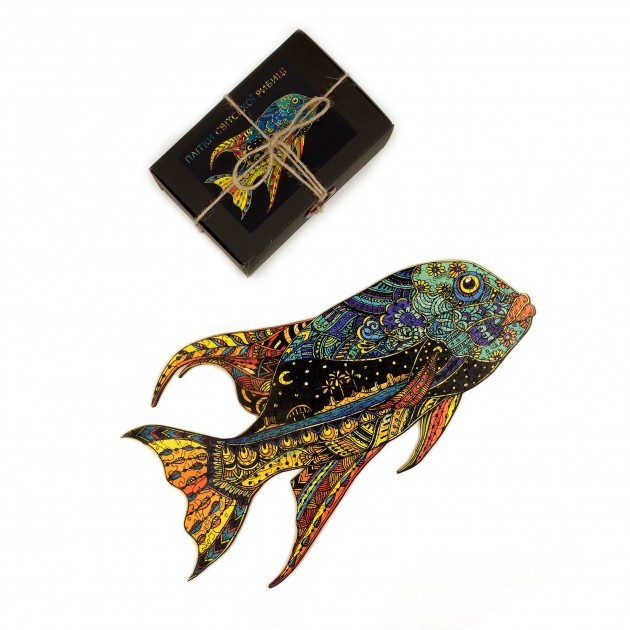

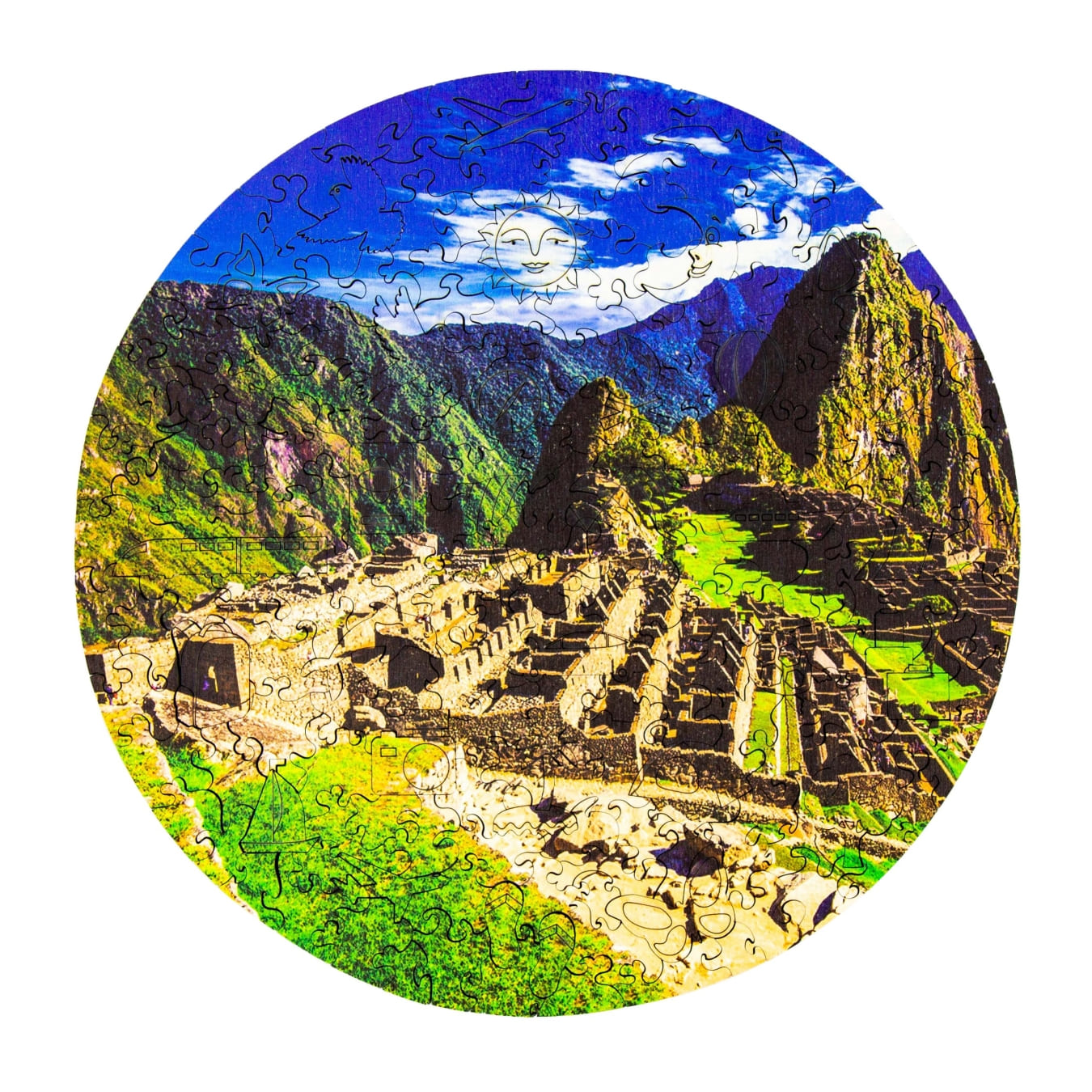

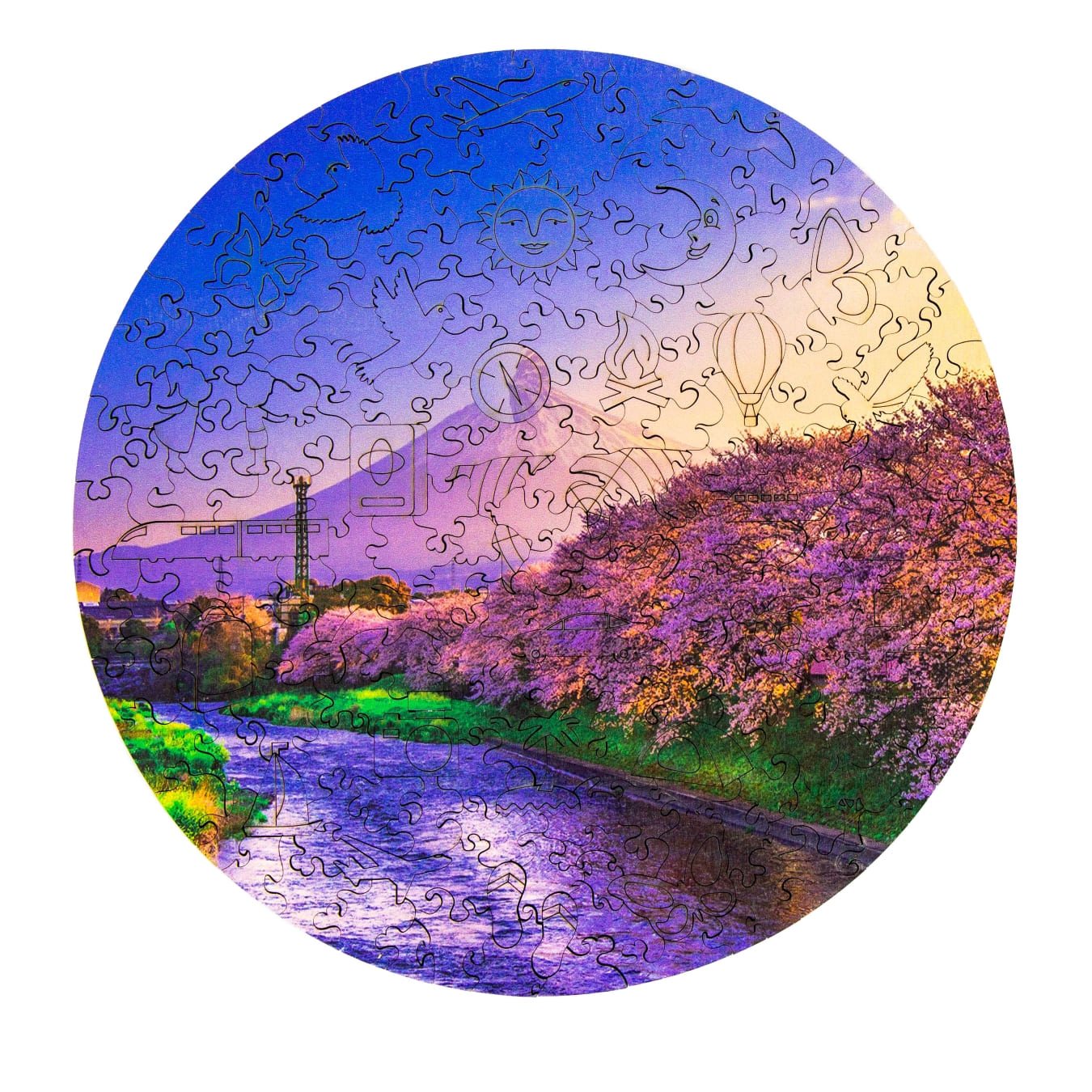
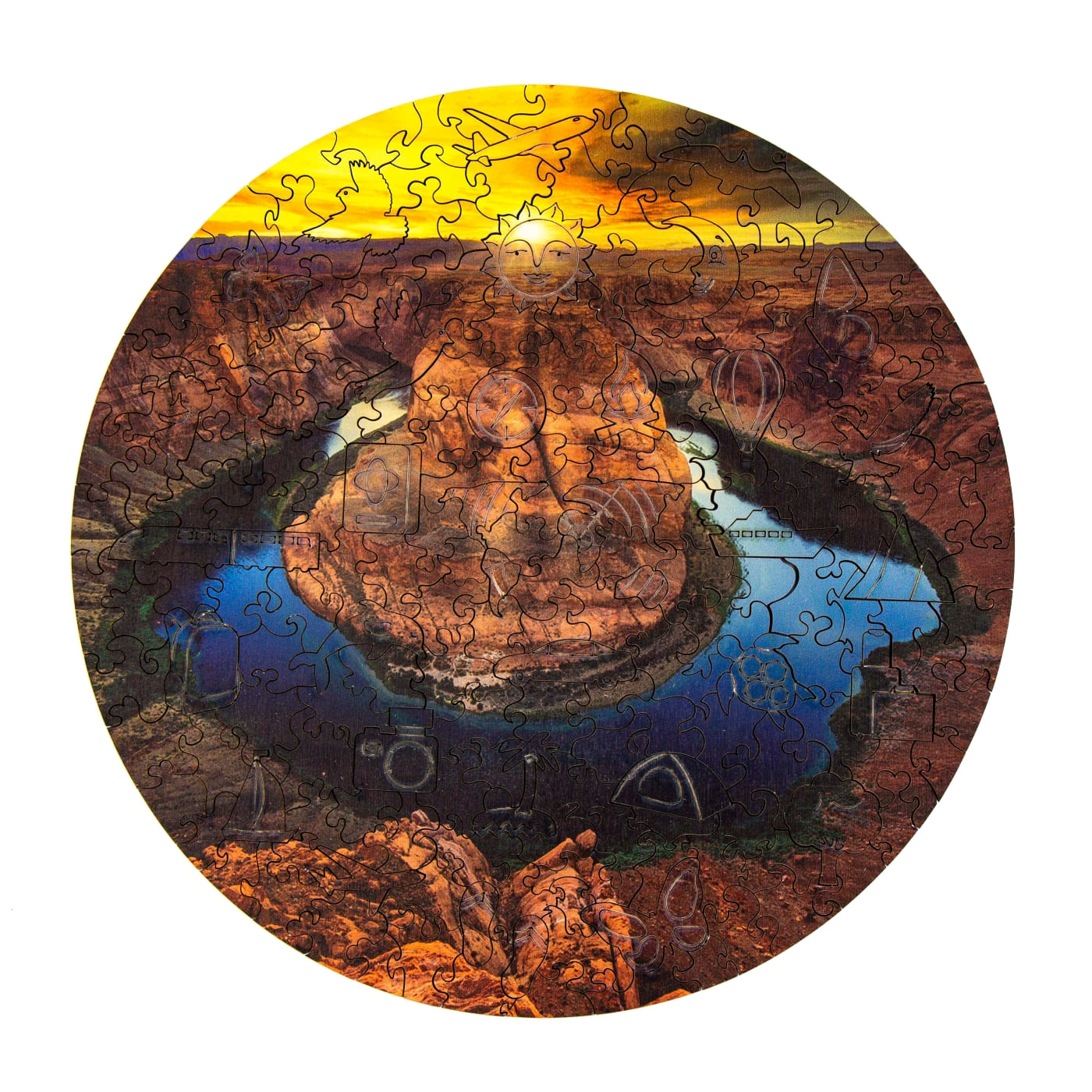


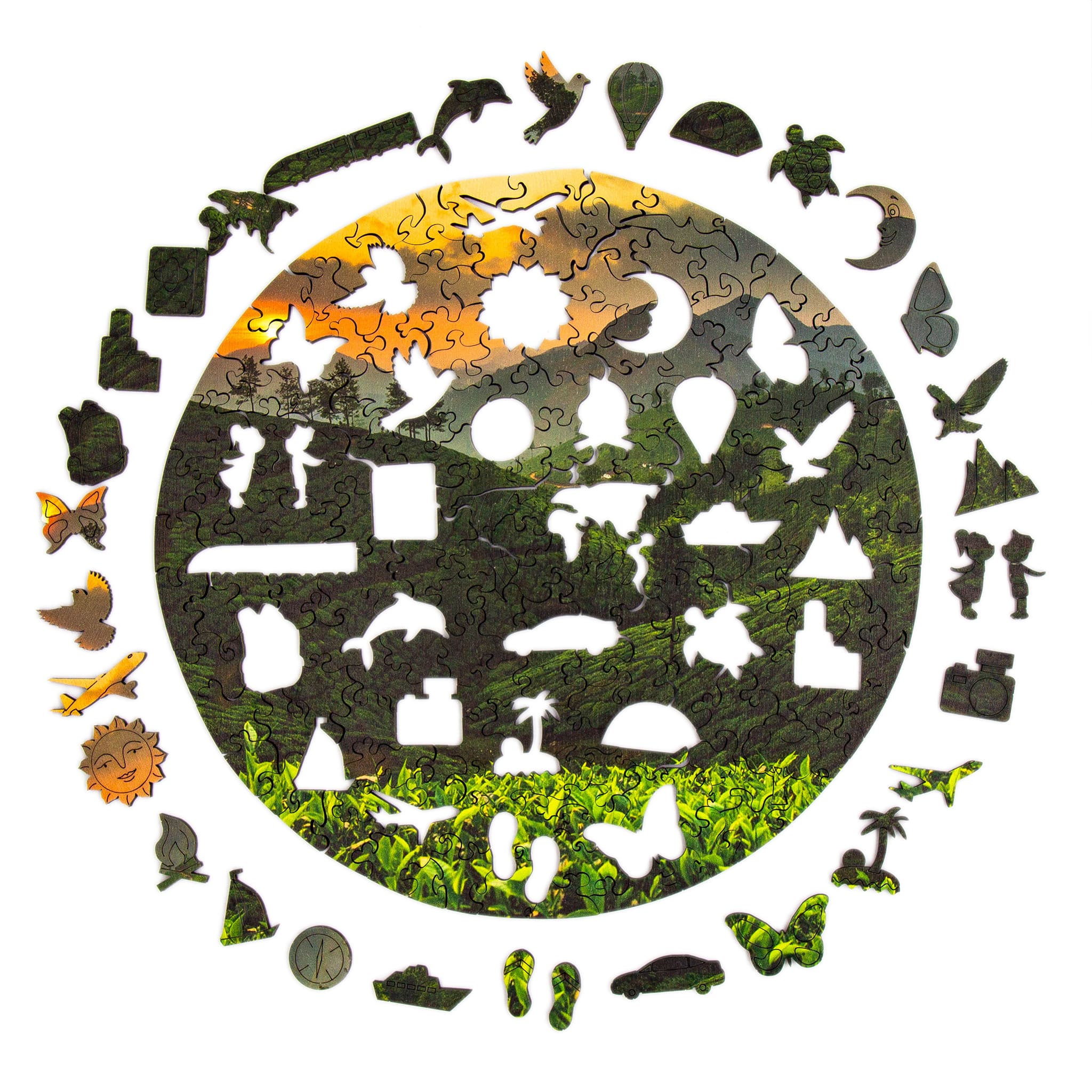
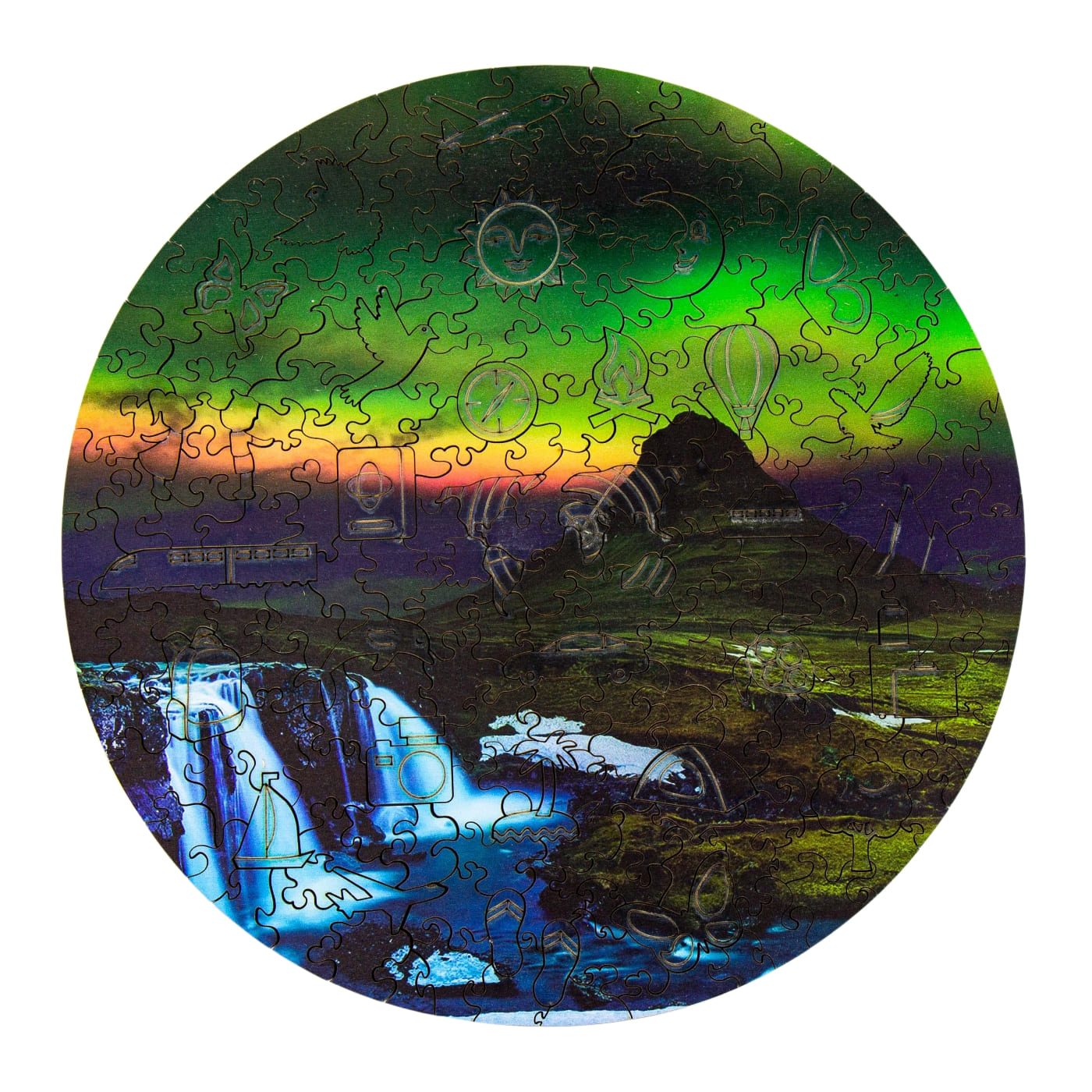

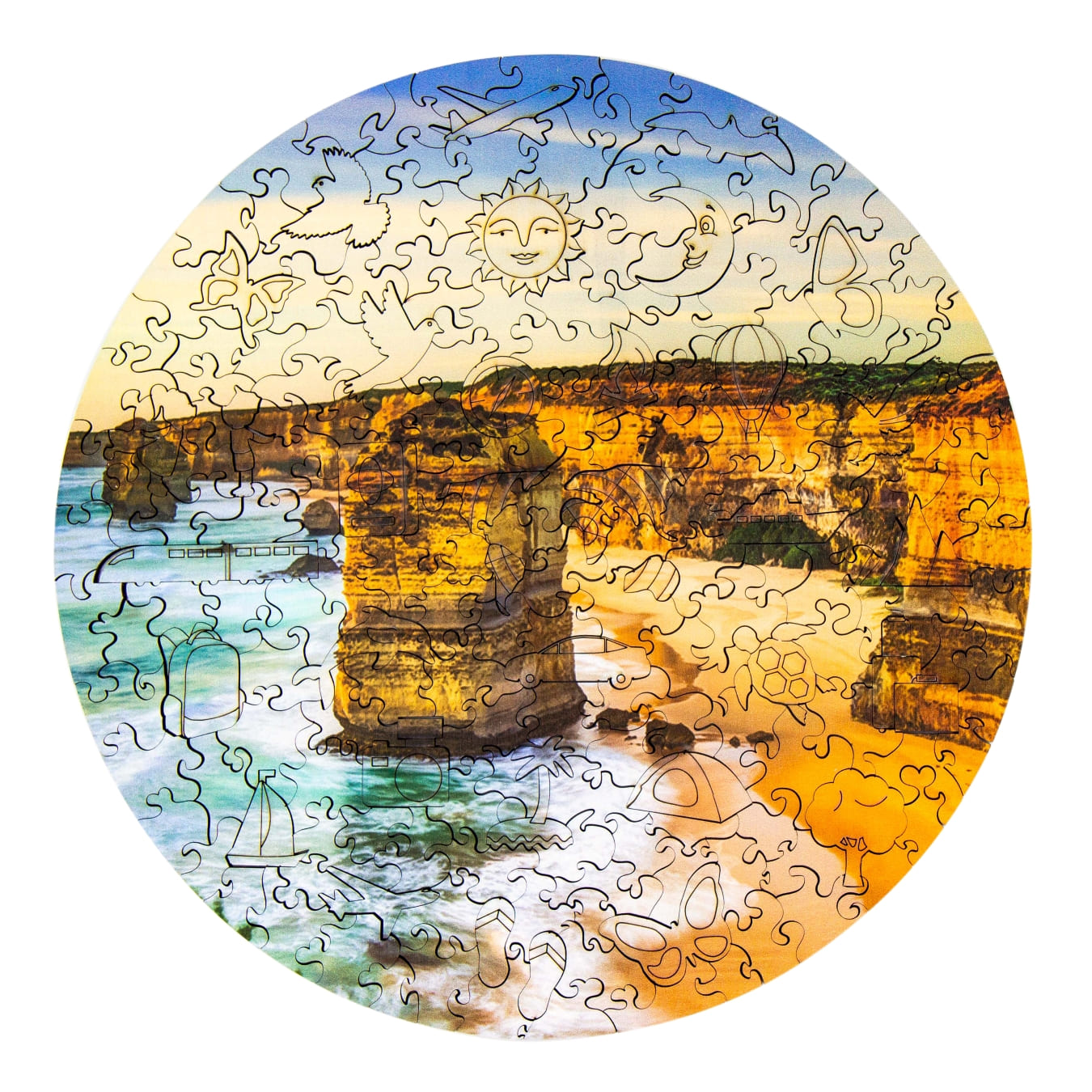

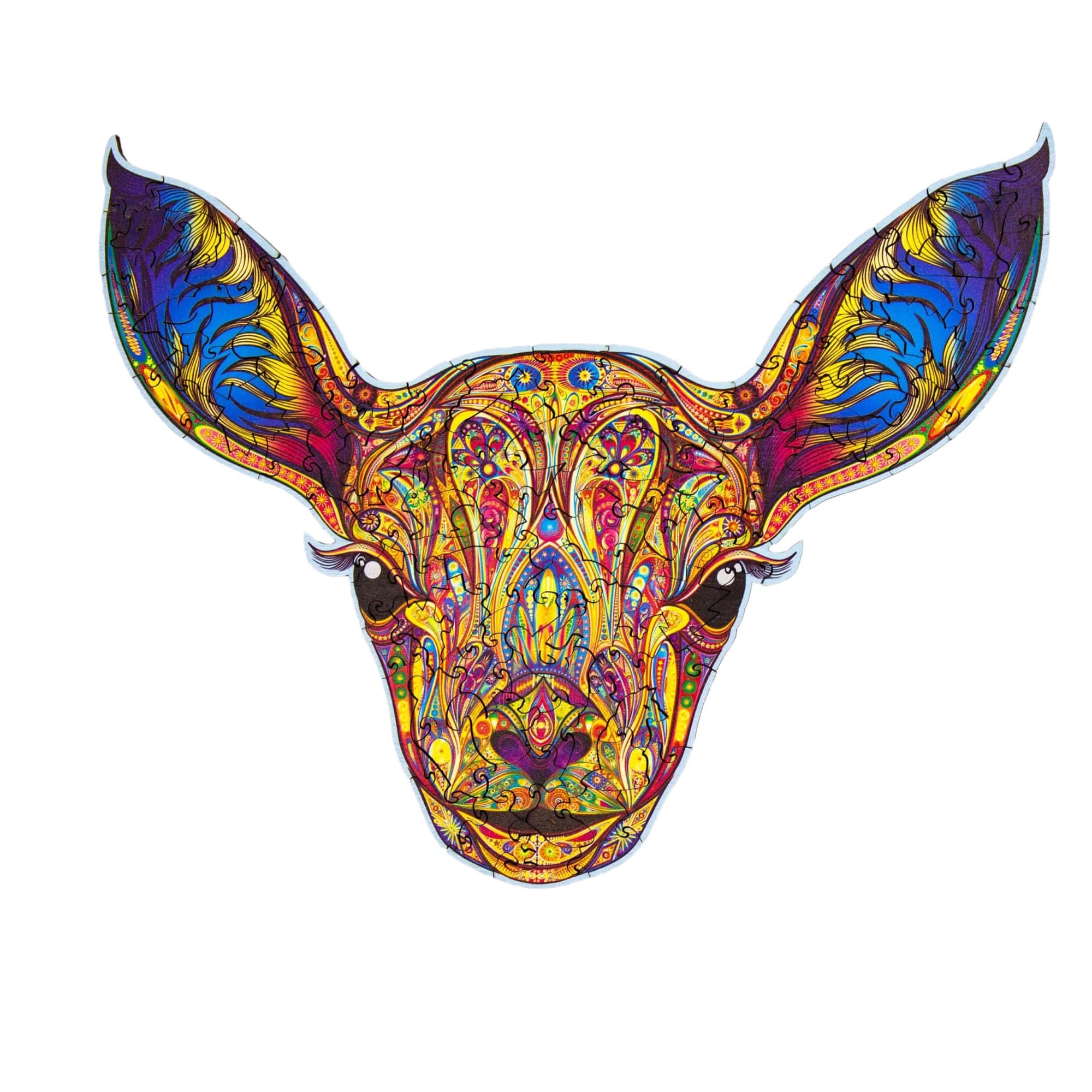

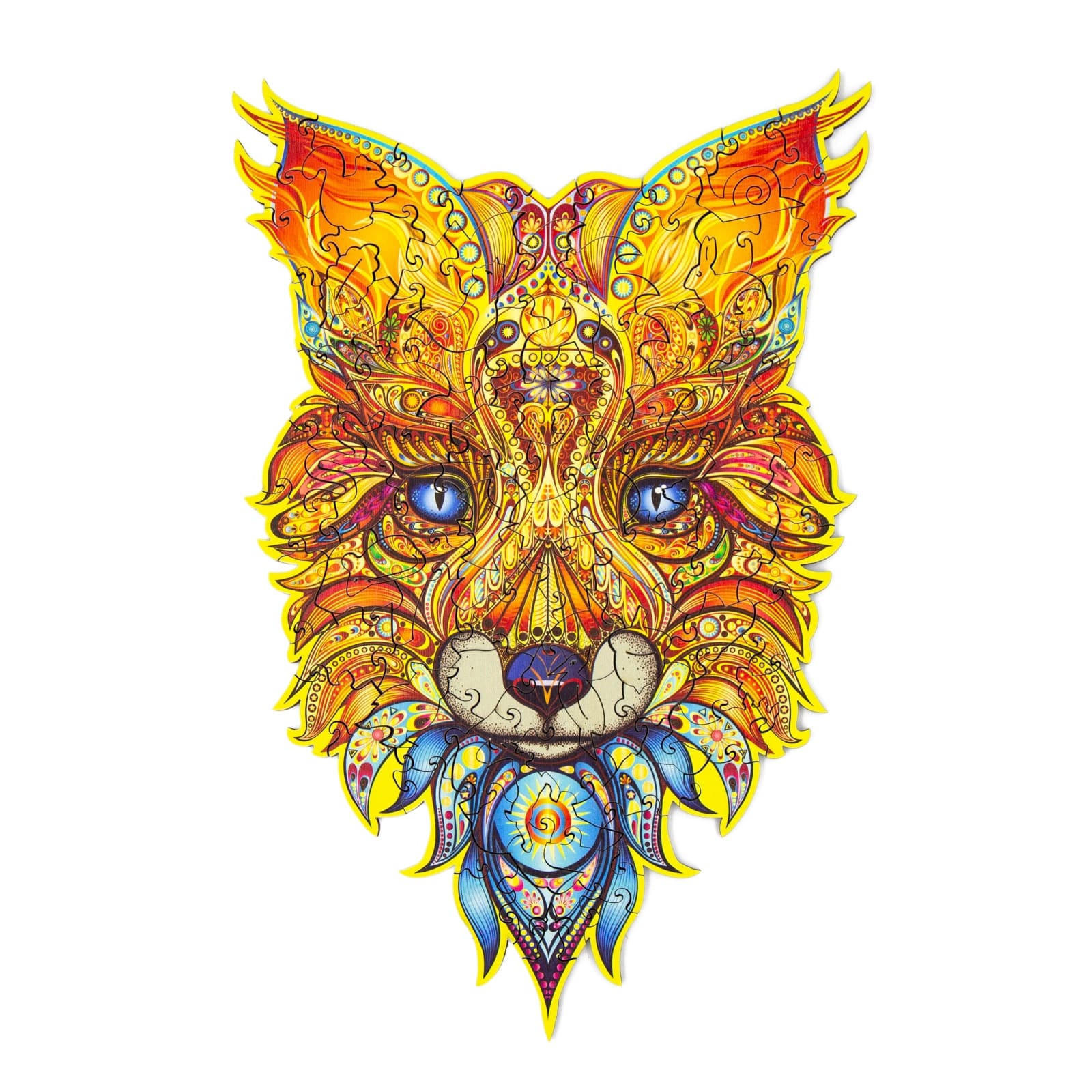
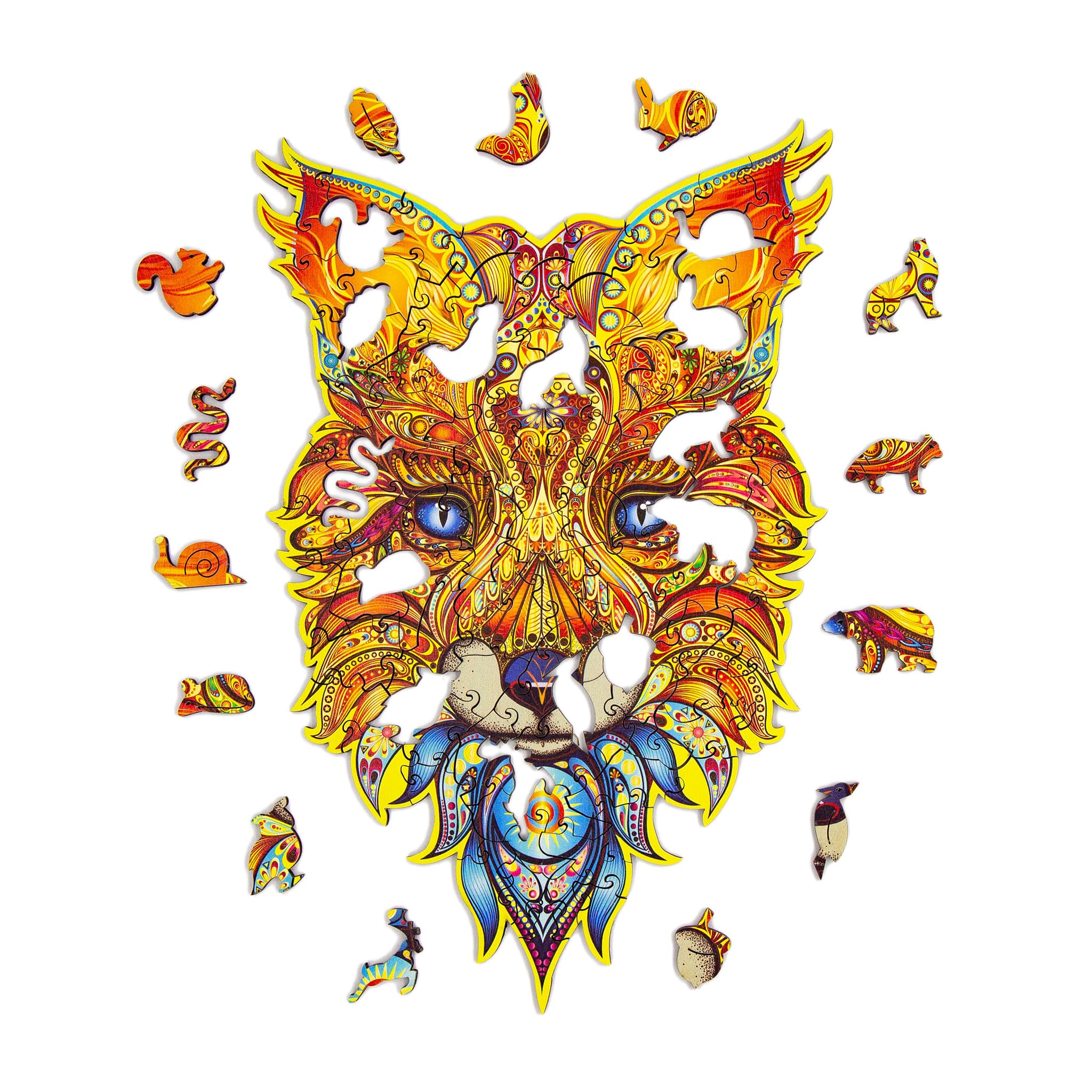
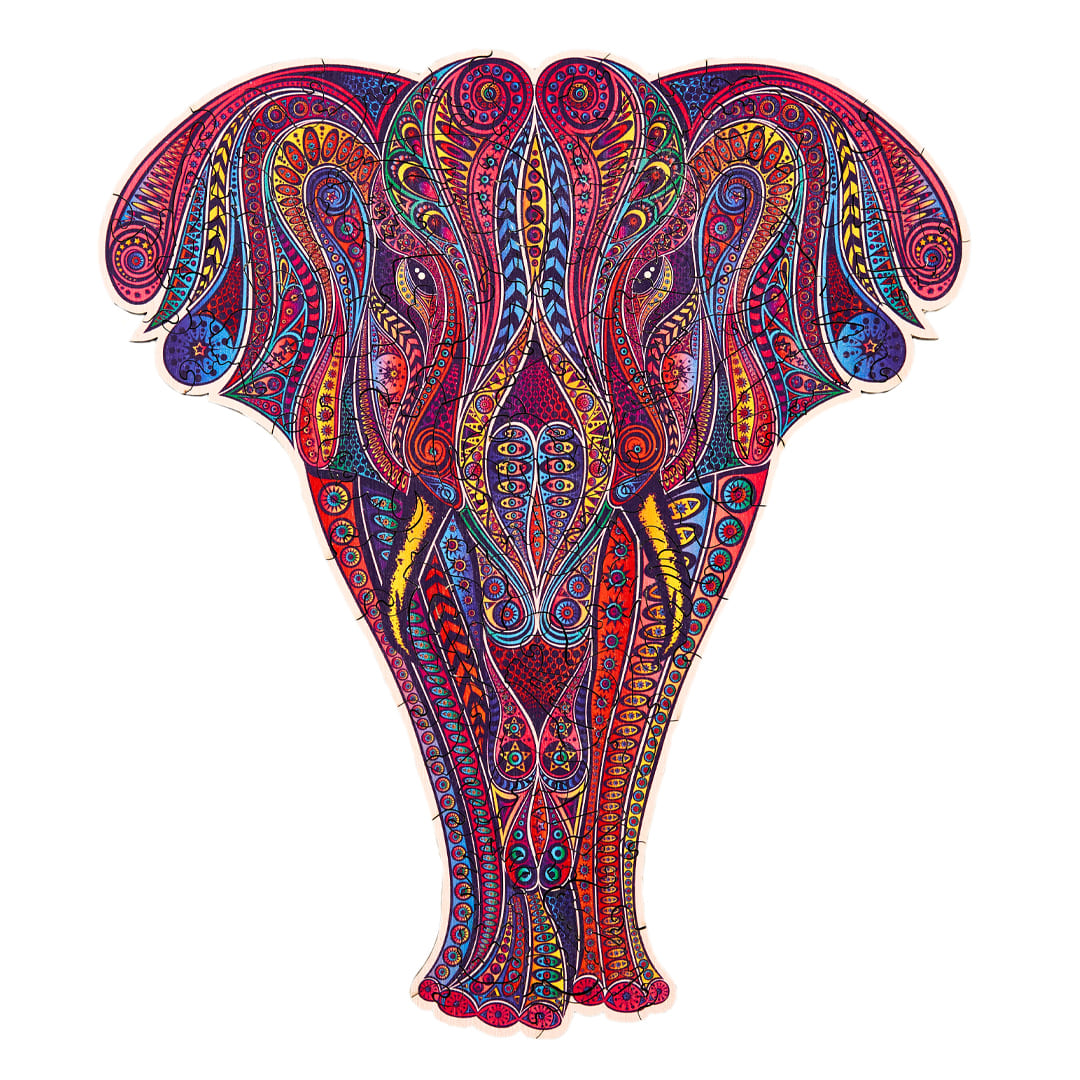

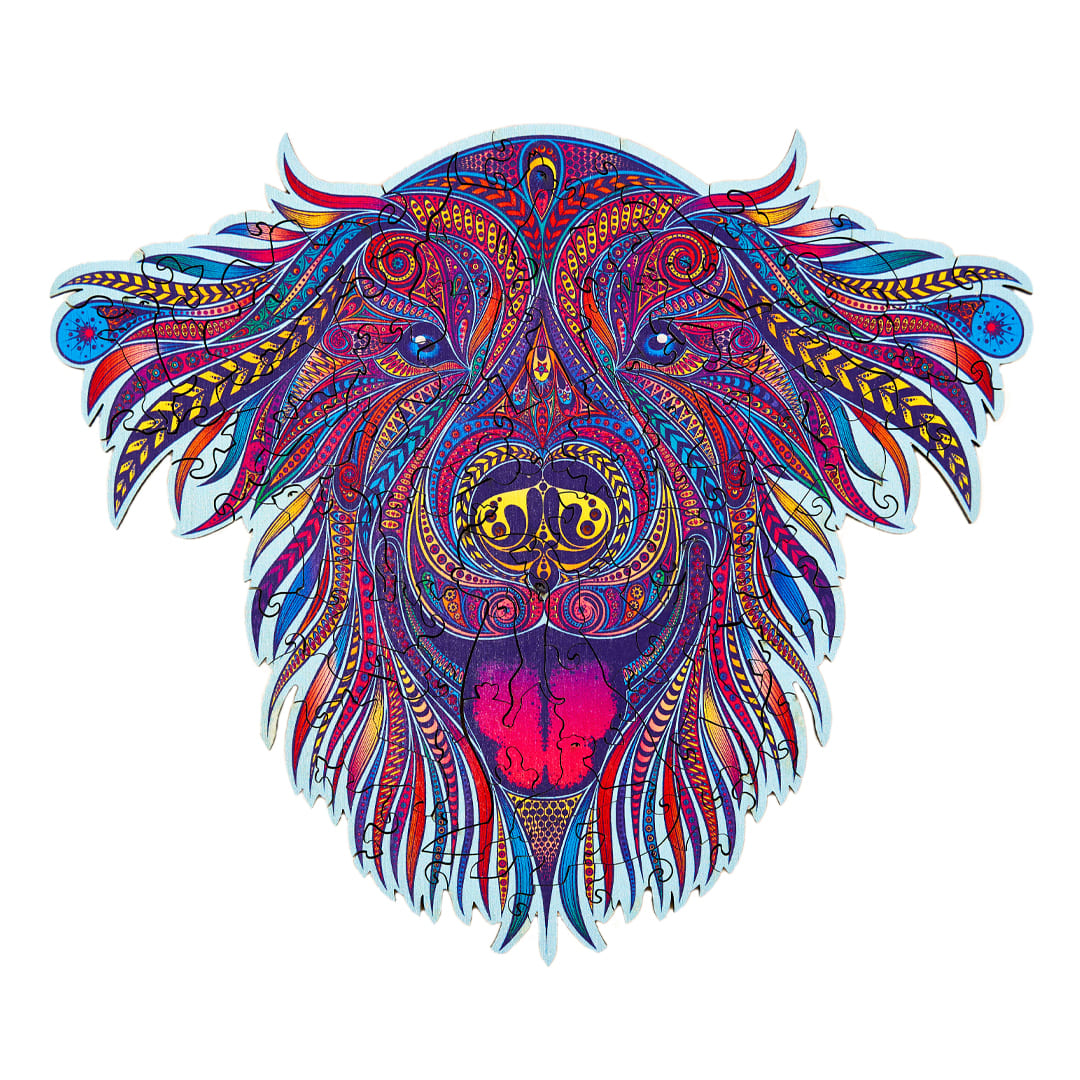
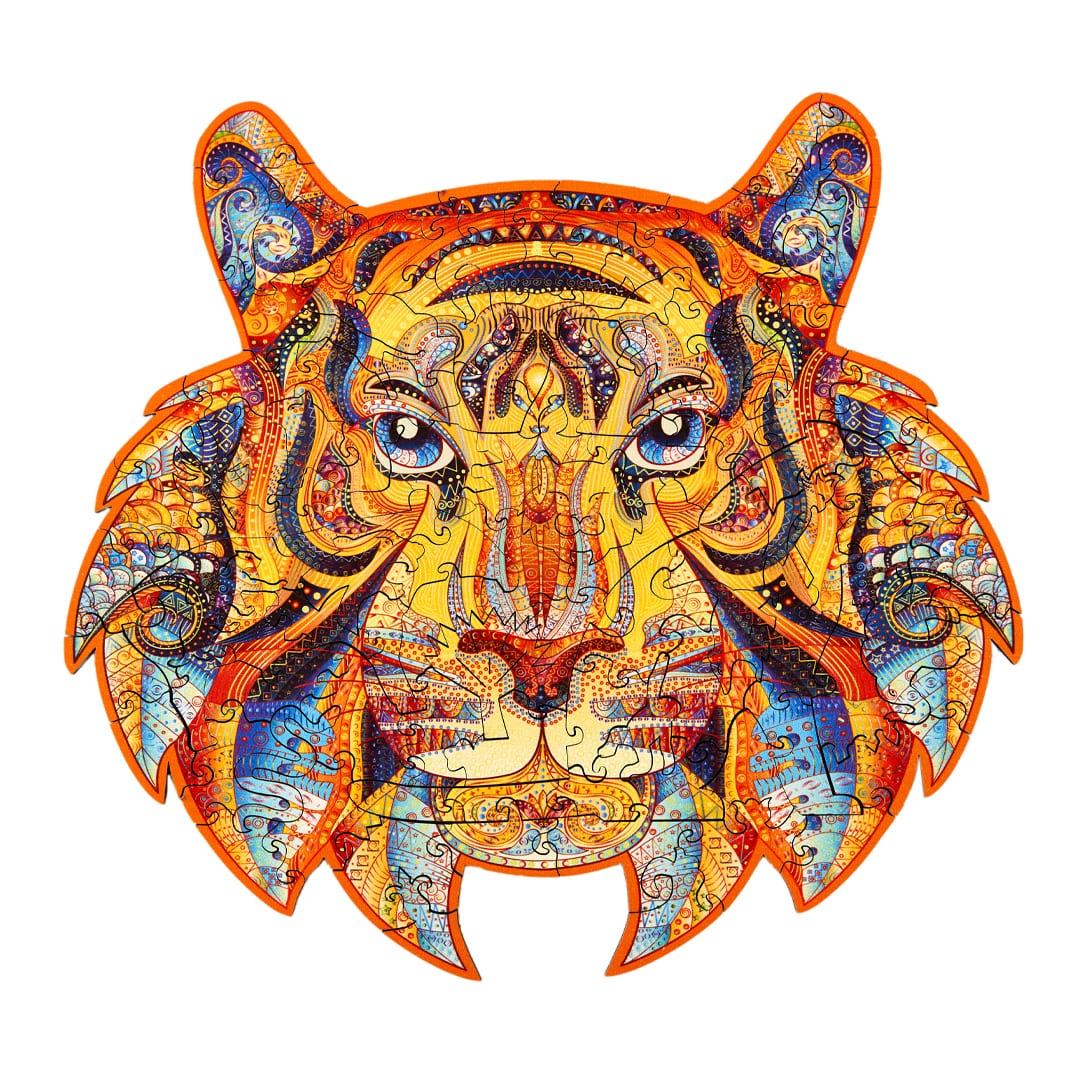
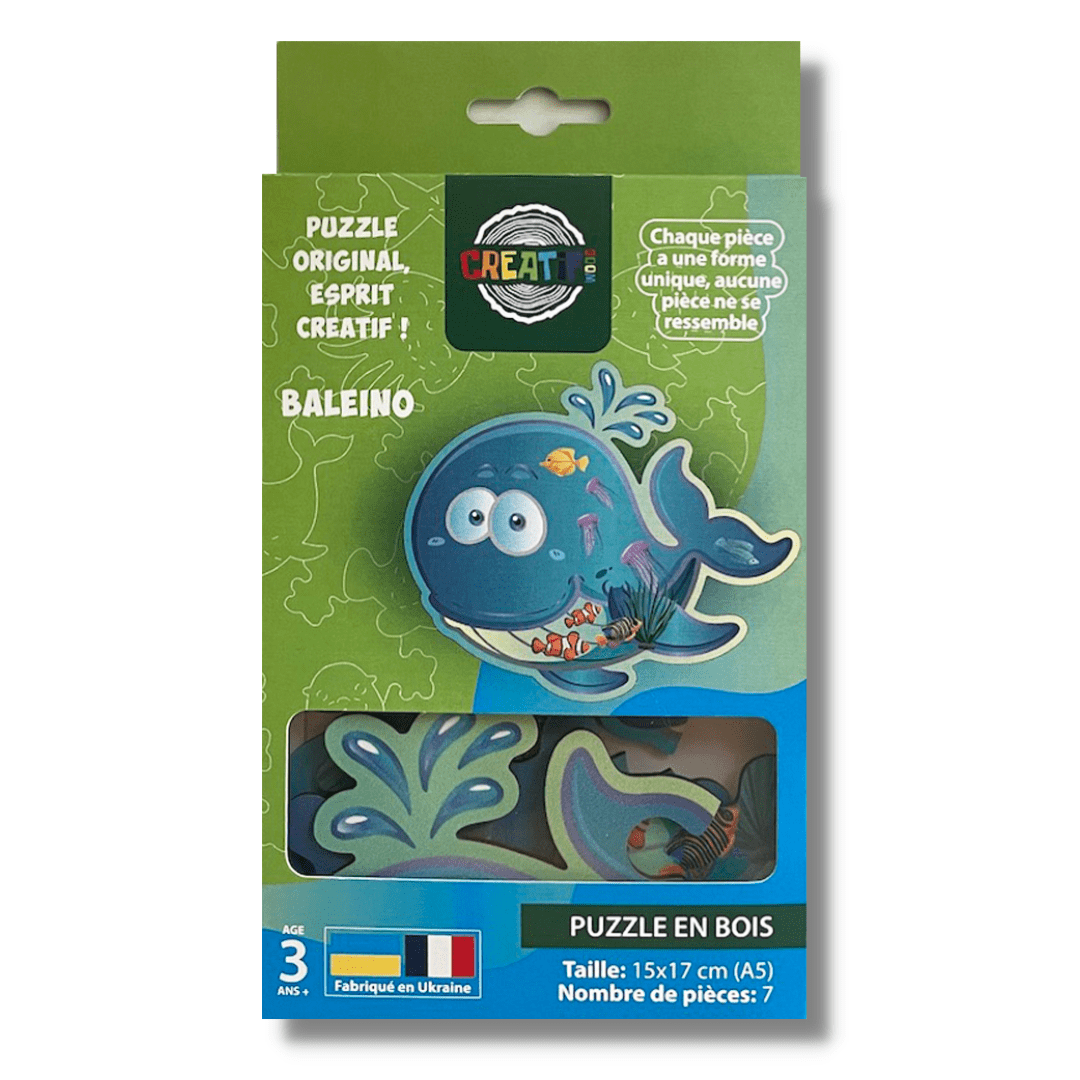
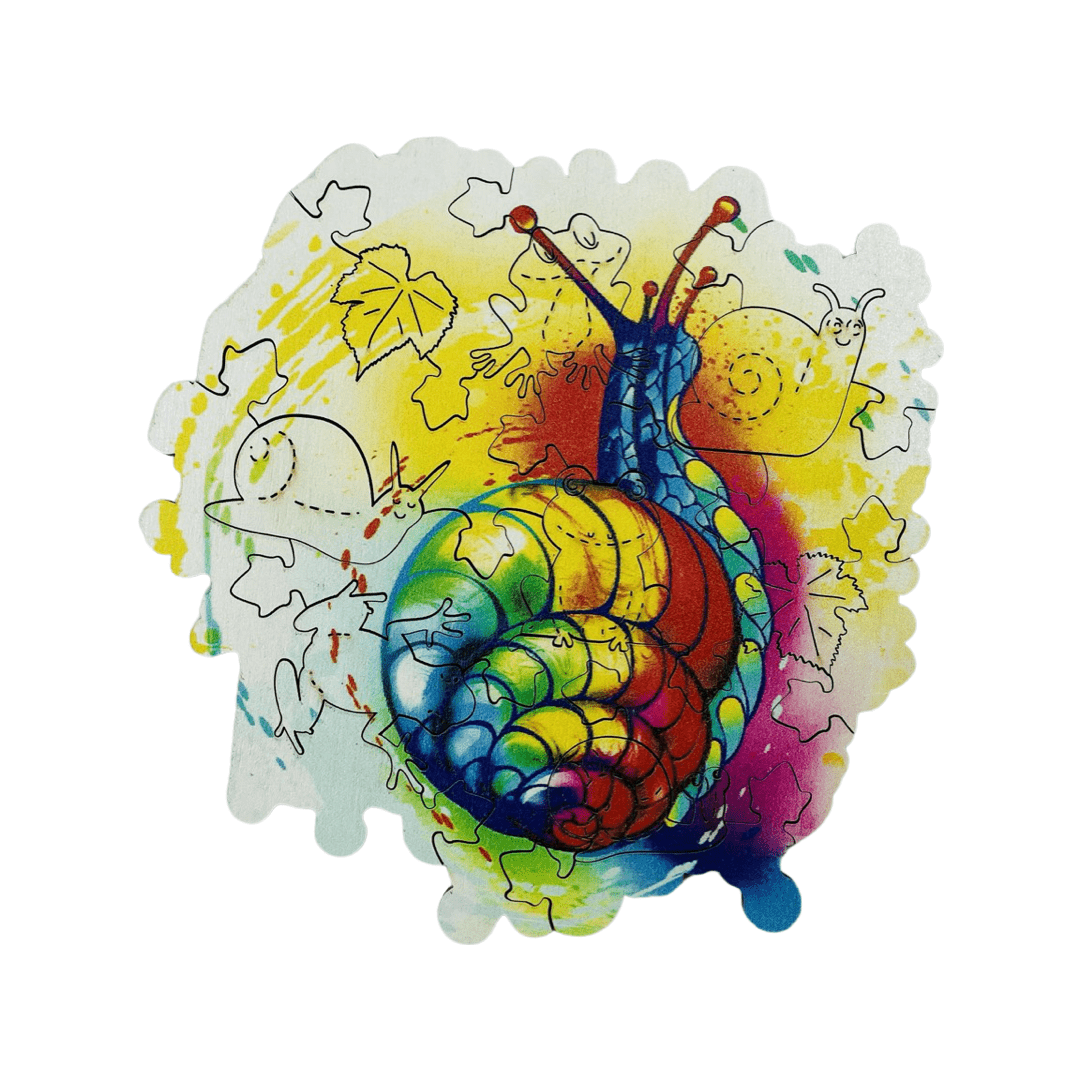
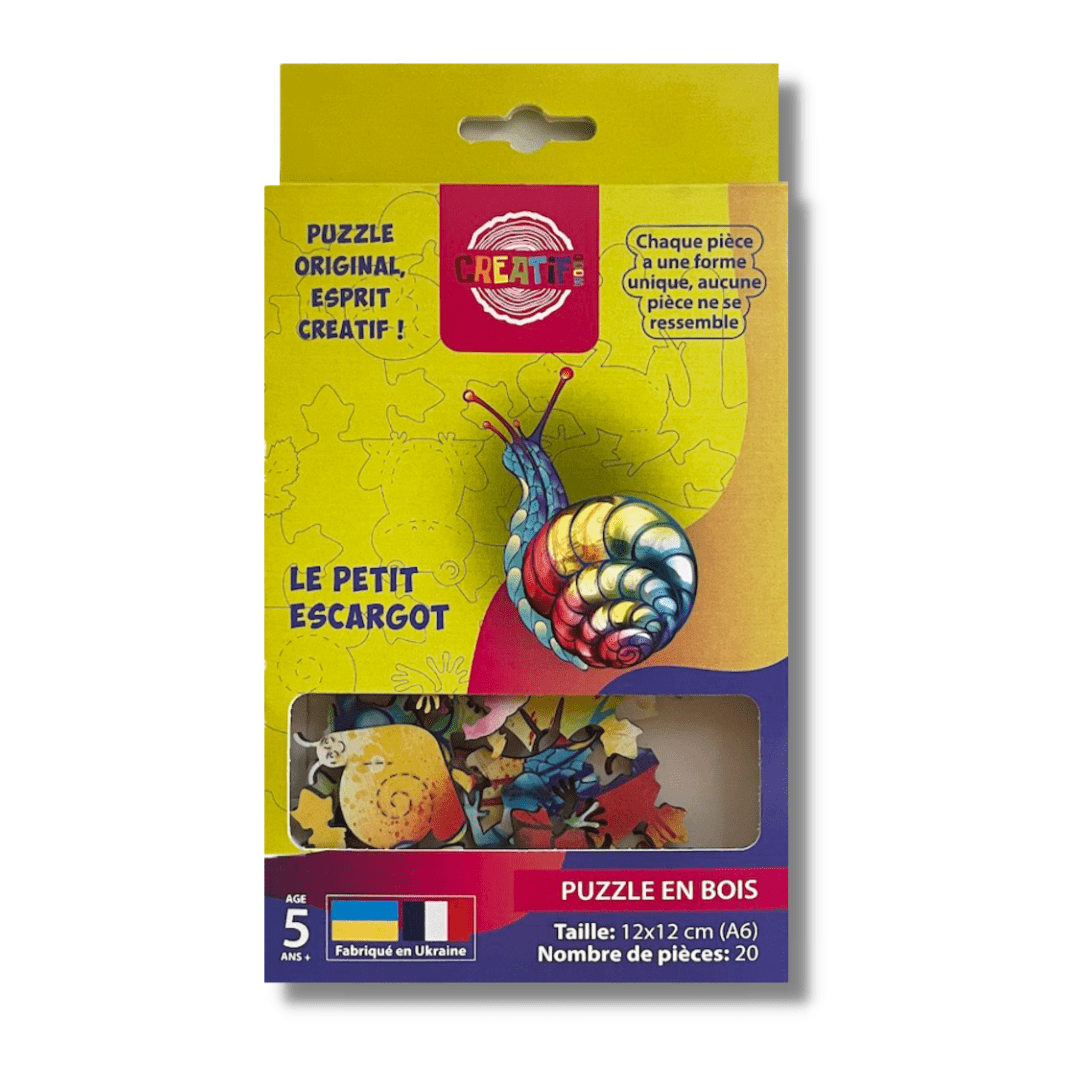
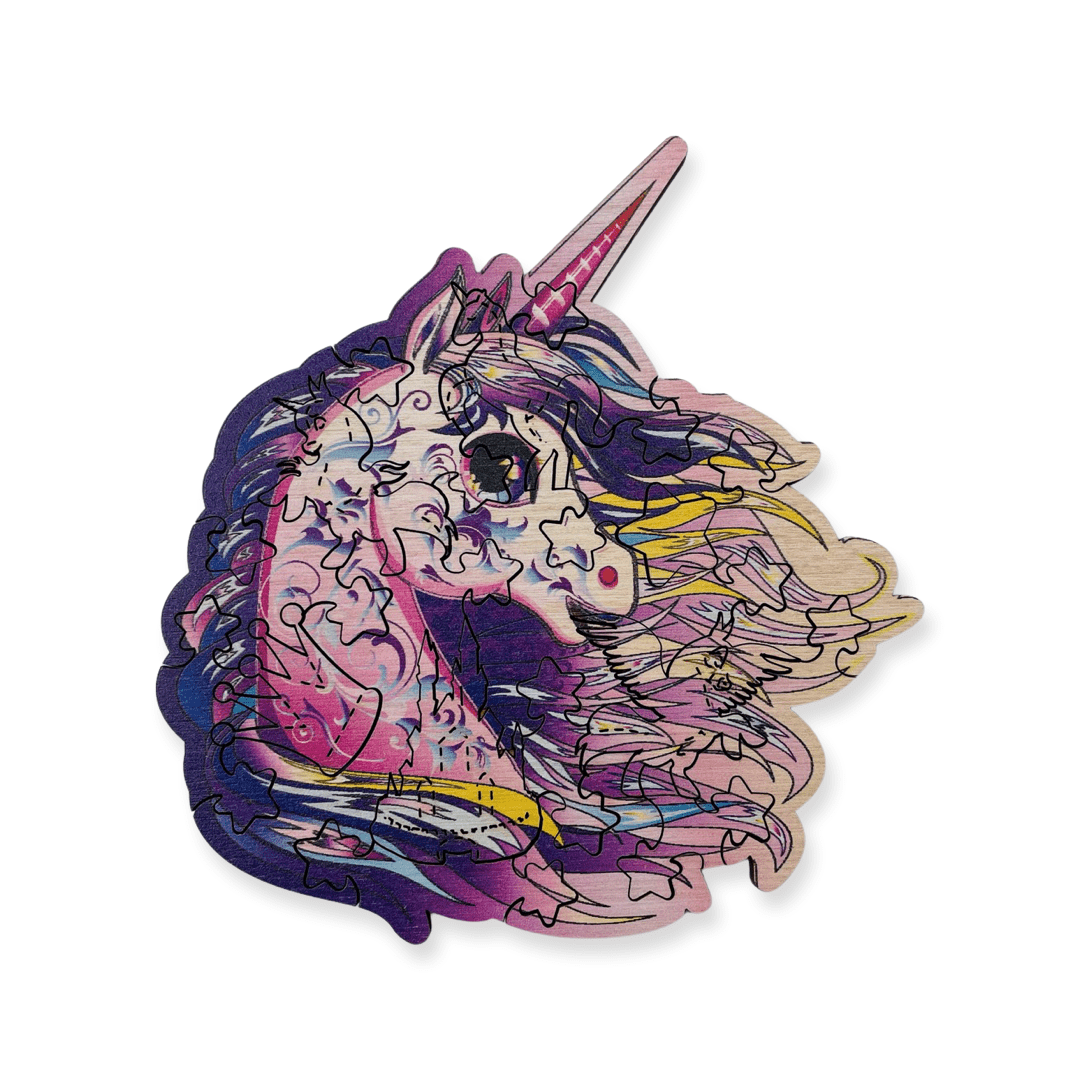
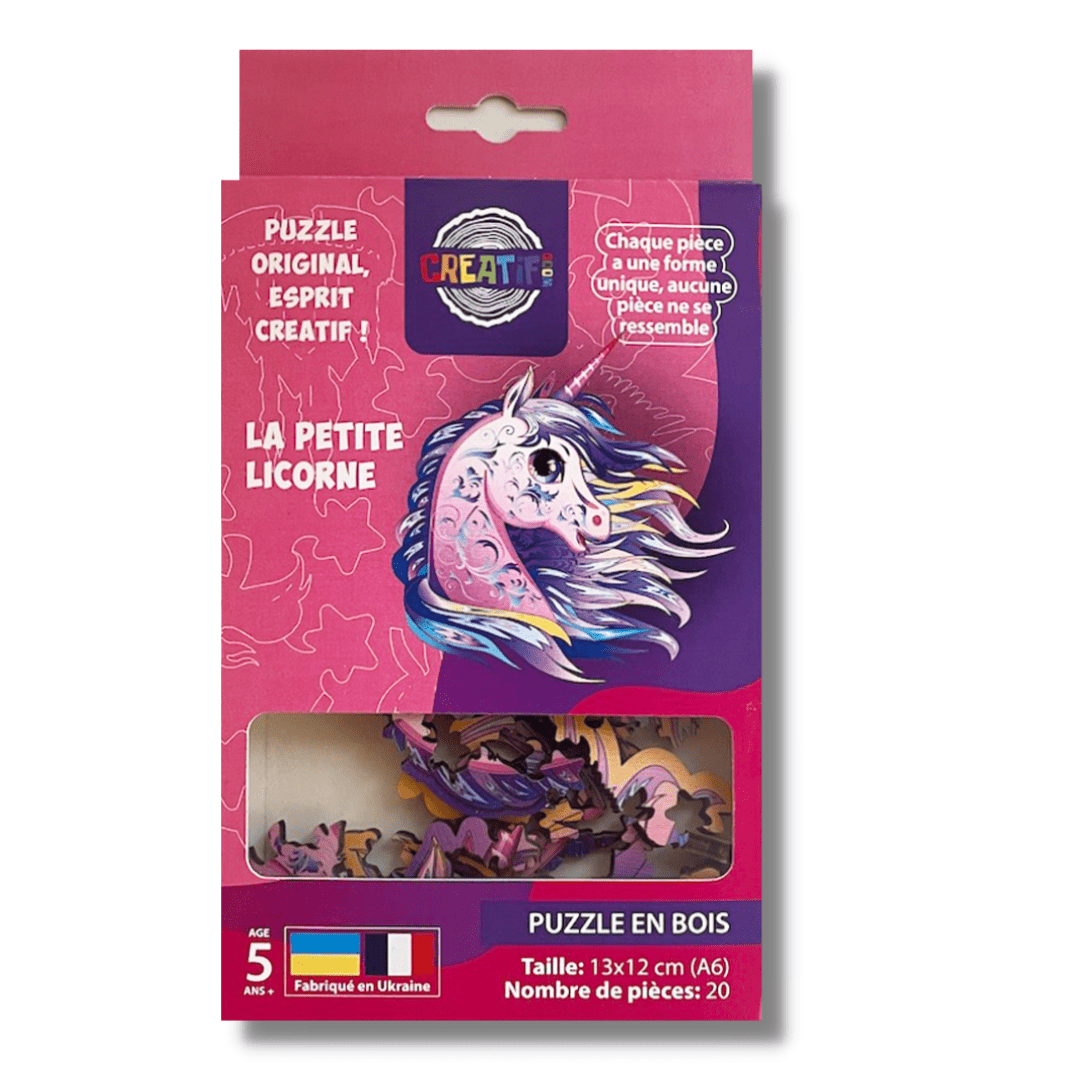
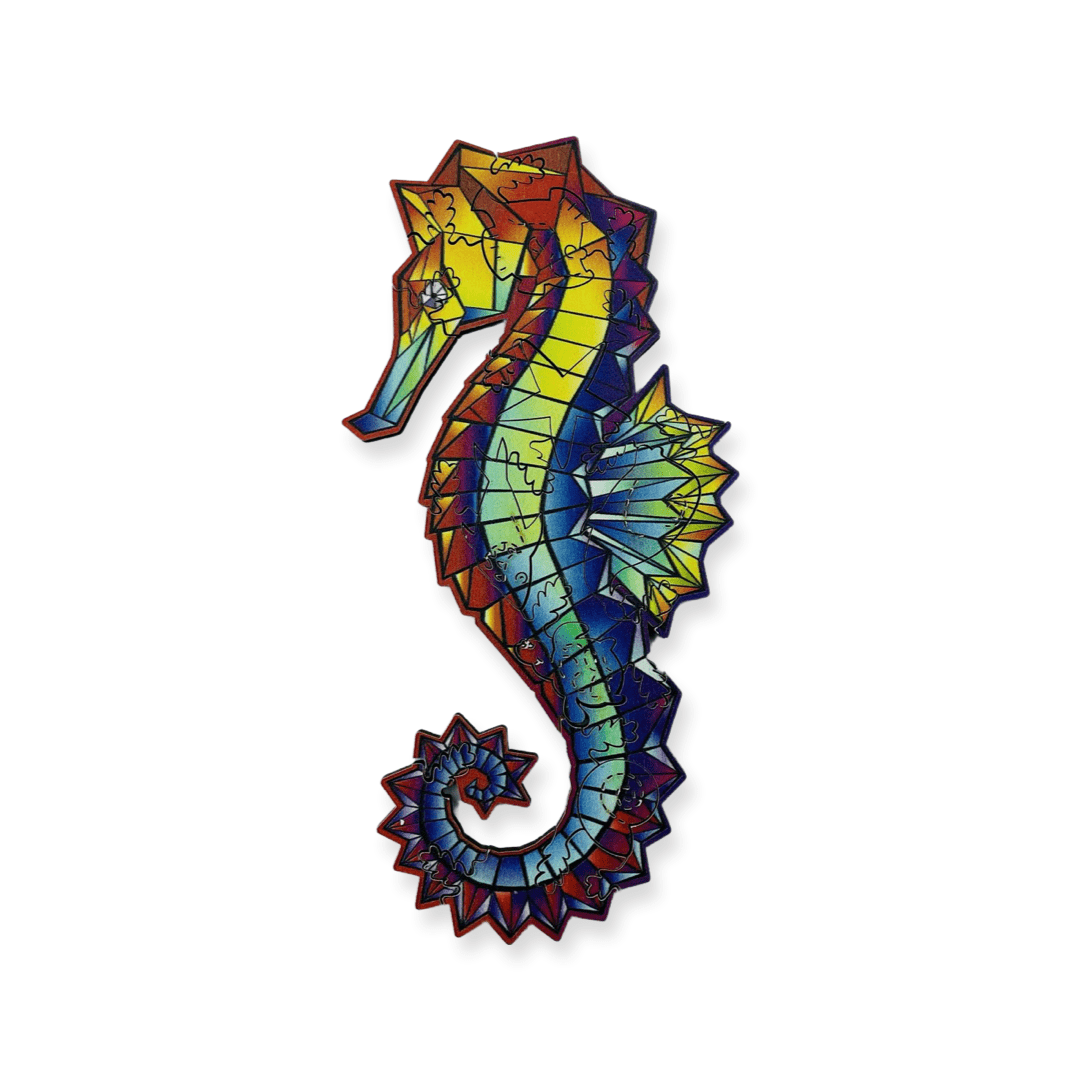
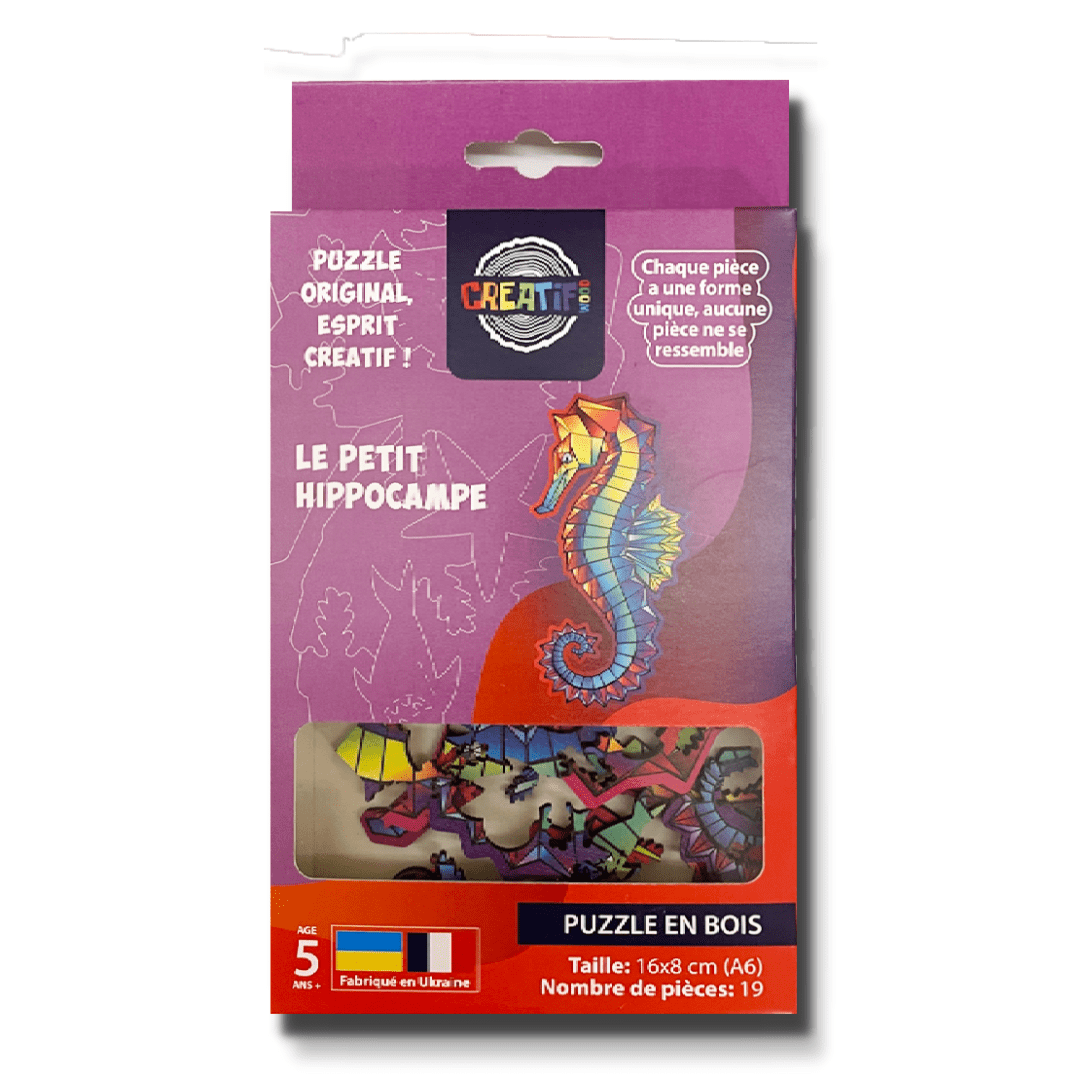
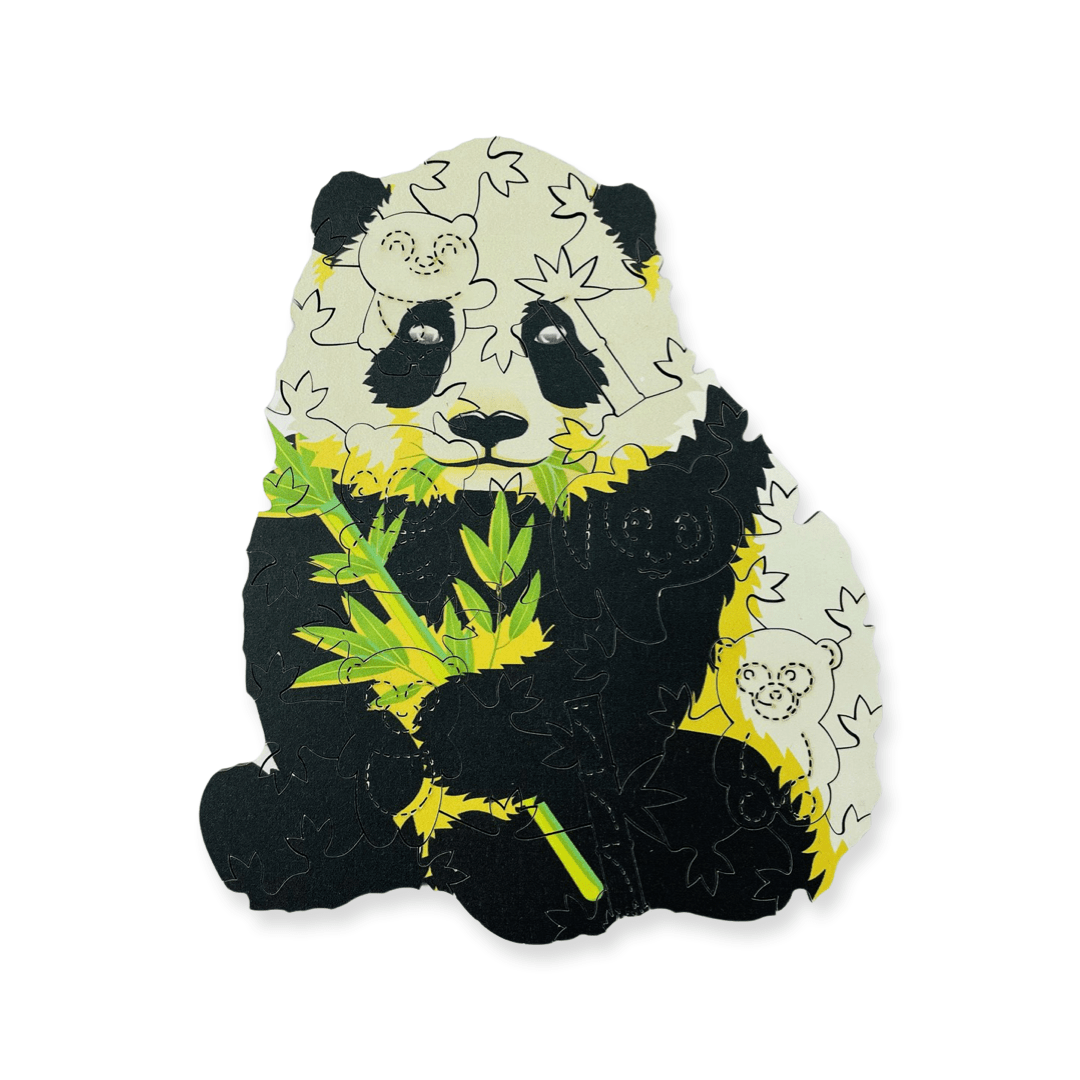
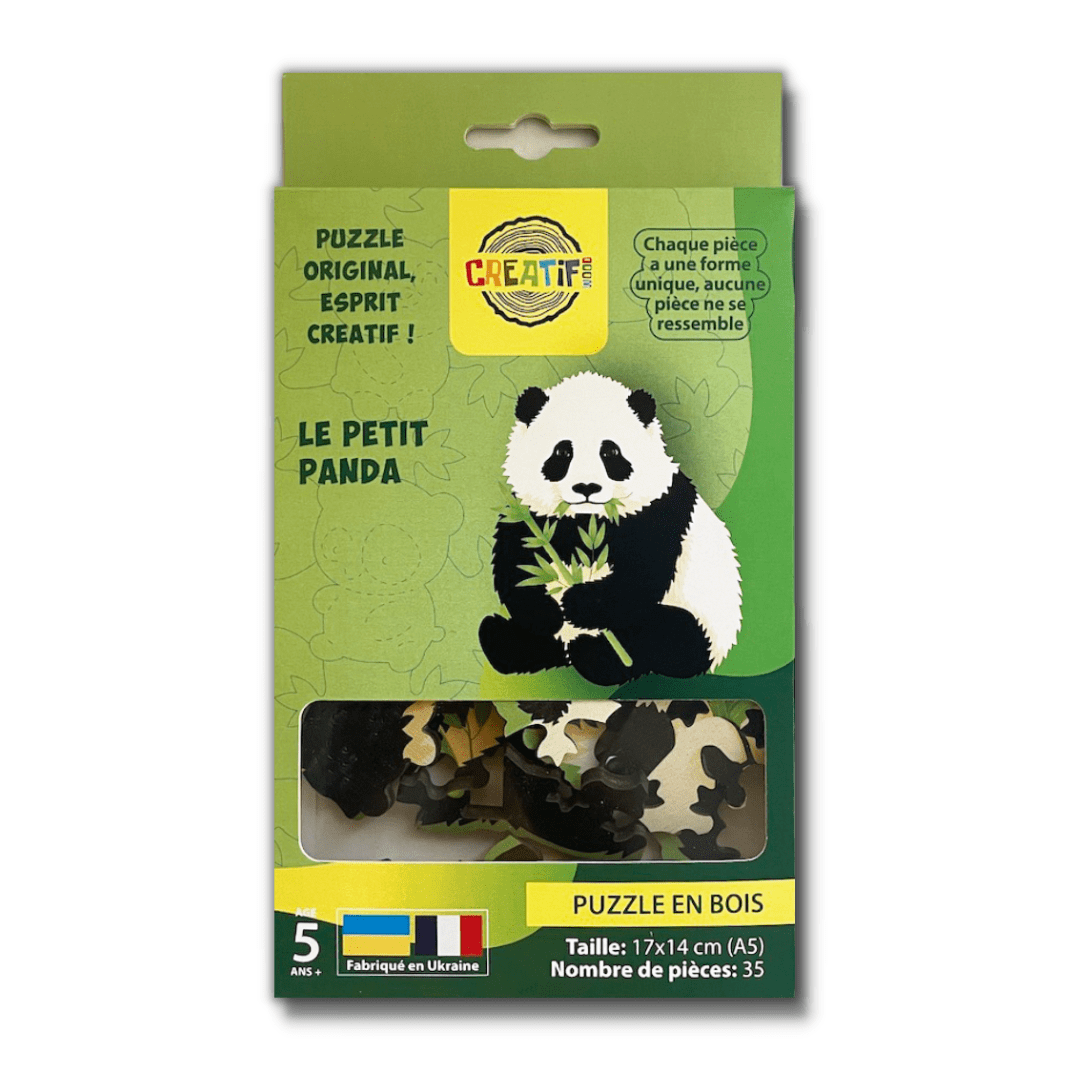

Wooden puzzles for adults, cut into shapes
A wooden jigsaw is a different object from a cardboard one, and the difference is not just the material. Cardboard is die-cut, which means every piece comes from the same grid of interlocking knobs and sockets. Wood is laser-cut, and the cutting head can follow any line at all. That single fact is what makes everything else on this page possible.
Pieces cut as figures
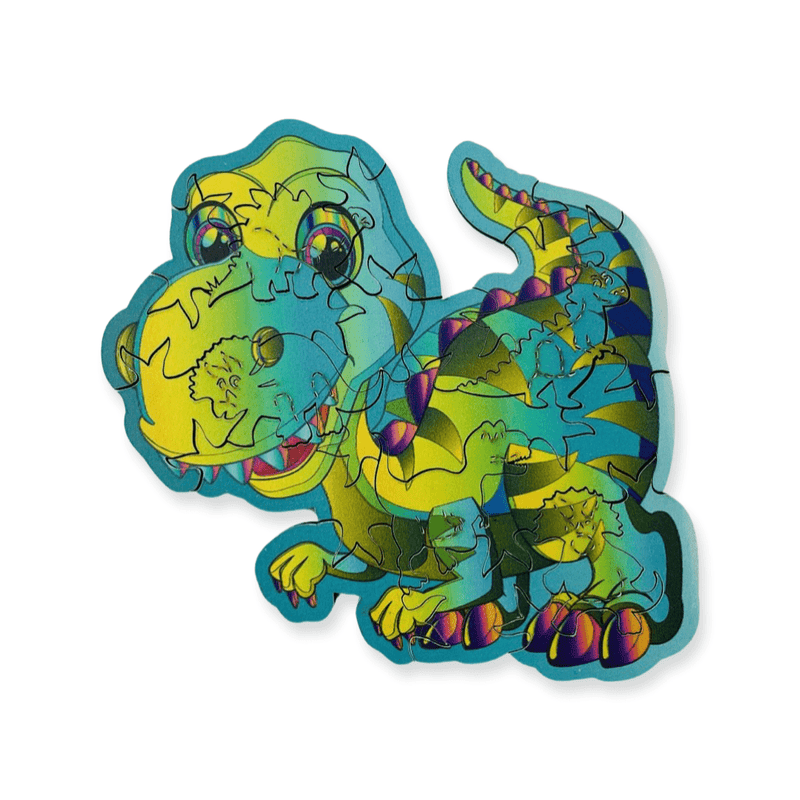
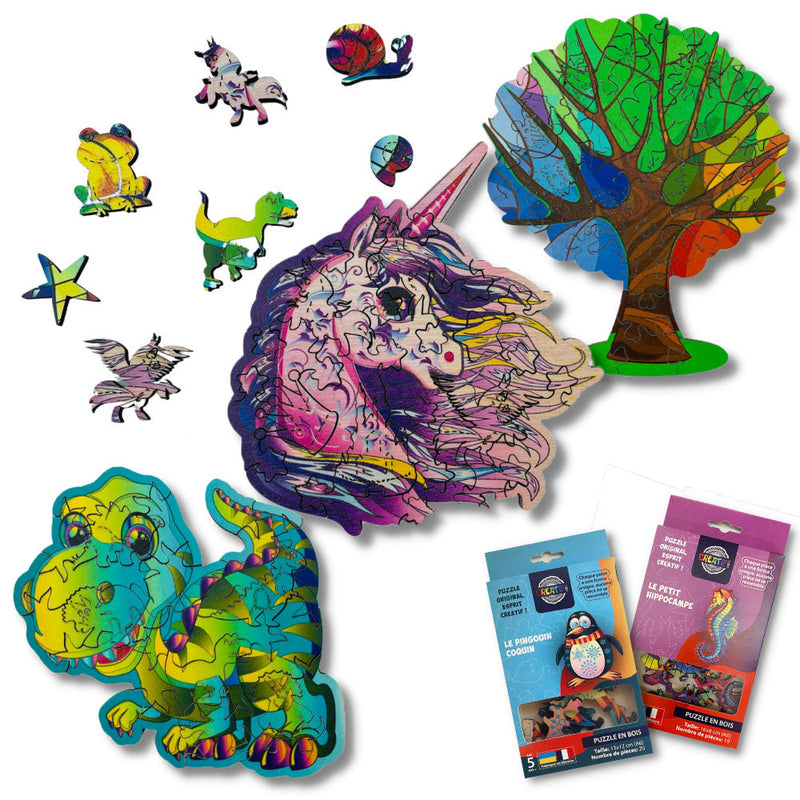
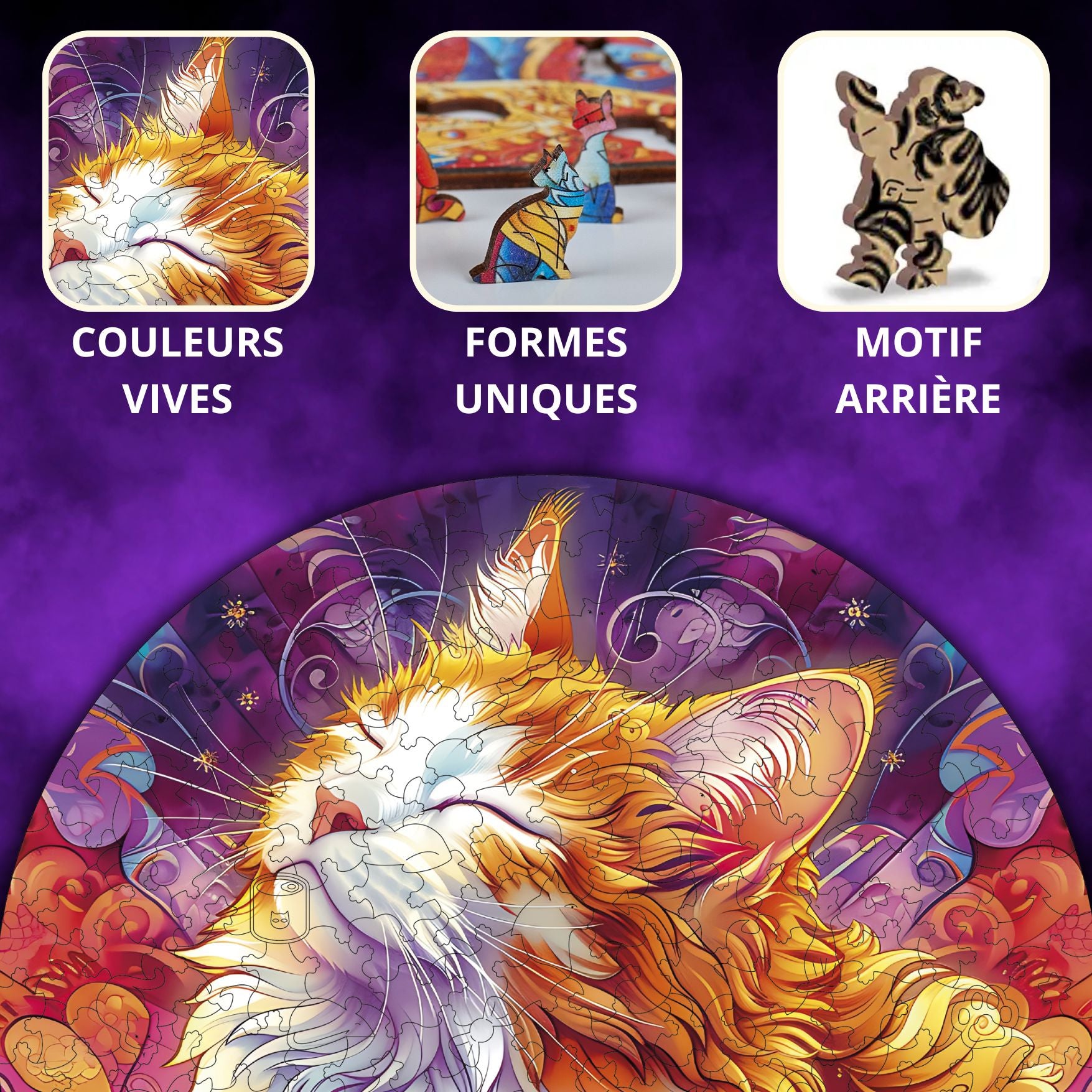
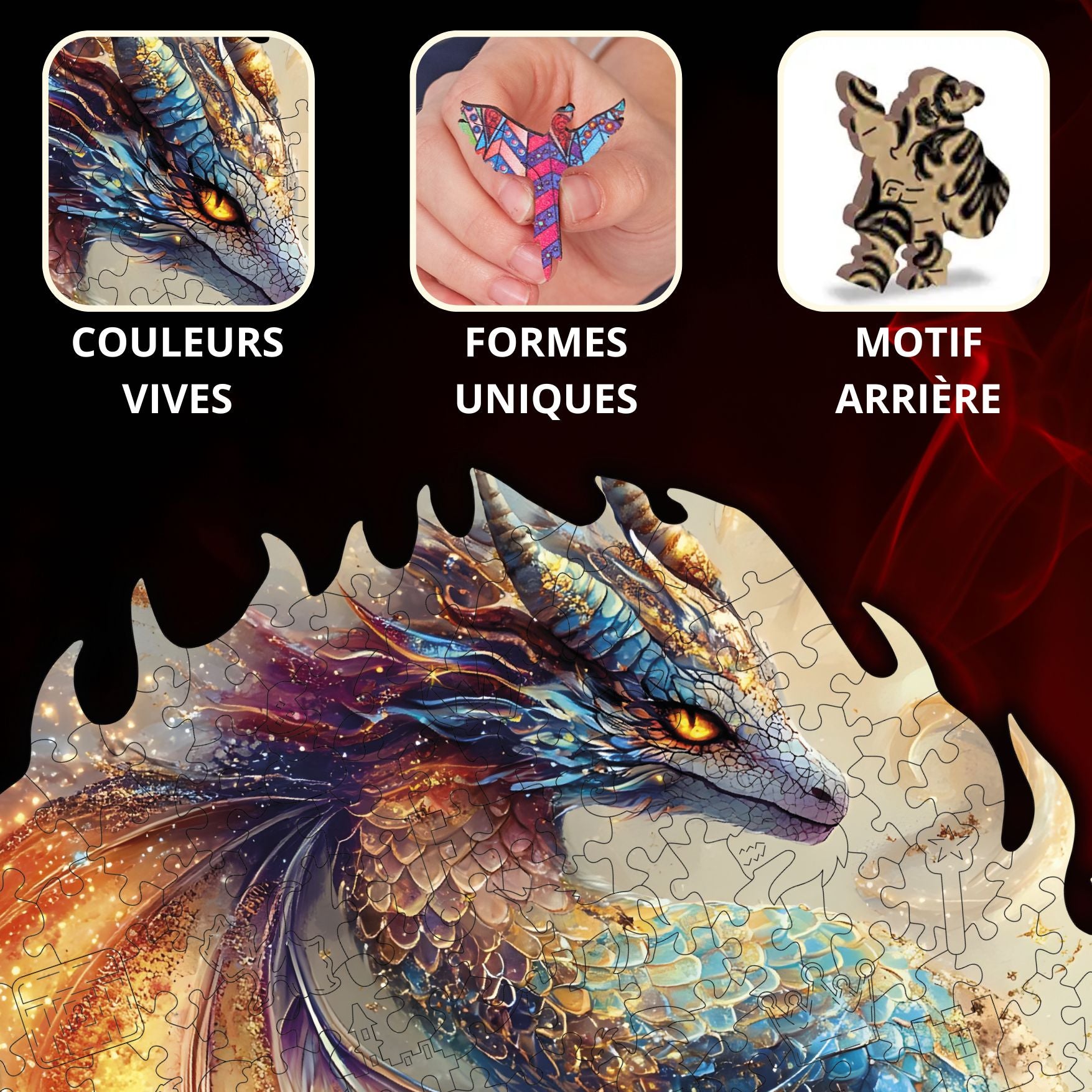
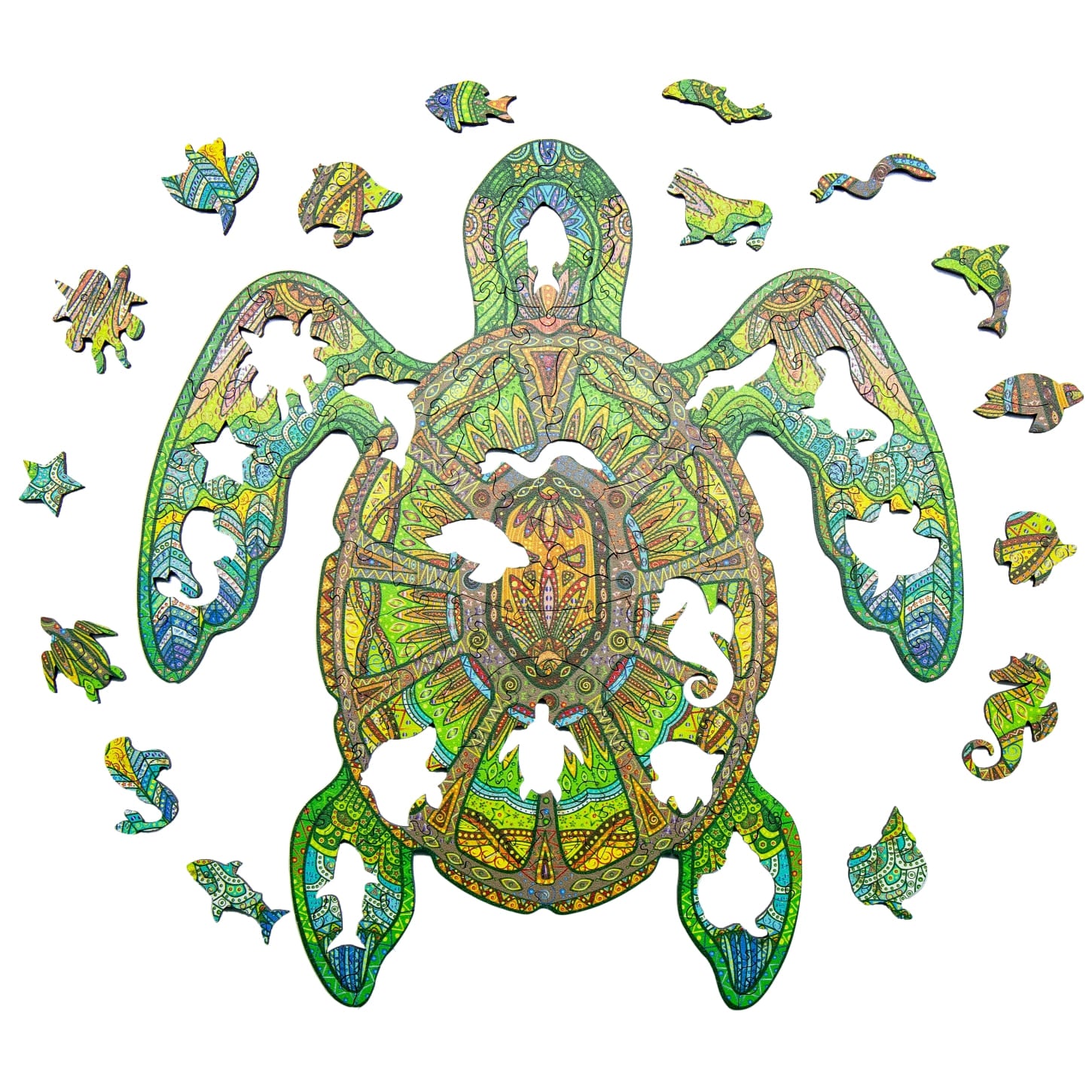
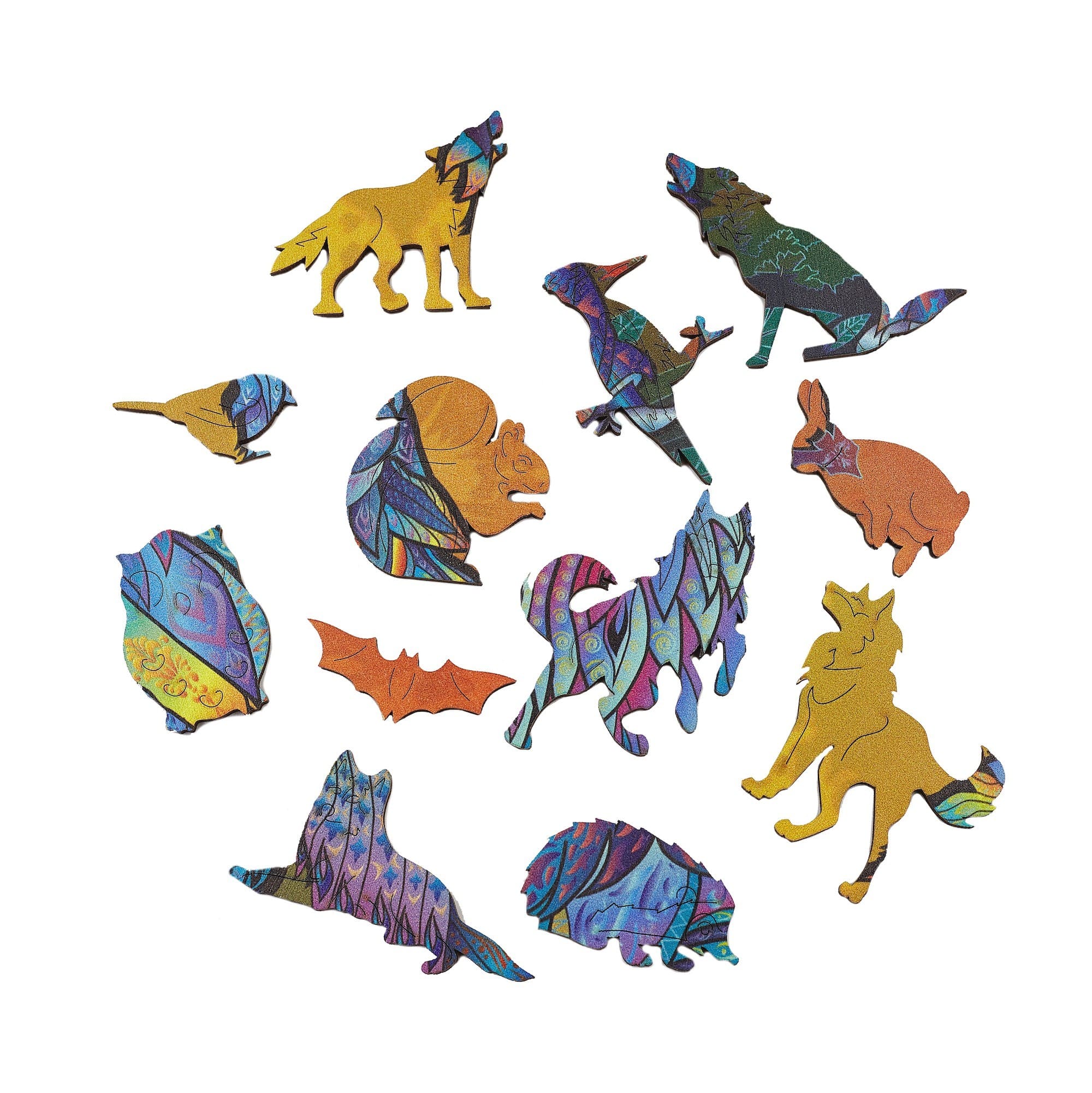
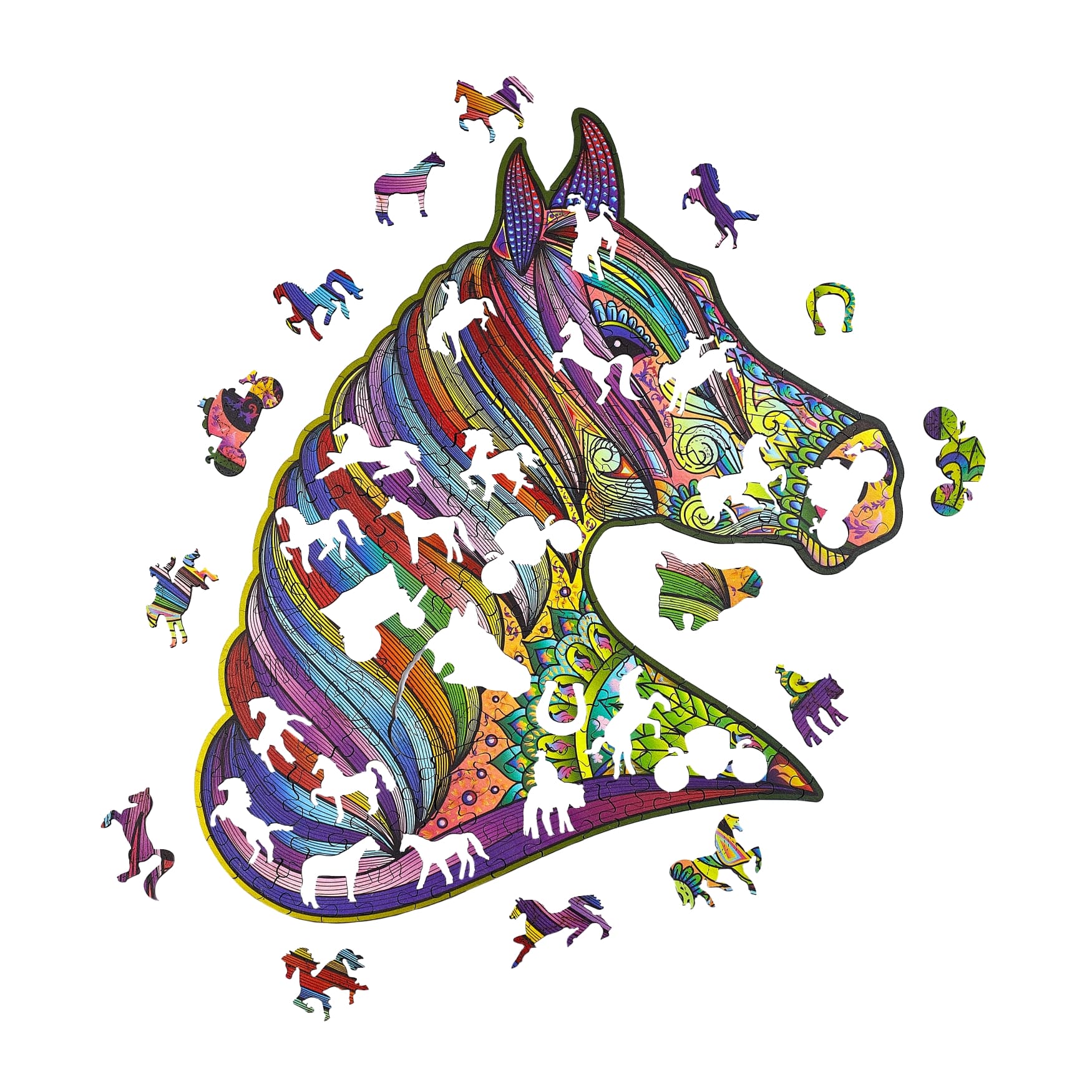
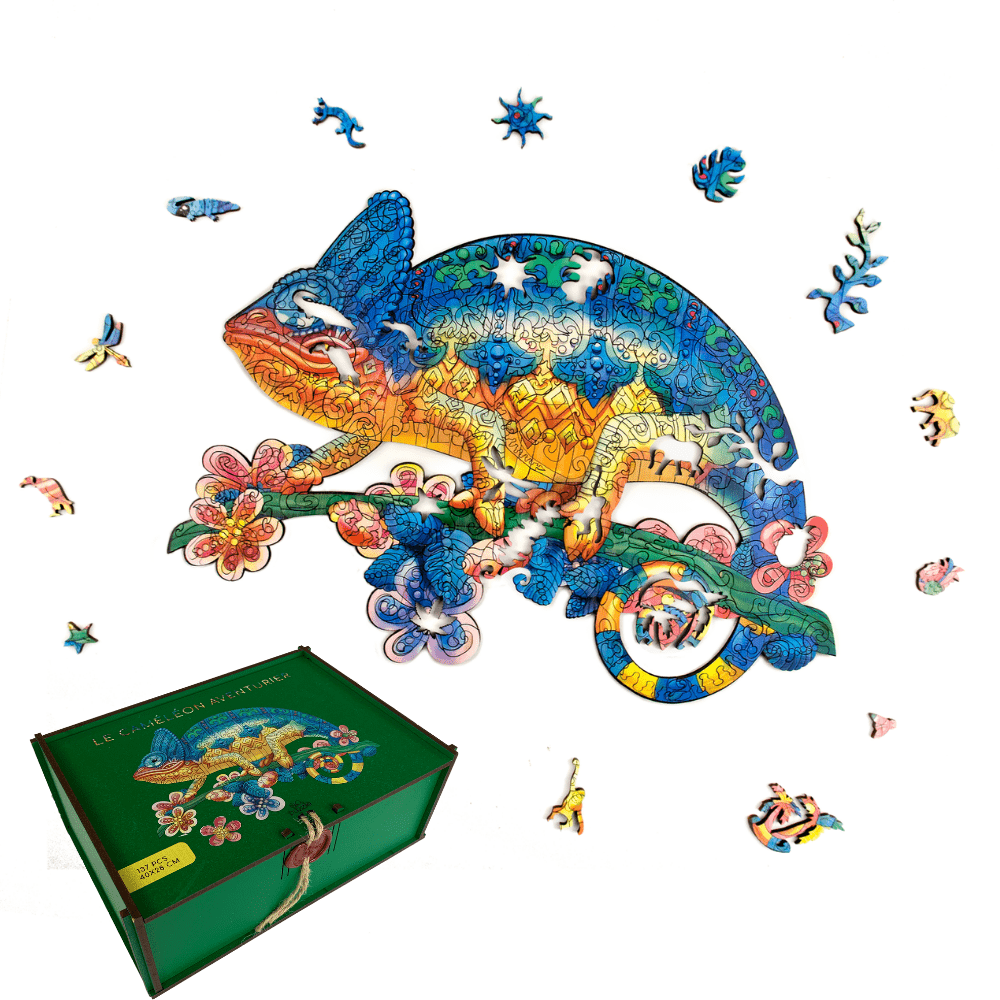
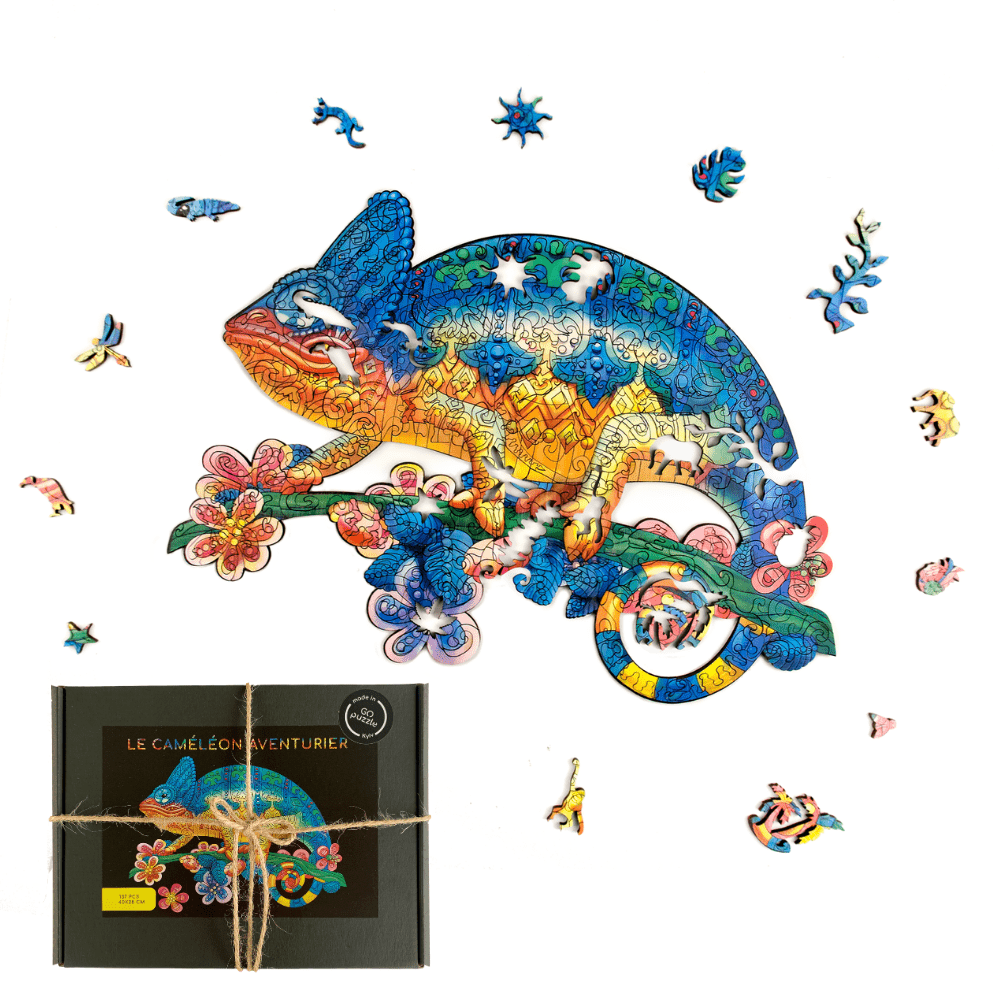
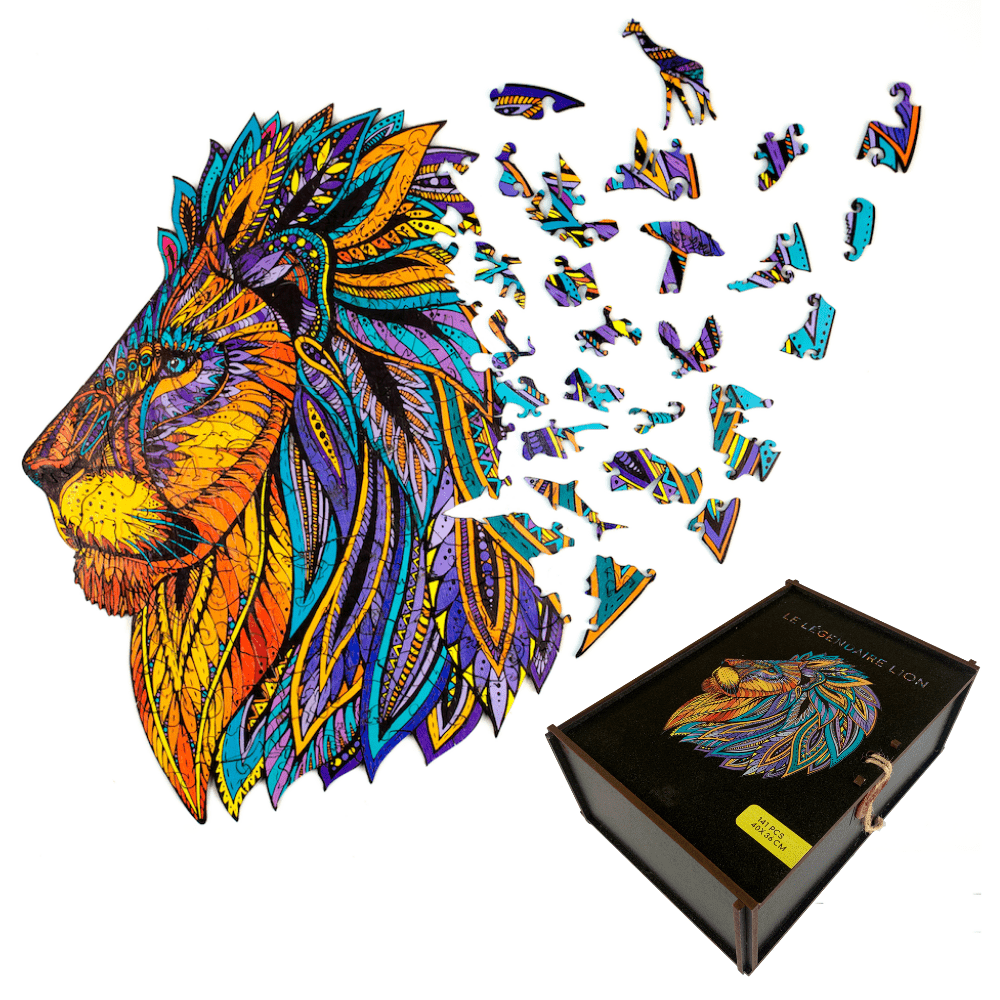
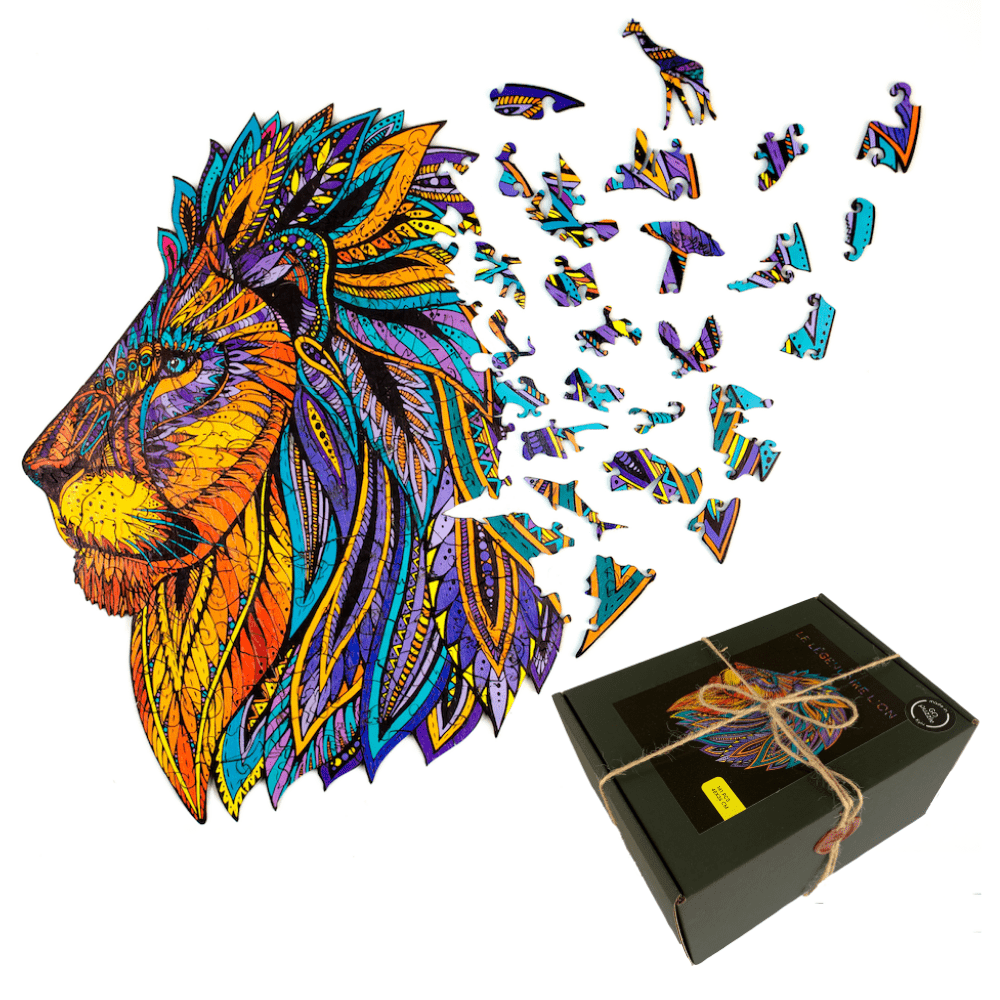
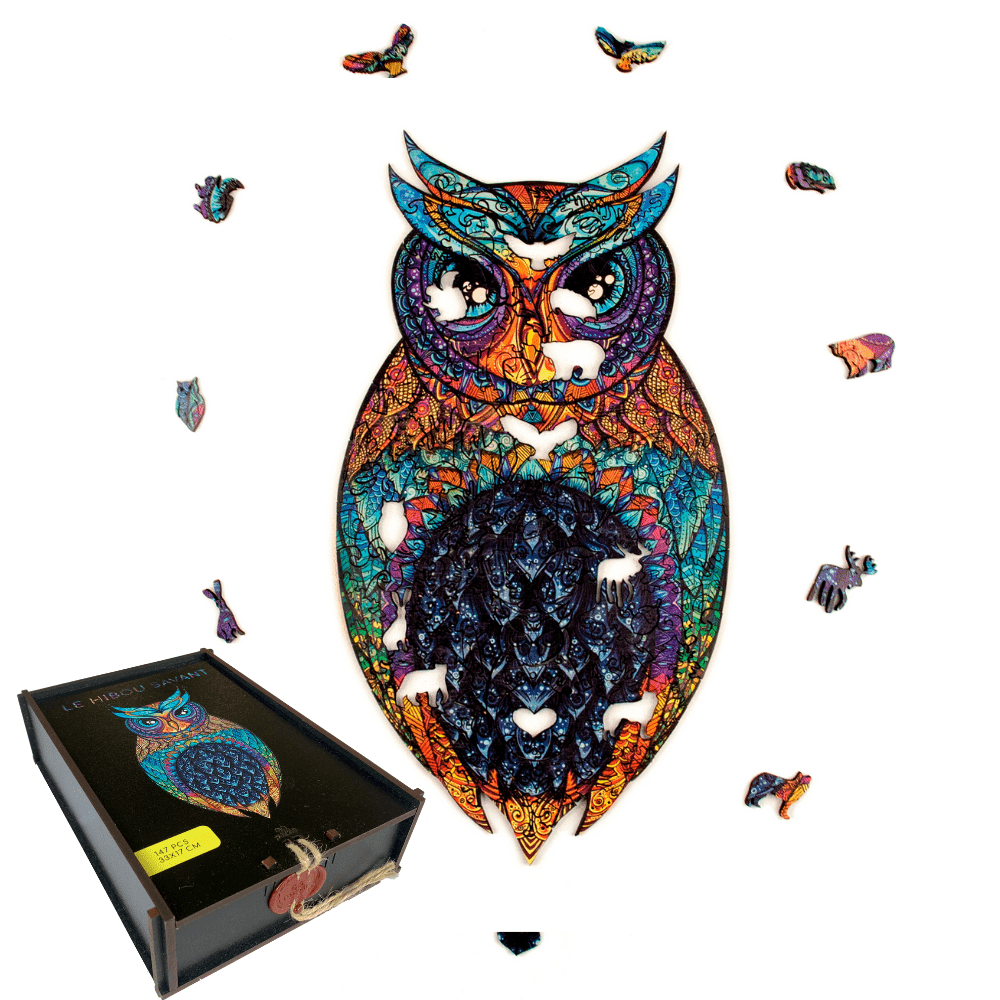
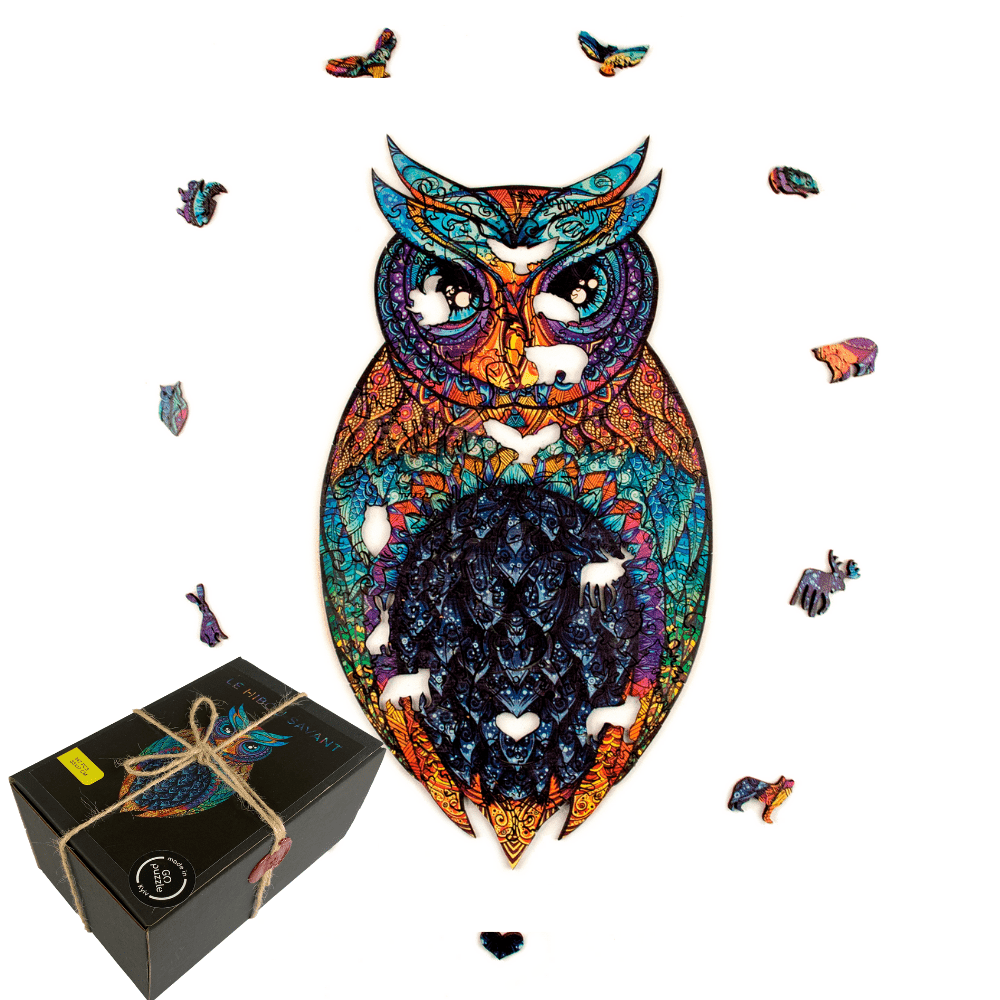
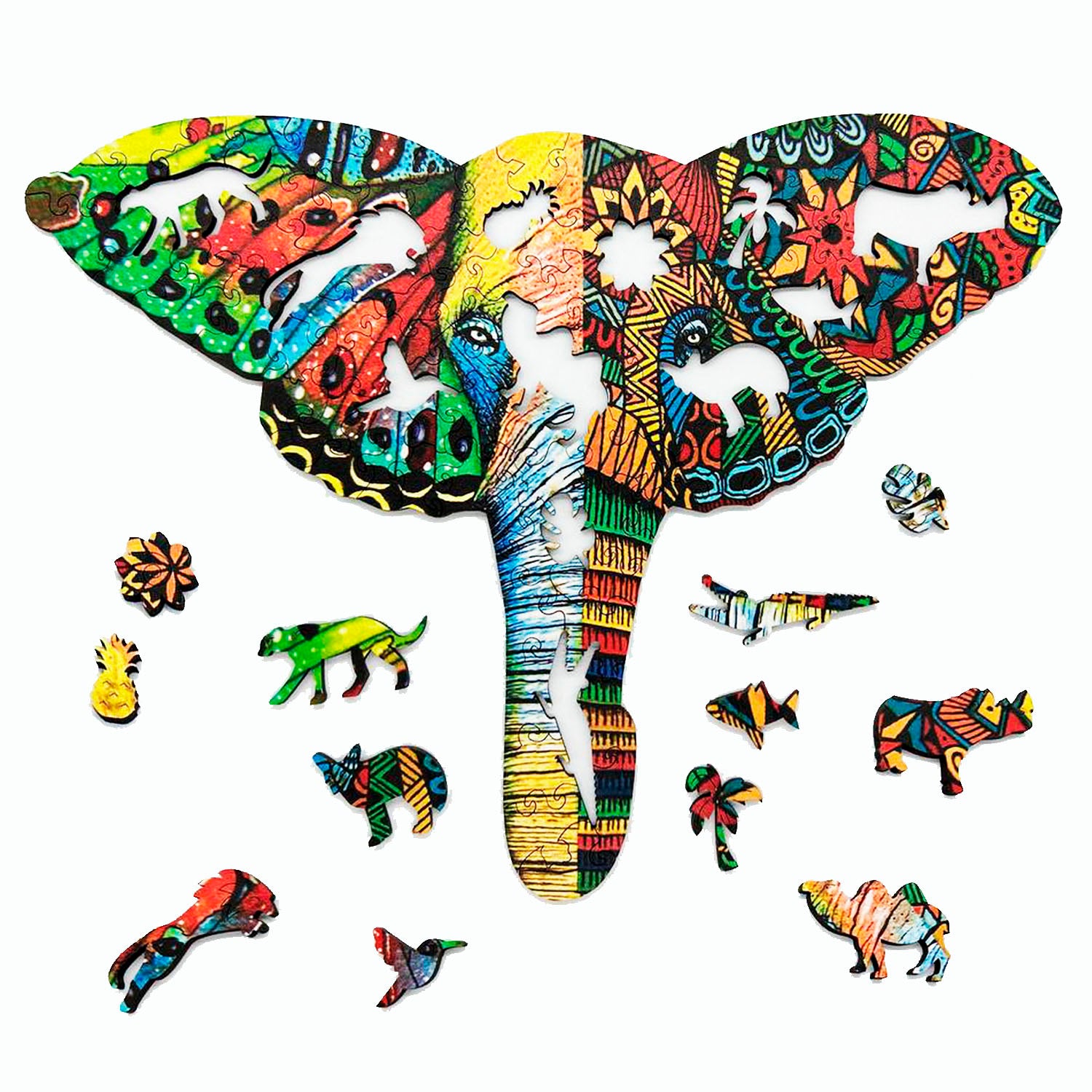
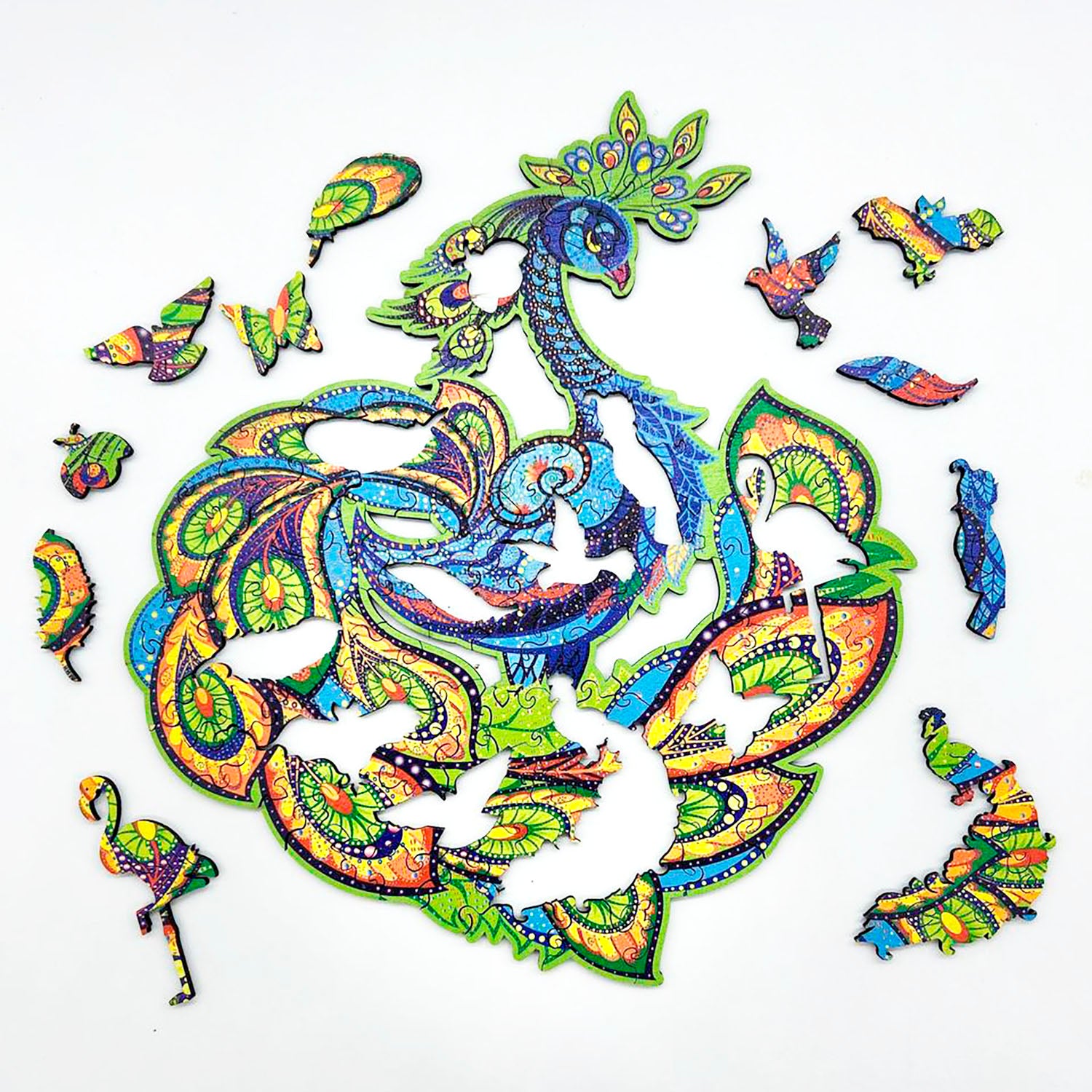
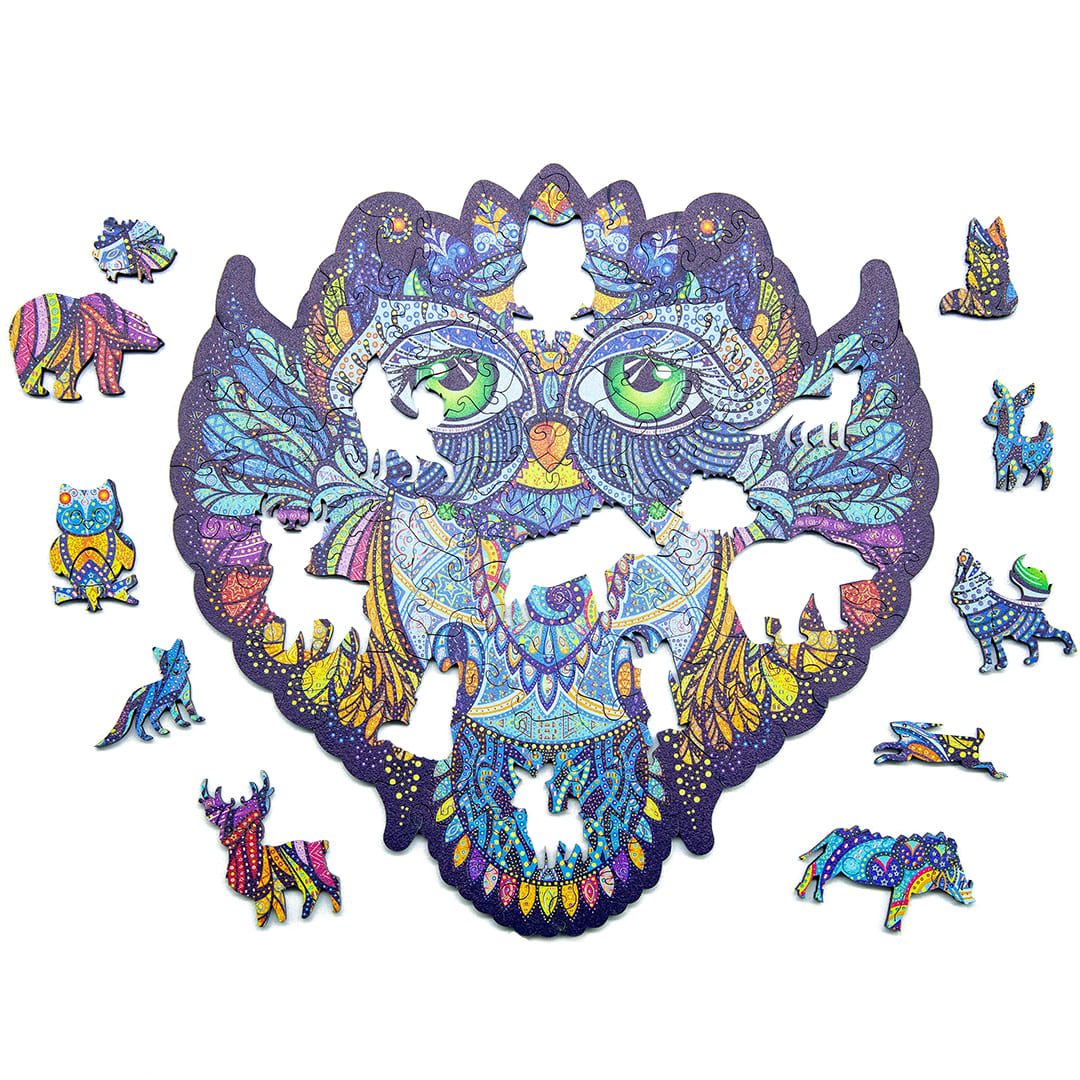
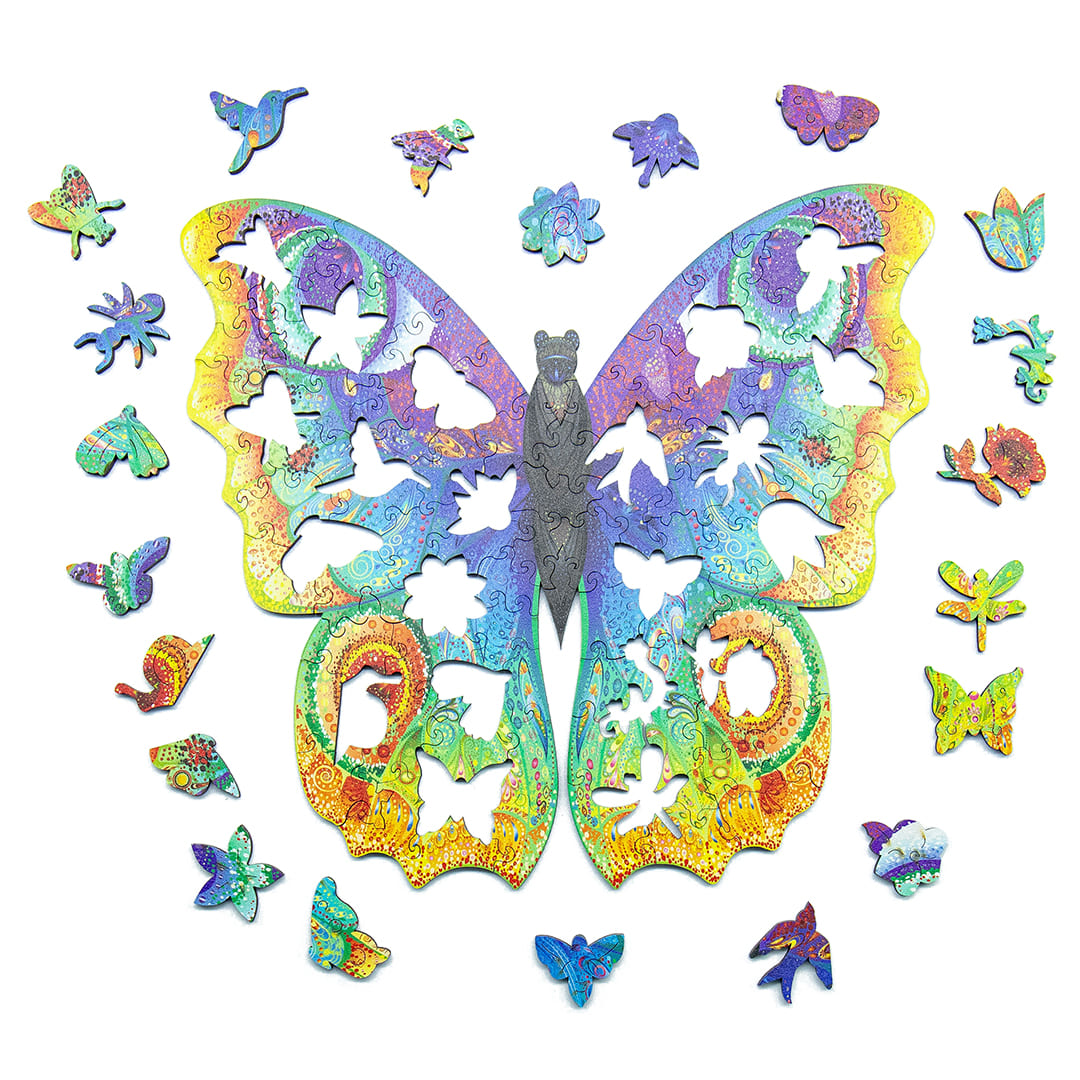
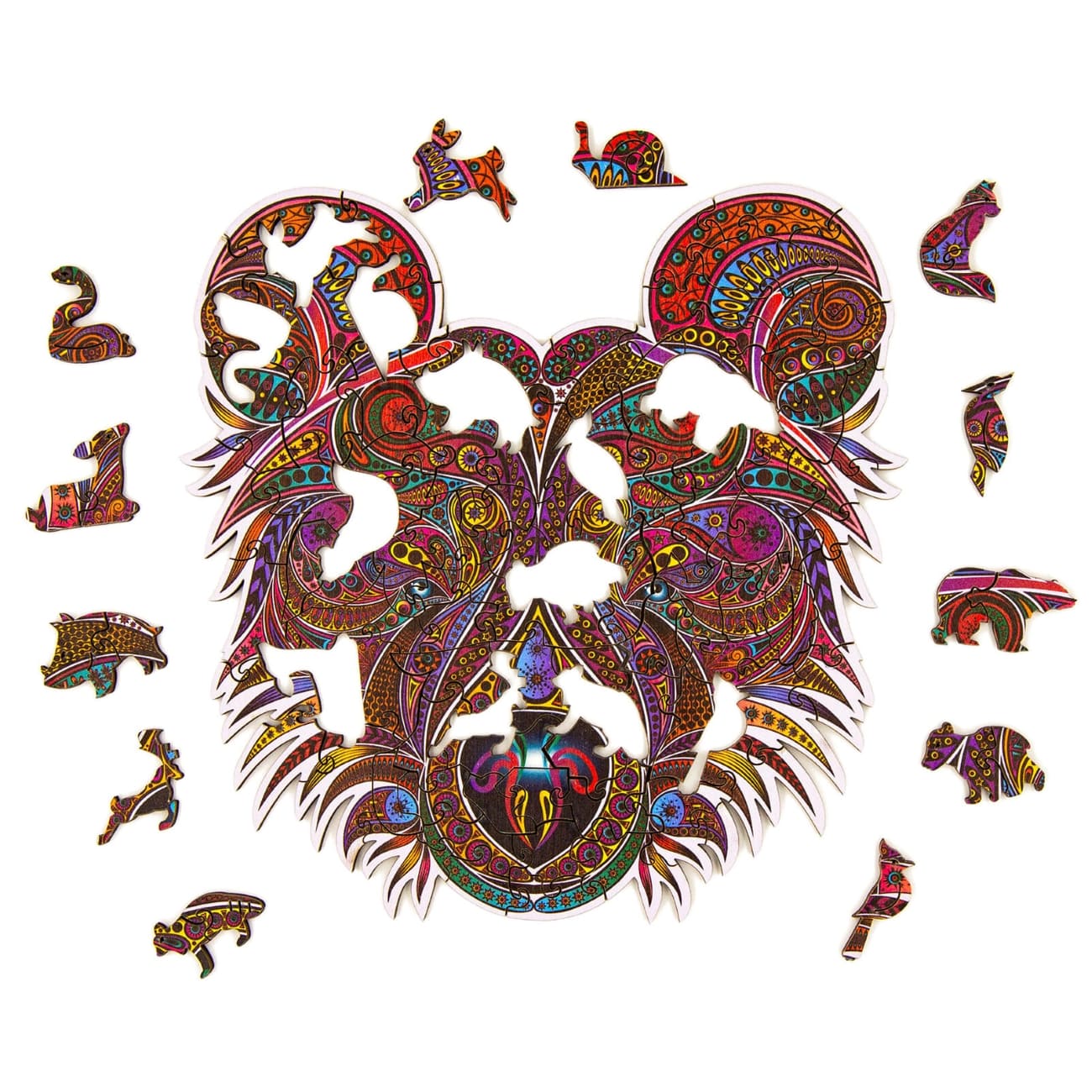
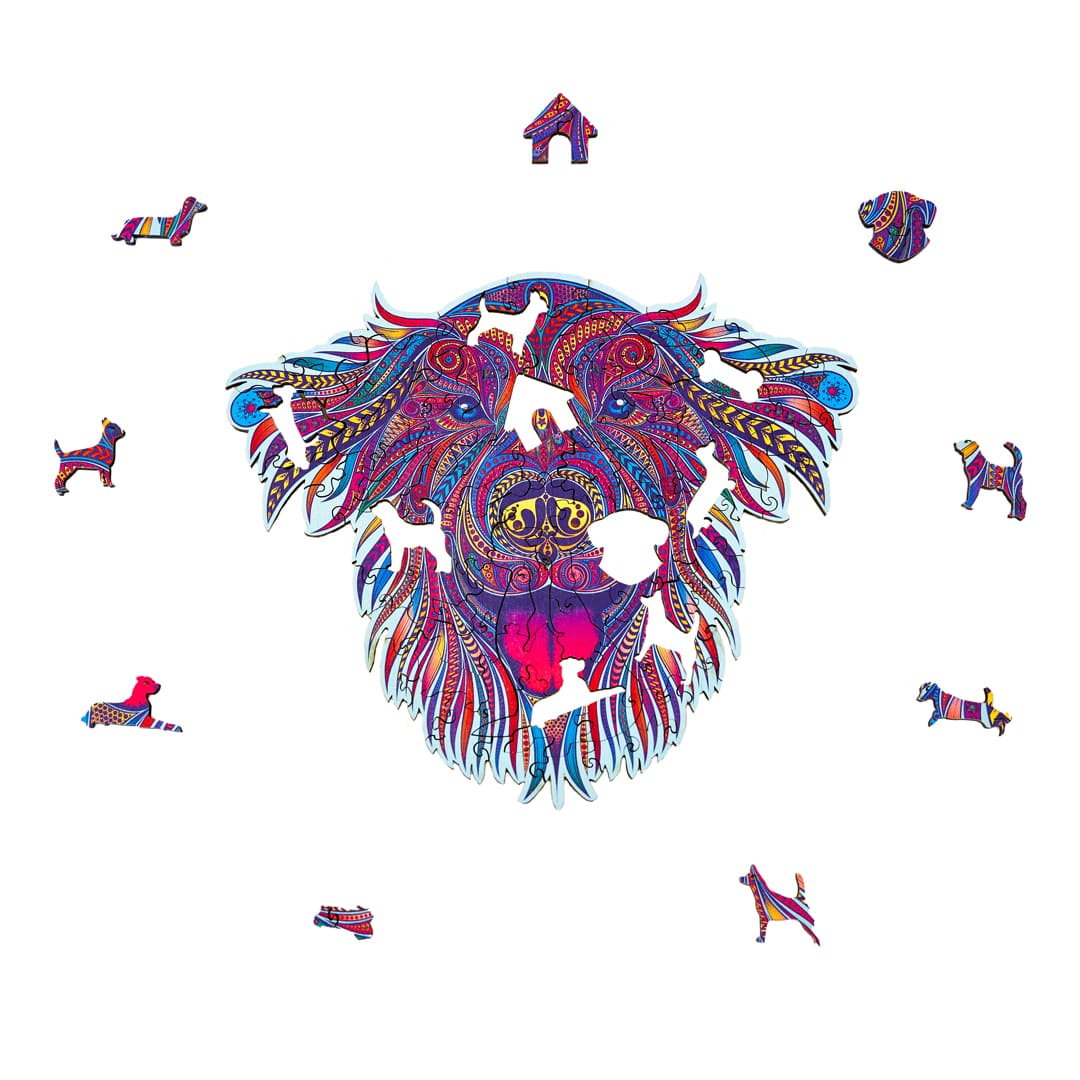
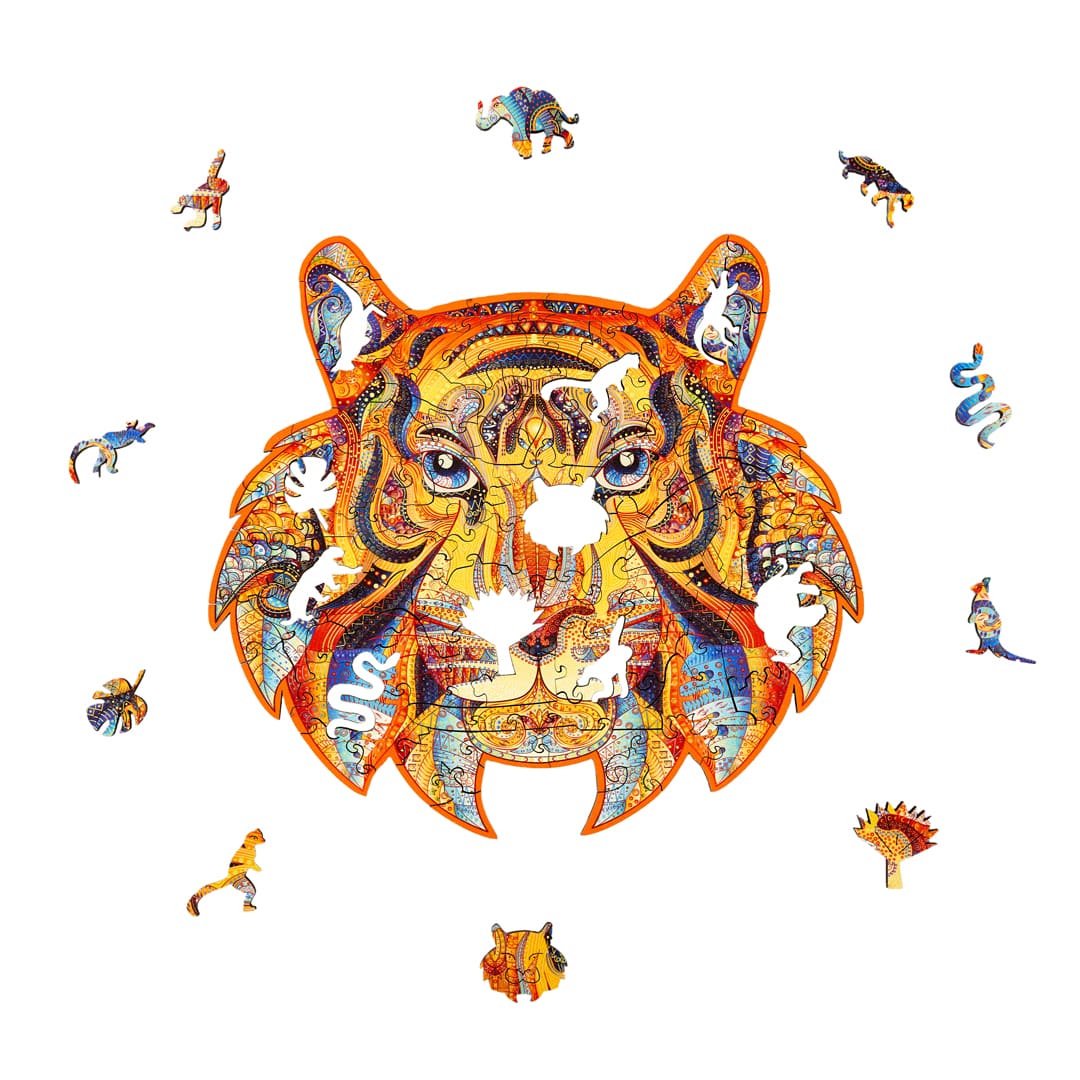
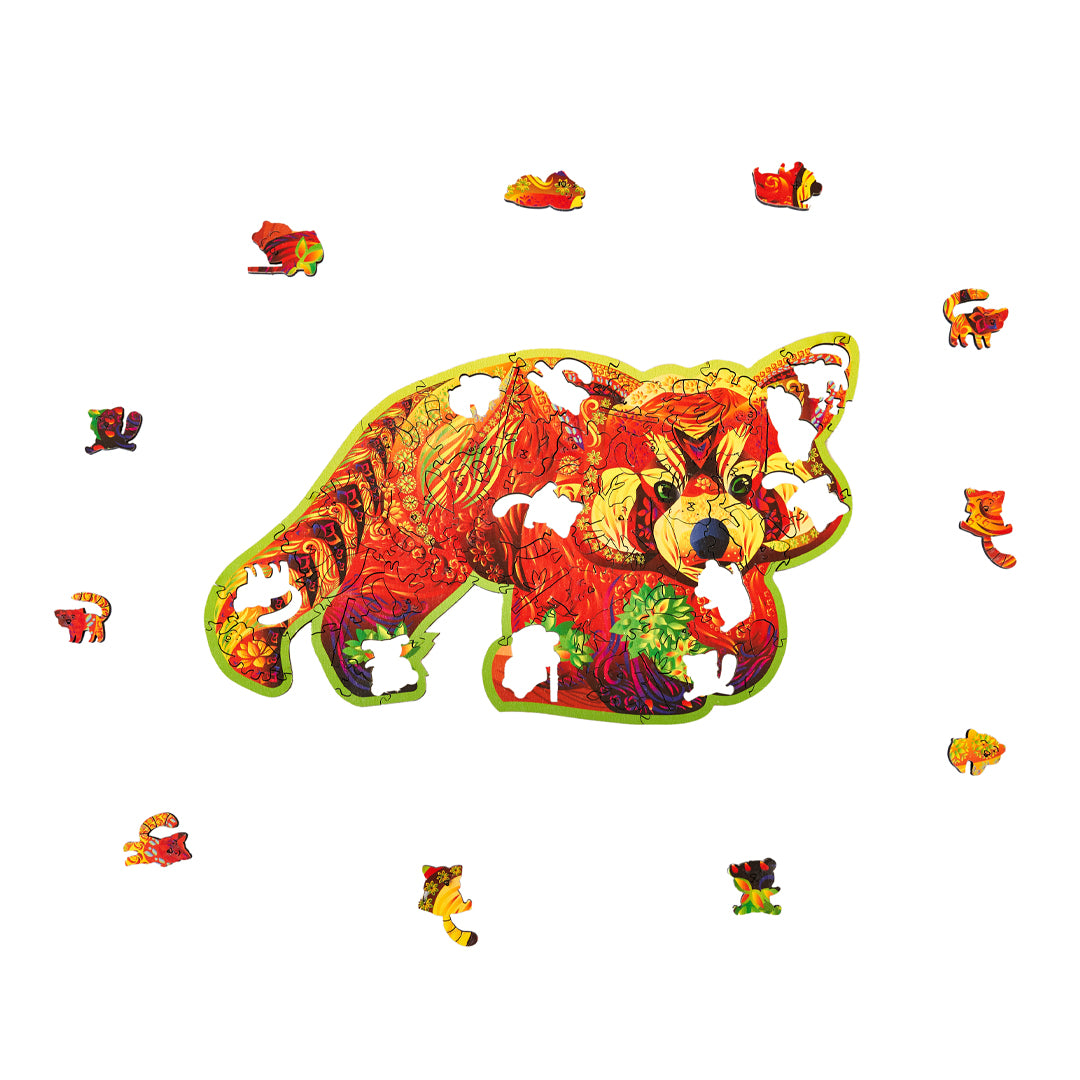
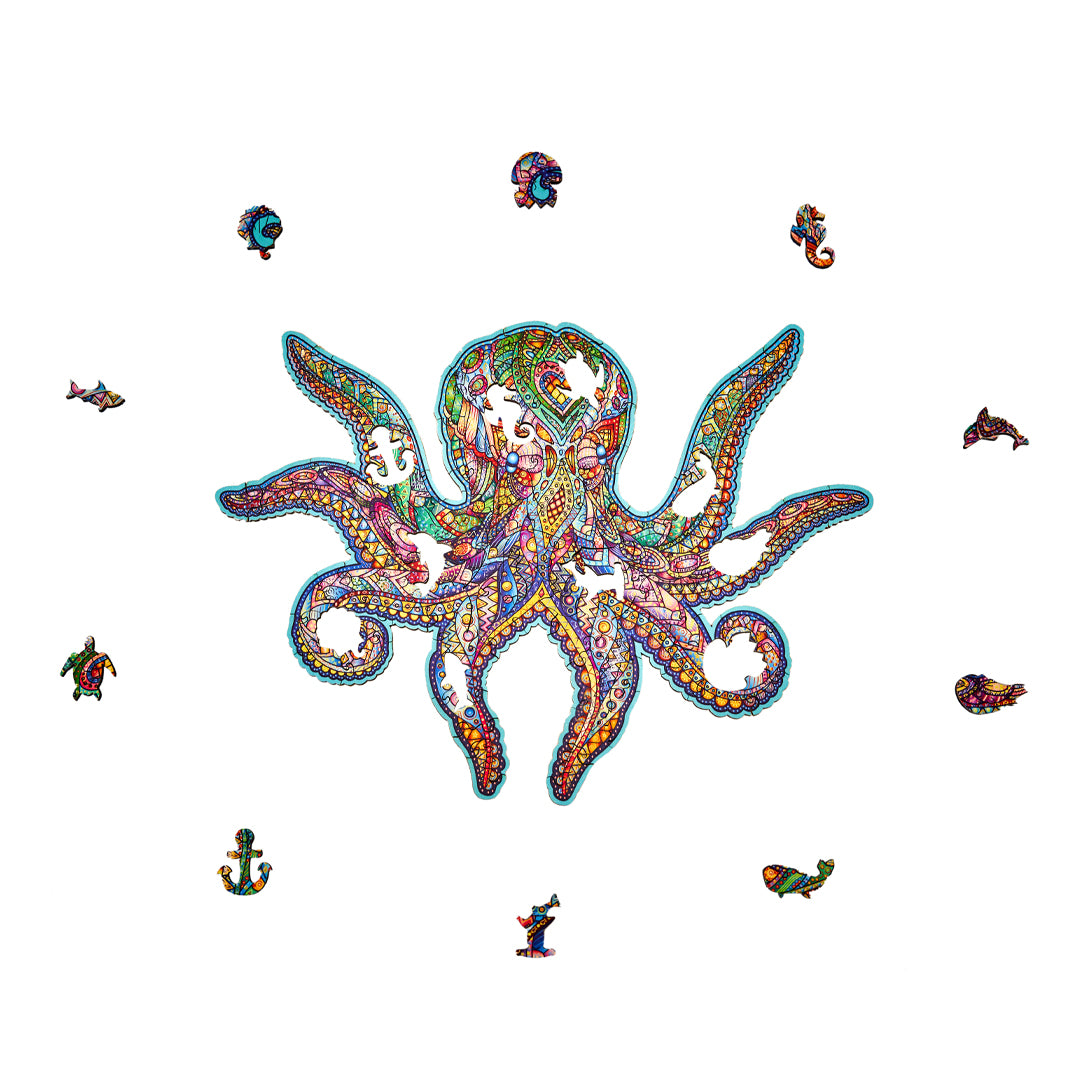
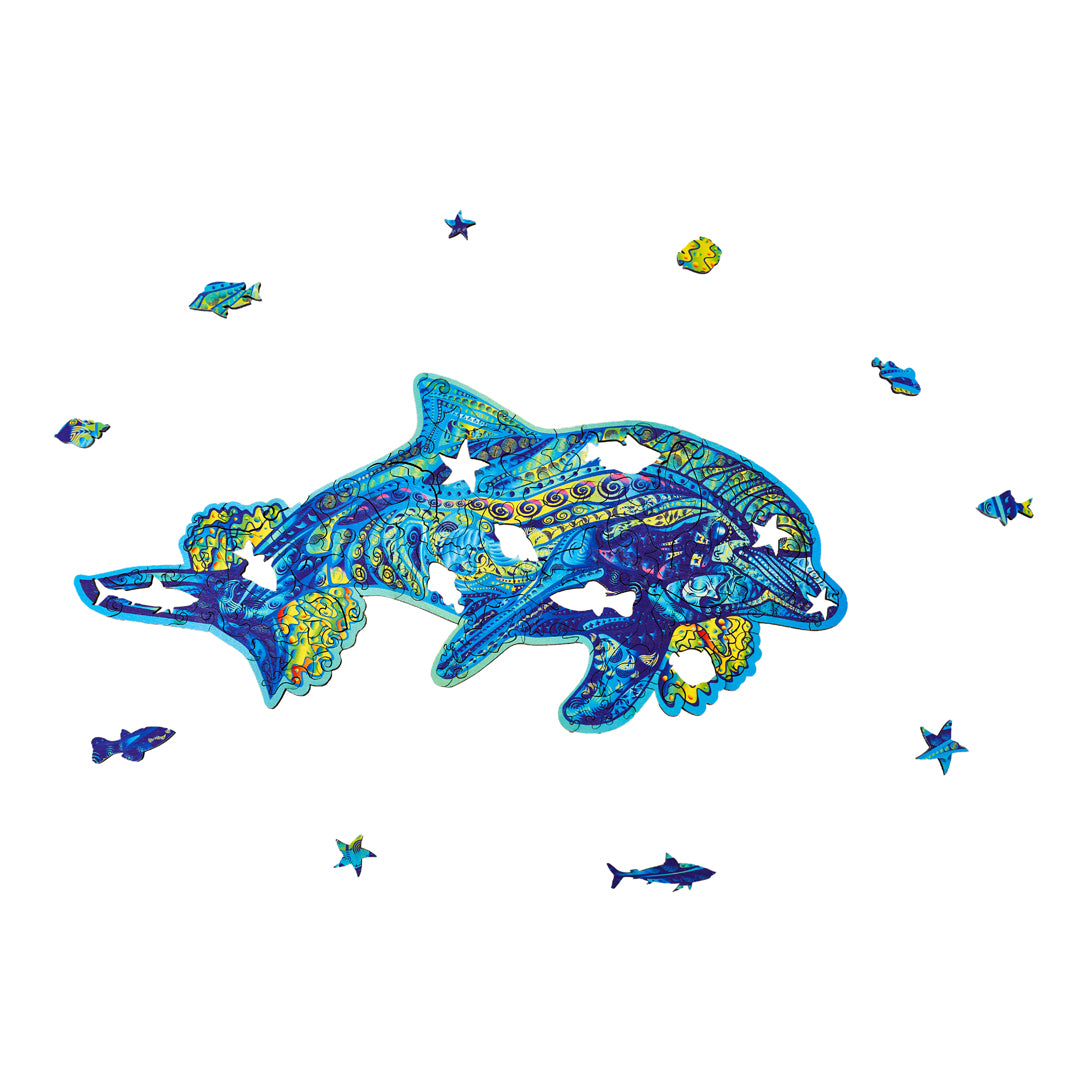
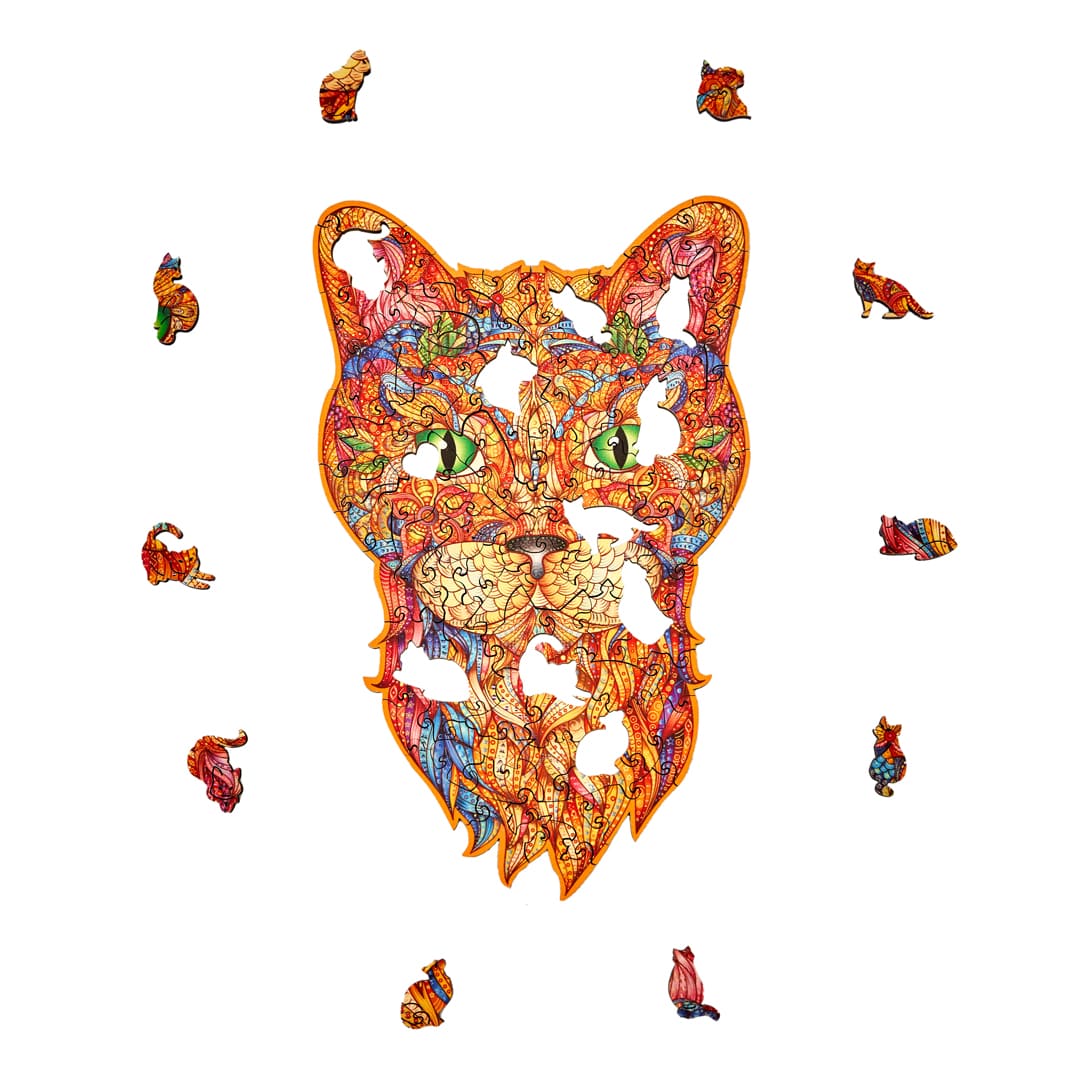
Because the cut is unconstrained, individual pieces can be shaped as recognisable objects: a rhino, a palm tree, a fish, a small cat. These are called whimsy pieces, and the tradition goes back to Victorian puzzle cutters who added shapes on a whim while working. Parker Brothers standardised the practice in 1908, at roughly twelve figural pieces per hundred.
Cardboard ended it. Die-cutting could not hold the intricate outlines, so the mass market settled for the uniform grid and the figural piece survived only in wooden puzzles. It is still the clearest single reason to choose one.
Why the finished shape is not a rectangle
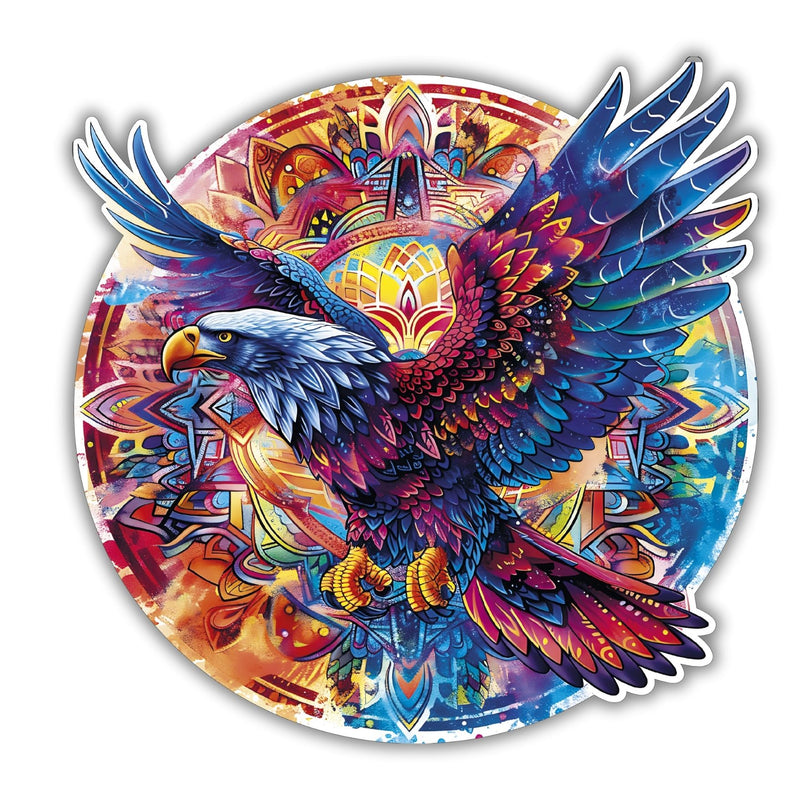
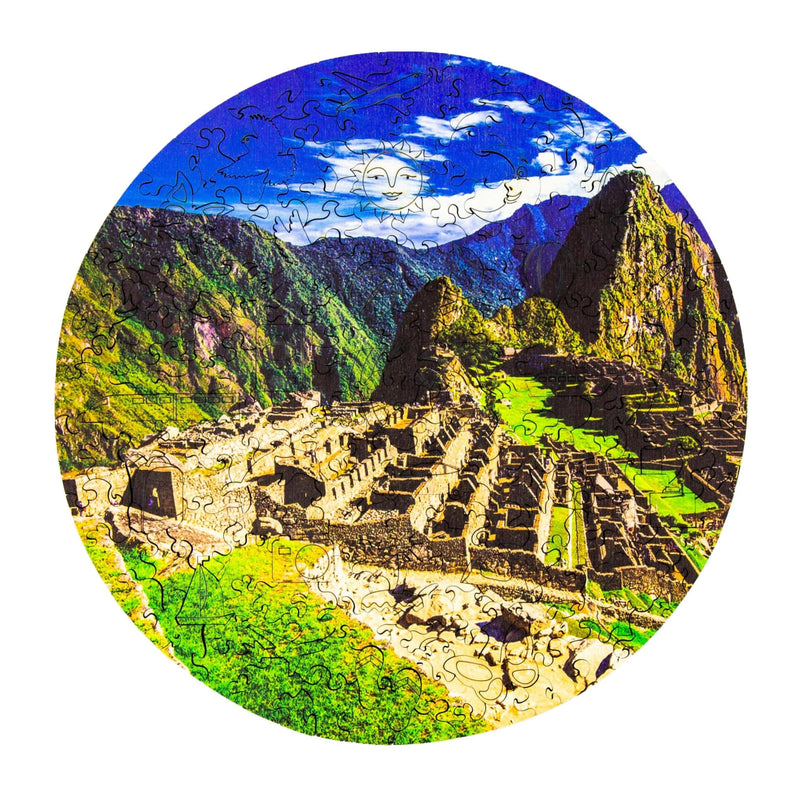
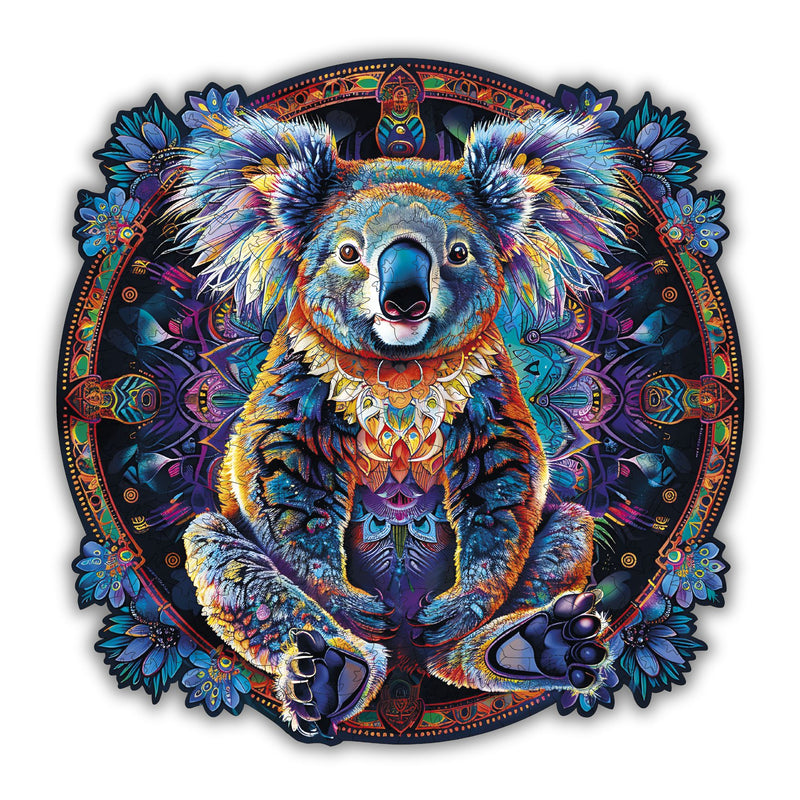
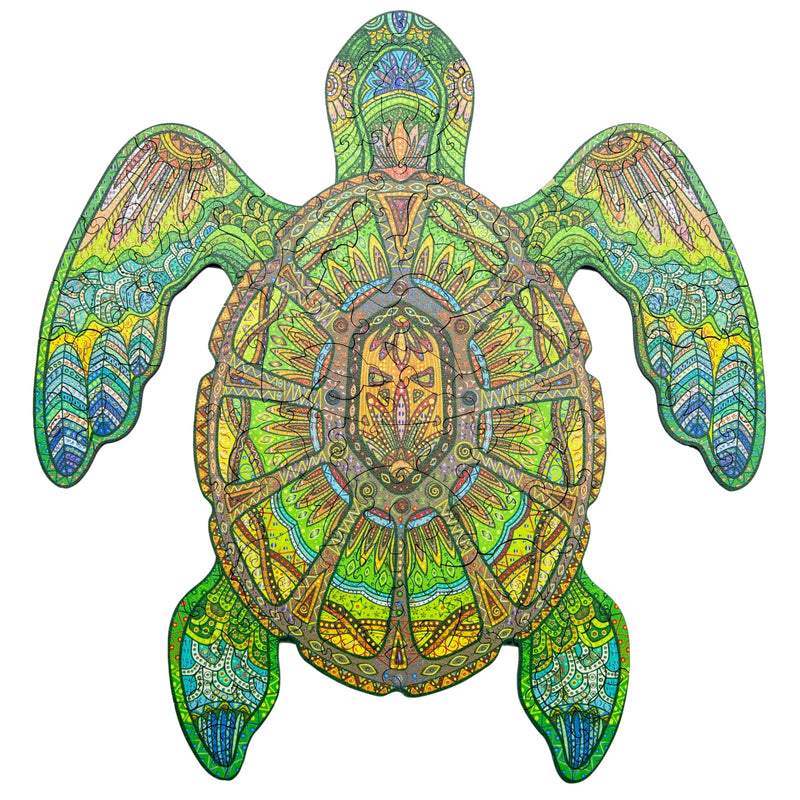
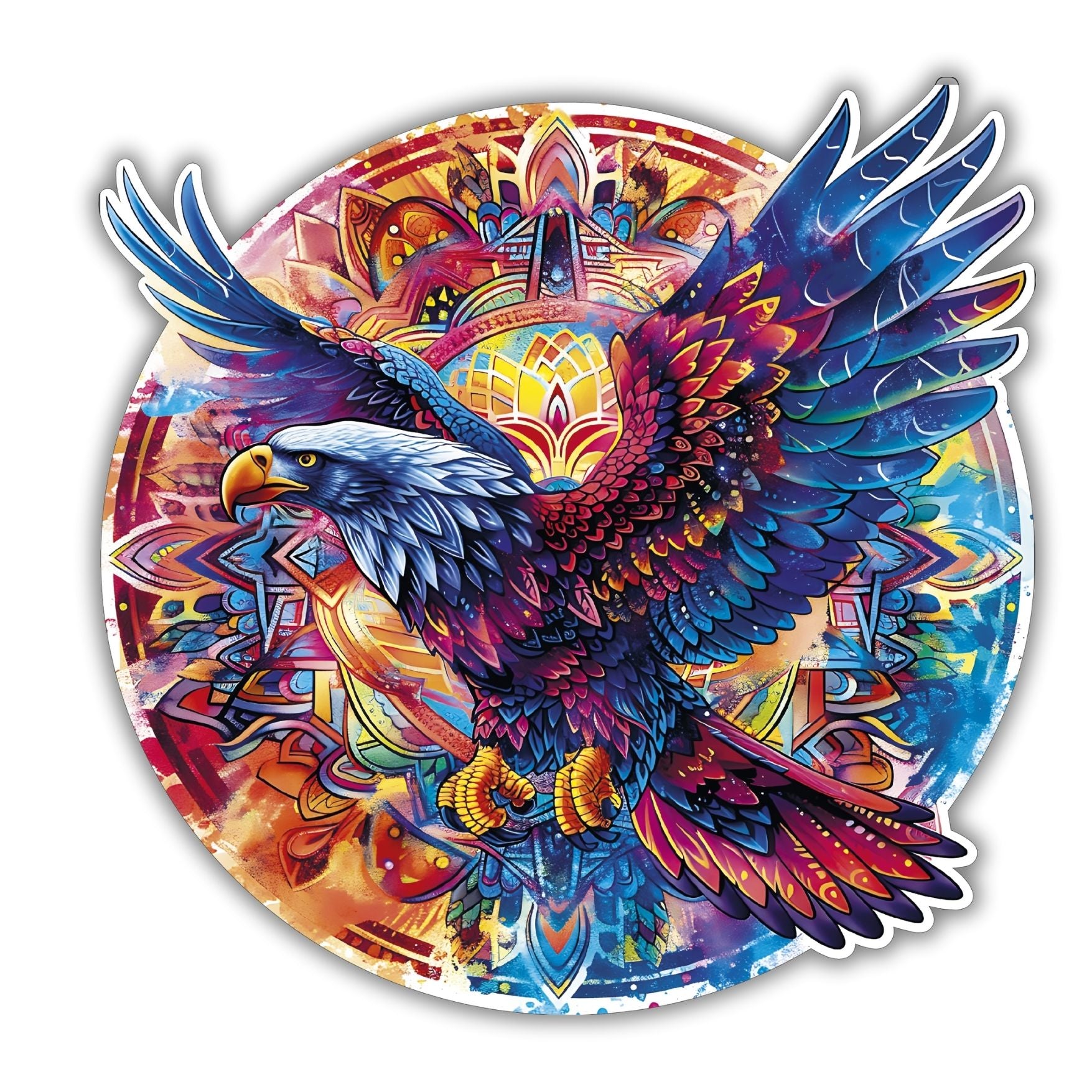
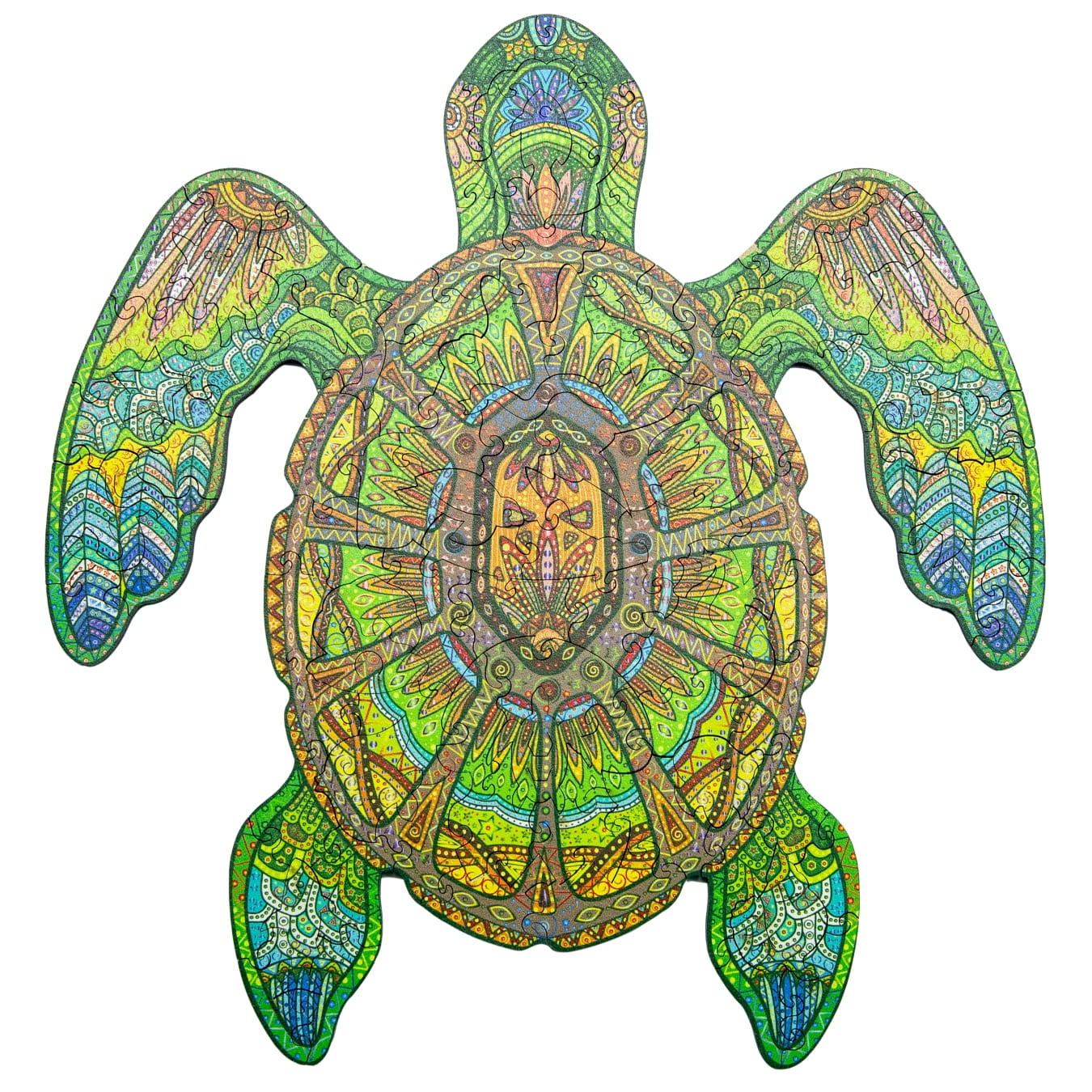
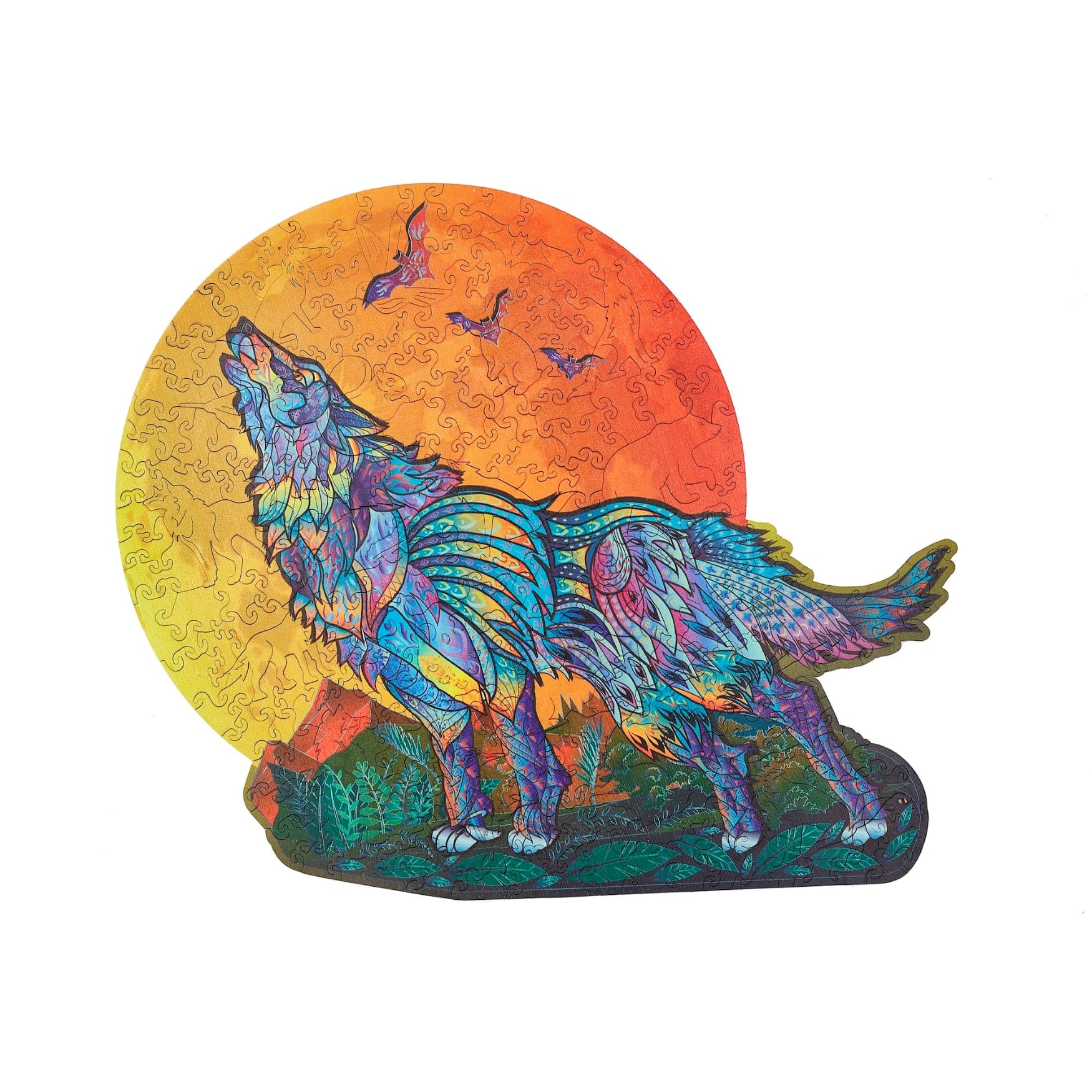
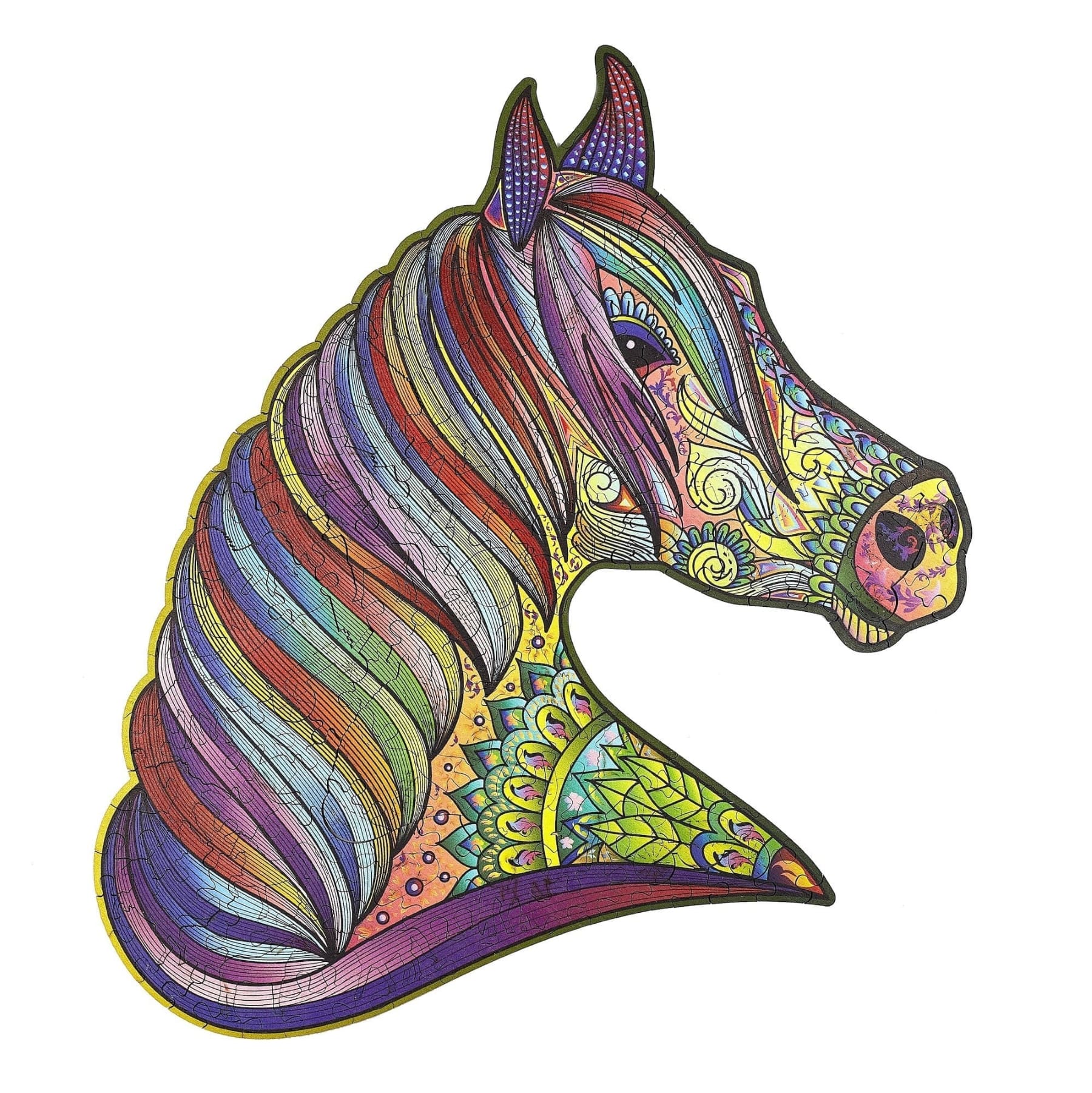
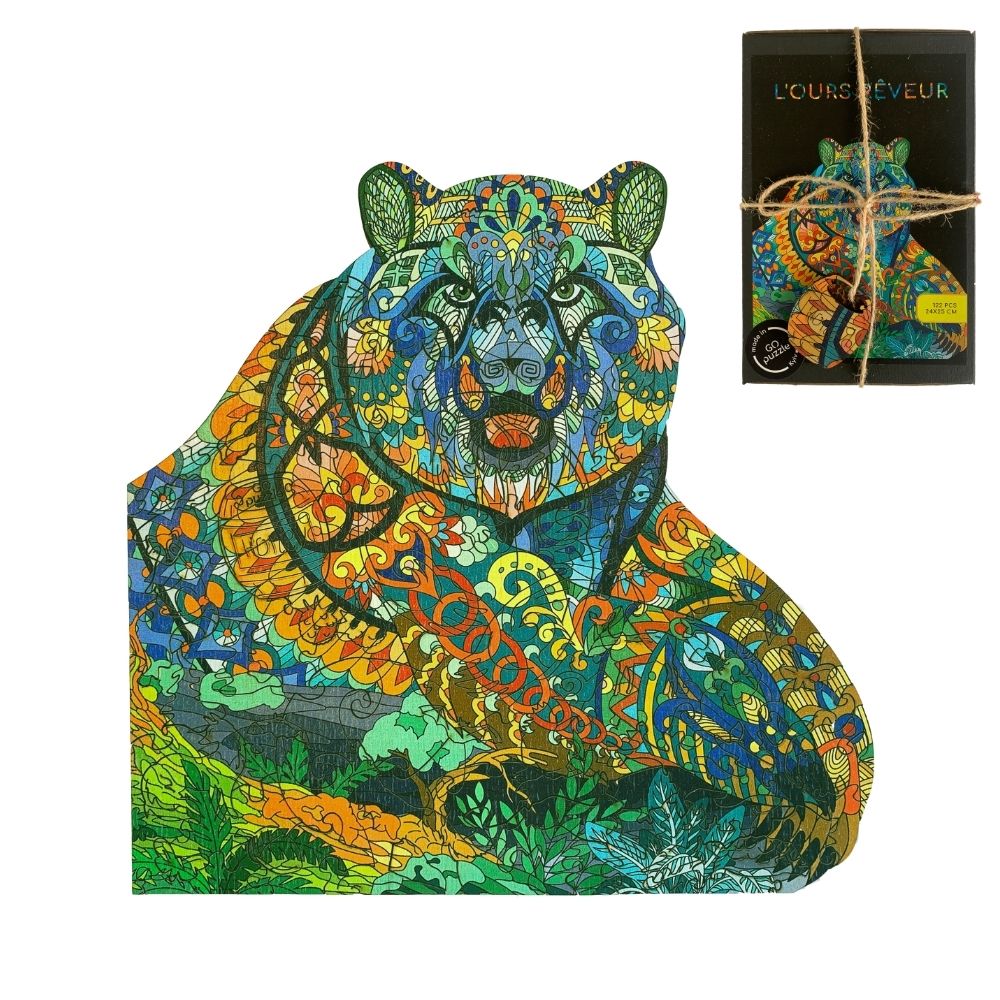
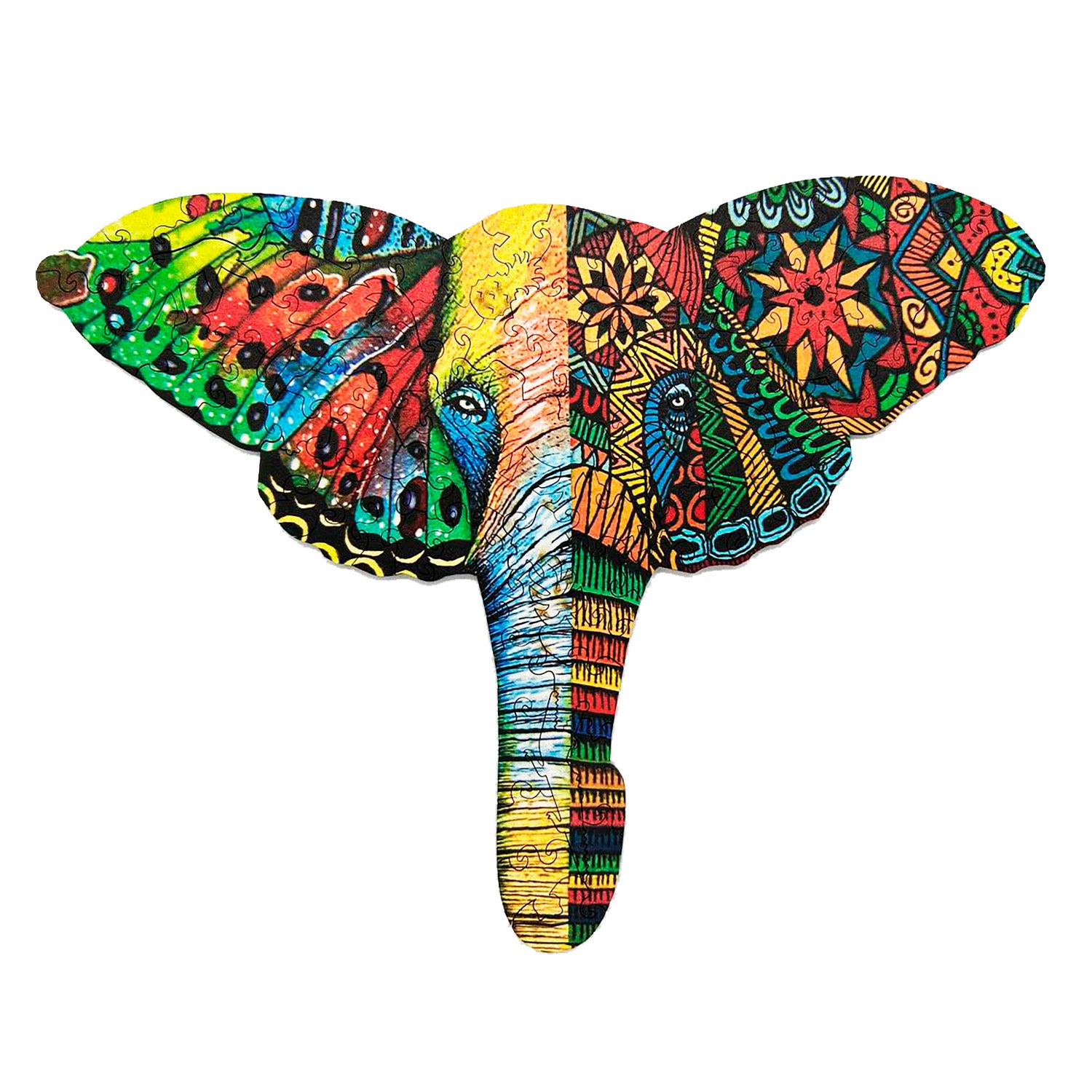
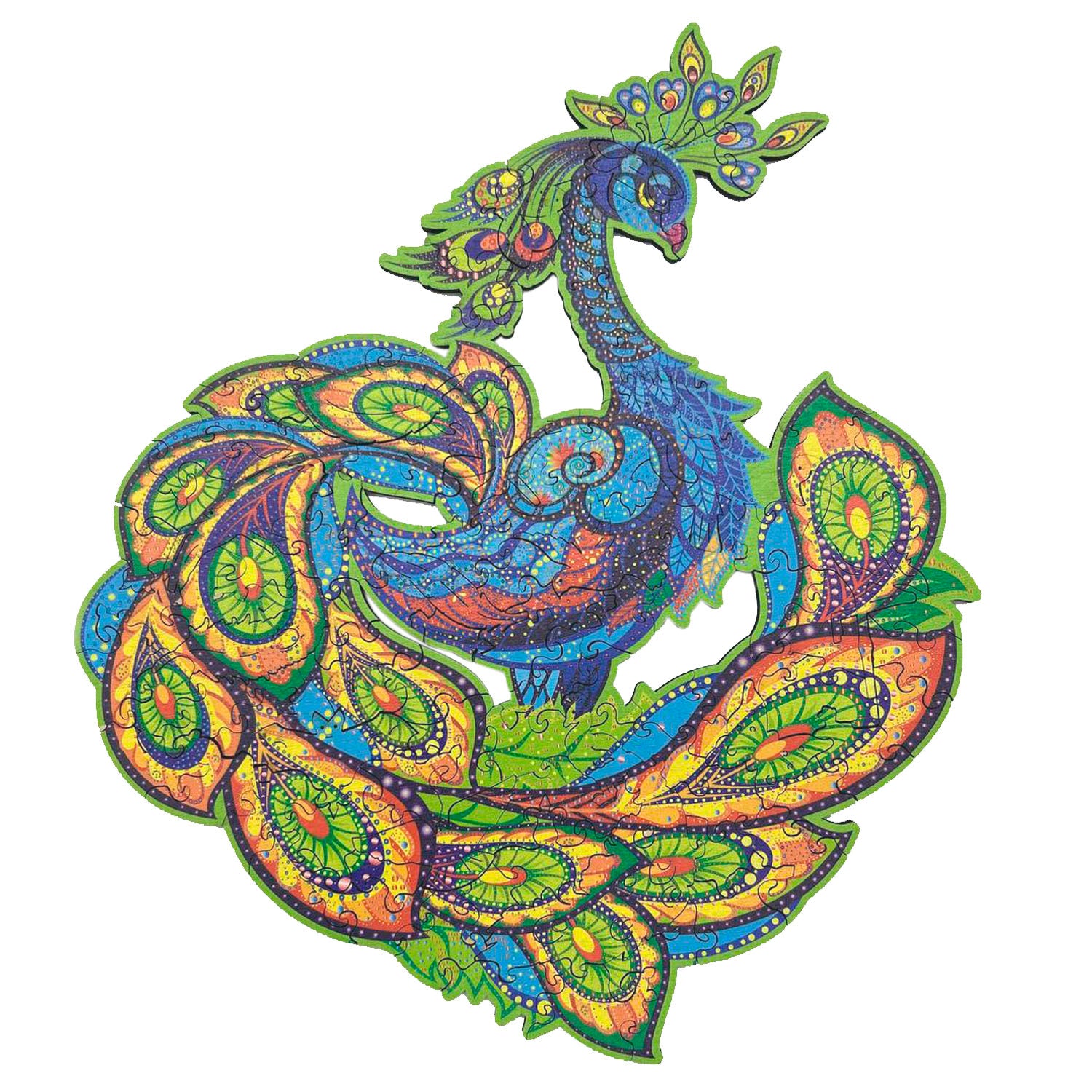
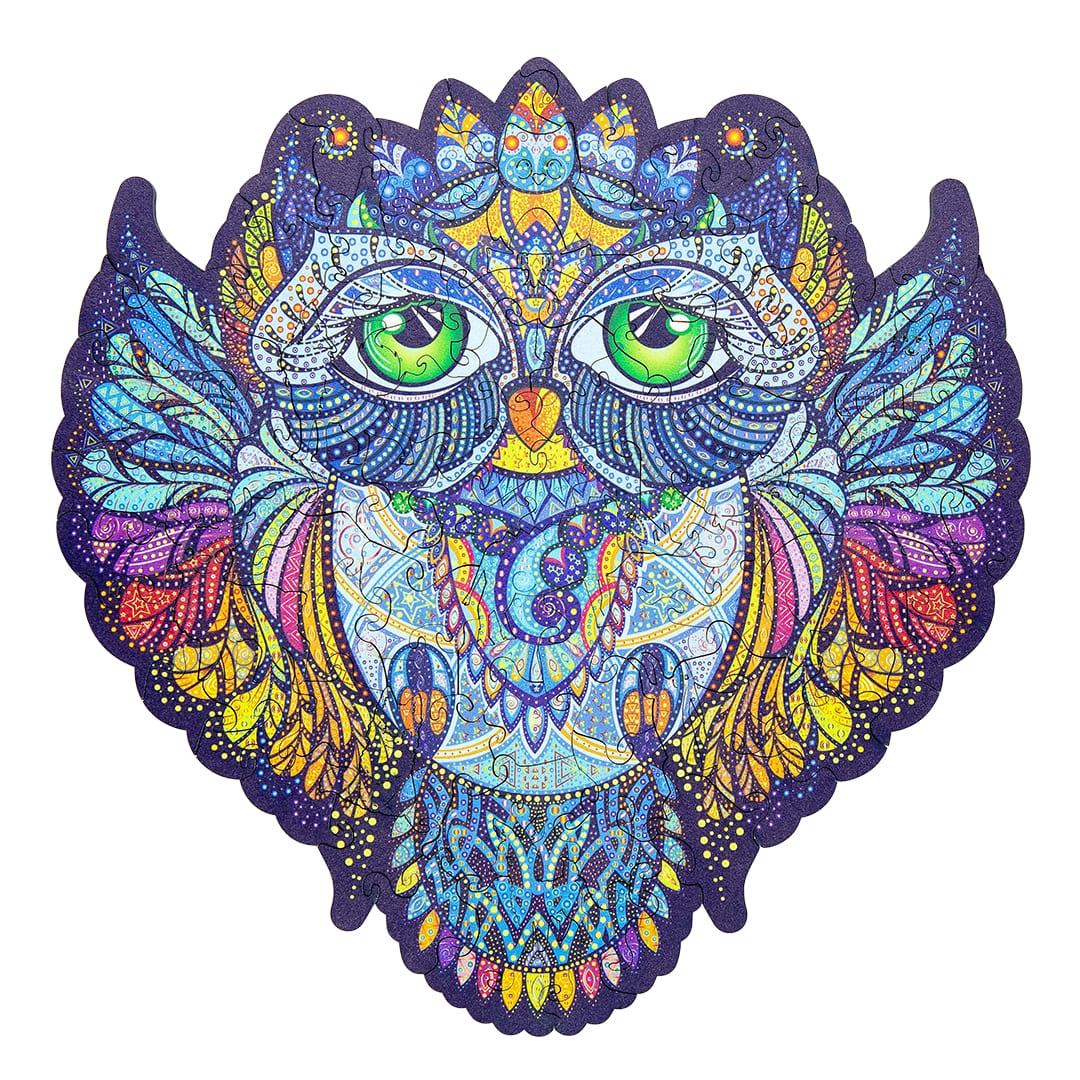
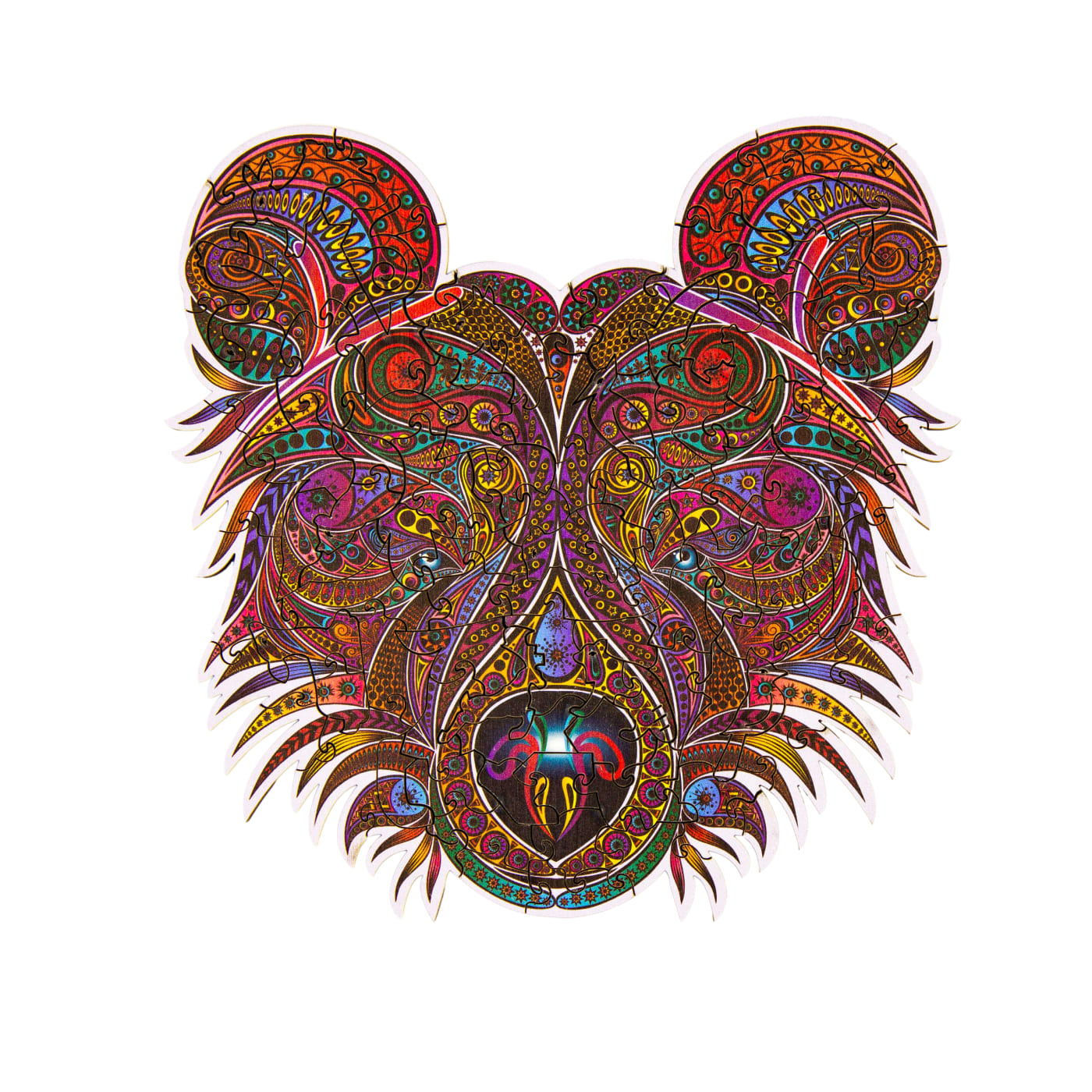
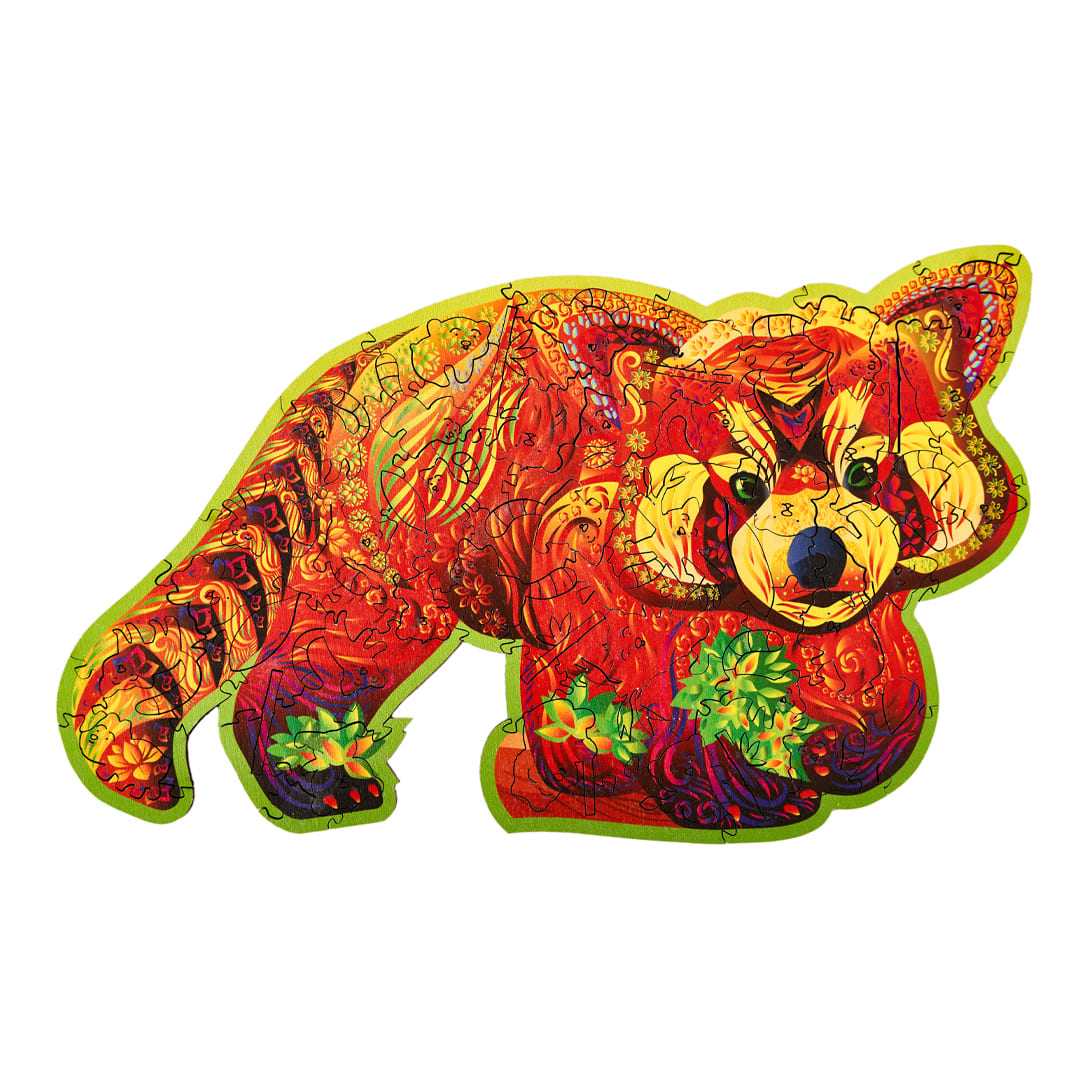
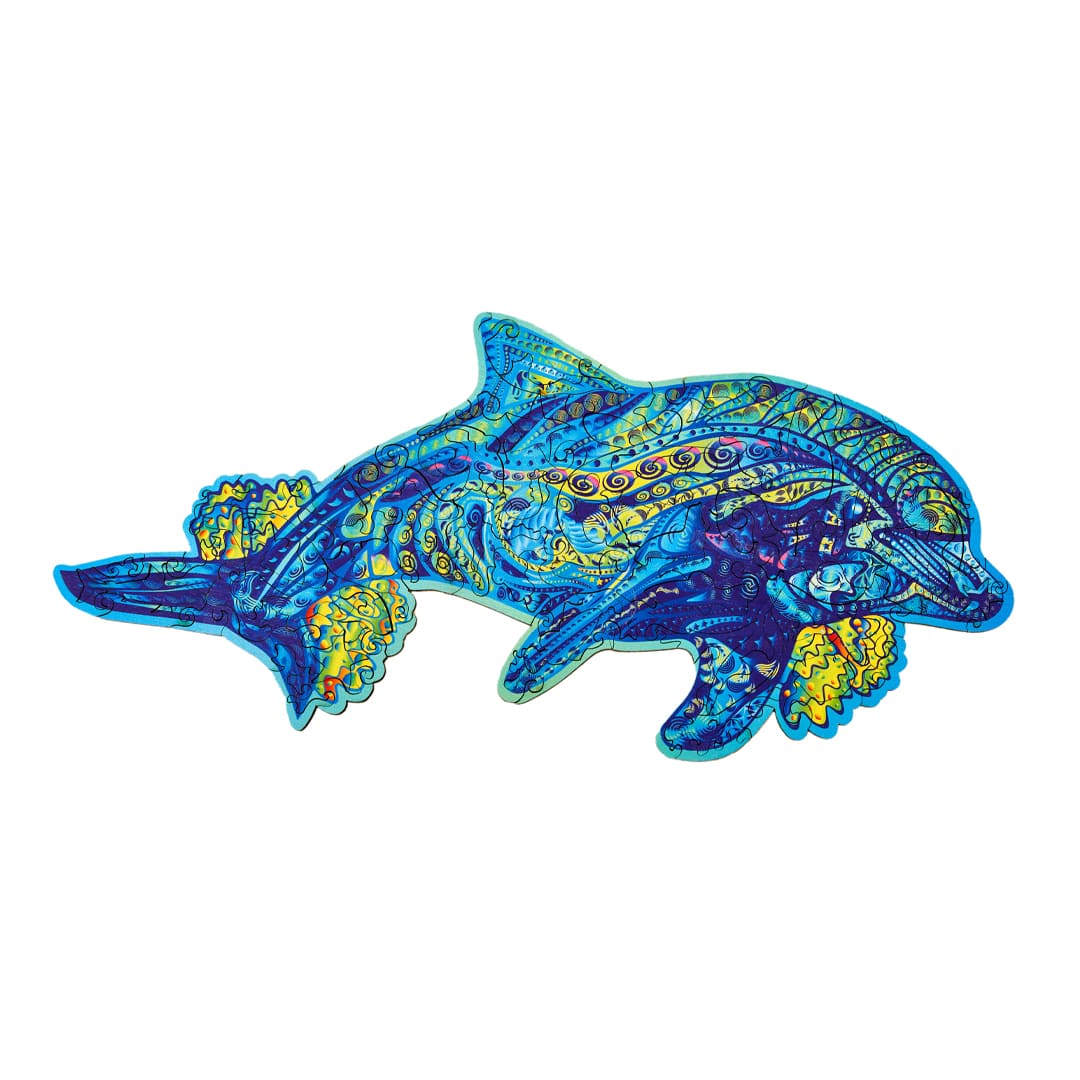
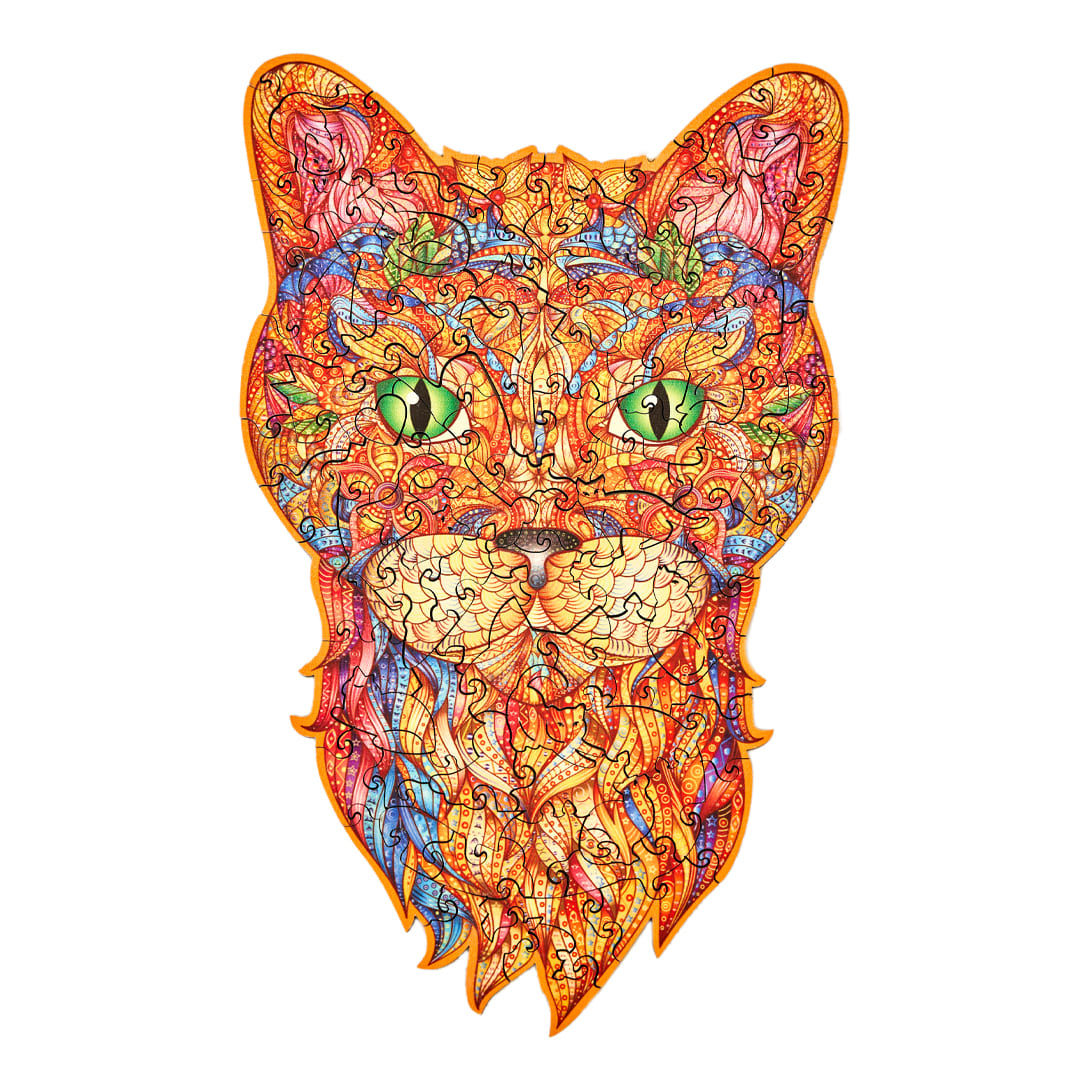
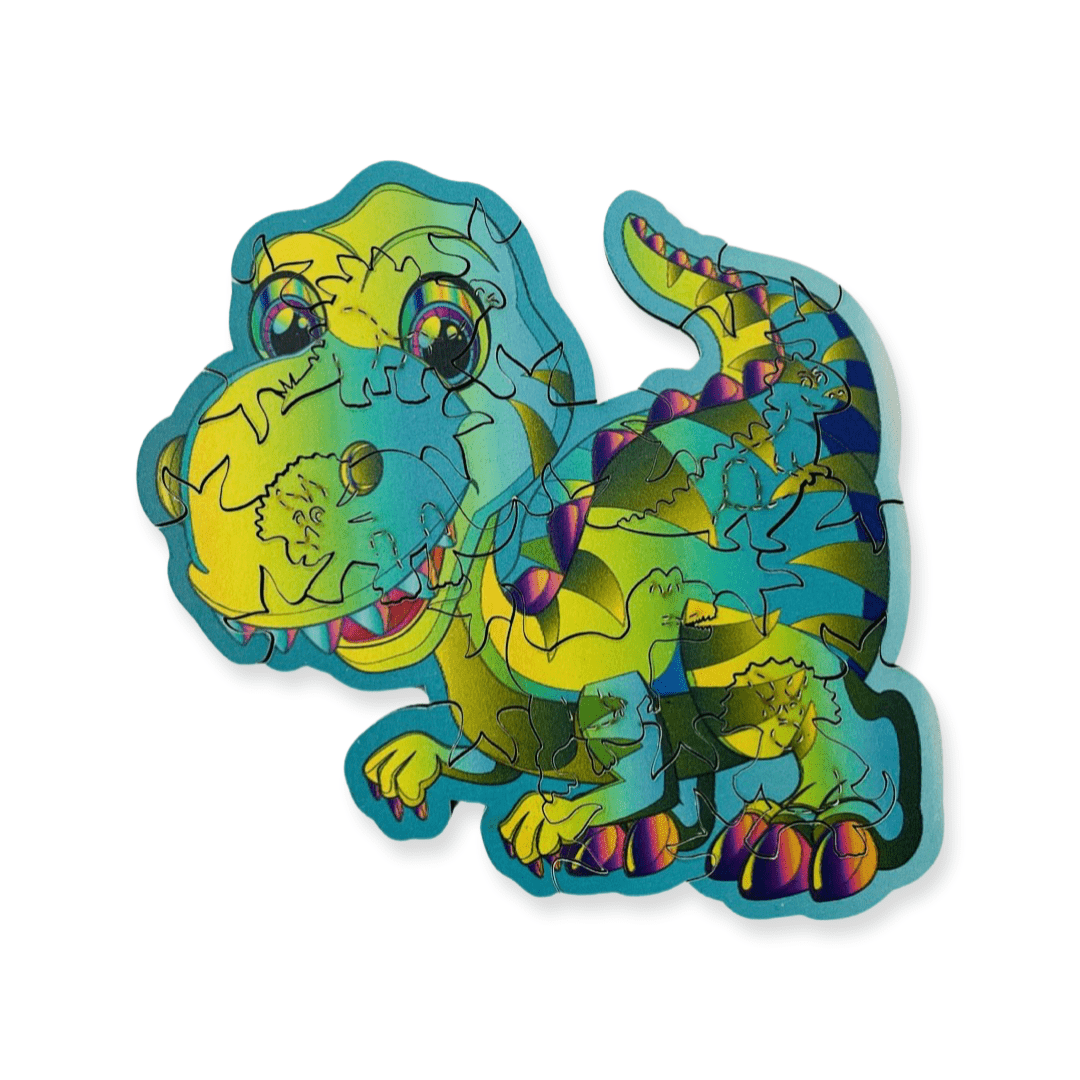
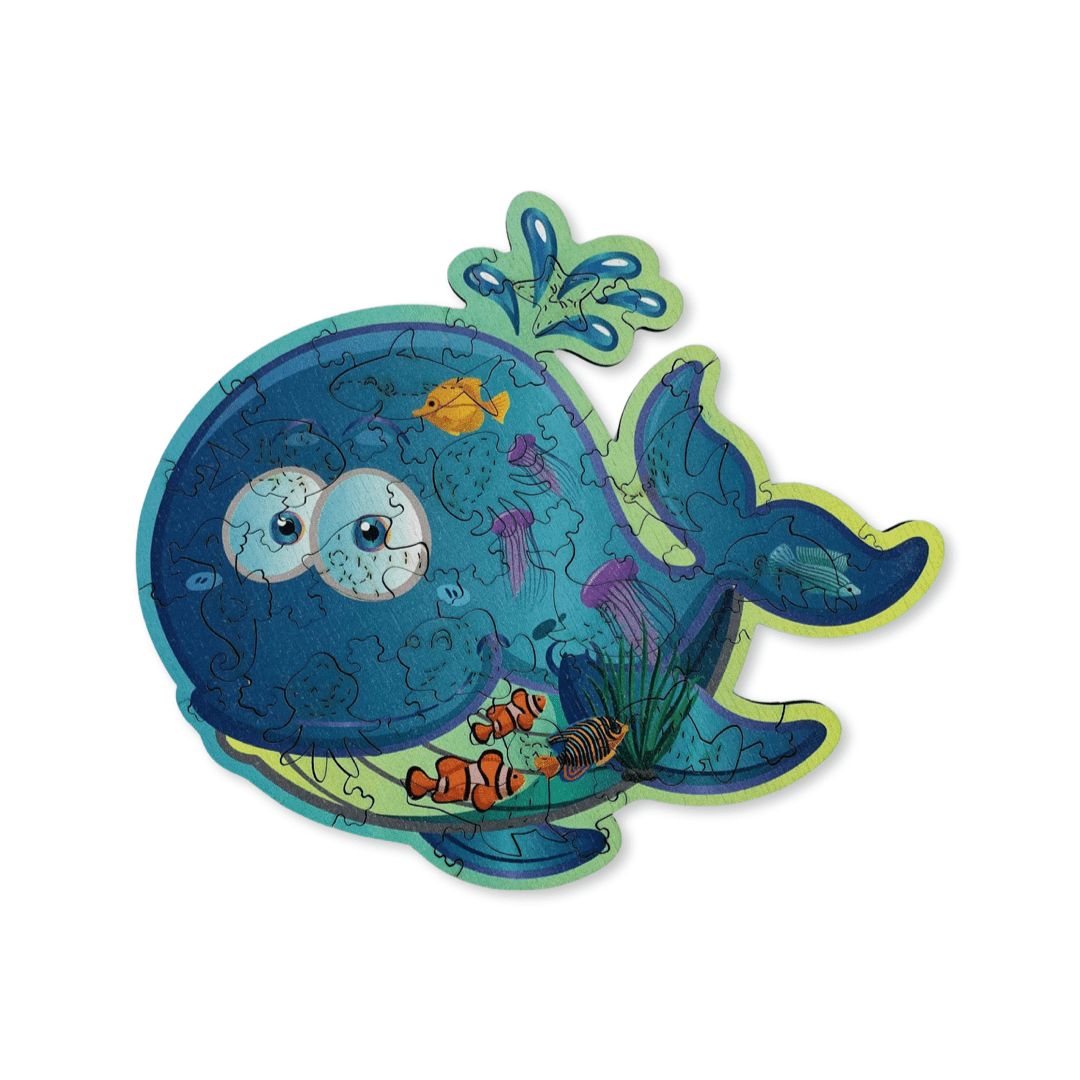
Most of our designs are cut so the completed puzzle takes the silhouette of the subject: a lion's head, a whale mid-dive, a wolf caught mid-howl. Others sit inside a disc with a decorative edge. Either way there is no rectangular frame, which removes the strategy most people rely on. You cannot build the border first because there is no border in the usual sense. What replaces it is working from the highest-contrast feature, usually an eye or a face, and building outward.
On piece counts, and why ours look low
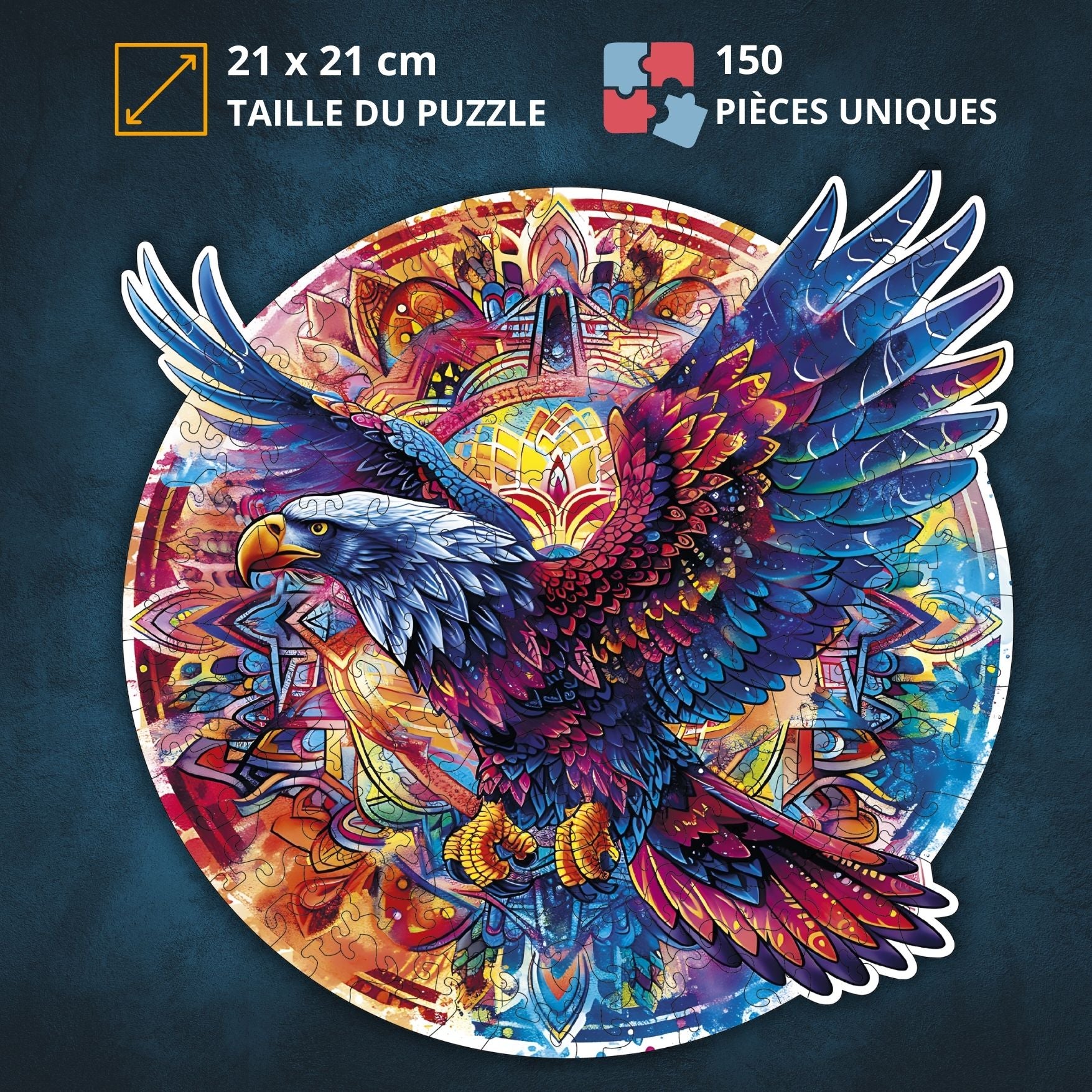
Our puzzles run from under 100 pieces to 250. If you are used to 1000-piece cardboard puzzles that number will look small, and it is worth explaining why it is not comparable. In a rectangular cardboard puzzle every piece is roughly the same size and shape, and the difficulty scales almost linearly with the count. Here it does not. Piece shapes vary, so shape recognition stops helping. Ornamental patterning repeats across large areas, so colour sorting helps less. Figural pieces do not interlock in the usual way and are held in place by their neighbours.
A 250-piece wooden puzzle of this kind occupies an evening or two, not twenty minutes. If you specifically want a long single sitting, our 200-plus range is the place to start.
Where they end up
Many of these never go back in the box. The finished silhouette works as wall decor without a frame, and the irregular outline is the point rather than a problem.
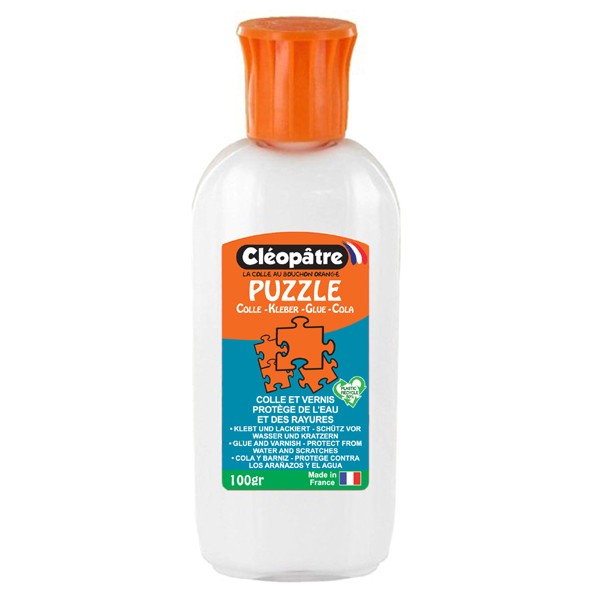
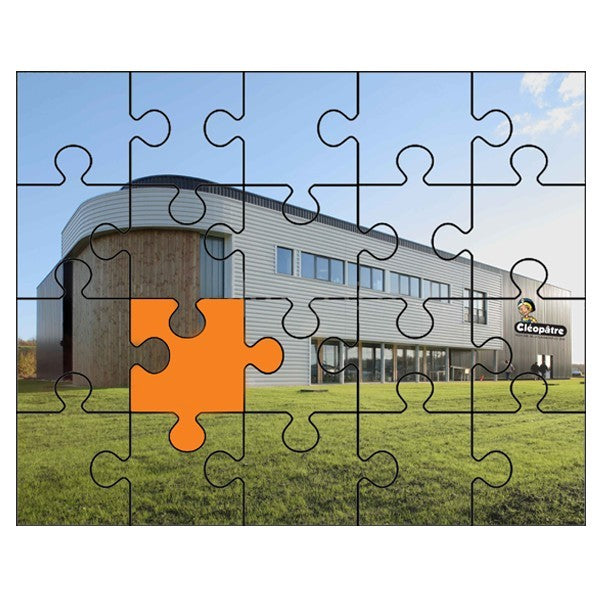
If you want to keep one assembled, use a glue made for puzzles rather than a general craft adhesive. Puzzle glue is formulated to run into the joints between the pieces and dry as a thin clear film – we stock one, the Cléo'Puzzle glue-varnish, rated by its maker for cardboard, wood and MDF. Apply it thinly and let each coat dry rather than flooding the board. And if you would rather keep the front matt, or rebuild the puzzle one day, dry adhesive film on the back still does the job.
Choosing between the ranges
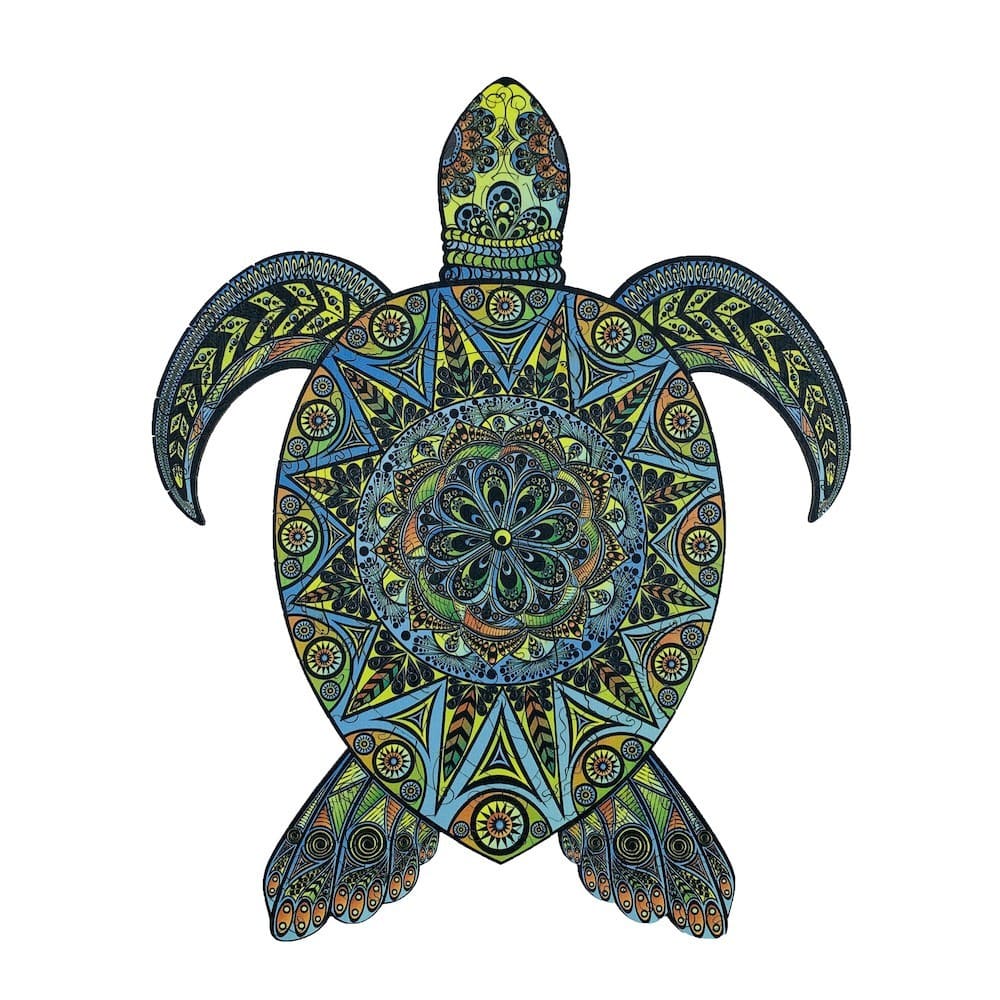
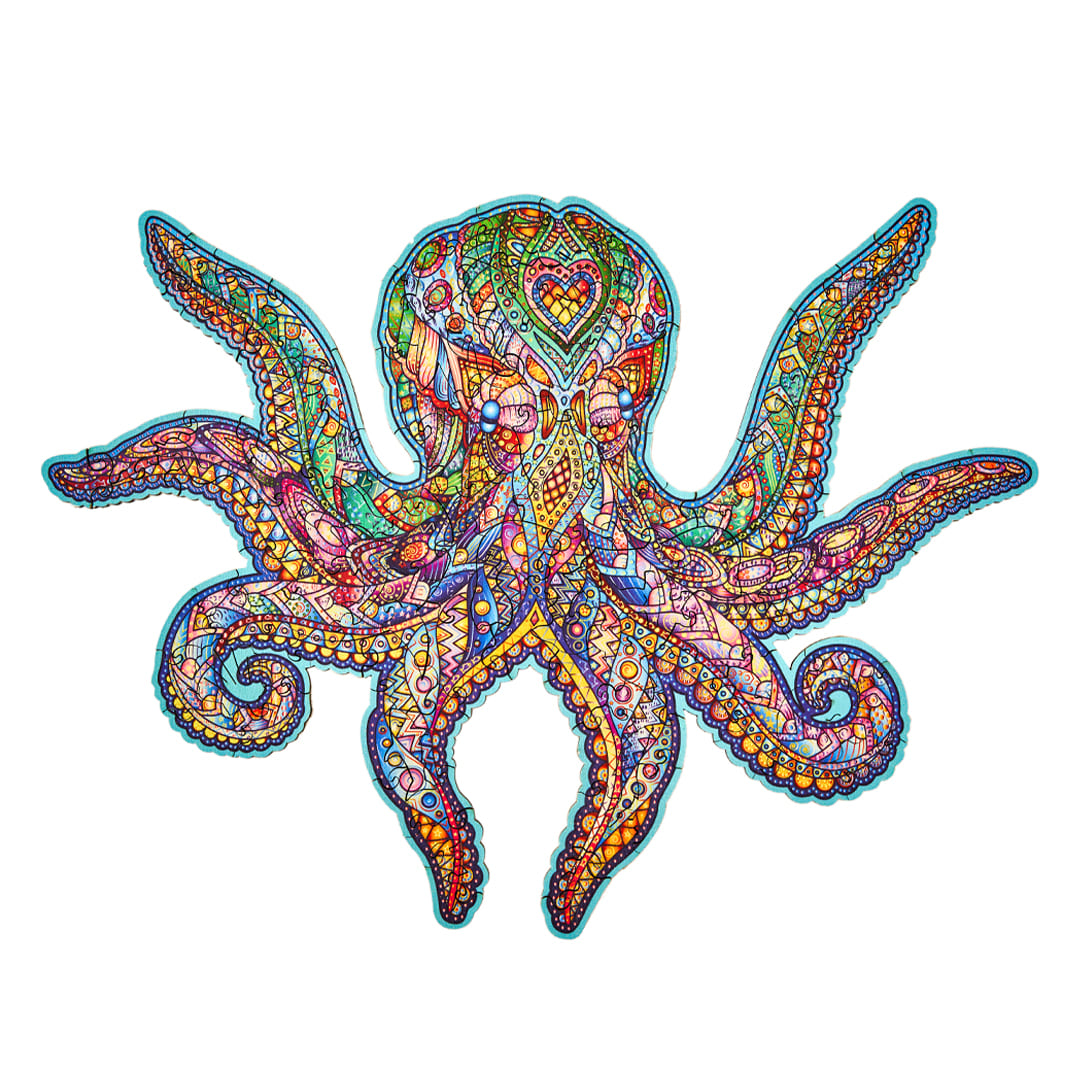
Two visual families sit in this collection. The silhouette designs are flat ornament with hard colour boundaries and an outline you can read across a room. The round designs are painted scenes with depth and soft light, where the animal sits in a landscape. Both carry figural pieces and both are birch plywood, laser-cut in Europe. Beyond that, the useful filters are subject and piece count: browse the animal designs, or go straight to under 100, 100–199 or 200+ pieces.
A note for people who came looking for a casse-tête
These are jigsaws rather than mechanical puzzles. There is no sequence to solve, no interlocking wooden burr to take apart, and no single trick that releases the whole thing. The challenge is spatial and visual, and it is closer to a long absorbing task than to a problem with an answer.