







Animal Wooden Puzzles
Filters
68 products
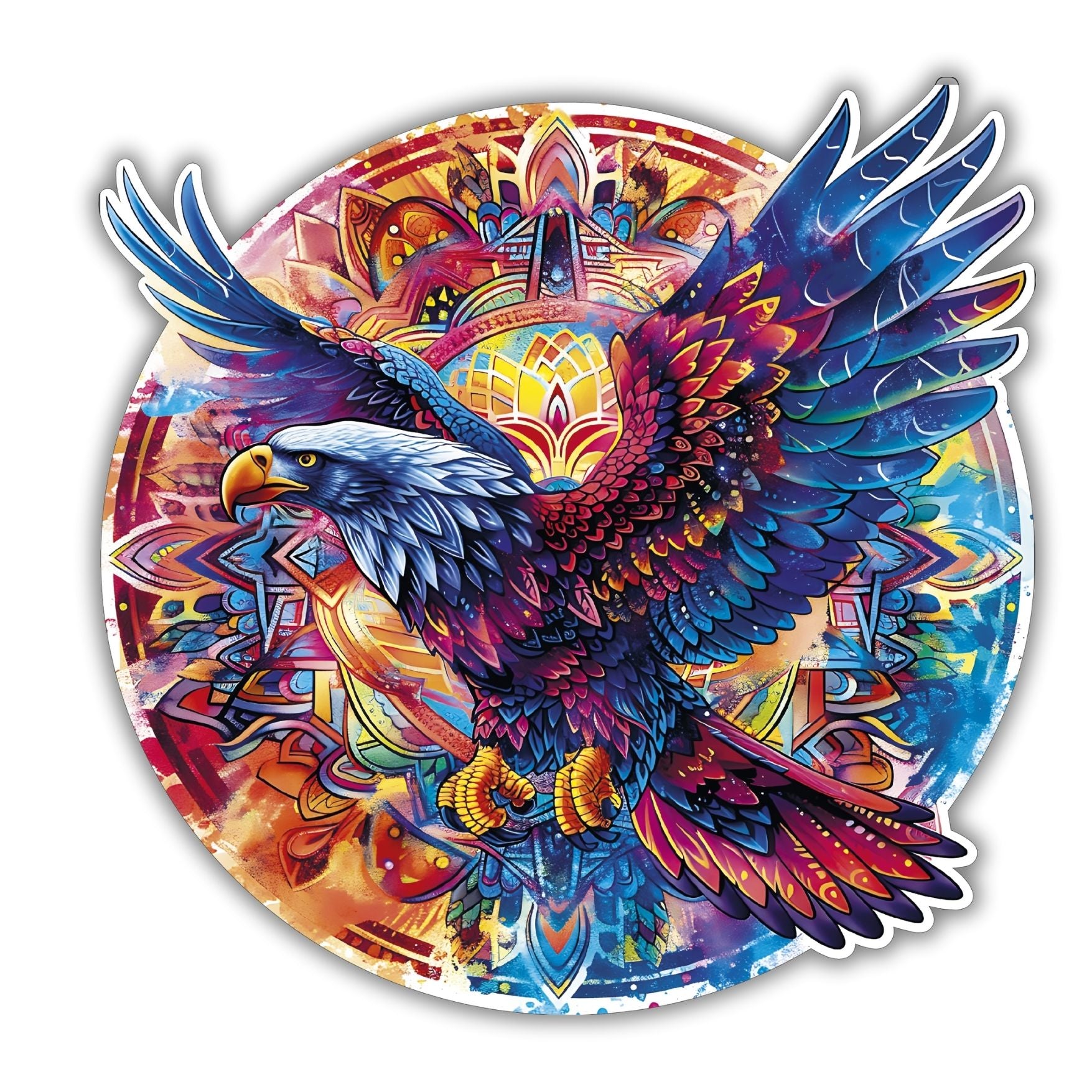
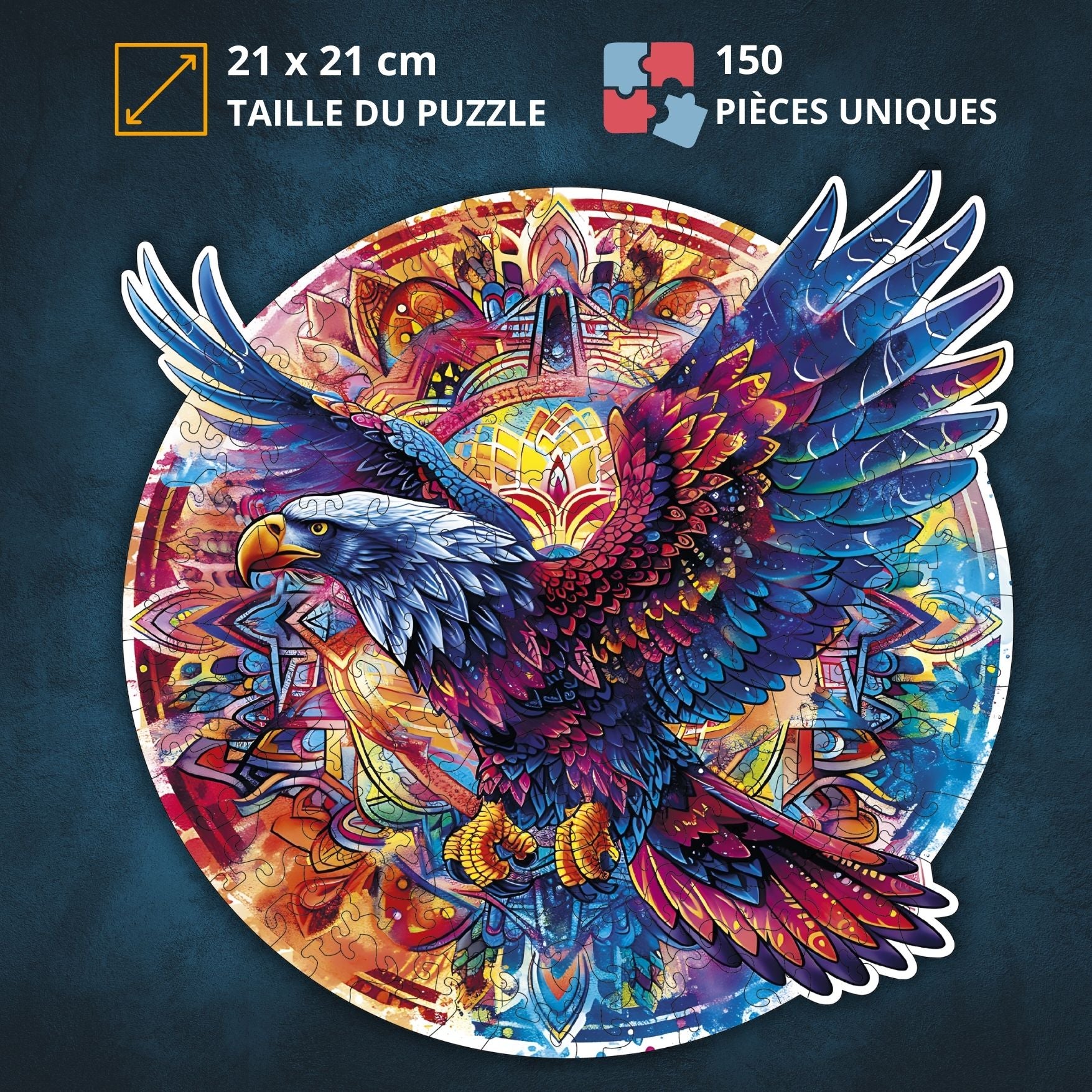
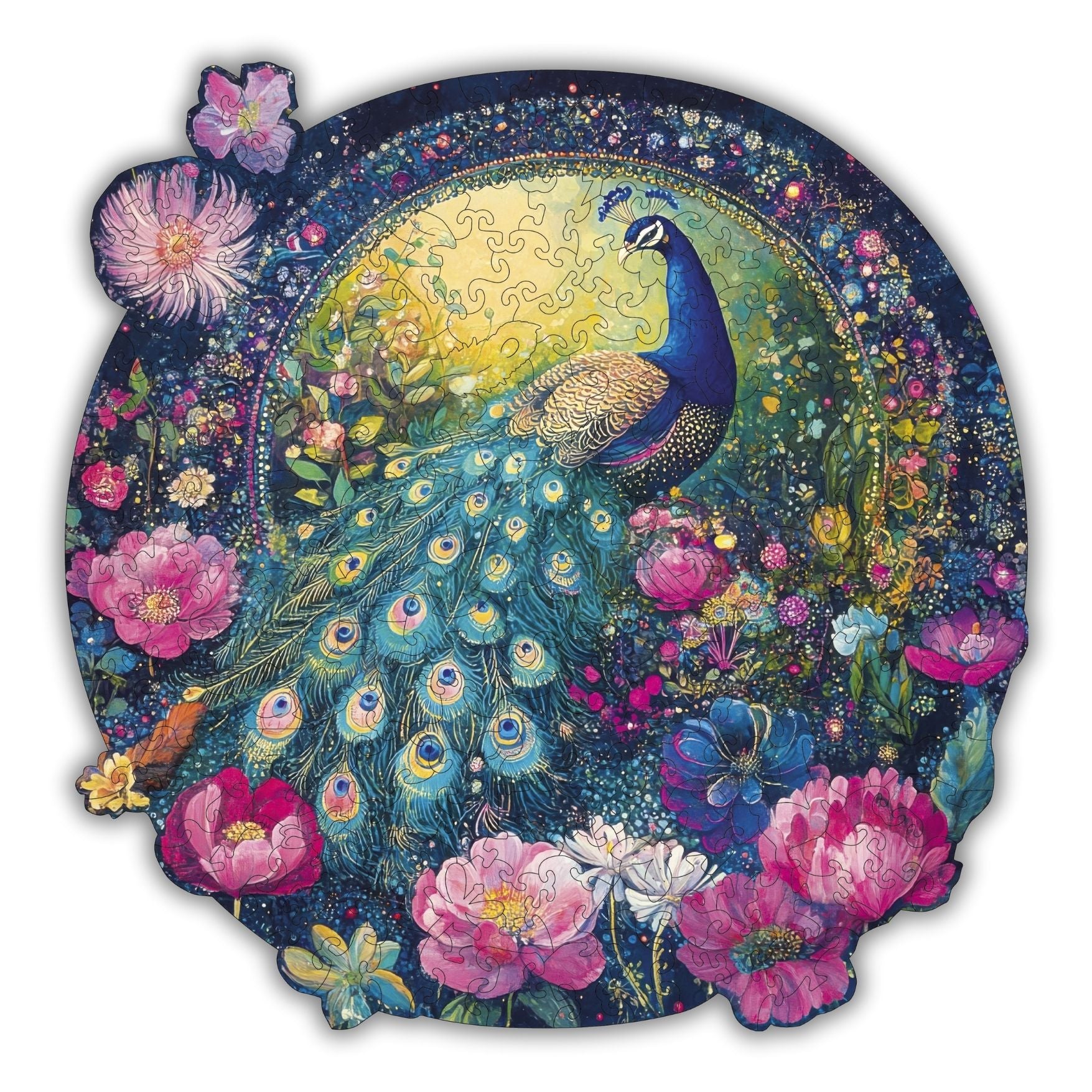
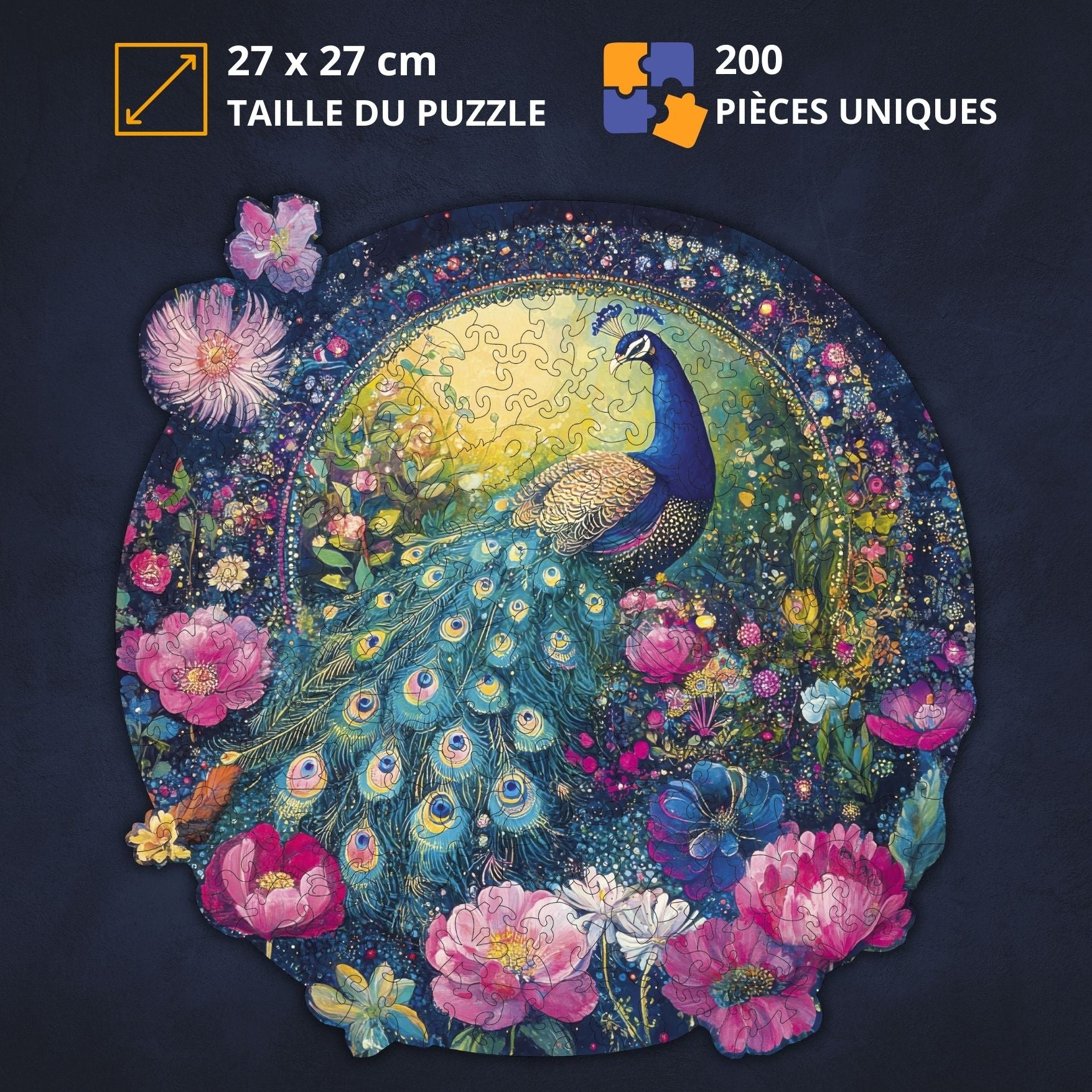
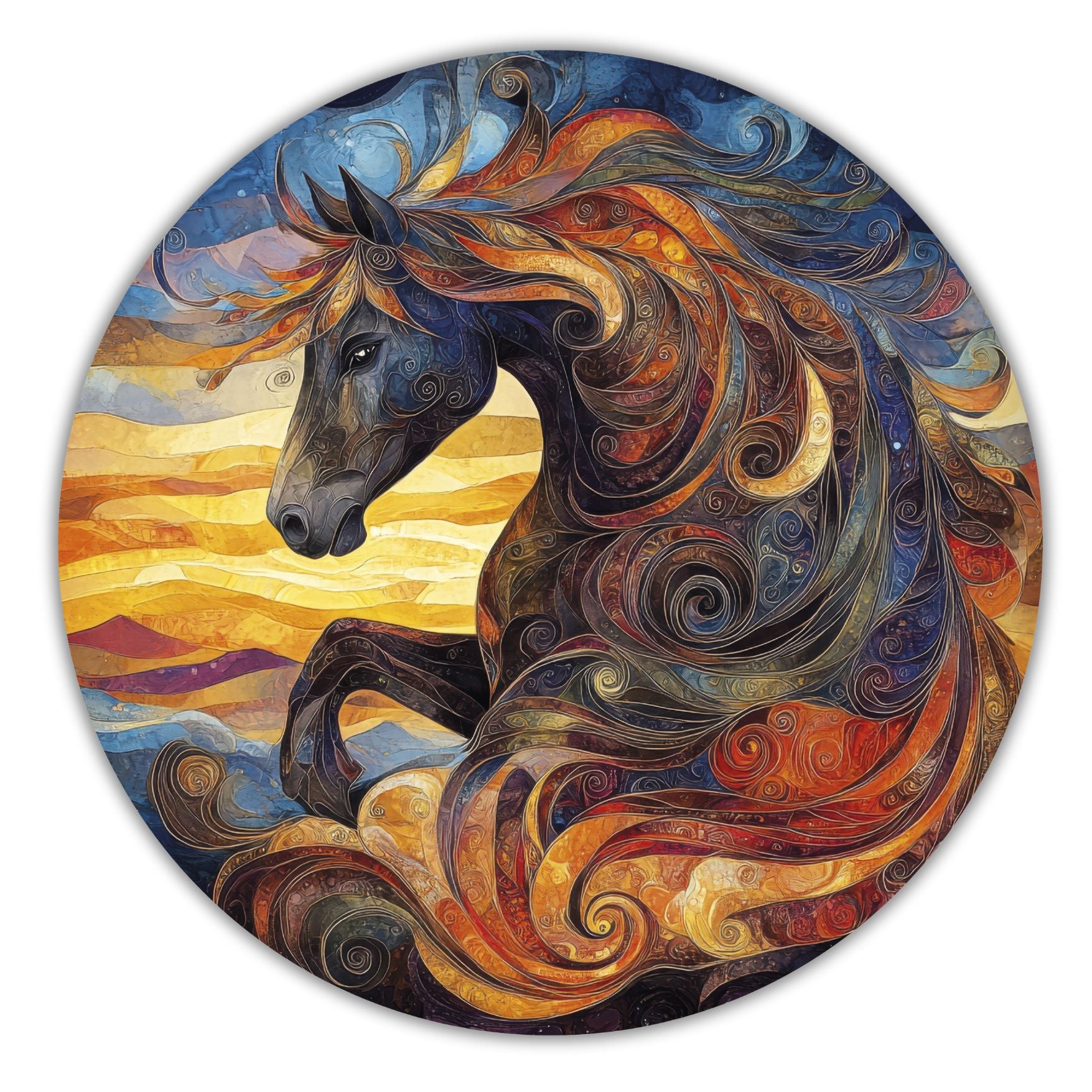
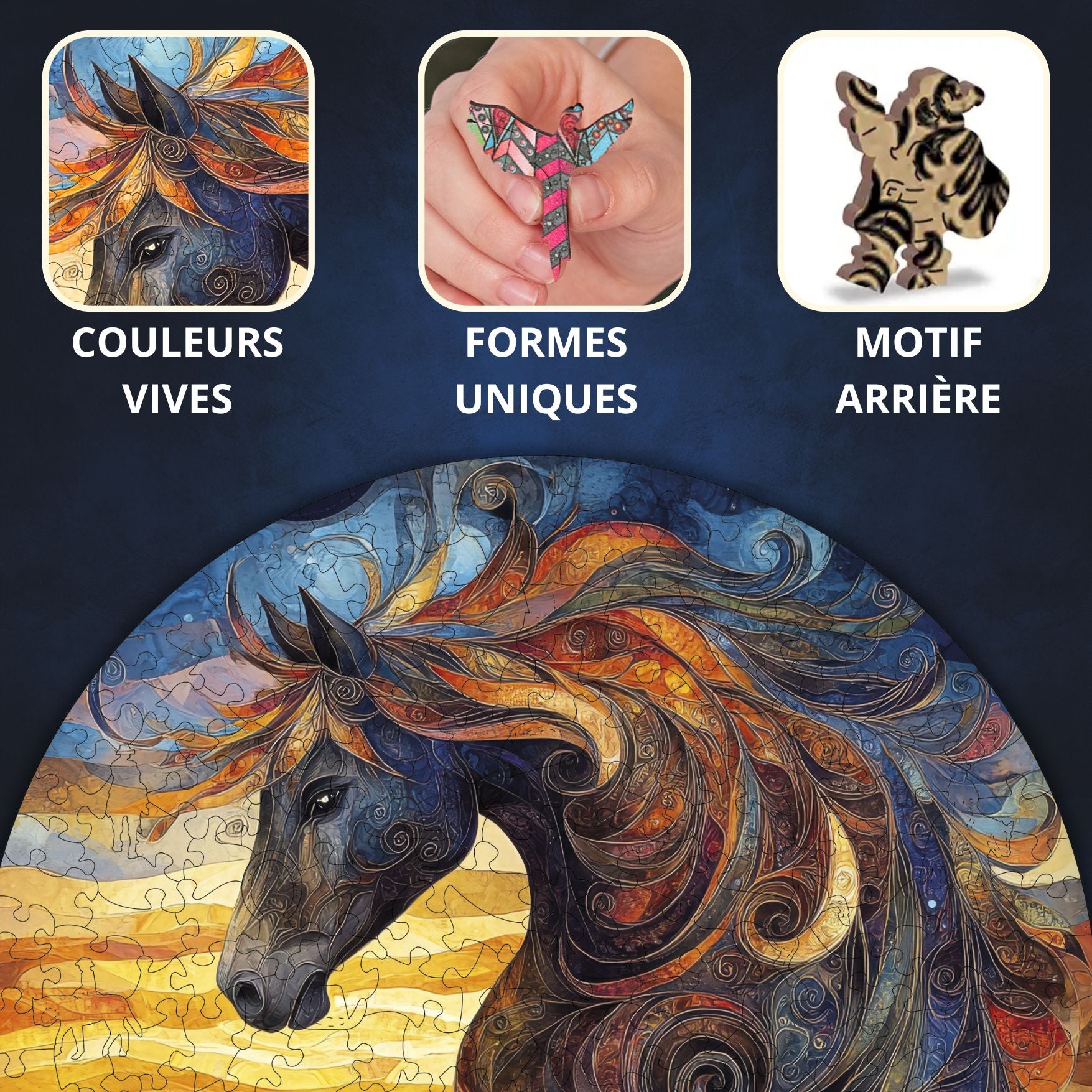
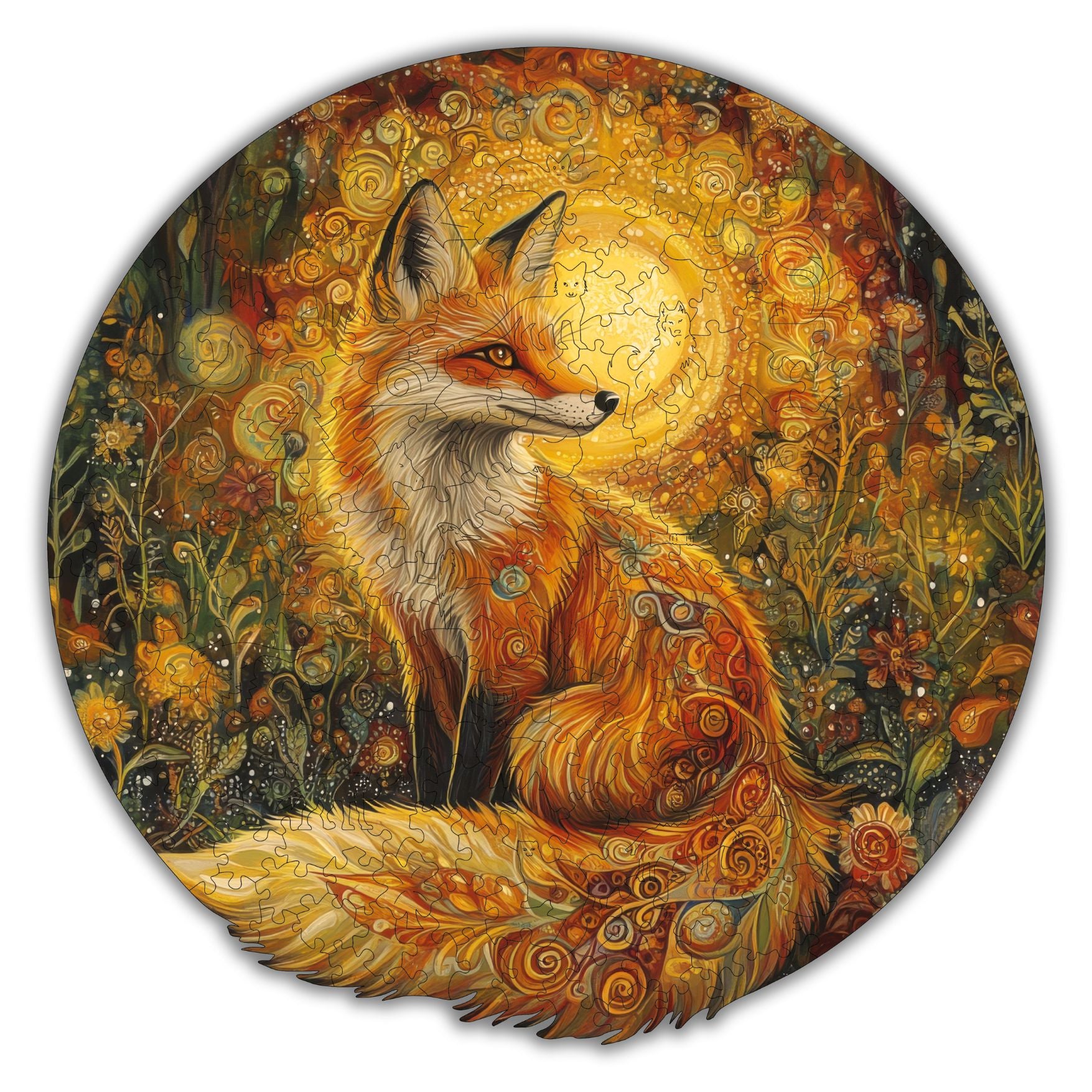
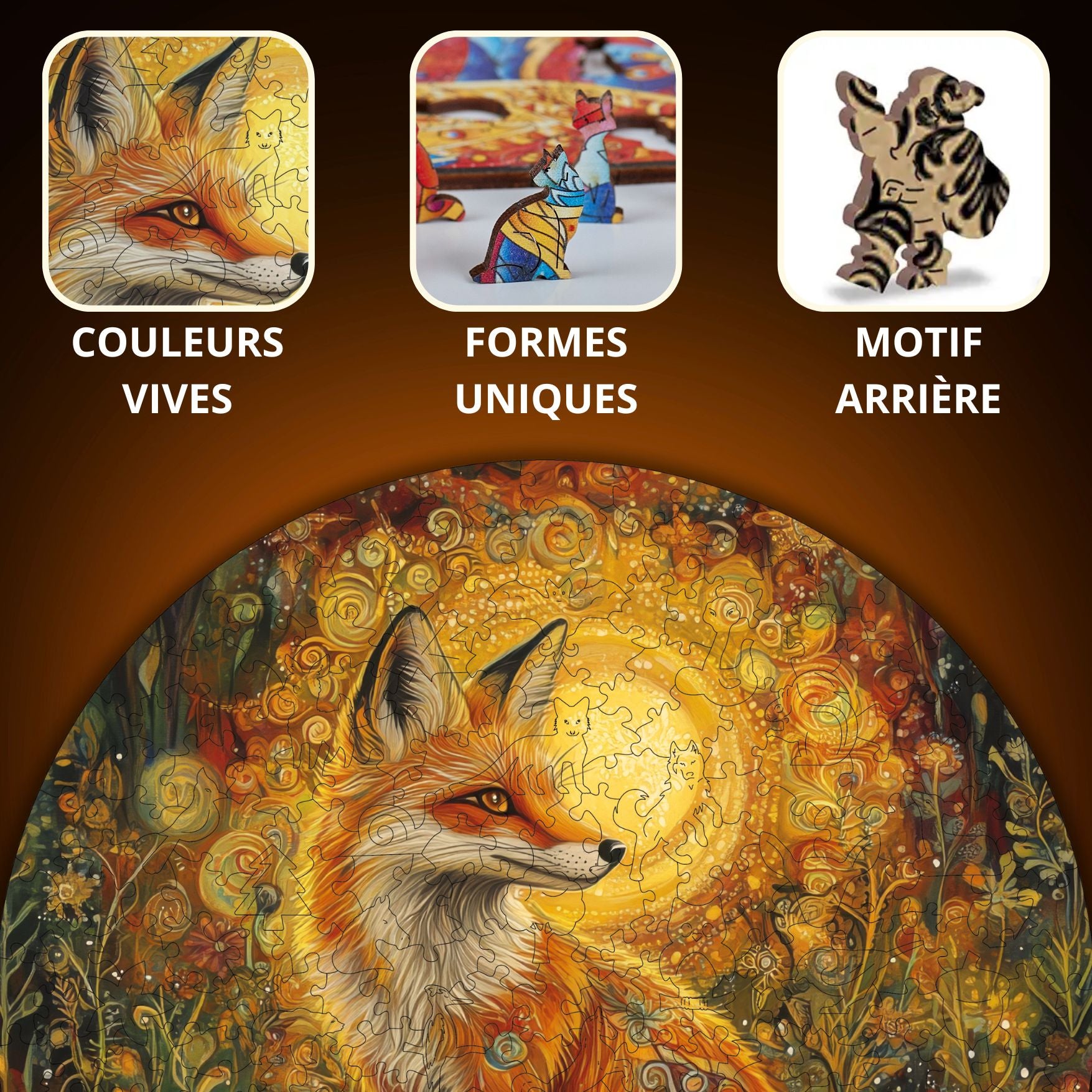
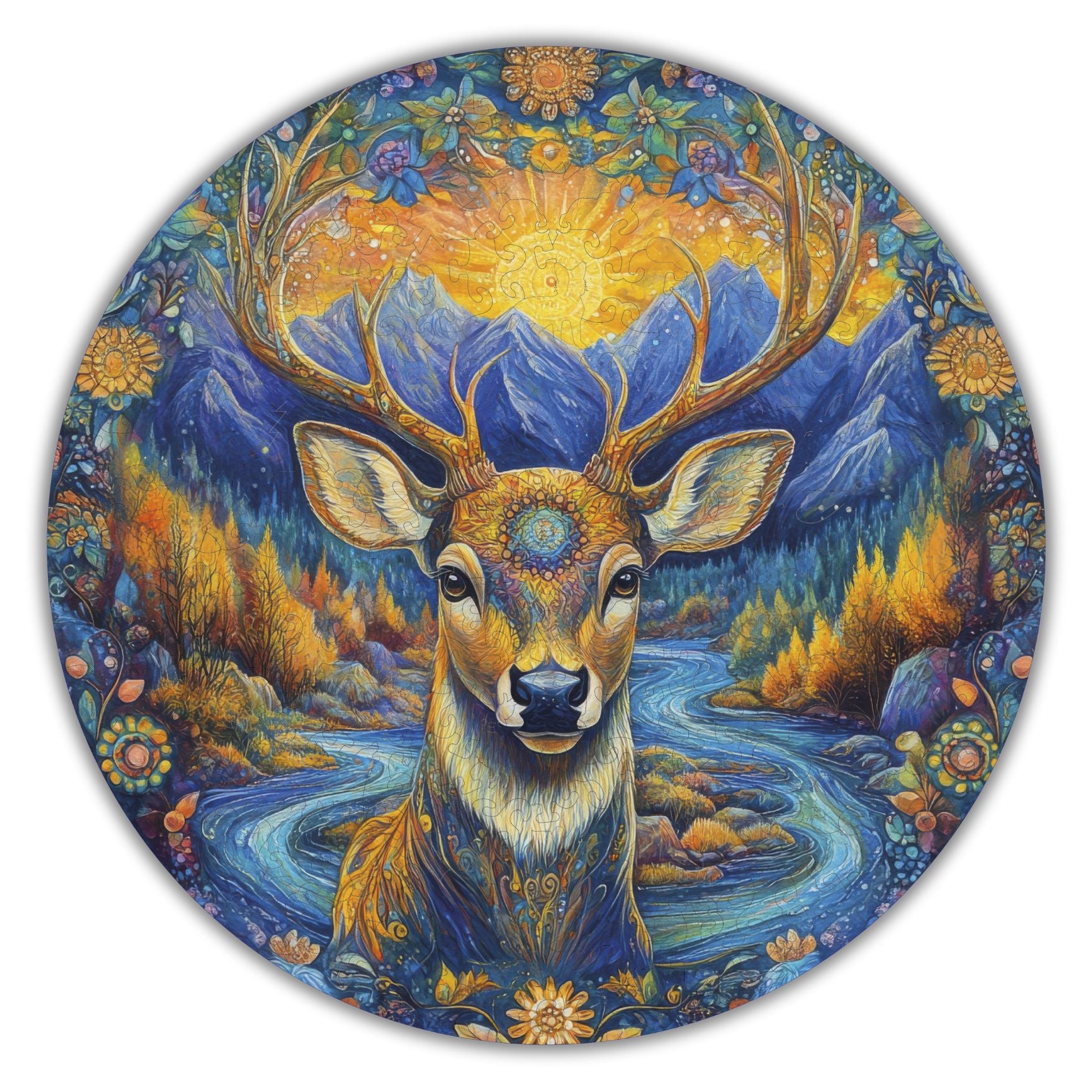
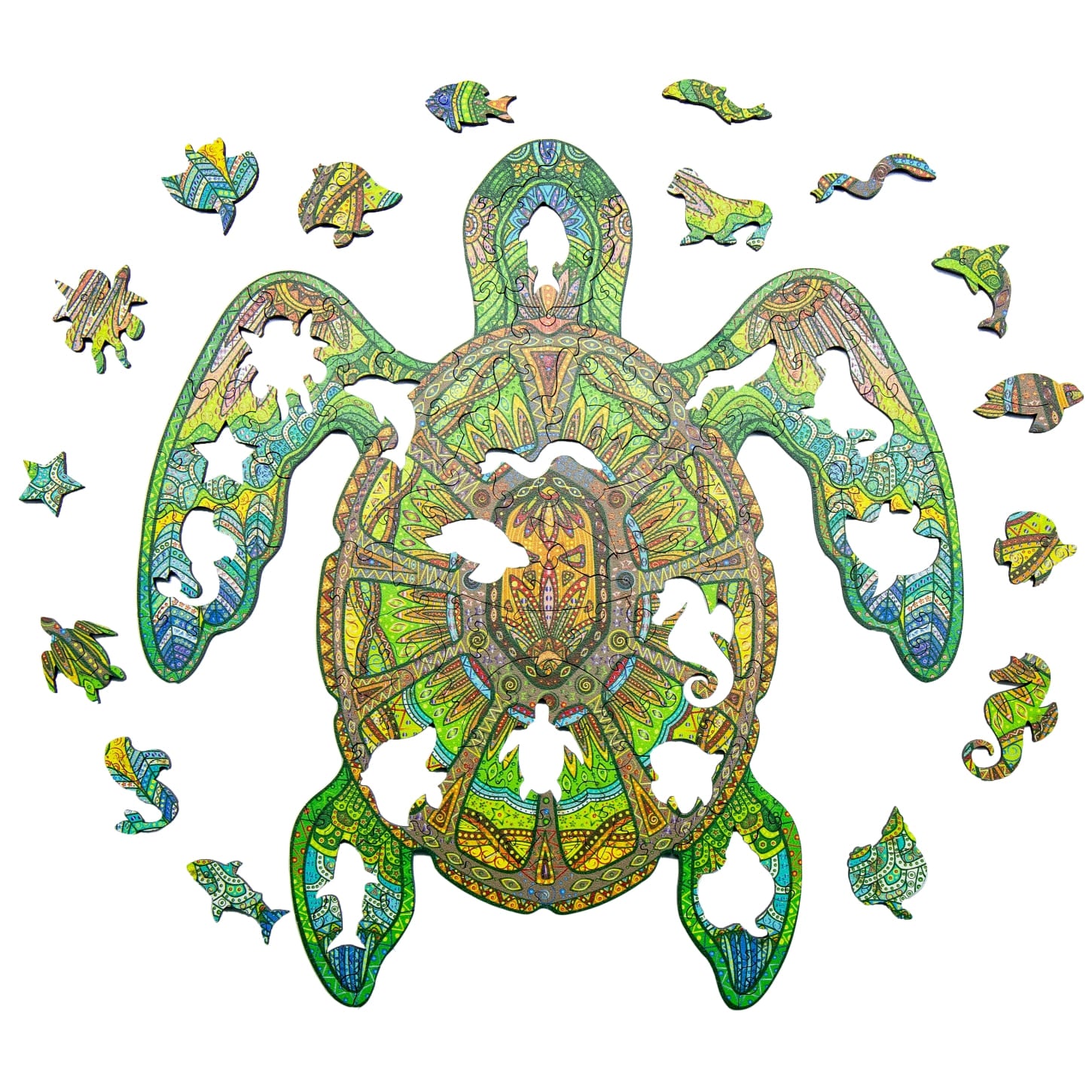
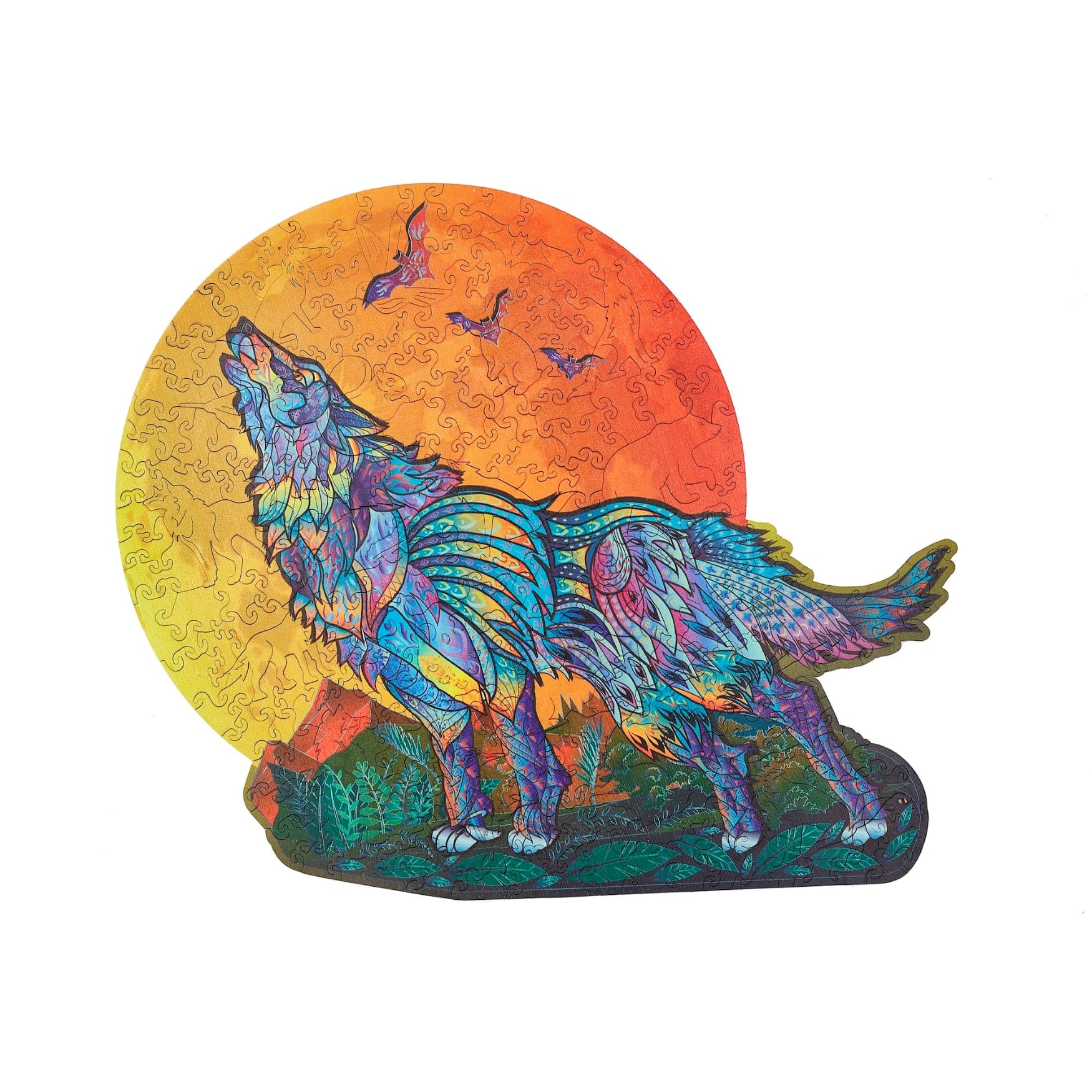
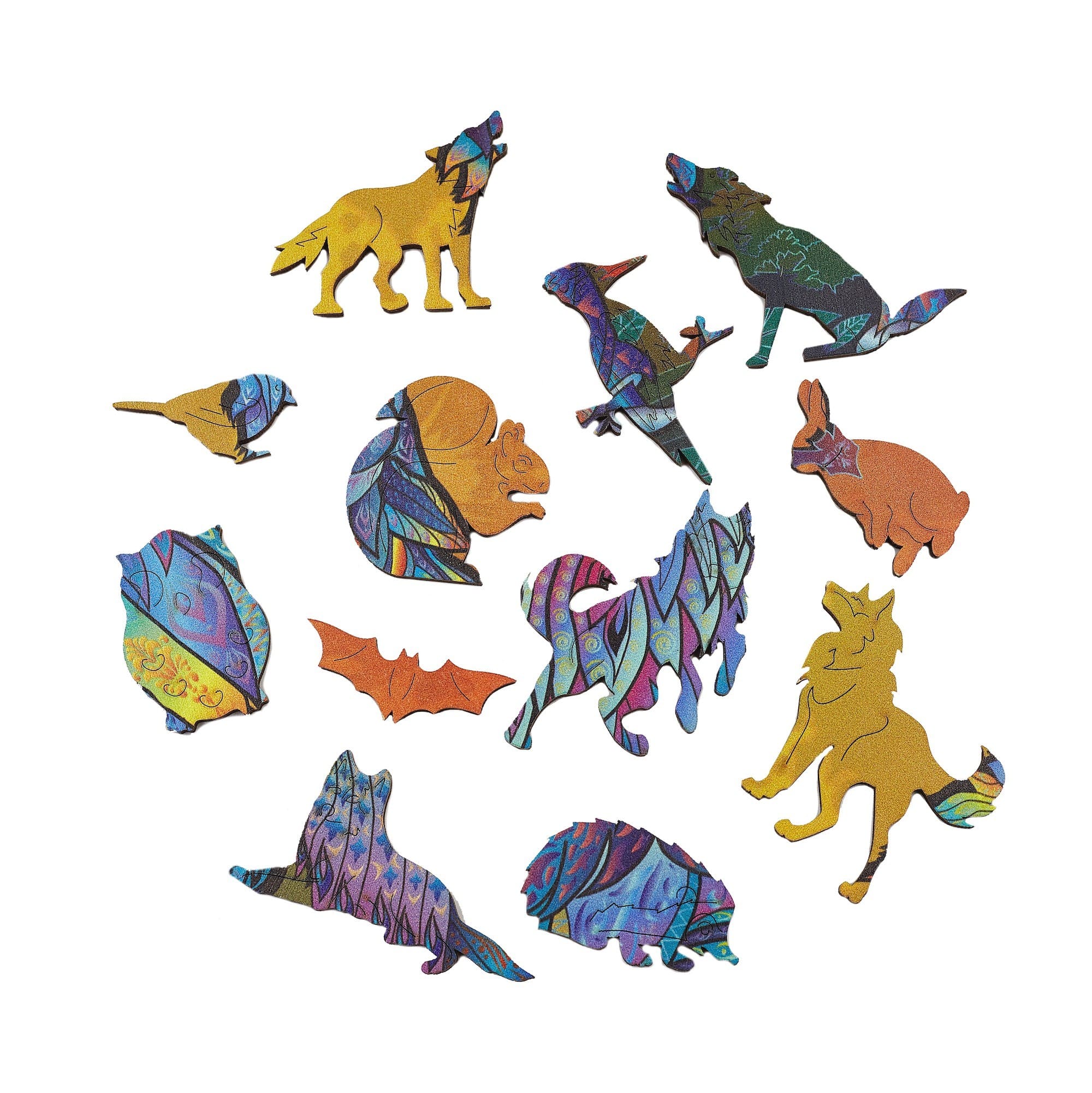
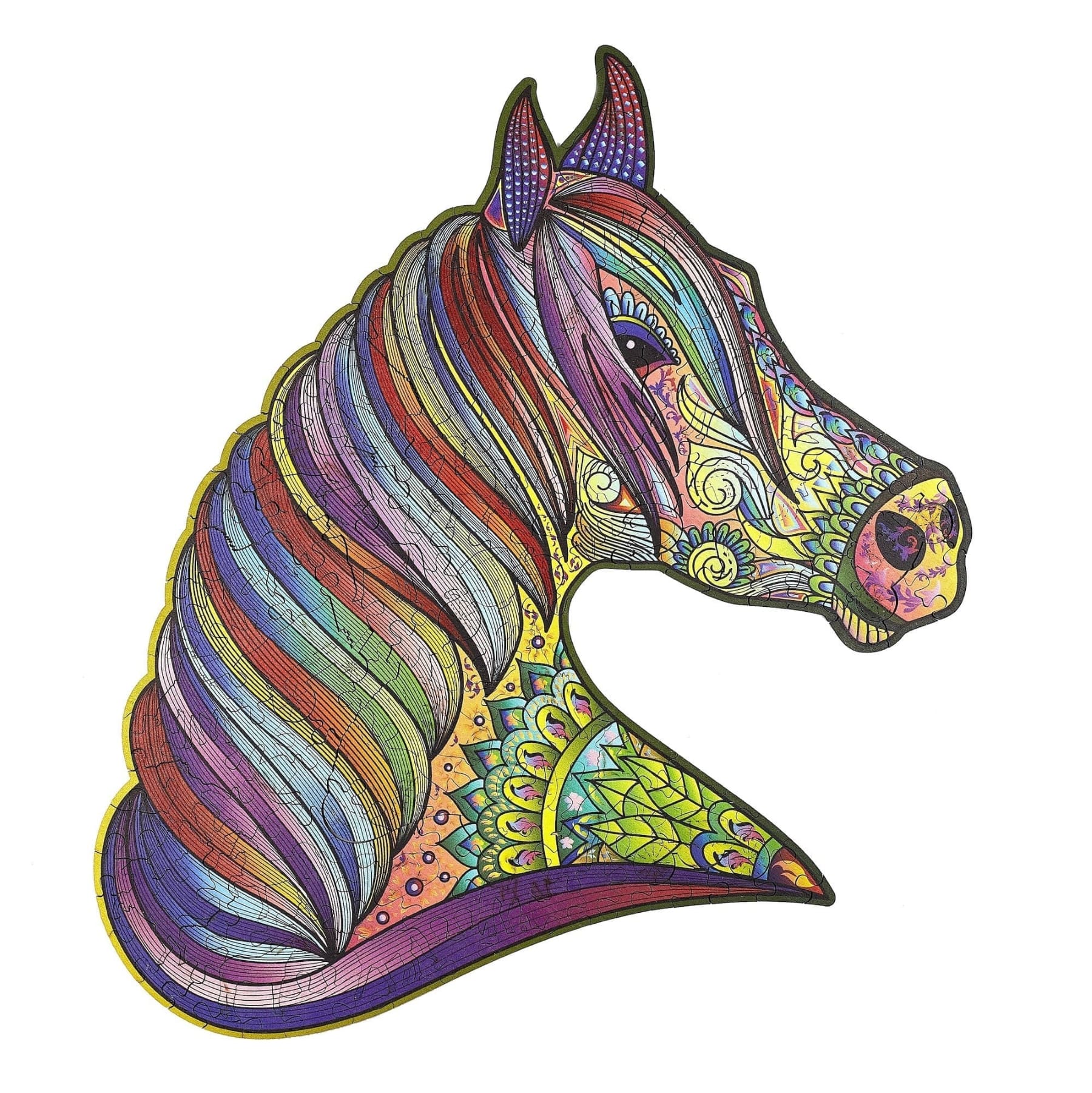
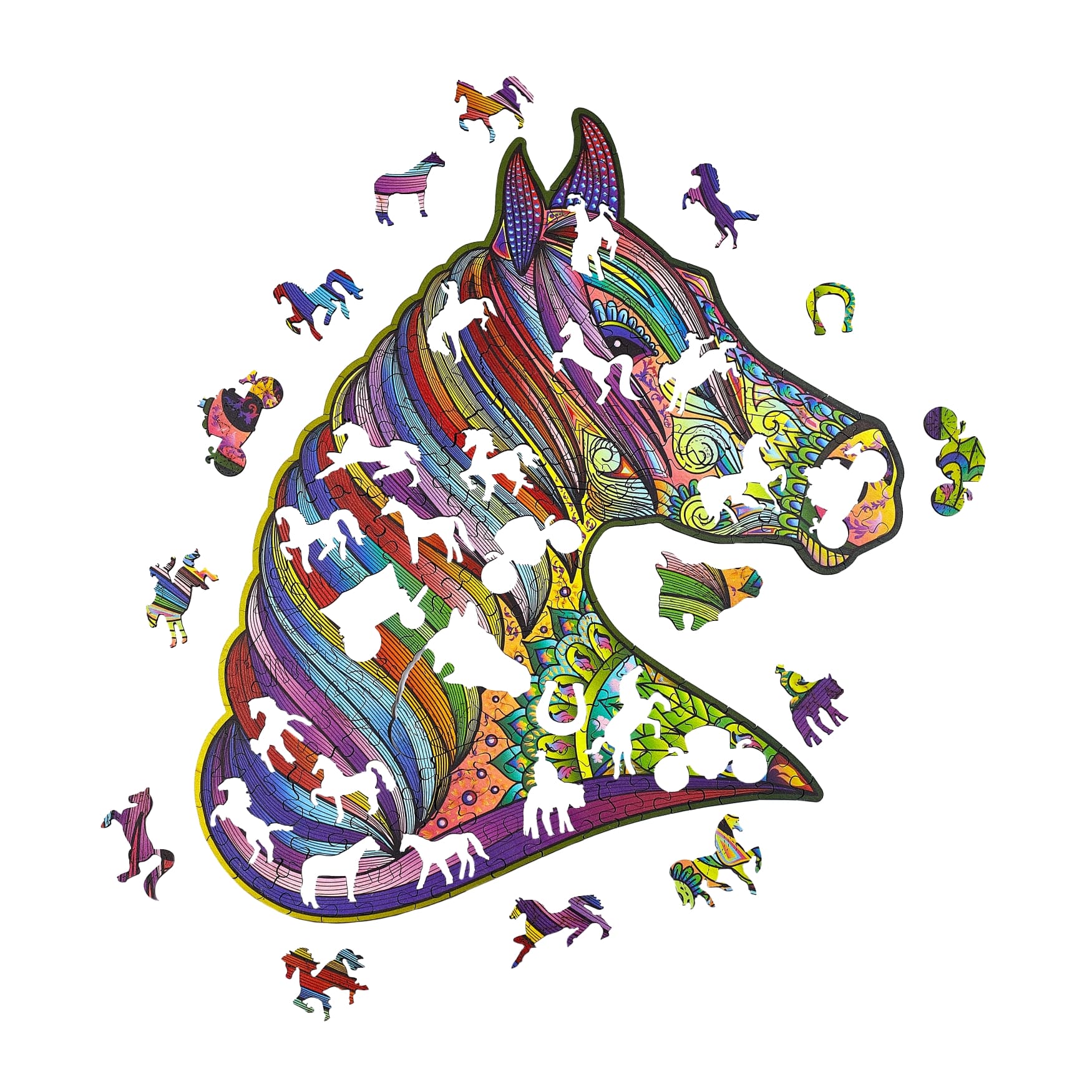
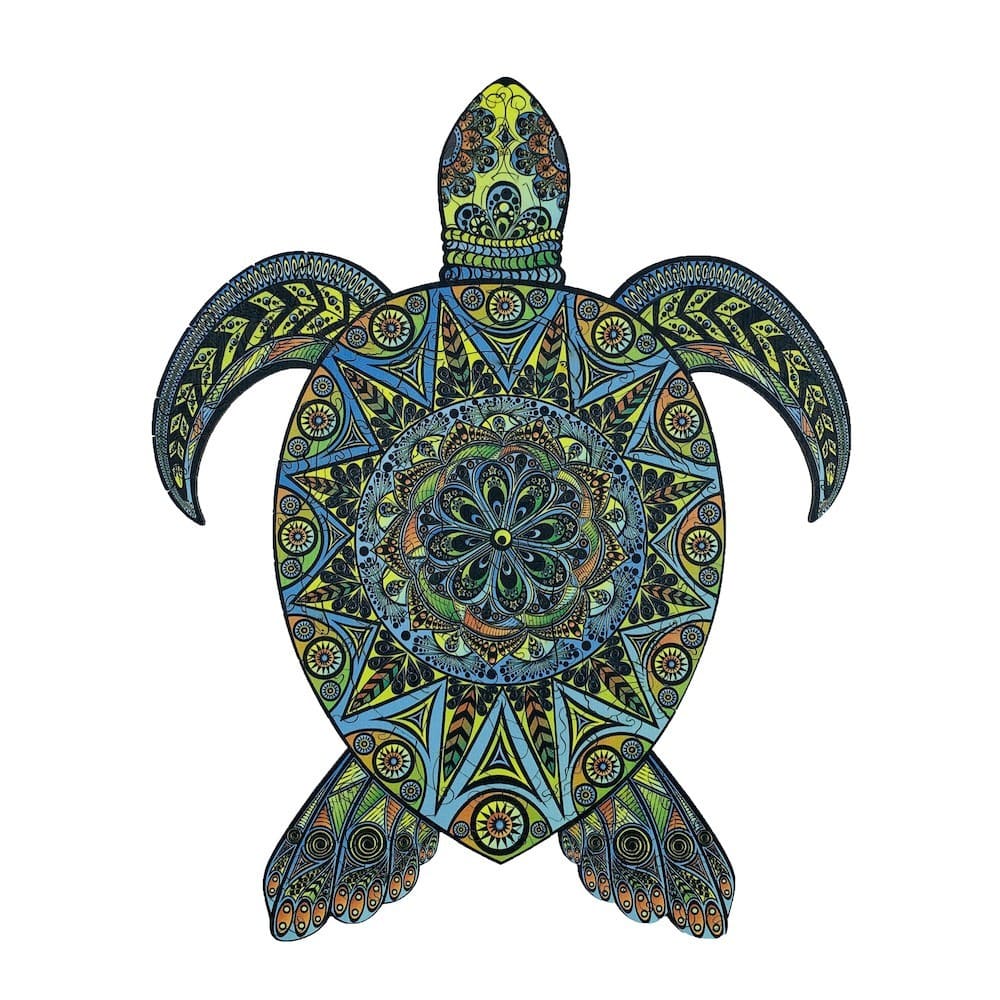
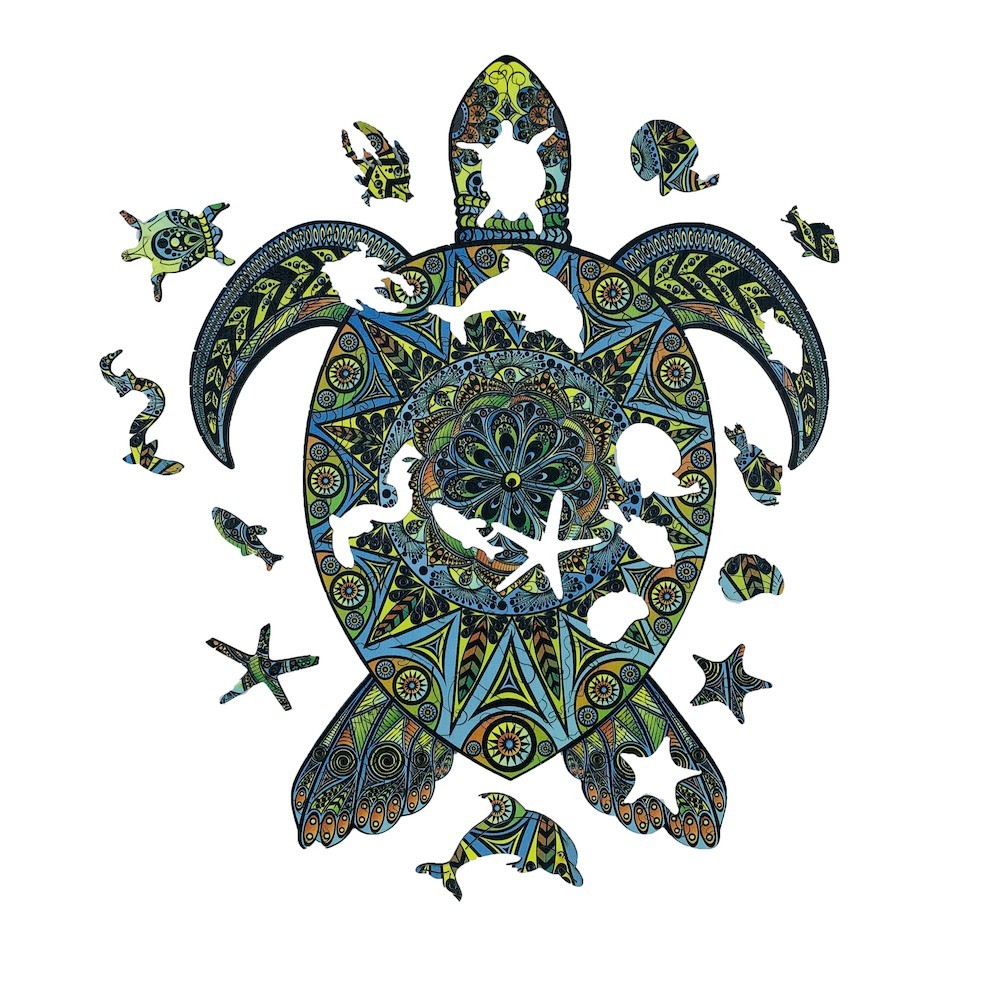
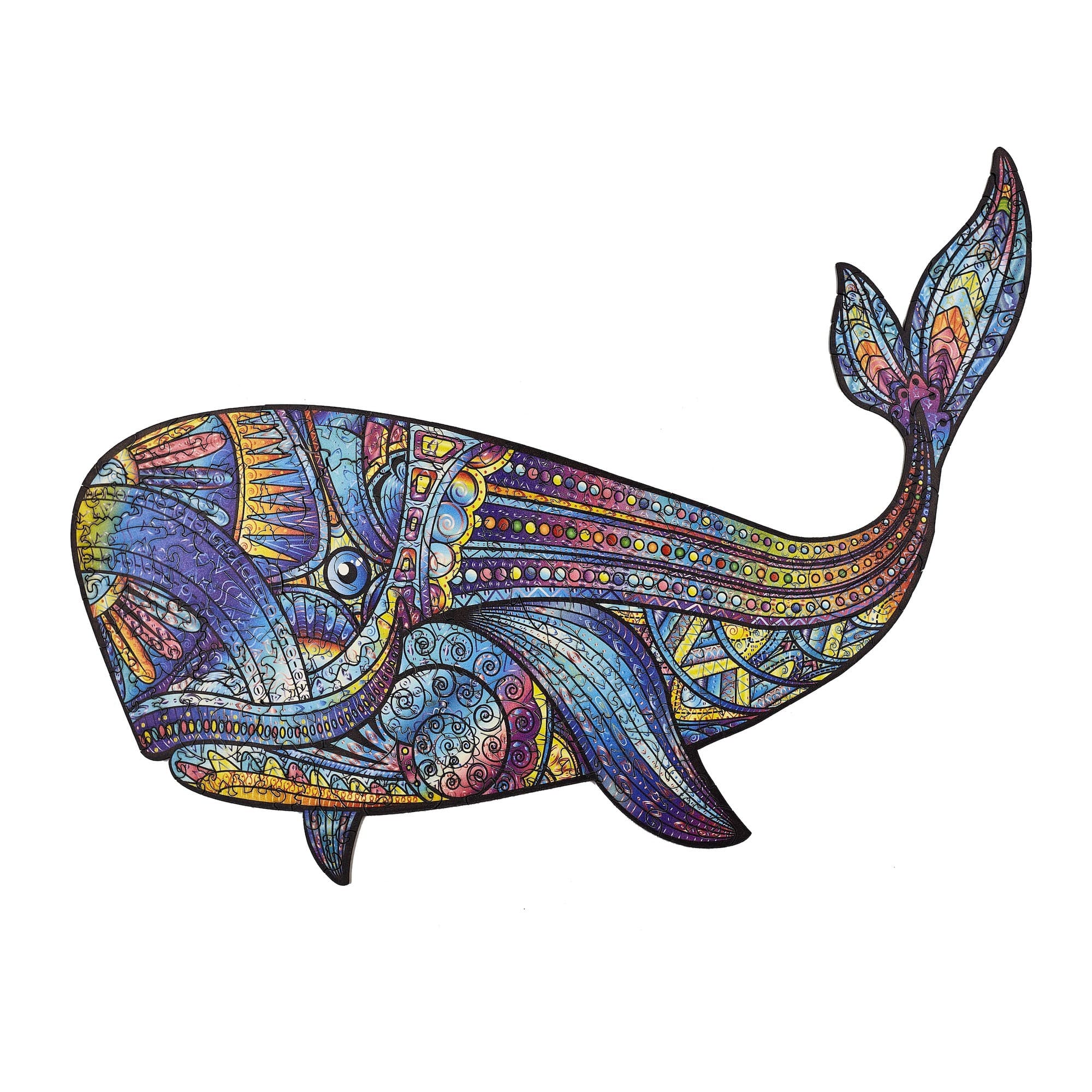
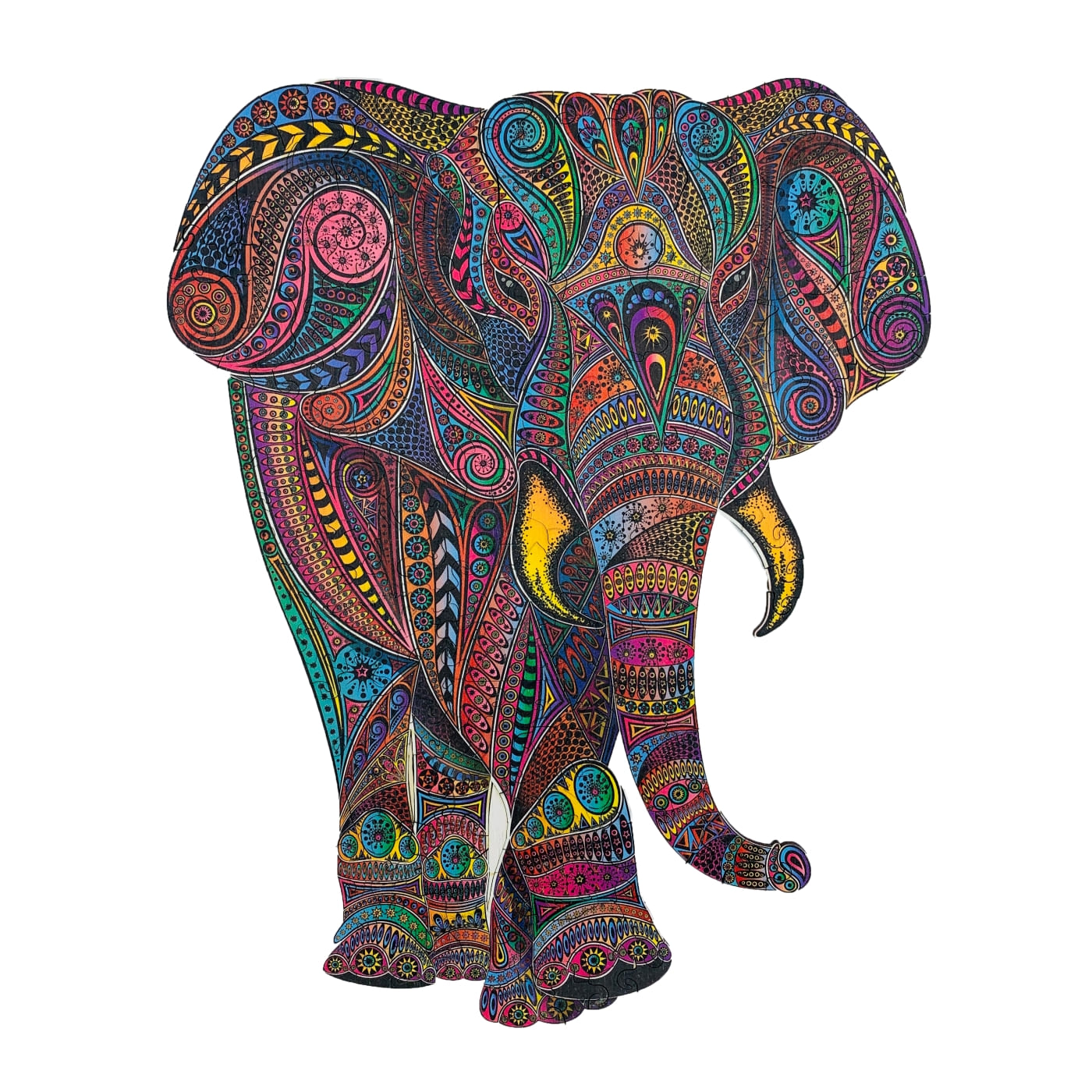


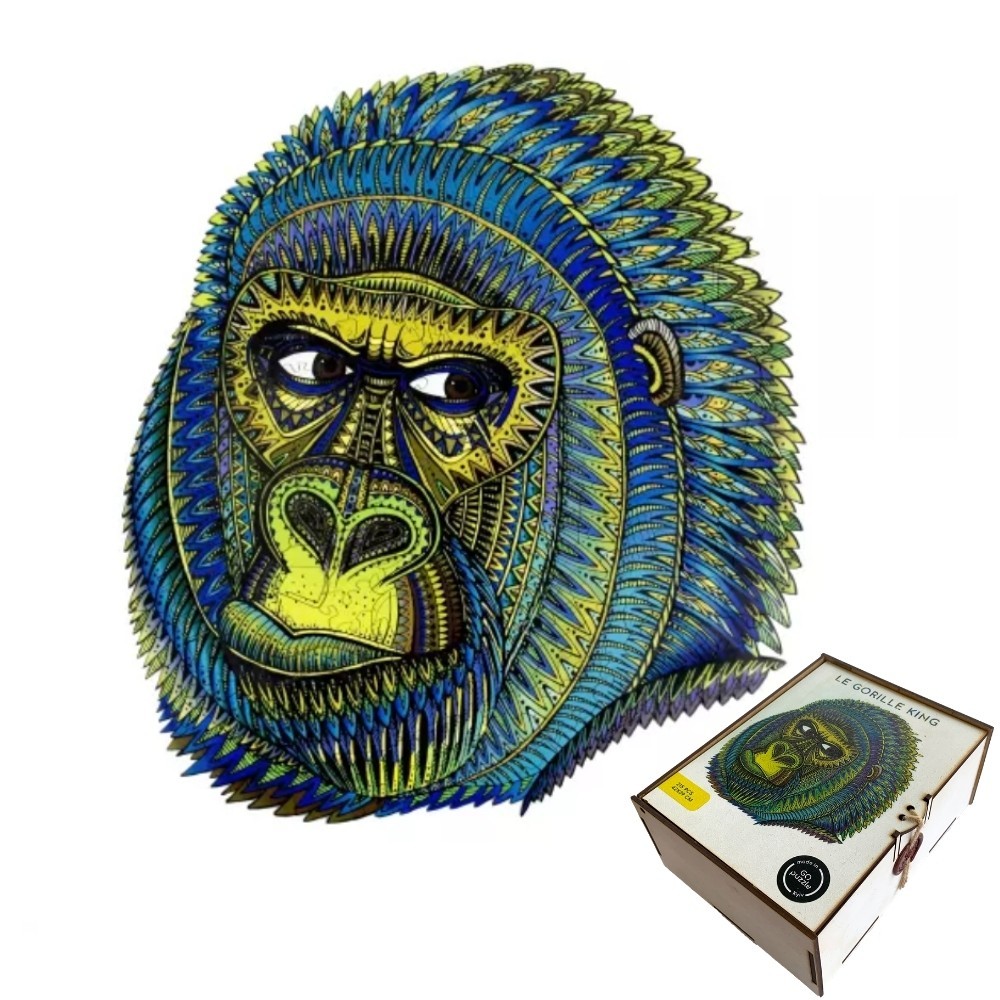
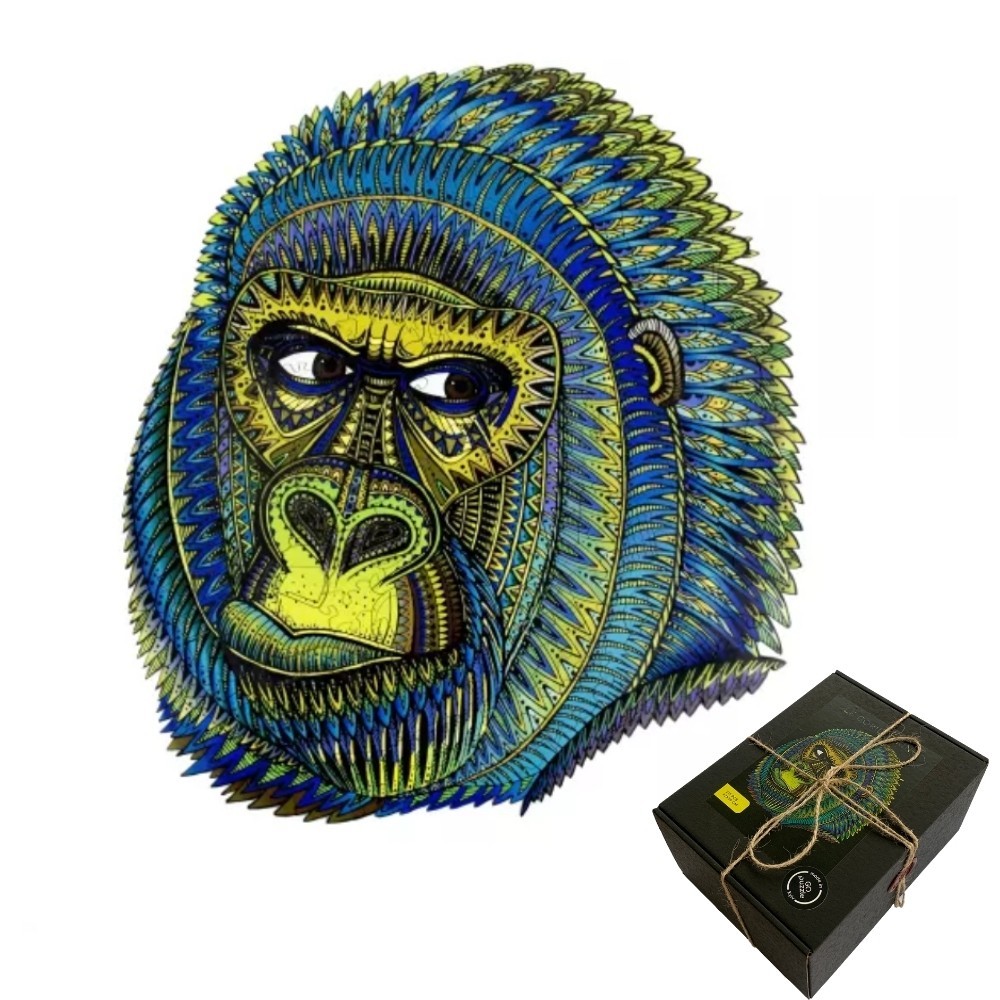
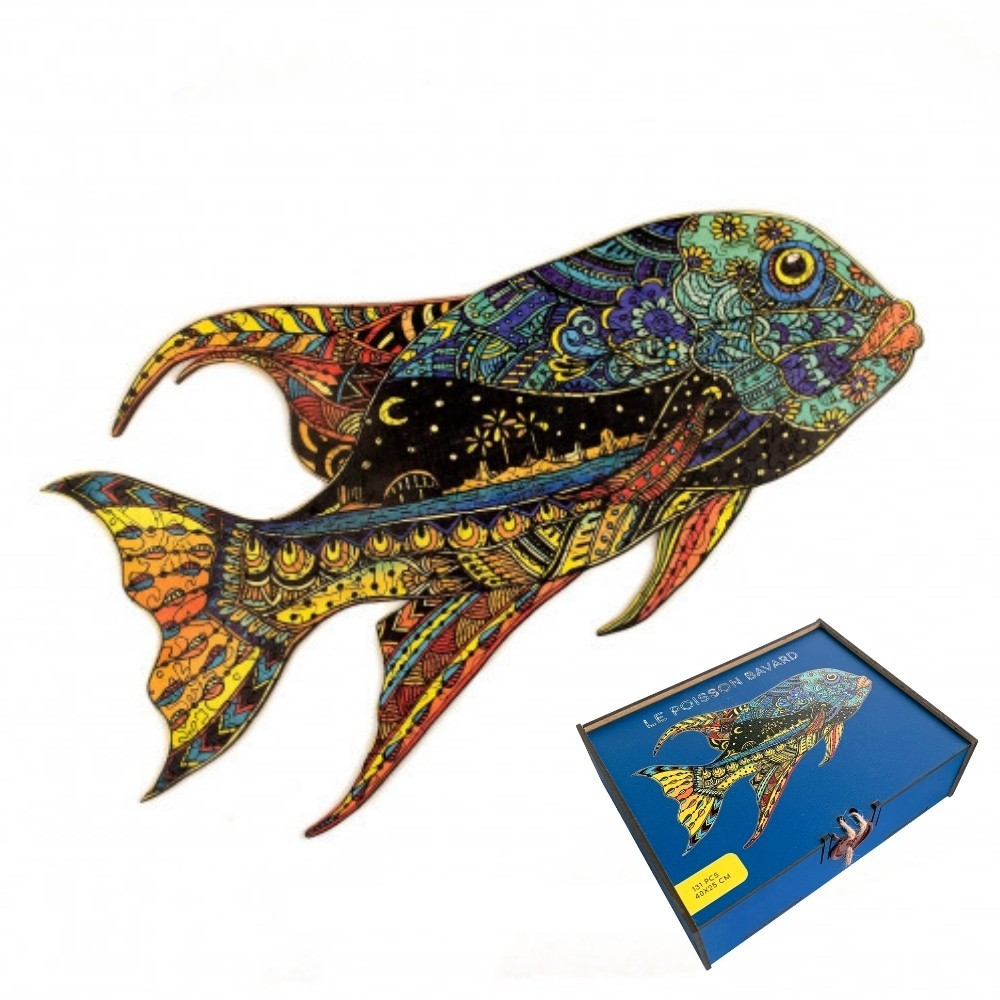
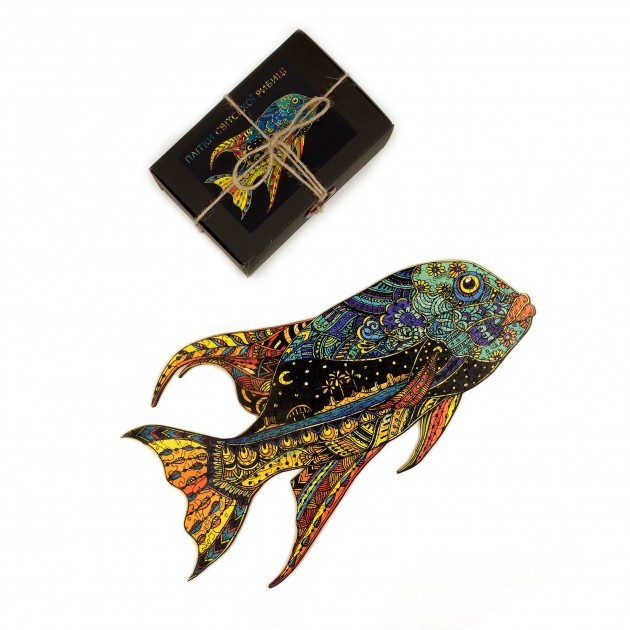
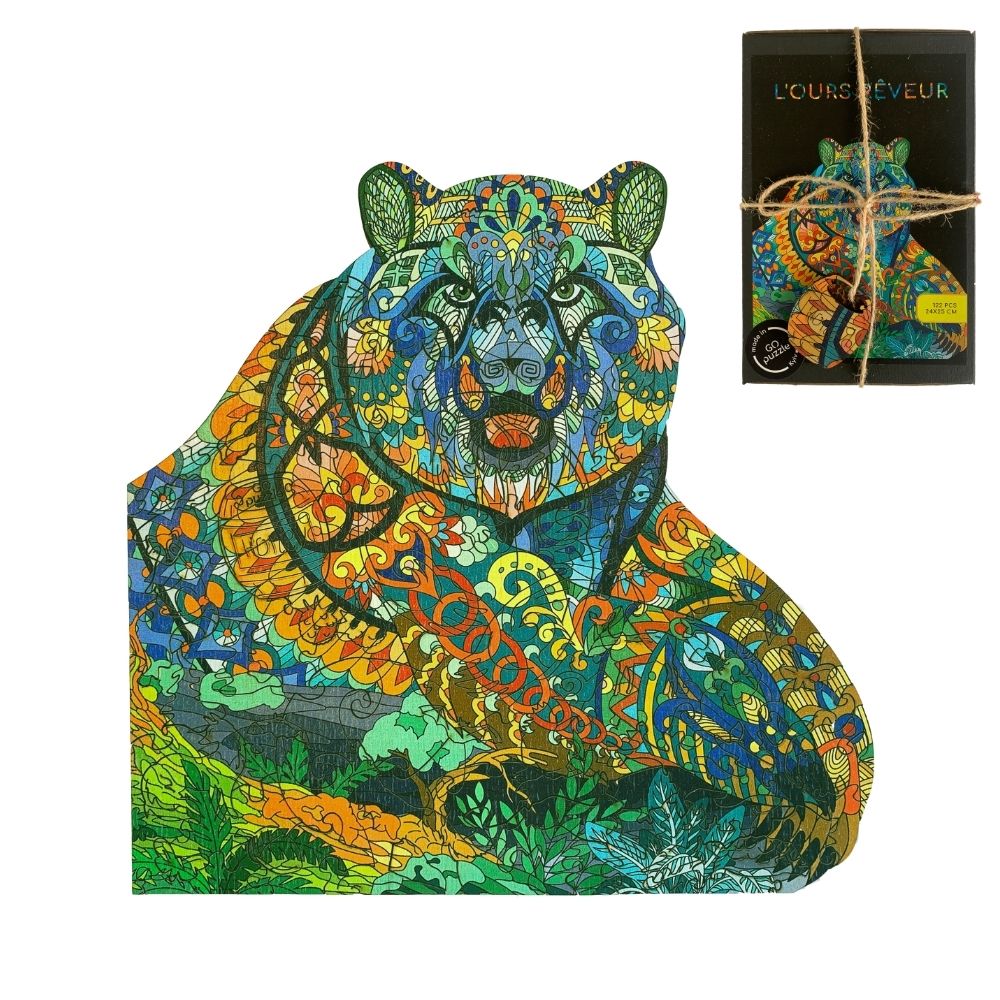
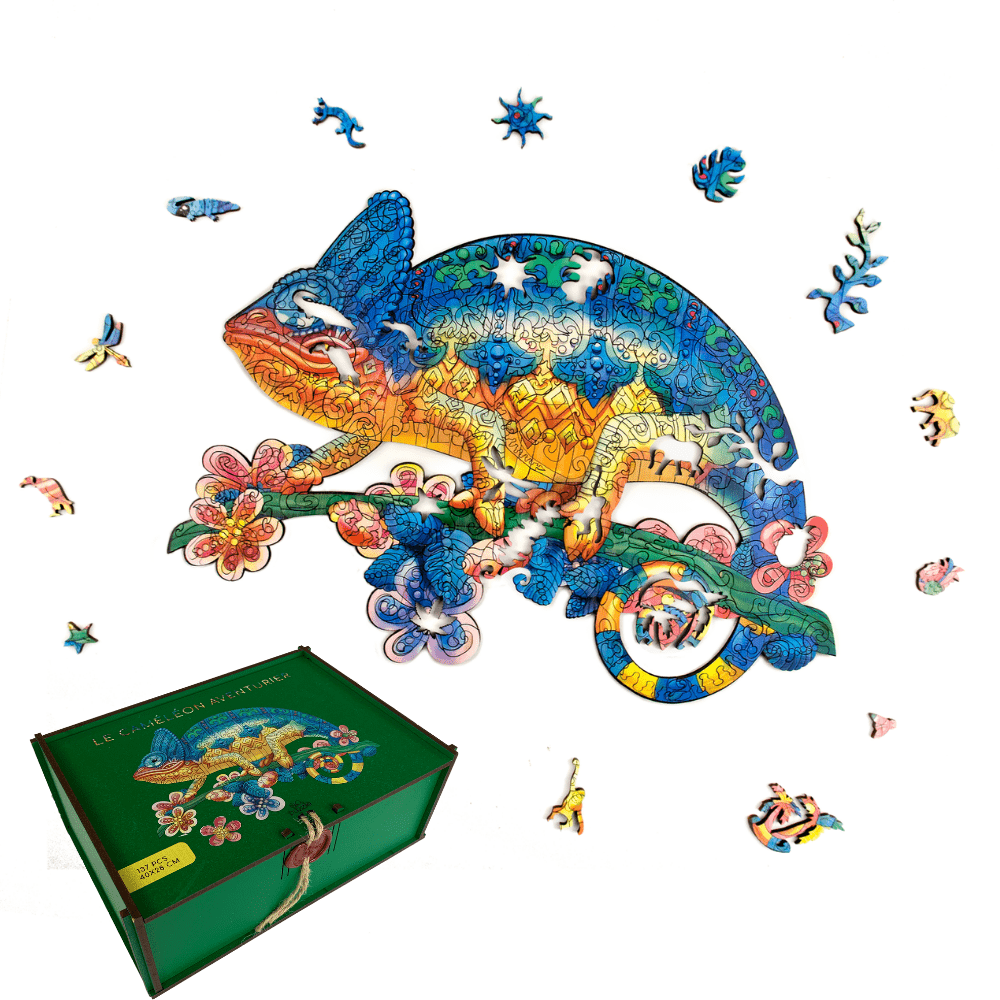
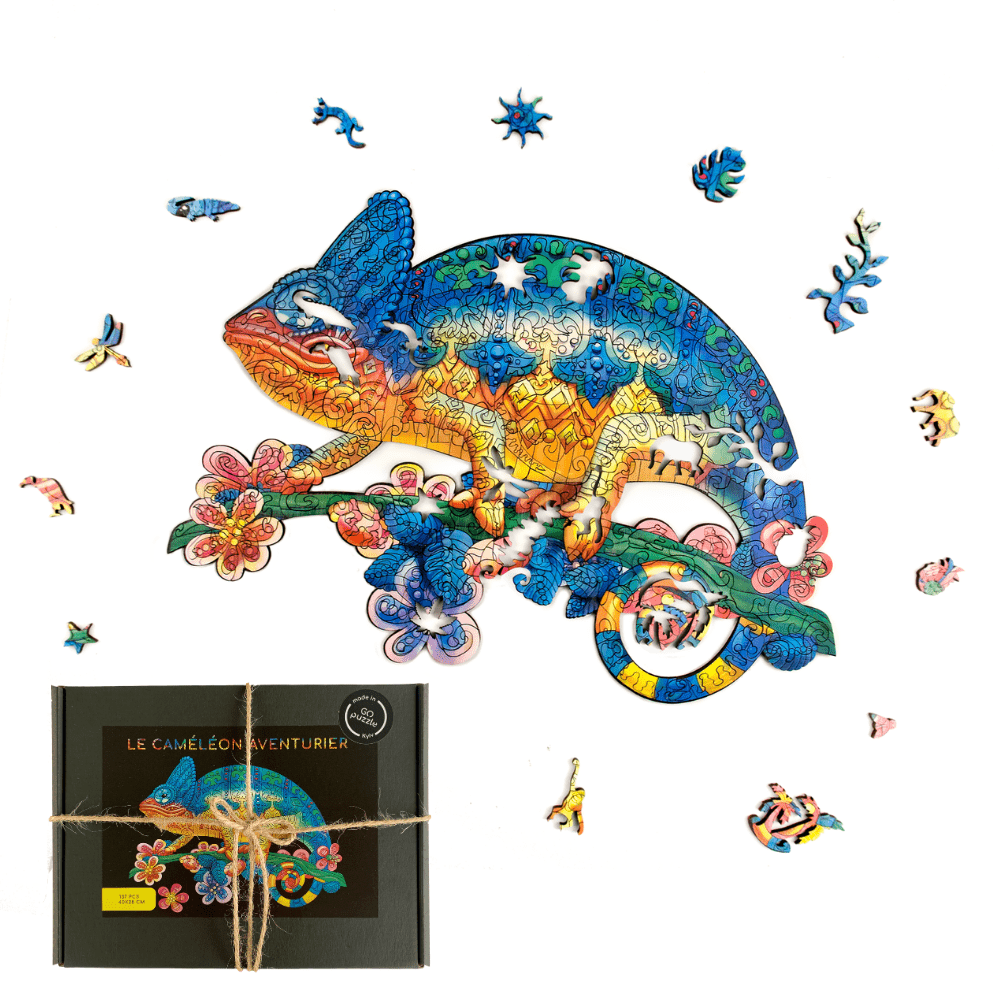
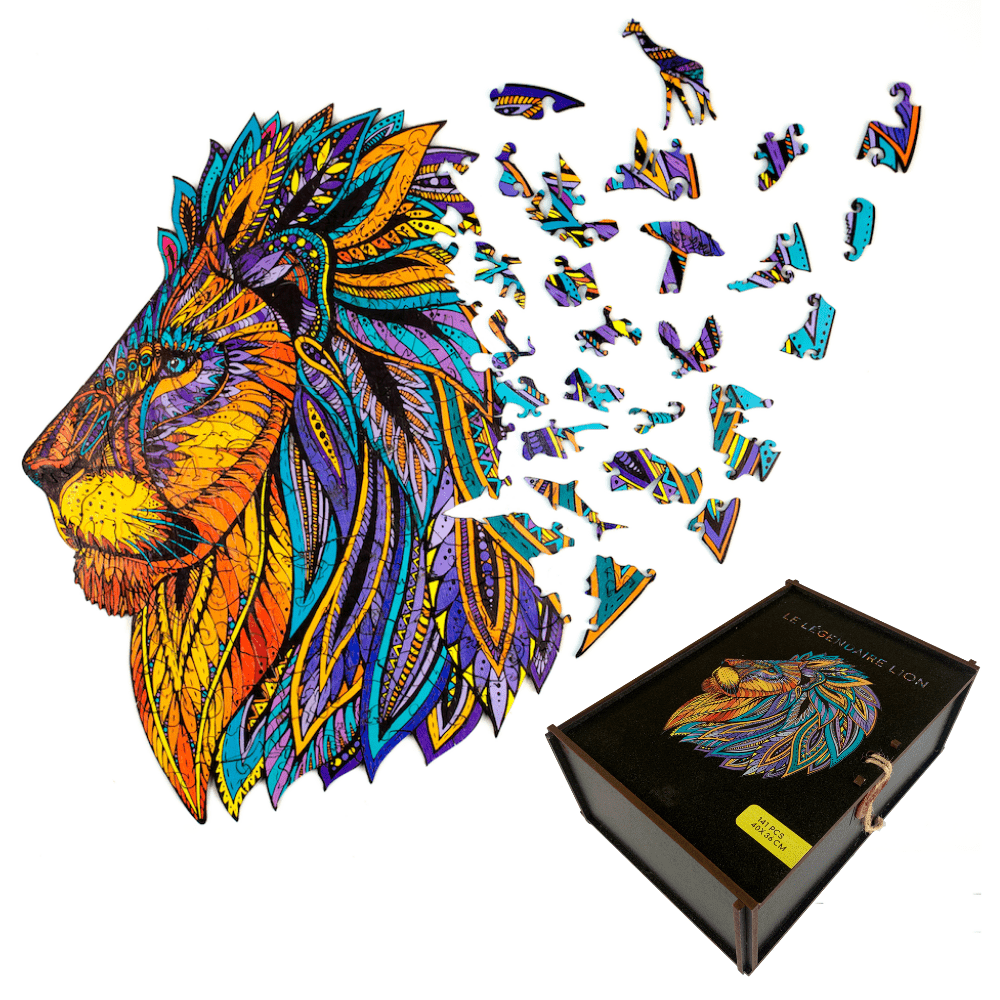
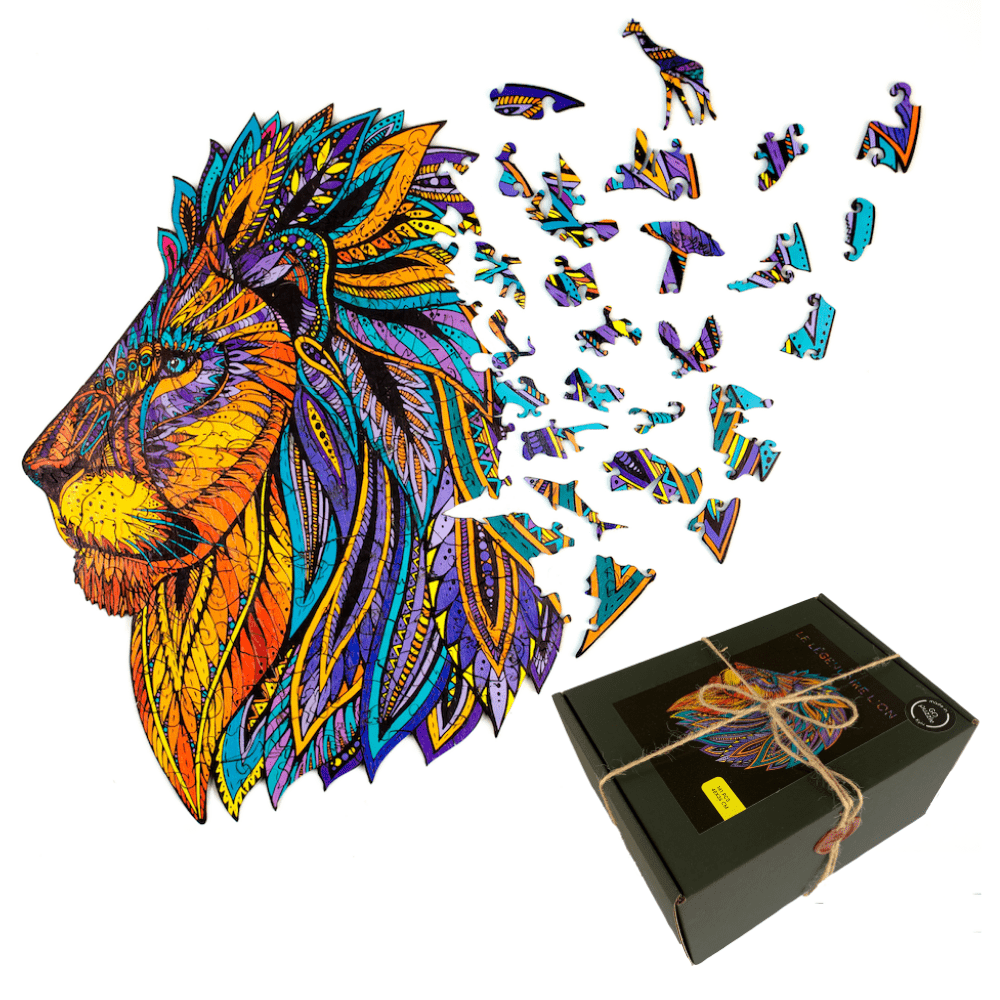
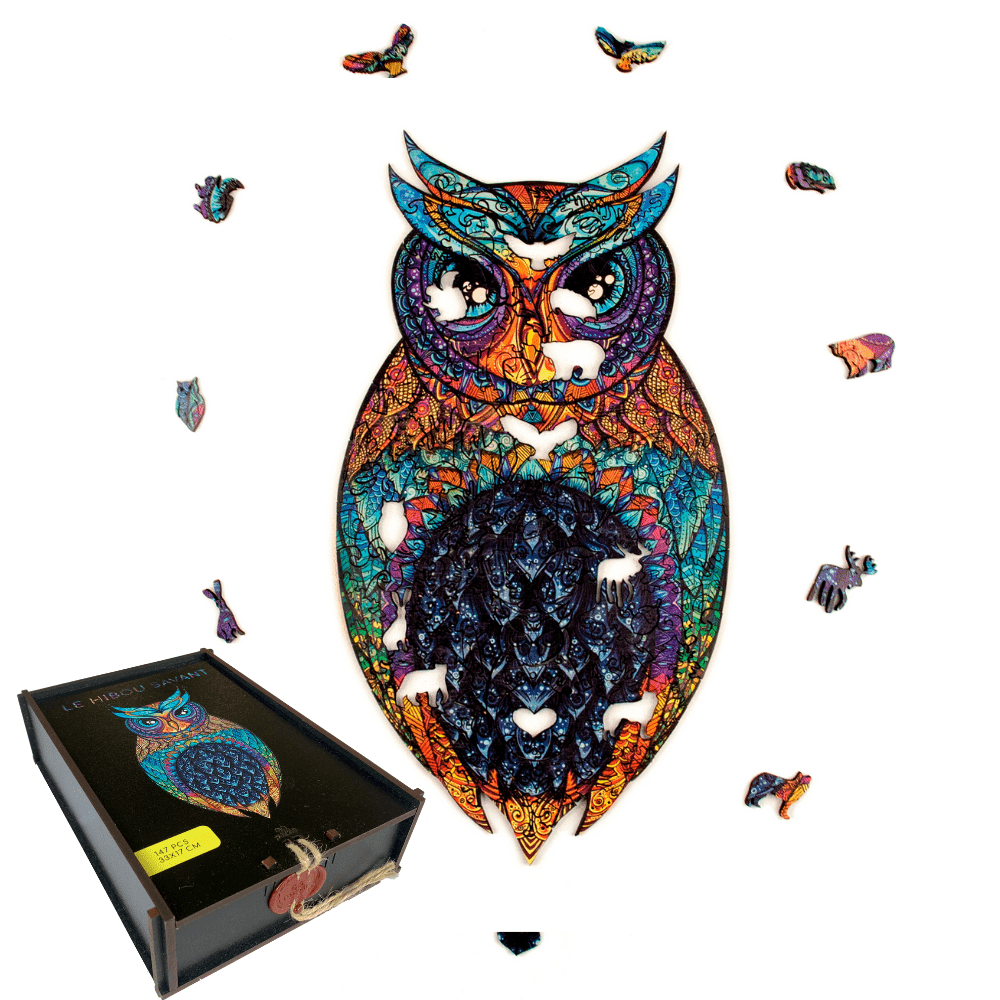
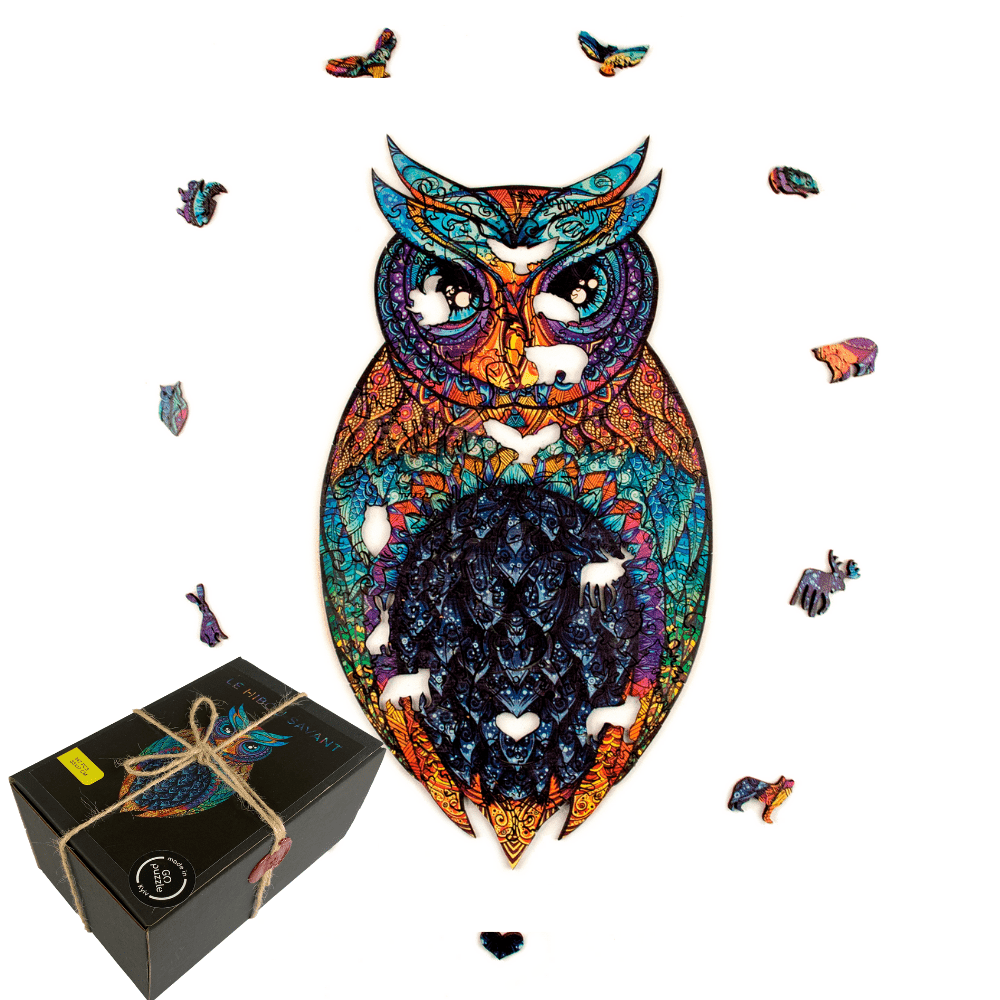
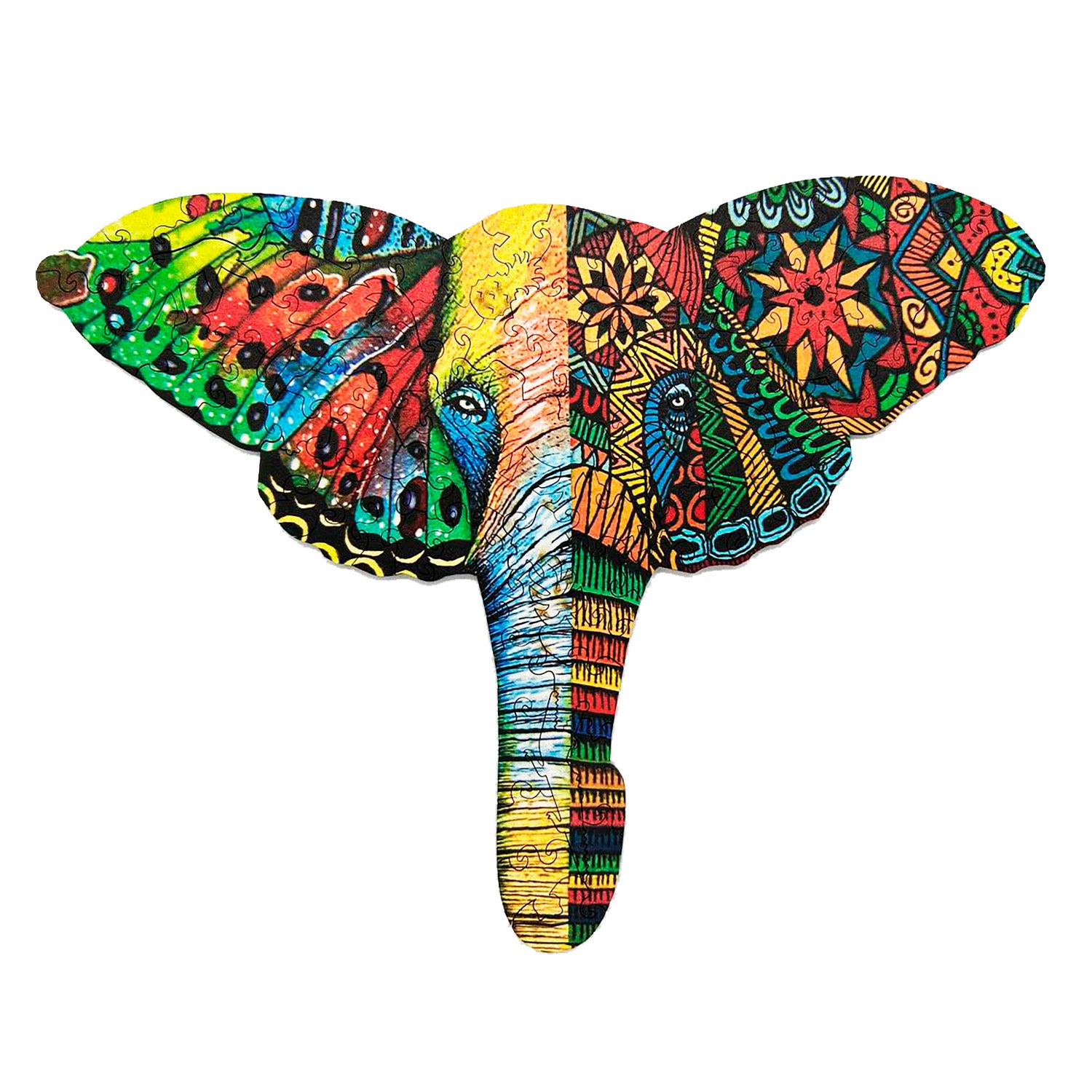
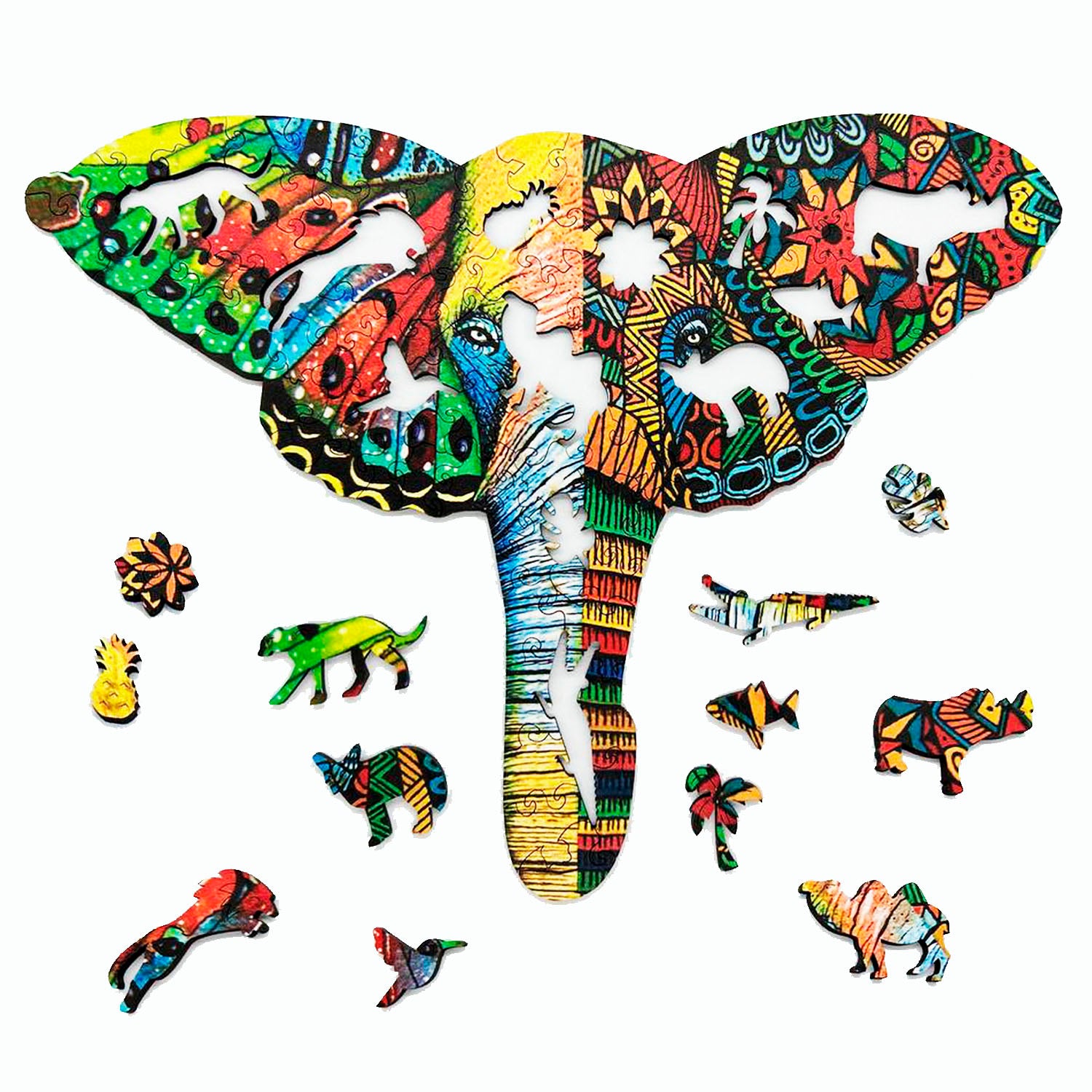
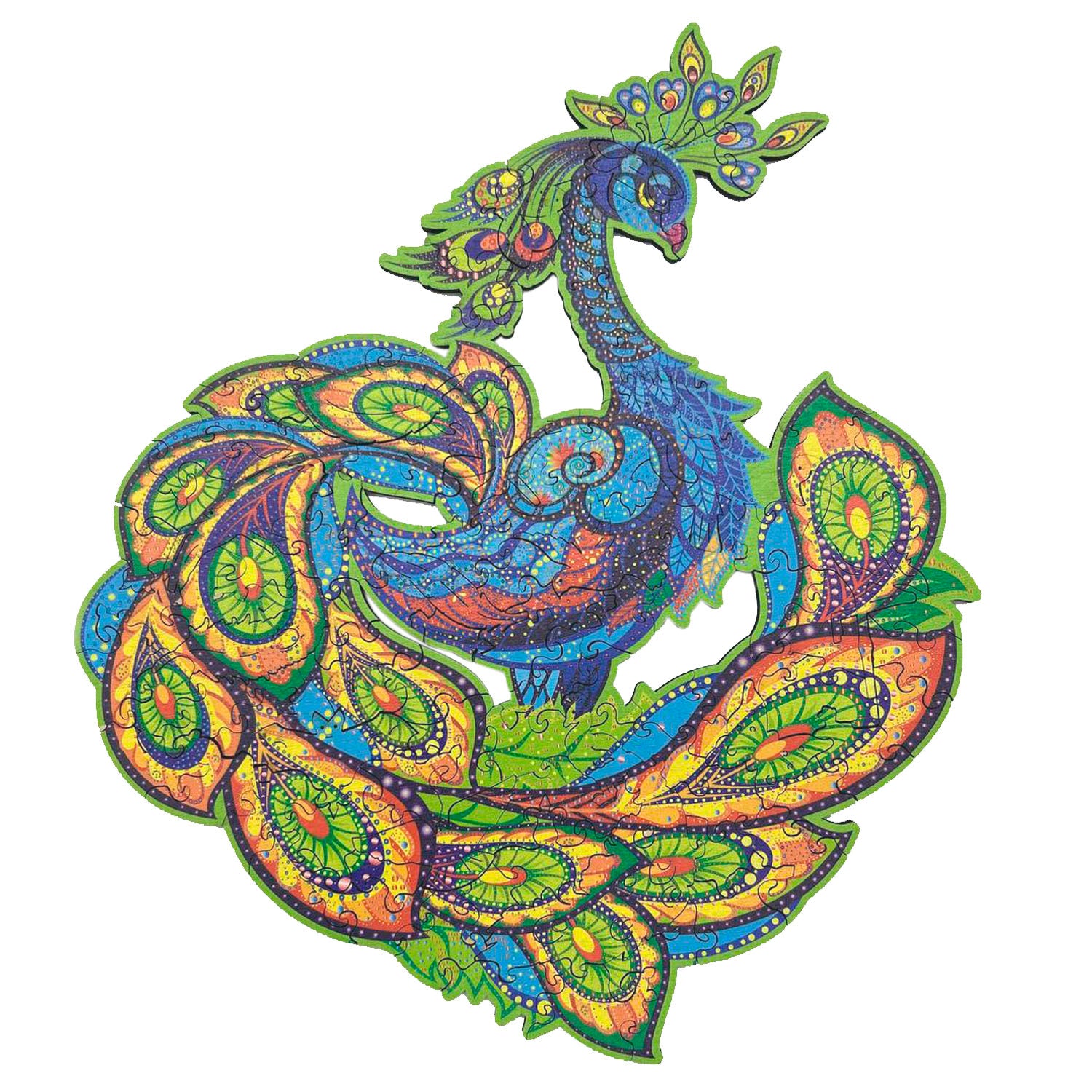
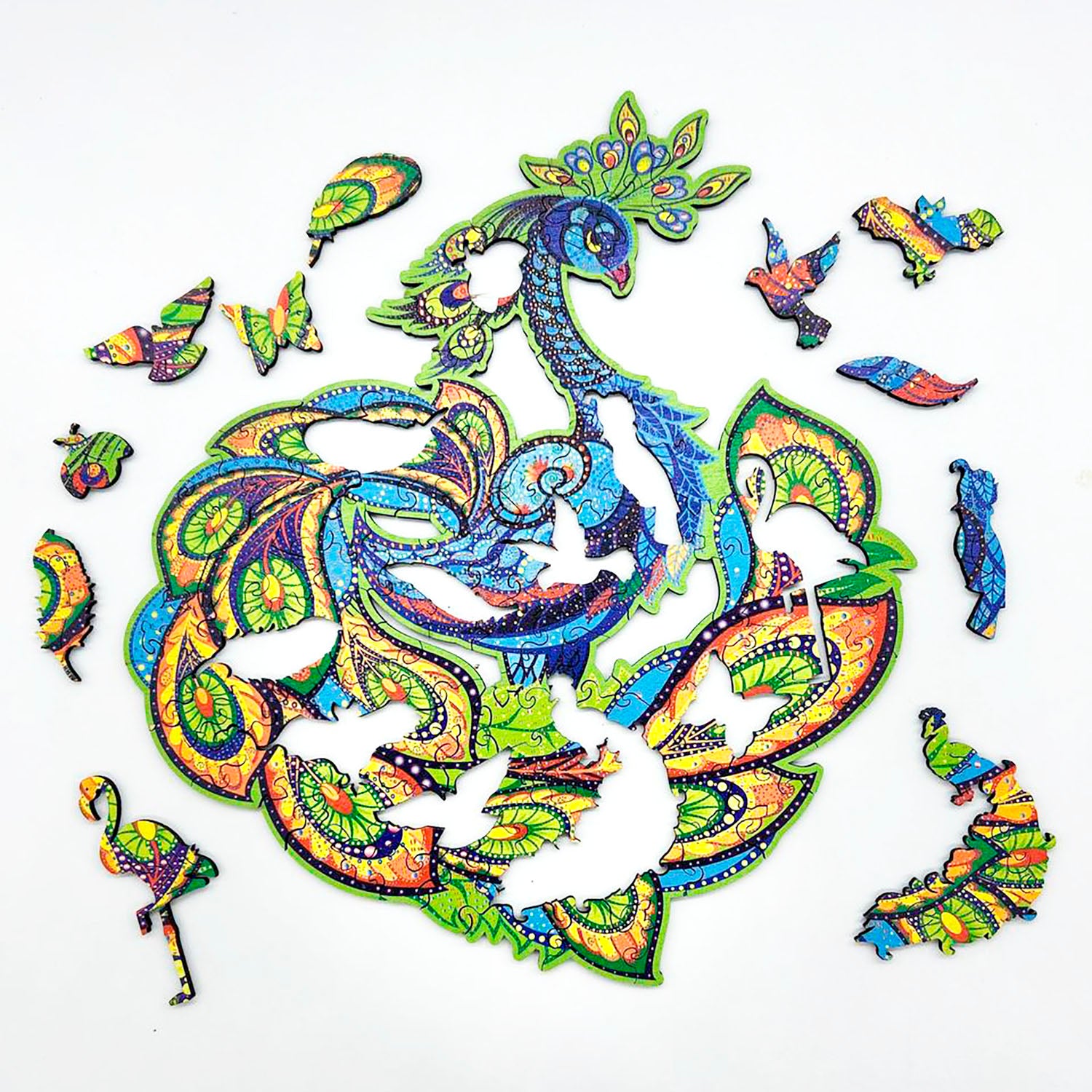
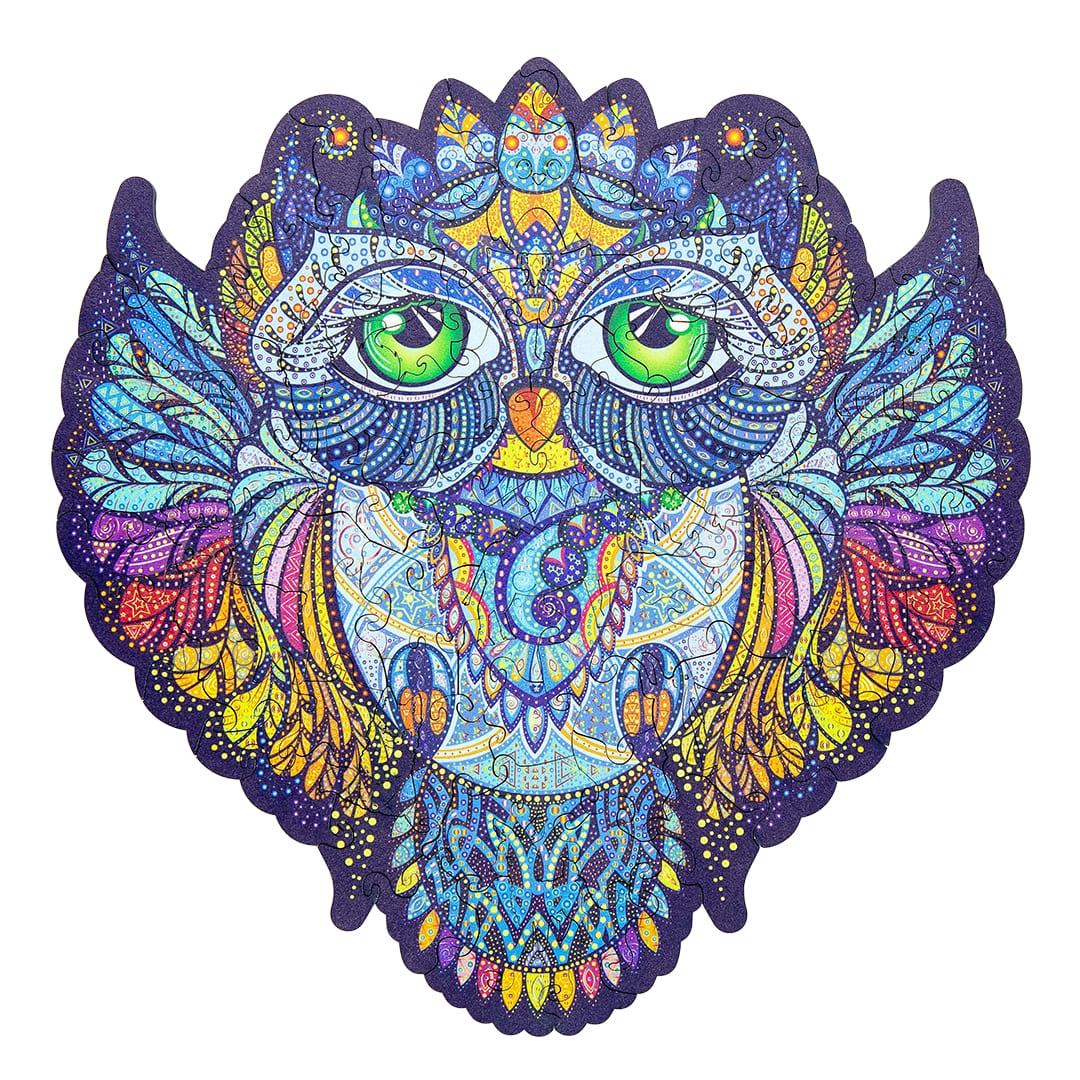
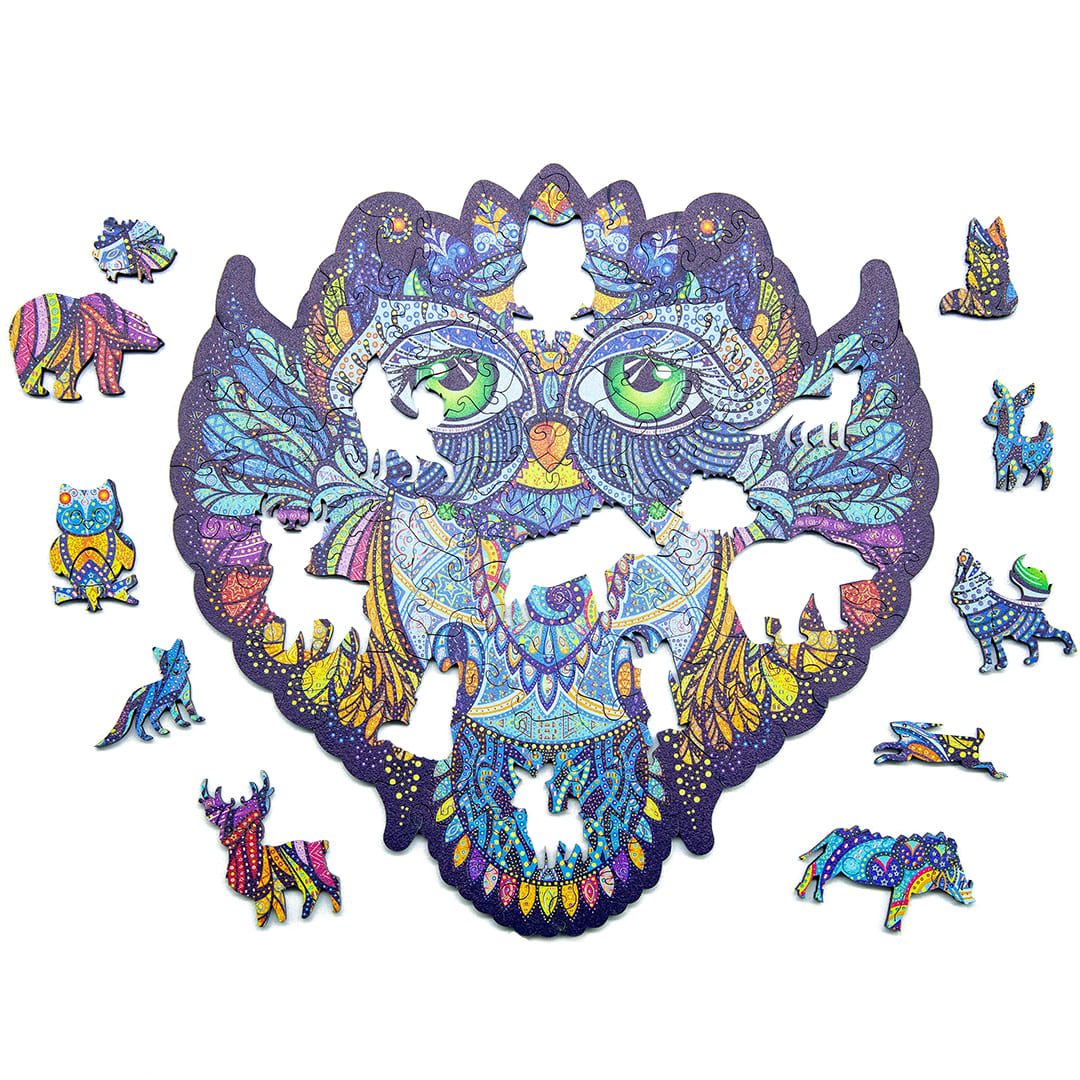
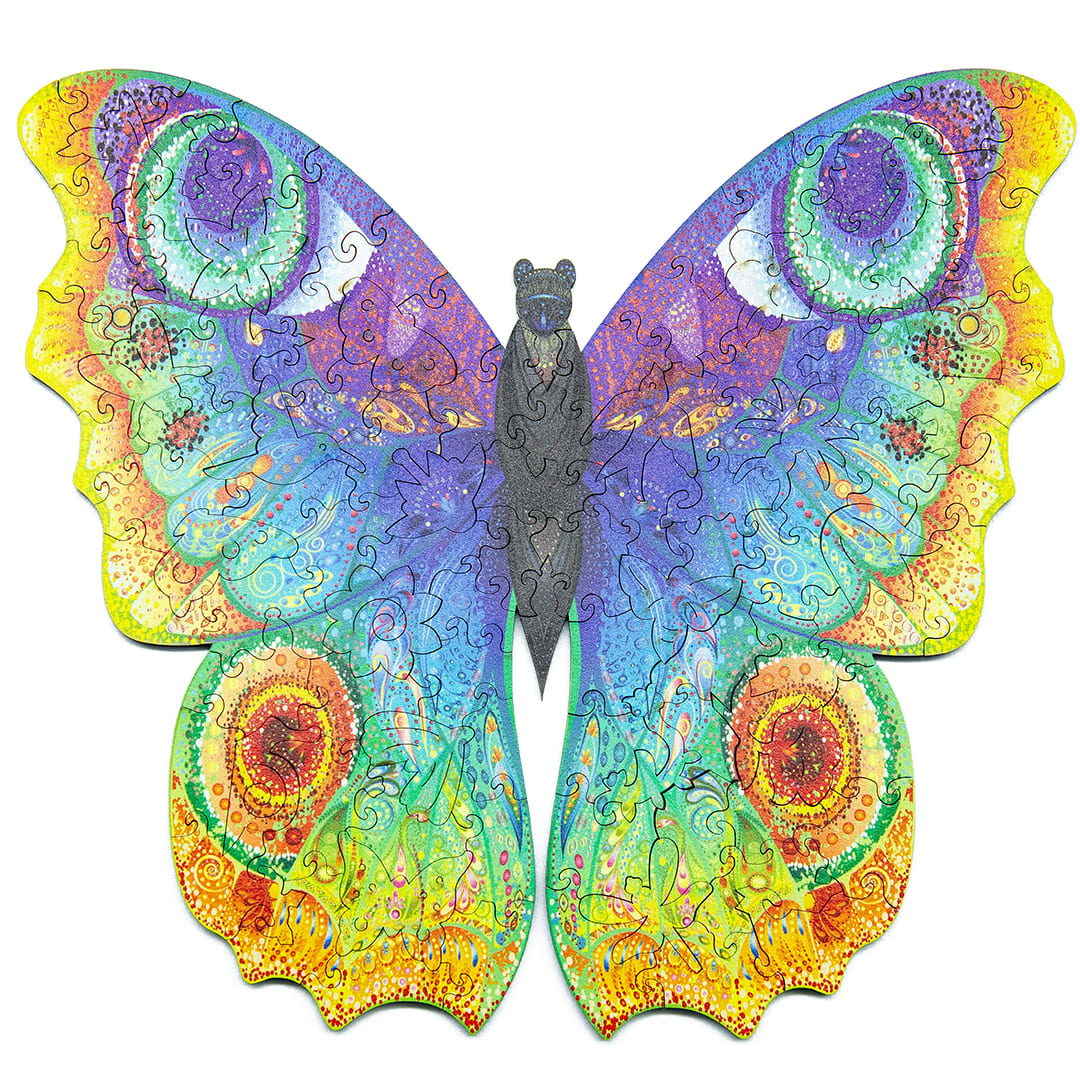
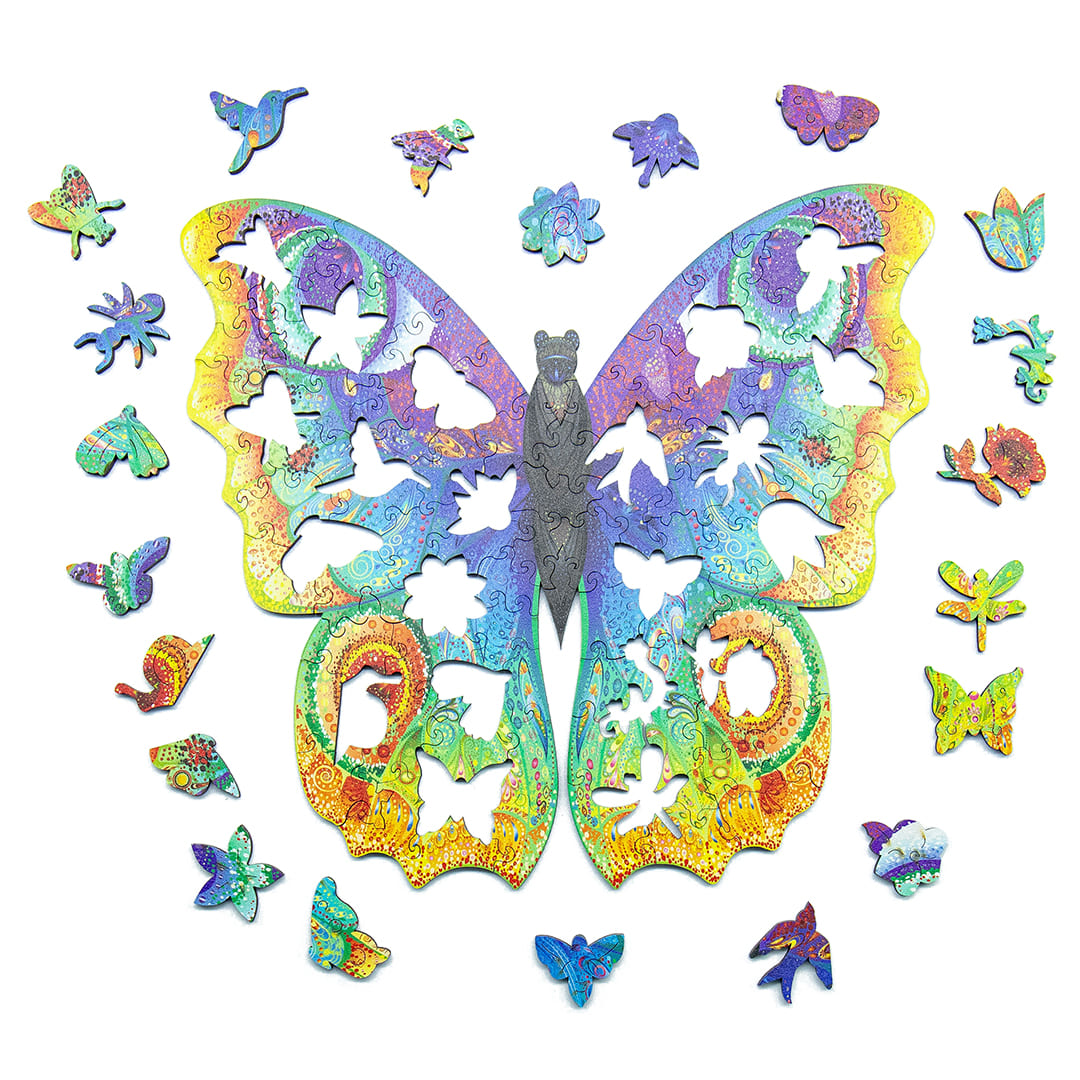
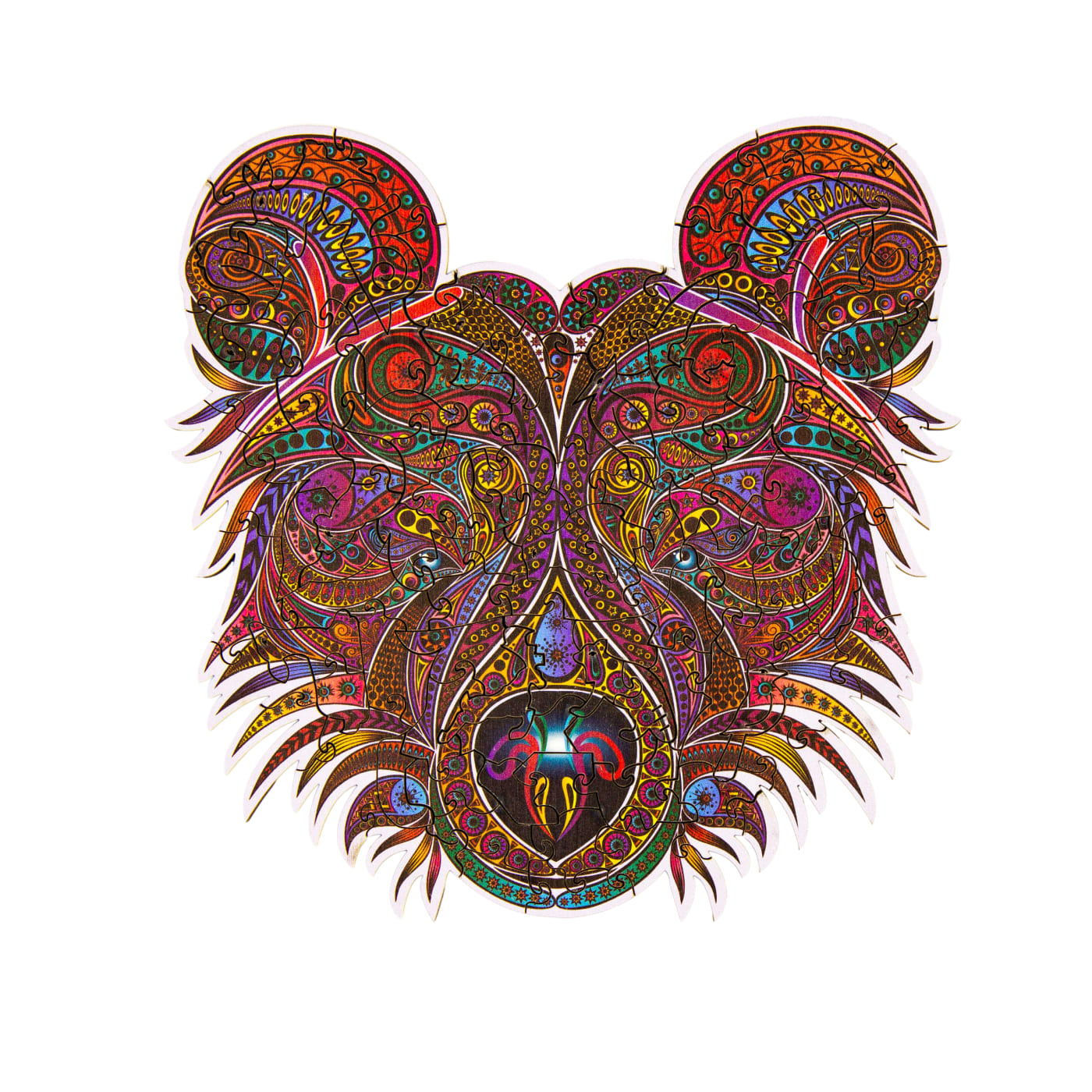
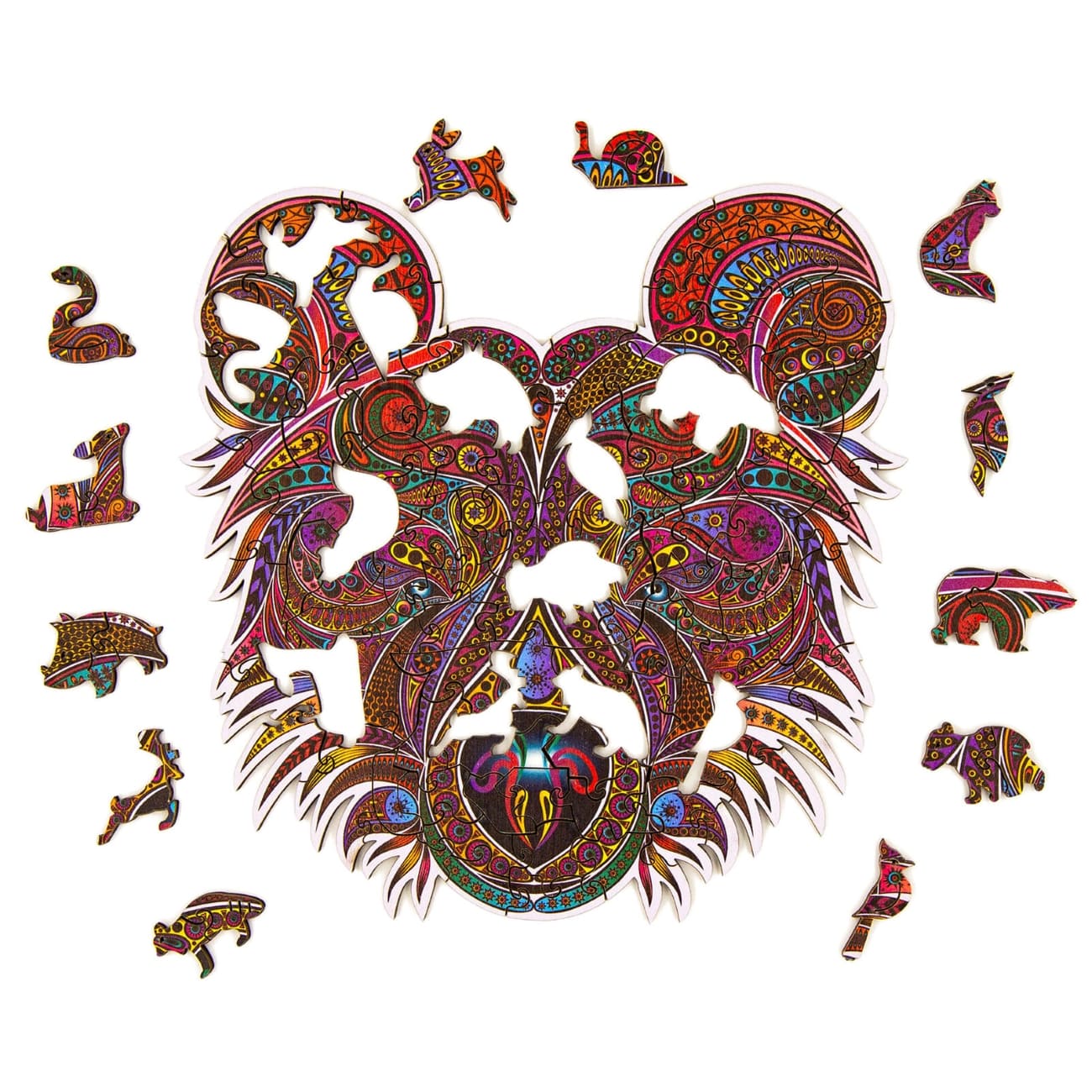
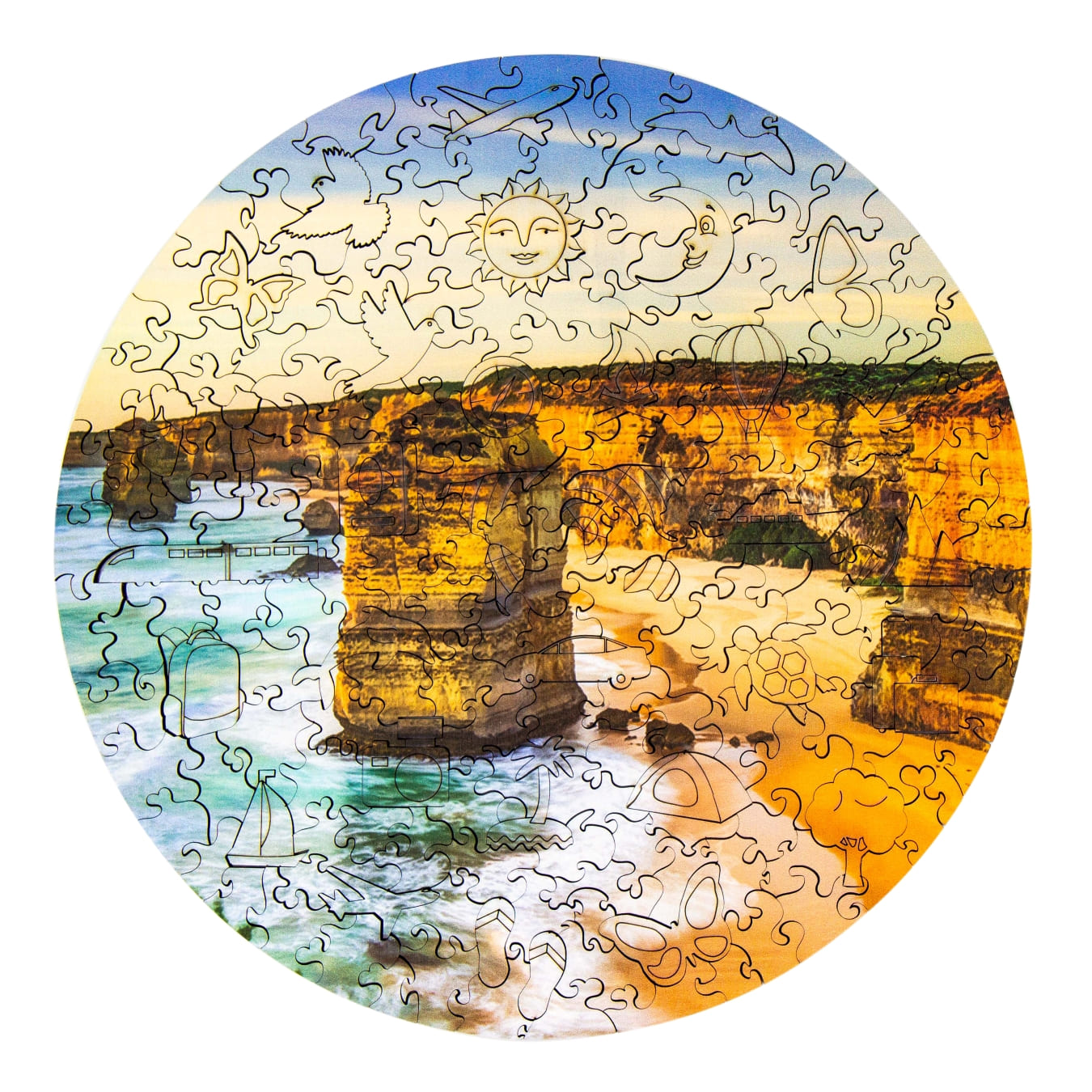

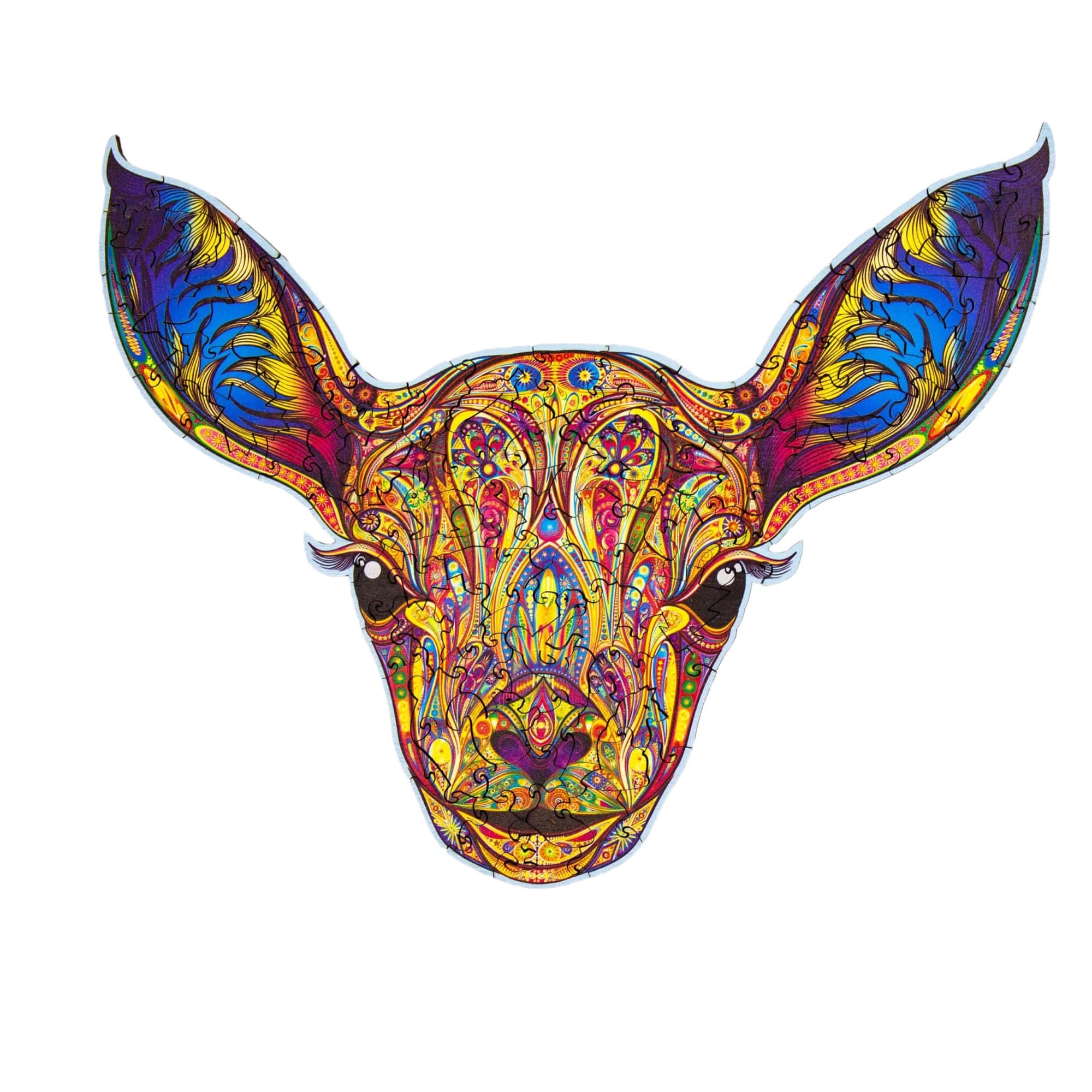
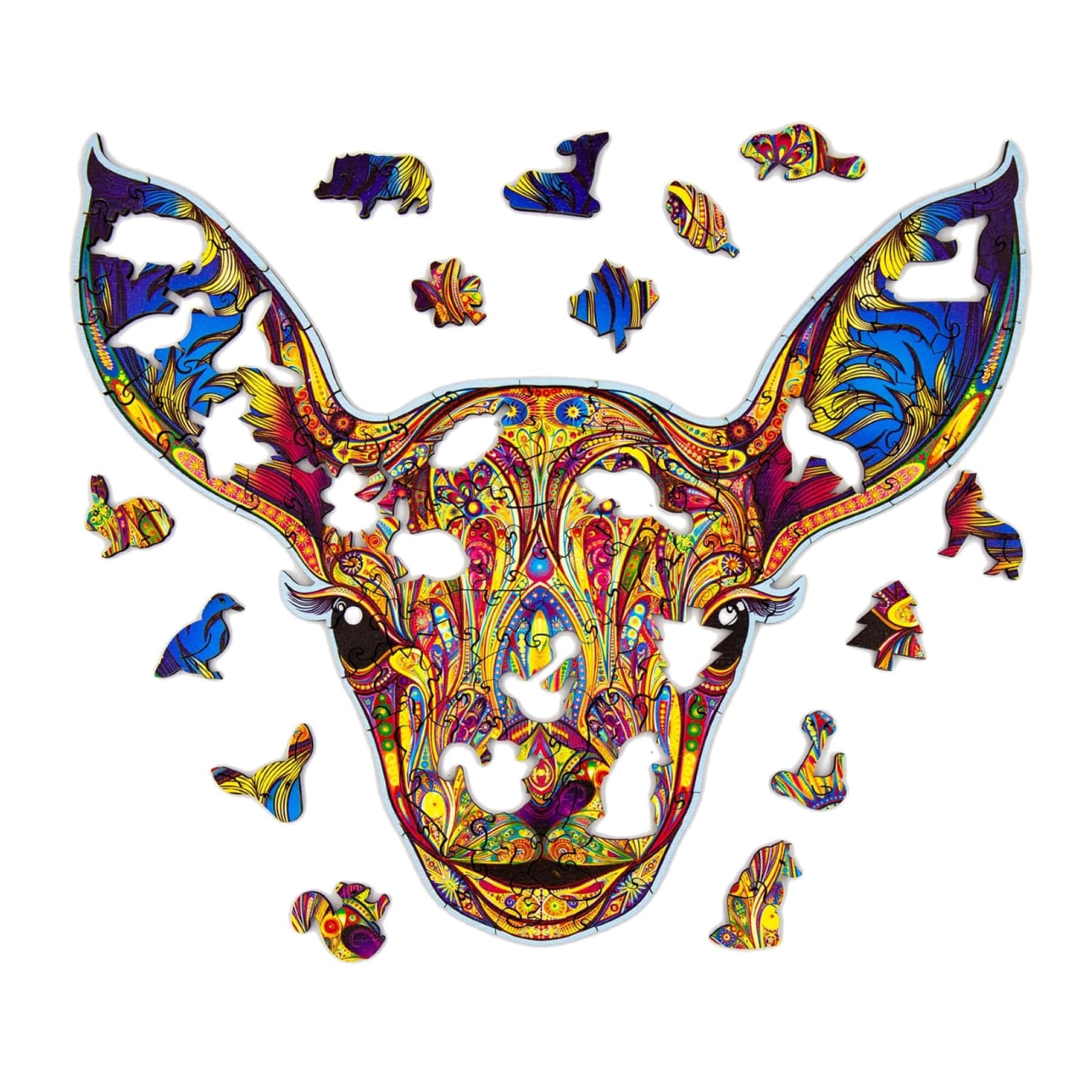
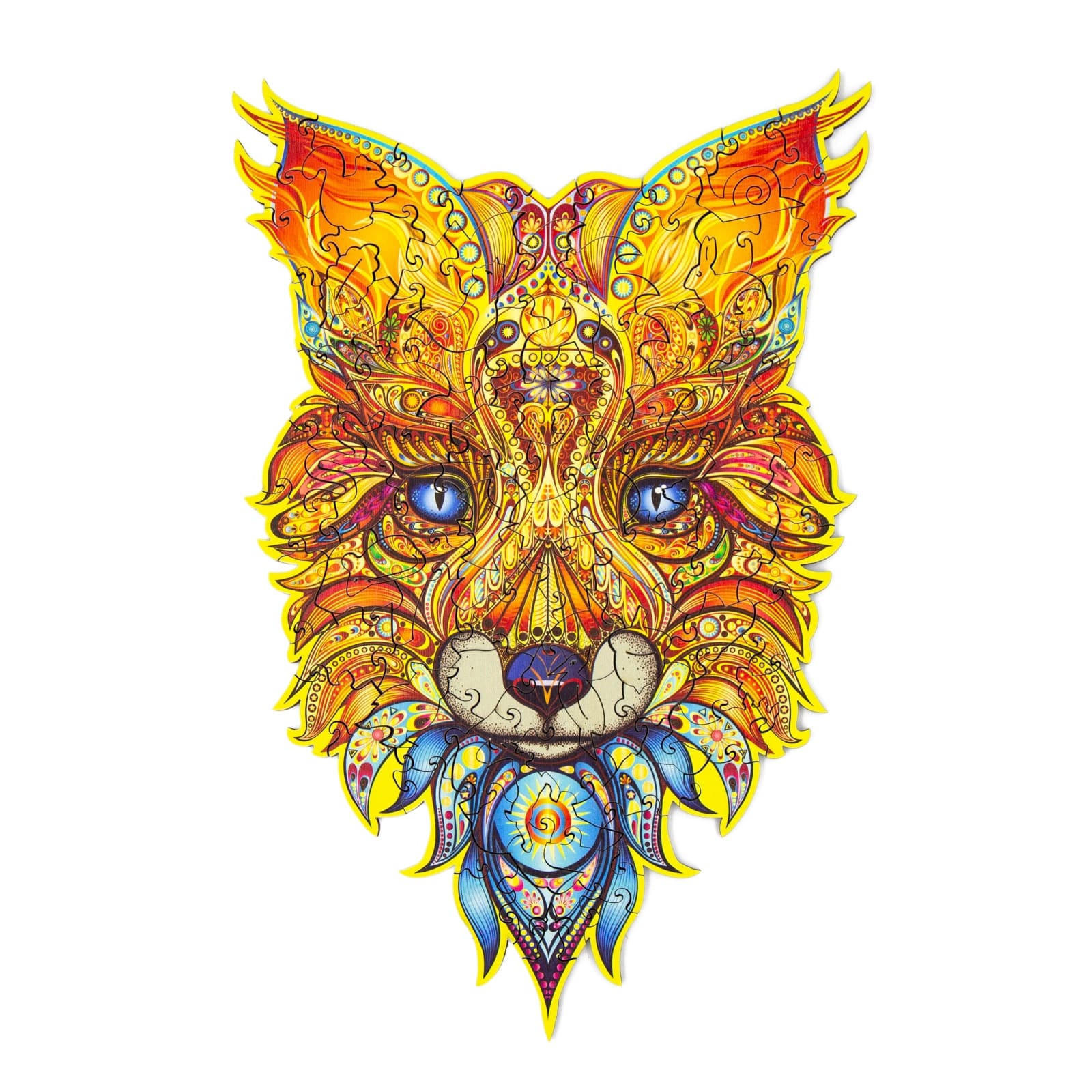
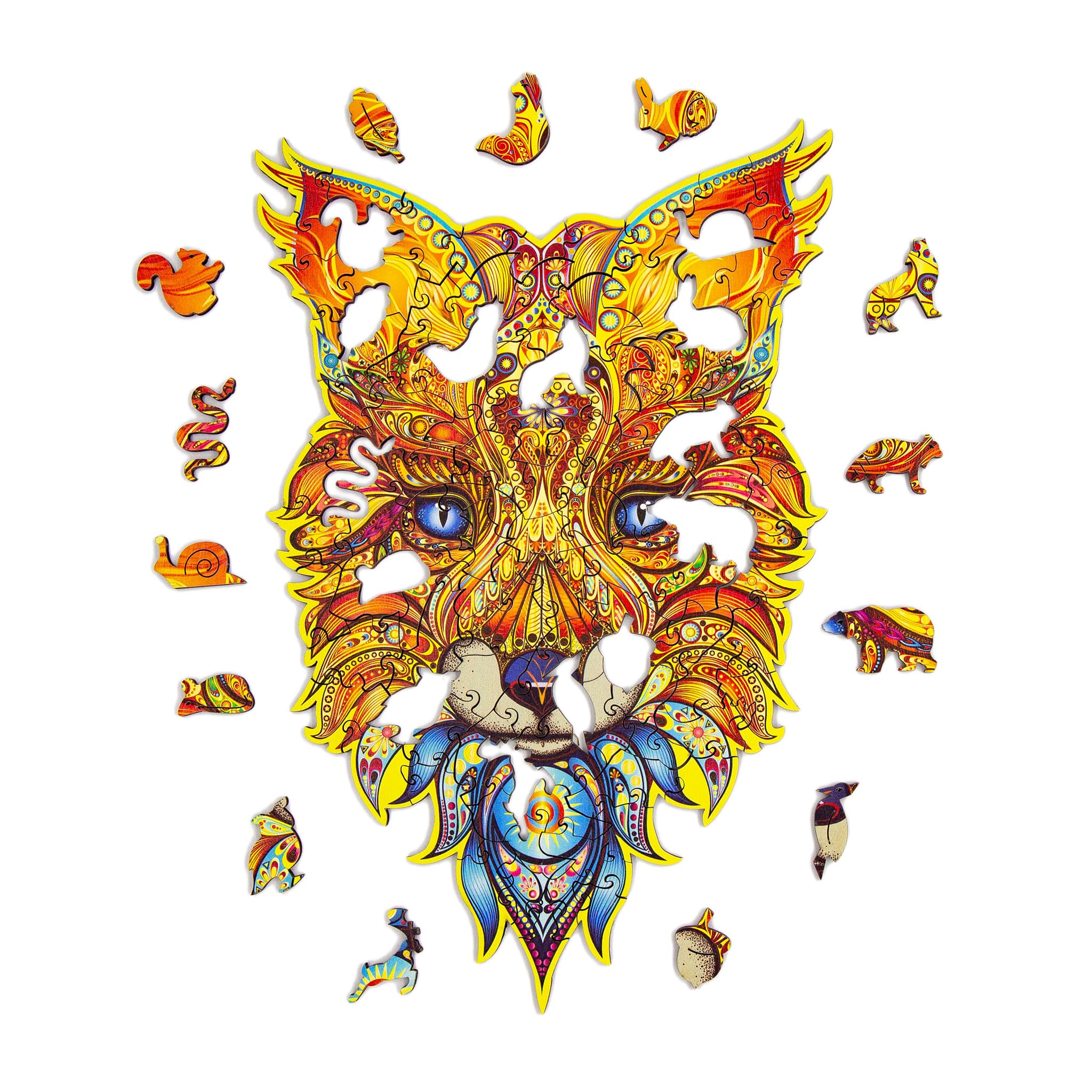
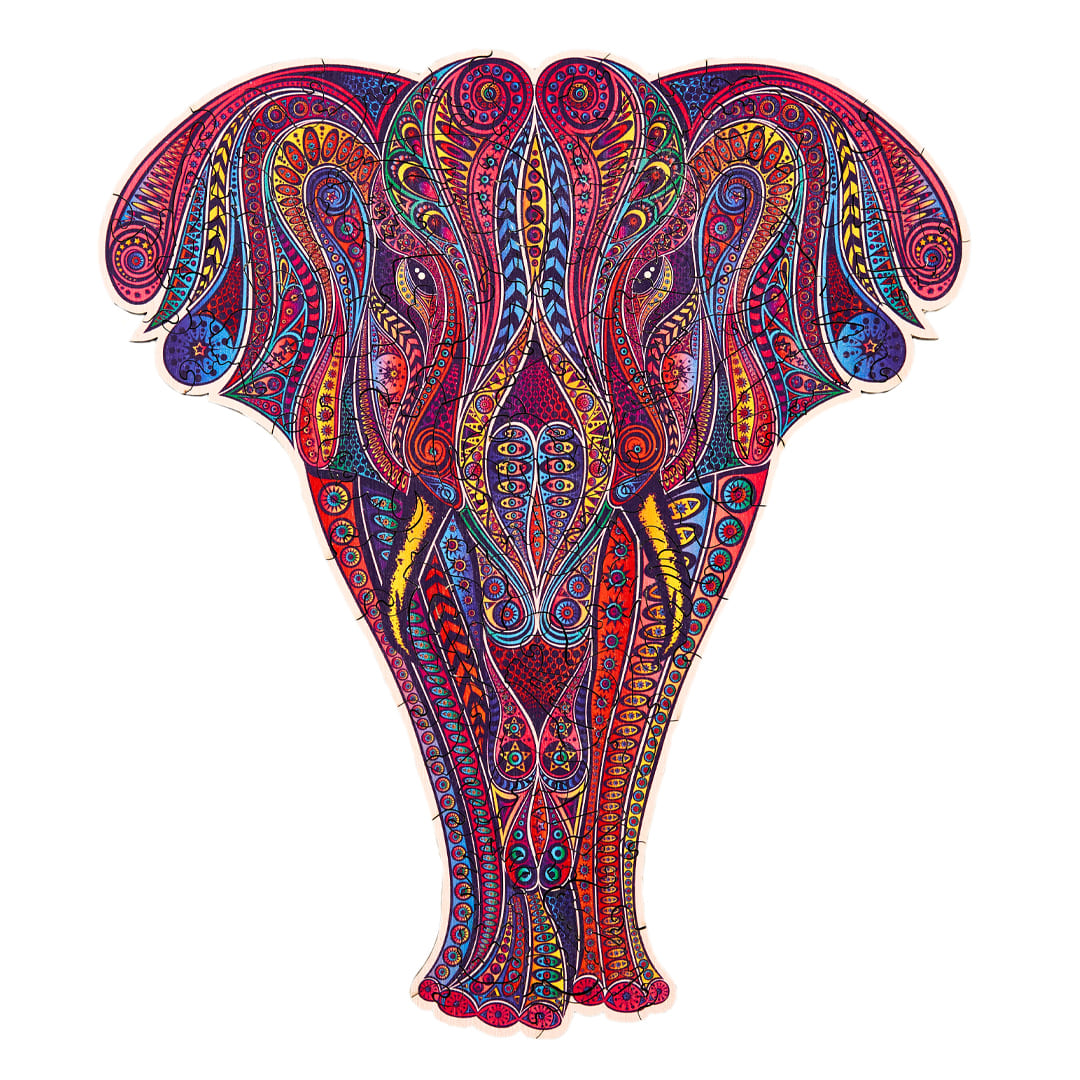
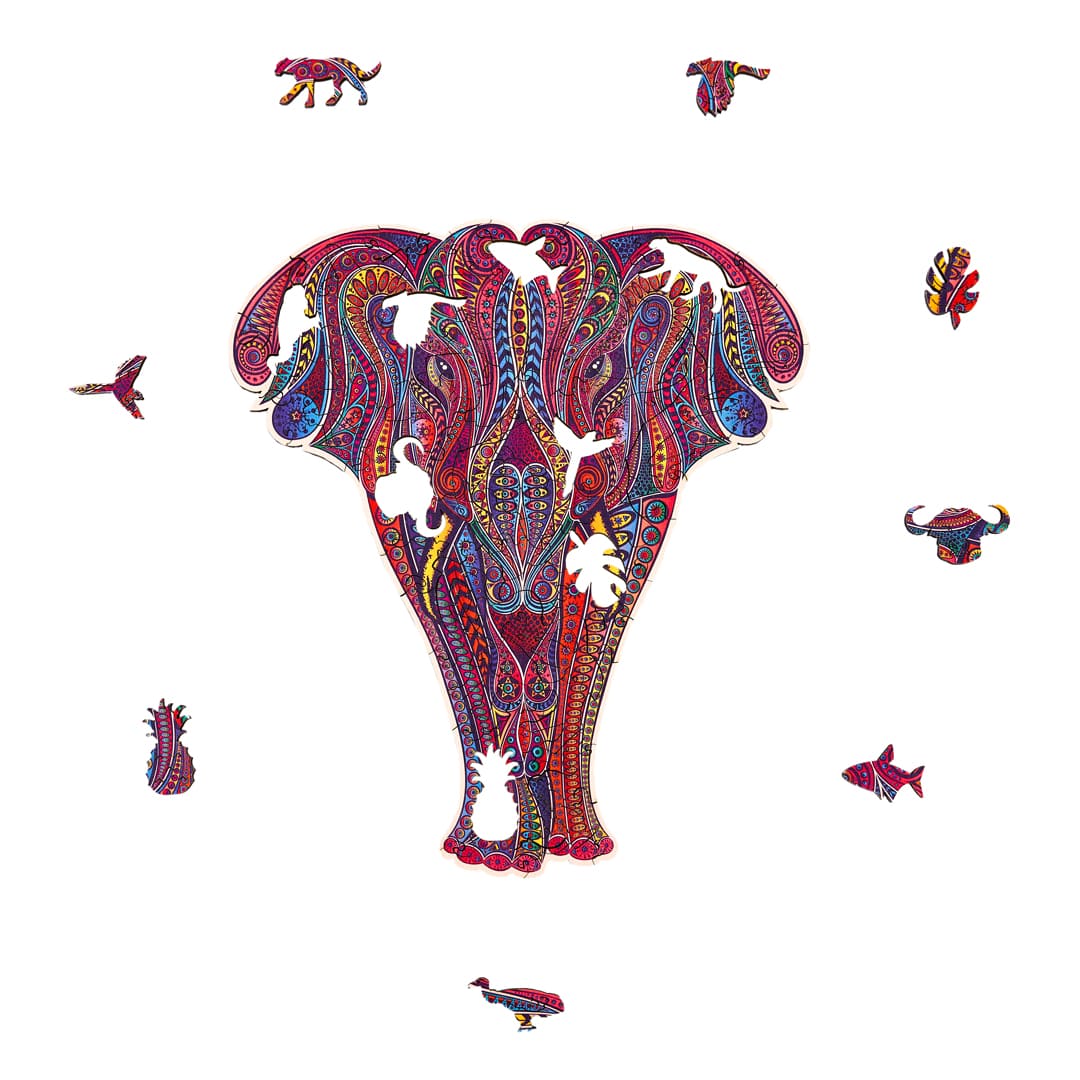
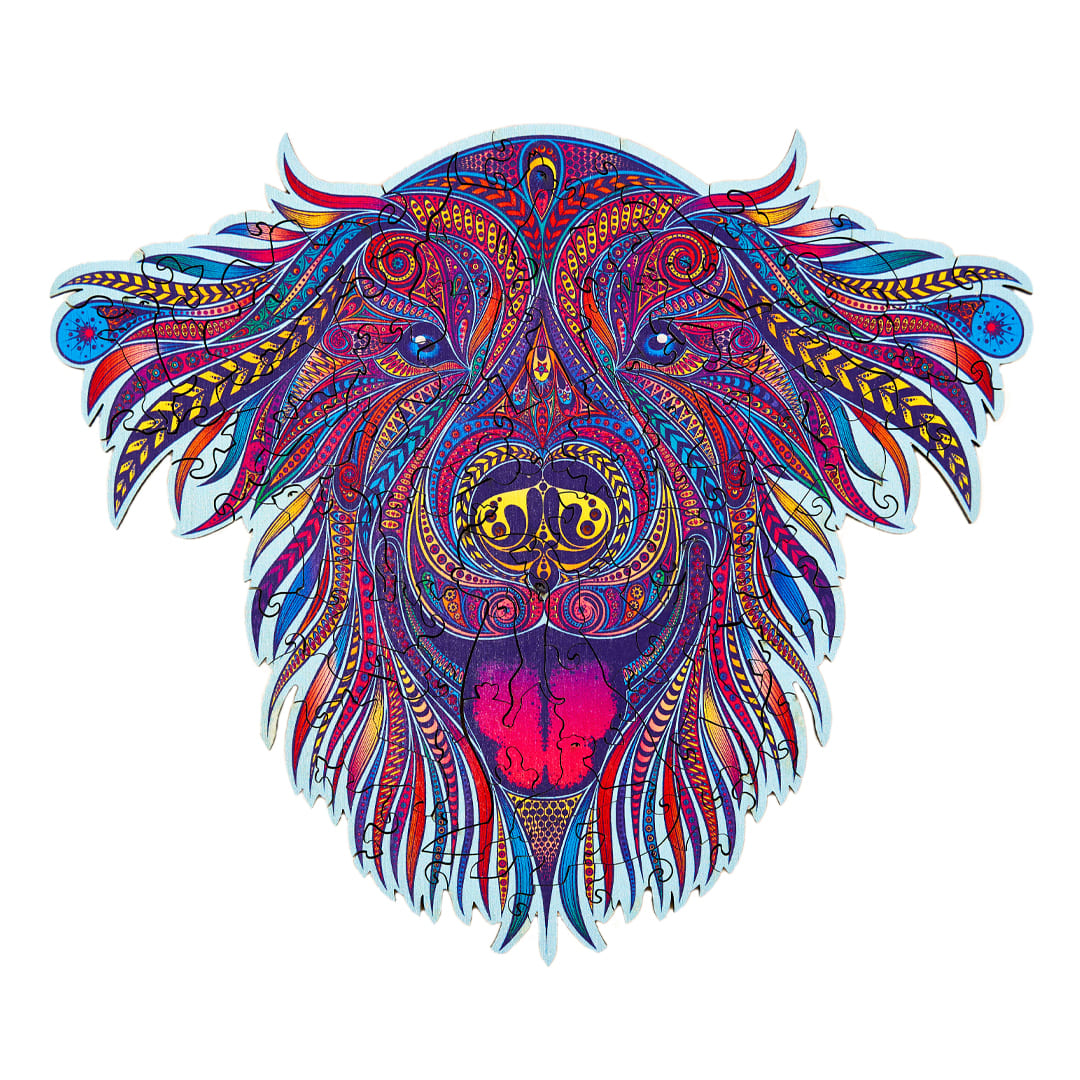
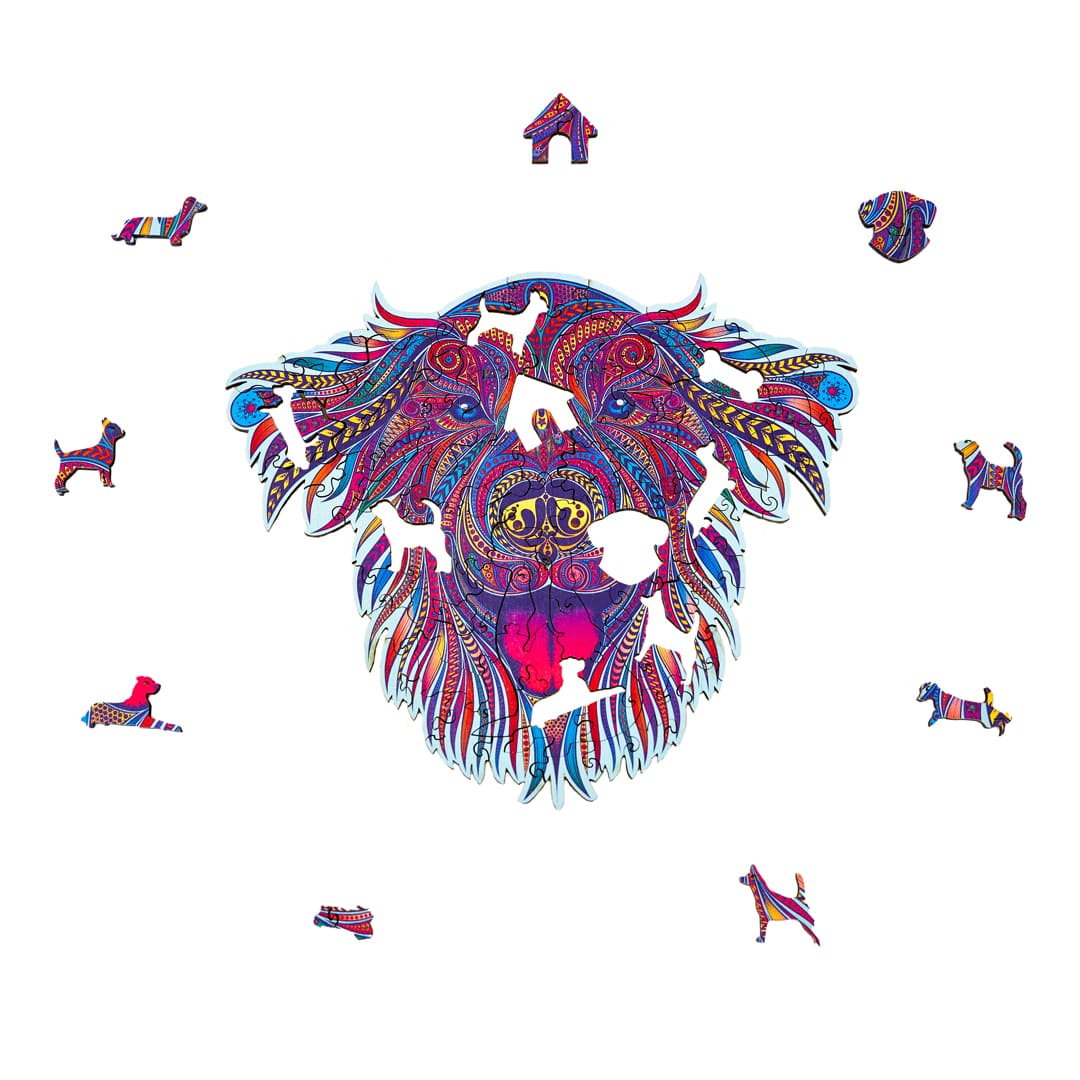
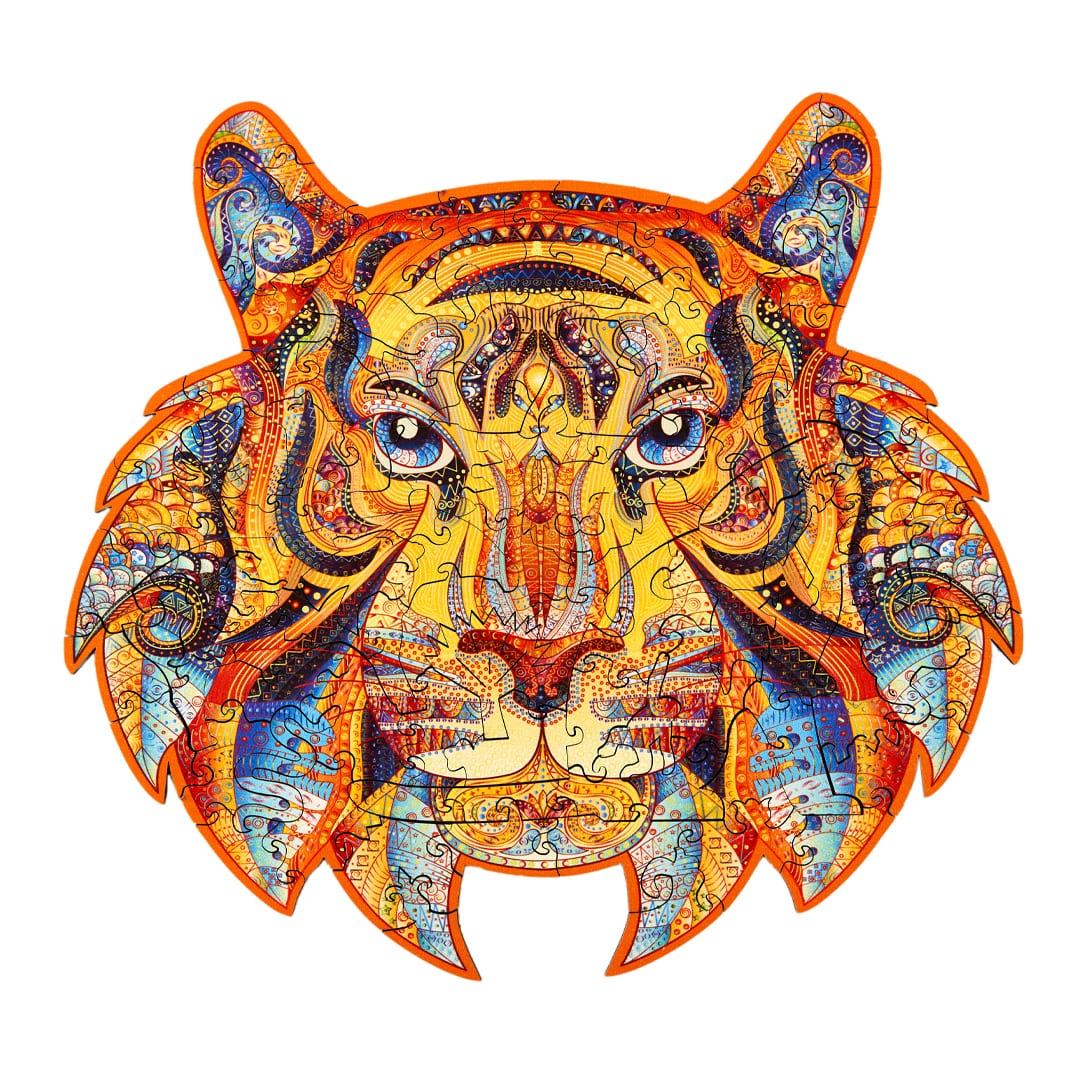
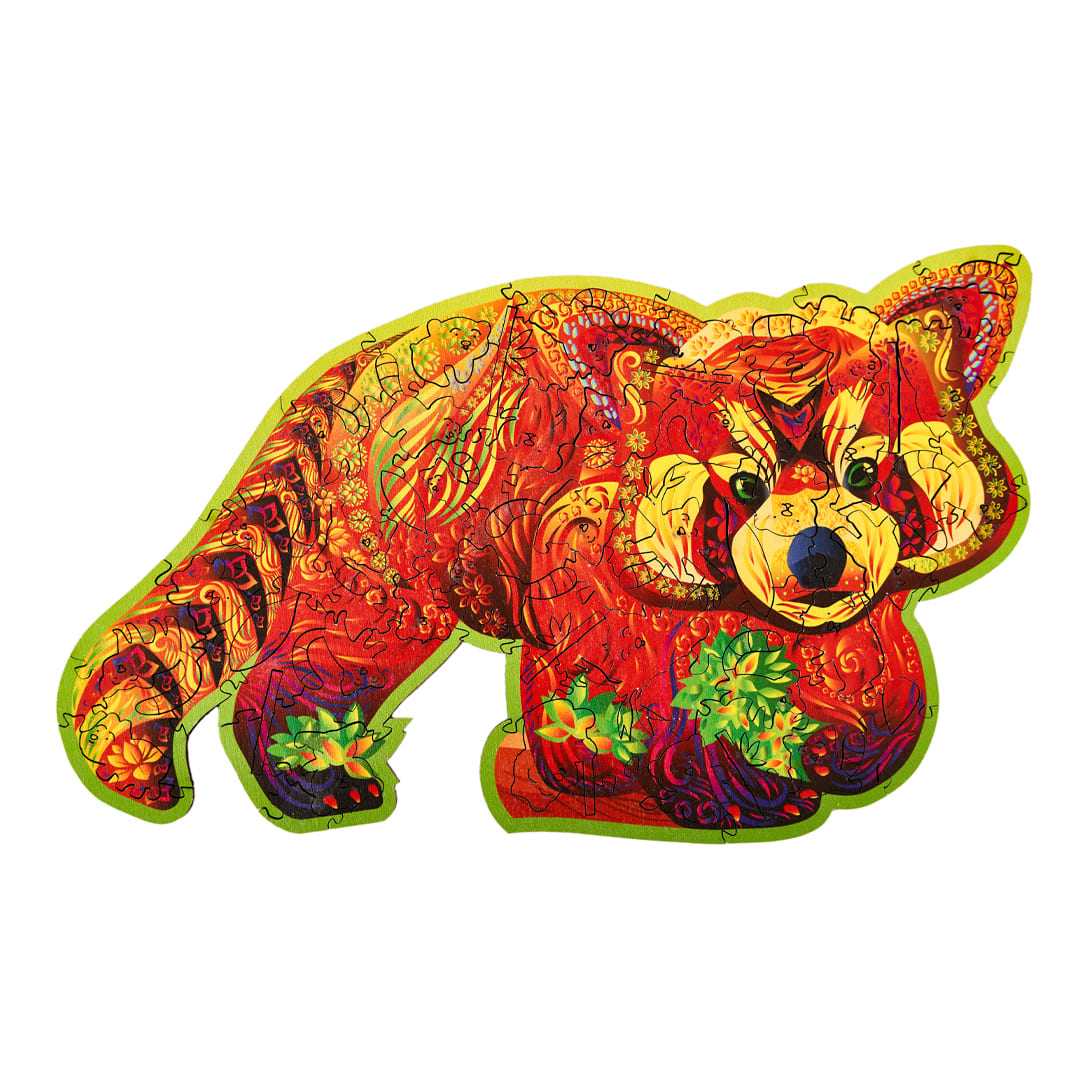
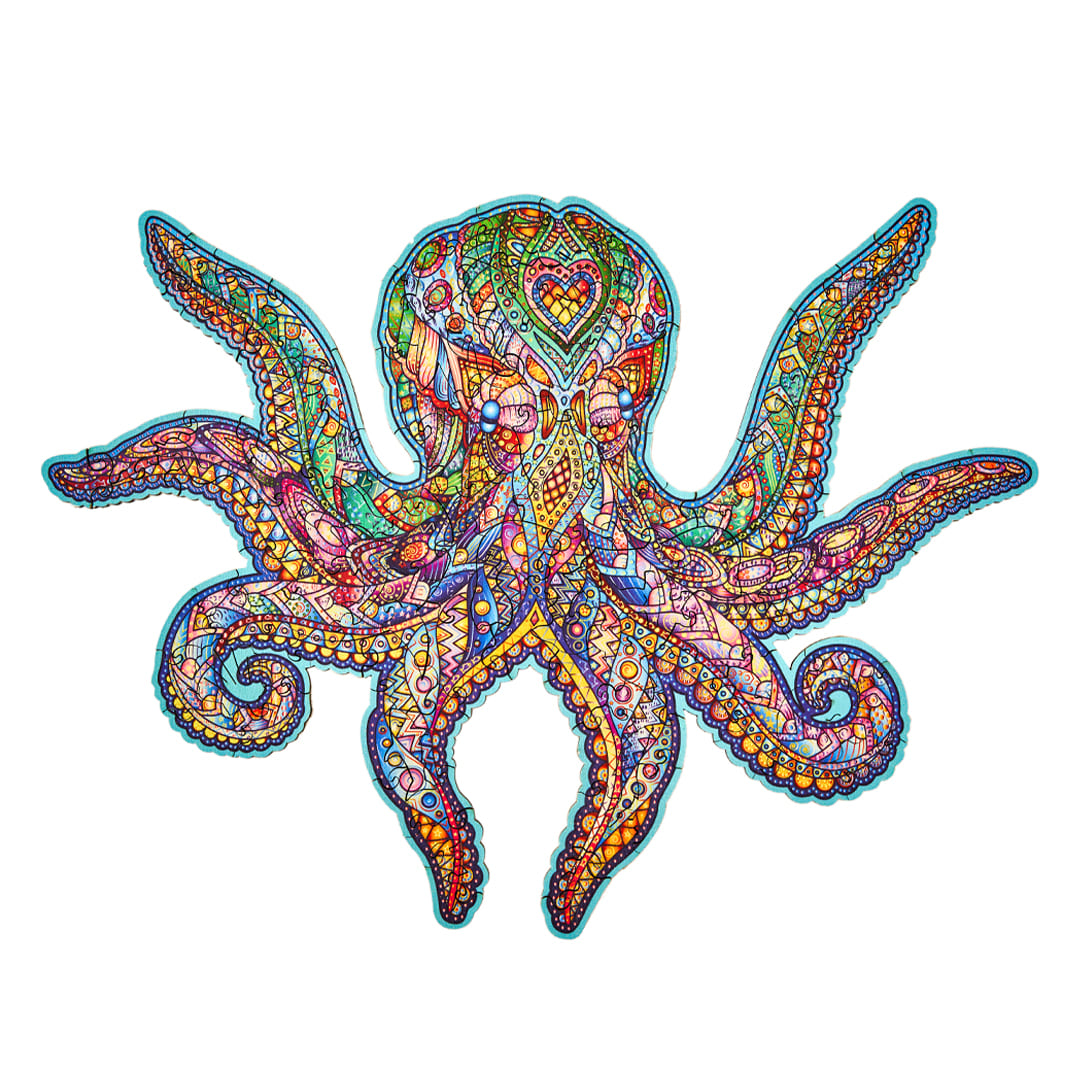
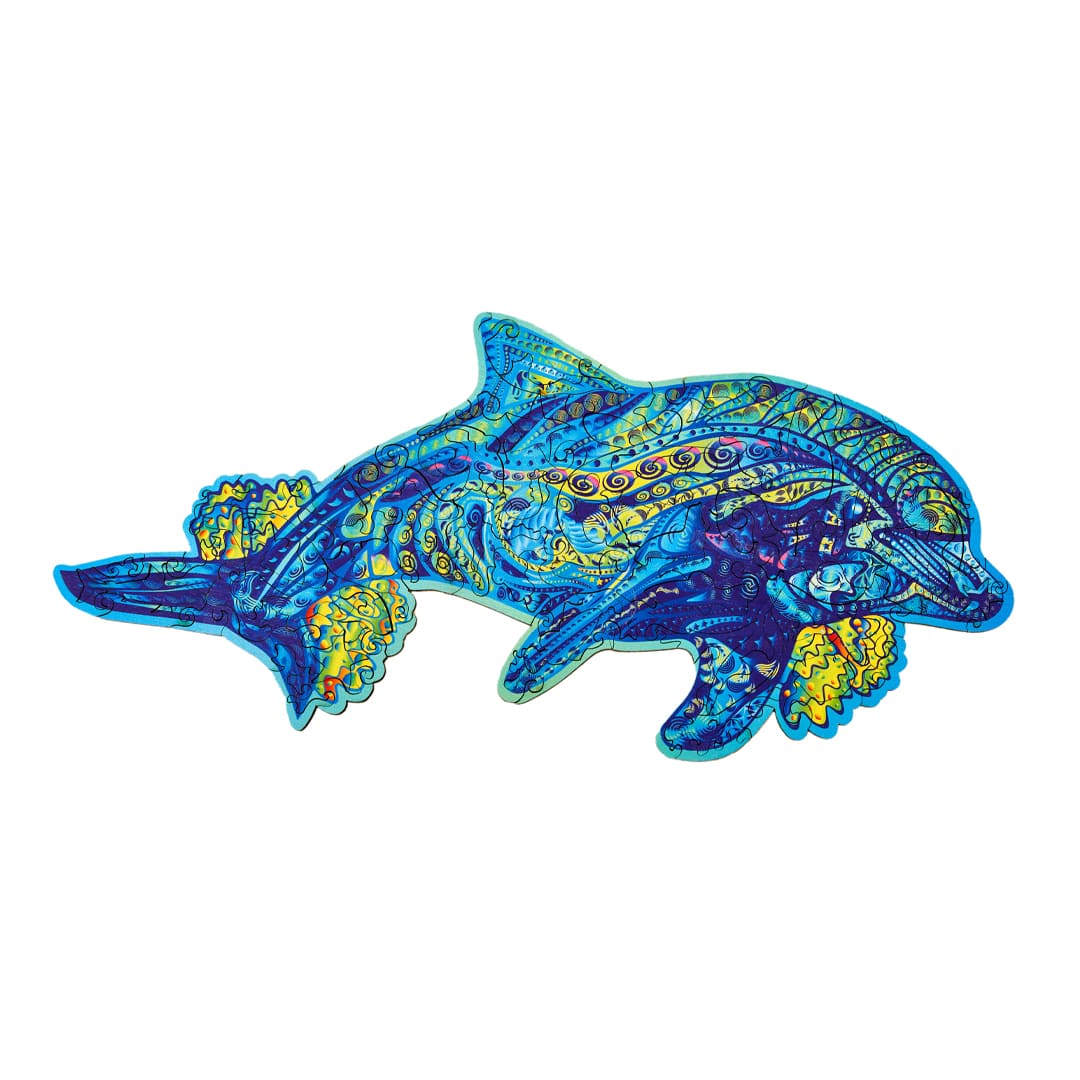
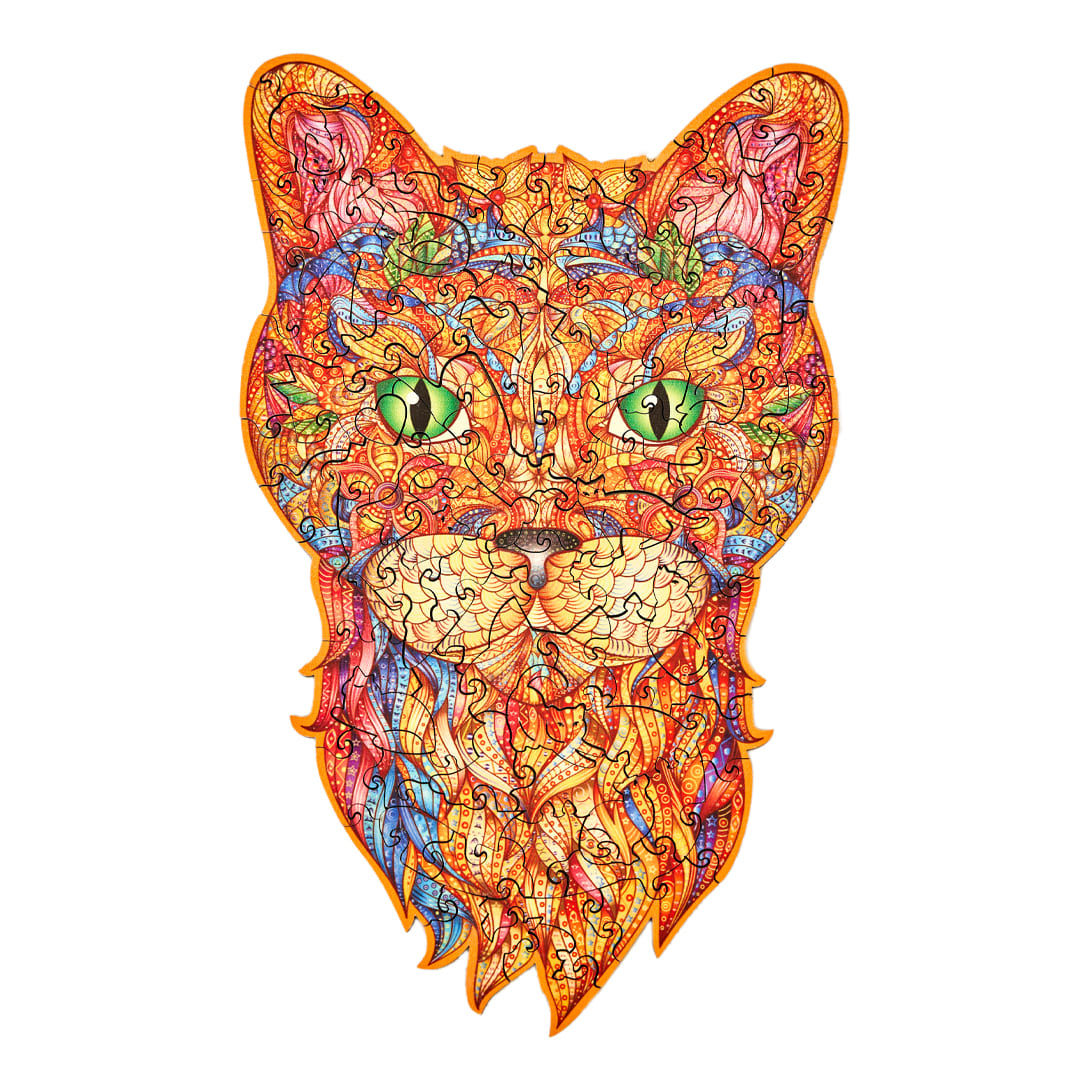
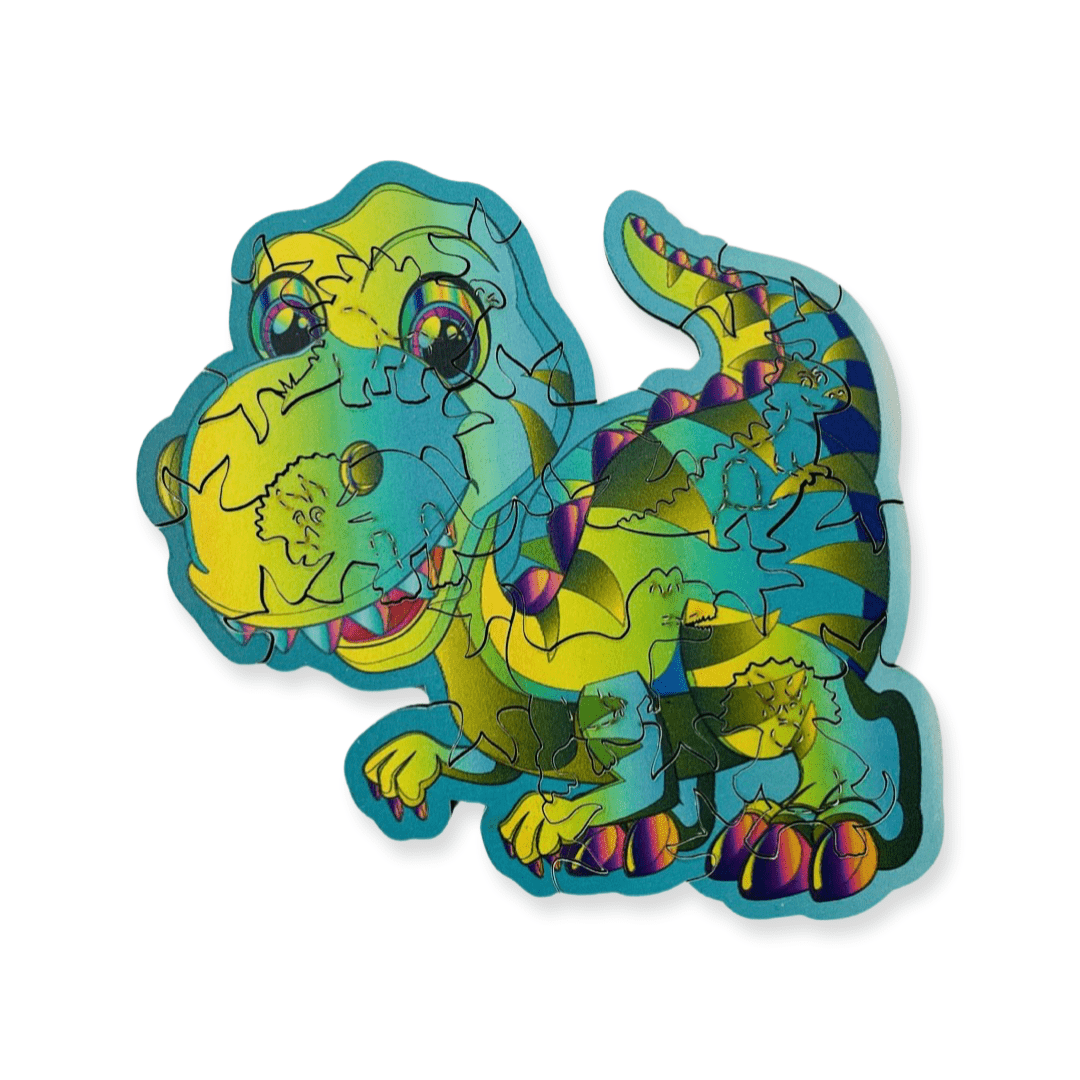
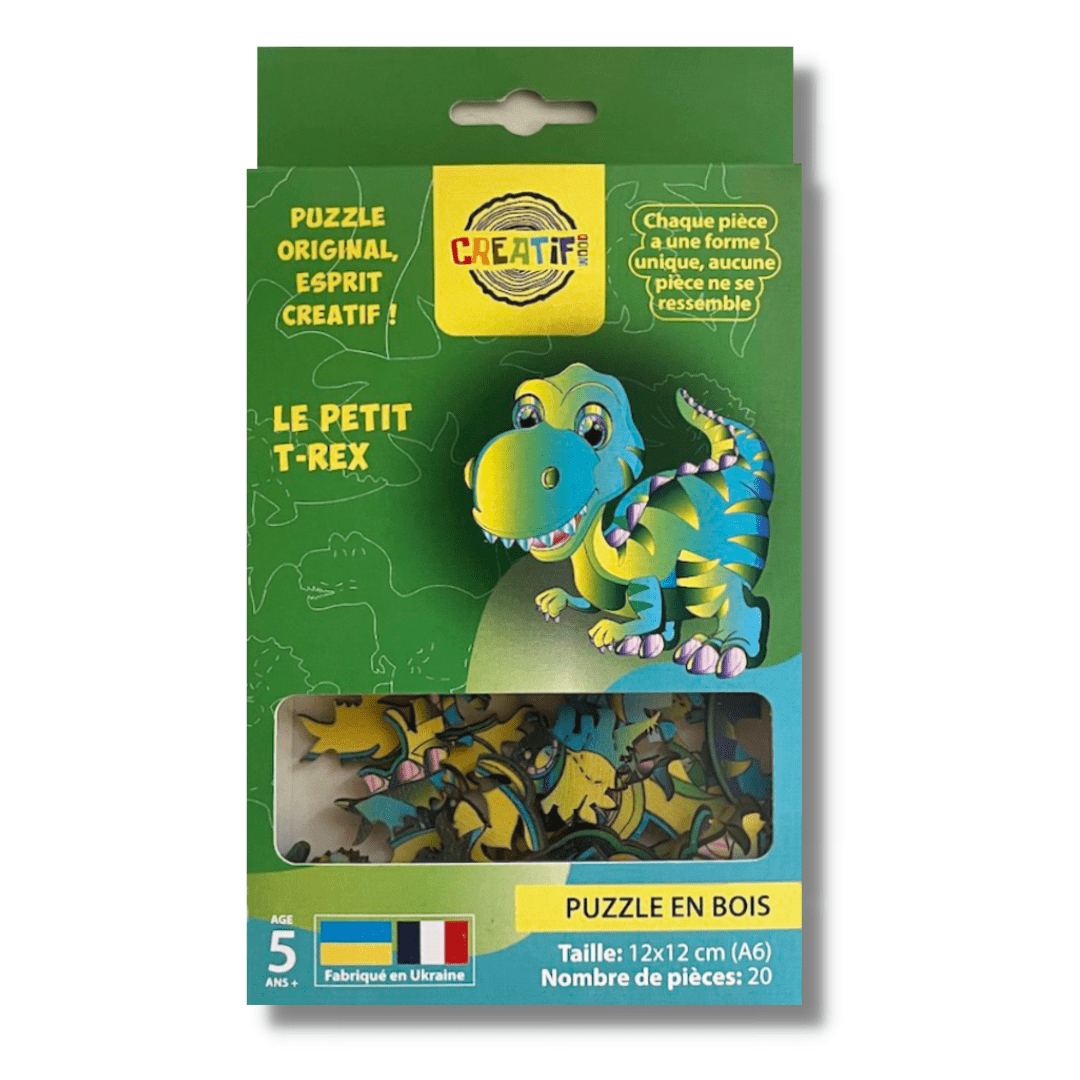
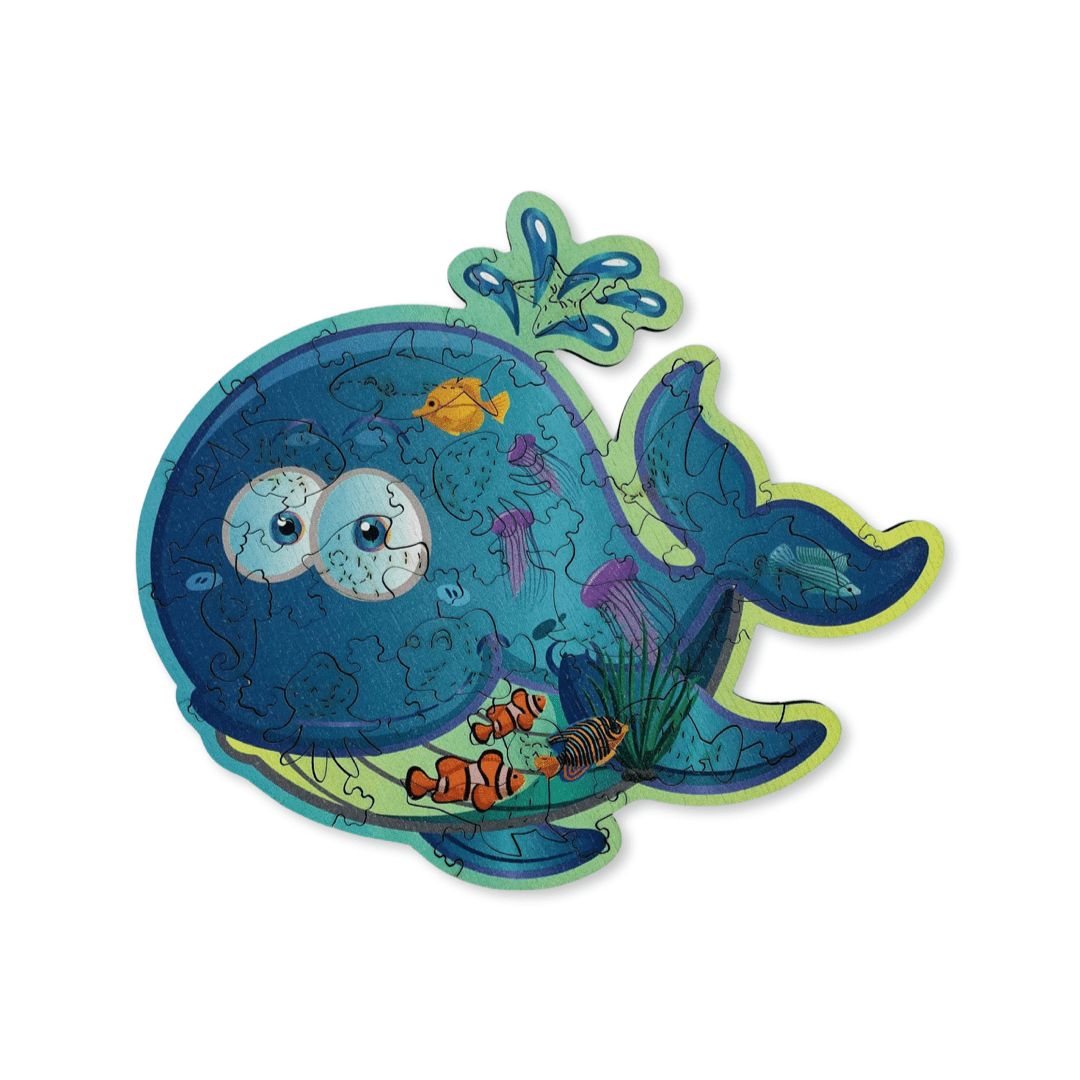
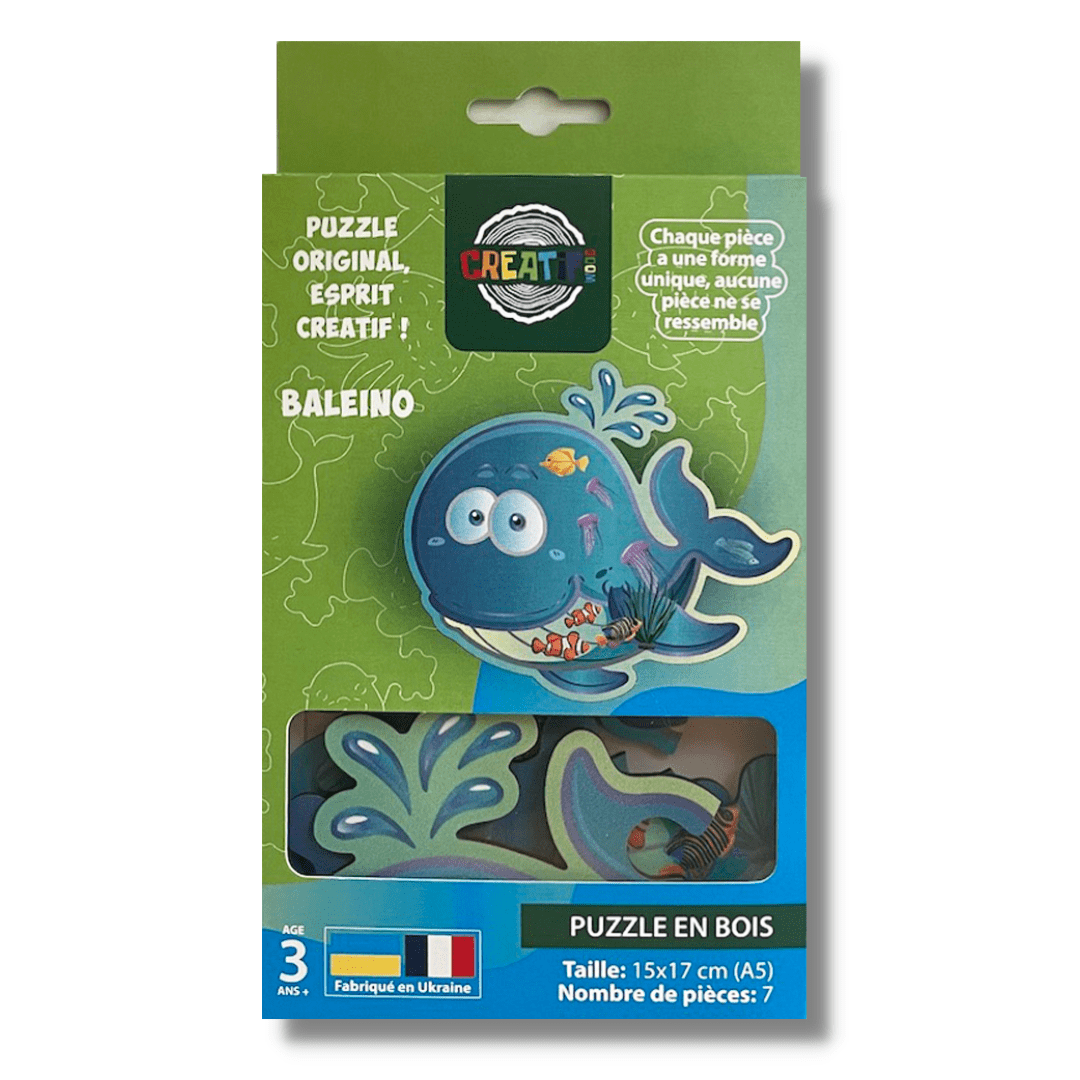
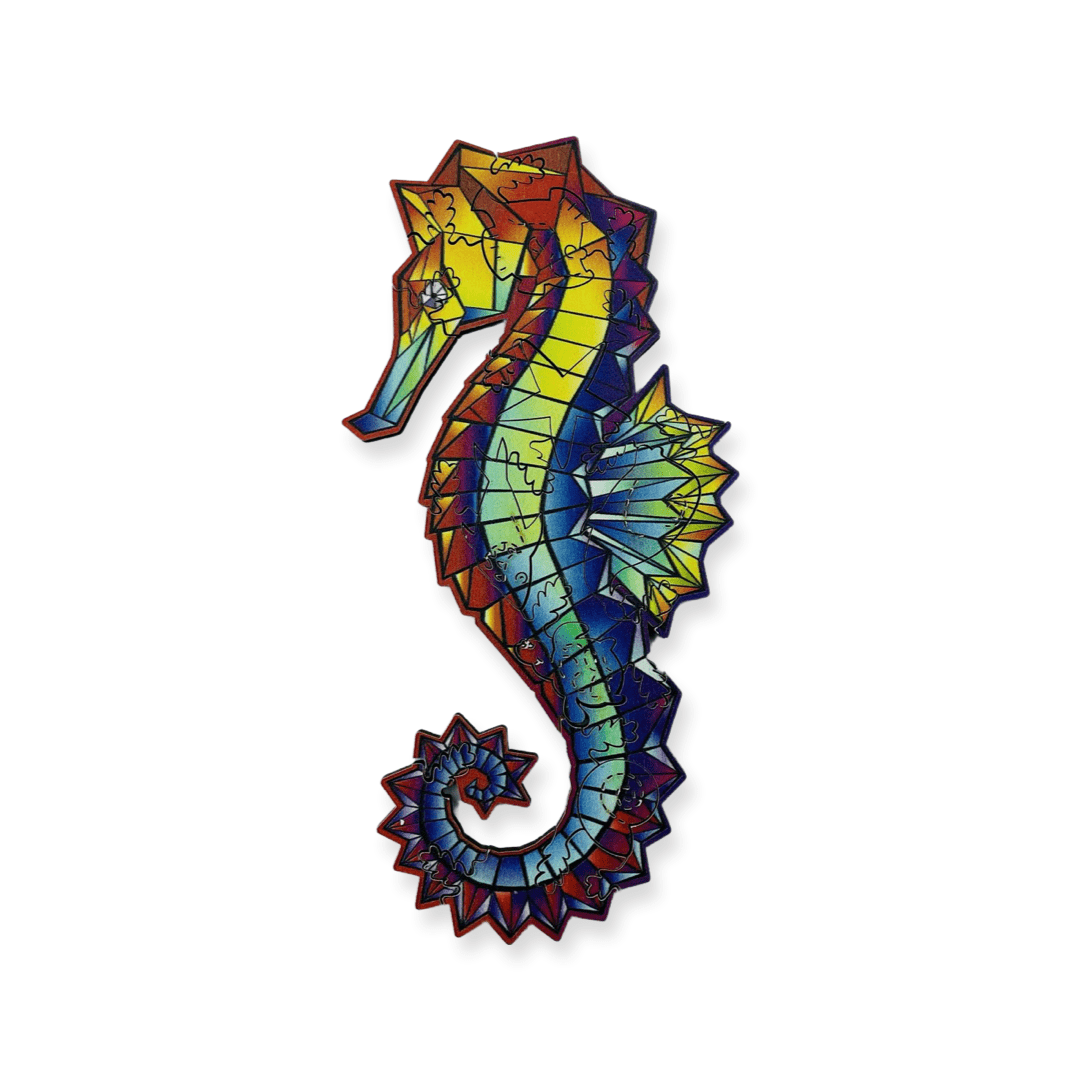
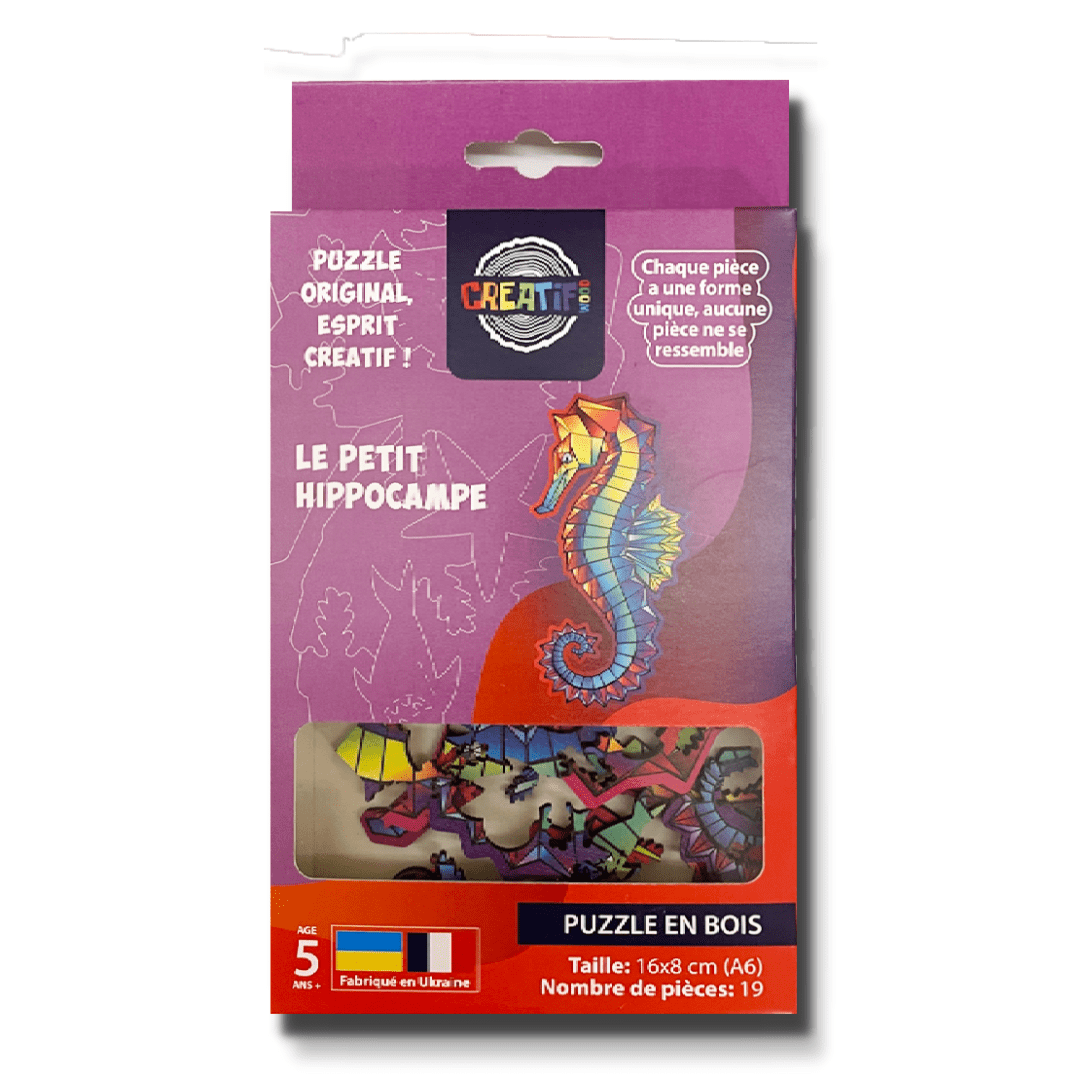
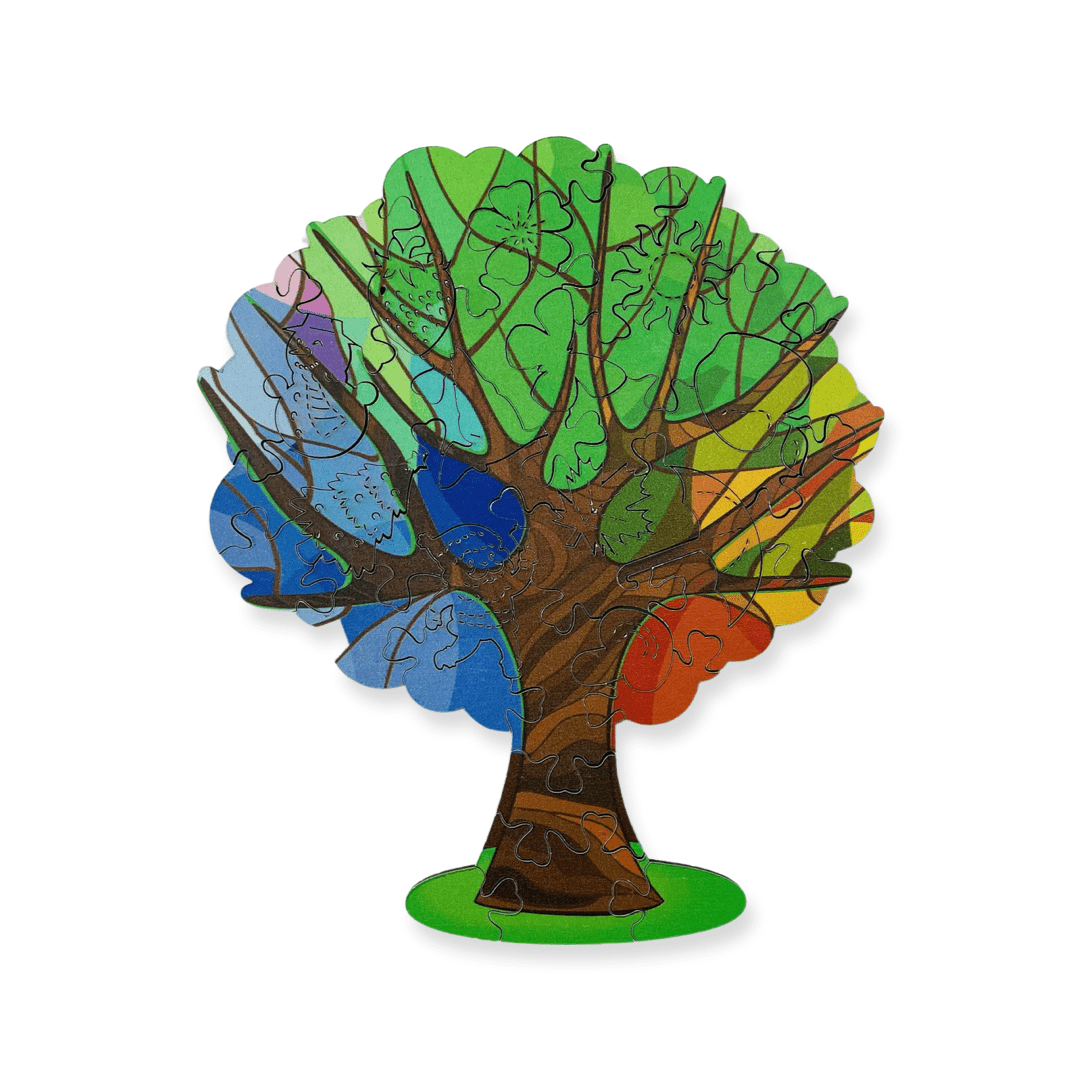
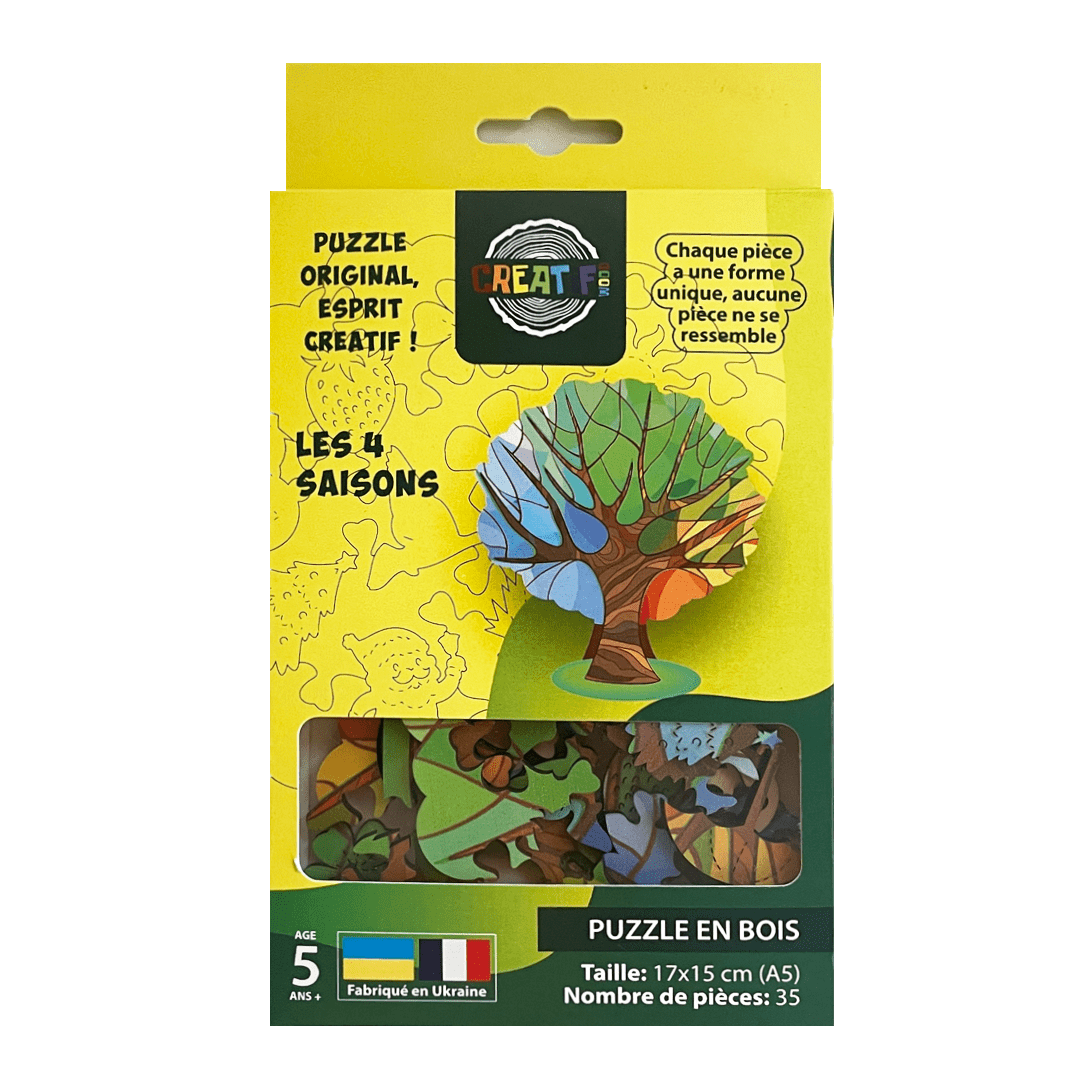
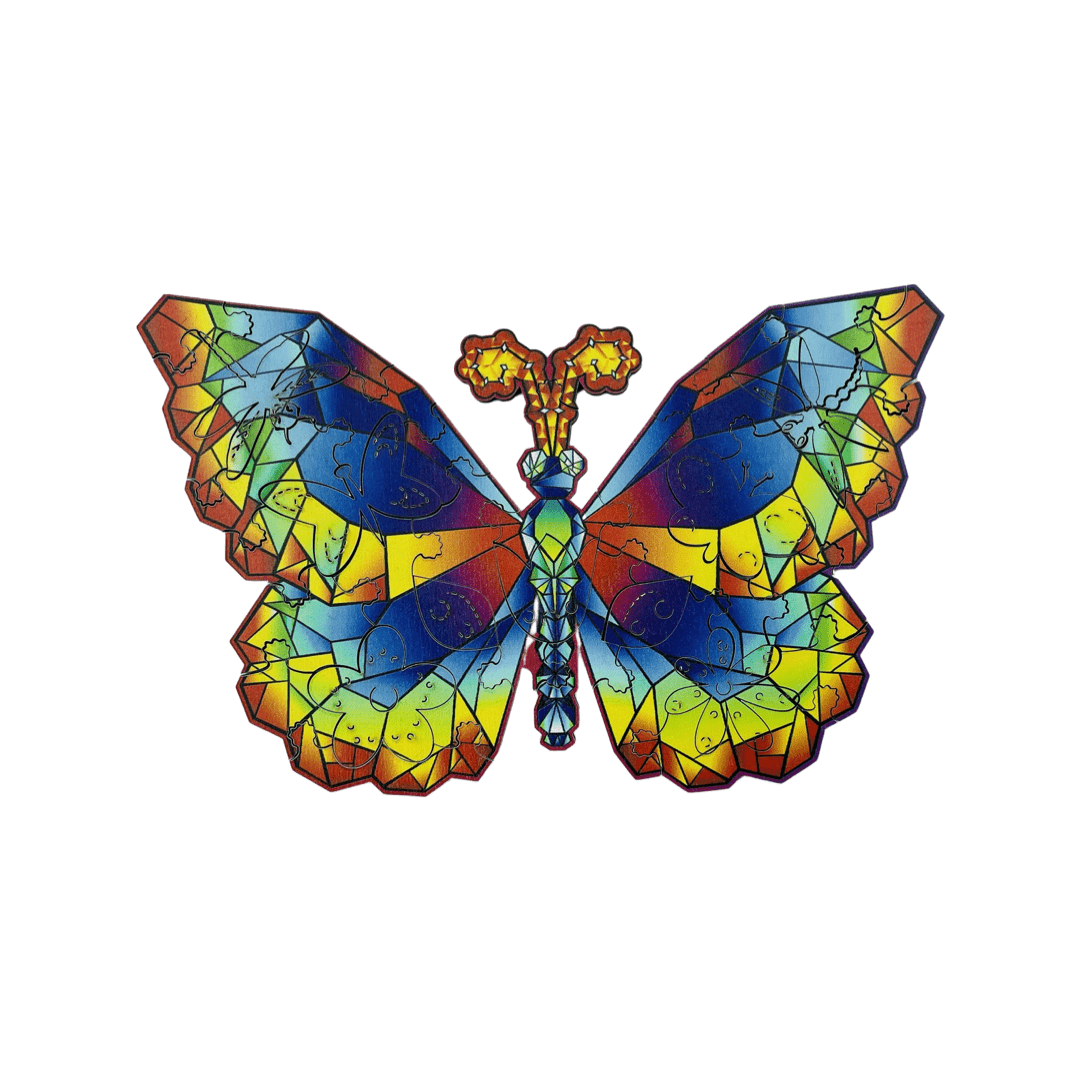
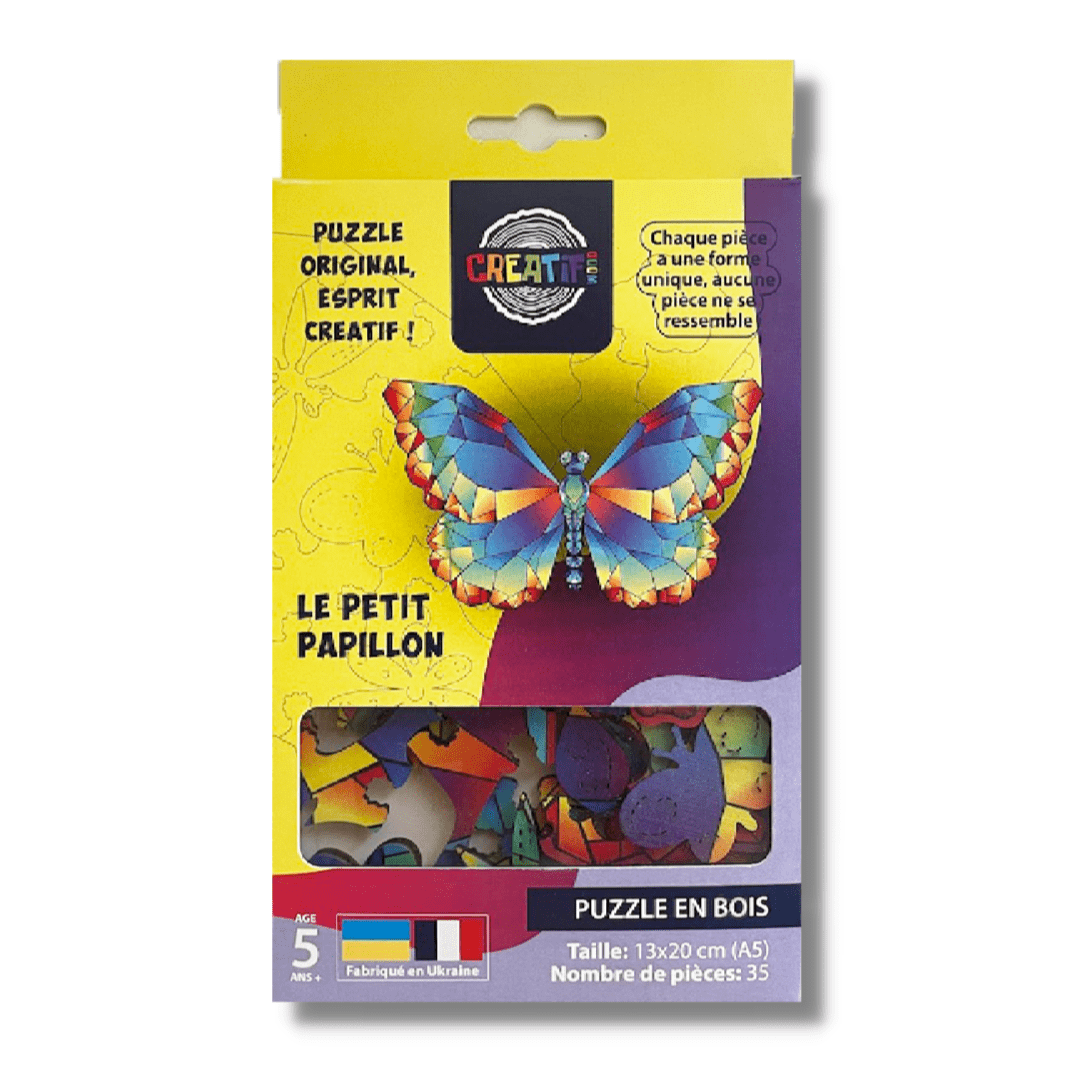
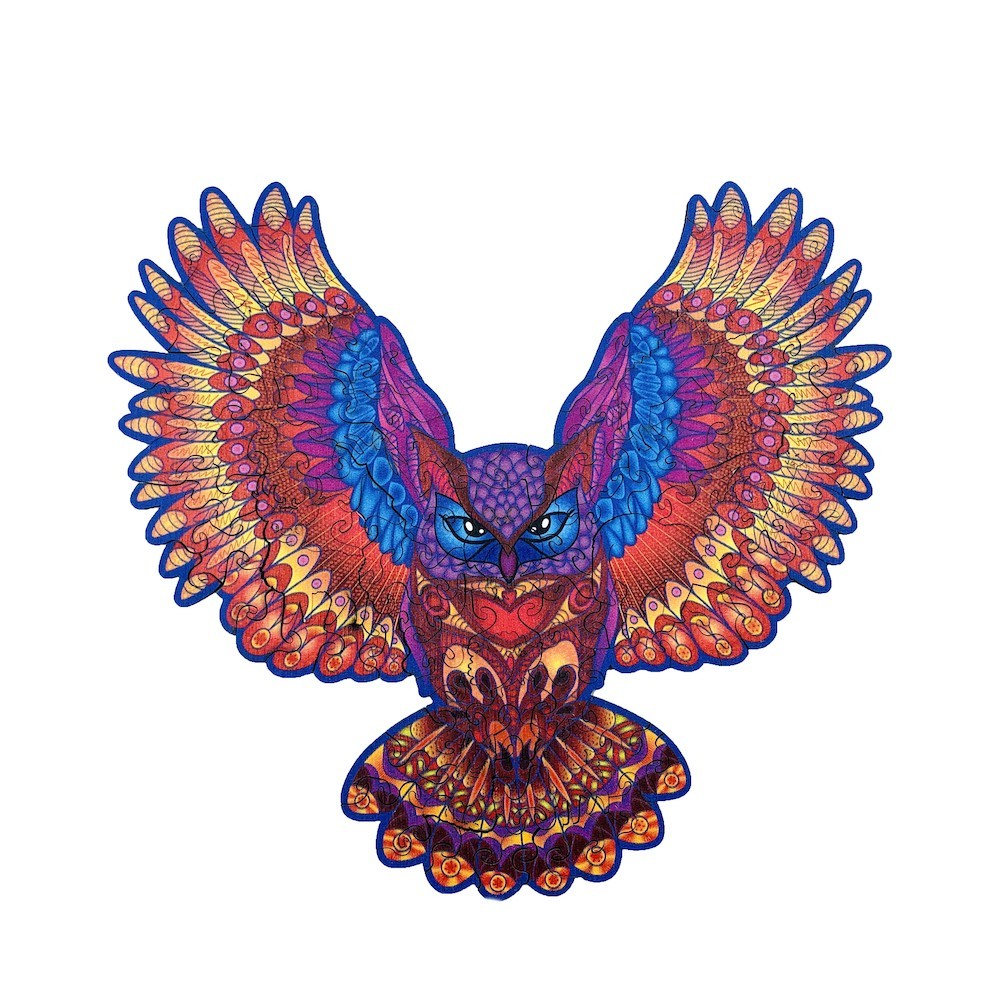
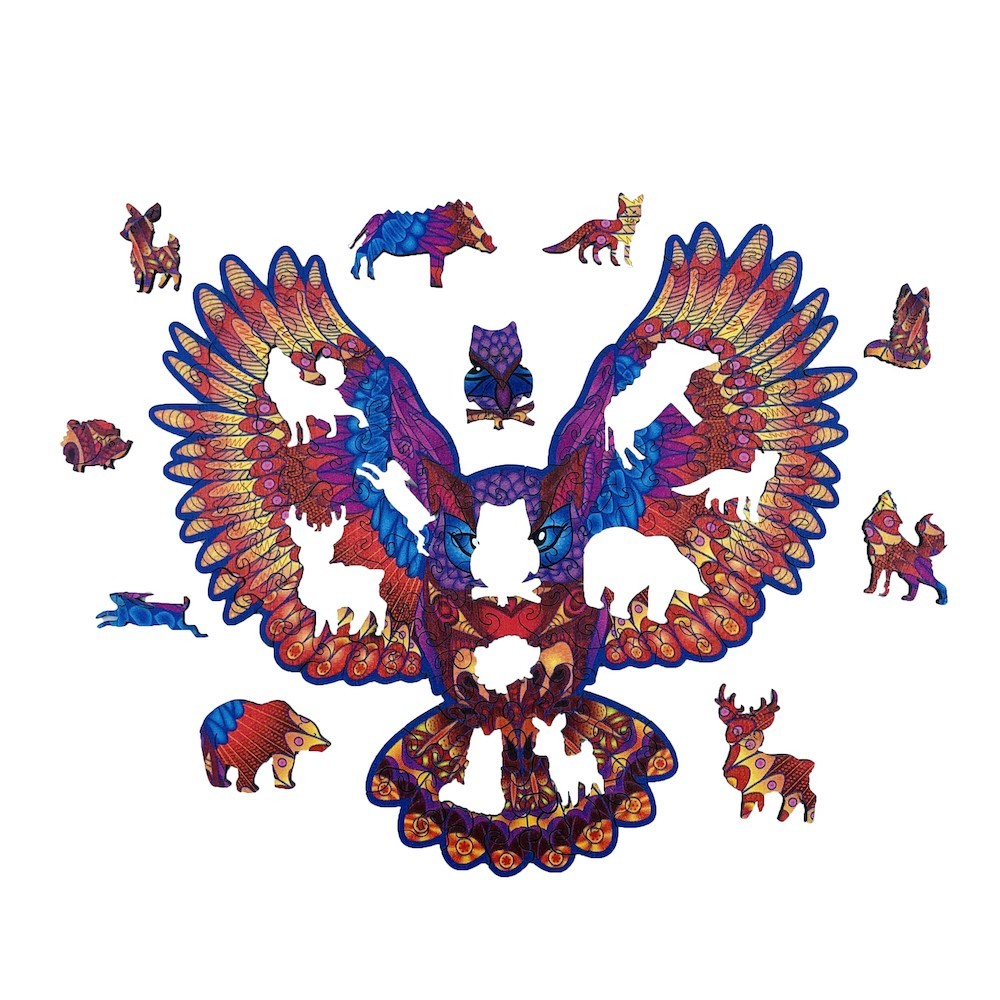

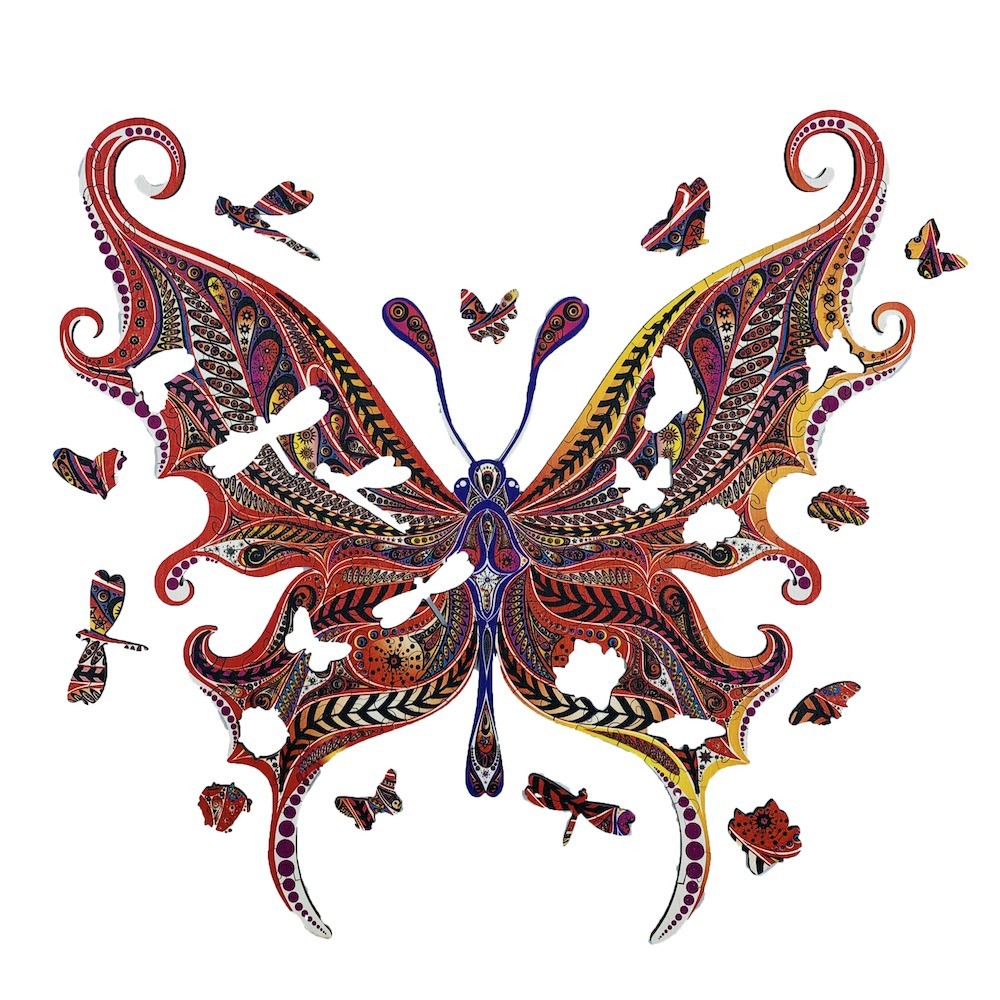
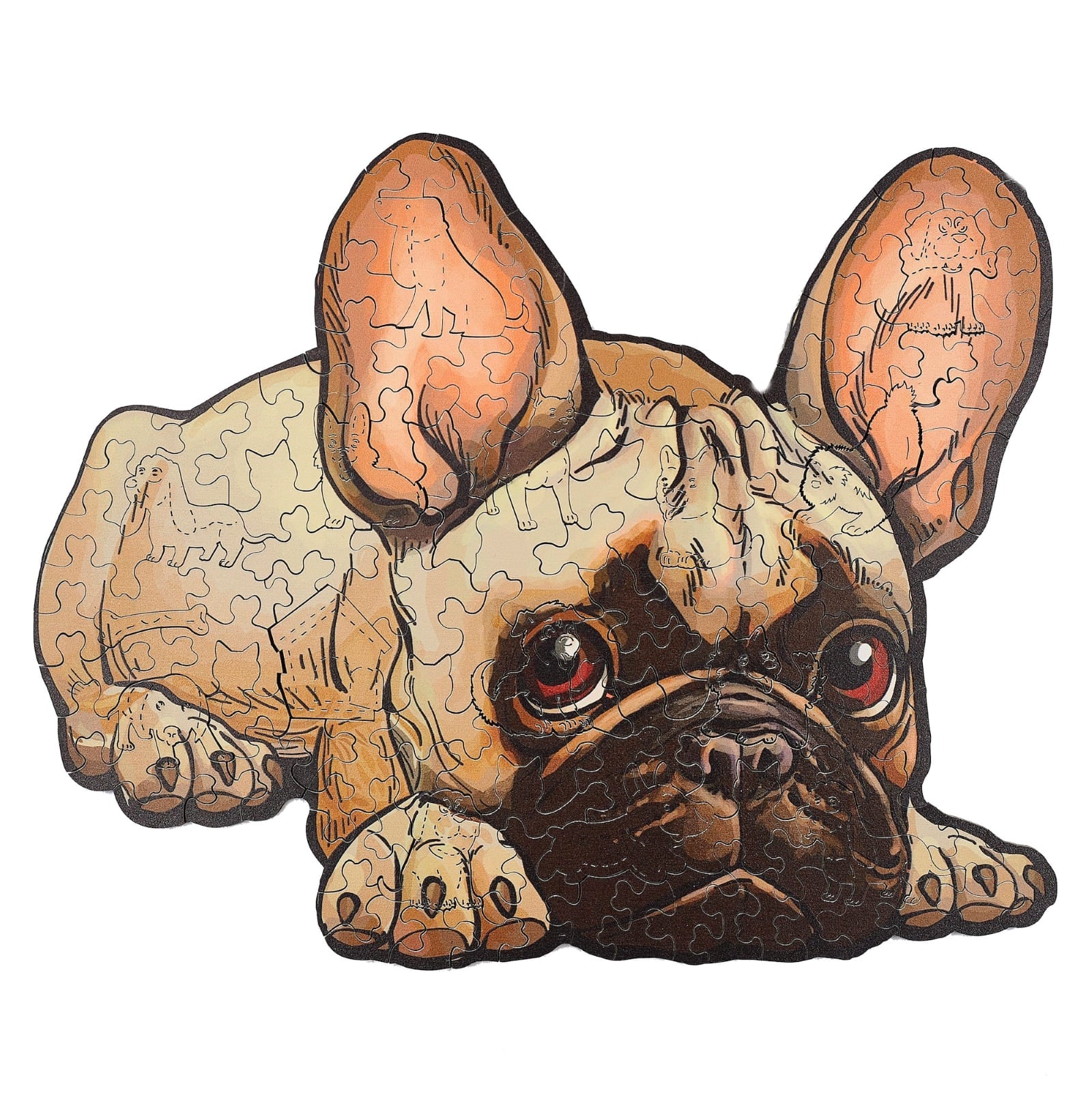
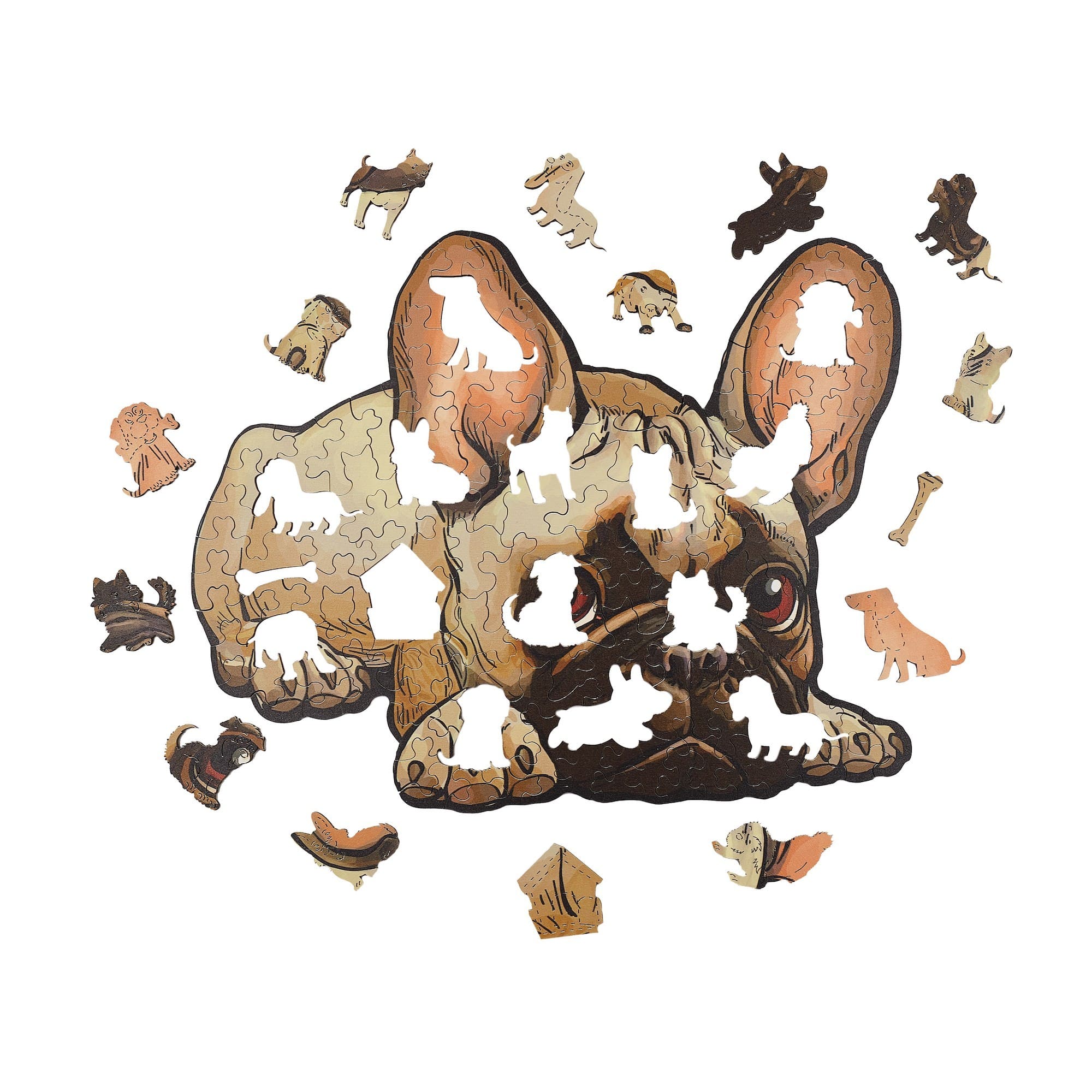
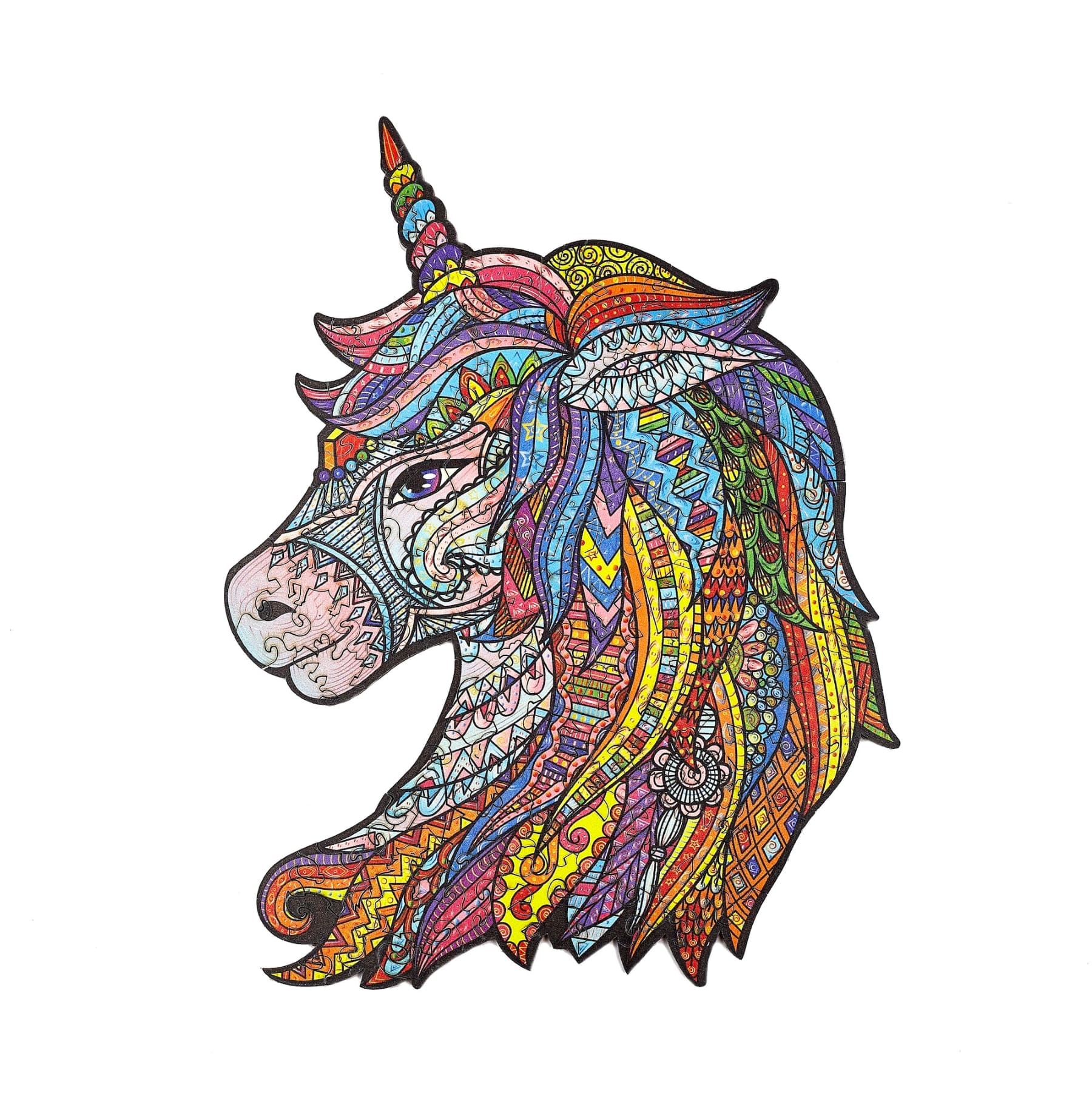
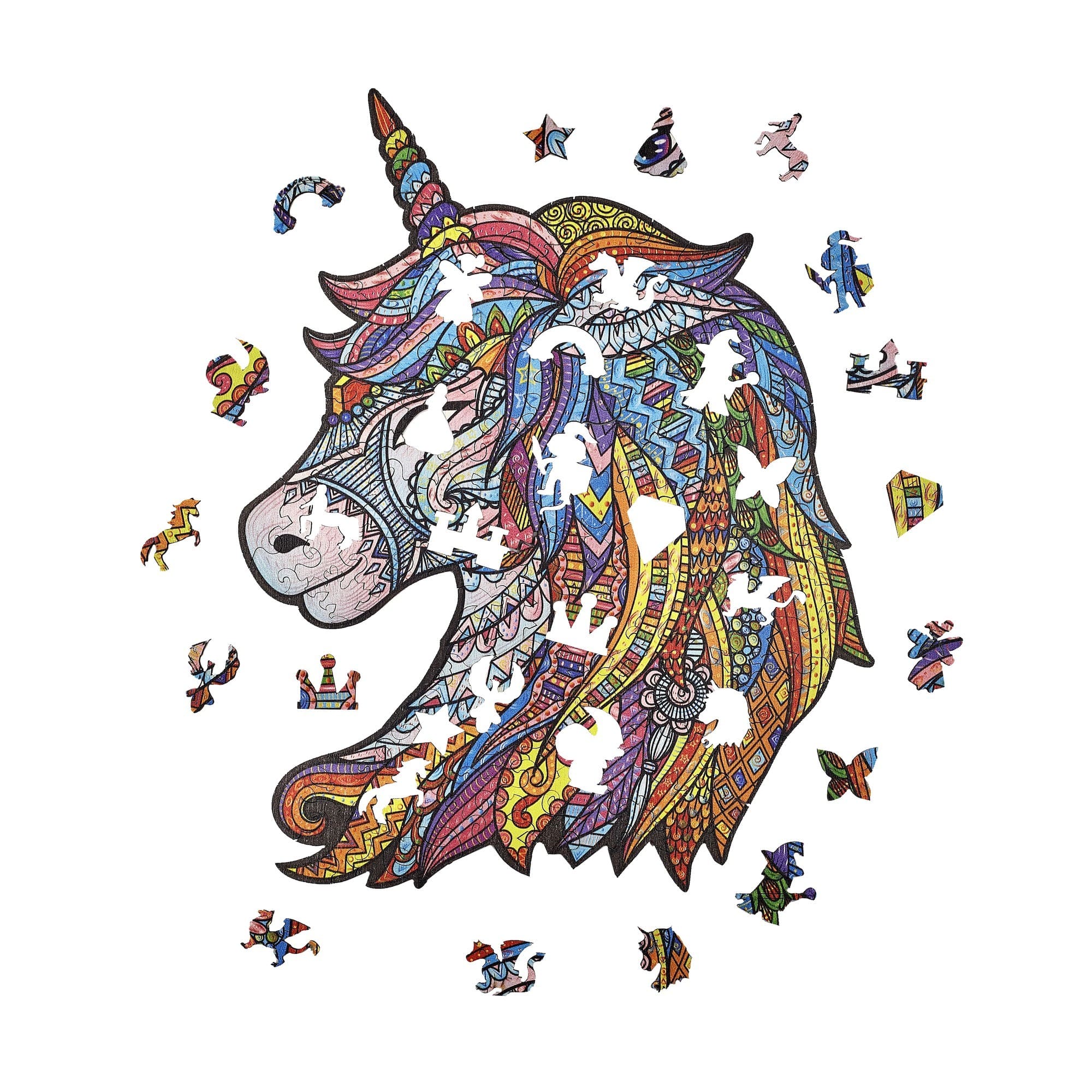
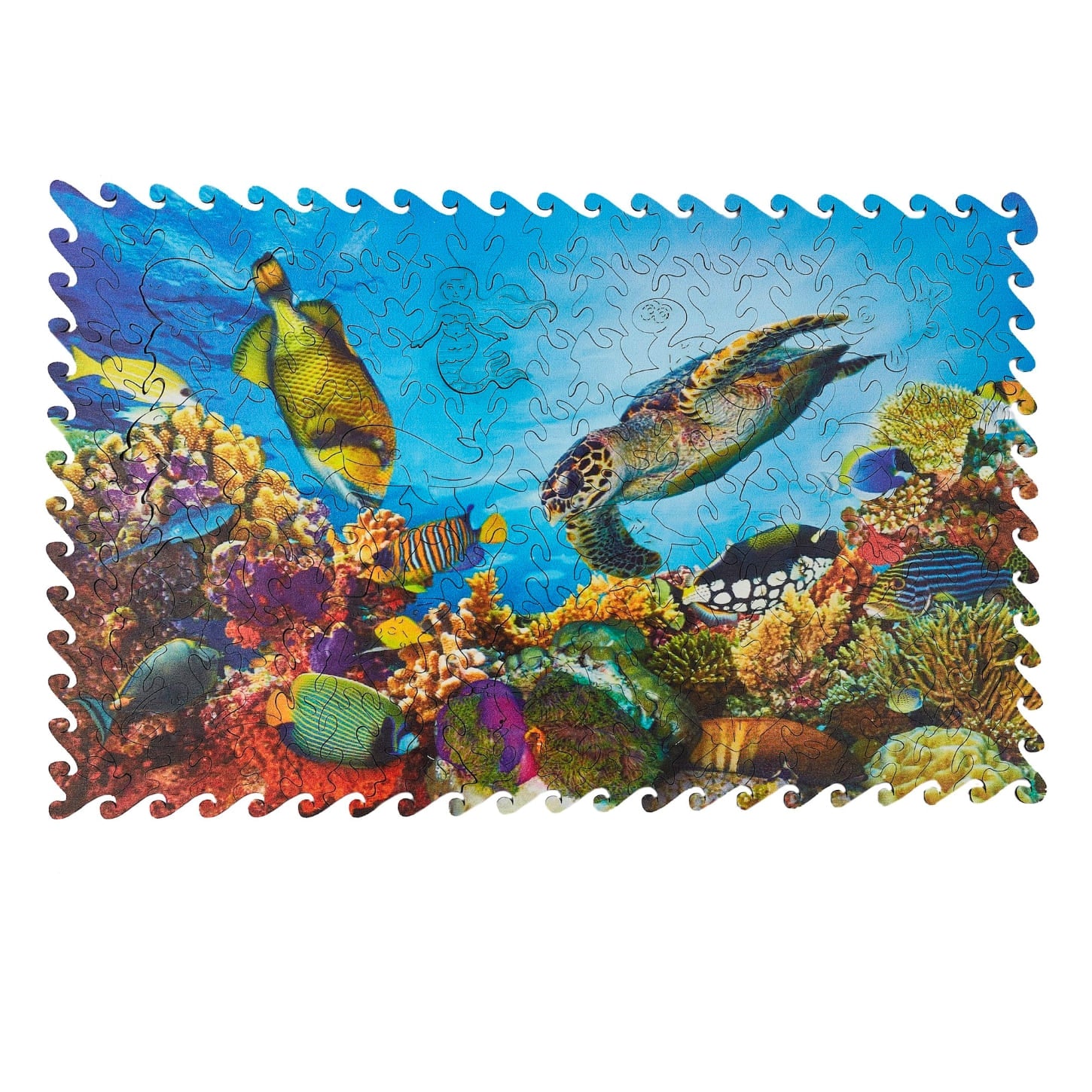
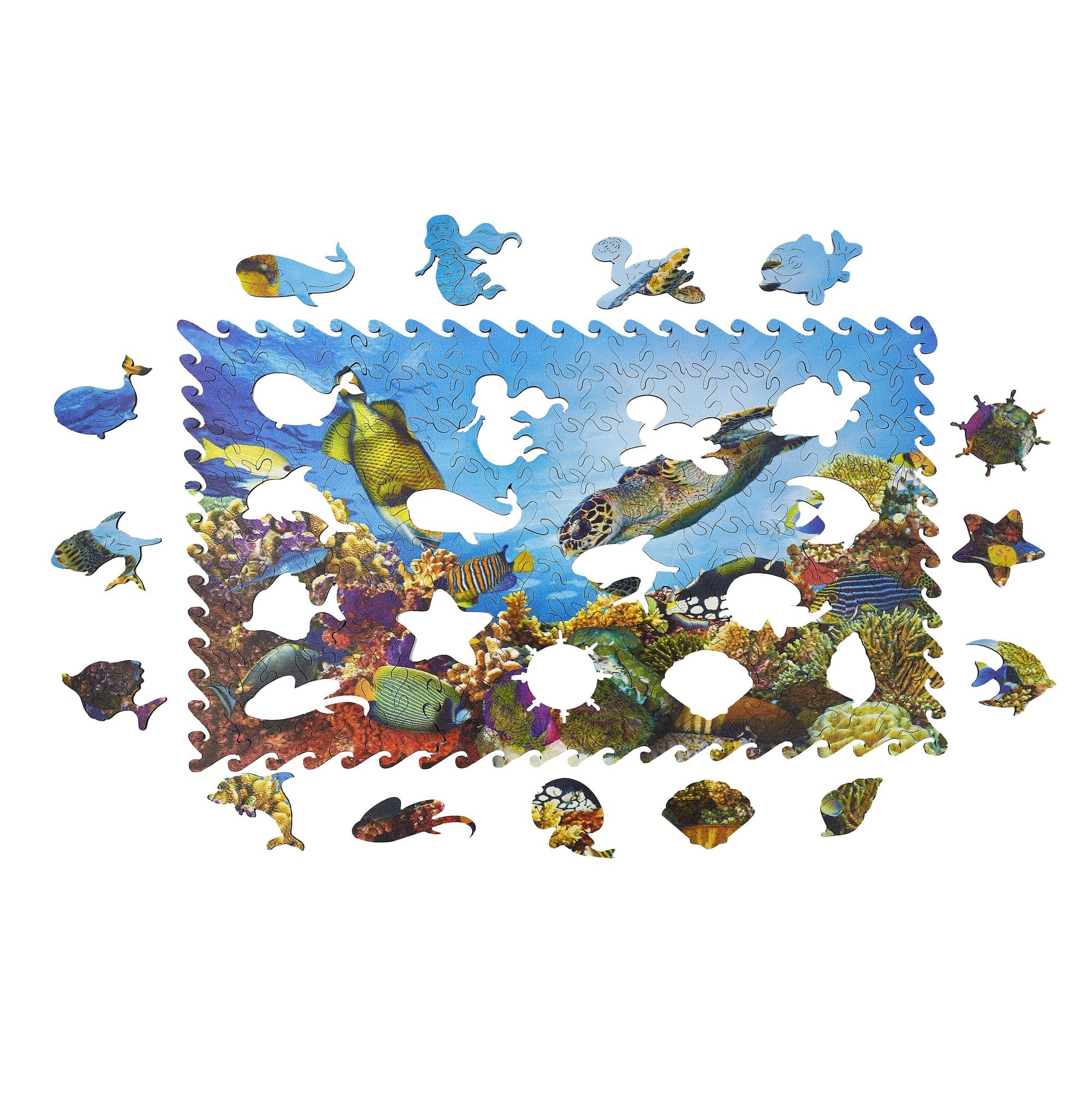
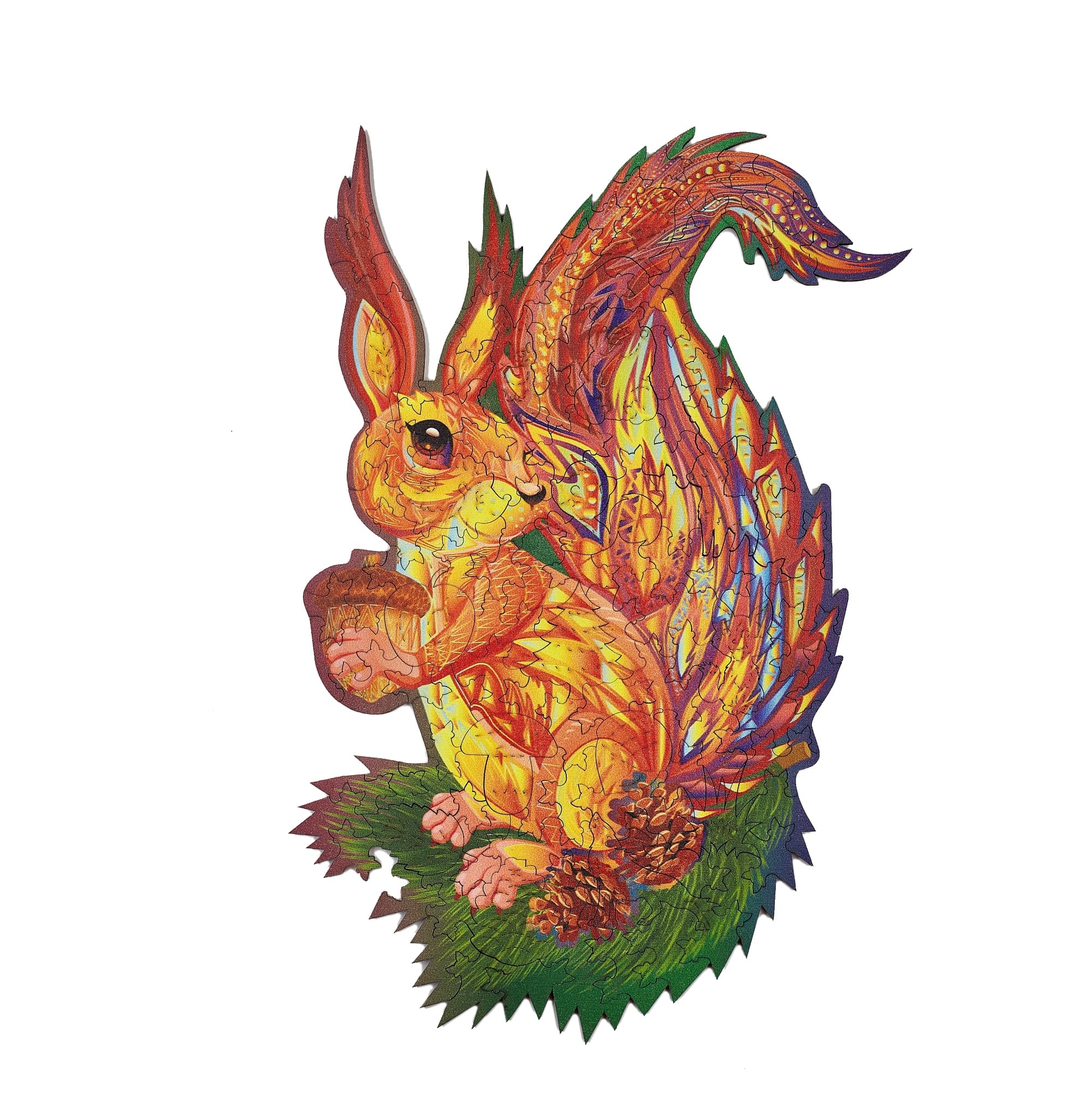
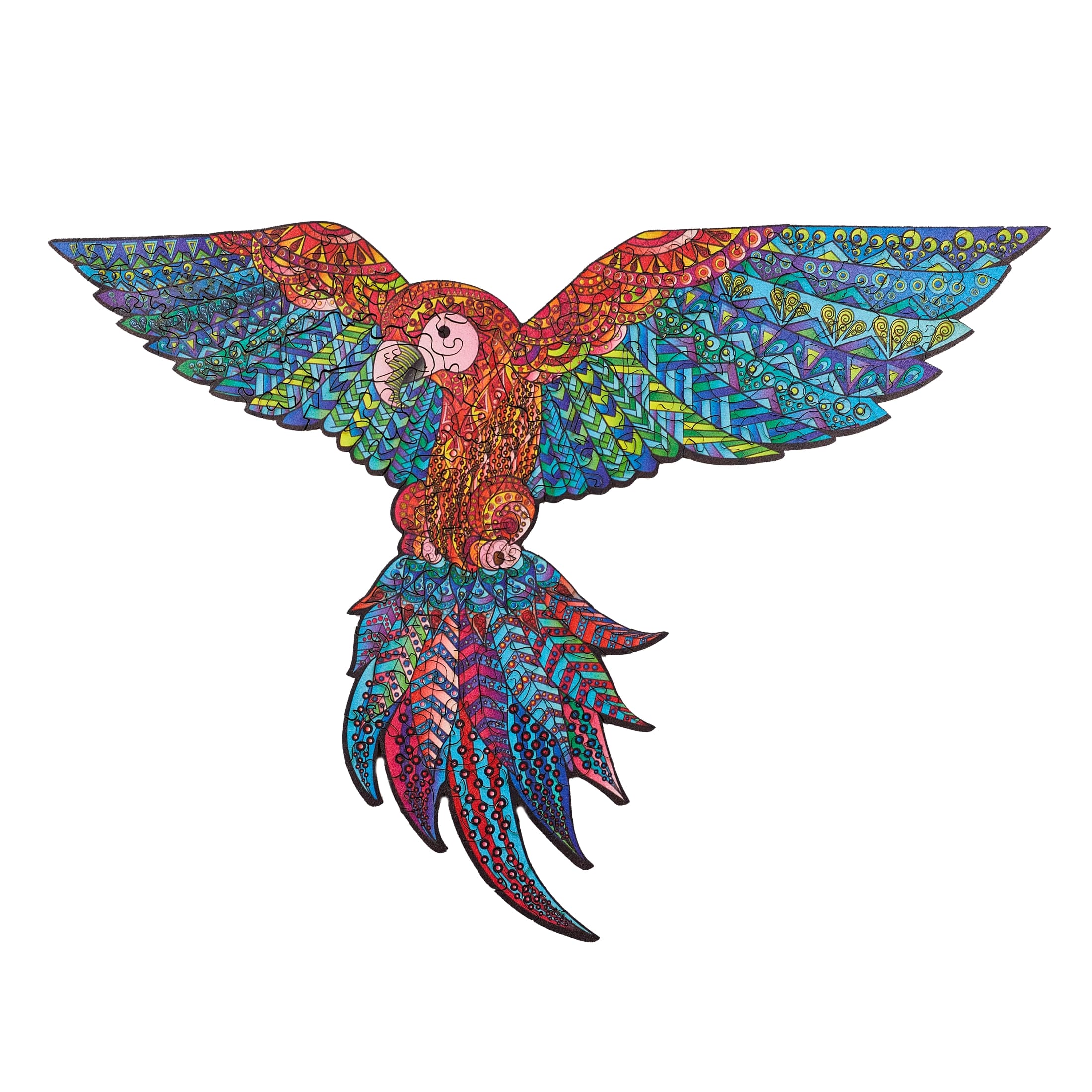
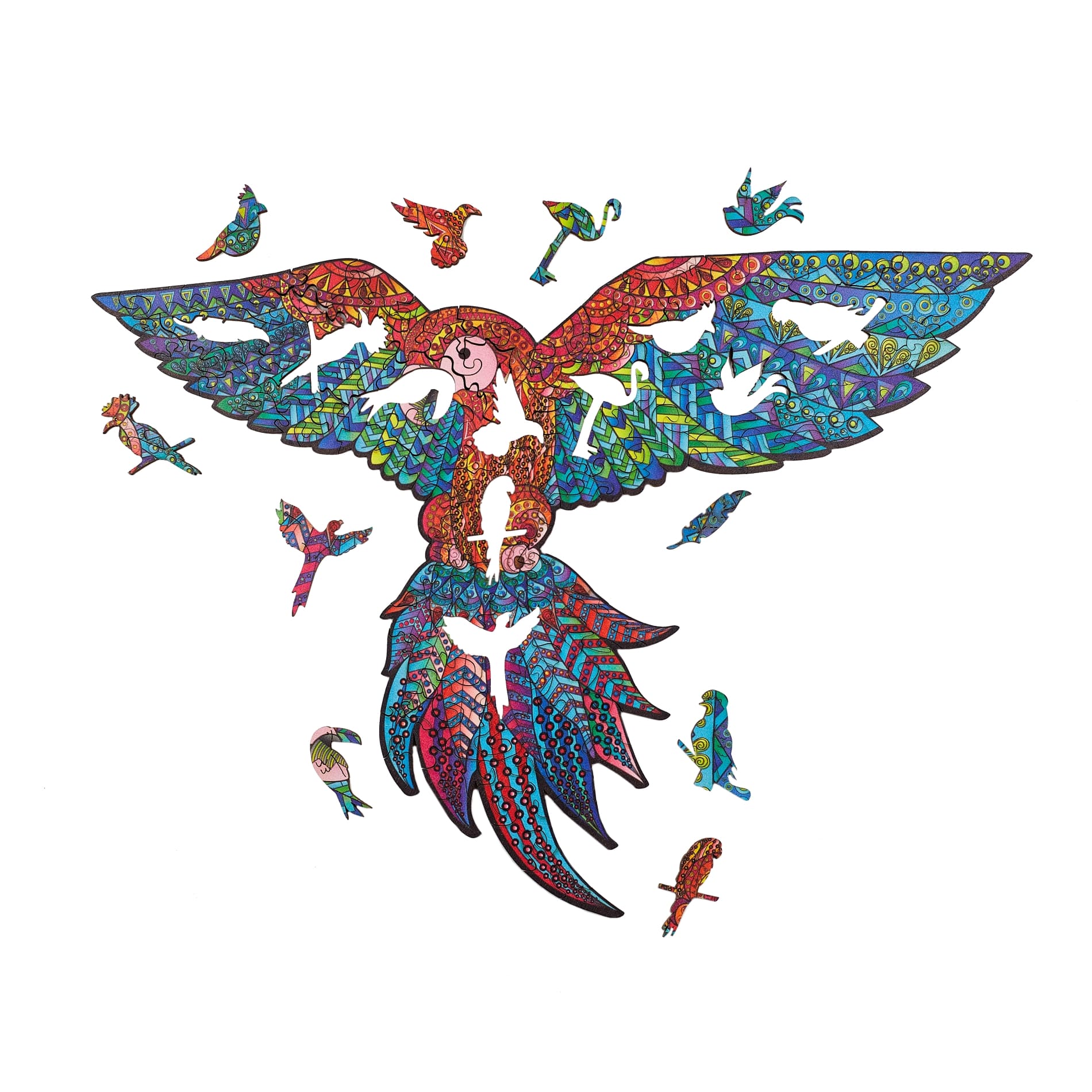
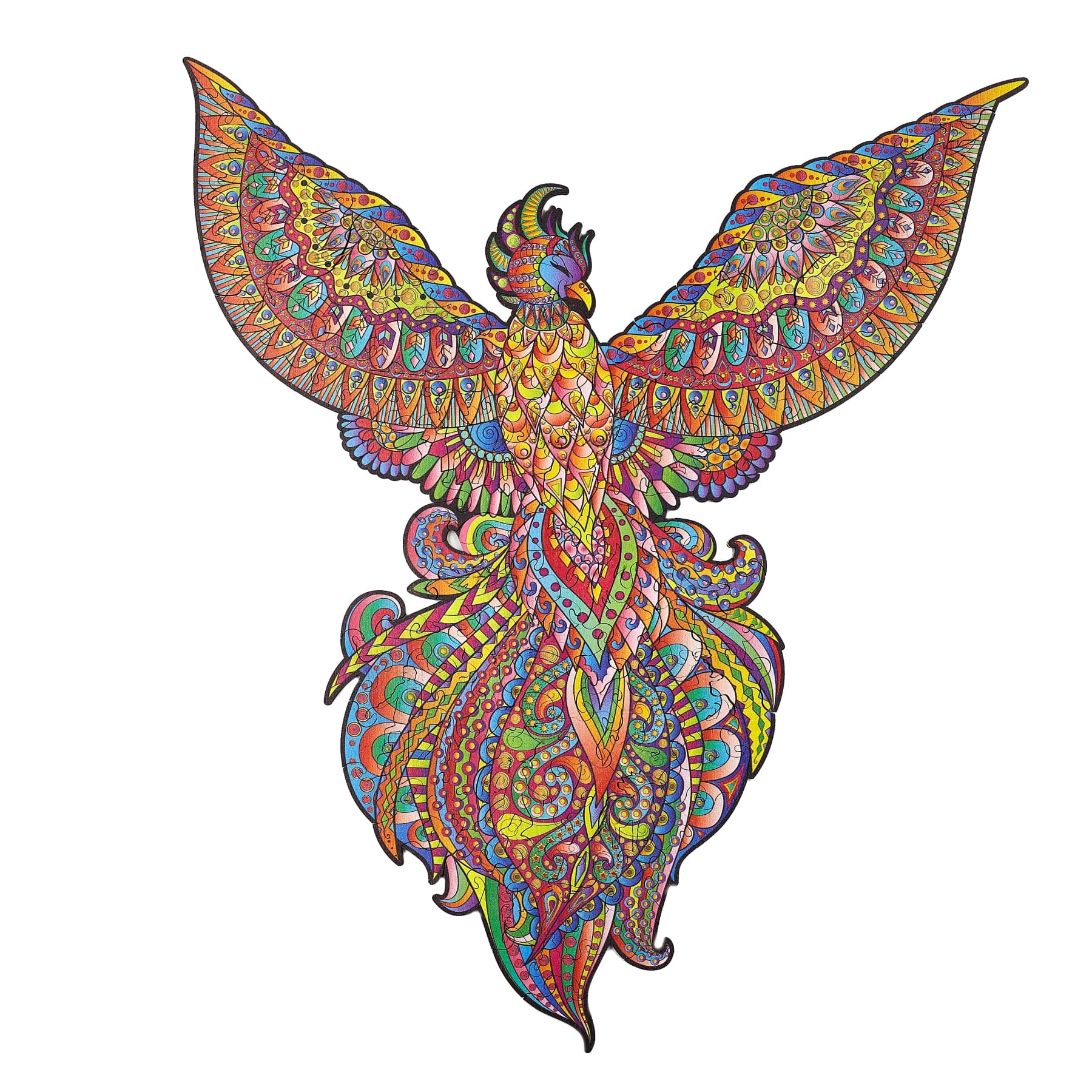
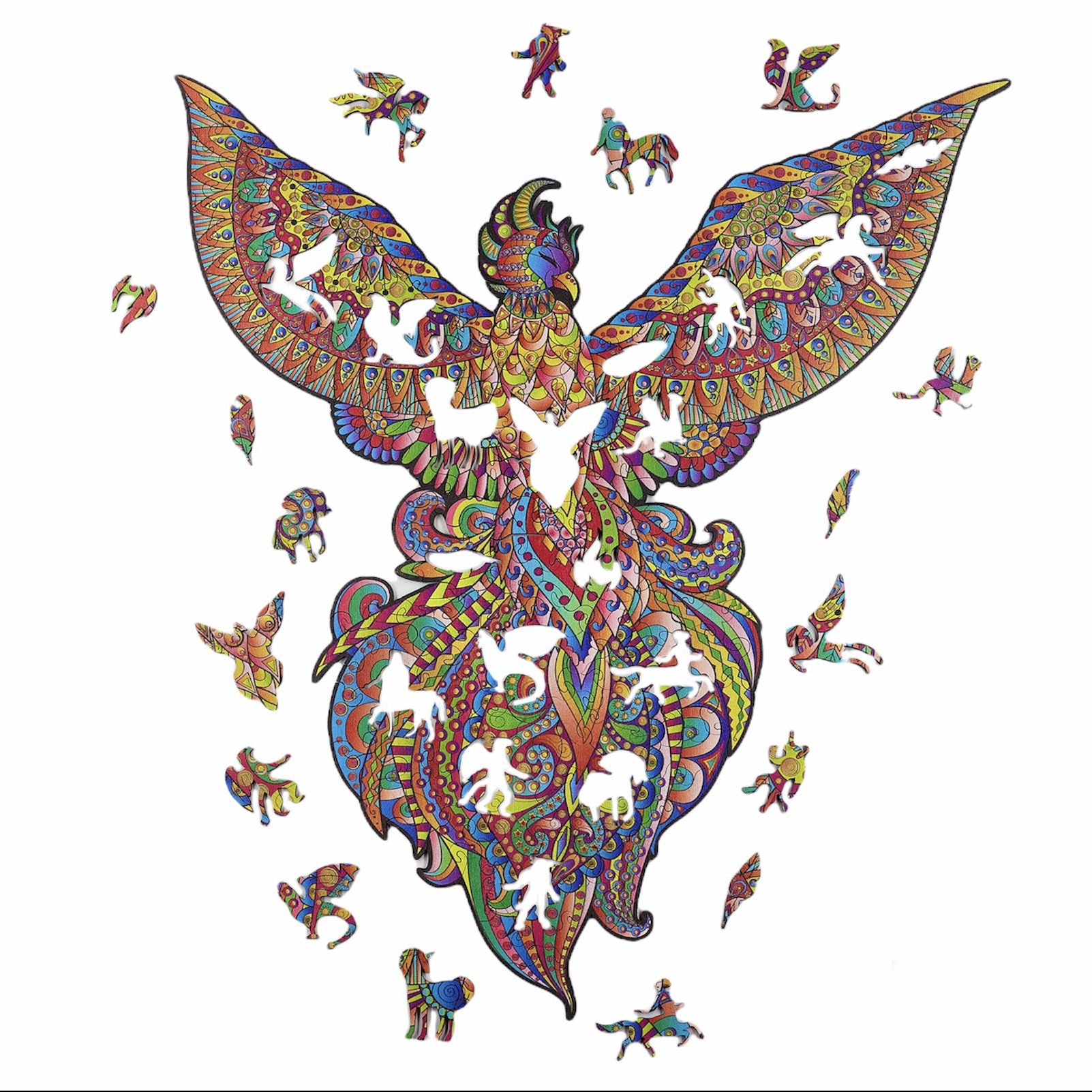
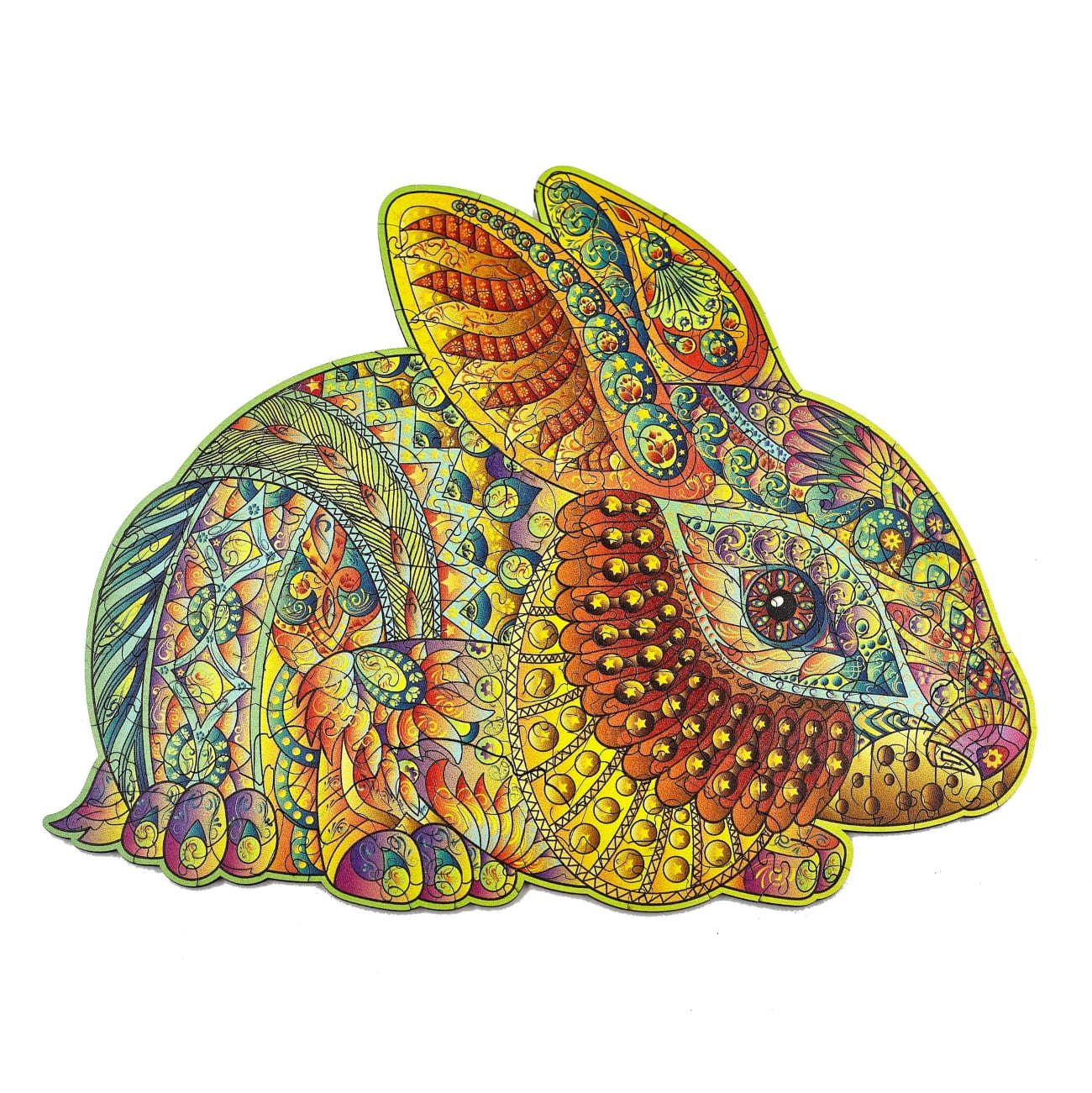
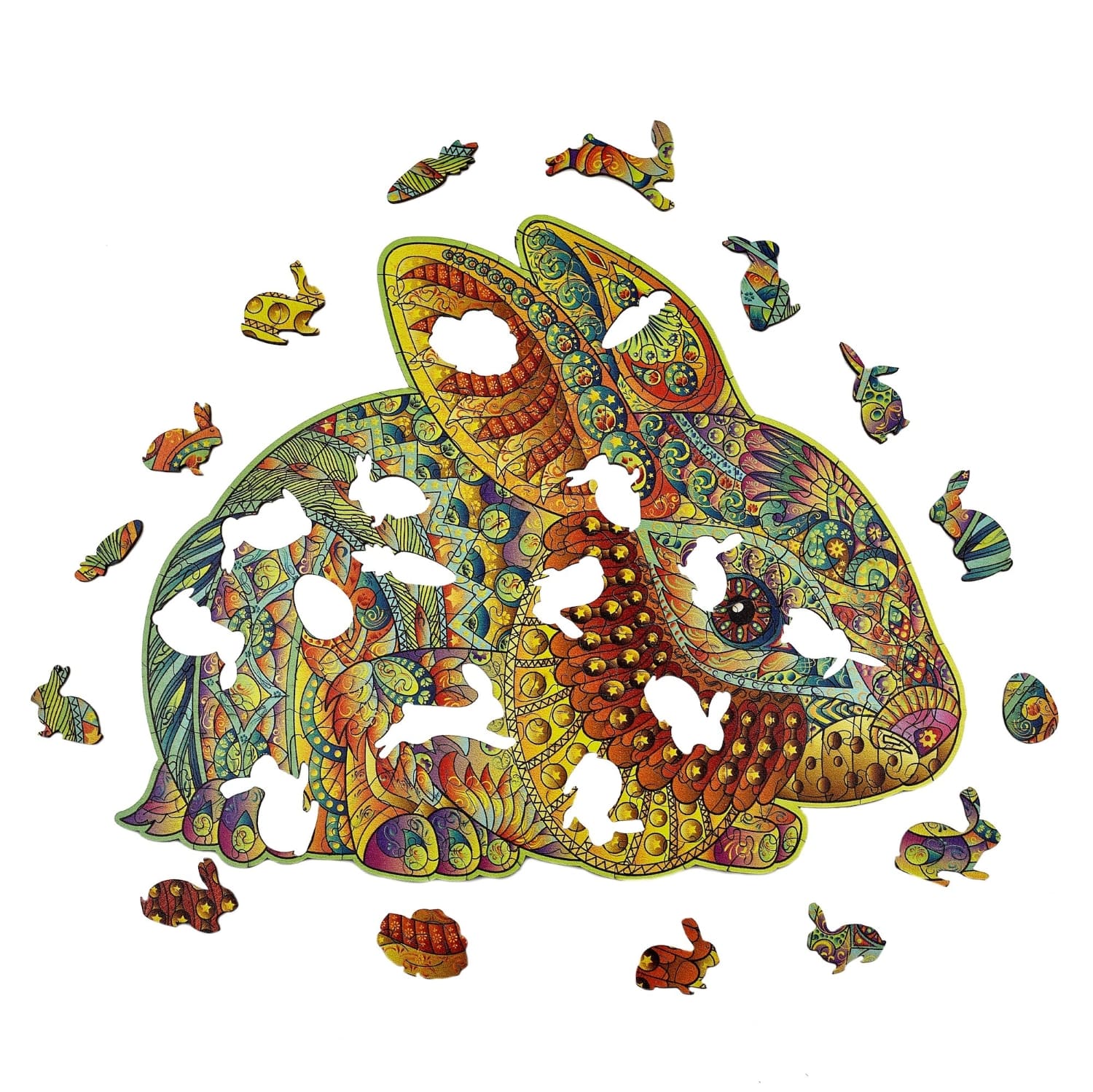
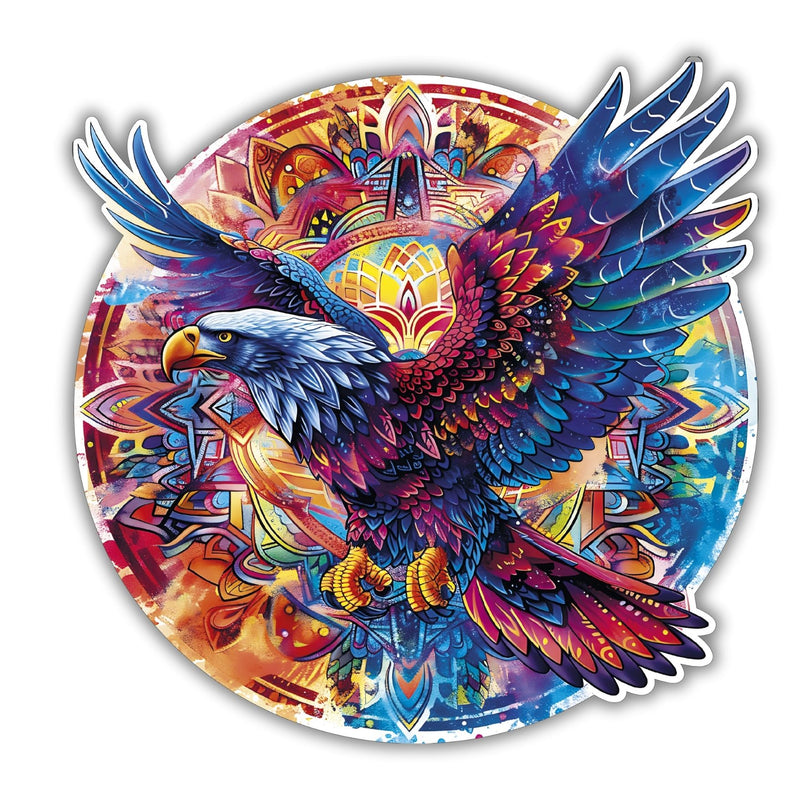
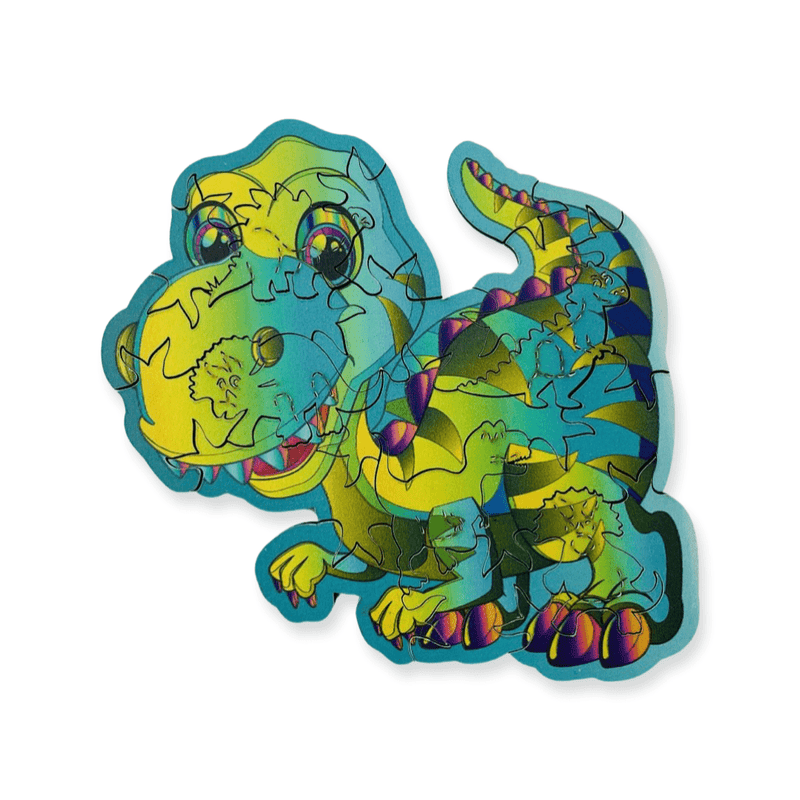
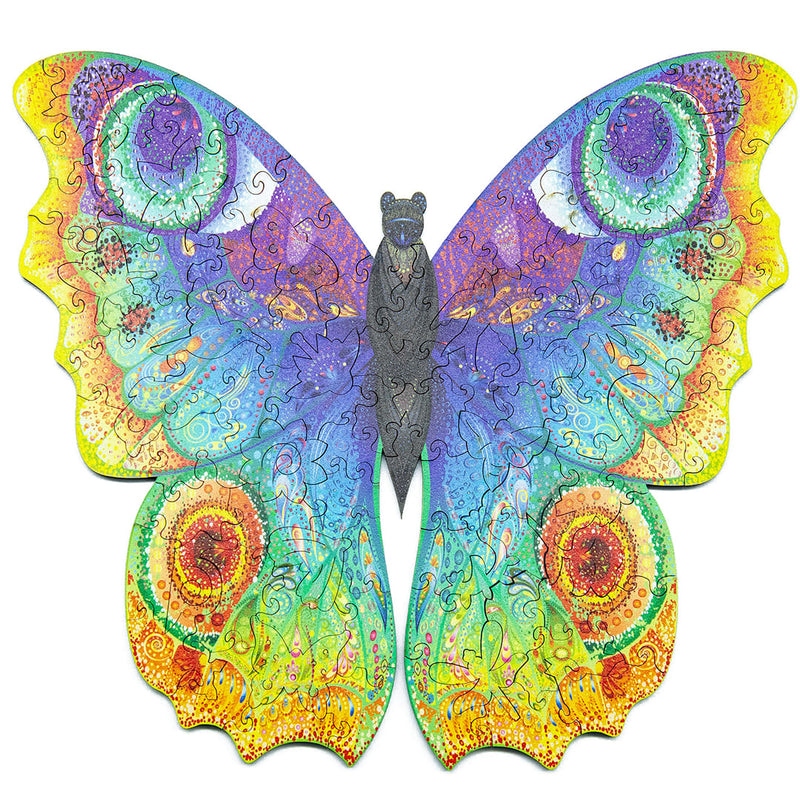
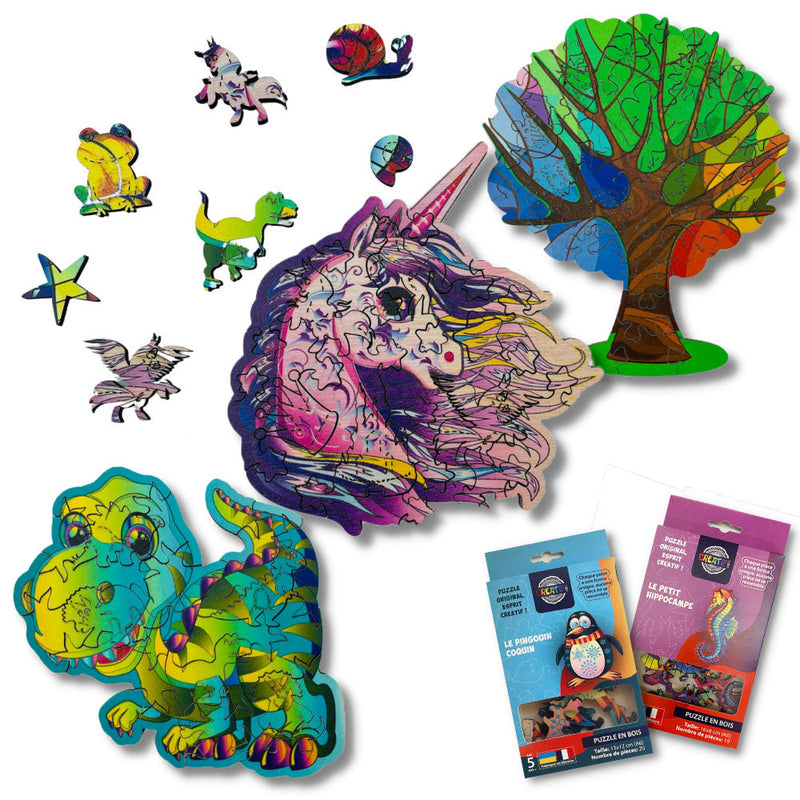
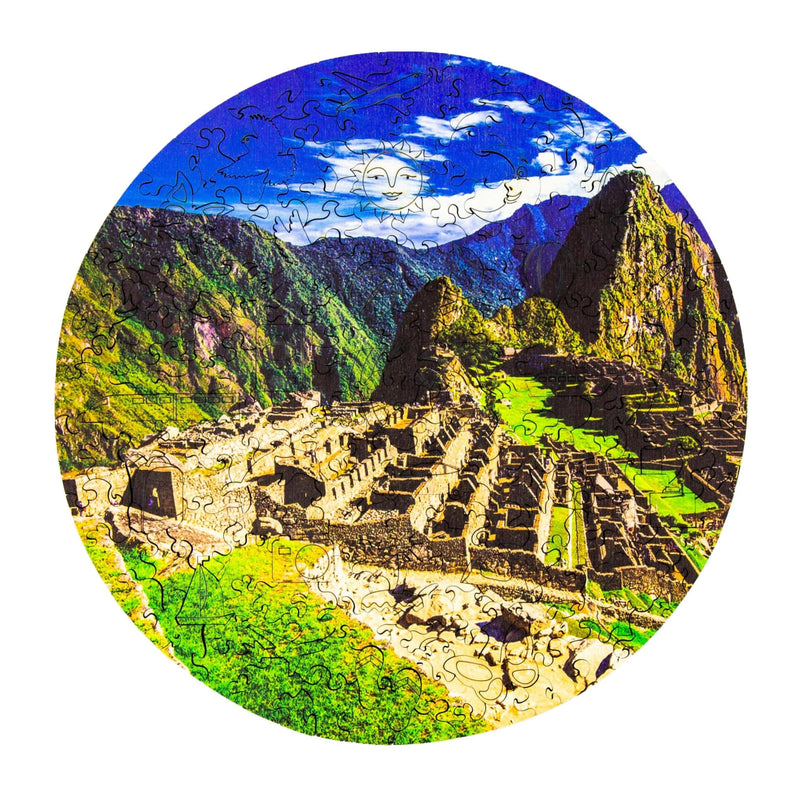
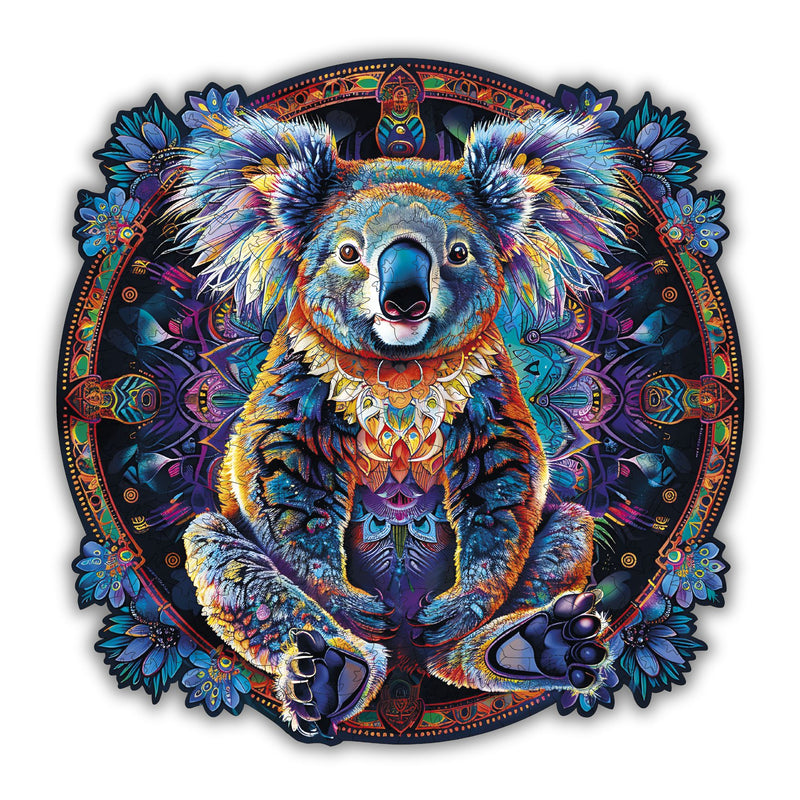
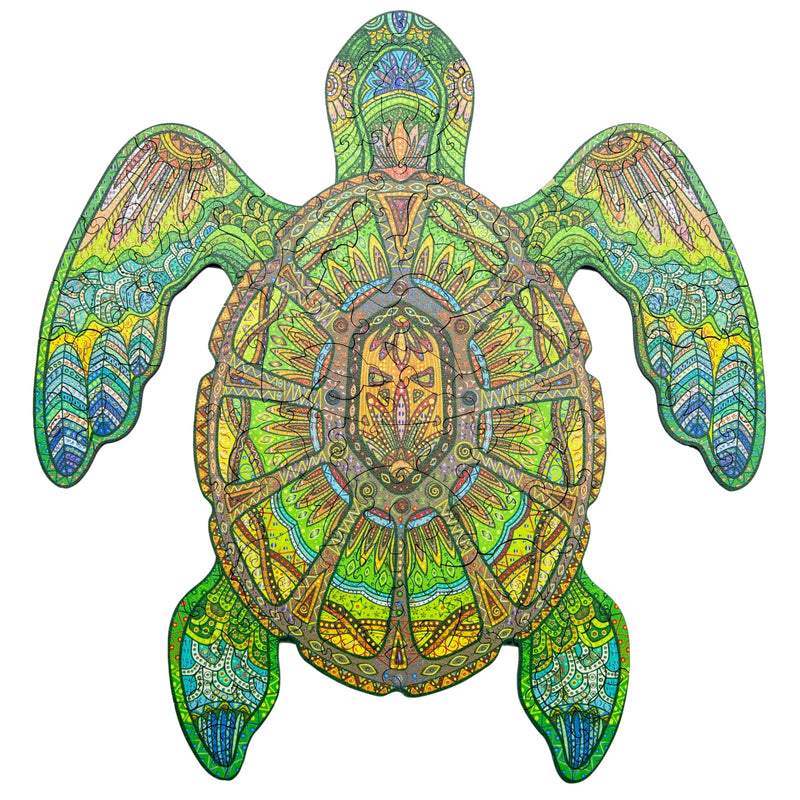
Puzzles cut in the shape of the animal
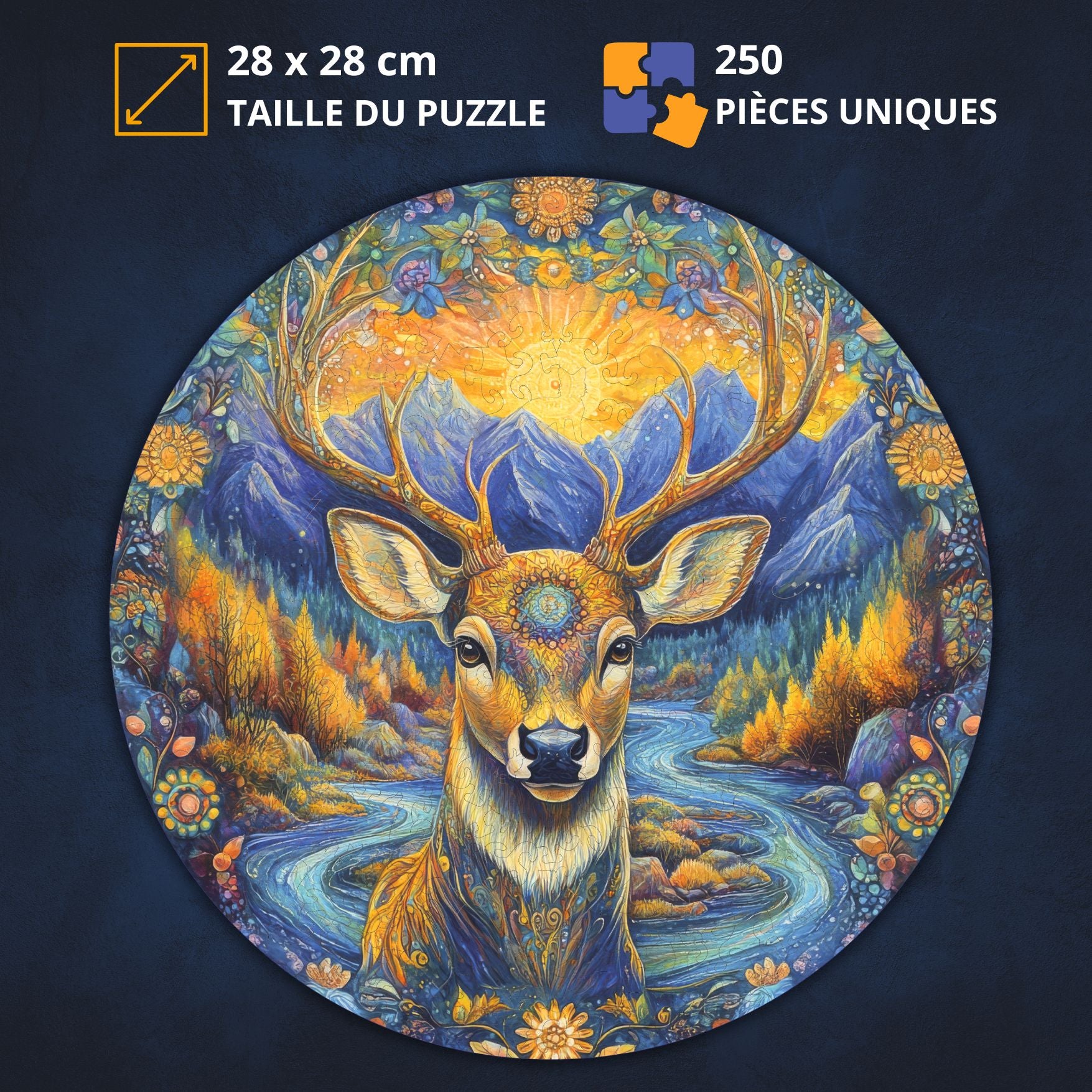
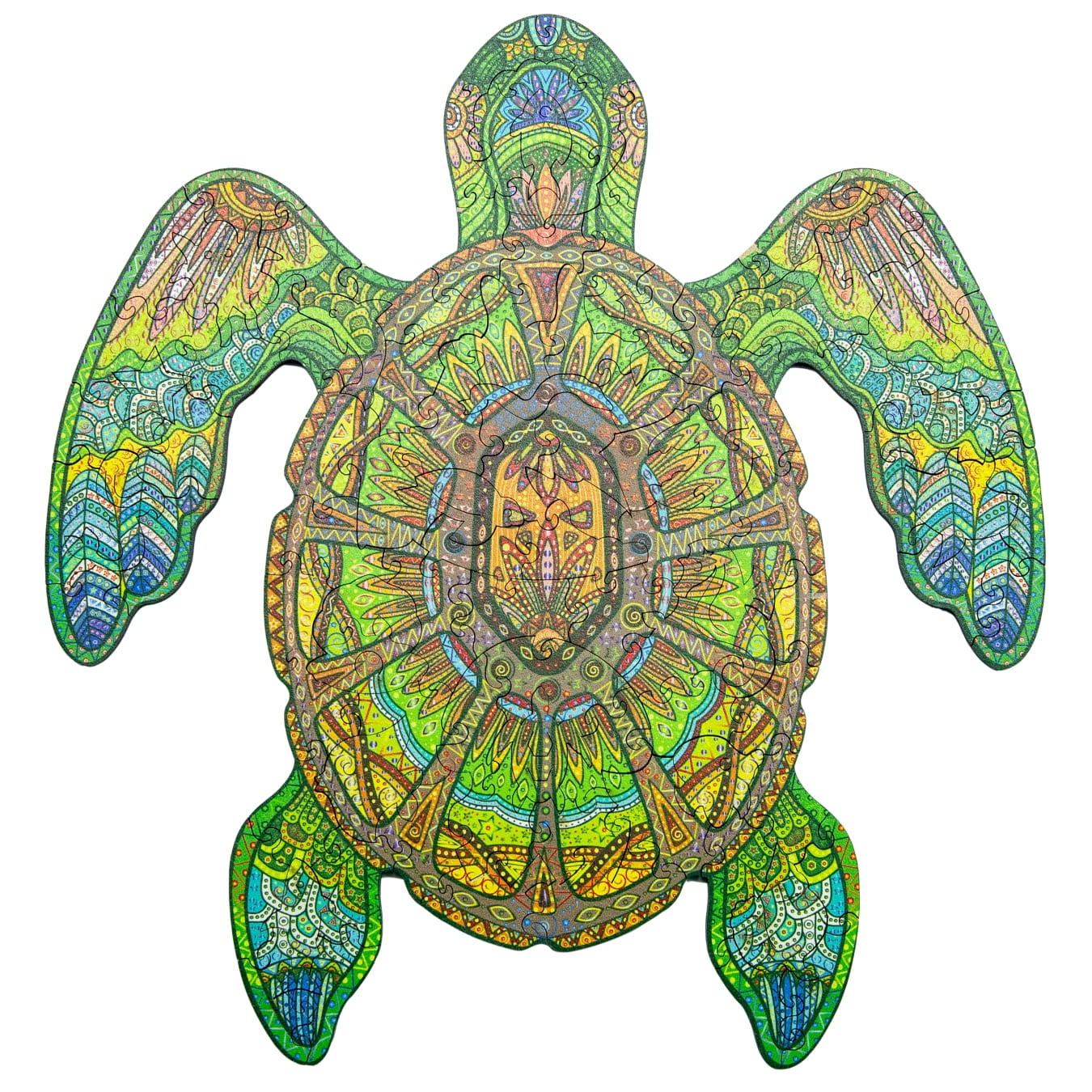
Most puzzles here are cut so that the finished piece takes the shape of the animal itself – a lion's head, a whale mid-dive, a wolf caught mid-howl. Others are round: a painted scene held inside a disc, where the animal sits in a landscape rather than standing alone.
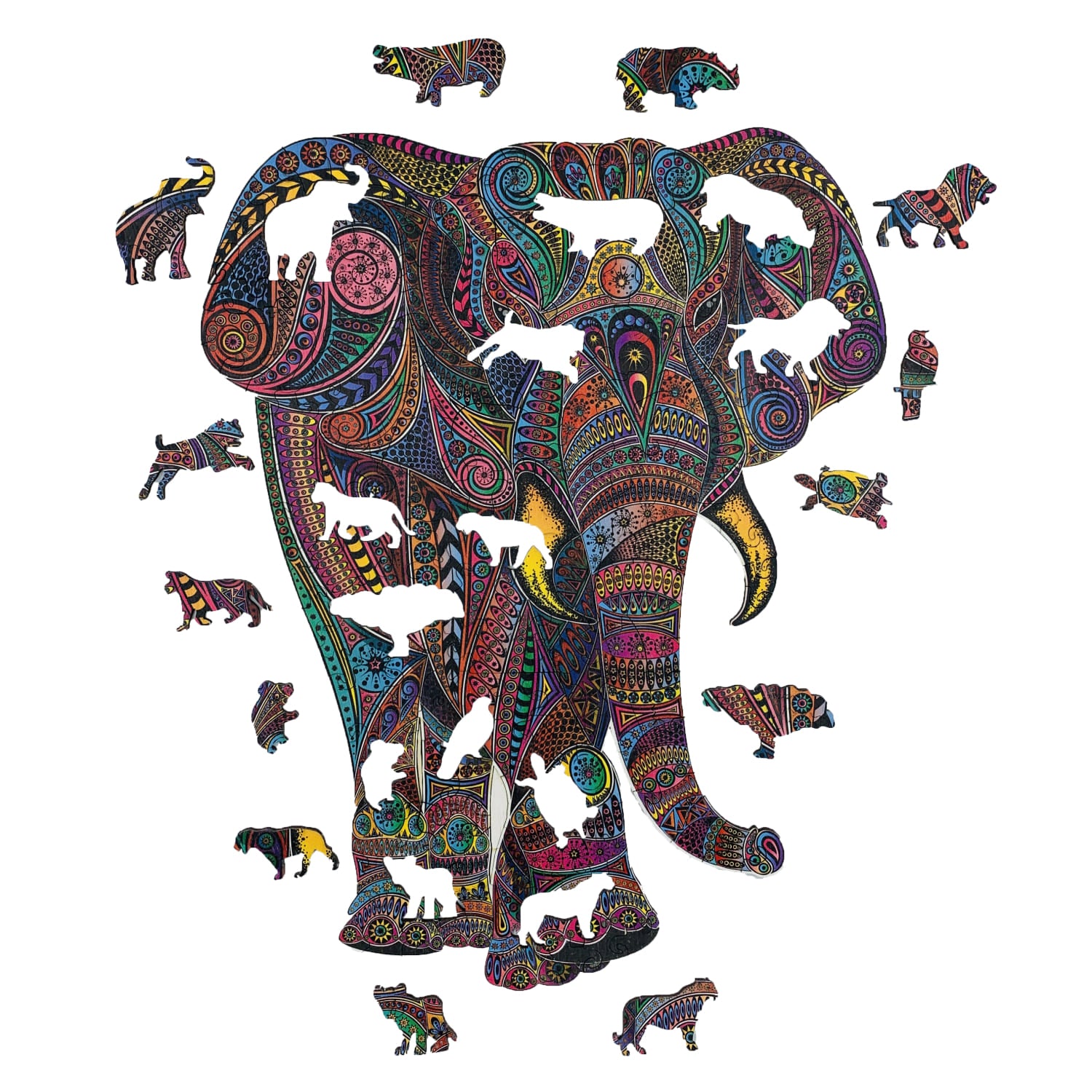
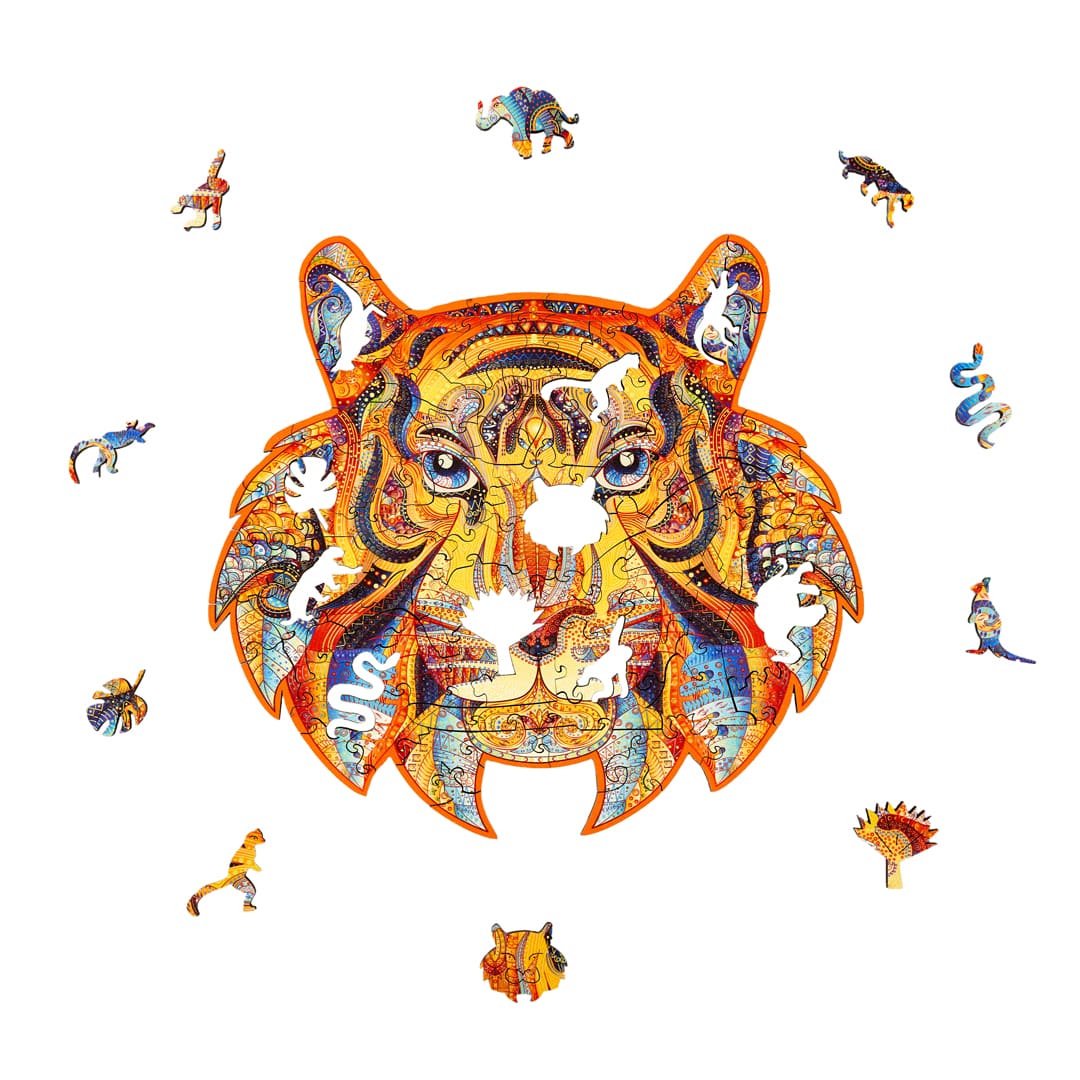
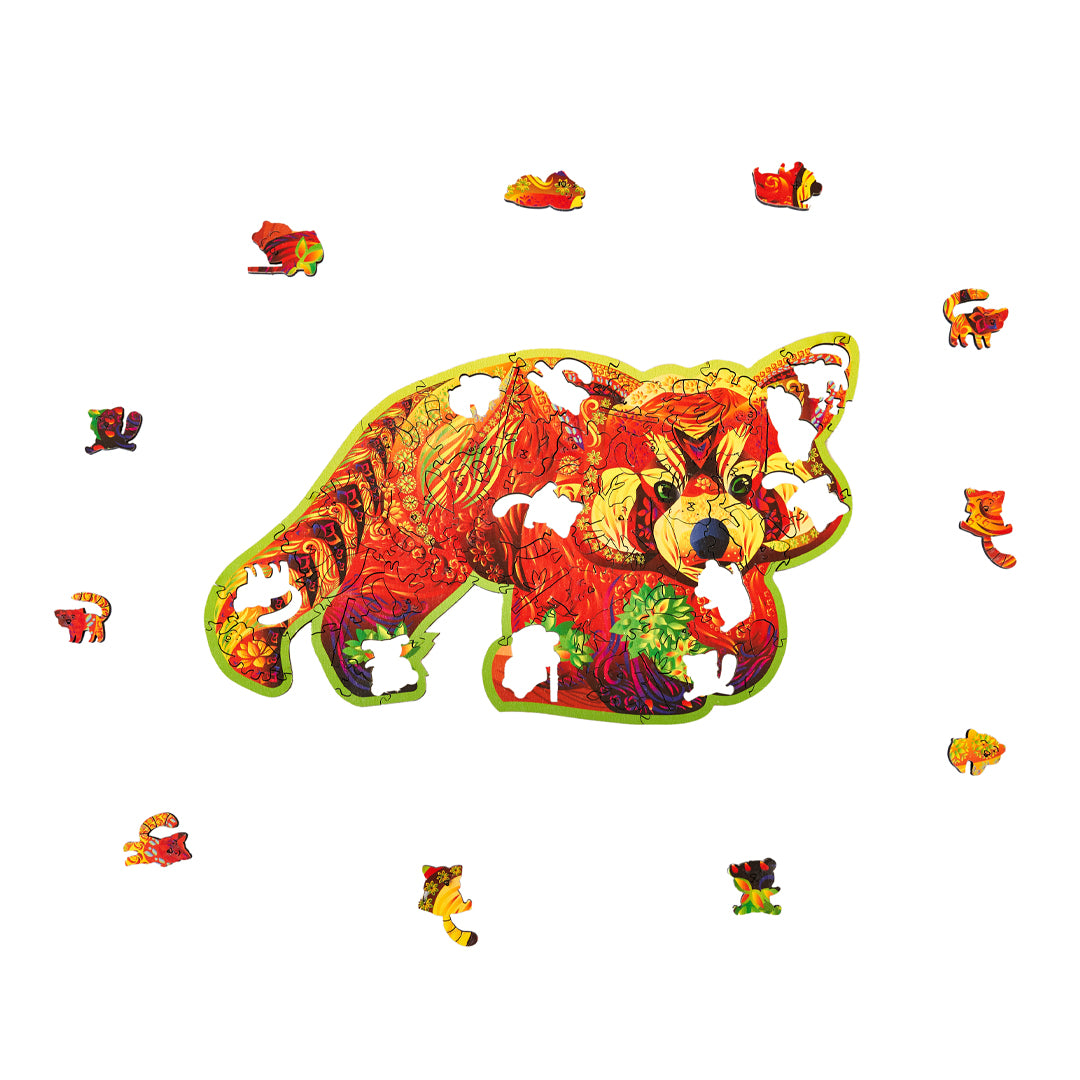
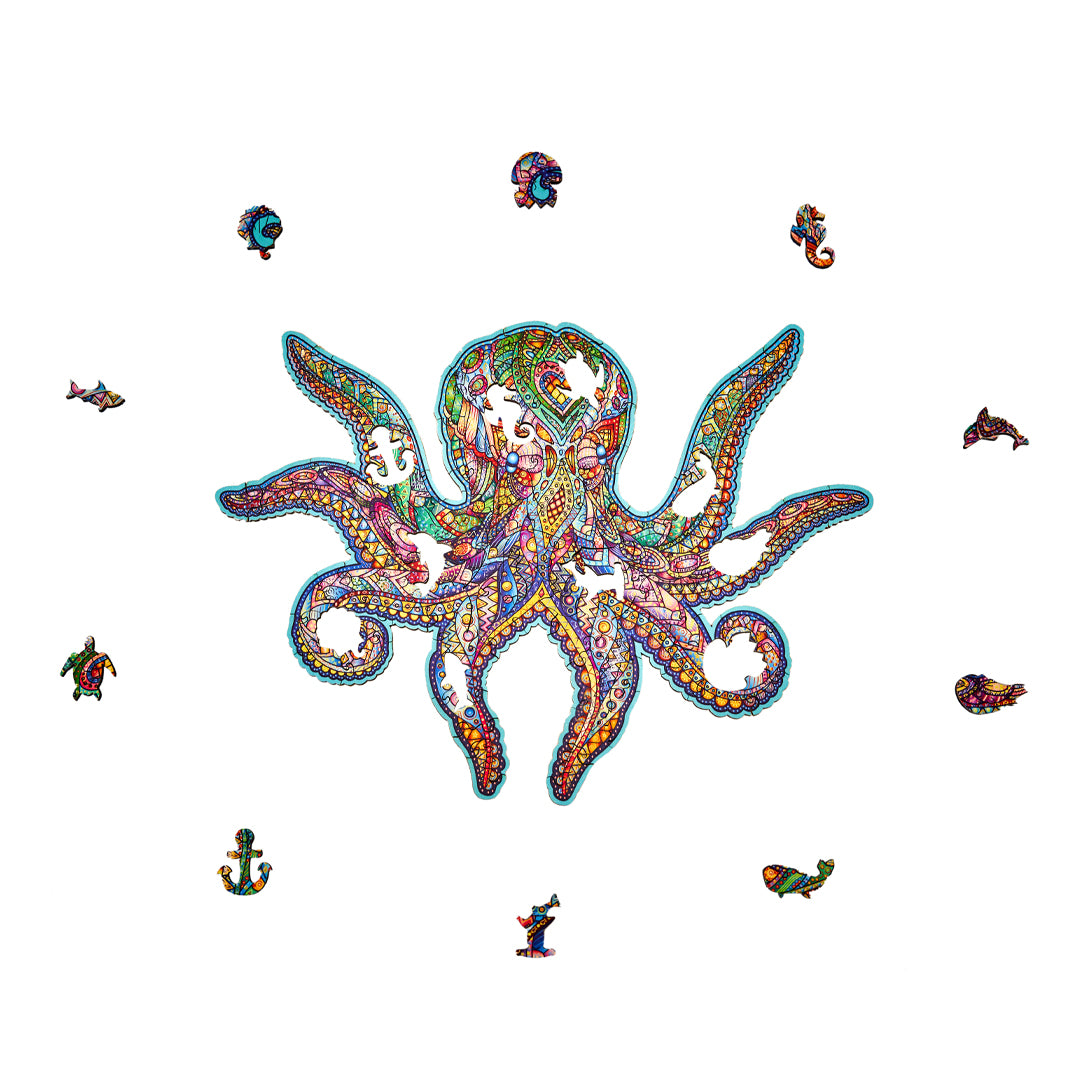
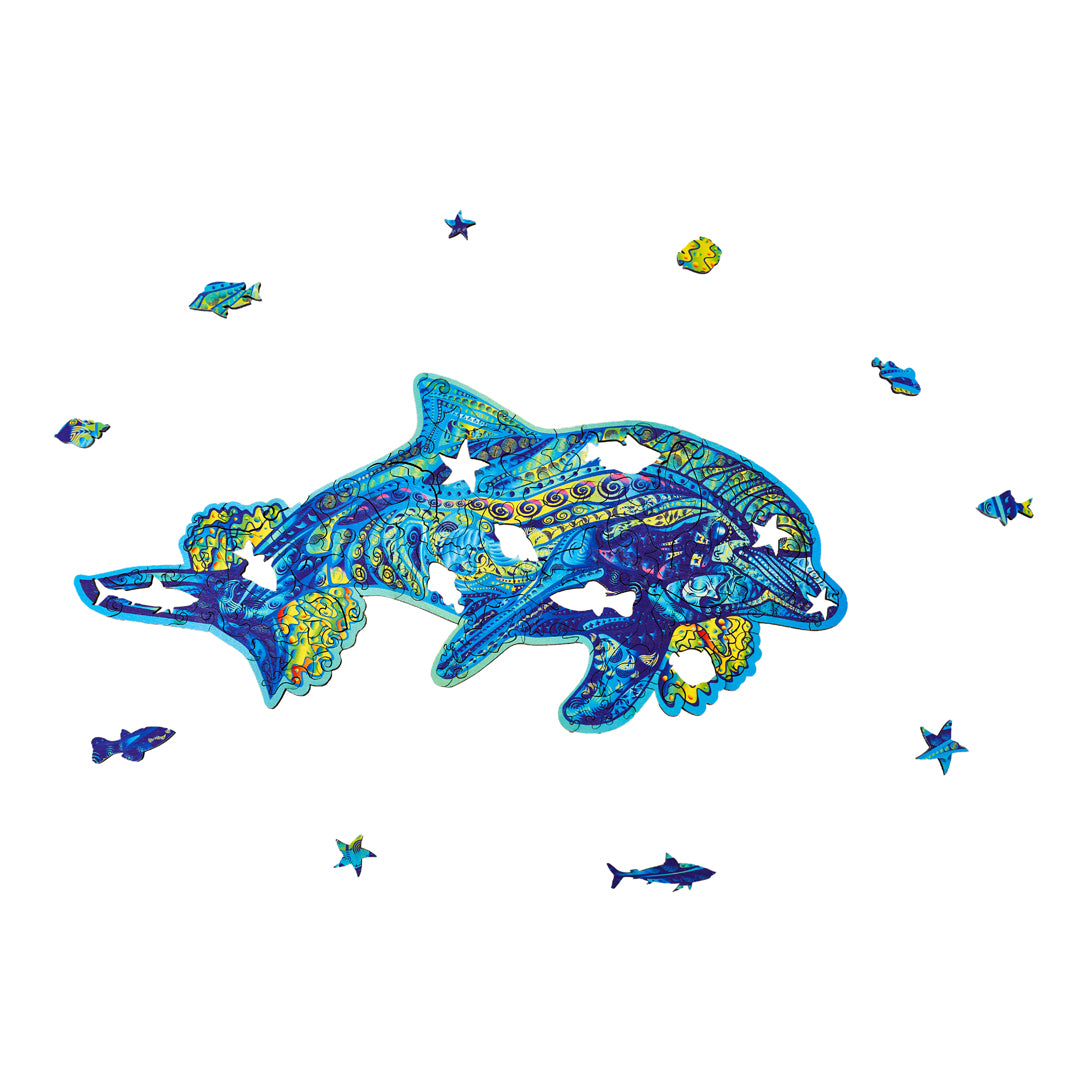
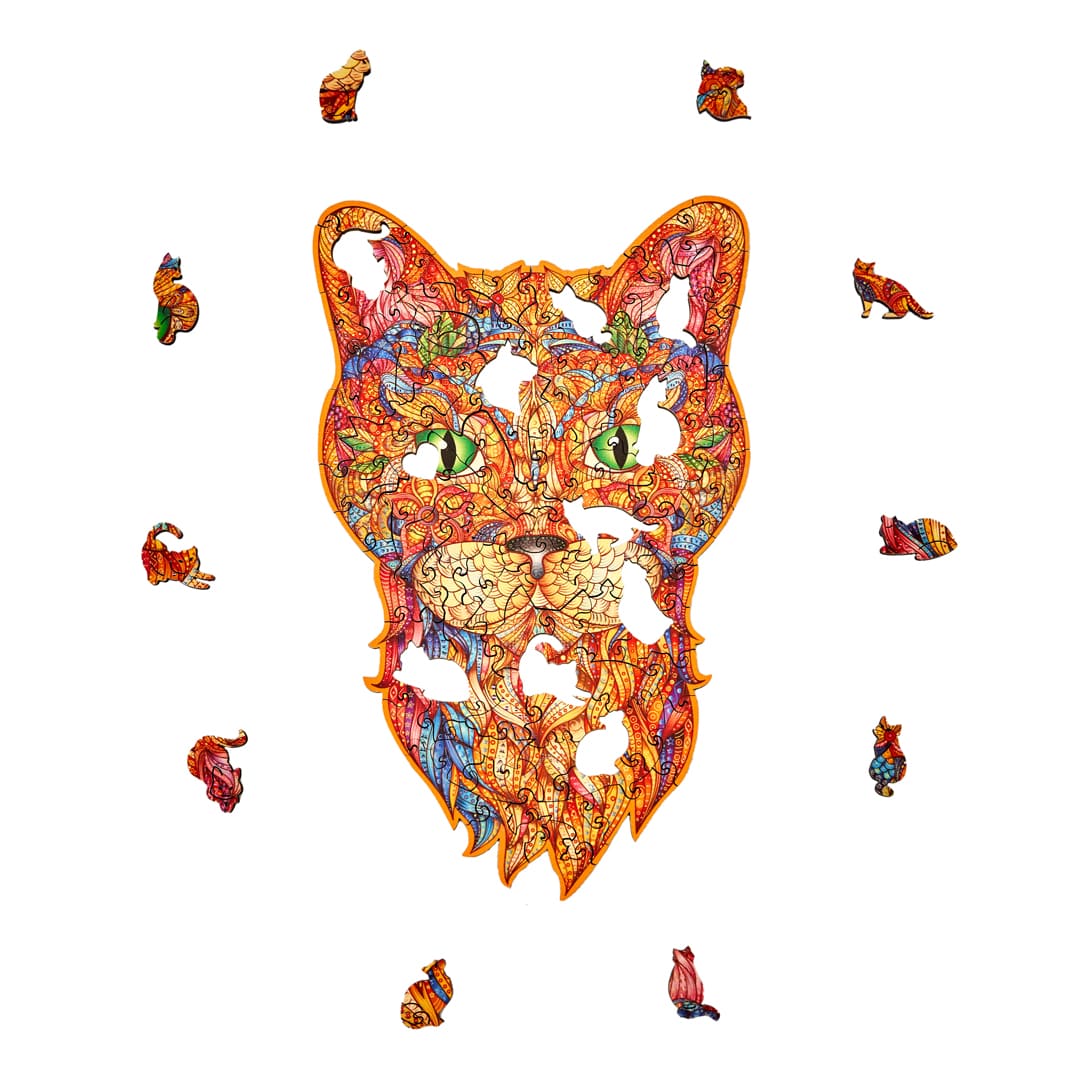
What are the hidden figure pieces?
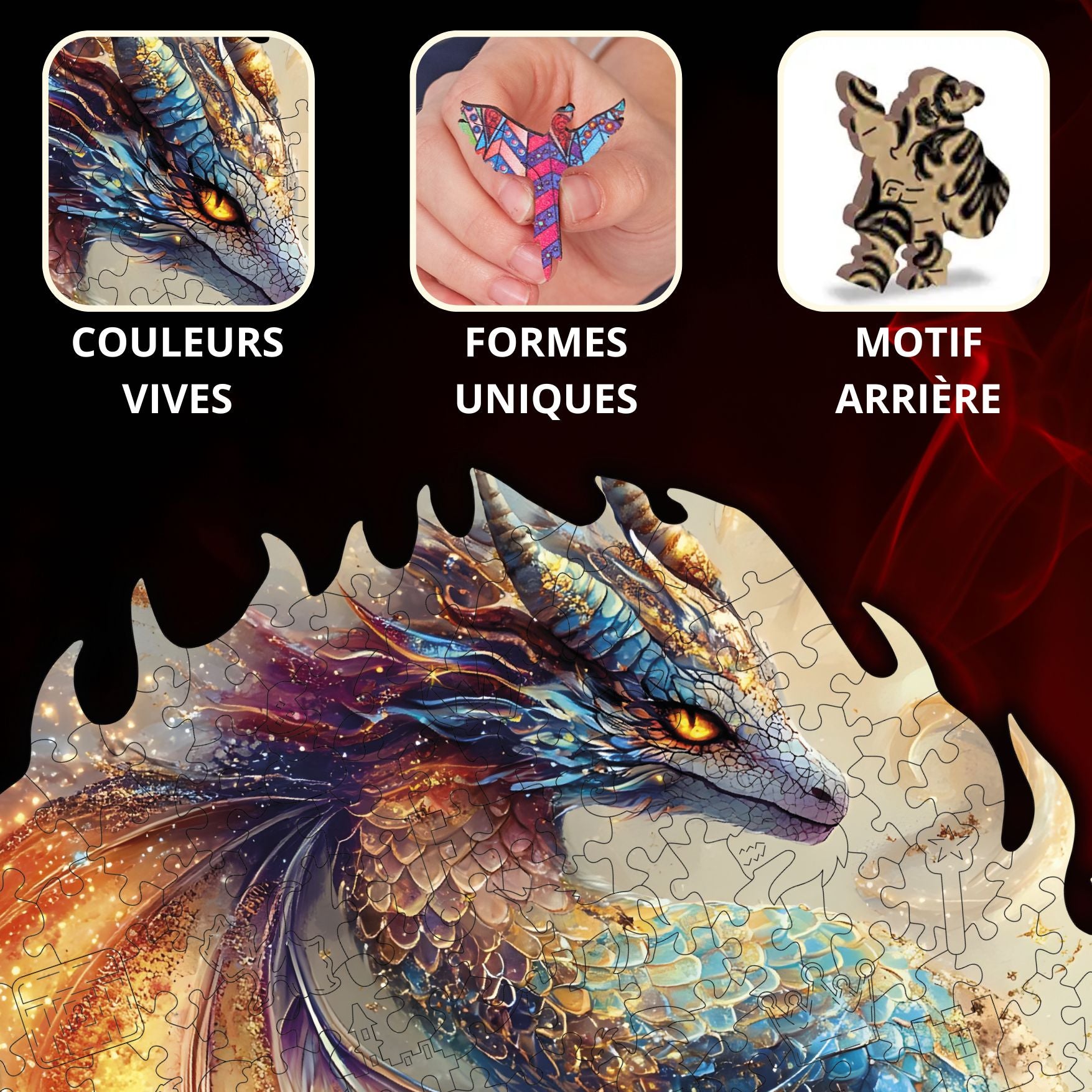
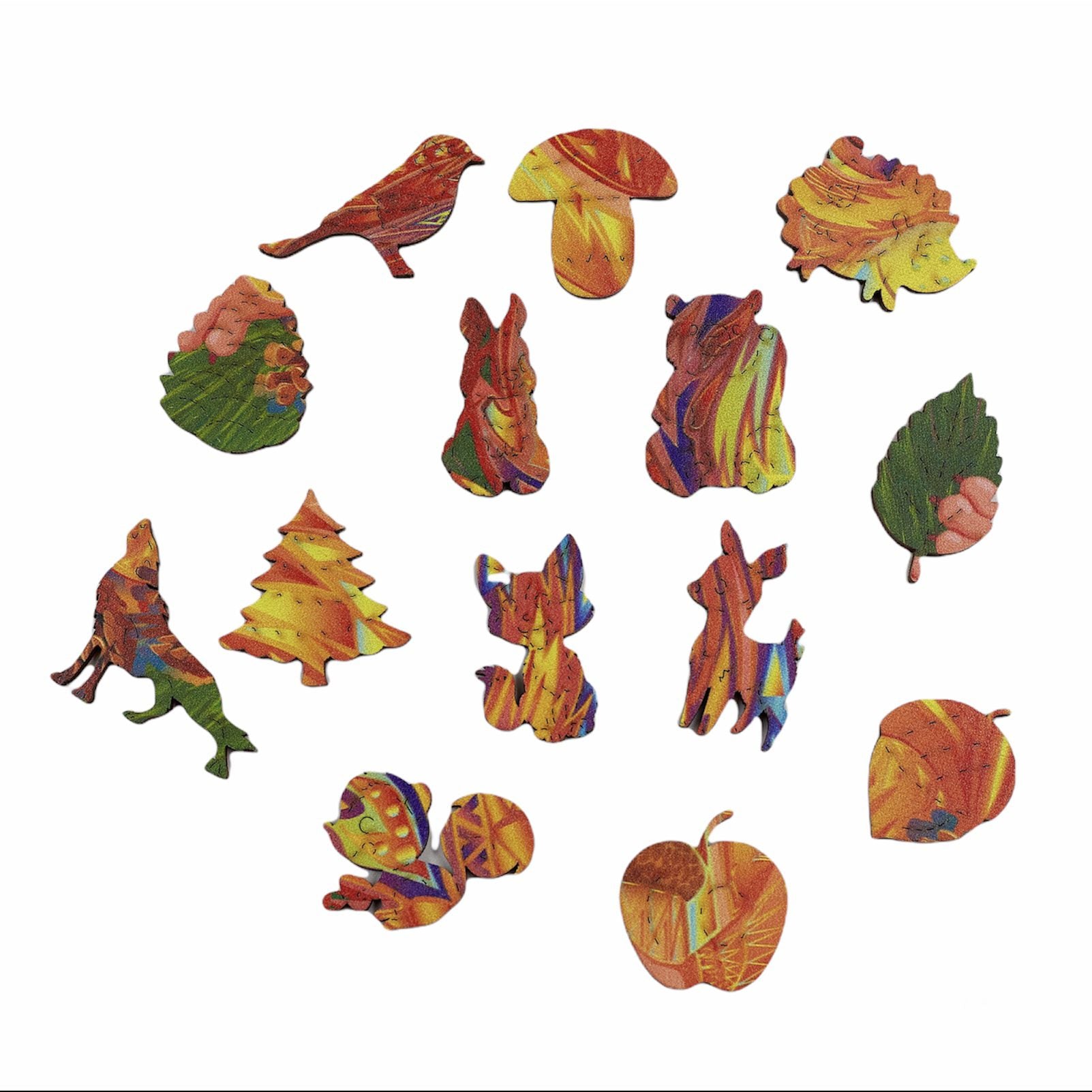
Scattered through every puzzle are figural pieces: a rhino, a palm tree, an elephant, a bird. Puzzle cutters have been slipping these in since the Victorian era, adding them on a whim while working – which is where the name whimsy pieces comes from. Parker Brothers made the practice standard in 1908, at roughly twelve figural pieces per hundred.
Cardboard killed the tradition. Die-cut sheets could not hold the intricate outlines, so the mass market settled for the uniform knob-and-socket grid. The figural piece survived only in wooden puzzles, which is where it still lives.
What is the difference between the silhouette and the round designs?
The silhouette designs are flat ornament: zentangle patterning, hard colour boundaries, and an outline you can recognise across a room. The round designs are painted scenes with depth, soft light and a background the animal belongs to. Both carry figural pieces, and both are cut from the same birch plywood.
Why does assembly take longer than the piece count suggests?
On the silhouette designs there are no straight edges to anchor from, since the border follows the animal's outline. On the round designs you get a border but lose the flat colour blocks: the artwork is painted, and it shades rather than divides.
Either way the ornamental patterning repeats across large areas, so sorting by colour barely helps. And the figural pieces do not interlock in the usual way, since they are held in place by the pieces around them.
What do you do with the puzzle afterwards?
Many of these never go back in the box. The finished shape works as wall decor exactly as it is, and on the silhouette designs the irregular outline is the point. No frame required.
If you want to keep one assembled, use a glue made for puzzles rather than a general craft adhesive. Puzzle glue is formulated to run into the joints between the pieces and dry as a thin clear film – we stock one, the Cléo'Puzzle glue-varnish, rated by its maker for cardboard, wood and MDF. Apply it thinly and let each coat dry rather than flooding the board. And if you would rather keep the front matt, or rebuild the puzzle one day, dry adhesive film on the back still does the job.
How do I choose between them?
Every design in this collection is birch plywood, laser-cut in Europe, and arrives in a box you can hand over as a gift without wrapping it. The differences are format, piece count, finished size and how much the pattern fights you – browse by under 100 pieces, 100–199 pieces or 200+ pieces if you already know your appetite.