Puzzles & Games

3D Cardboard Sculptures

Filters

Sort by:

6 products

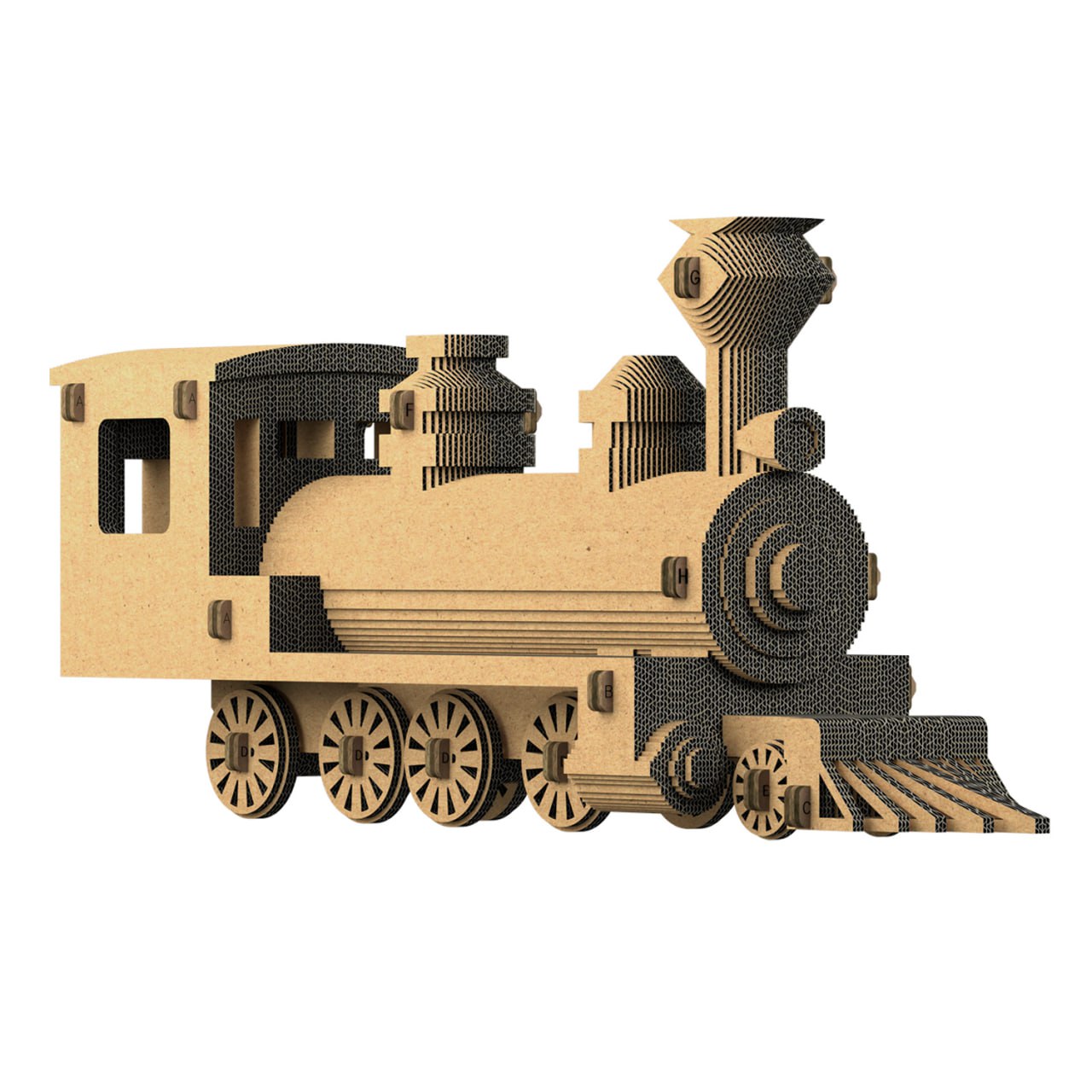
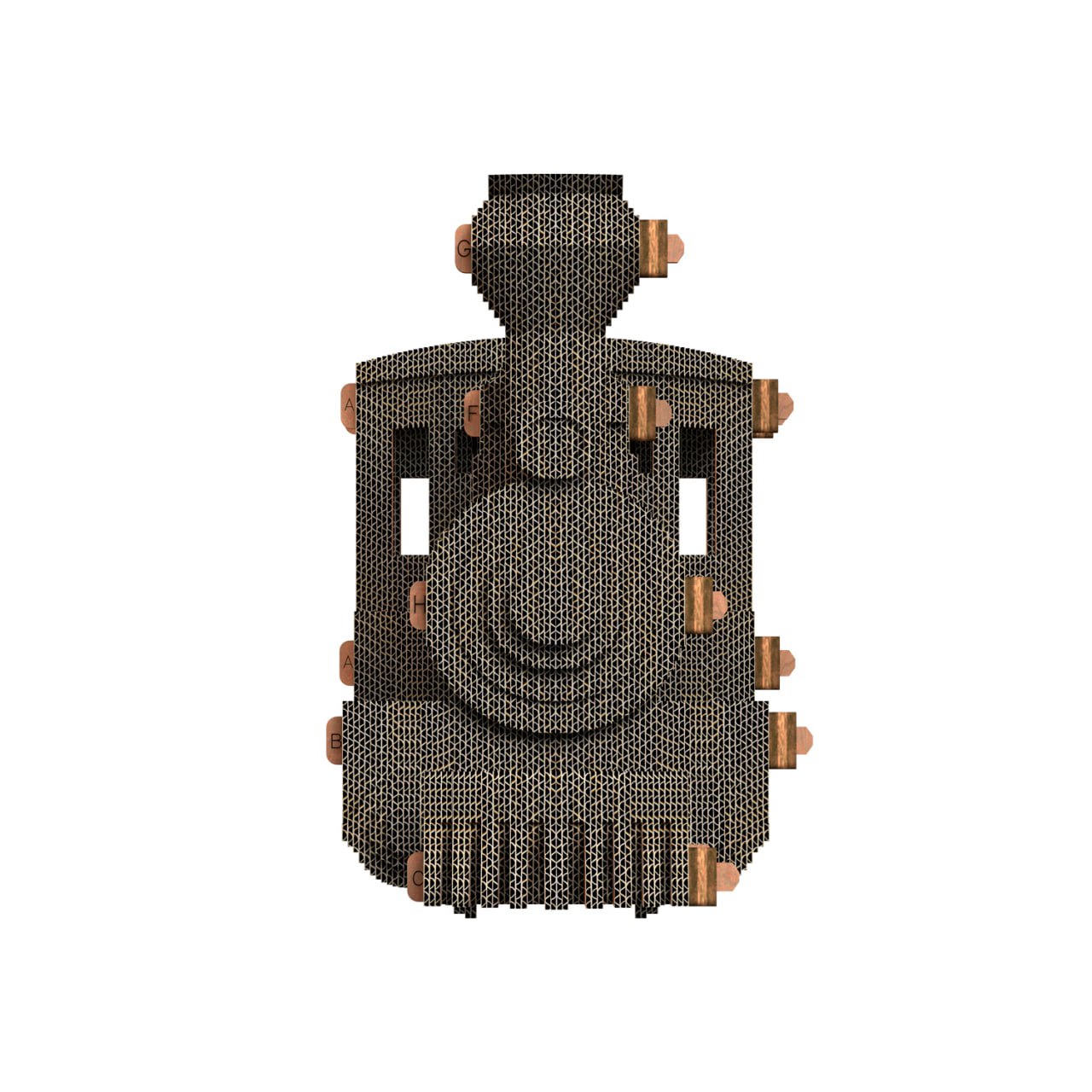
3D Cardboard Sculpture Puzzle – Locomotive
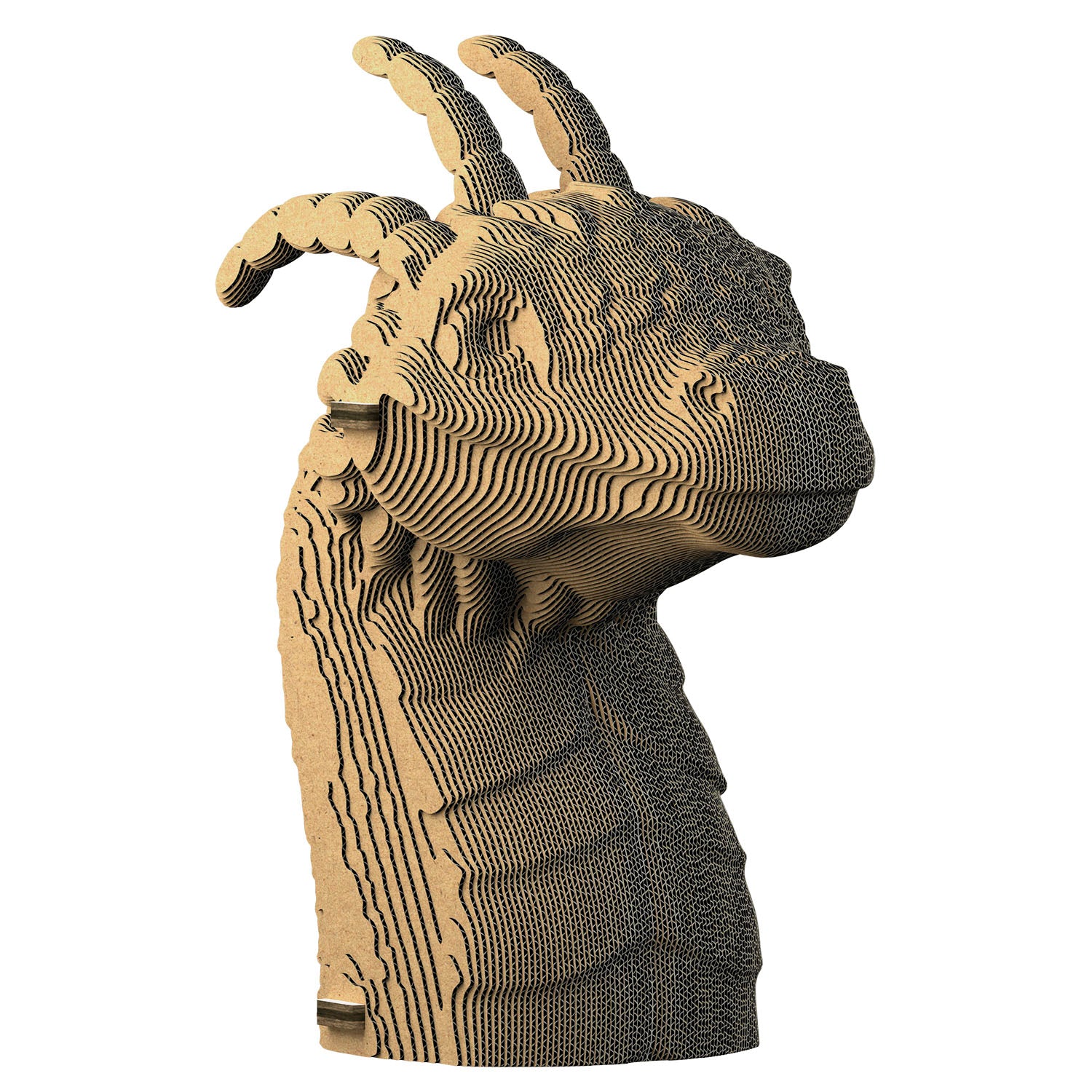
3D cardboard puzzle-sculpture Dragon
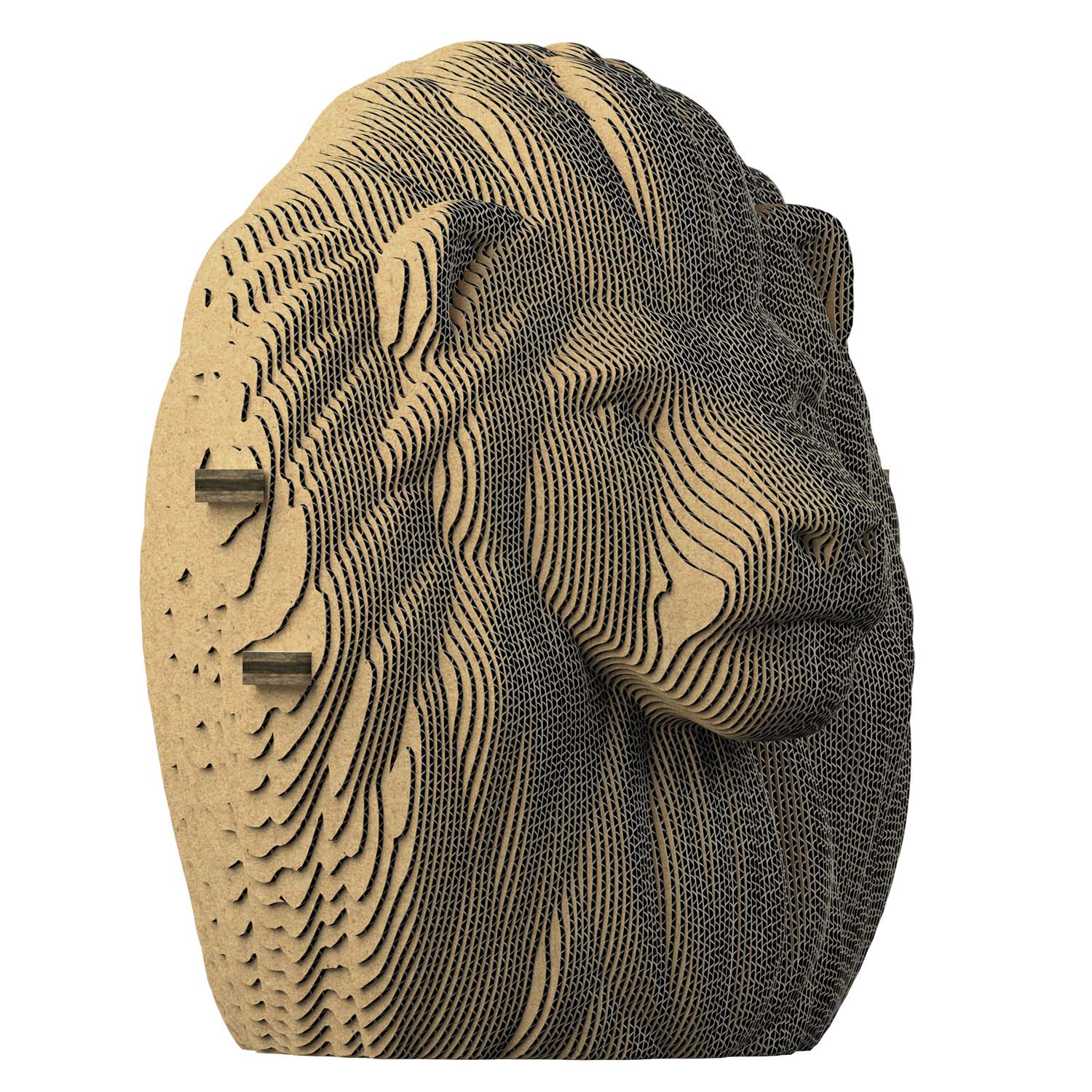
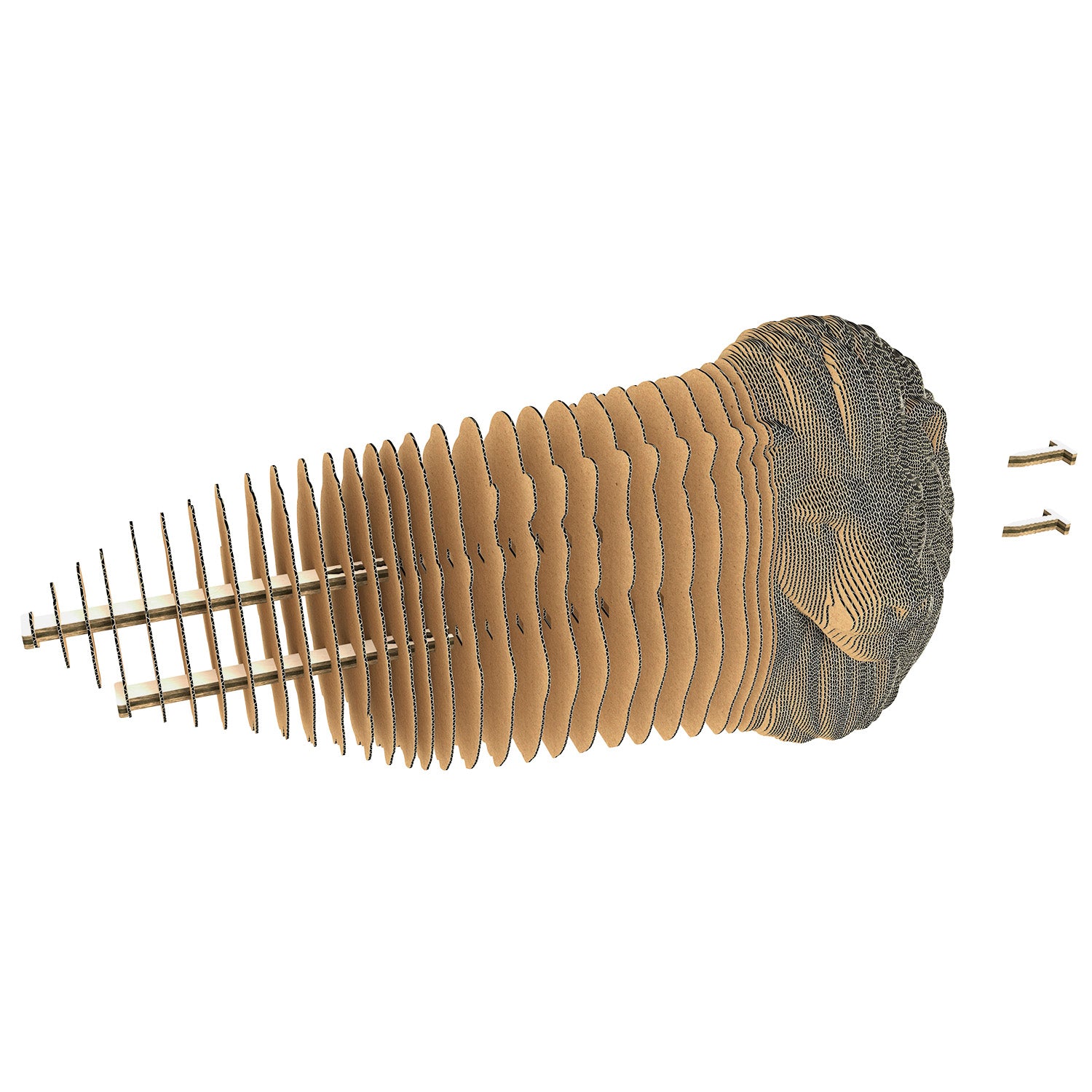
Lion 3D cardboard puzzle-sculpture
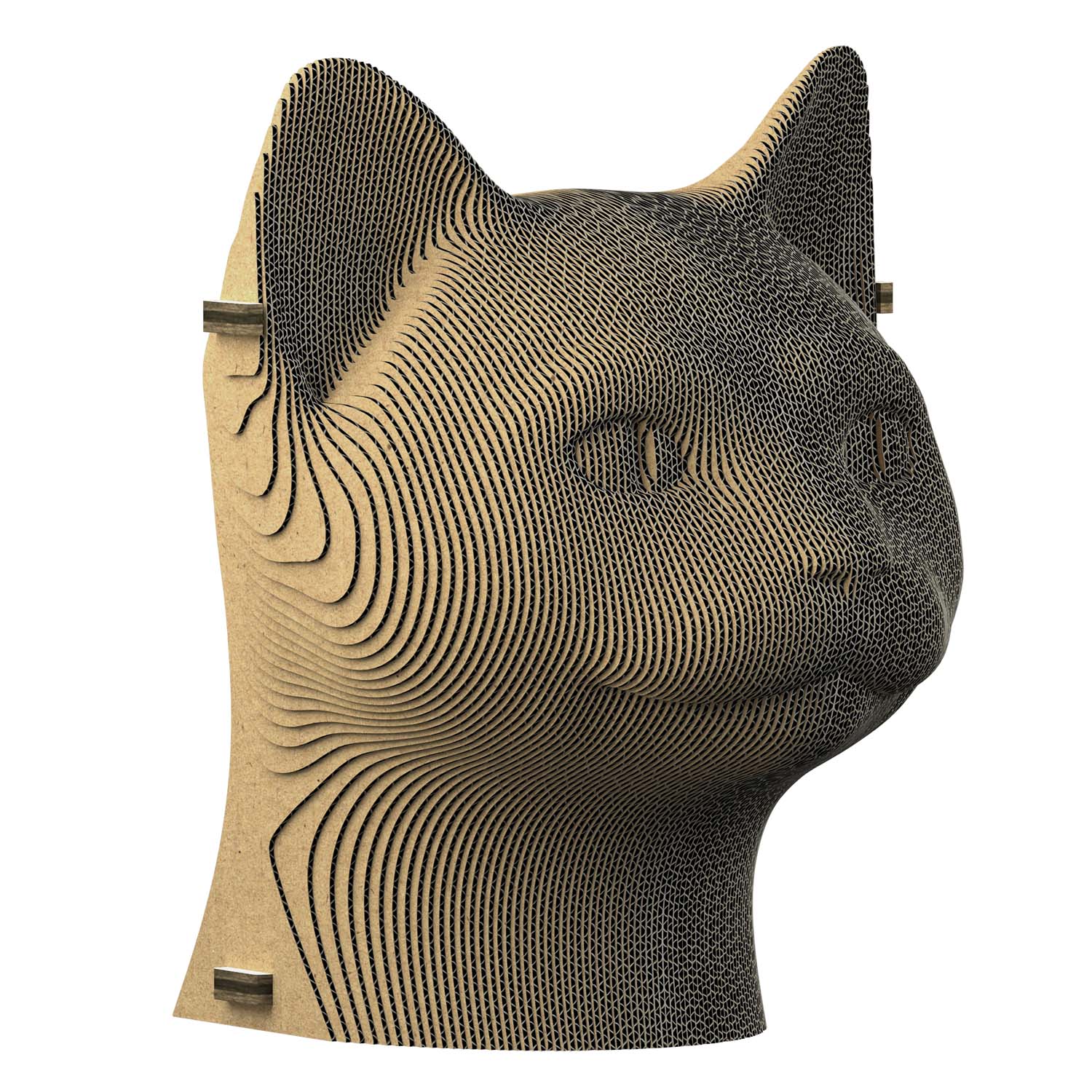
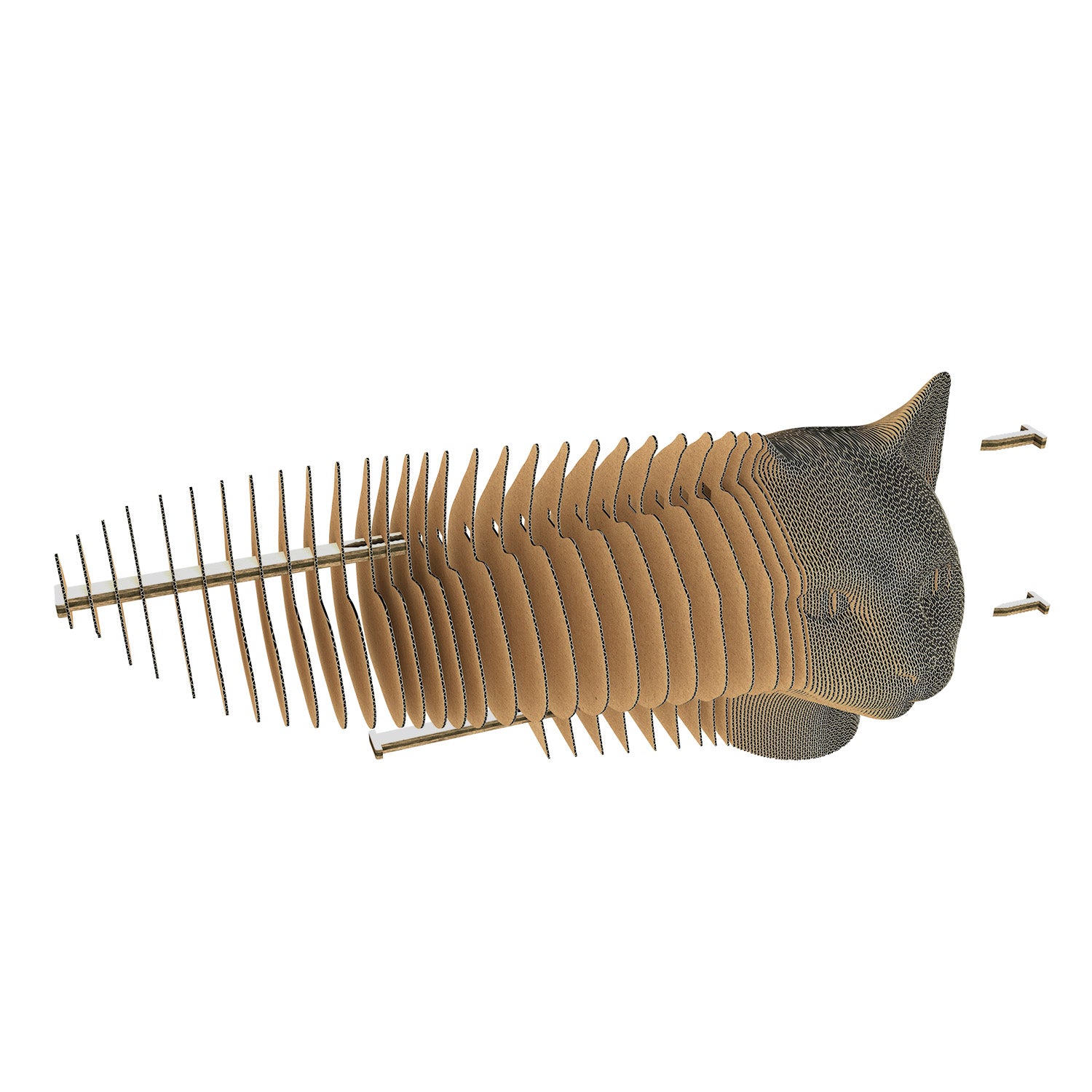
3D cardboard puzzle-sculpture Cat
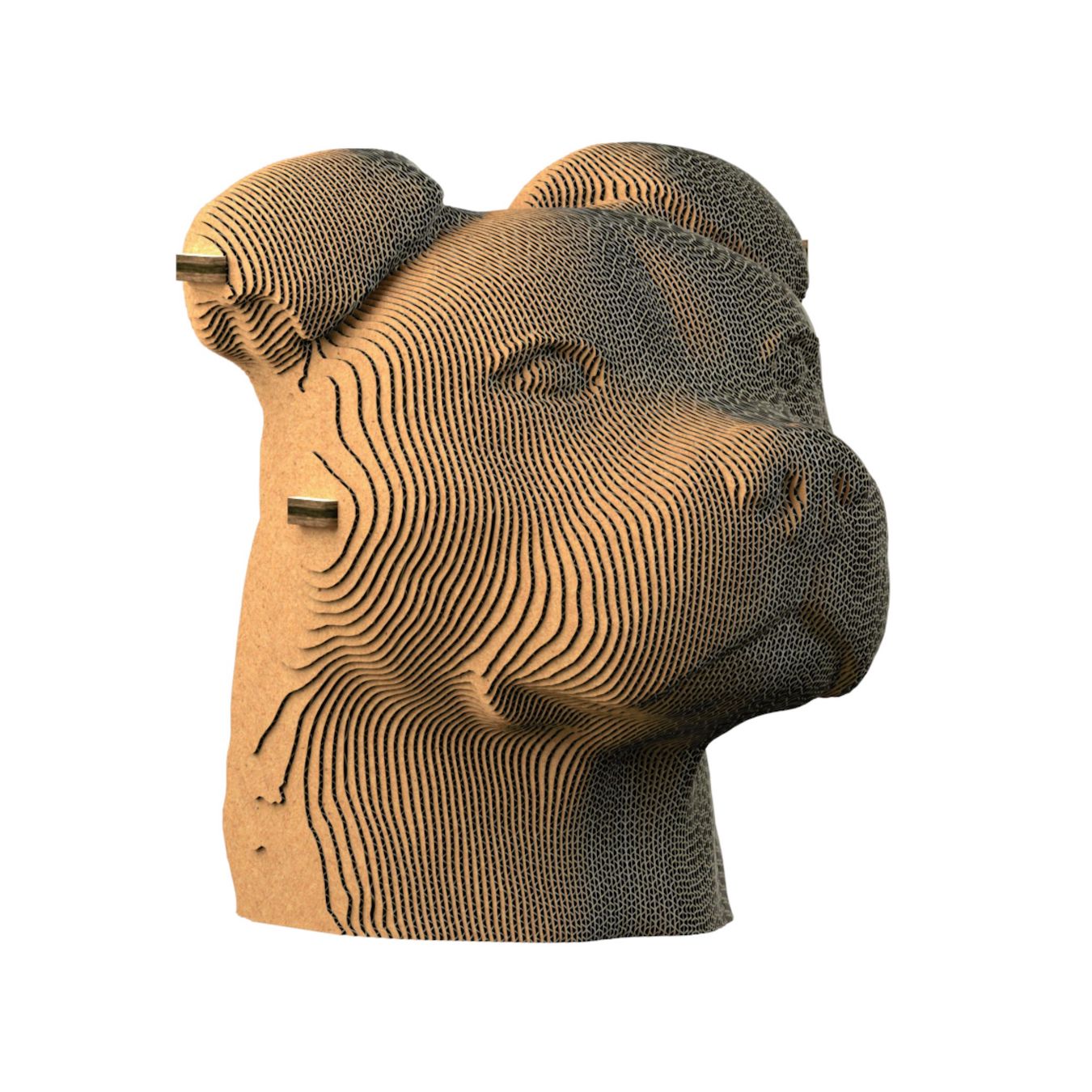
3D cardboard puzzle-sculpture Staffy
3D cardboard puzzle-sculpture Unicorn

Sculpture built from slices

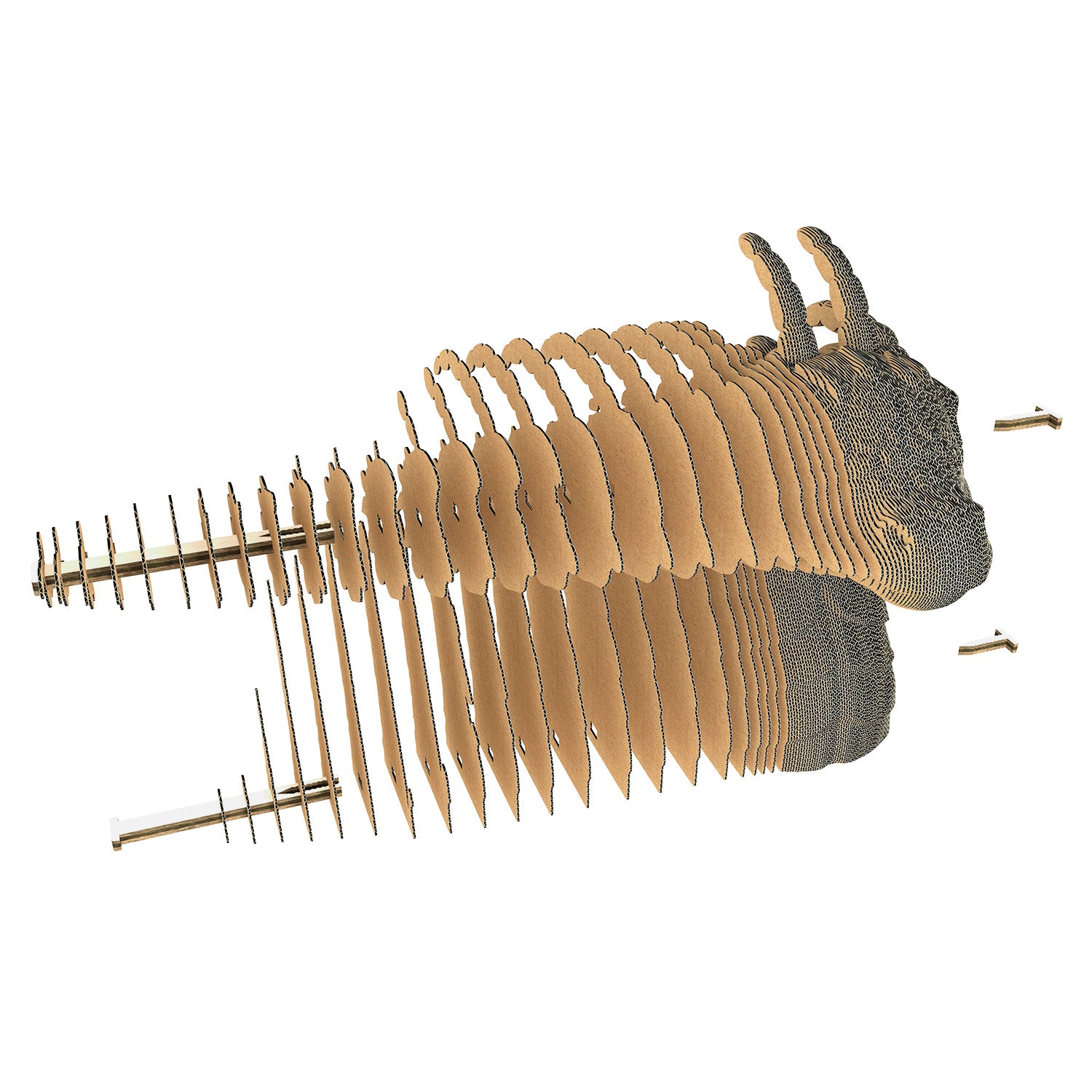
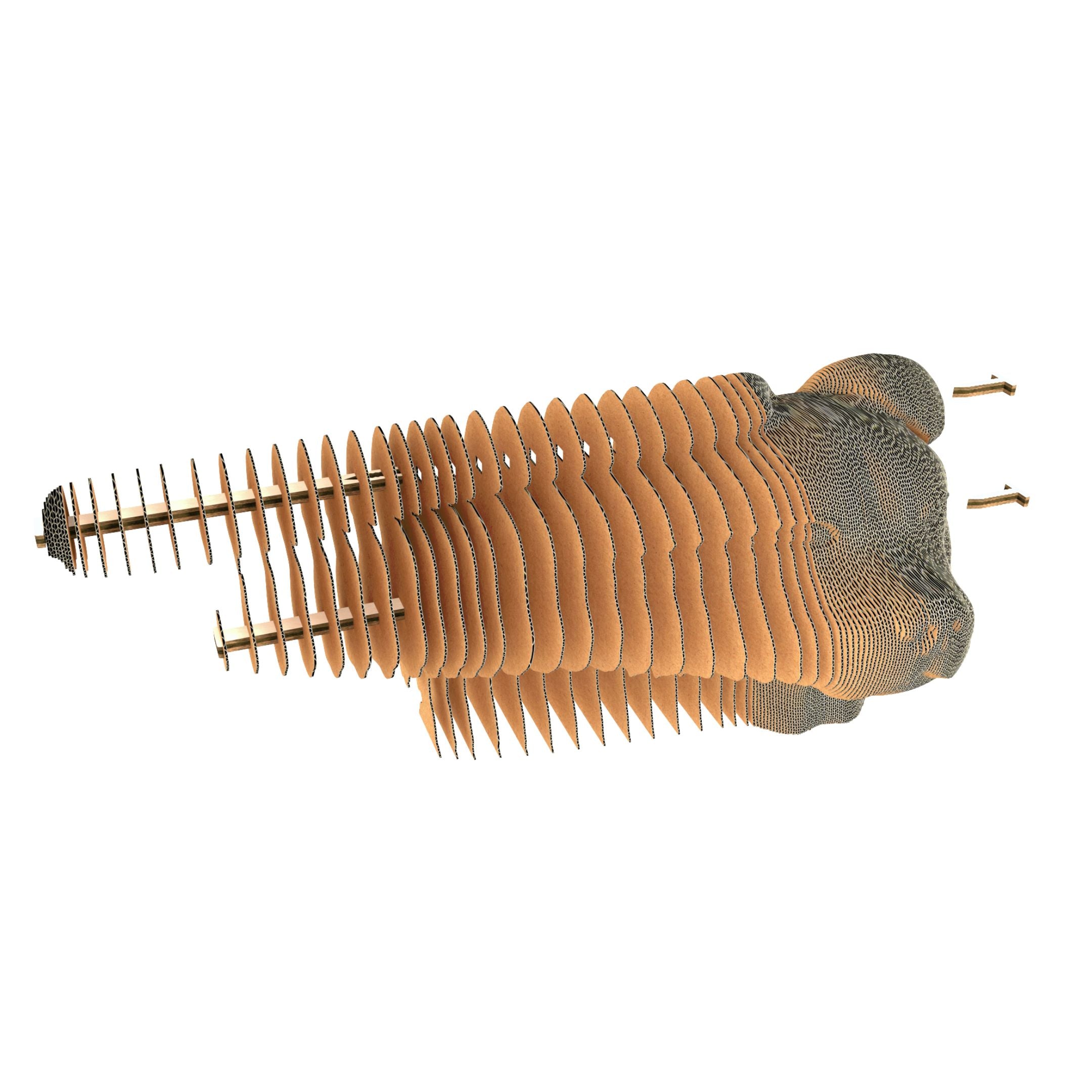
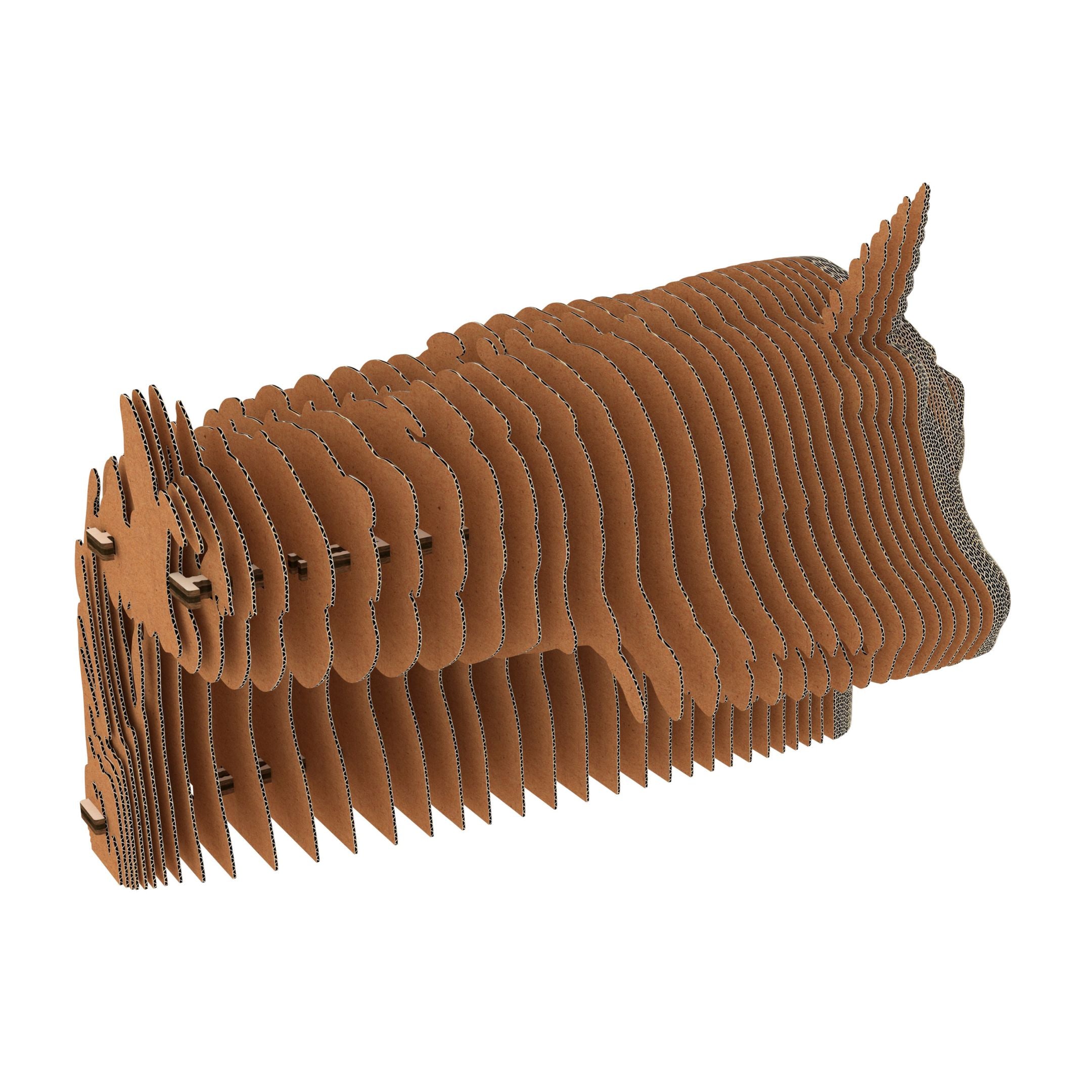
Each of these is a solid three-dimensional object assembled from flat cardboard layers. The pieces are numbered, they thread onto slim rods in sequence – two rods through every piece, so nothing can go on backwards – and the ends lock the stack tight. No glue, no tools, nothing to cut.

What you get is not a model of a lion. It is a lion, built the way a contour map is built, and the stepped edges where the layers meet are the whole visual effect. Sort the pieces by number before you start; everything else follows from that.

Which one to choose?

Difficulty scales with piece count and nothing else – there is no technique one model needs and another does not. The Unicorn at 67 pieces is the shortest build and the one to start with; the Staffy at 130 is the longest and the most anatomical, all bone and muscle under the steps.

Between them, each has its own reason: the Lion for the way light fans through its mane, the Cat for the finest tips the technique can cut, the Dragon for horns that leave the block on their own rods, and the Locomotive for being the one machine – long, low, with windows cut right through it.

What are they made of?

Recycled cardboard, threaded on slim rods. The assembled sculpture is light enough to sit on a shelf that would not hold a wooden equivalent.

Marked 14+, which is about patience with sorting rather than about anything sharp.

Where they go

These are desk and shelf objects rather than wall pieces, and they need to be seen in the round: the layer lines change as you move past them, which a photograph does not capture and a flat position wastes.

Keep them out of damp. Cardboard is cardboard.

Frequently asked questions

How long does one take to build?

Expect one to two hours for the smaller models and two to three for the largest – these are estimates rather than stopwatch figures. Most of the time goes on sorting the pieces into number order; the assembly itself moves quickly once they are laid out.

What happens if I put a piece in the wrong place?

You take the end off, slide the stack apart to the error, and rebuild from there. Nothing is glued, so nothing is permanent. This is the main practical advantage of a rod build over a glued one.

Do I need glue, a knife or anything else?

No. The pieces punch out of the sheets by hand, thread onto the rods included, and lock at the ends. Nothing else is required and nothing needs cutting.

Can I paint it, and how?

Yes, and after assembly rather than before. We recommend spray over a brush – spray keeps the fine layer lines visible, and those lines are the point of the object – and matt over gloss, since gloss fills the steps and flattens the relief.

Is the natural cardboard finish meant to be left?

It is a finish, not a base coat. The layered edges read as fine contour lines in kraft, which is why many people leave them unpainted.

How sturdy is it once built?

It holds its shape on a shelf and can be picked up and moved. It is not a toy and will not survive being dropped or handled roughly, and it should be kept away from damp.

What age is it for?

Marked 14+. That is about patience with sorting a hundred numbered pieces rather than about anything sharp or hazardous. A younger builder will manage it with someone doing the sorting.