






Puzzles under 100 pieces
Filters
27 products











Continue exploring
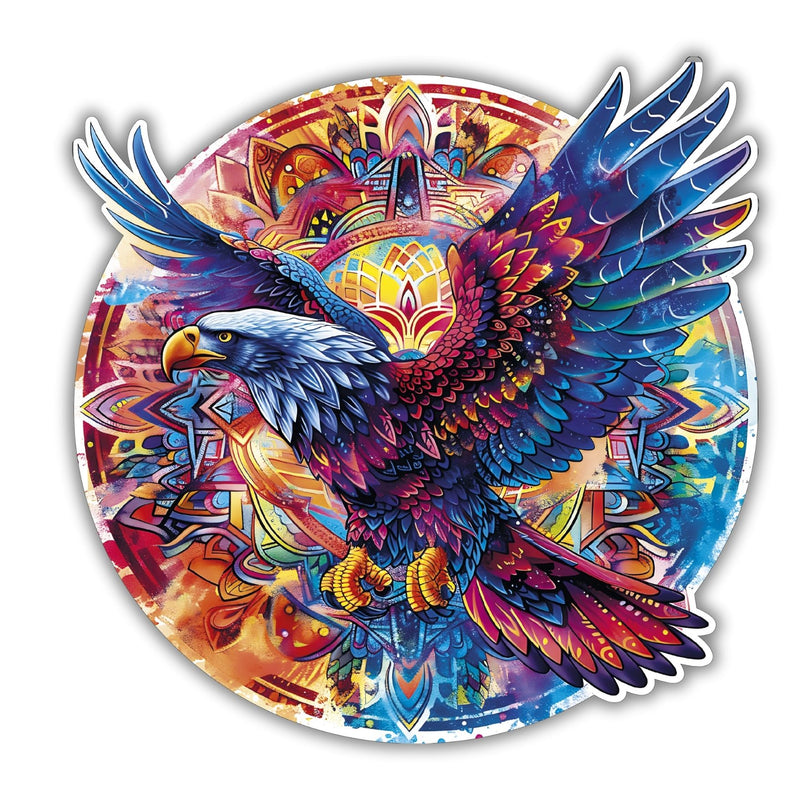
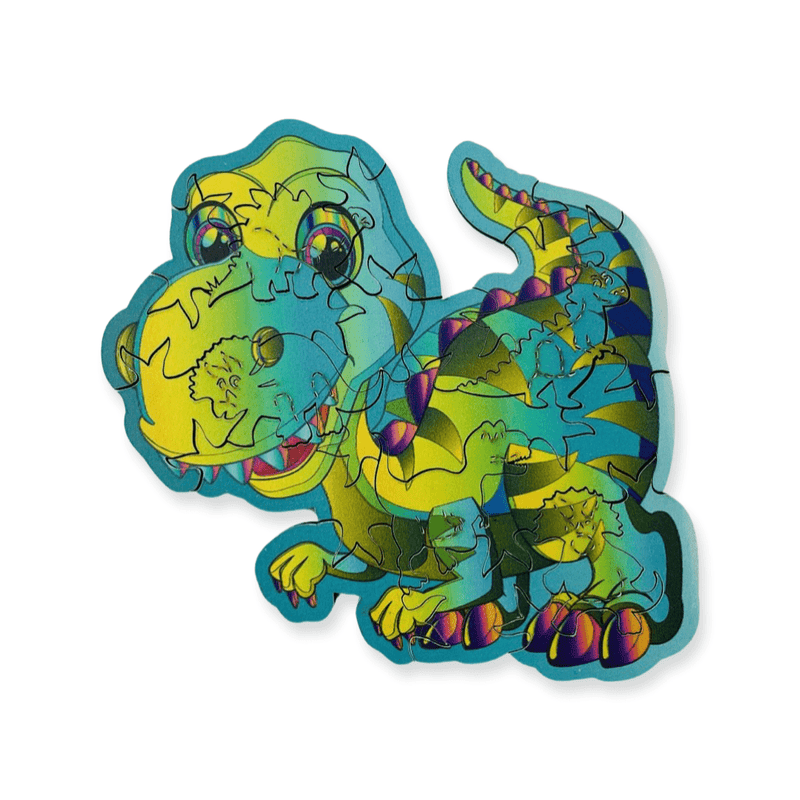
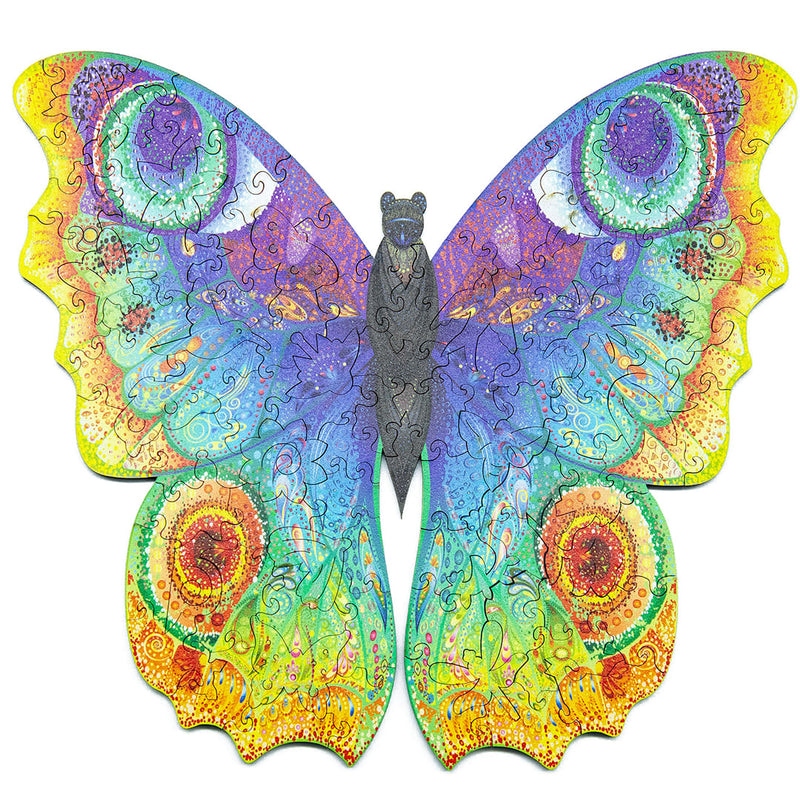
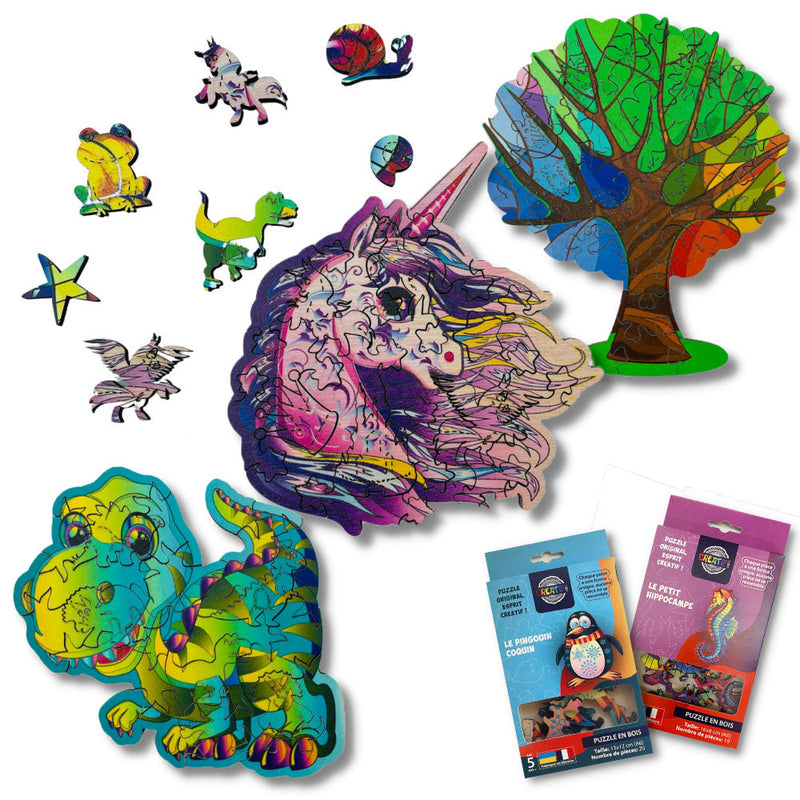
Where a wooden puzzle starts
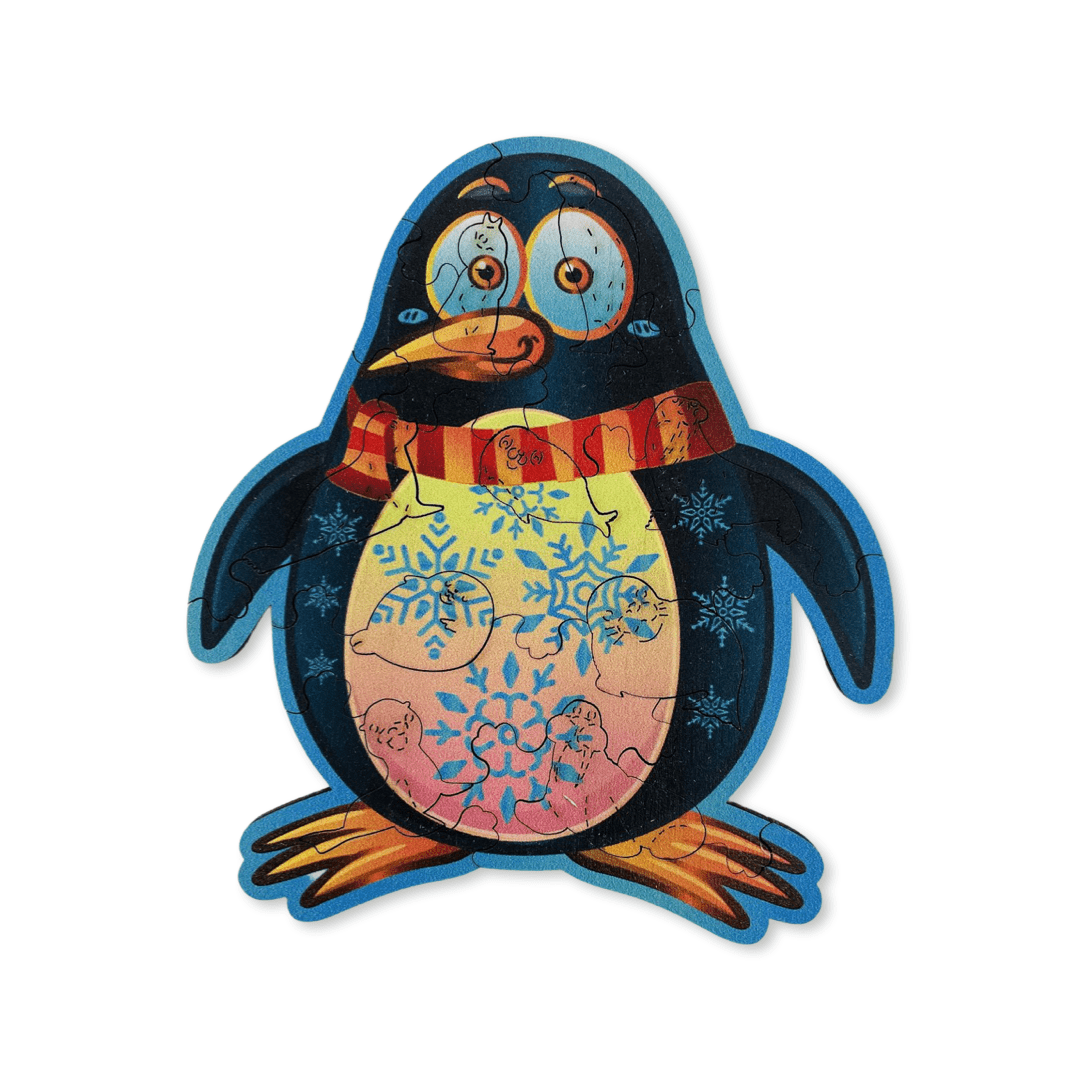
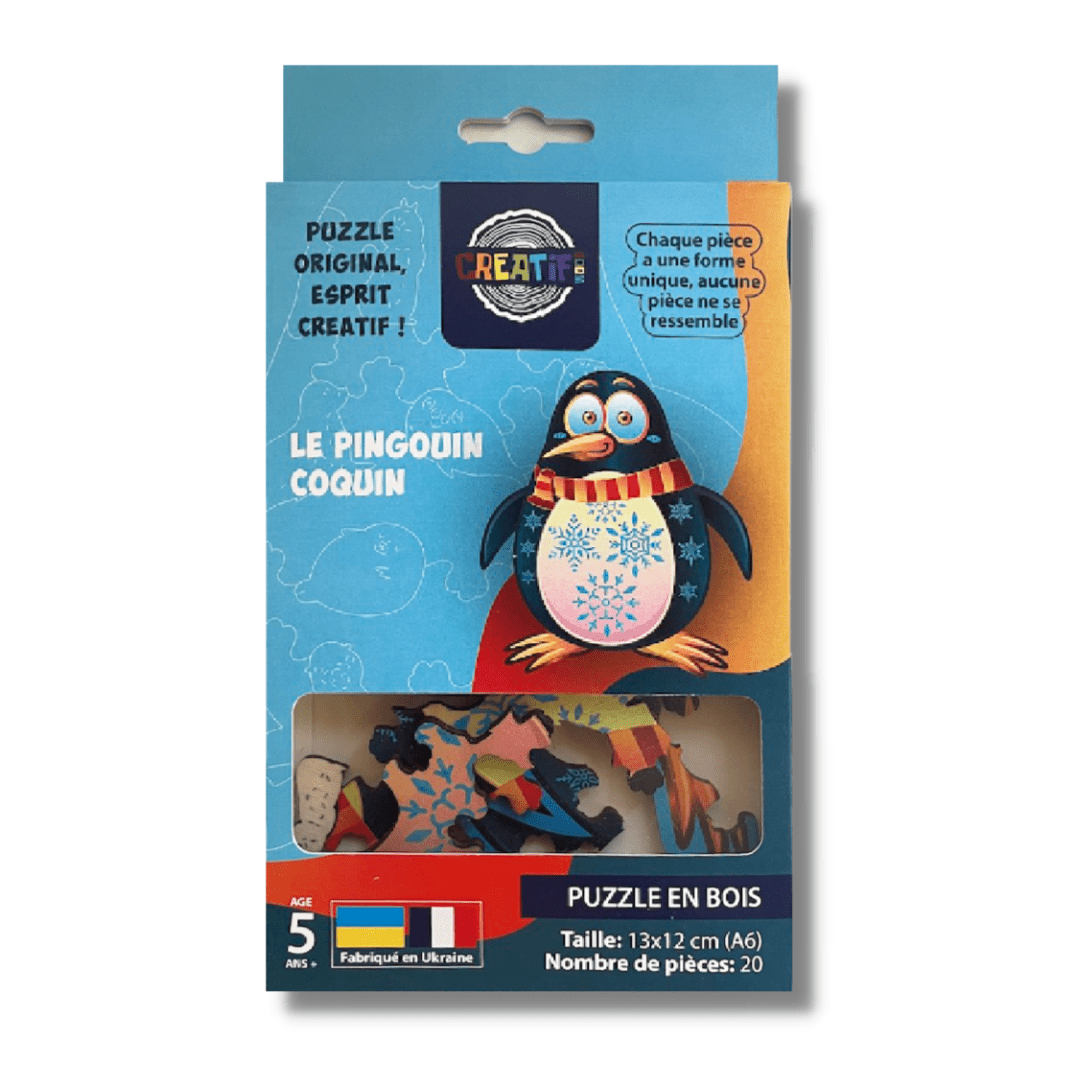
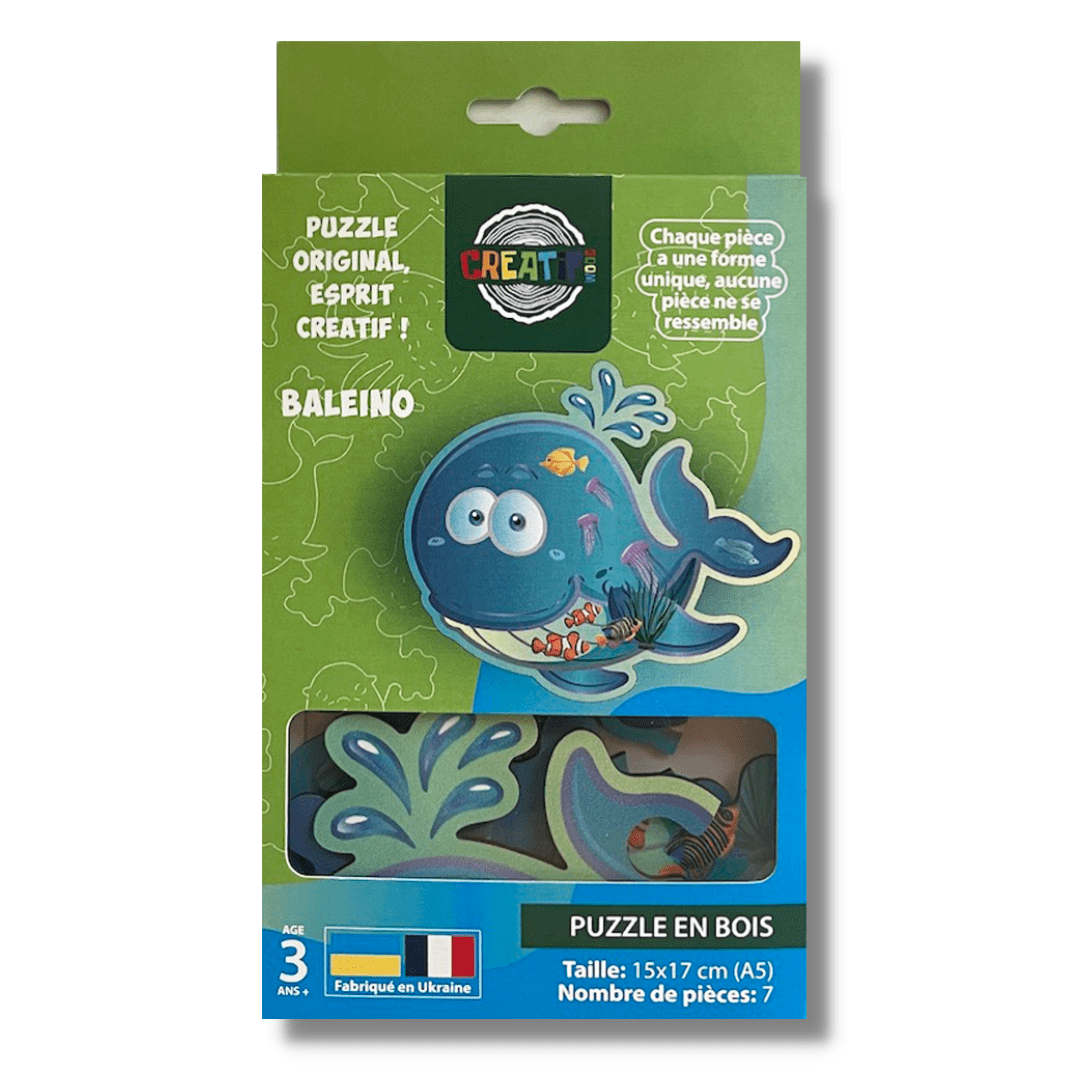
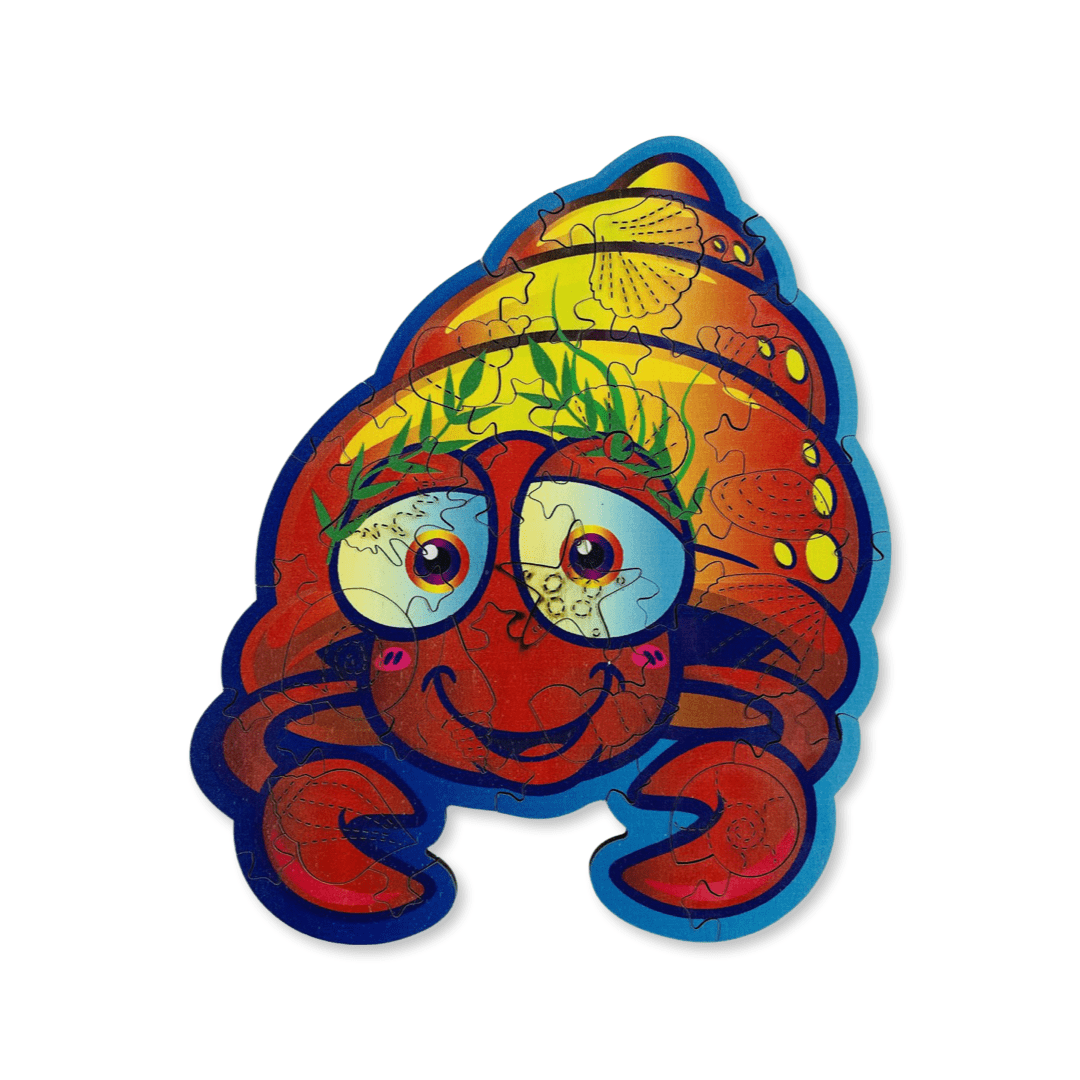
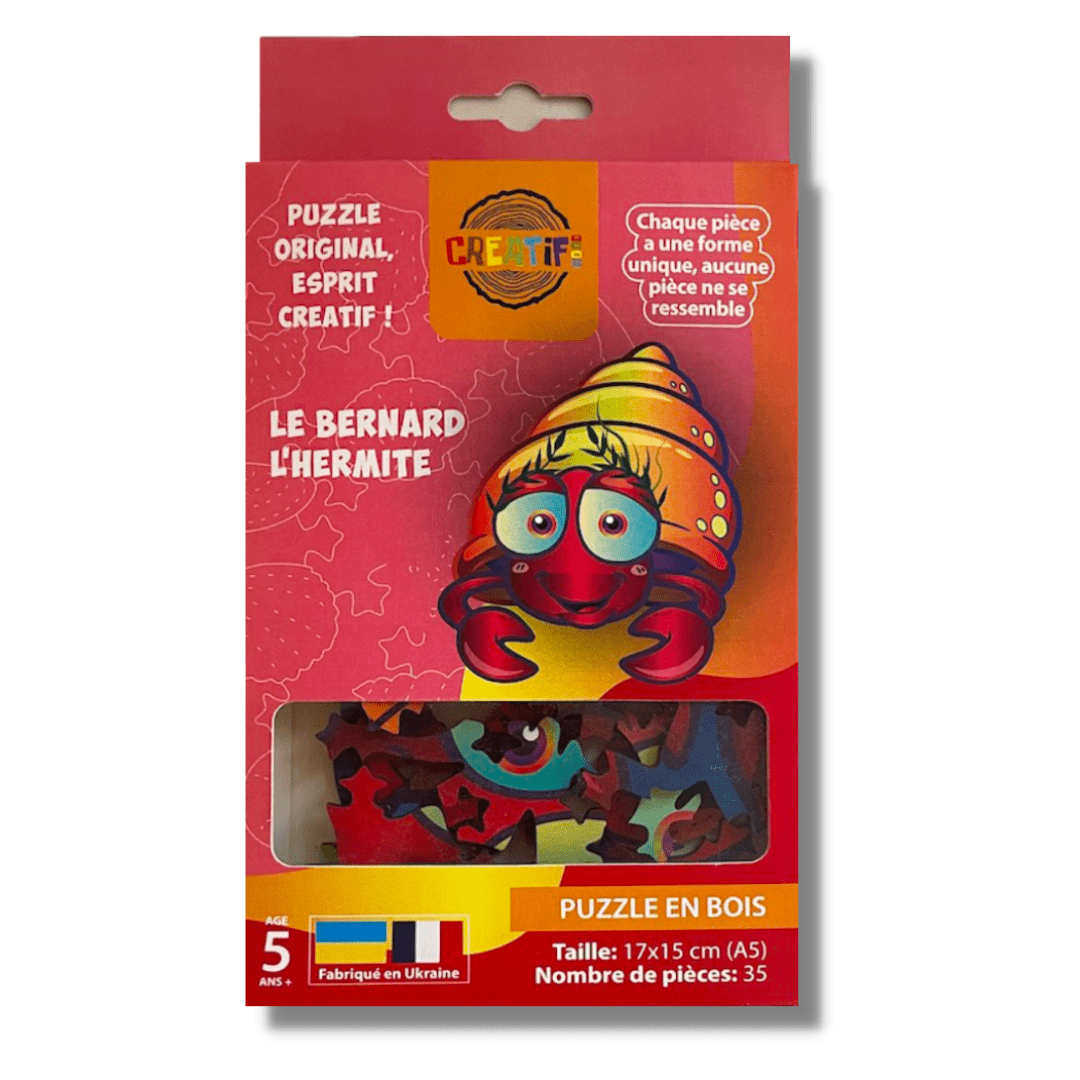
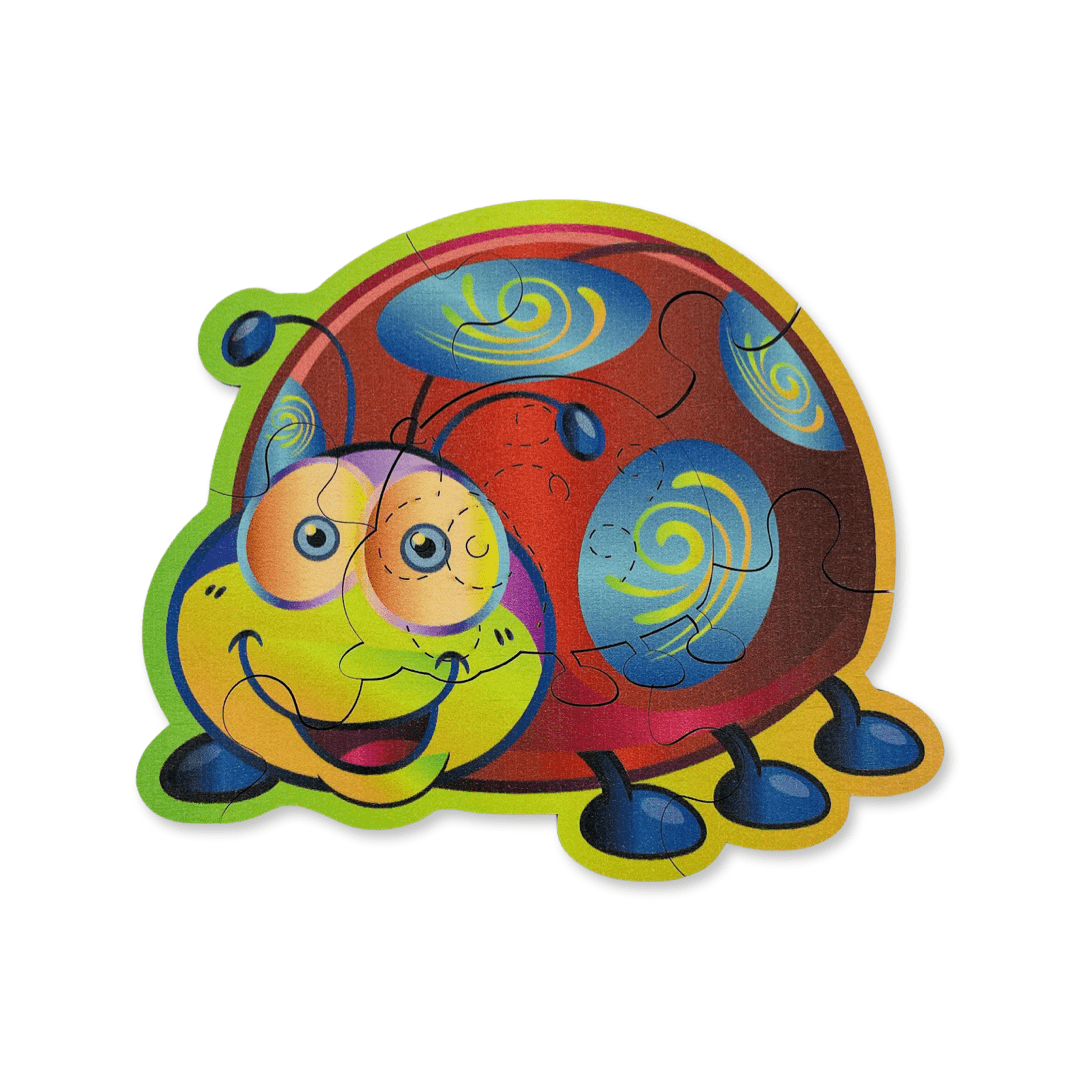
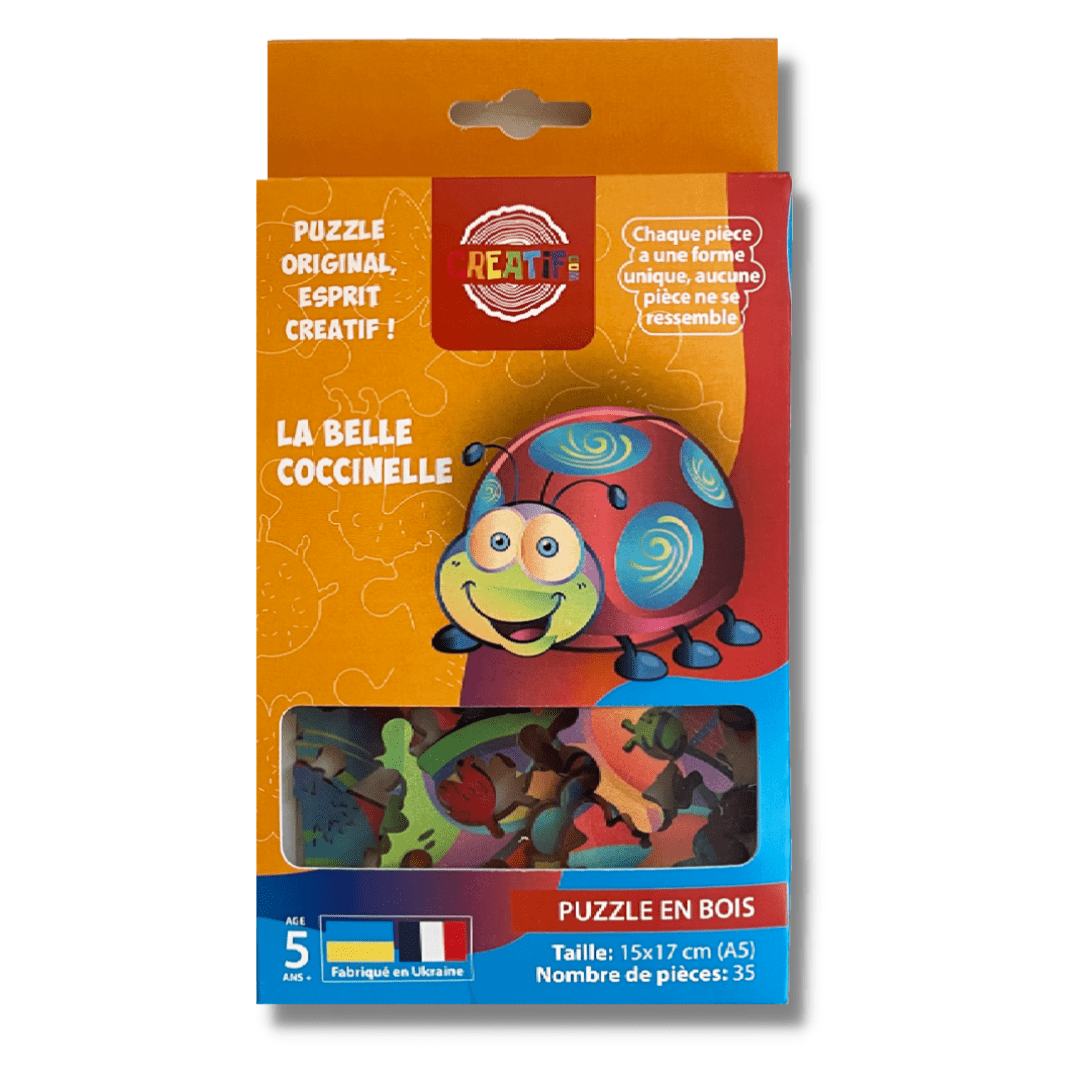
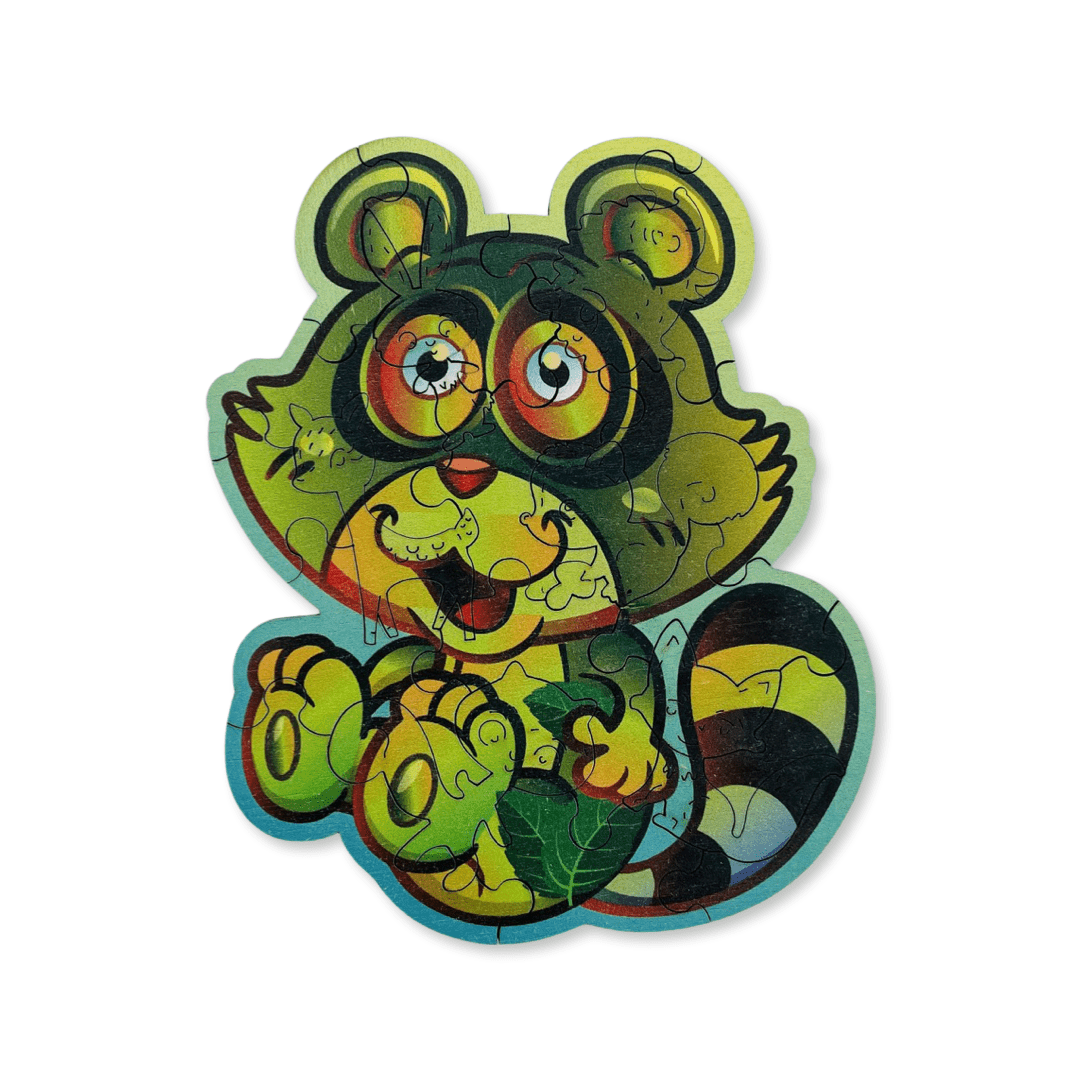
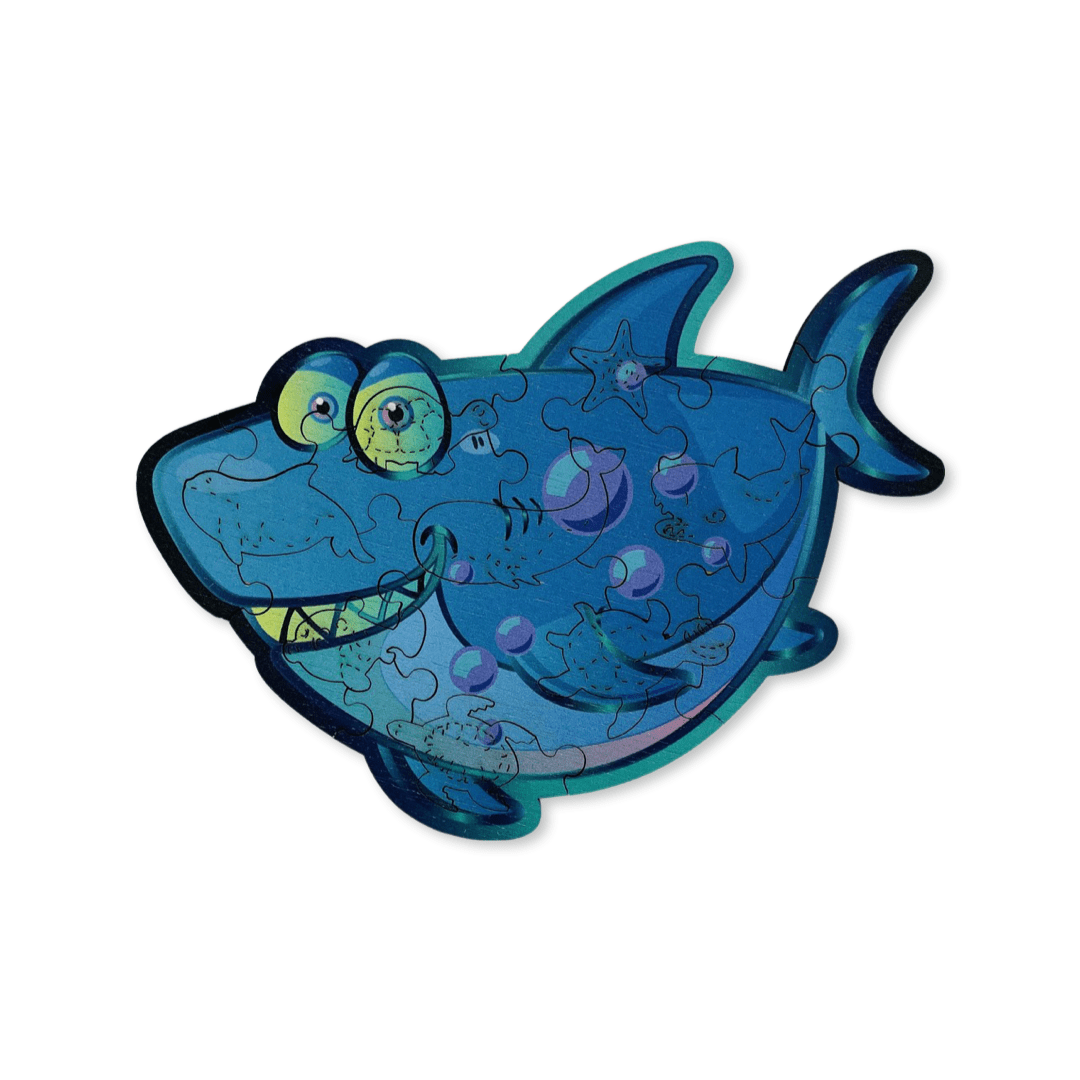
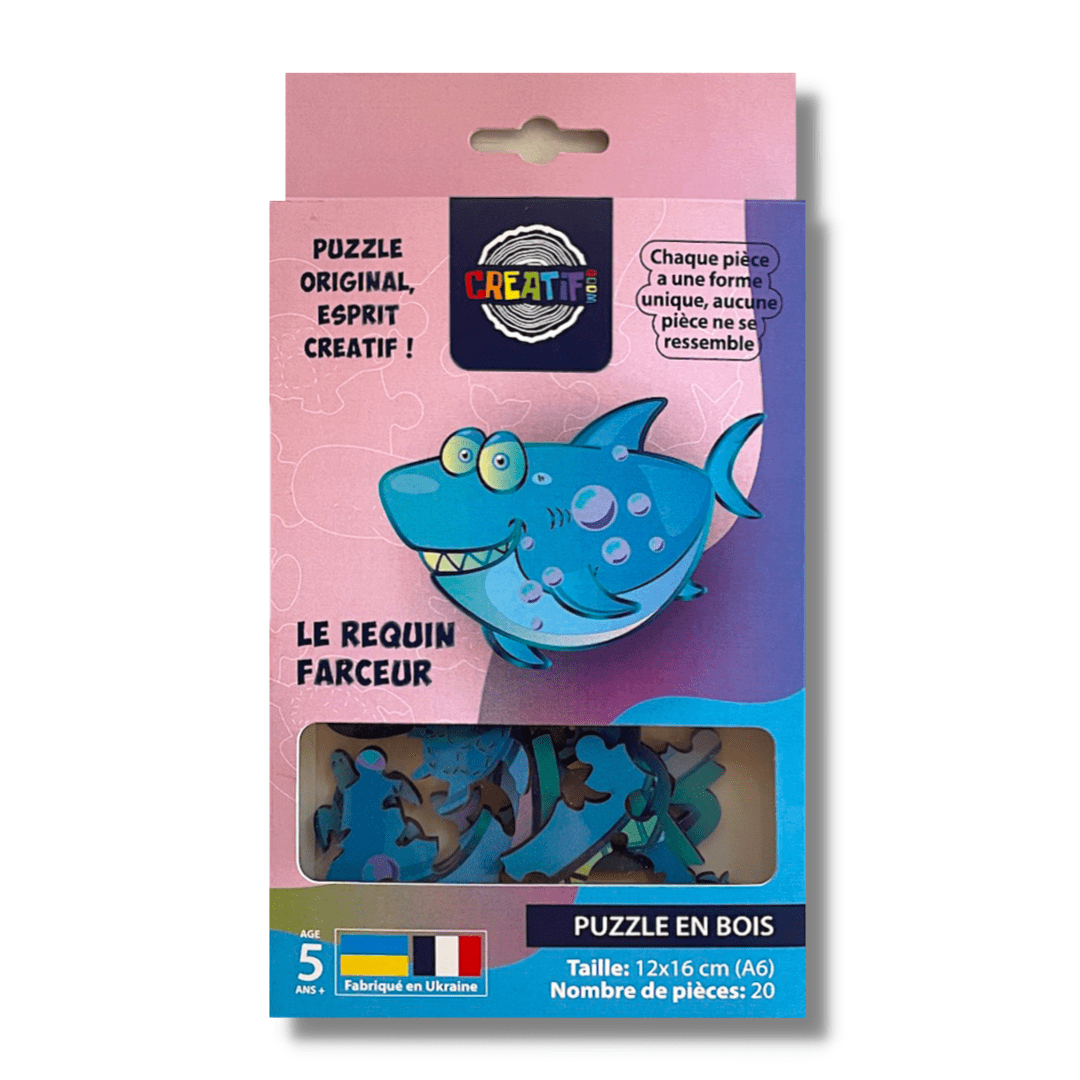
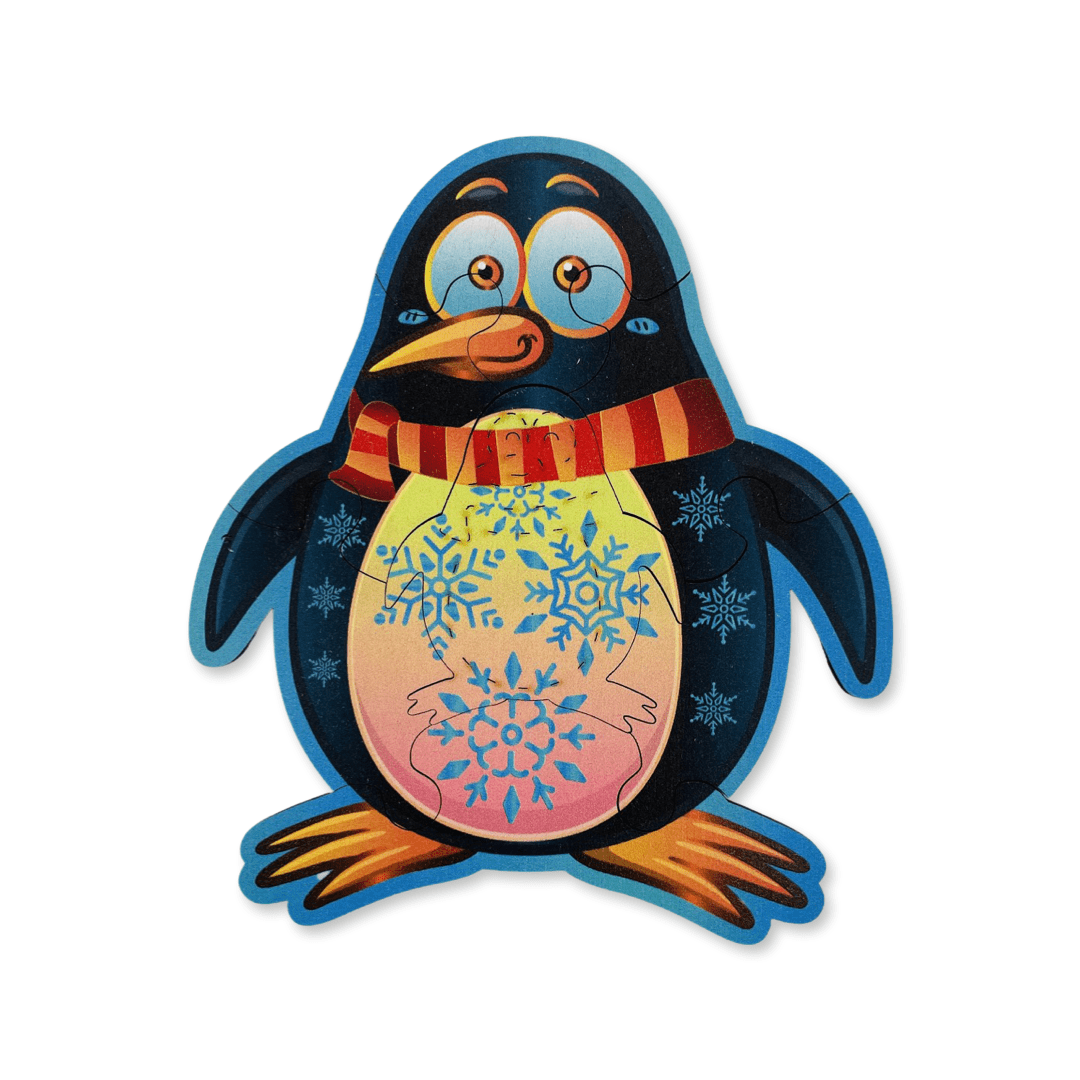
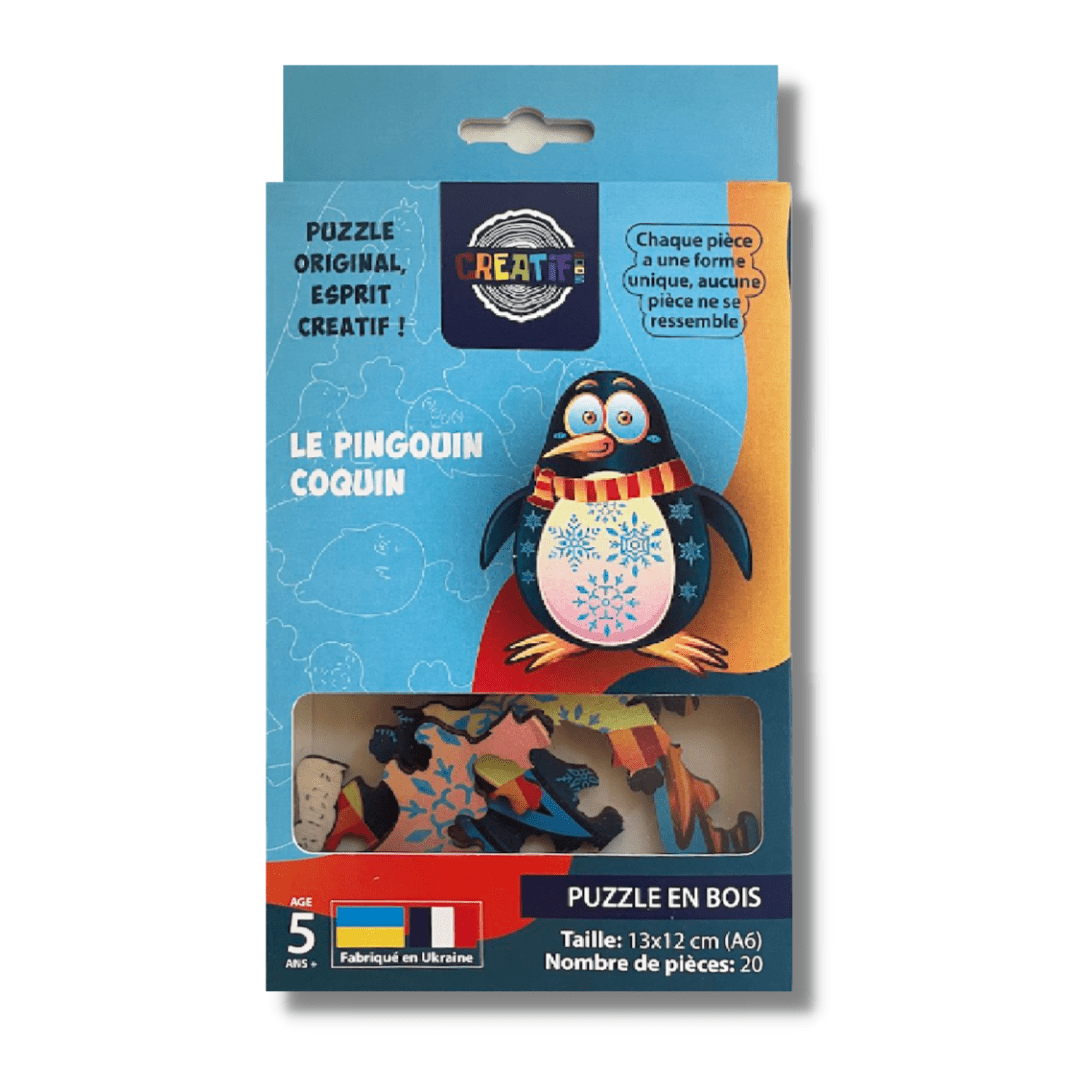
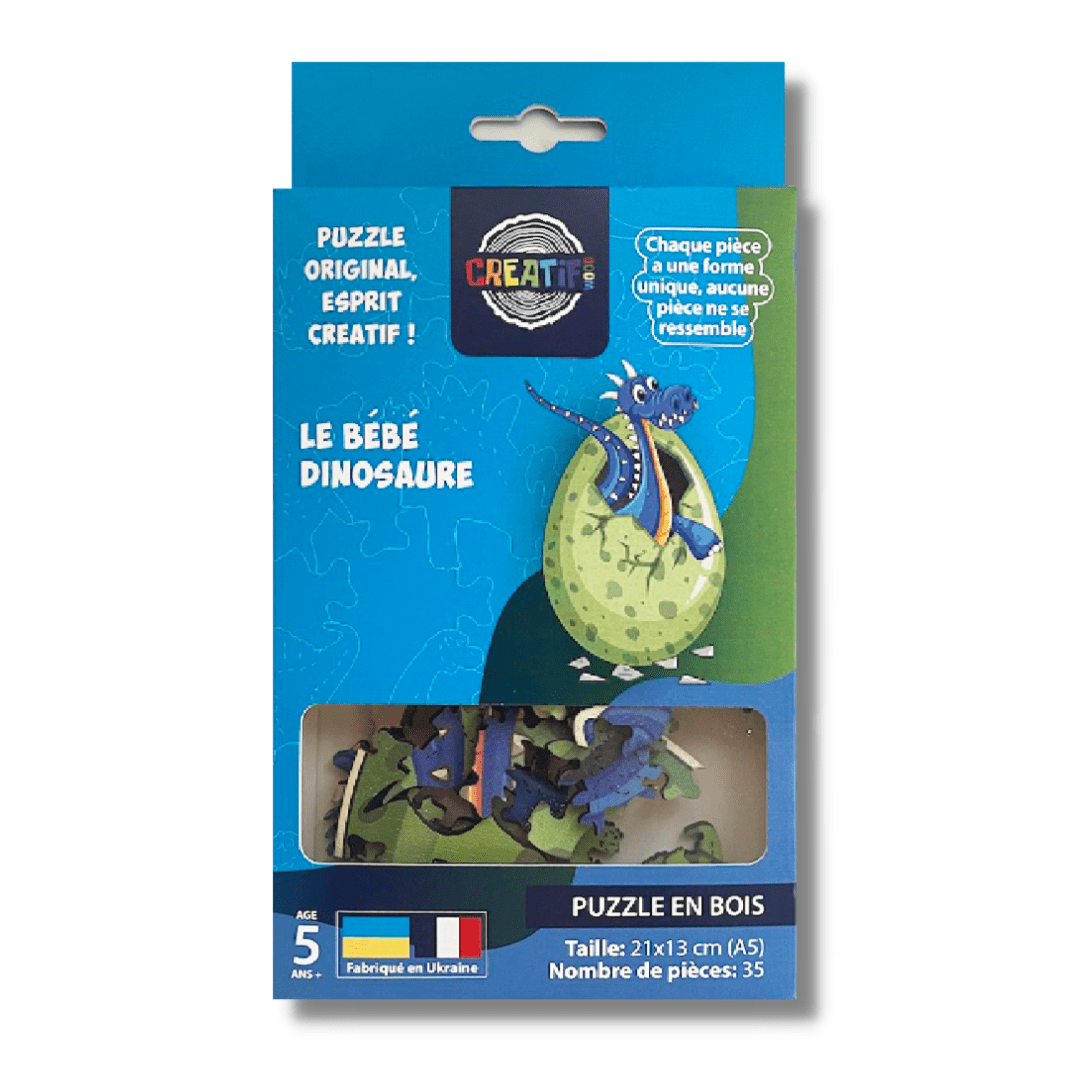
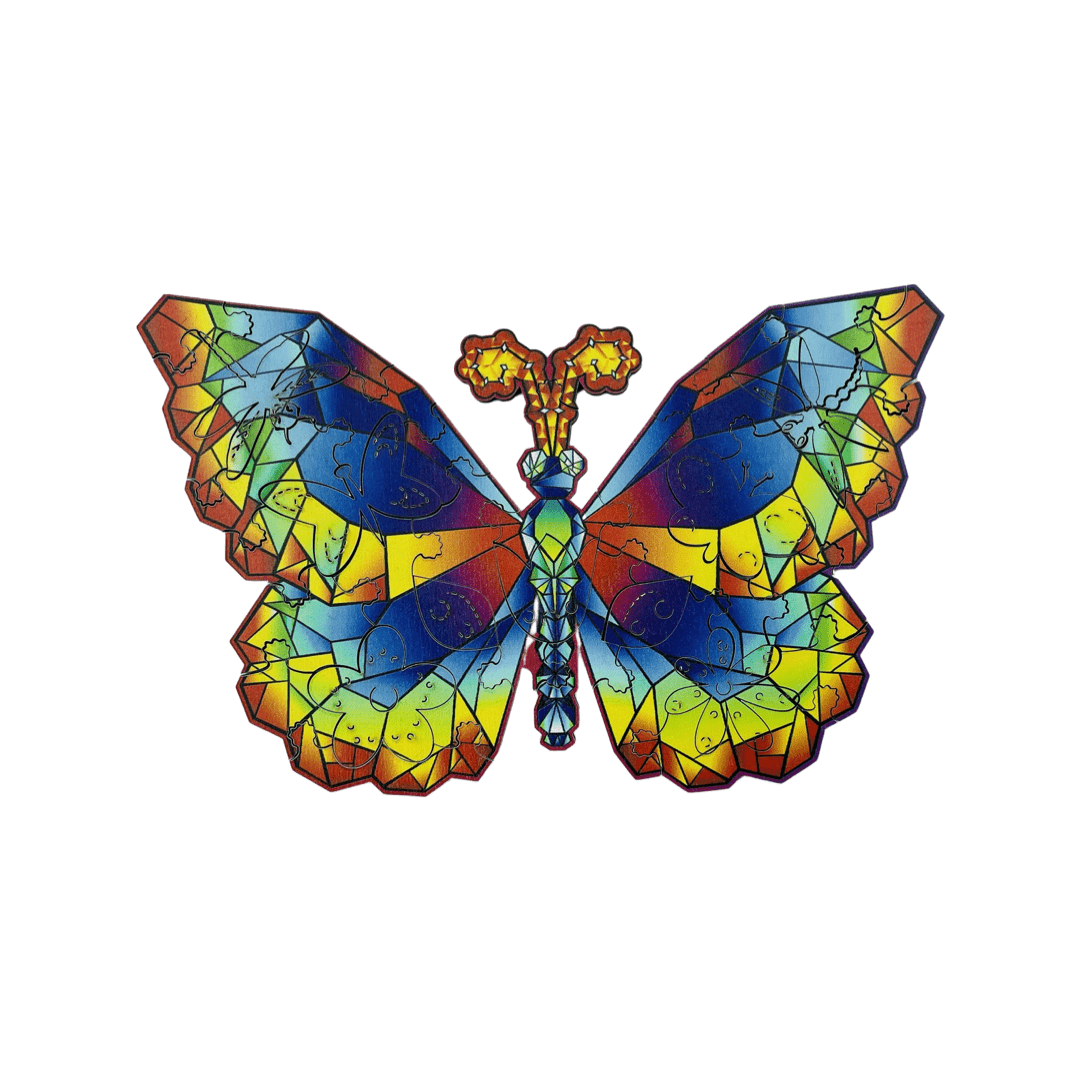
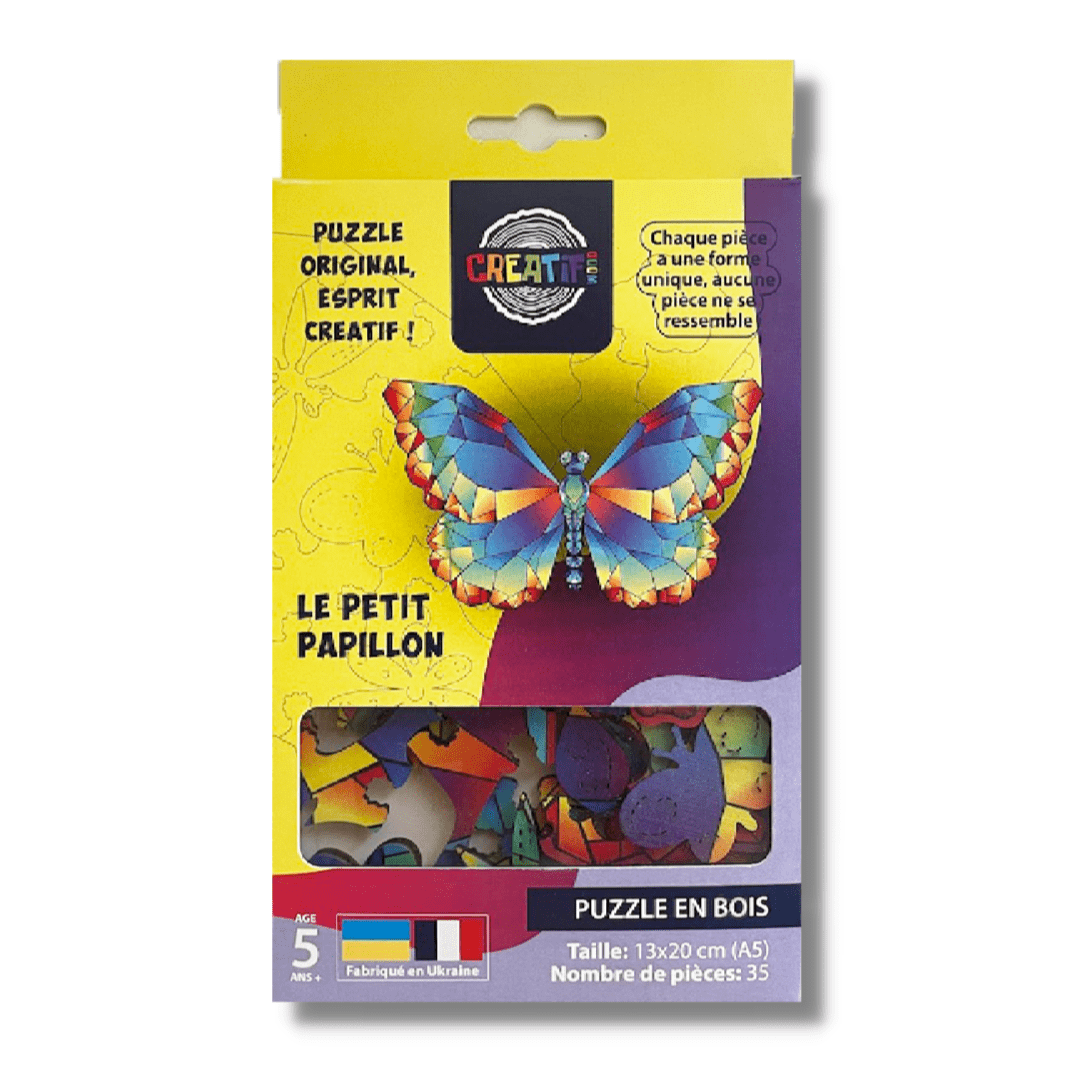
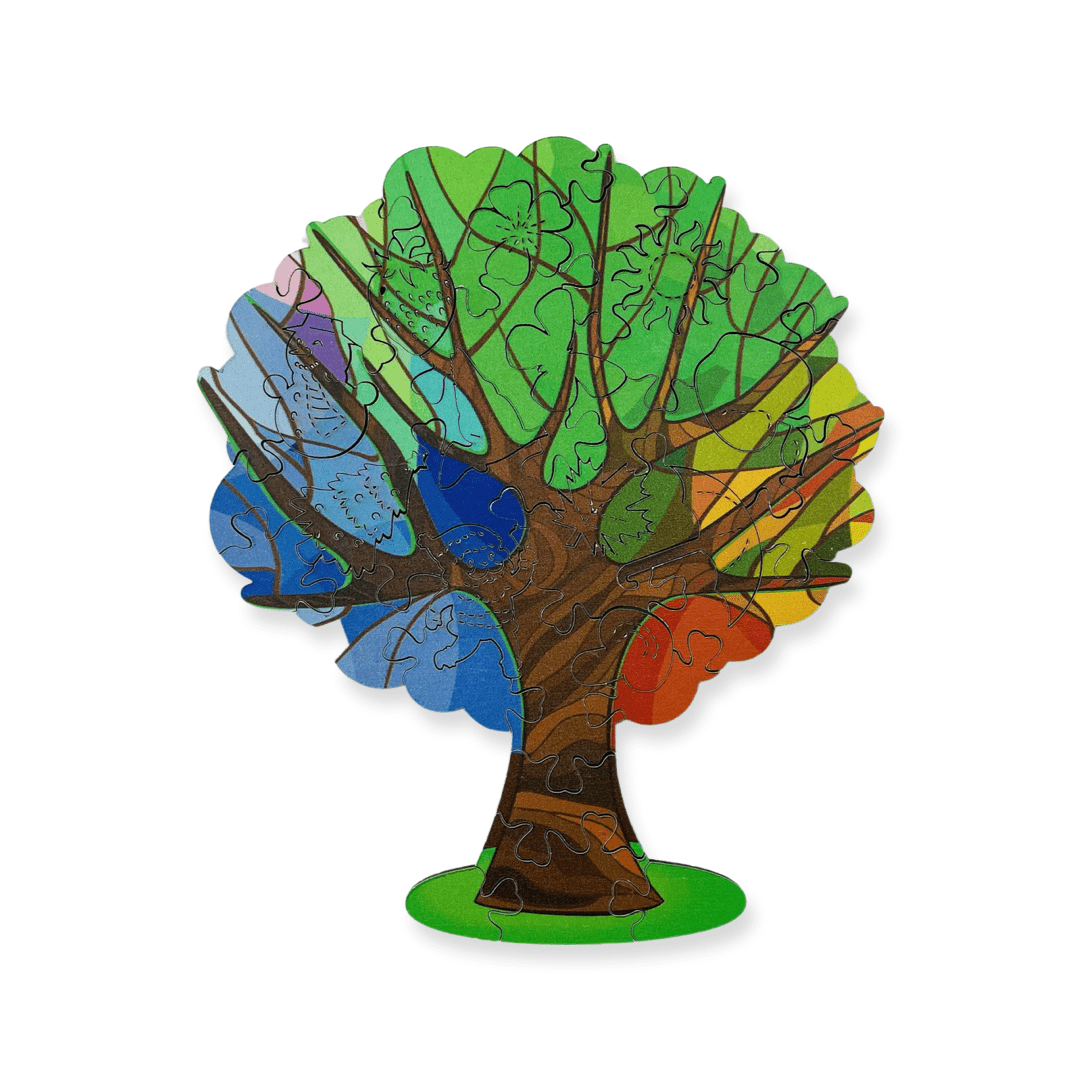
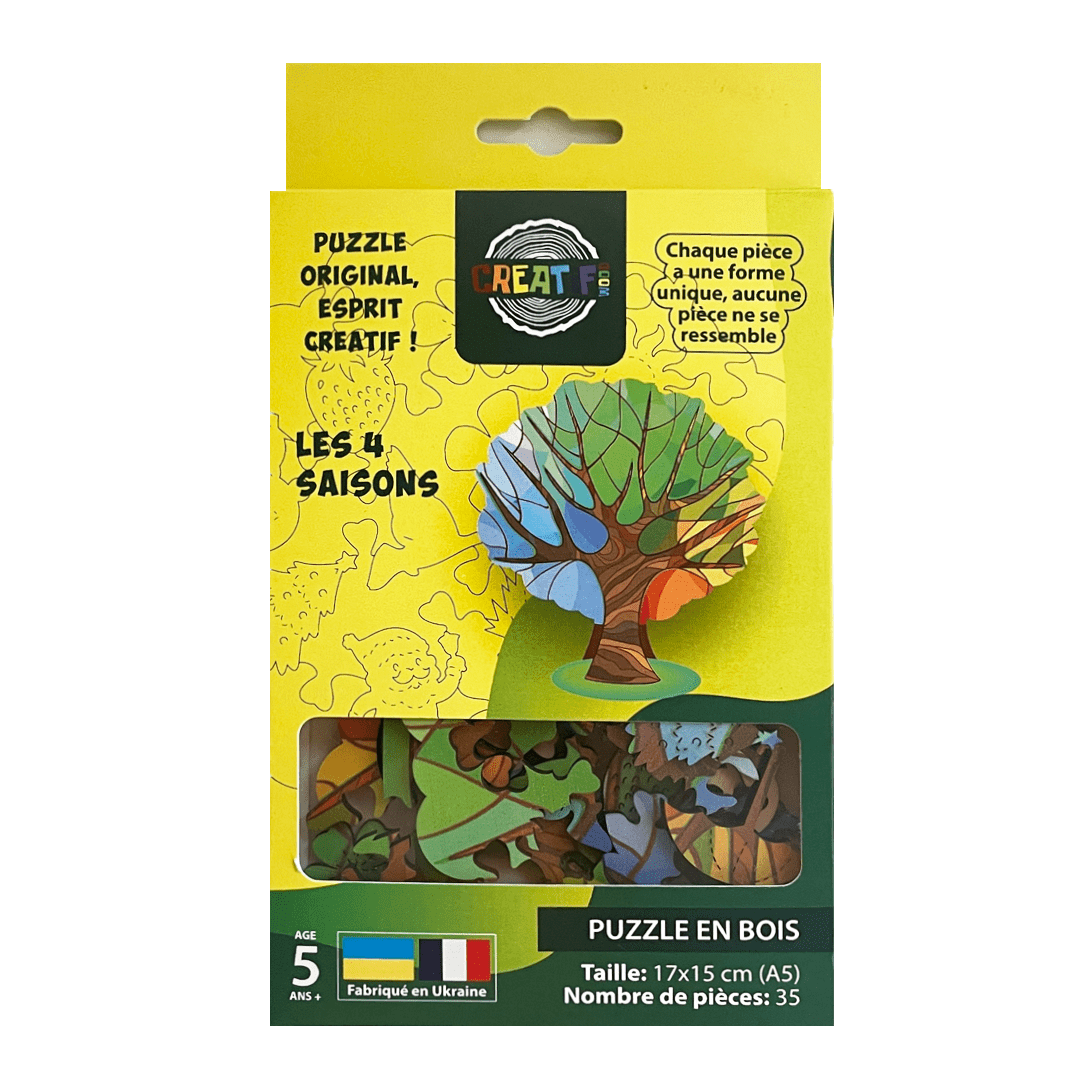
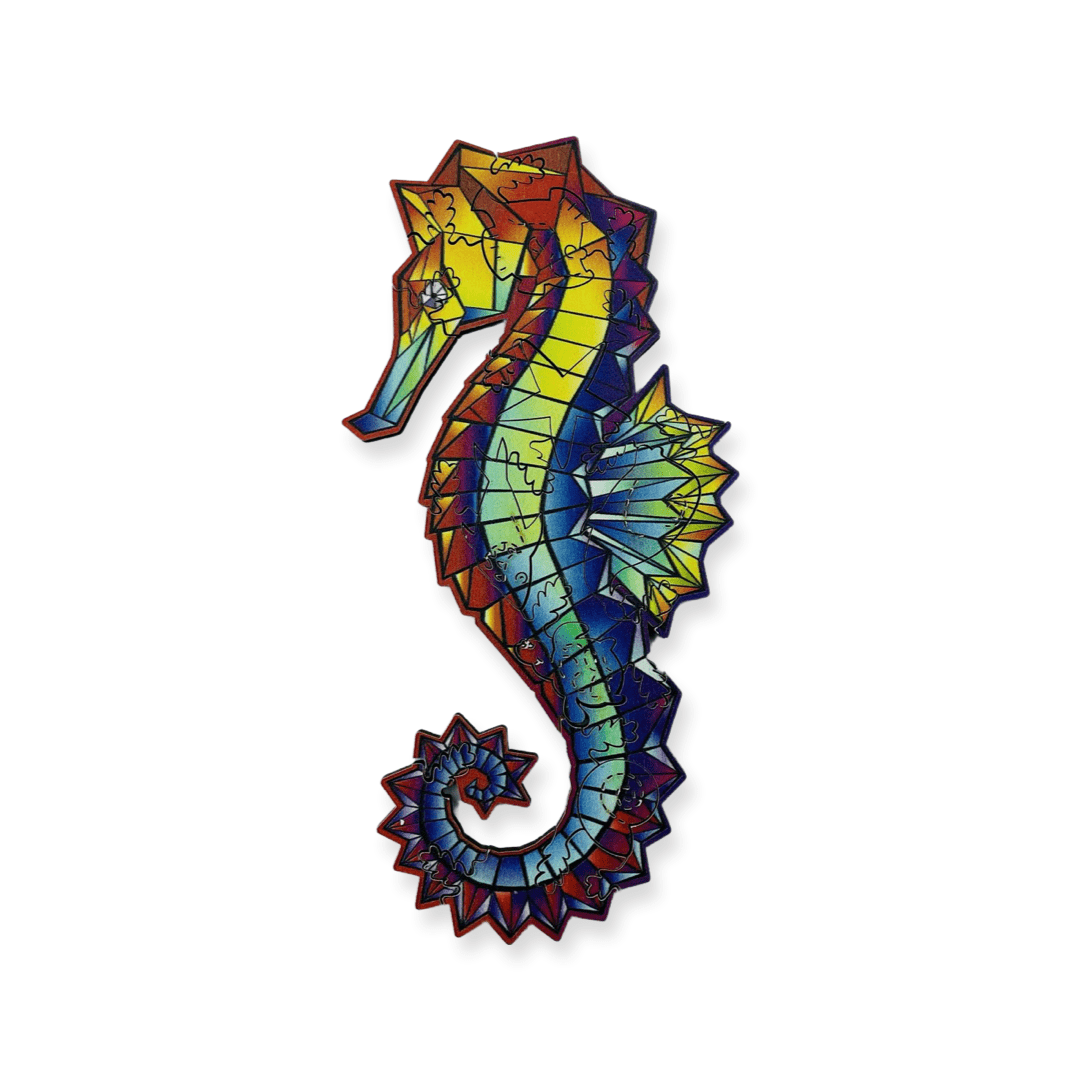
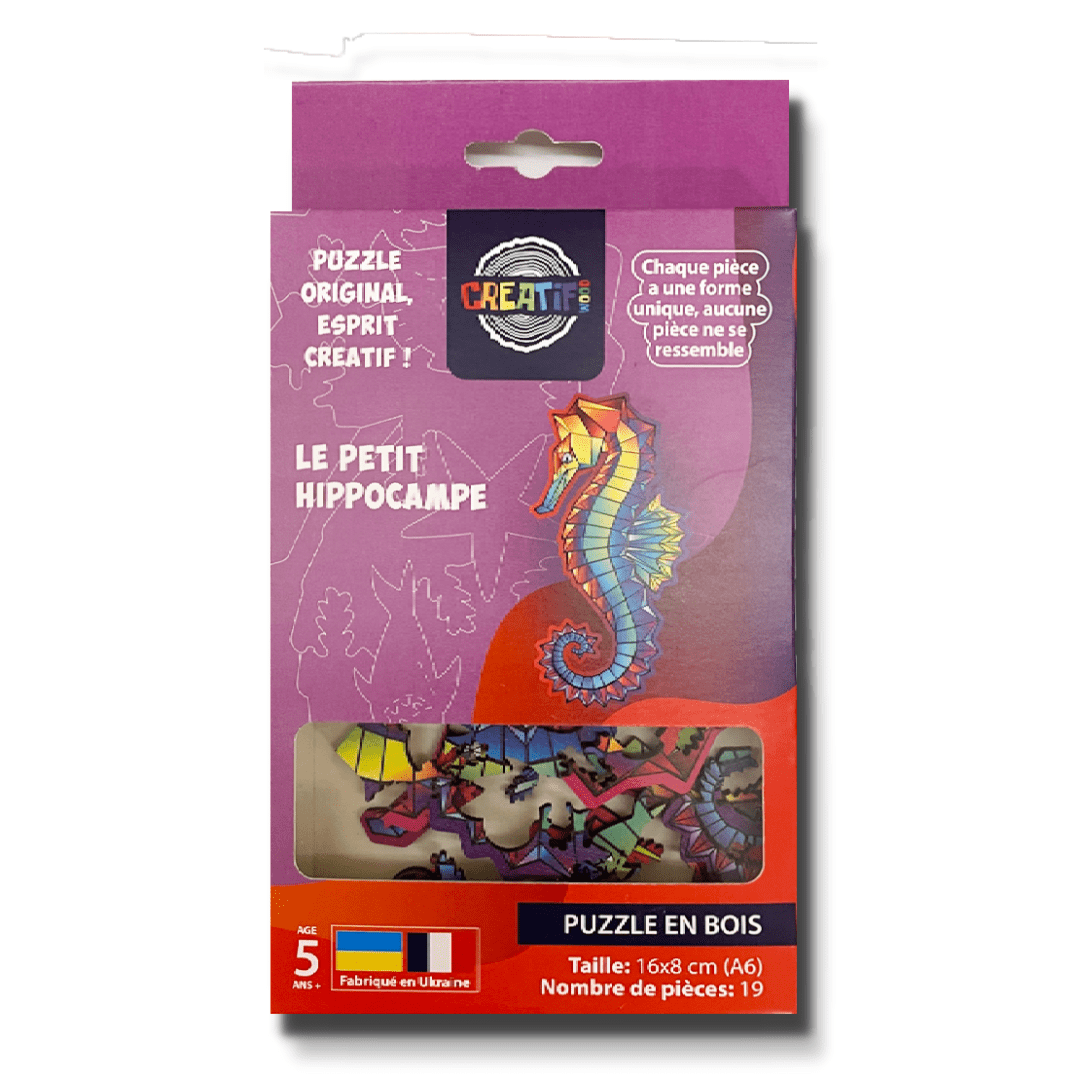
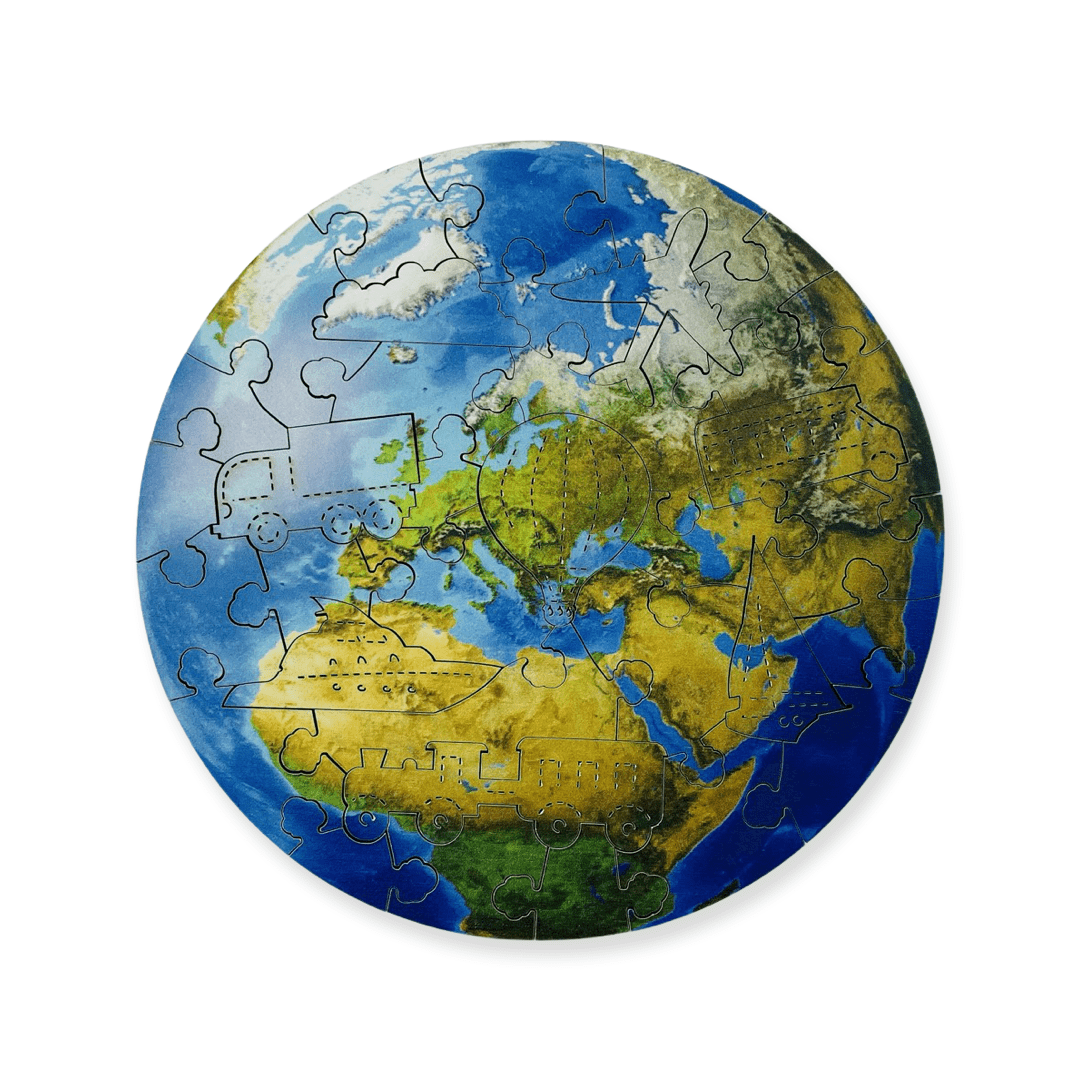
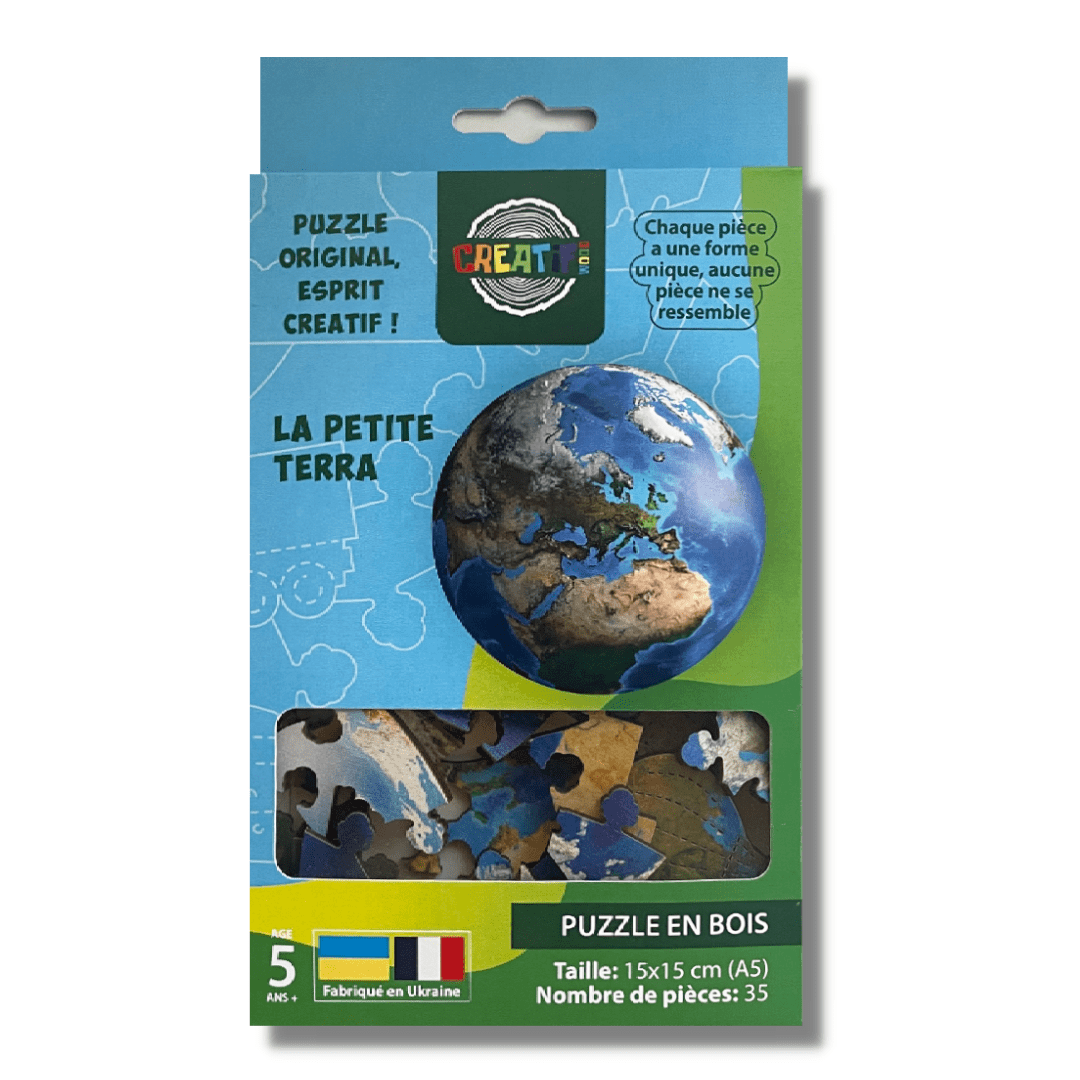
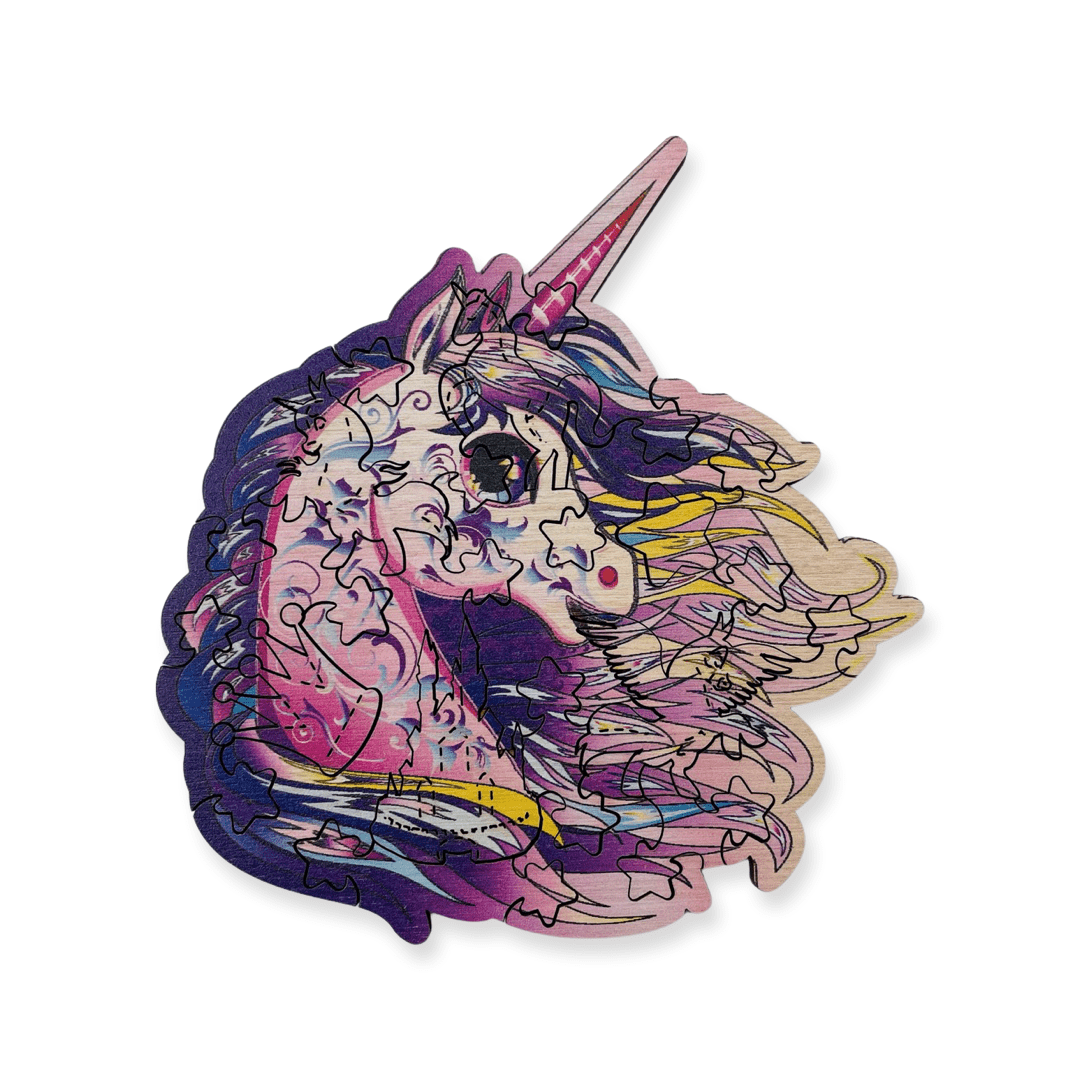
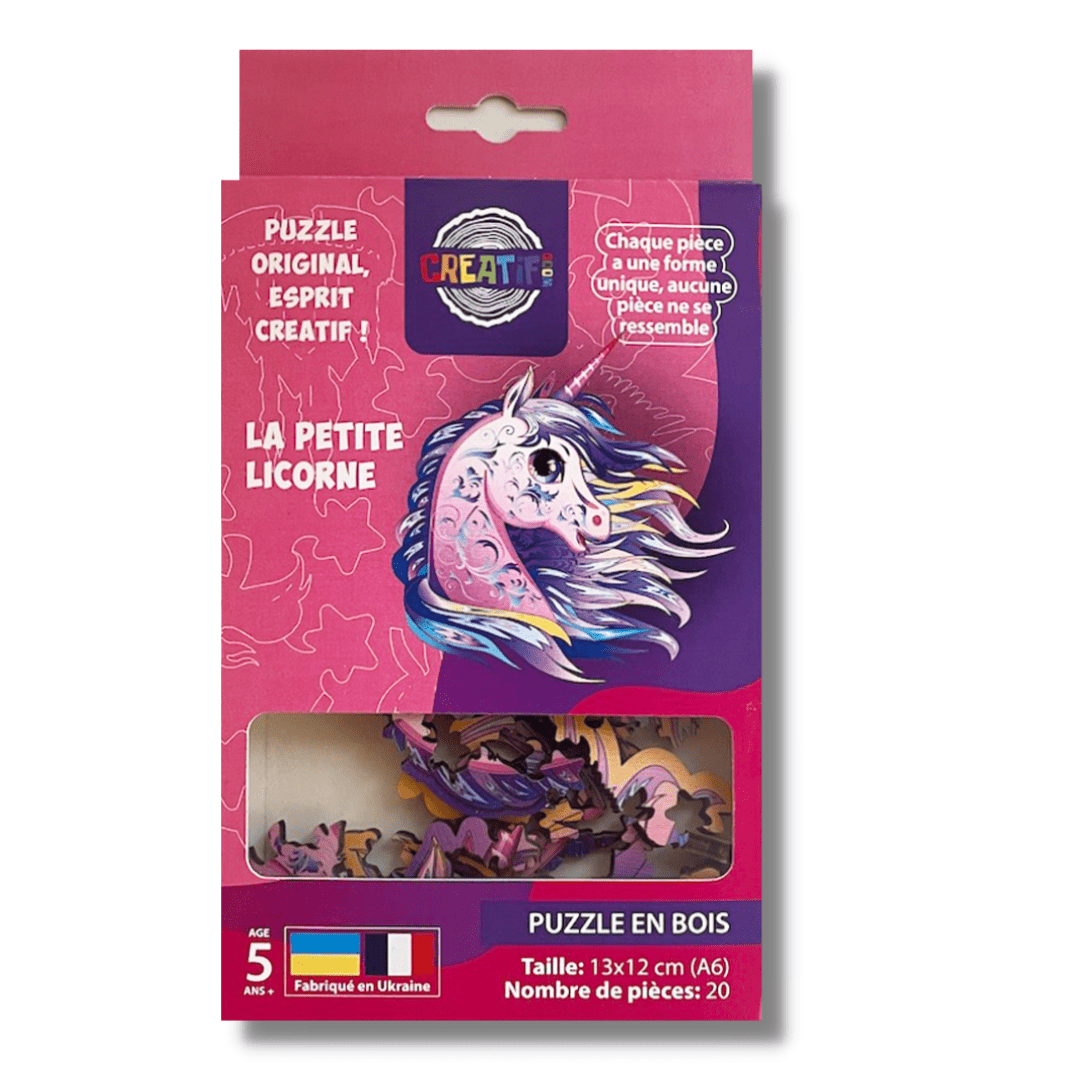
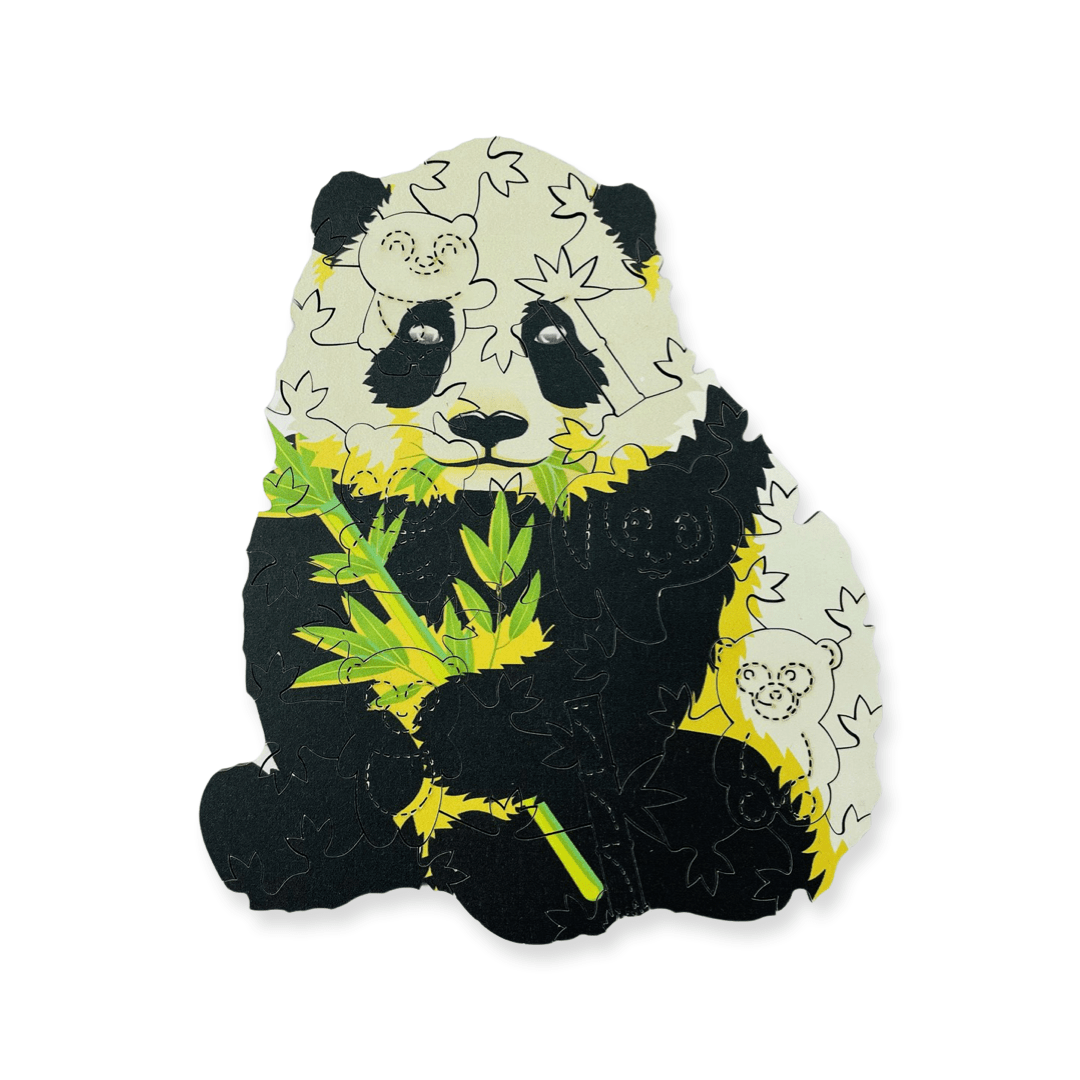
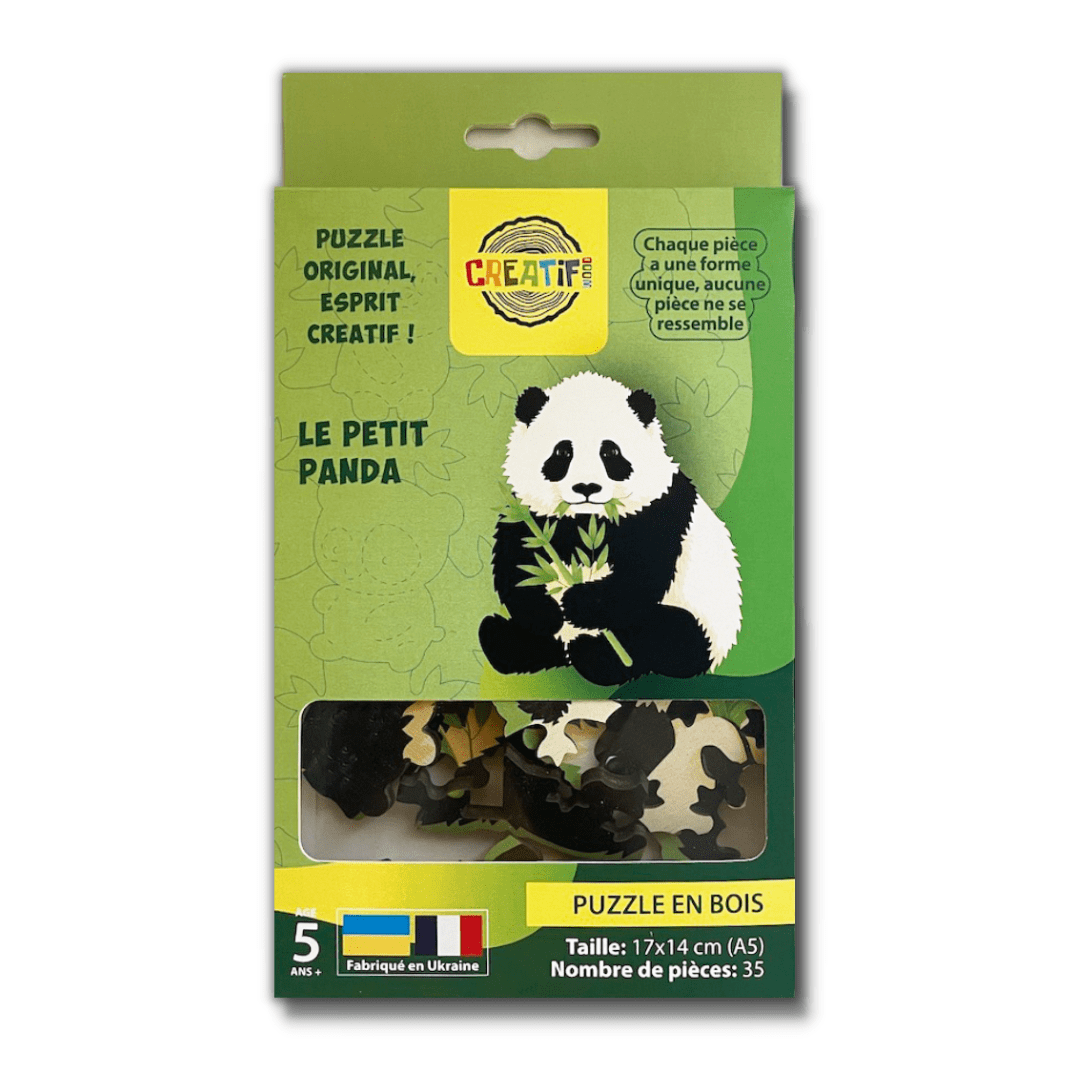
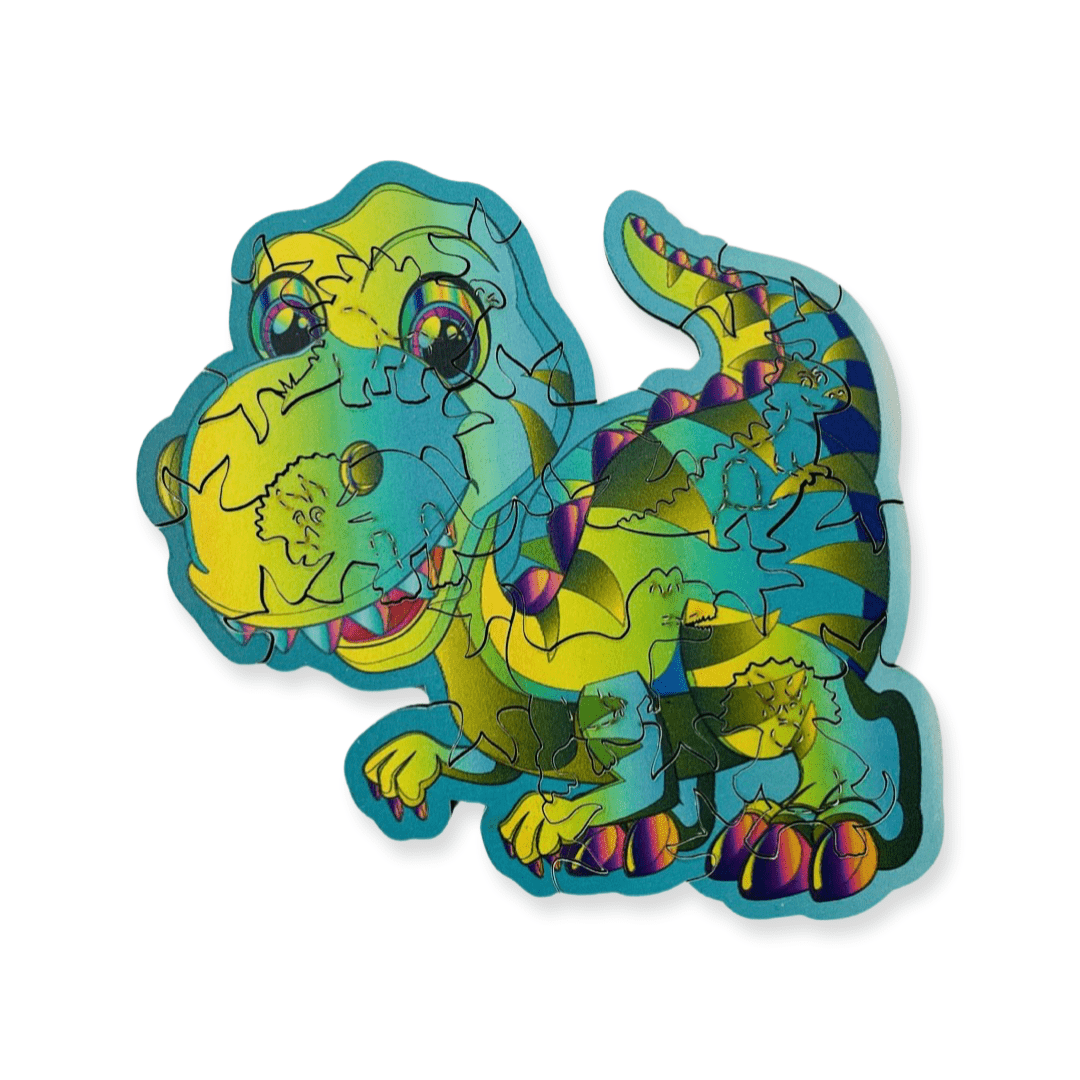
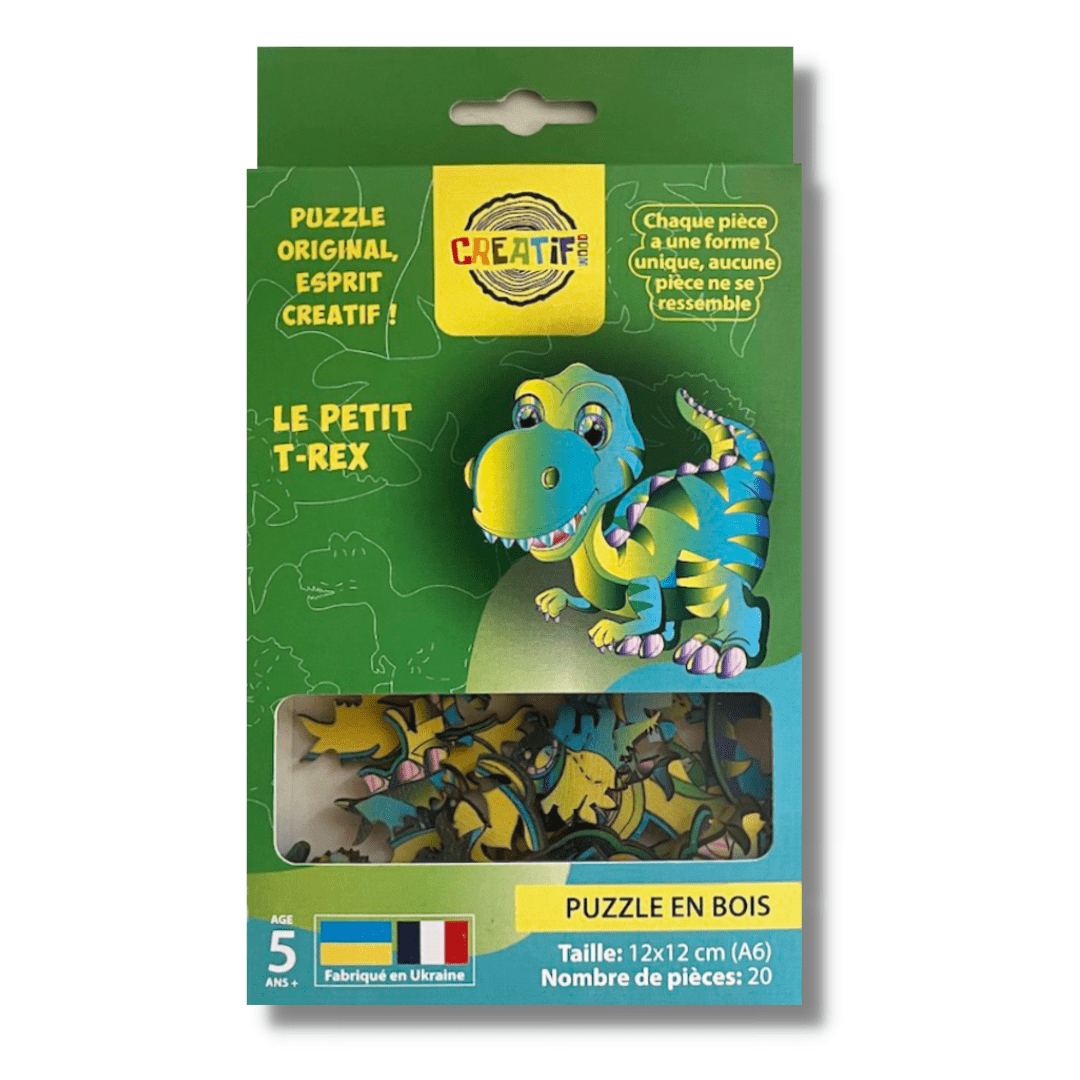
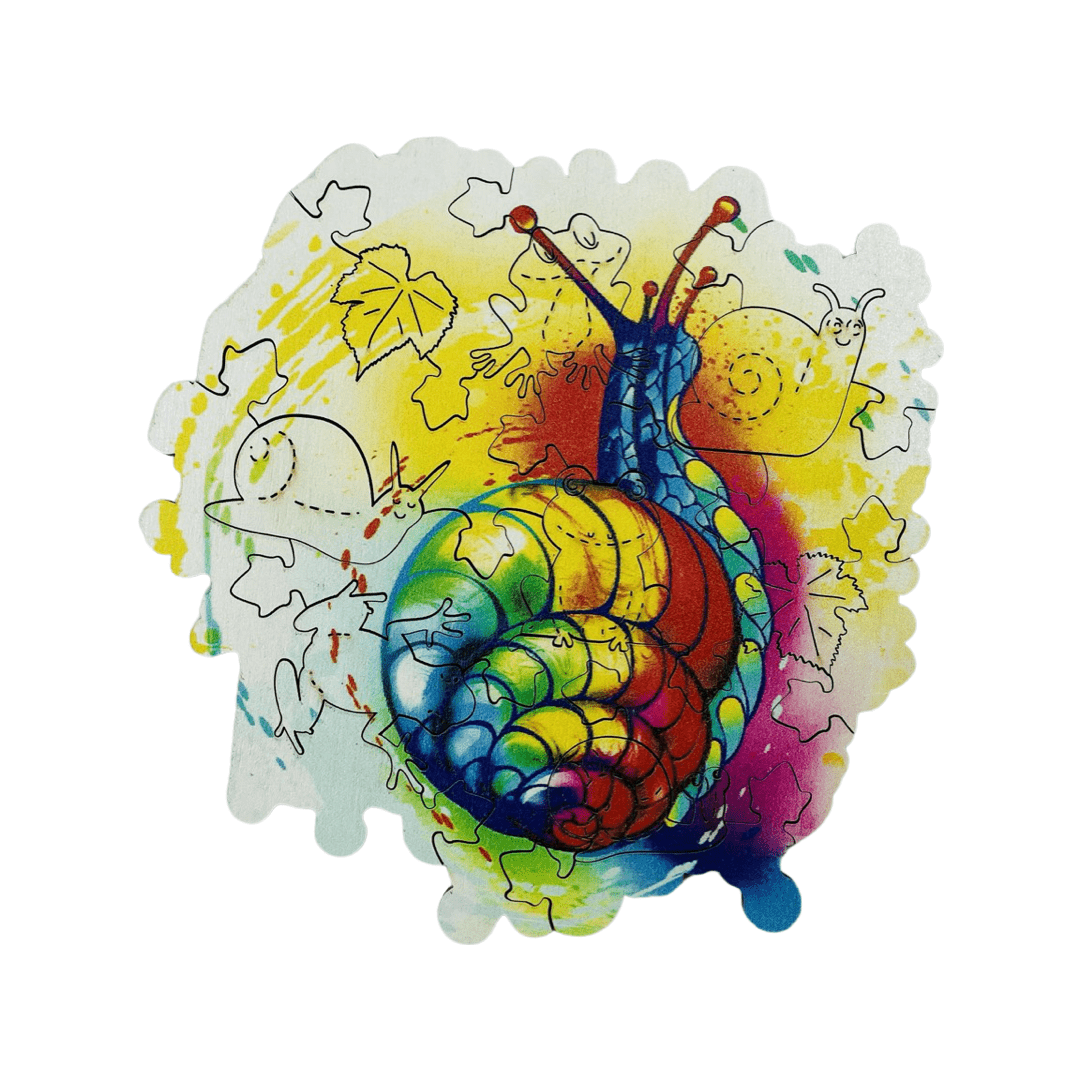
Seven to thirty-five pieces, cut to the outline of the animal: a penguin in a scarf, a ladybird, a seahorse, a small T-rex. This is the children's end of the range, and it is the whole of it: in wood we cut nothing between thirty-five pieces and a hundred, so the next step up is a different kind of evening.
Why do small wooden puzzles take longer than the count suggests?
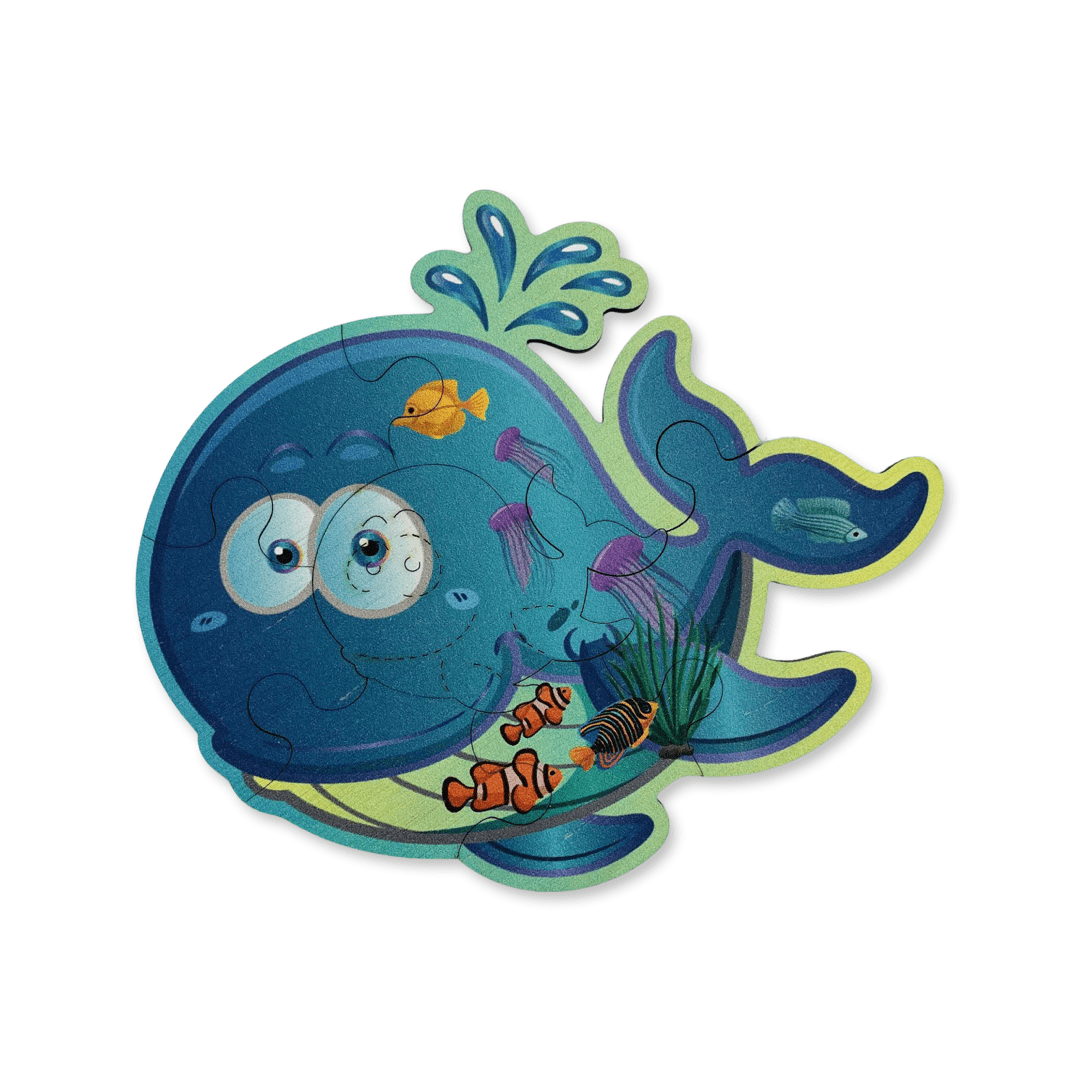
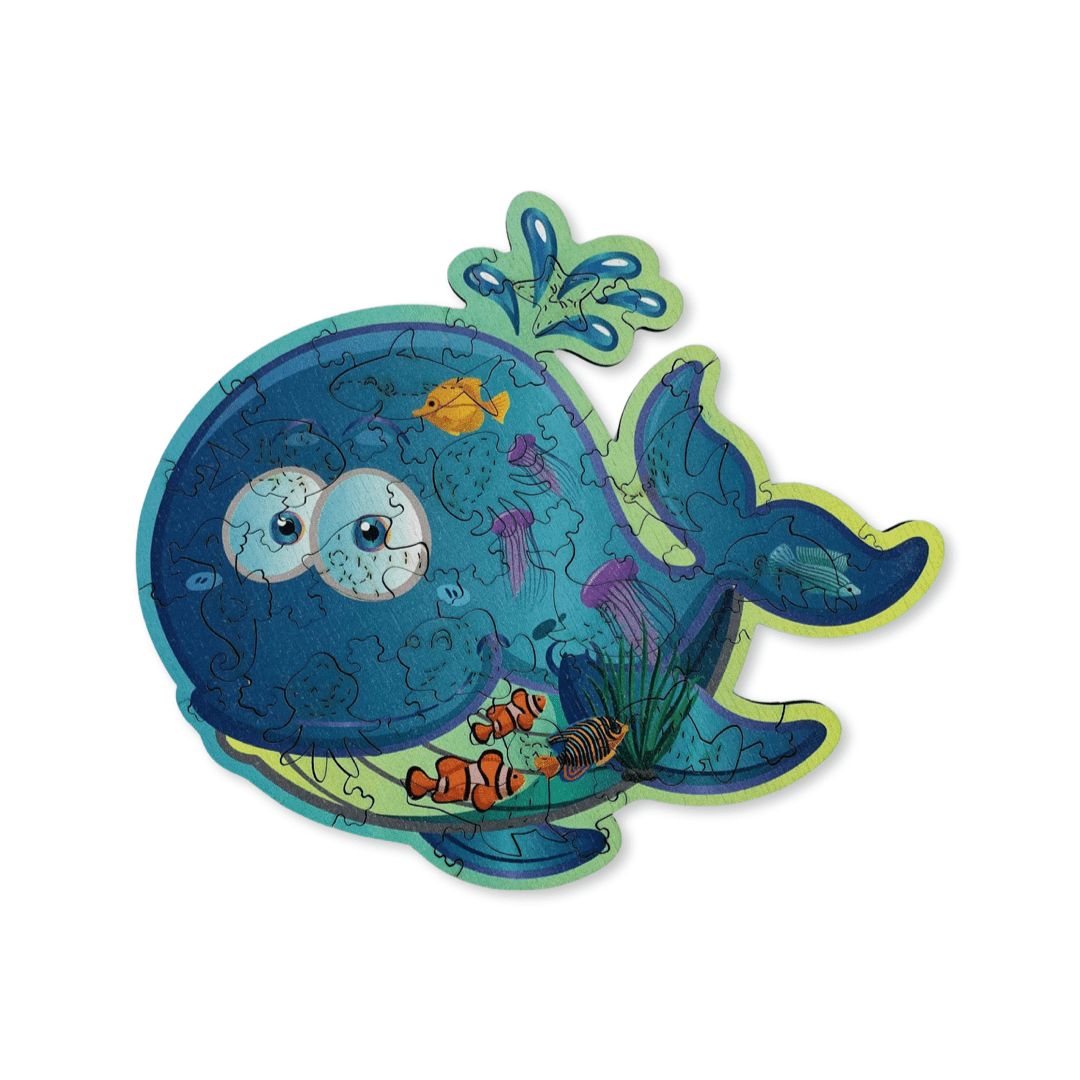
Quicker than an adult board, slower than a cardboard puzzle of the same count, and for reasons that apply at every size we cut. The outline follows the animal rather than forming a rectangle, so there is no border to build first. The ornament repeats, so sorting by colour helps less than you expect. And some pieces are cut as figures – a starfish in a whale's spout, a seal in a penguin's belly – which do not interlock in the usual way and are held by their neighbours instead.
Which boards suit a three-year-old, and which a five-year-old?
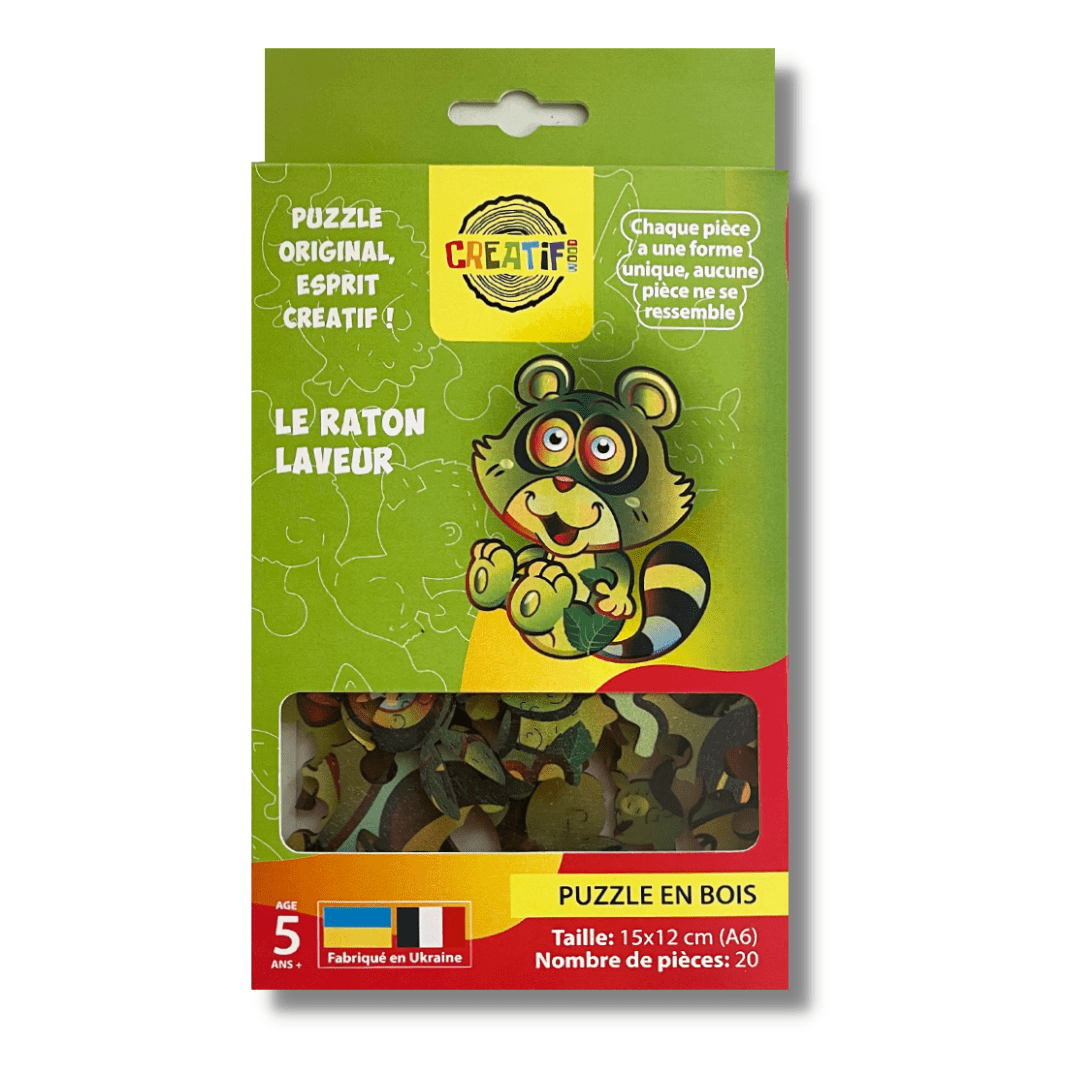
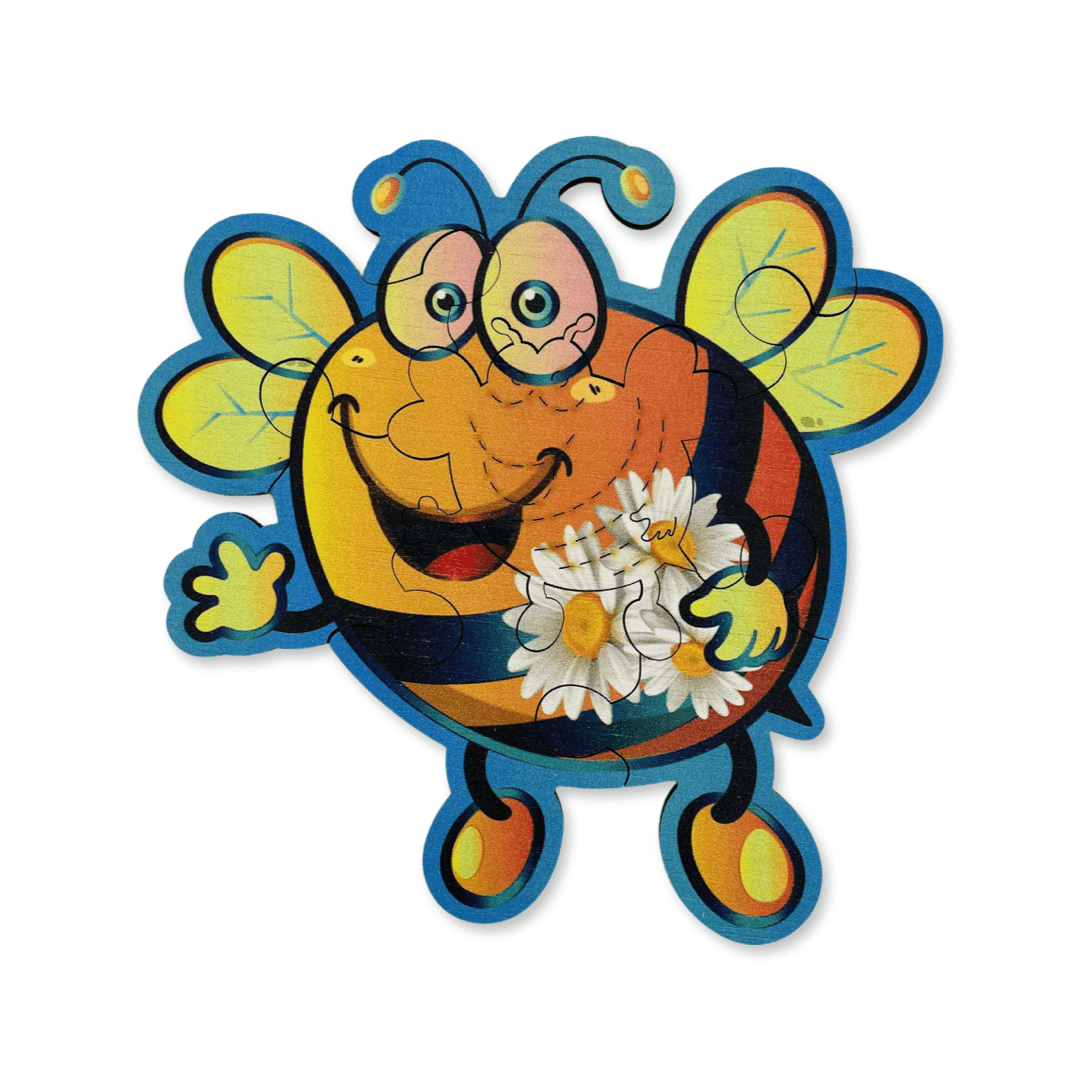
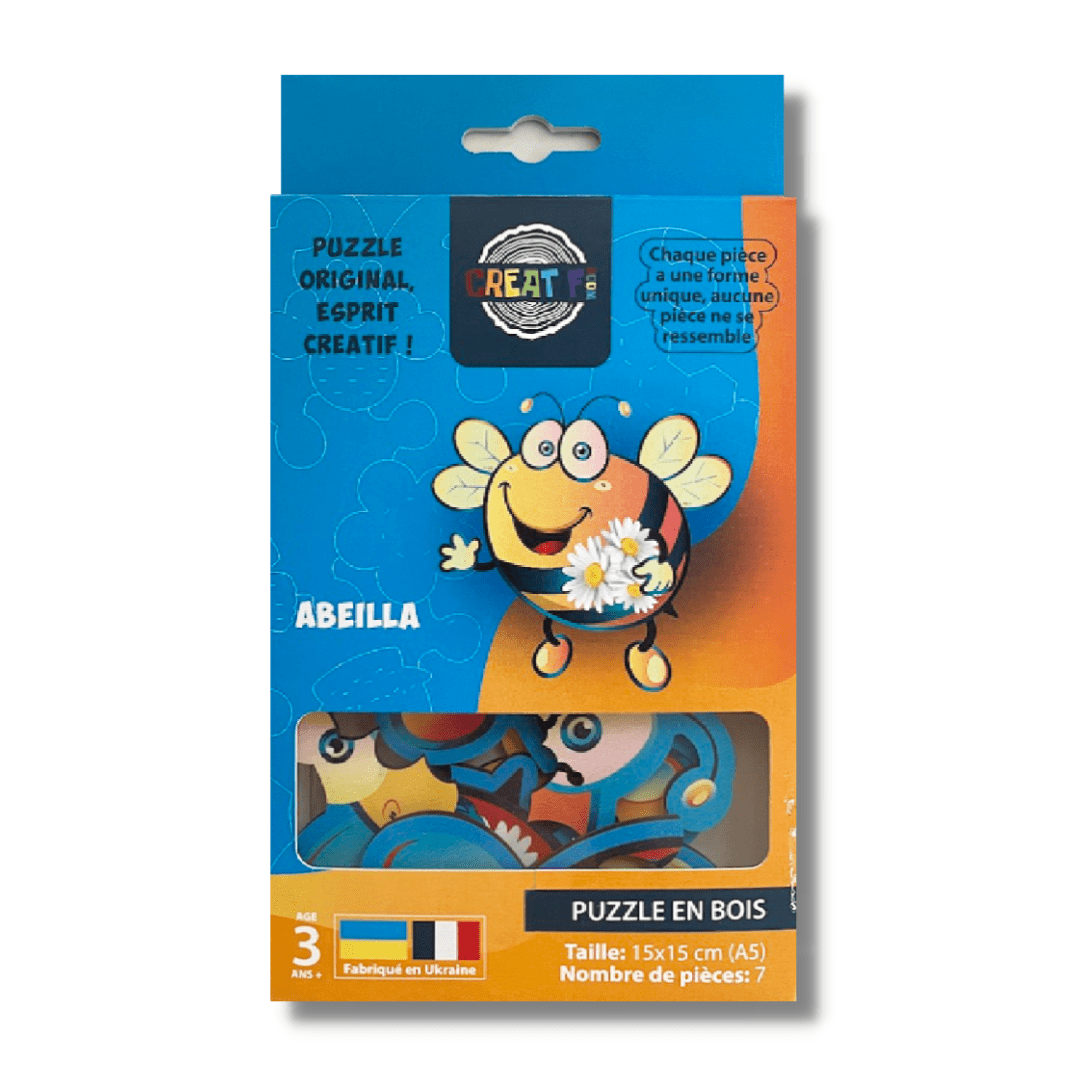
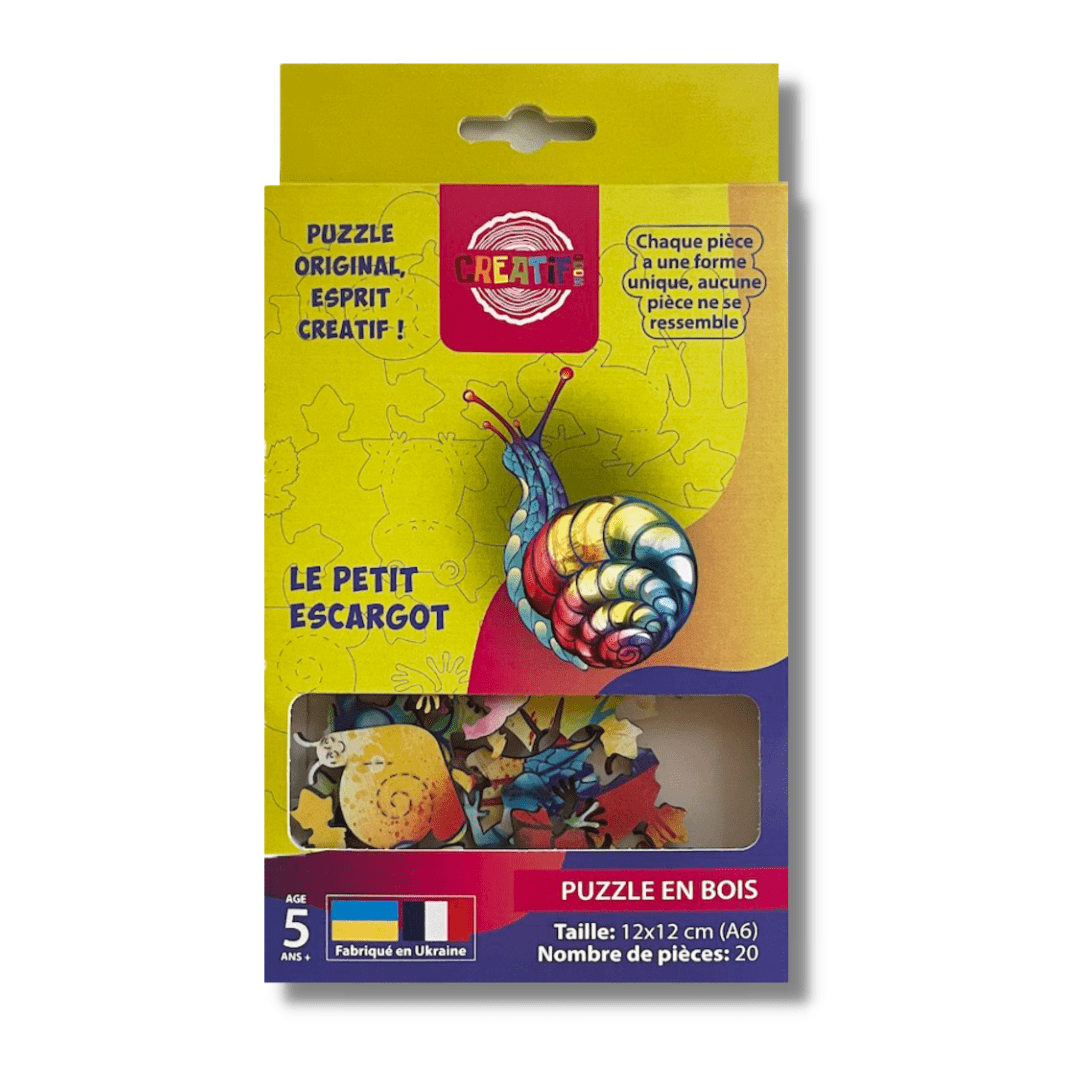
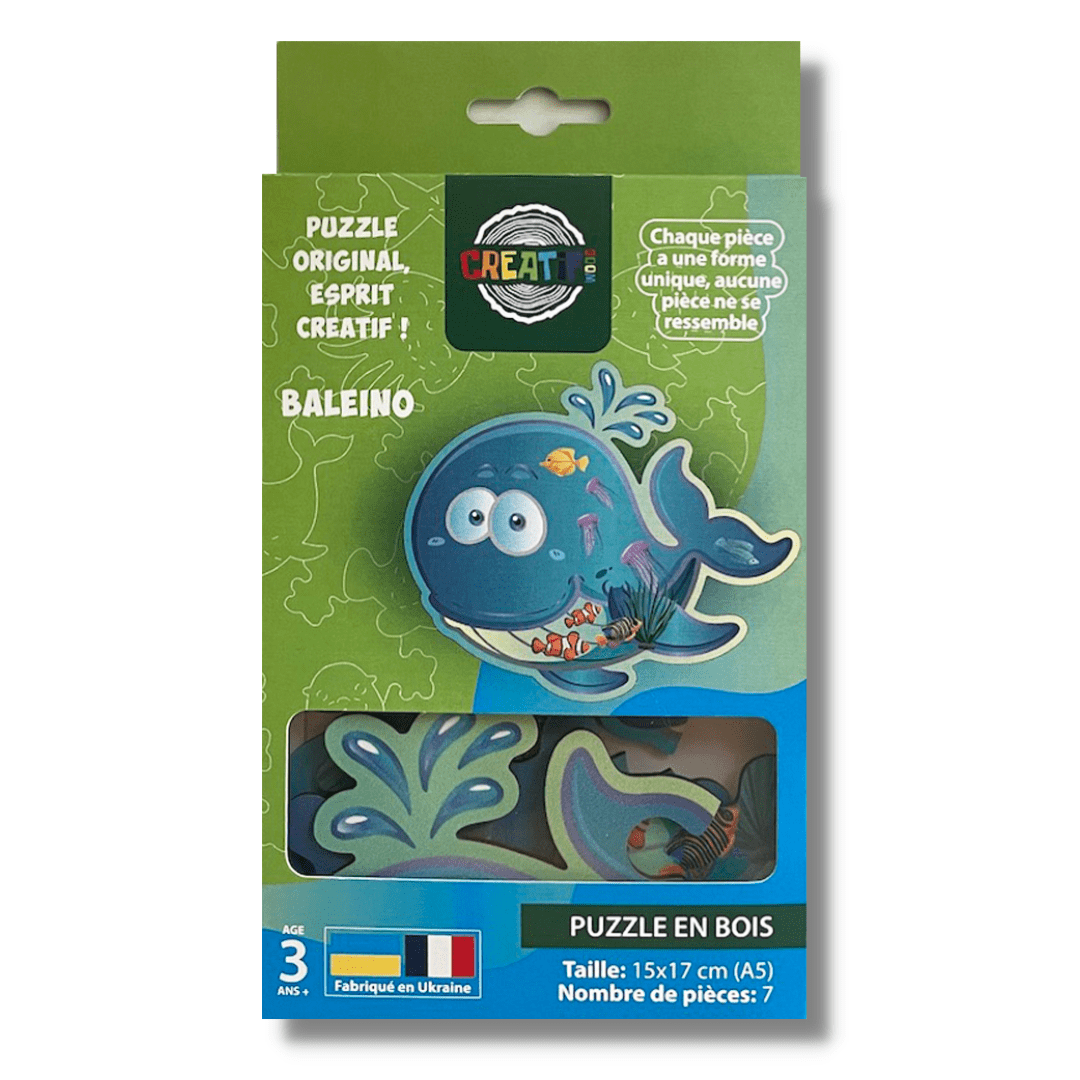
The seven-piece boards are the first step. Three of them – Cokxi the Ladybug, Beeilla the bee and the little Whale – are marked from three; each piece is a whole part of the picture, a wing, the head, the tail, so placing one is a single decision rather than a search. Everything else, from the scarfed penguin's seven pieces through the twenty-piece boards to the thirty-five-piece ones, is marked from five, and there the child has to compare pieces before choosing. Seven pieces is a shape-matching task; thirty-five is a sorting task with a strategy in it. The age is on every product page under Specifications.
How big are they?
Between 8 and 21 centimetres across, the same laser-cut plywood as the adult designs at a scale a small hand can manage. A board this size is finished on a coffee table and cleared in the same sitting, then taken apart and built again, which is how these get used: repeatedly rather than once.
What comes after thirty-five pieces?
A hundred. That is where our adult designs begin, and the jump is deliberate: above a hundred pieces the parts stop being an ear or a paw and become fragments, and the puzzle changes from placing to solving. Our 100 to 199 range is the natural step, and where most of the collection sits; 200 pieces and over is a project rather than an evening. Buying for a child specifically? The kids' collection gathers these boards with the age guidance in one place.