







Dinosaur Wooden Puzzles
Filters
4 products
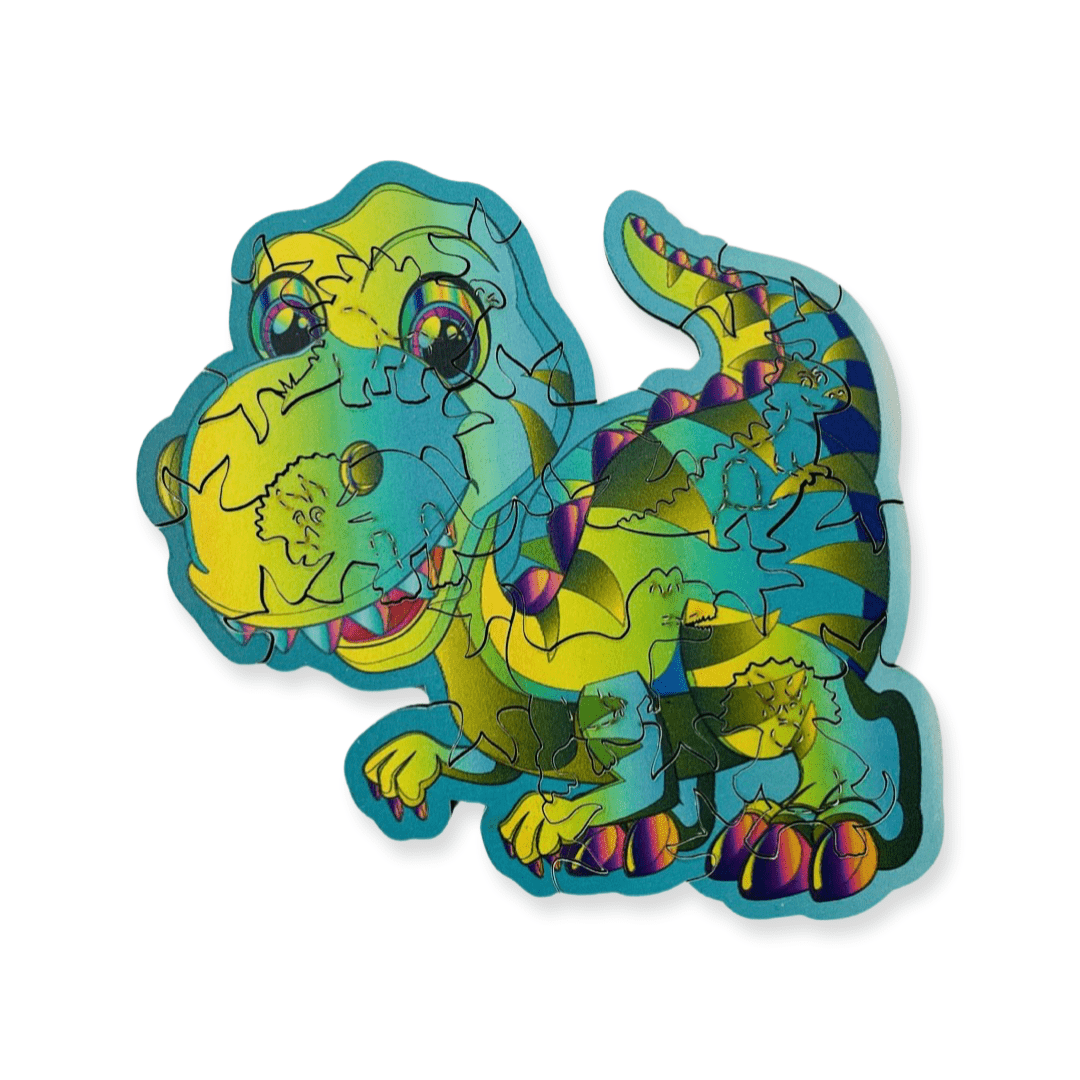
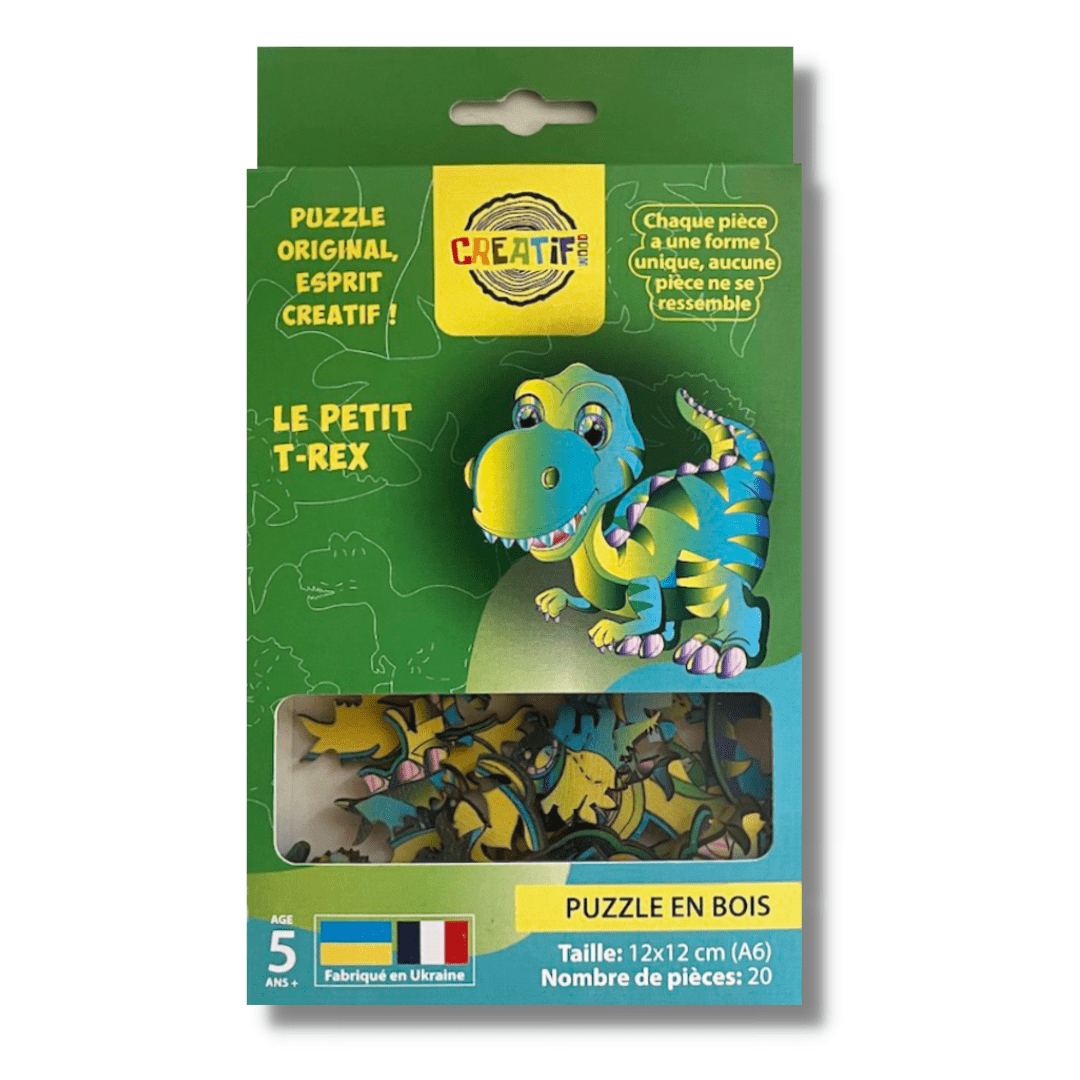

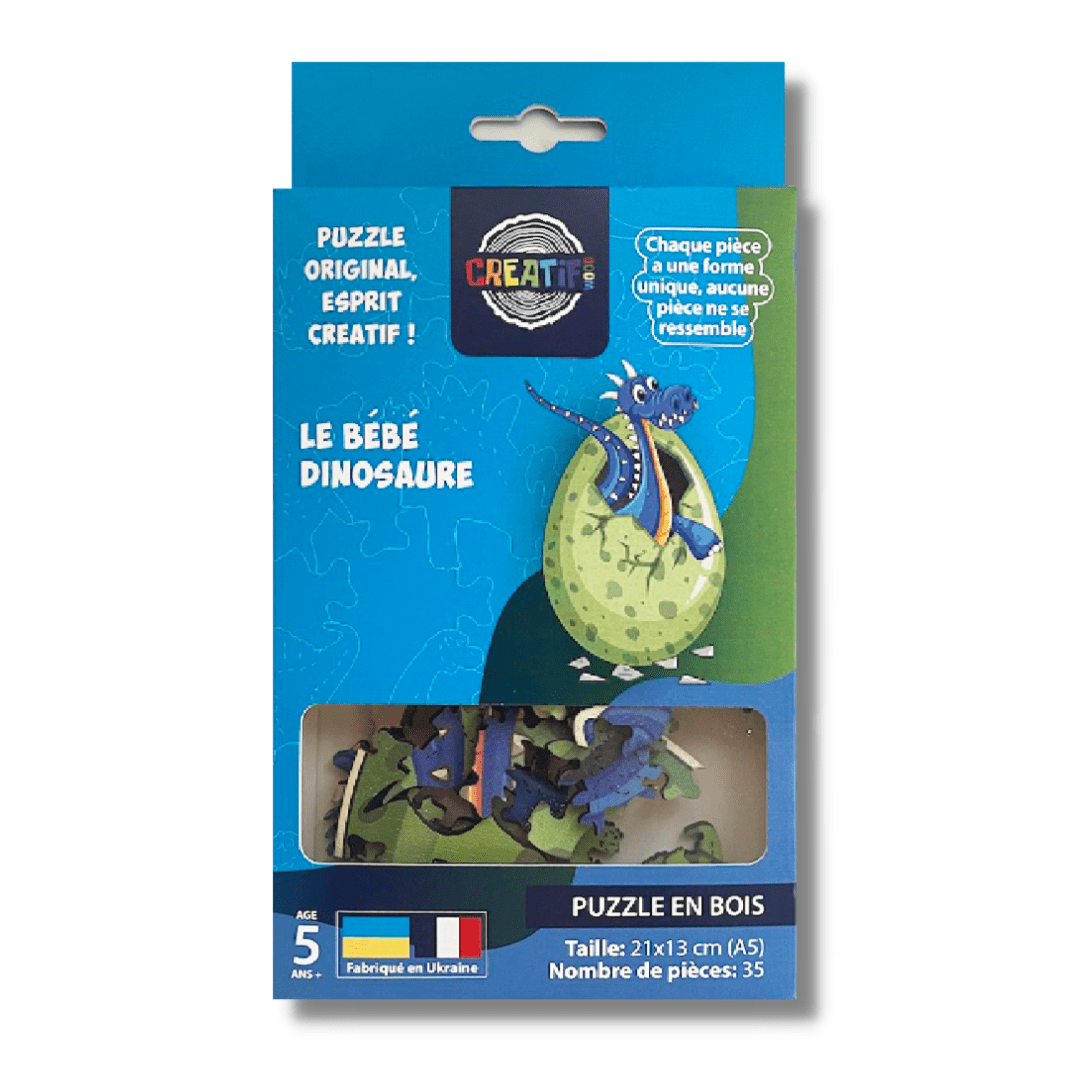


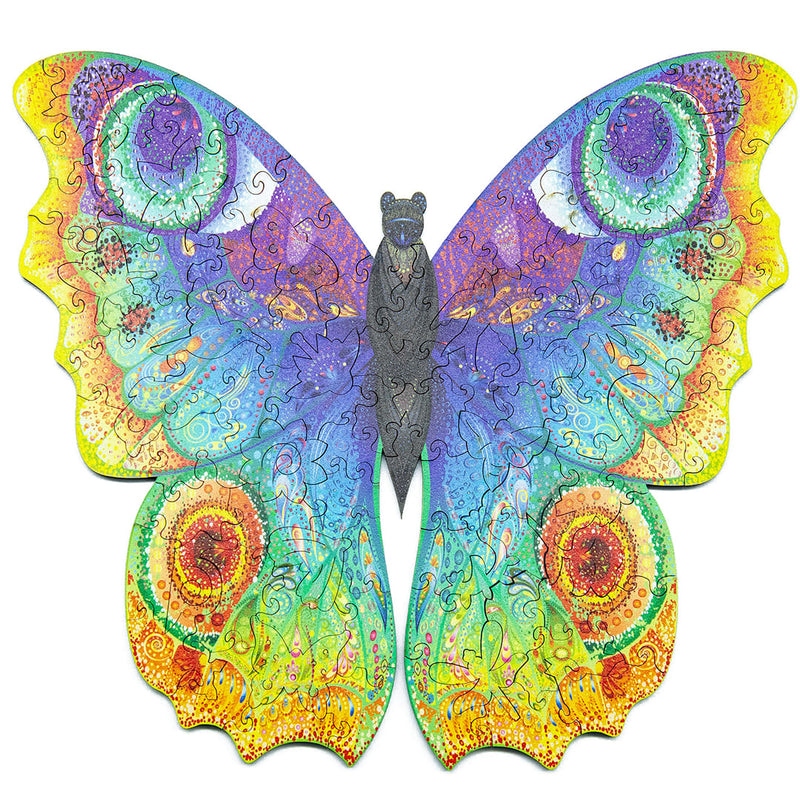
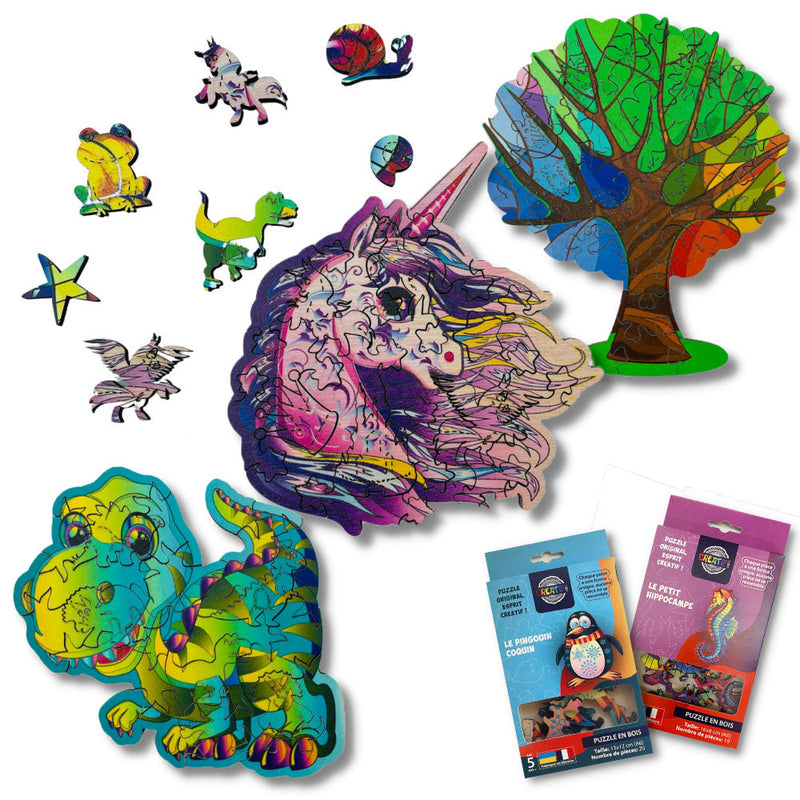
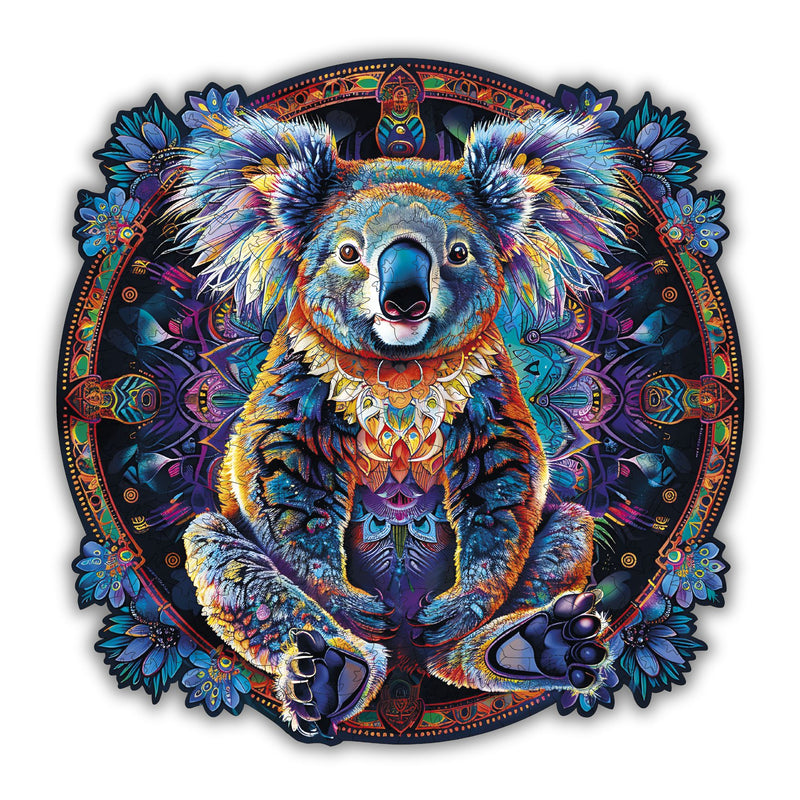
Four dinosaurs, cut in wood
A small range: a T-rex, a young sauropod, and a Stegosaurus in two colourways. All are laser-cut plywood, all take the silhouette of the animal, and all carry figural pieces cut as smaller creatures hidden inside the body.
Why are children so taken with dinosaurs?
Developmental psychologists call it an extremely intense interest, and it is common rather than unusual: roughly a third of preschoolers develop one, and among children whose interest is conceptual rather than object-based, dinosaurs are the single most frequent subject. In Johnson's 2004 work they accounted for 43 per cent of such interests, ahead of vehicles and trains.
The research on what these interests do is more specific than the usual claims. Children with sustained conceptual interests show richer, more hierarchically organised knowledge in that domain, longer attention and deeper processing of information about it. DeLoache and colleagues put typical onset at around 18 months, with the peak between two and six, and most interests running from six months to three years. Roughly half of four- to six-year-olds show one; about a fifth keep it going for several years.
The decline usually coincides with the start of formal schooling. Why is less settled: the proposed explanations, curriculum shifting attention to broad skills and social pressure making narrow interests feel babyish, are plausible but not directly demonstrated.
Are these dinosaurs scientifically accurate?
Worth stating plainly, because a good part of the dinosaur market cares. Most mass-market dinosaur toys still get three things wrong: feathers on animals known to have had them, tails dragging on the ground in the discredited upright posture, and theropod palms facing down rather than inward. Palaeontologists and organisations like the Dinosaur Society have criticised this for decades.
Our designs are ornamental rather than reconstructive. The Stegosaurus is red in one version and blue in the other, and the patterning is decorative. If you are buying for a child who corrects adults about quill knobs on Velociraptor forearms, a museum-grade model will serve better than this.
One thing in their favour, though: fossil bone does not preserve colour for these animals. Nobody knows what shade a Stegosaurus was, so a red one is no less defensible than the green one in every textbook.
How do families build them?
These get assembled by an adult and a child together more often than alone, and the figural pieces are why. A child who cannot yet read a pattern can still recognise a small dinosaur shape and find where it goes, so there is a task at the table that belongs to them while the adult works the plain areas.
The finished pieces tend to stay out. A silhouette that needs no frame suits a child's shelf better than a rectangle, and it survives being knocked off one.
What age are they for?
Age guidance is on each product page under Specifications. The research puts the peak of dinosaur interest between two and six, which is younger than the marked age on several of these designs, so for a child at the height of the phase the simpler pieces in the range are the ones to look at.