







Kids Wooden Puzzles
Filters
23 products


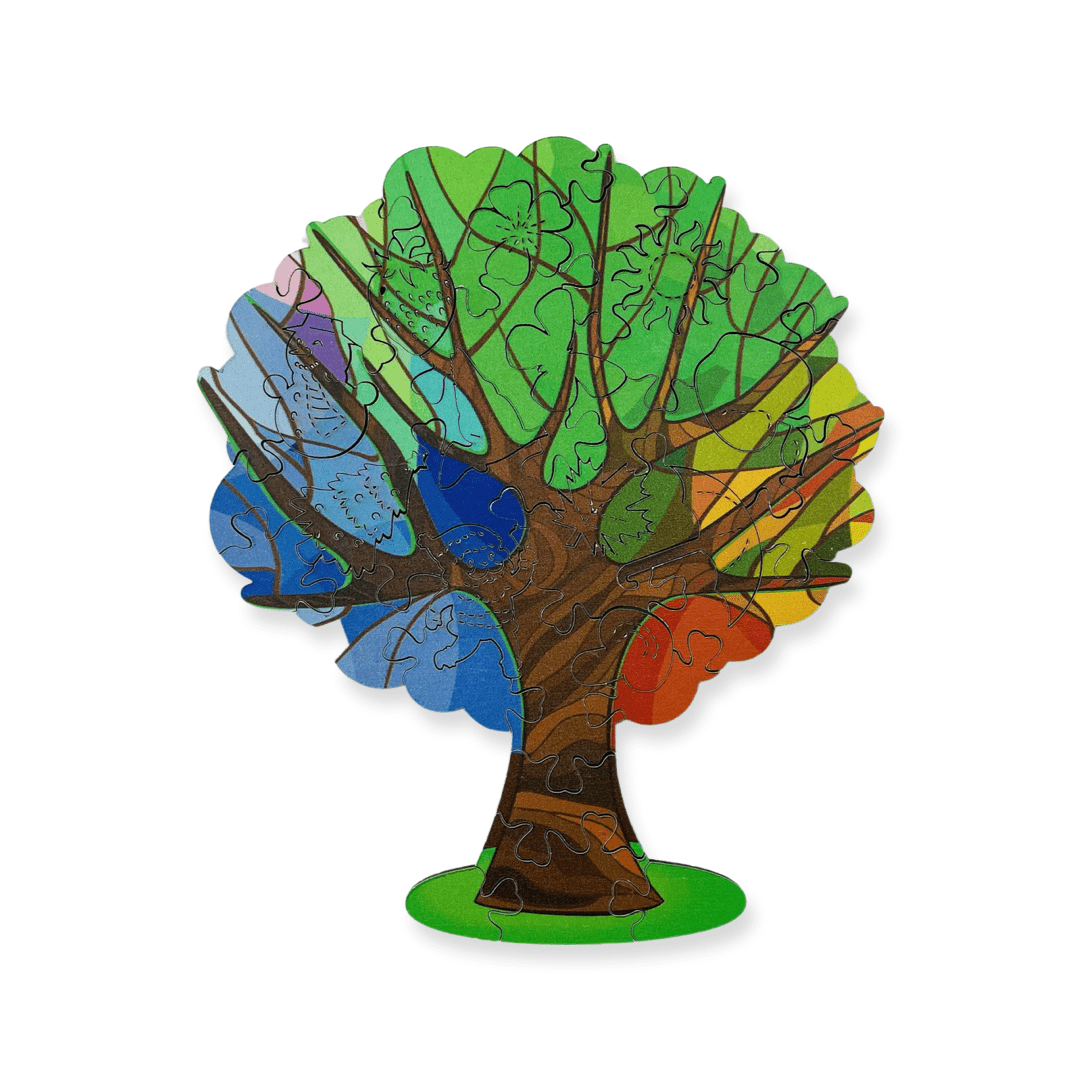
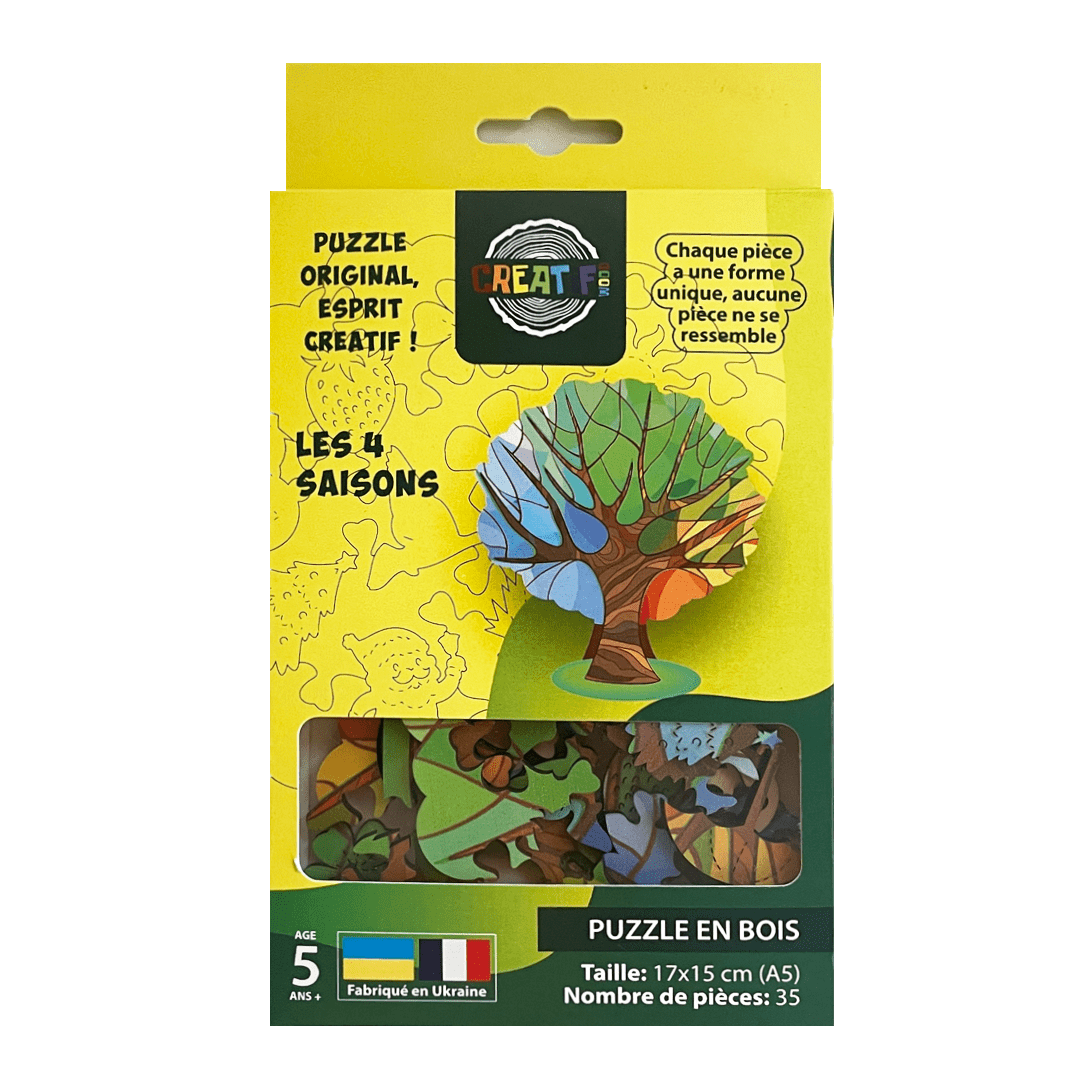
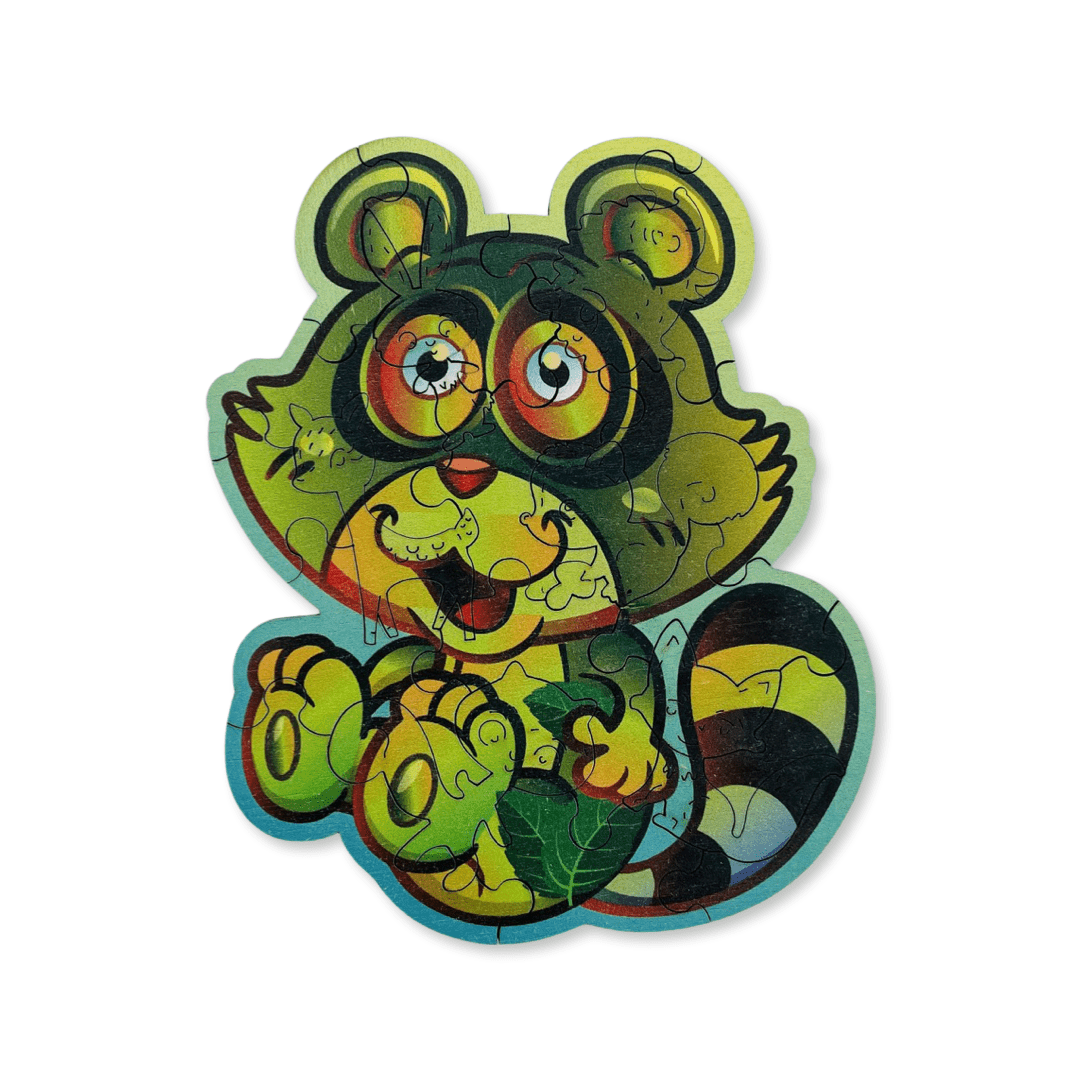
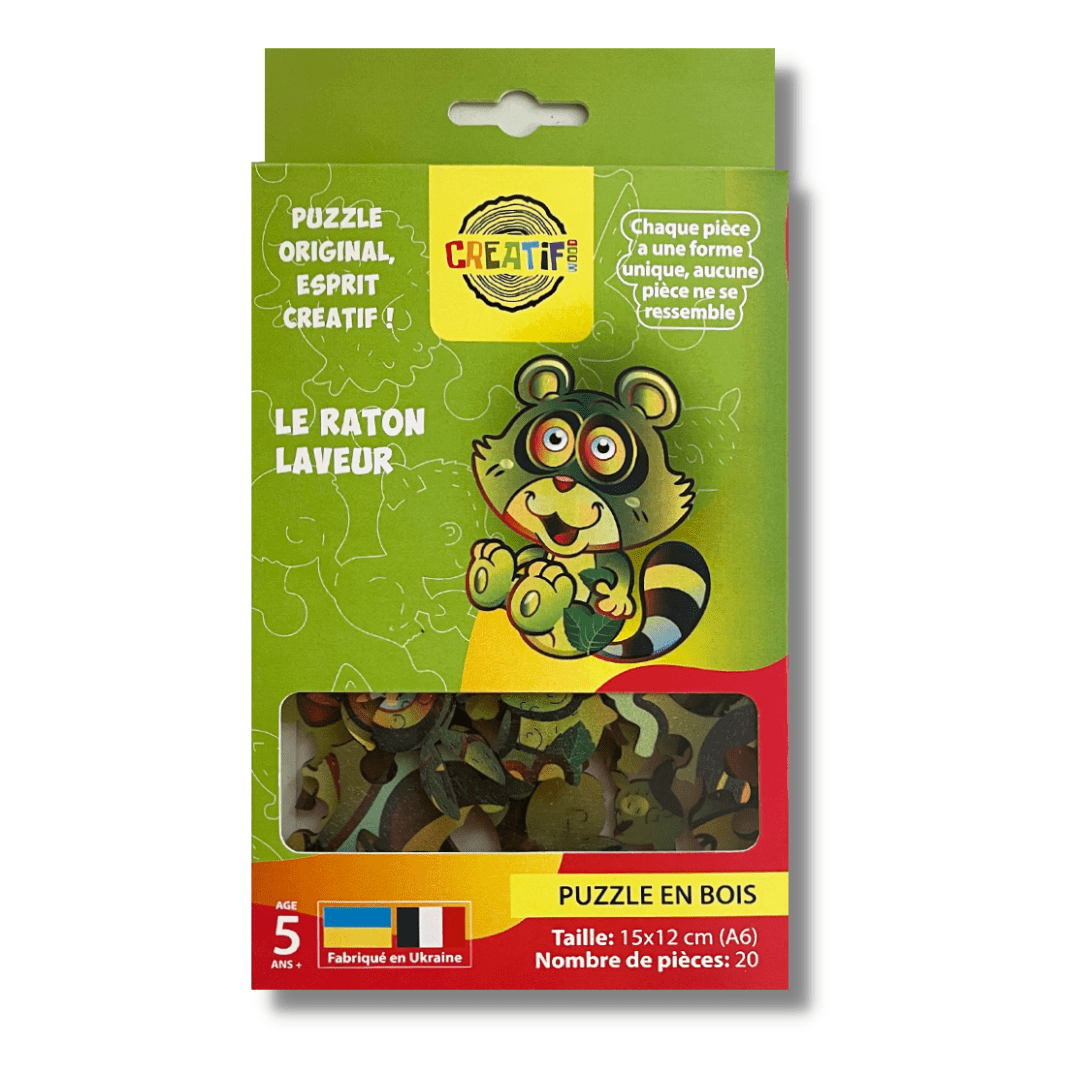


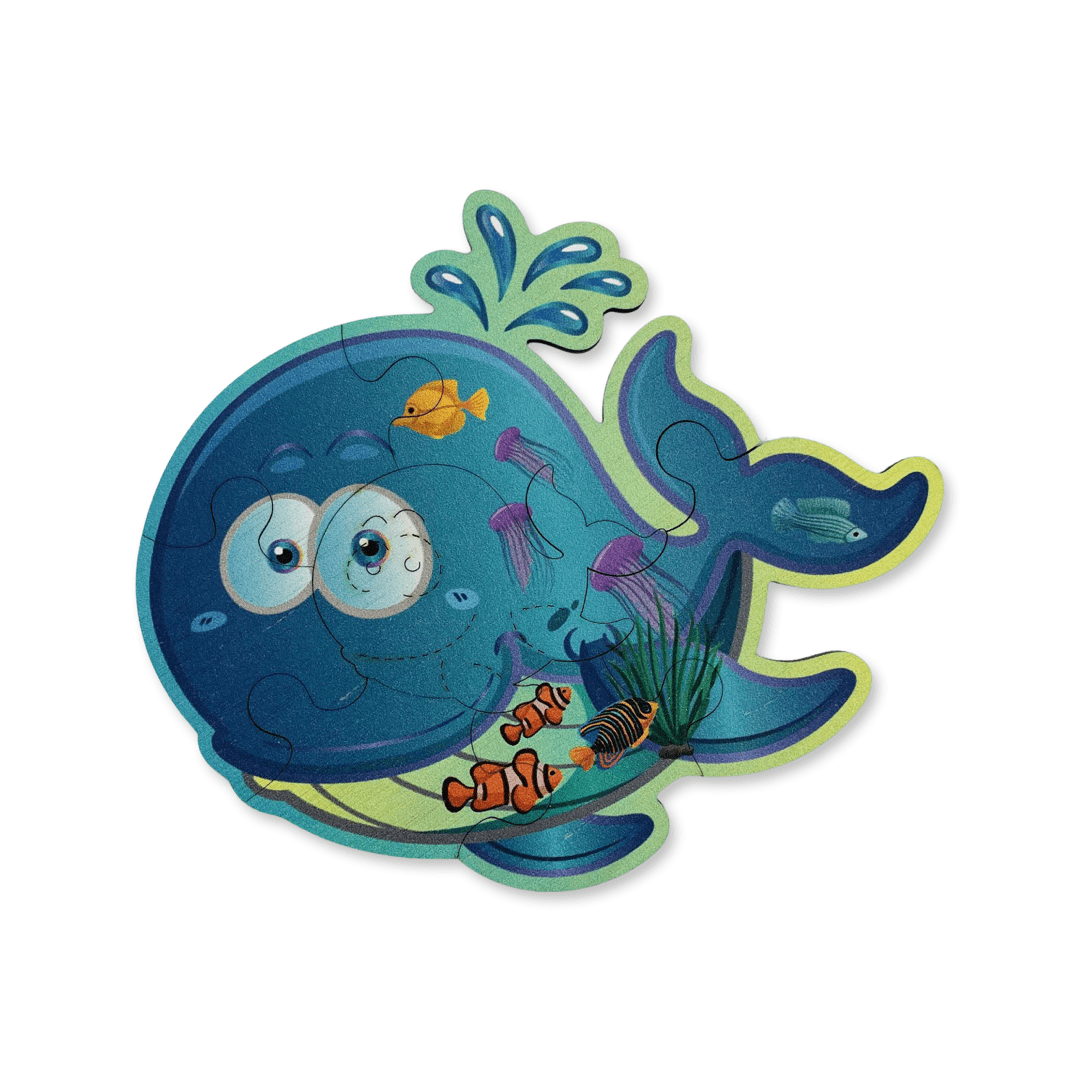
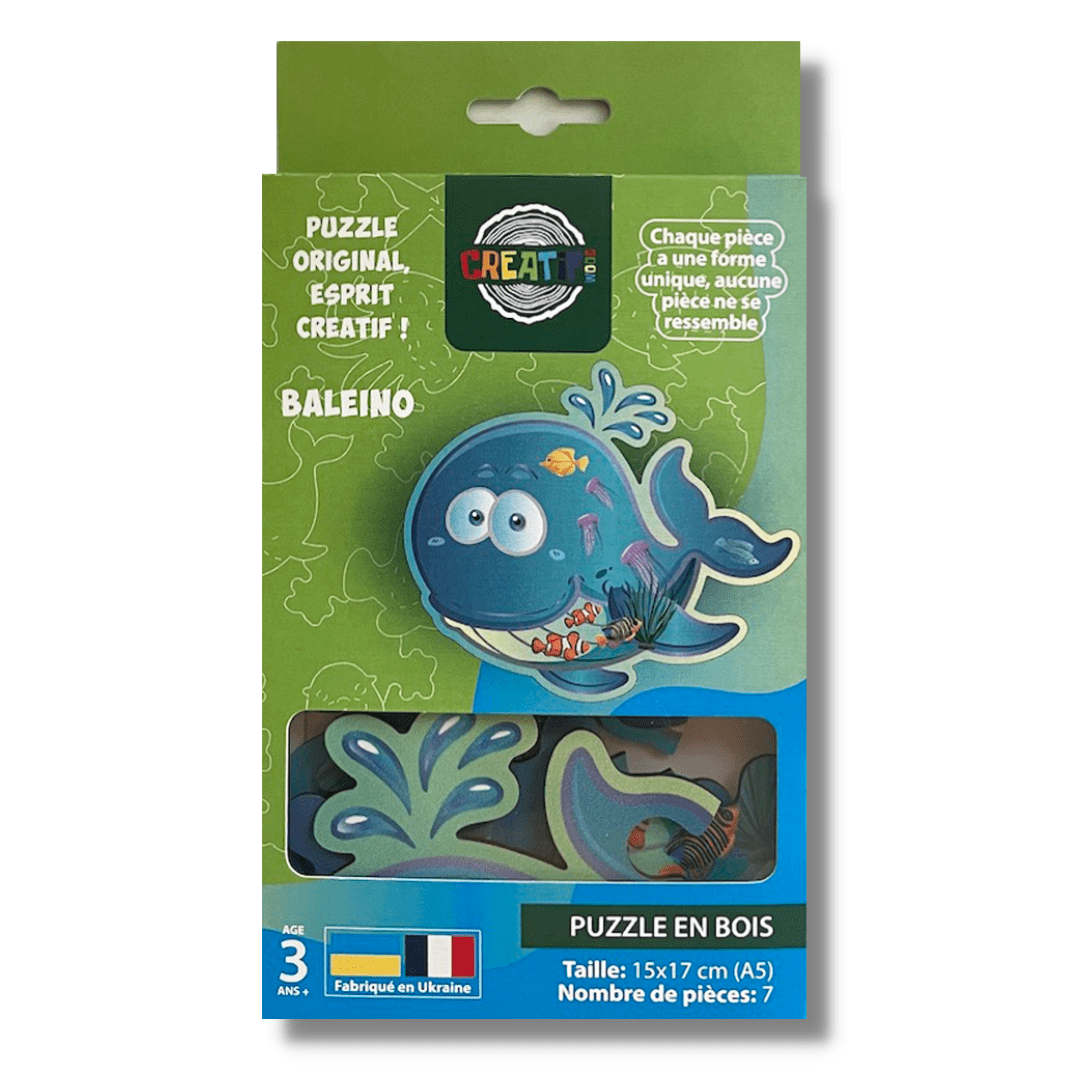
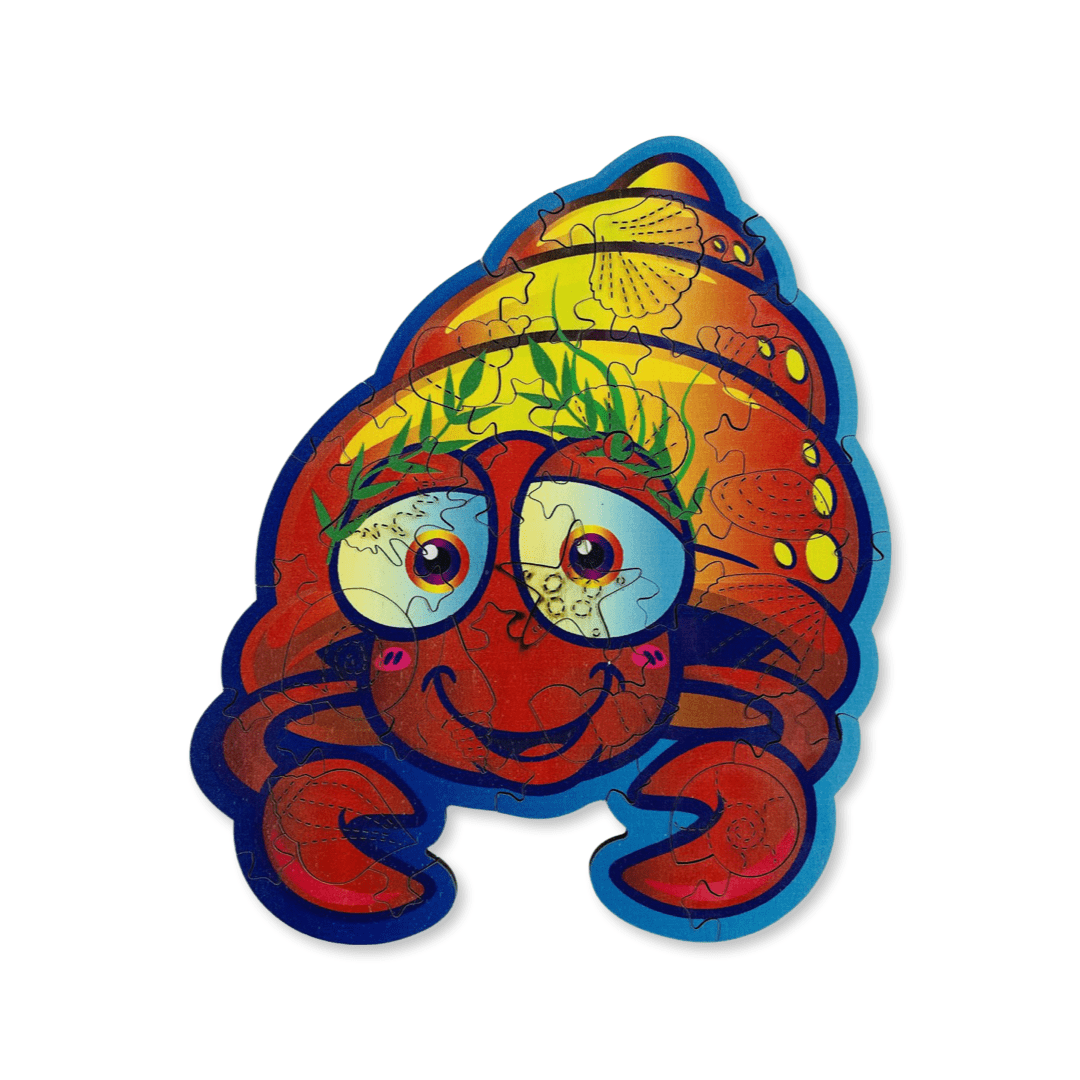
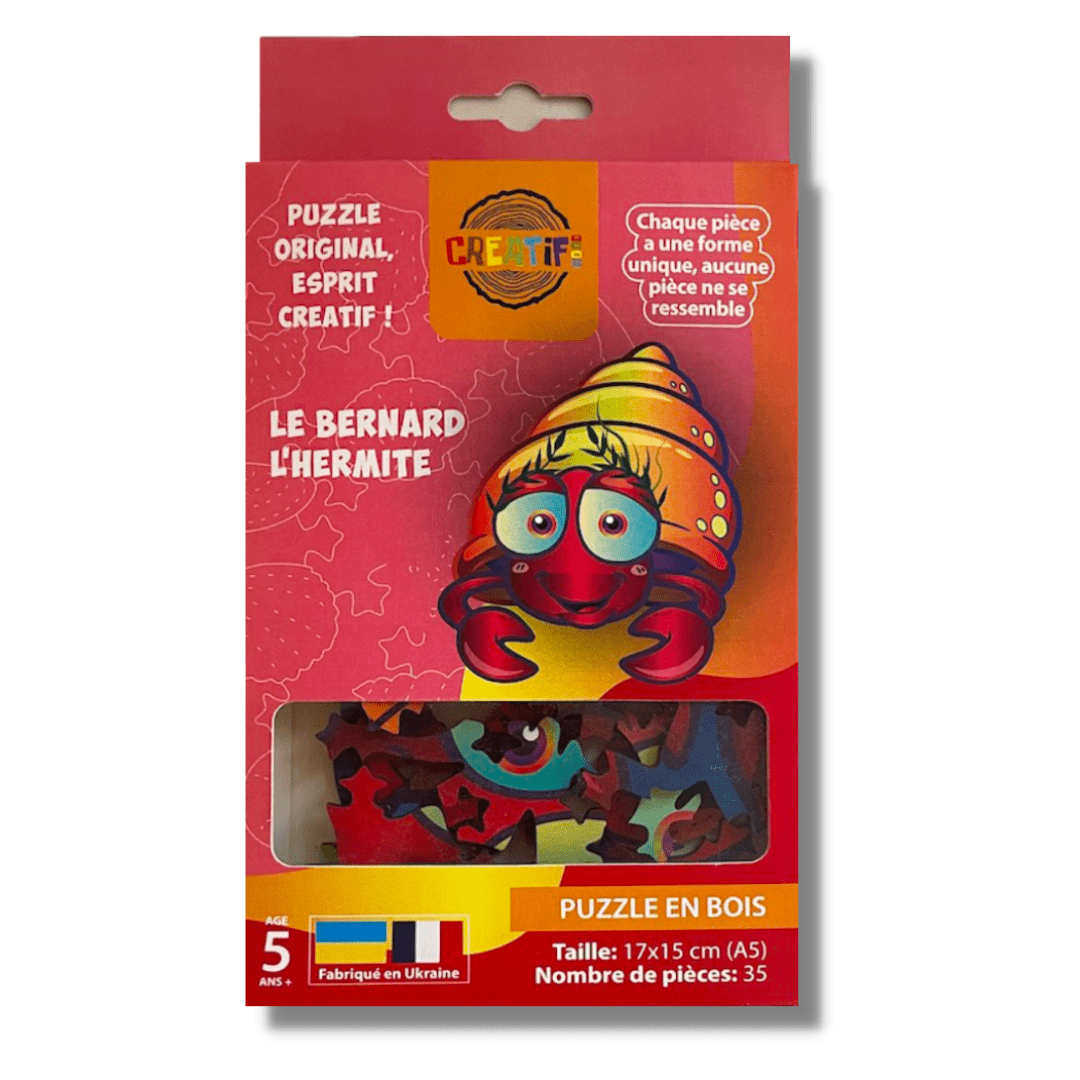
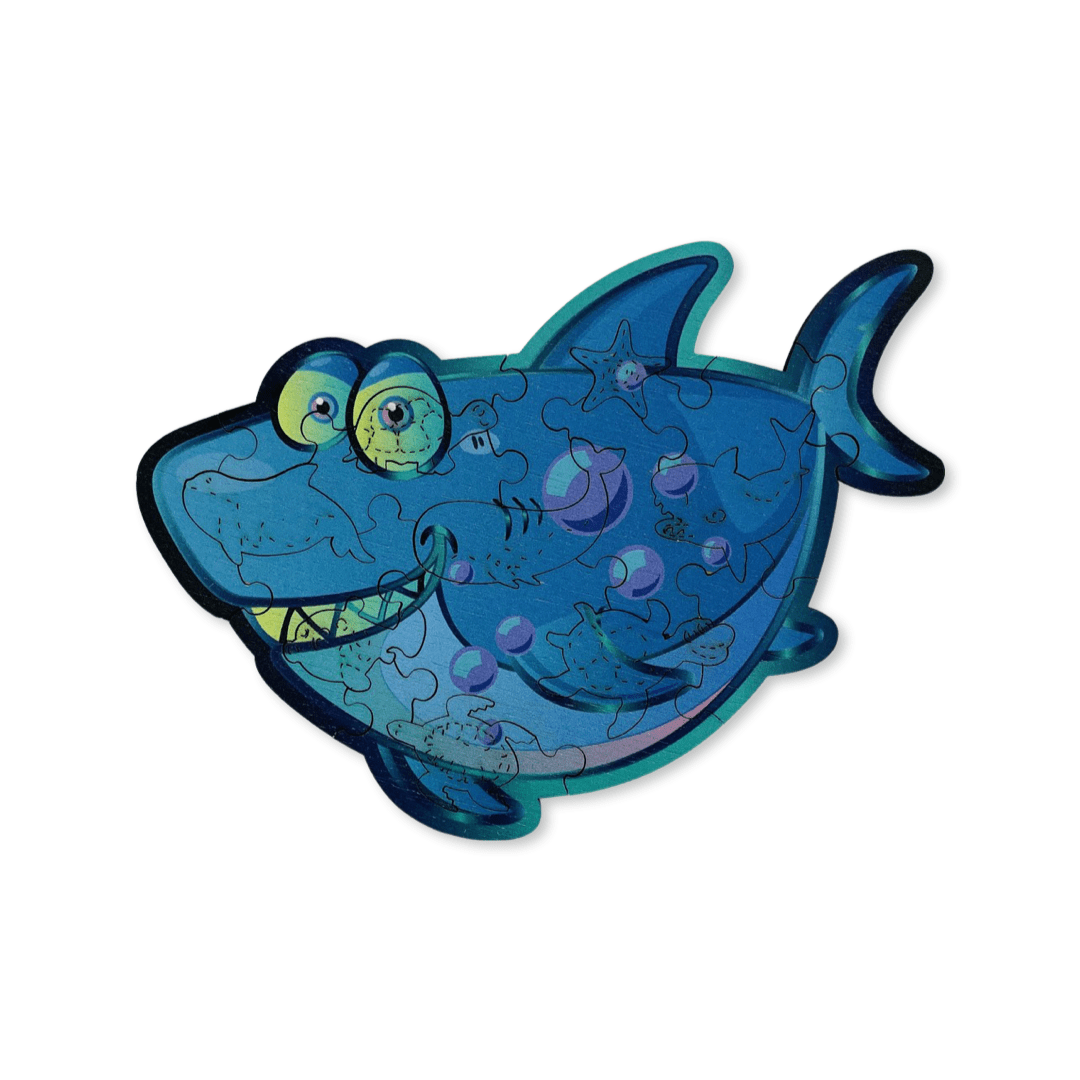
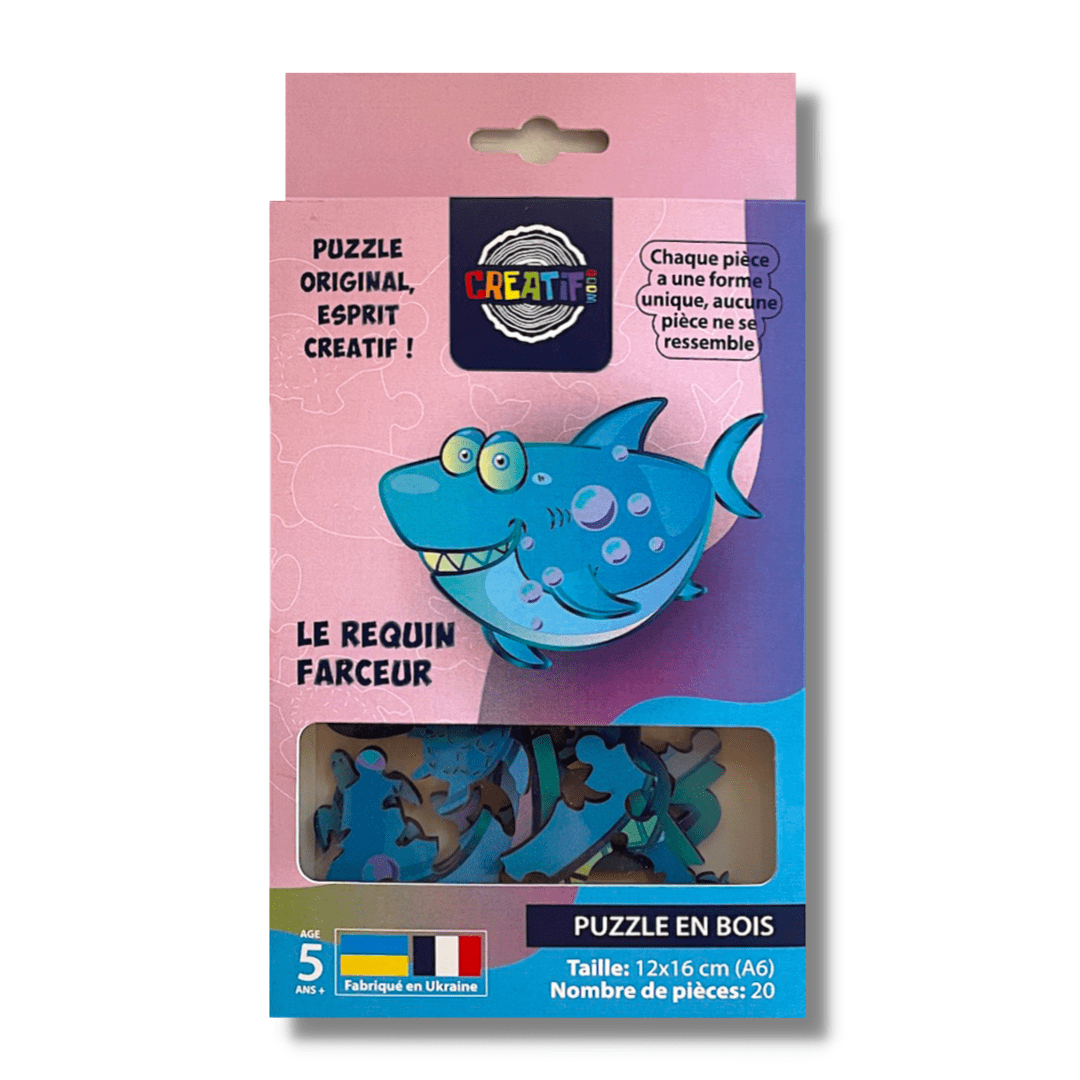
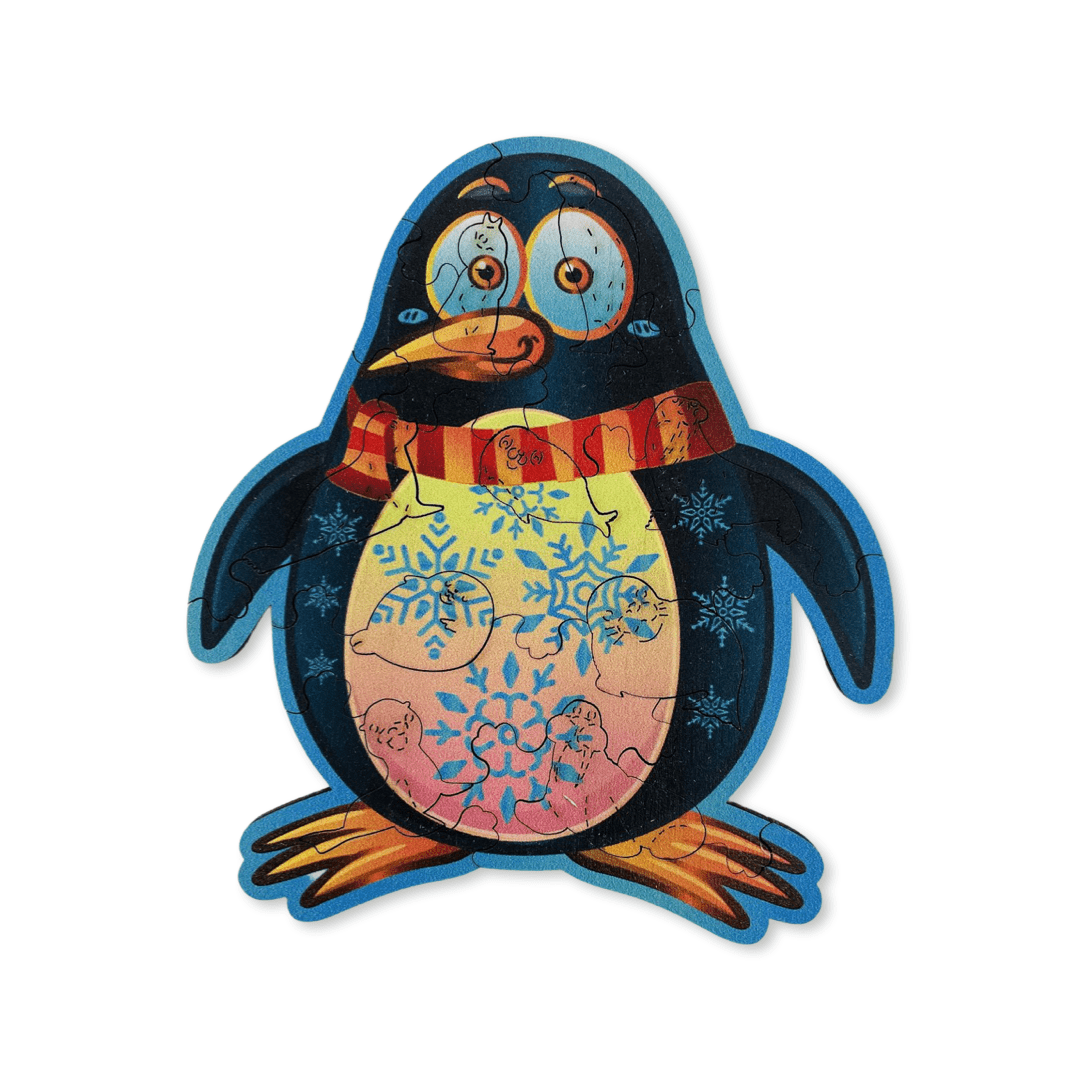
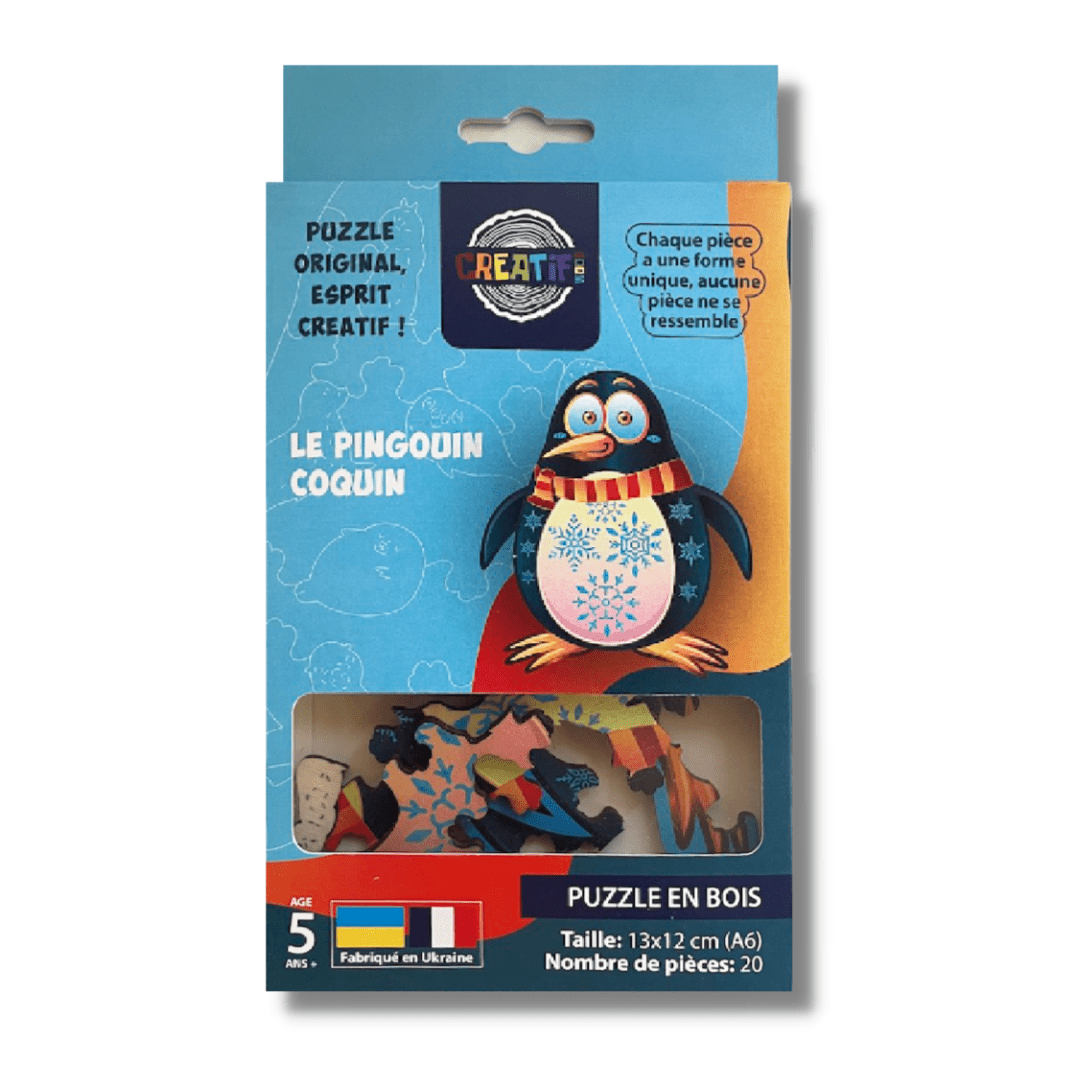
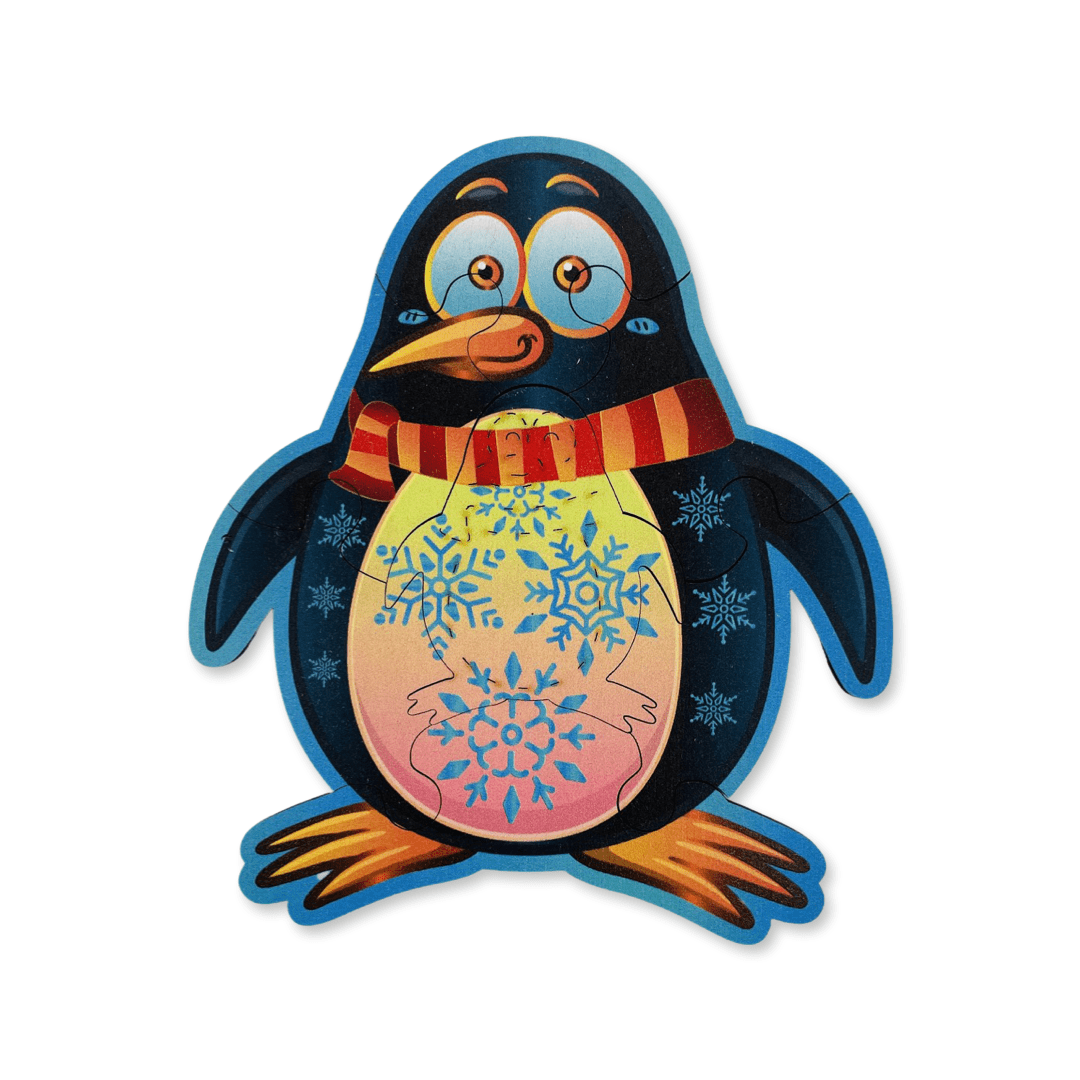
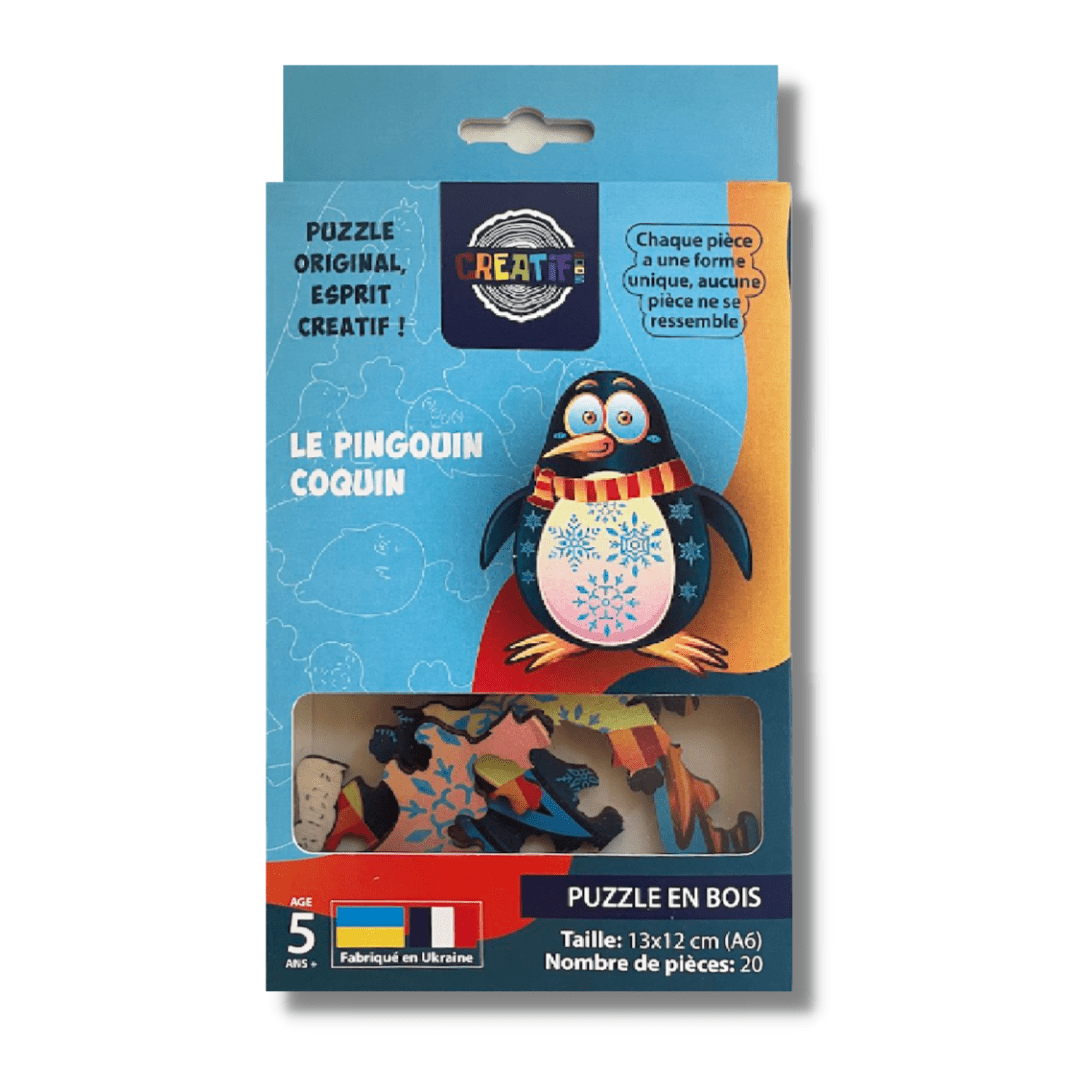
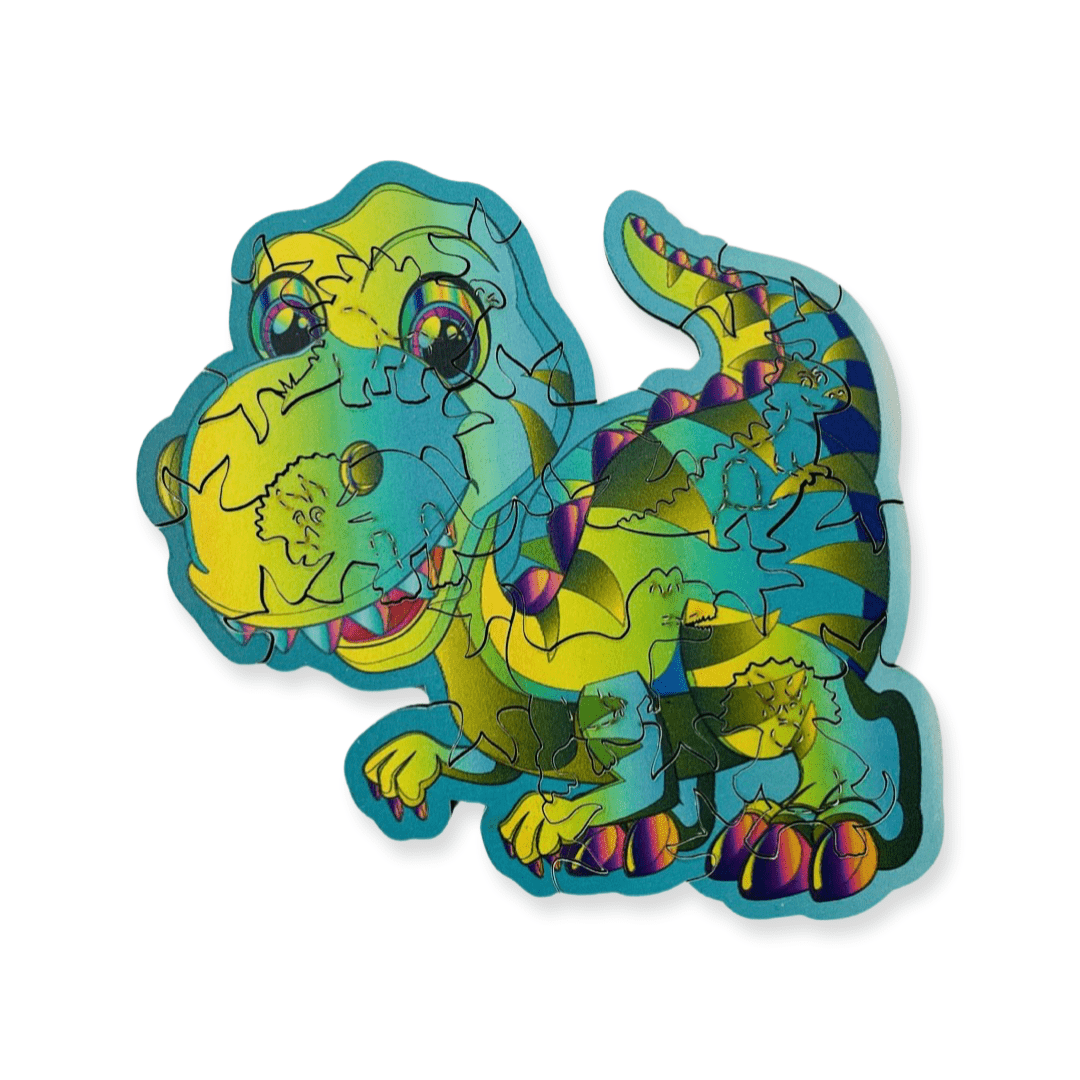
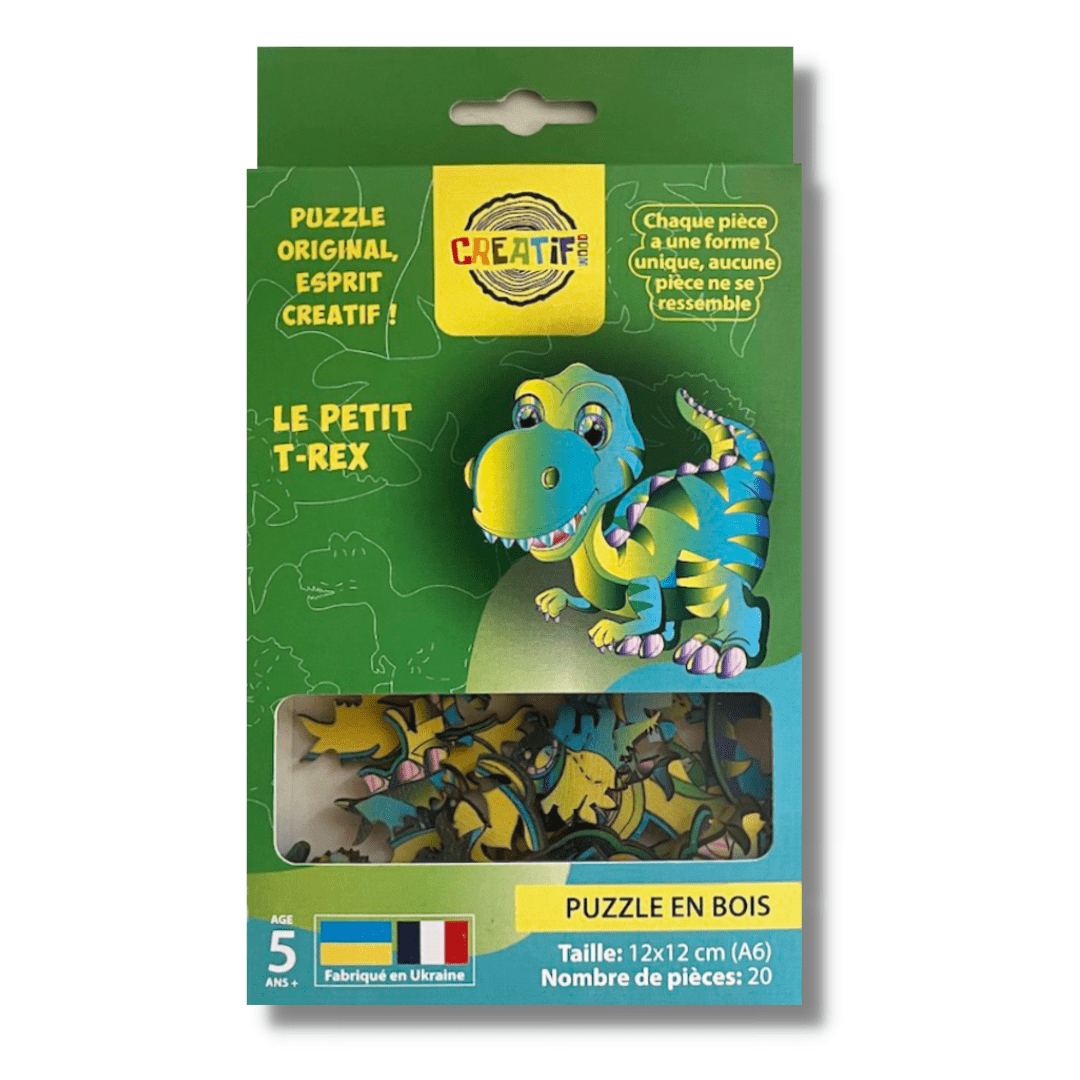
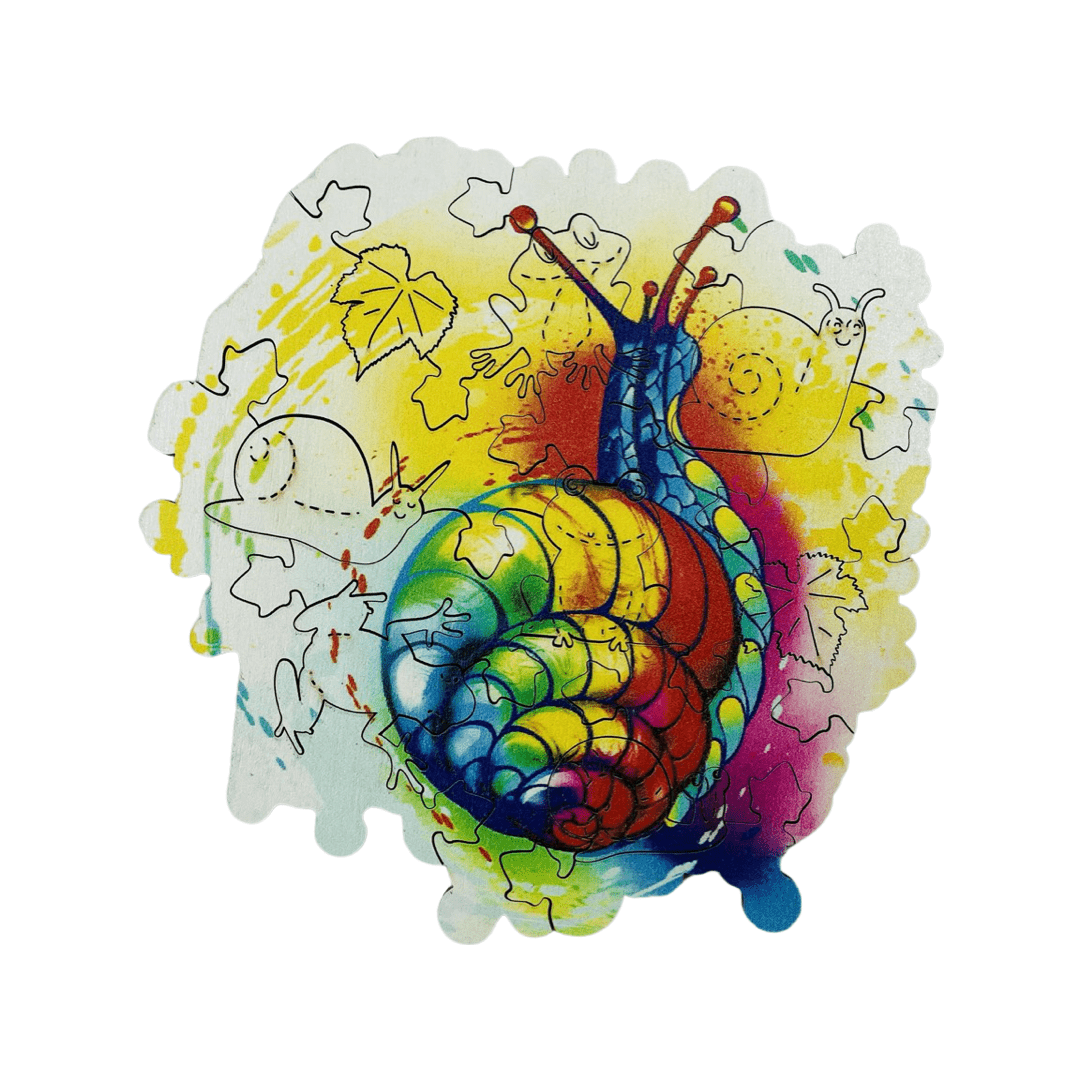
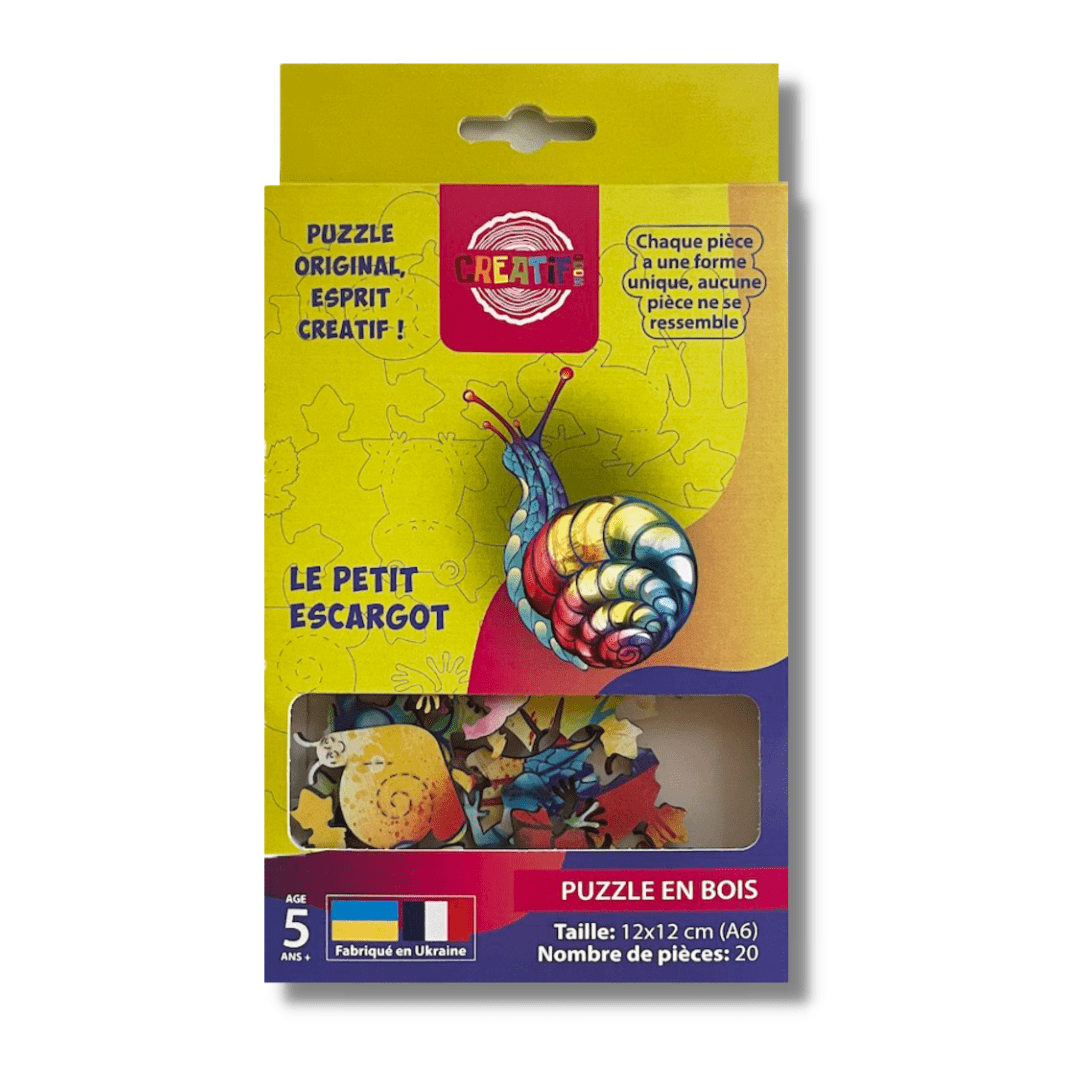

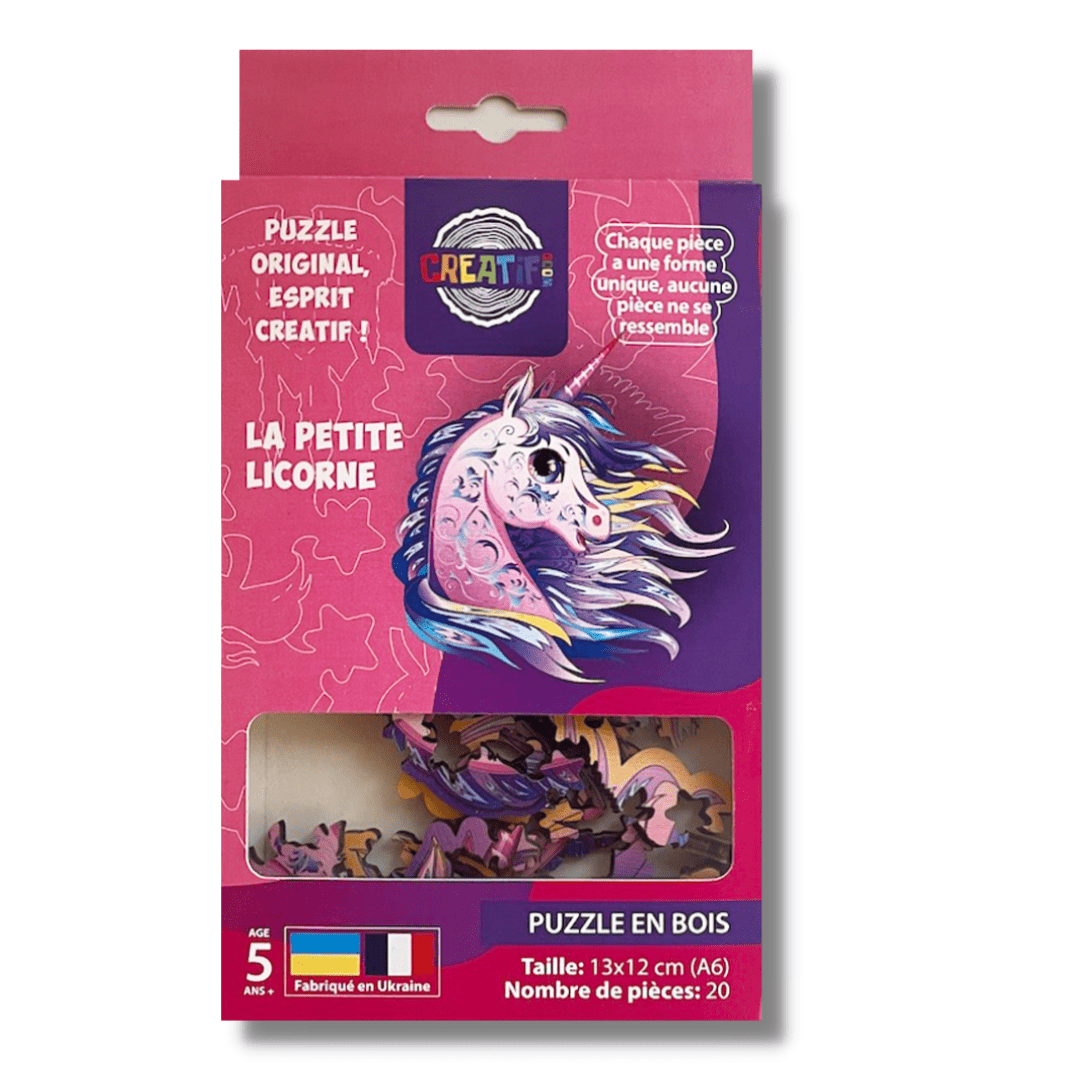
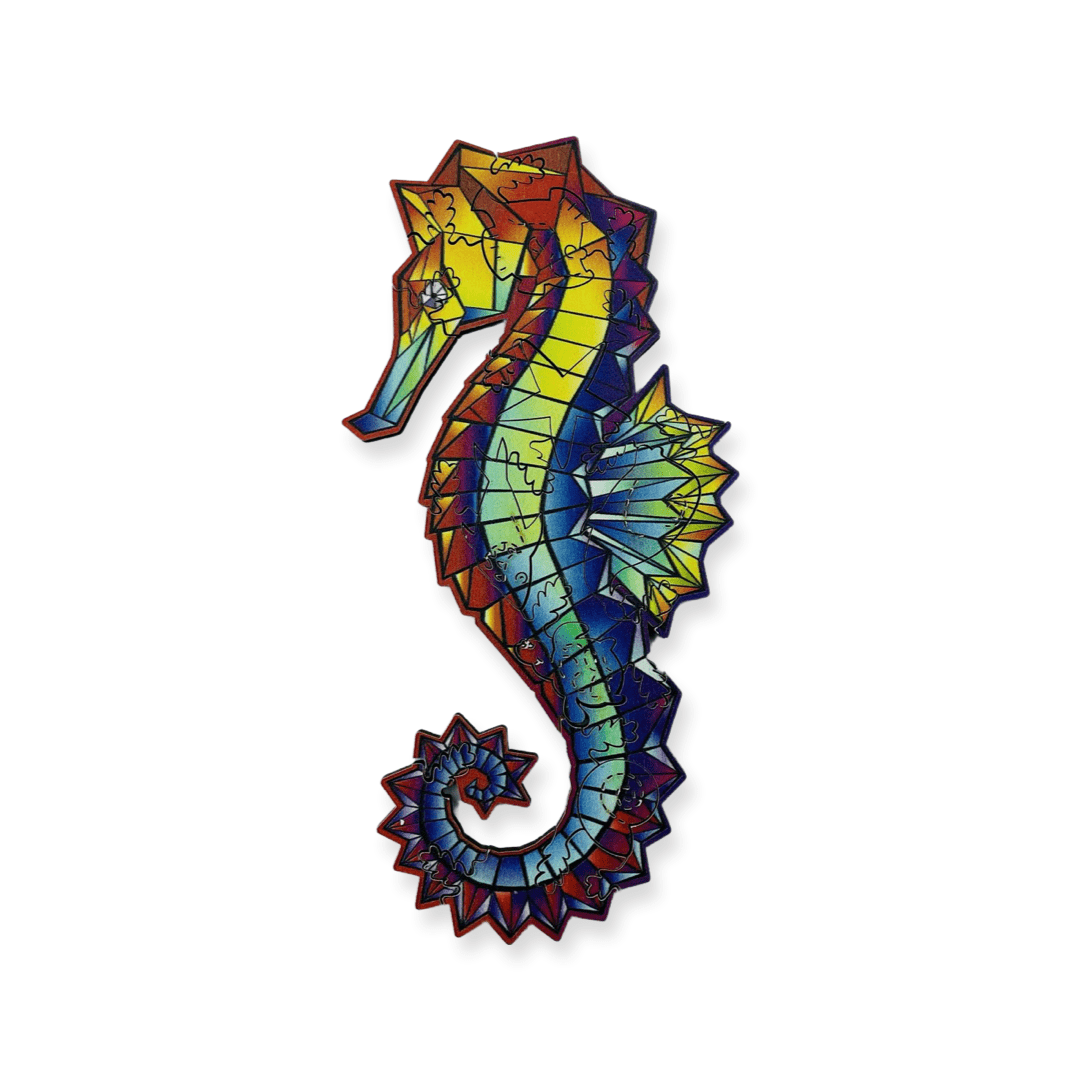
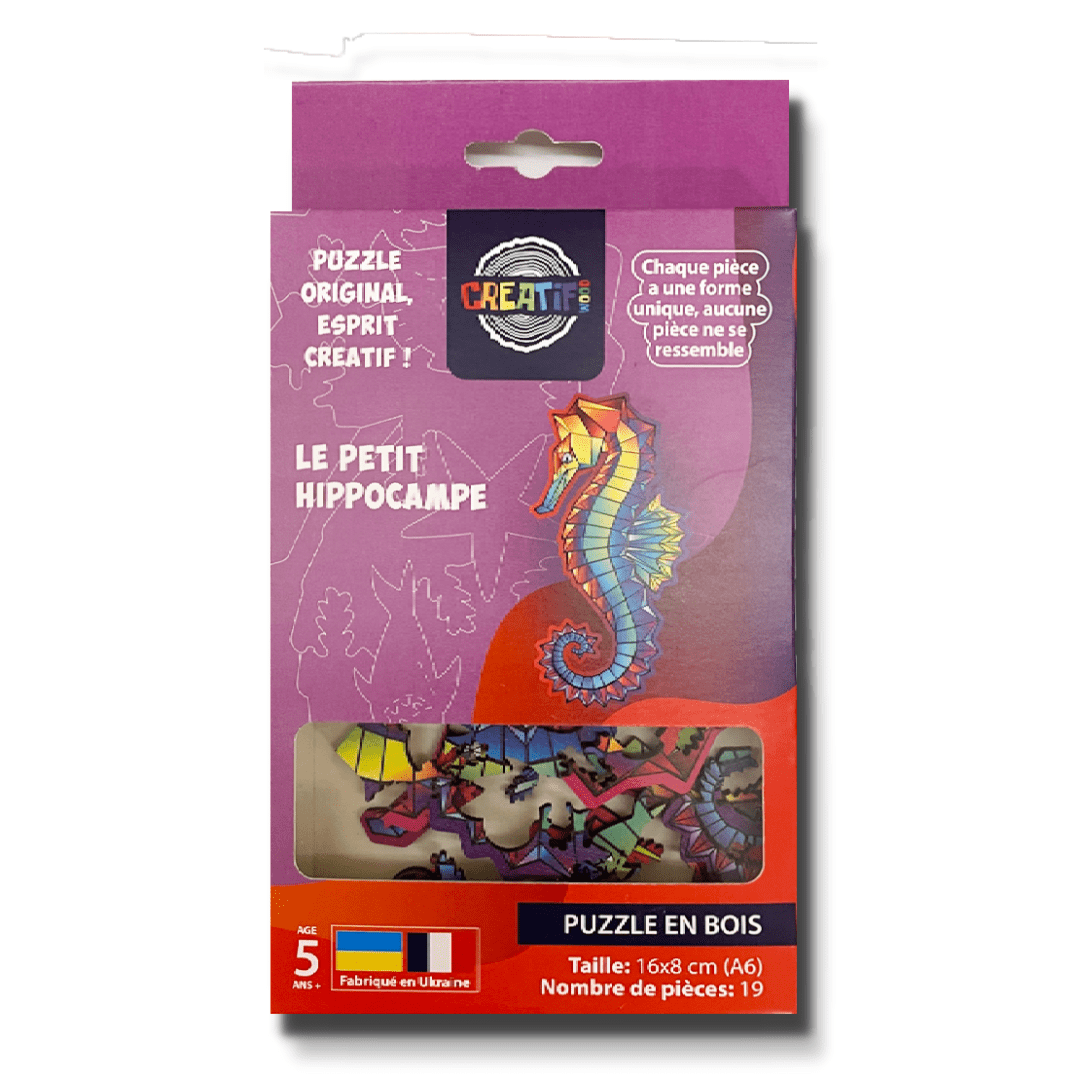
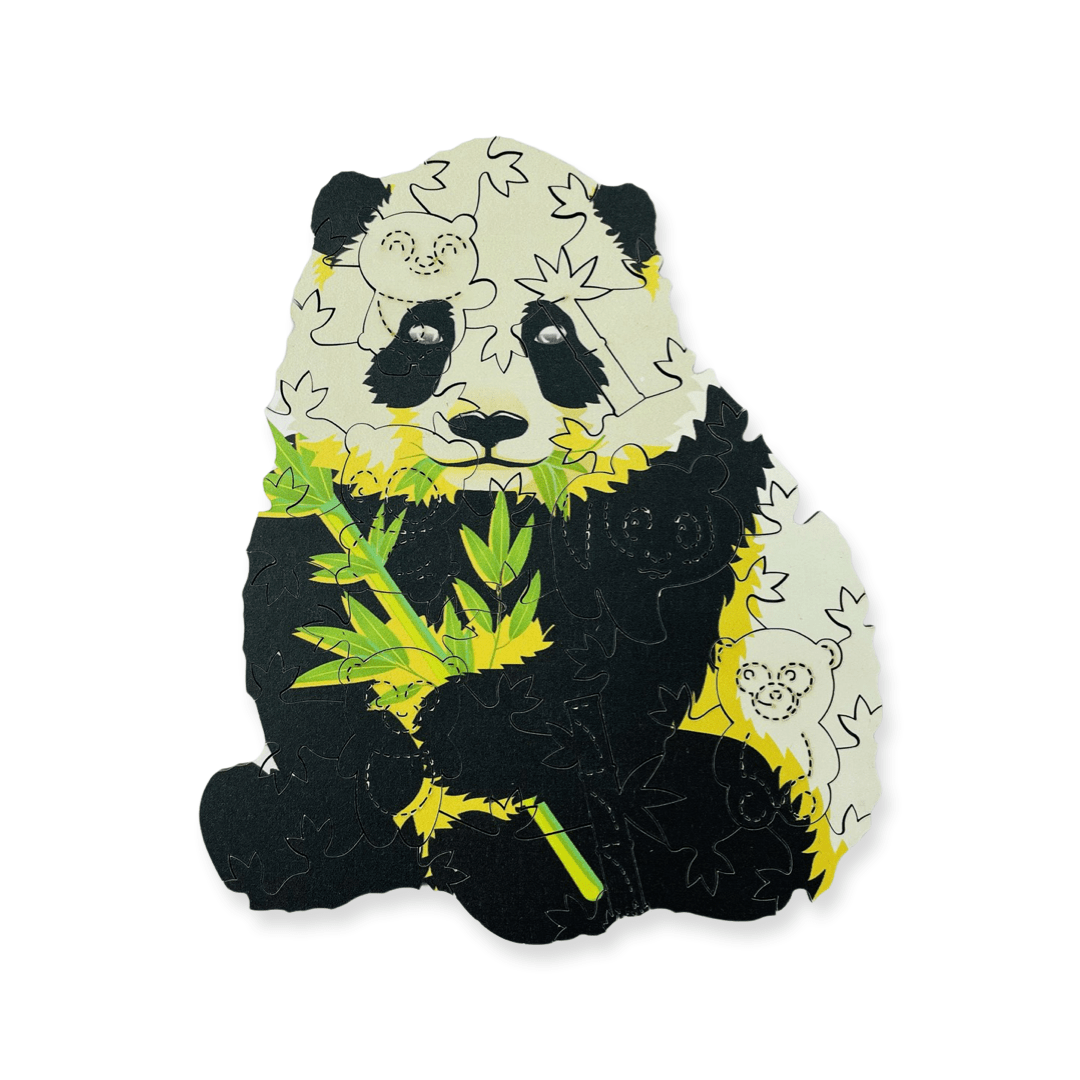
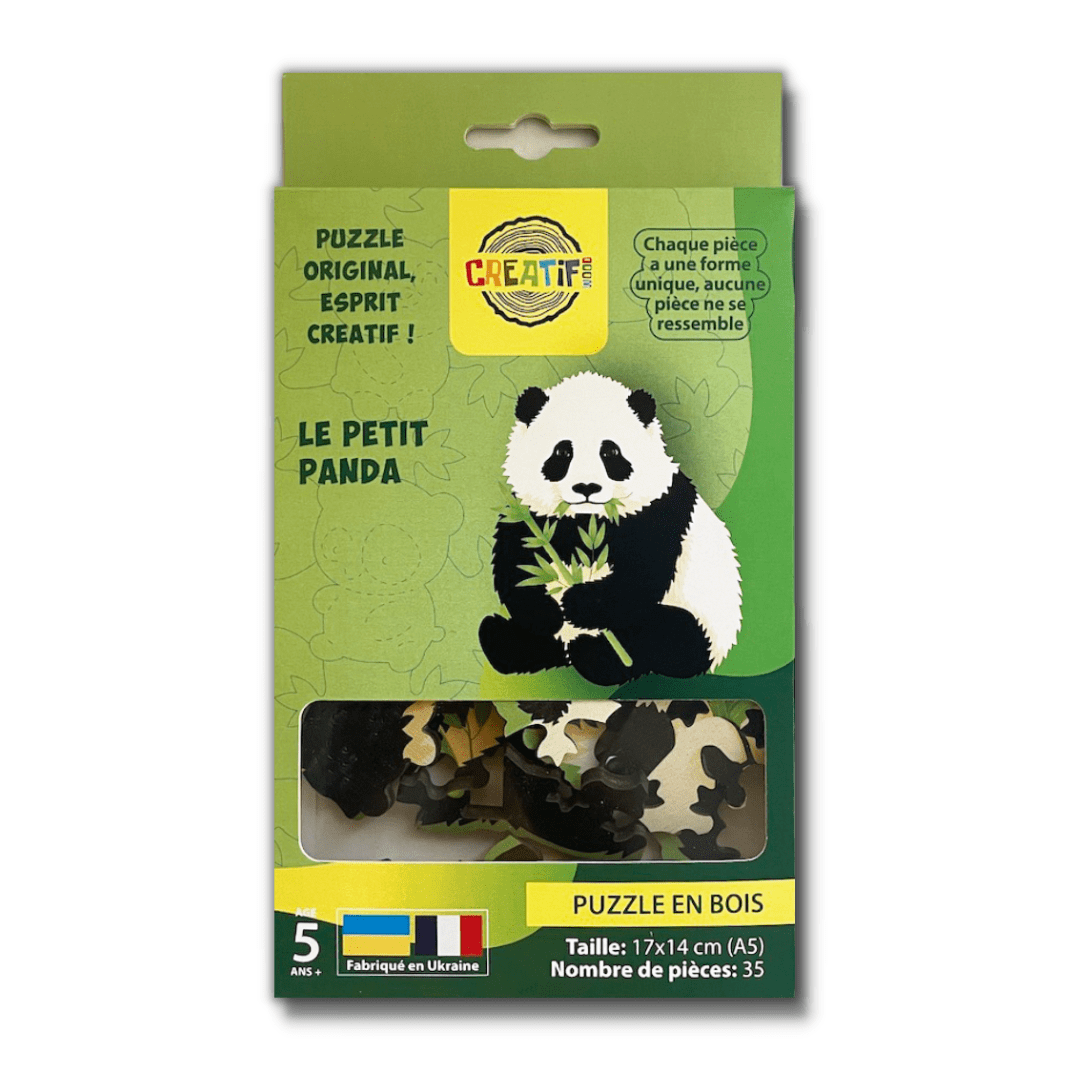

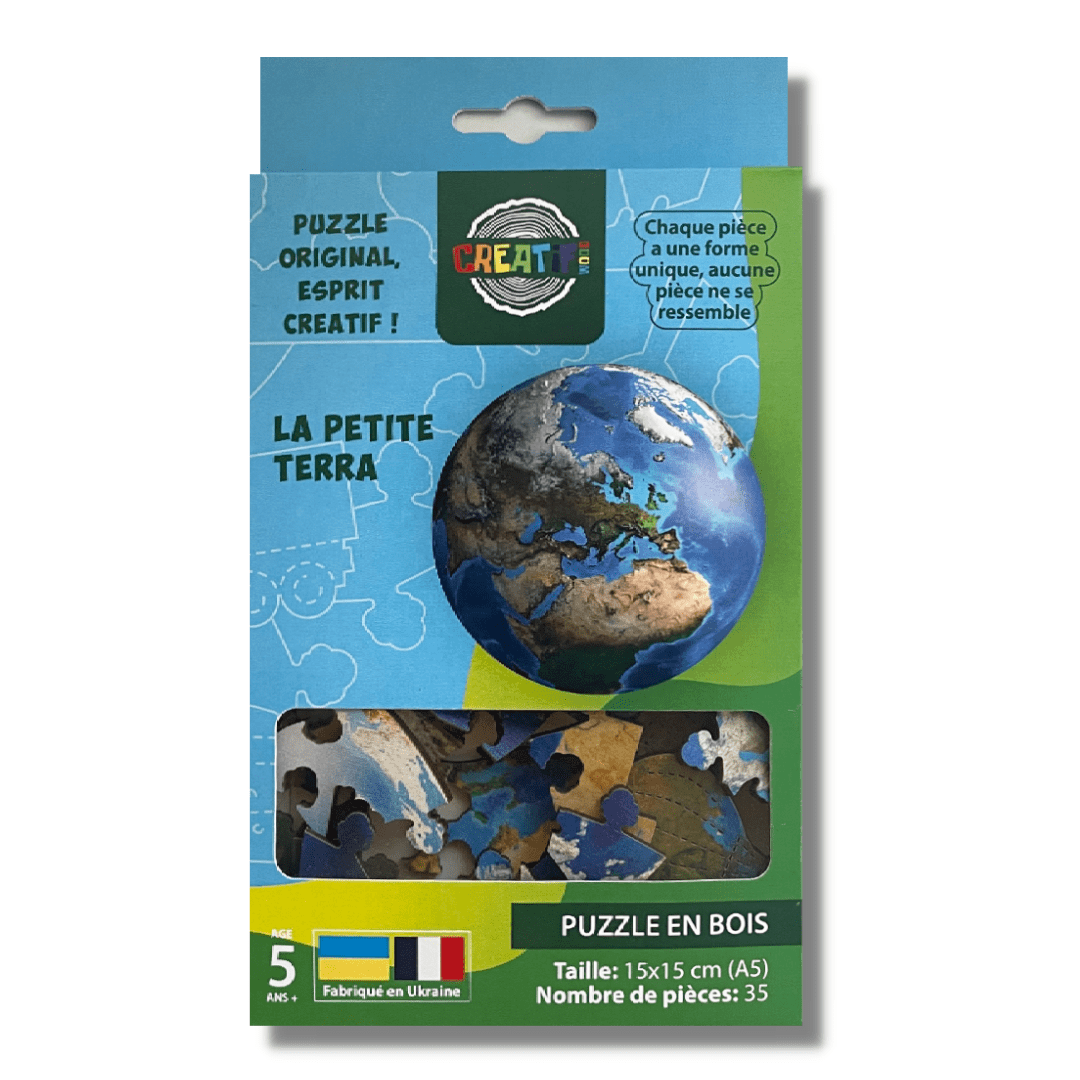

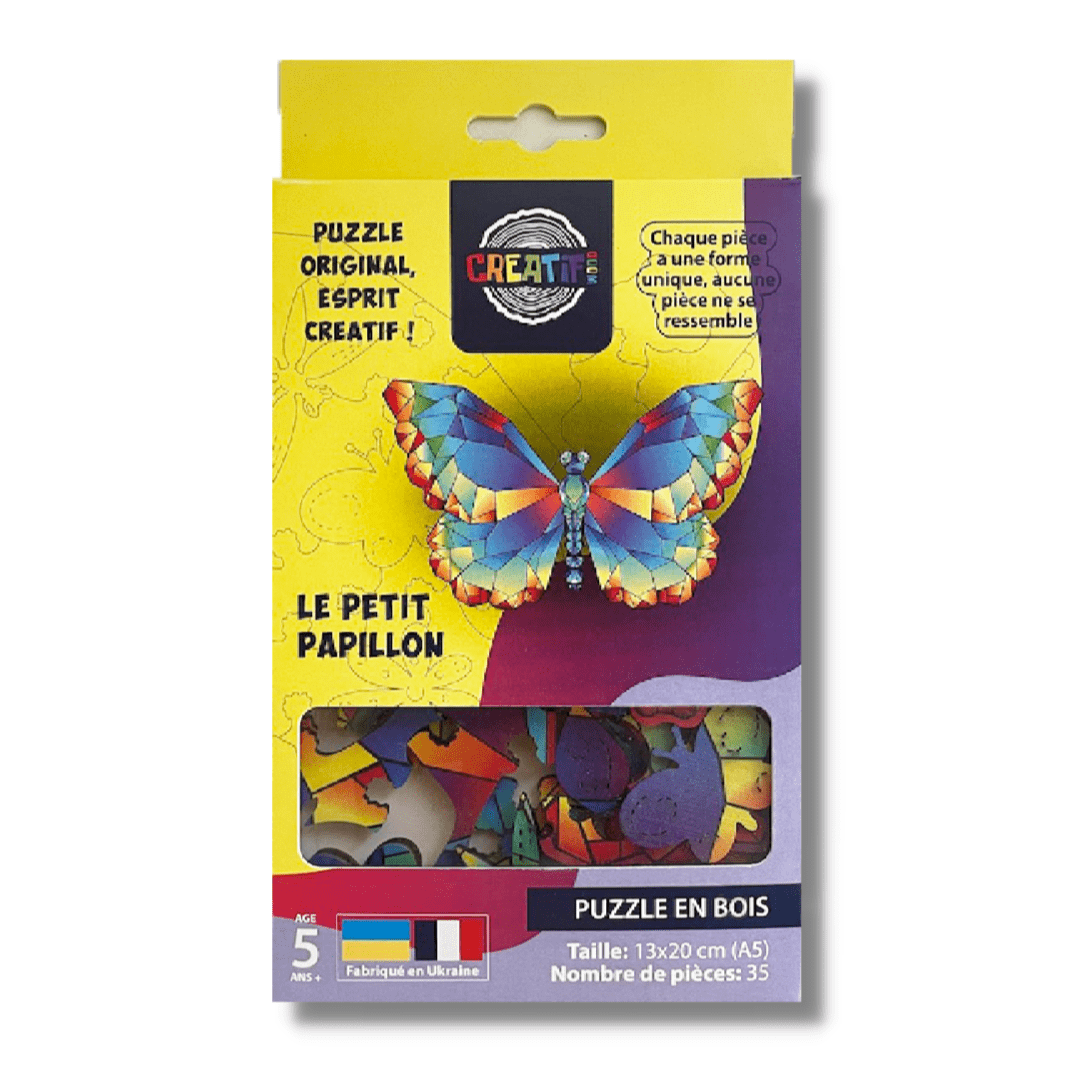
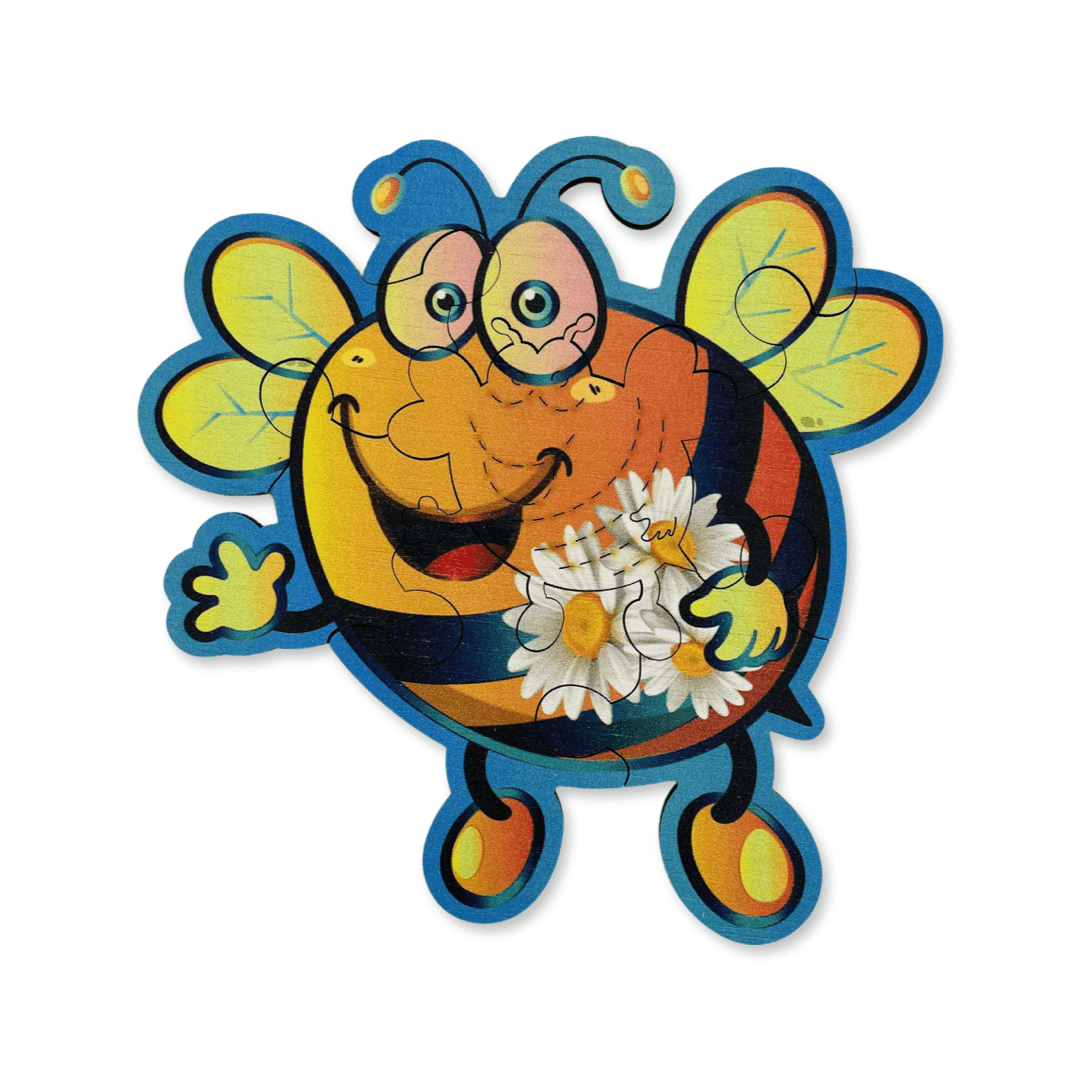
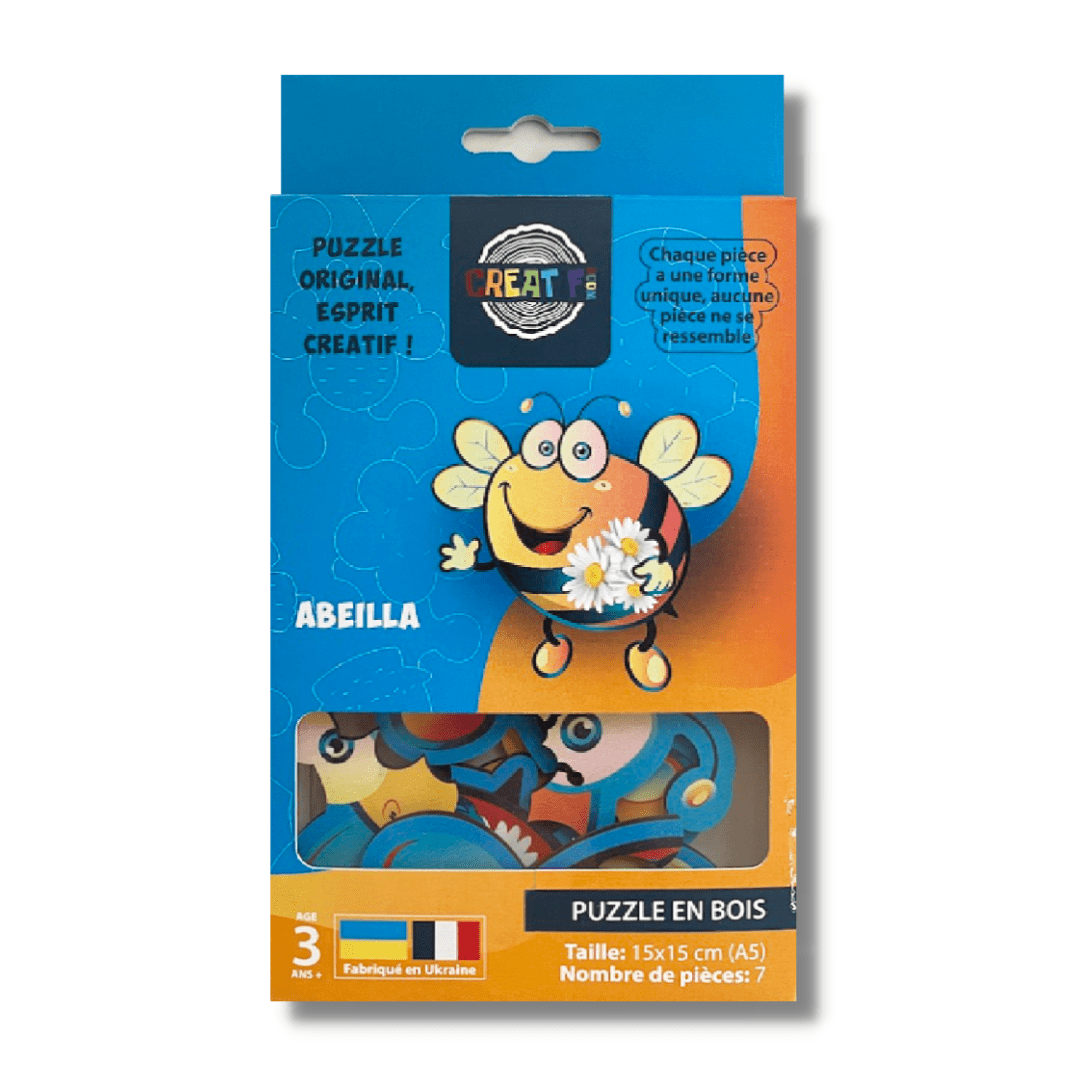

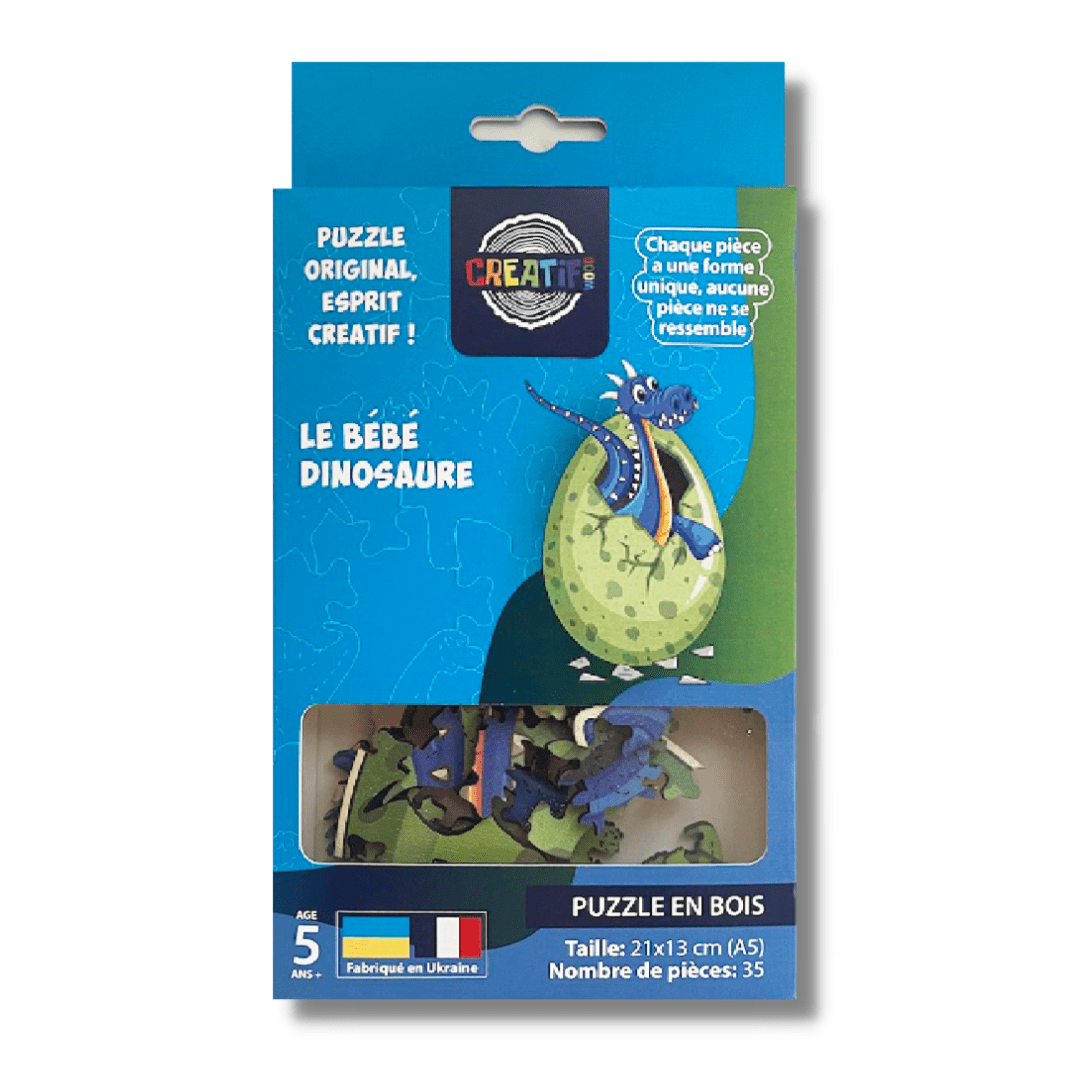
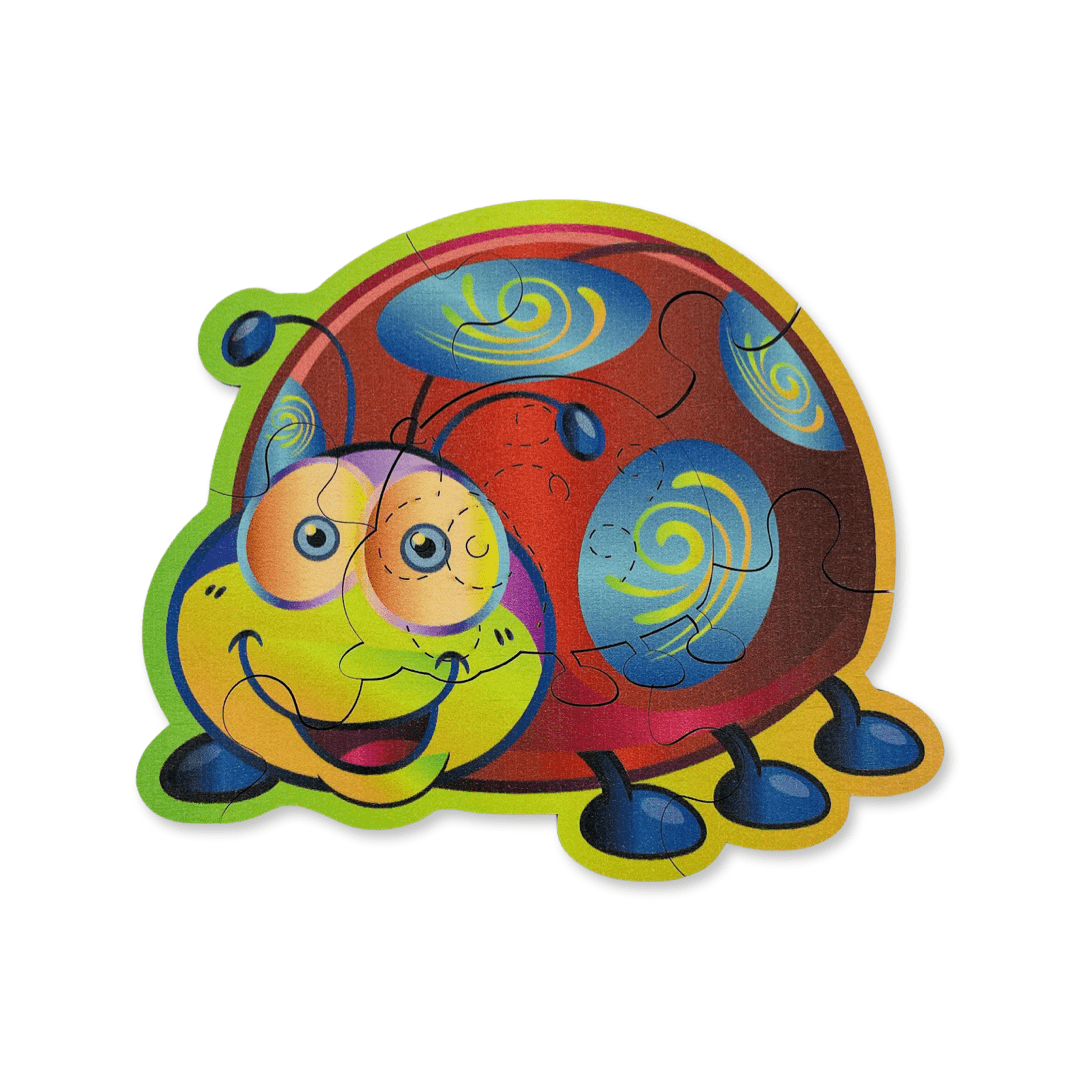
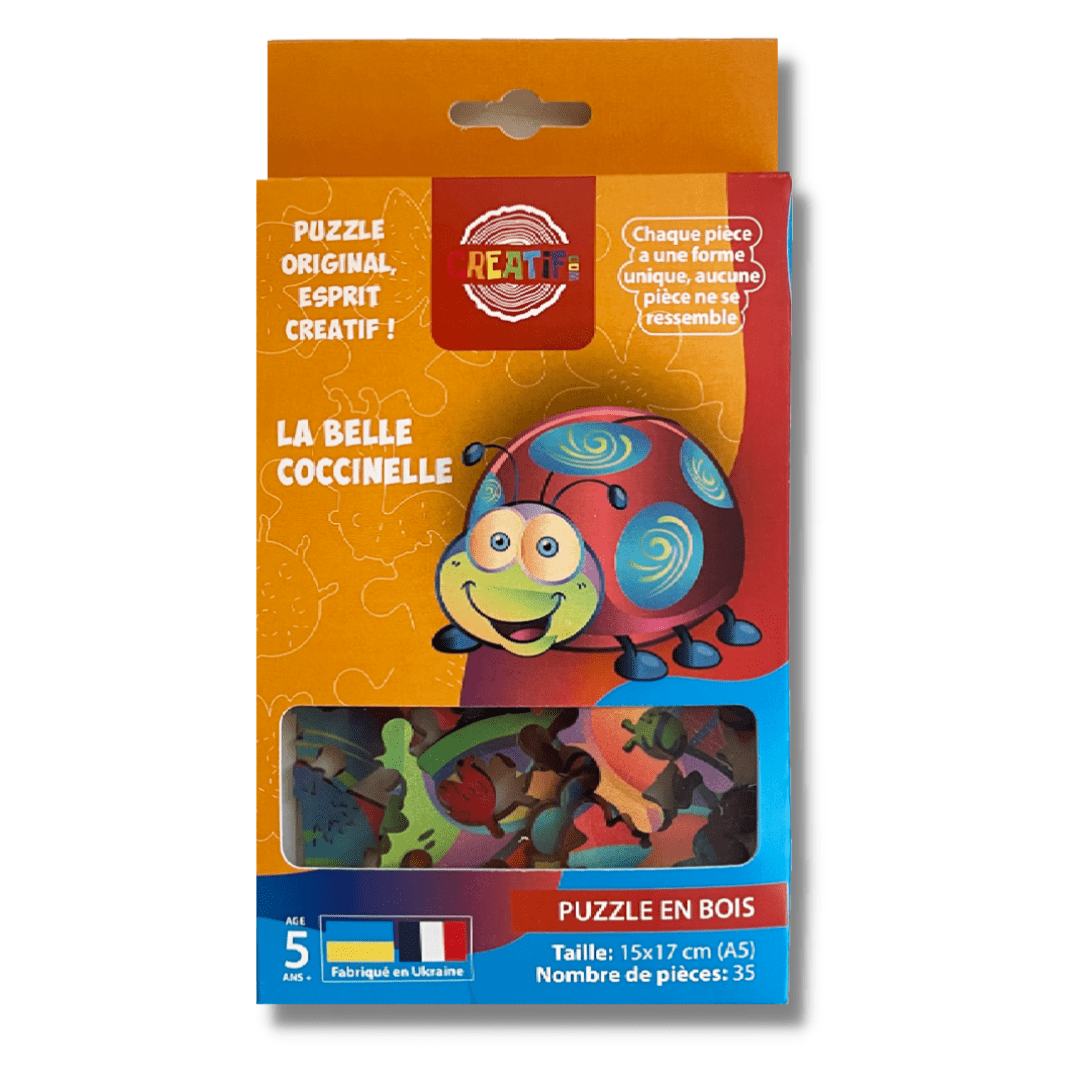



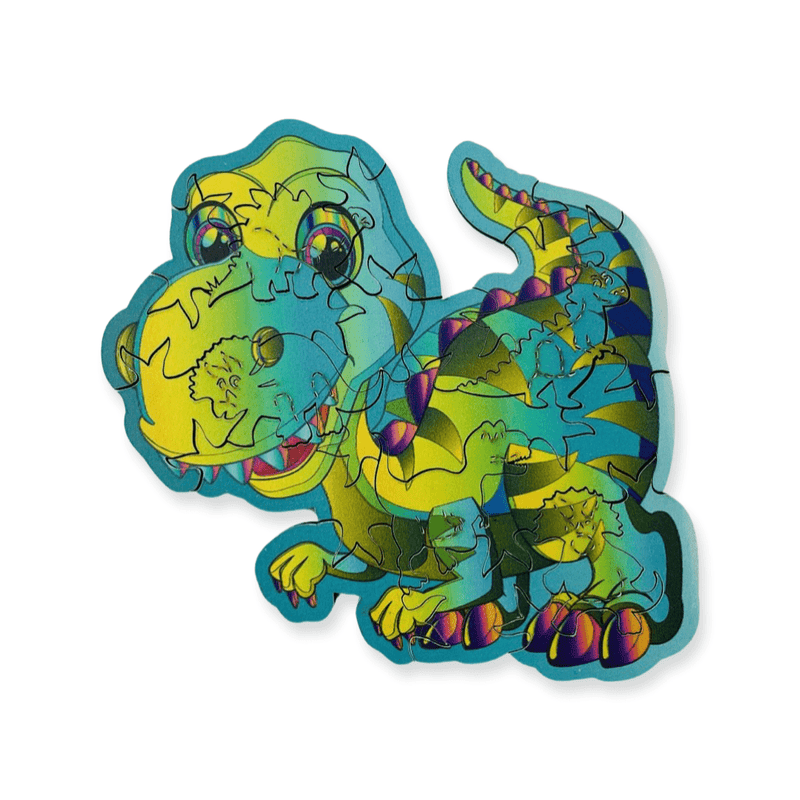




Small boards, few pieces, and a real animal shape
Small designs cut to the outline of the creature itself: a penguin in a scarf, a snail, a ladybird, a seahorse, a panda, a small T-rex. The boards run from 8 to 21 centimetres and the piece counts from 7 to 35, which puts them in a different world from the rest of our catalogue. The cut is the point. A child does not have to be told what the finished puzzle will be, because the puzzle is already penguin-shaped before a single piece goes in.
Which puzzles suit a three-year-old, and which a five-year-old?
The collection divides cleanly by age, and the product pages carry the guidance. The designs marked from three – Cokxi the Ladybug, Beeilla the bee and the little whale, seven pieces each – give the child pieces so large and distinct that placing one is a single decision rather than a search. Everything else is marked from five, from the scarfed penguin's seven pieces up to boards of thirty-five, and there the child has to compare pieces before choosing. The jump is bigger than the numbers suggest. Seven pieces is a shape-matching task; thirty-five is a sorting task with a strategy in it.
Are wooden puzzles safe for babies?
Worth saying directly, because search engines send people here looking for baby toys: nothing in this collection is for a child under three. Every design contains small parts, and the youngest age on any box is three. For a baby, a wooden puzzle is a hazard, not a toy – come back in a couple of years and the ladybird will be waiting.
What does the research say about the right age?
The window matters more here than in any other collection. Developmental work on intense early interests puts the onset at around 18 months, with the peak between two and six, and roughly a third of preschoolers developing one. Dinosaurs are the single most common subject among children whose interest is conceptual, which is why a small T-rex and a baby dinosaur sit in this range.
What the evidence supports is narrower than the usual claims: children with a sustained interest show richer organised knowledge in that domain, longer attention and deeper processing of information about it. That is a benefit within the subject, not a general one.
How do children play with them?
These get finished repeatedly rather than once. At seven or twenty pieces a child completes the board in minutes, takes it apart, and does it again, which is the opposite of how the adult designs are used. The wood is what makes that viable: the pieces survive being pushed together wrongly and dropped.
The other pattern is that an adult tends to sit alongside rather than build. There is nothing here an adult needs to solve, so the role becomes handing pieces over and naming the animal.
Will they match a muted nursery?
These are bright. Saturated blues, reds and yellows, with faces drawn on several of the animals. That runs against where children's decor has moved. Design guides through 2024 to 2026 describe a shift away from primary colours towards olive, terracotta and sandstone, on the argument that muted rooms age better with the child. If you are buying to match a room done in that palette, these will stand out rather than blend. If you are buying for the child to play with, that is not a problem.
Are these Montessori puzzles?
These are not Montessori materials in the strict sense. The method's puzzles isolate one skill at a time and let the child self-correct; ours are ordinary jigsaws, just honest ones. What they share with that tradition is the raw ingredients: real wood, pieces scaled to small hands, and a task a child repeats alone because they want to, not because anyone asked.