






Maps & Wall Decor


Filters
24 products












Wall decoration that is made of something
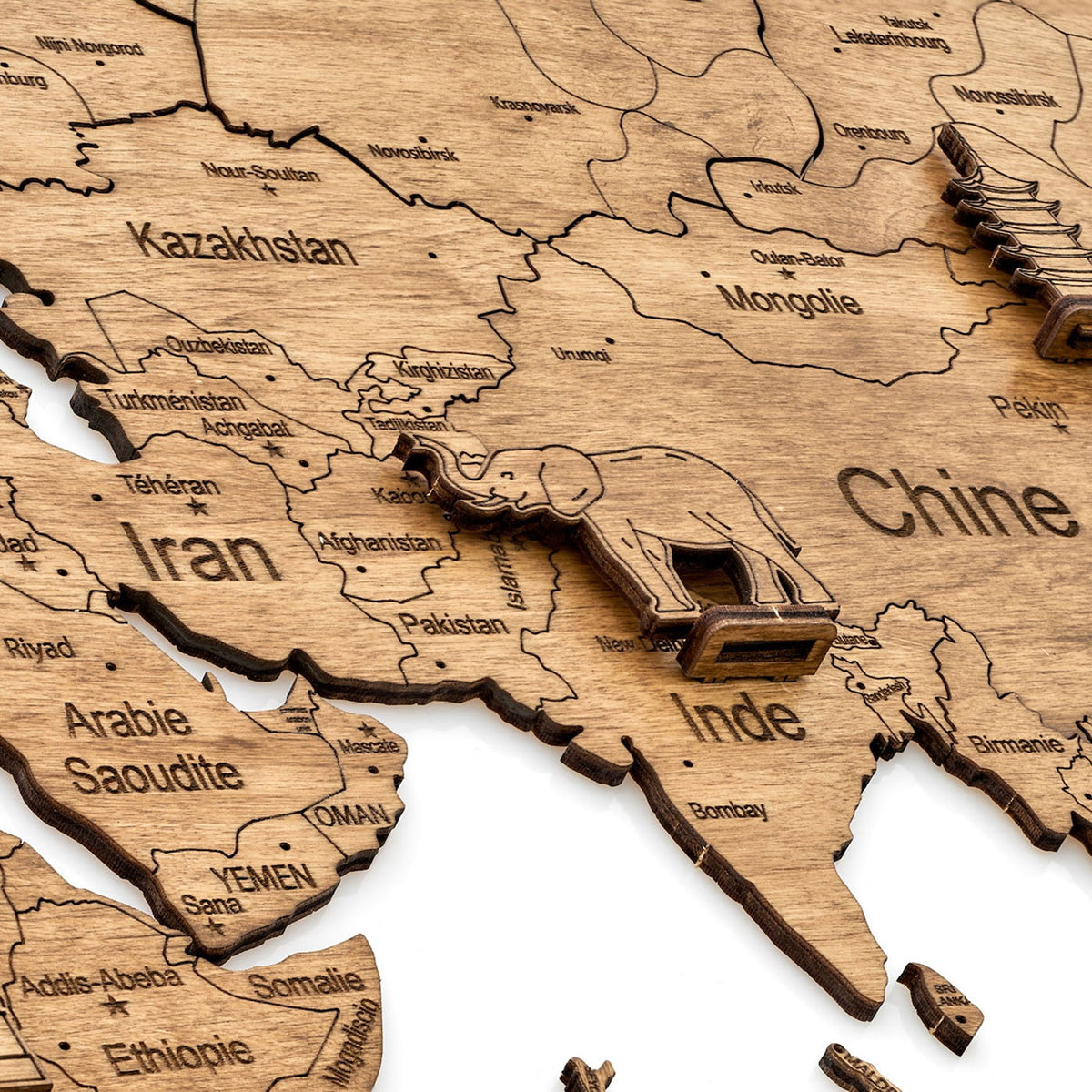
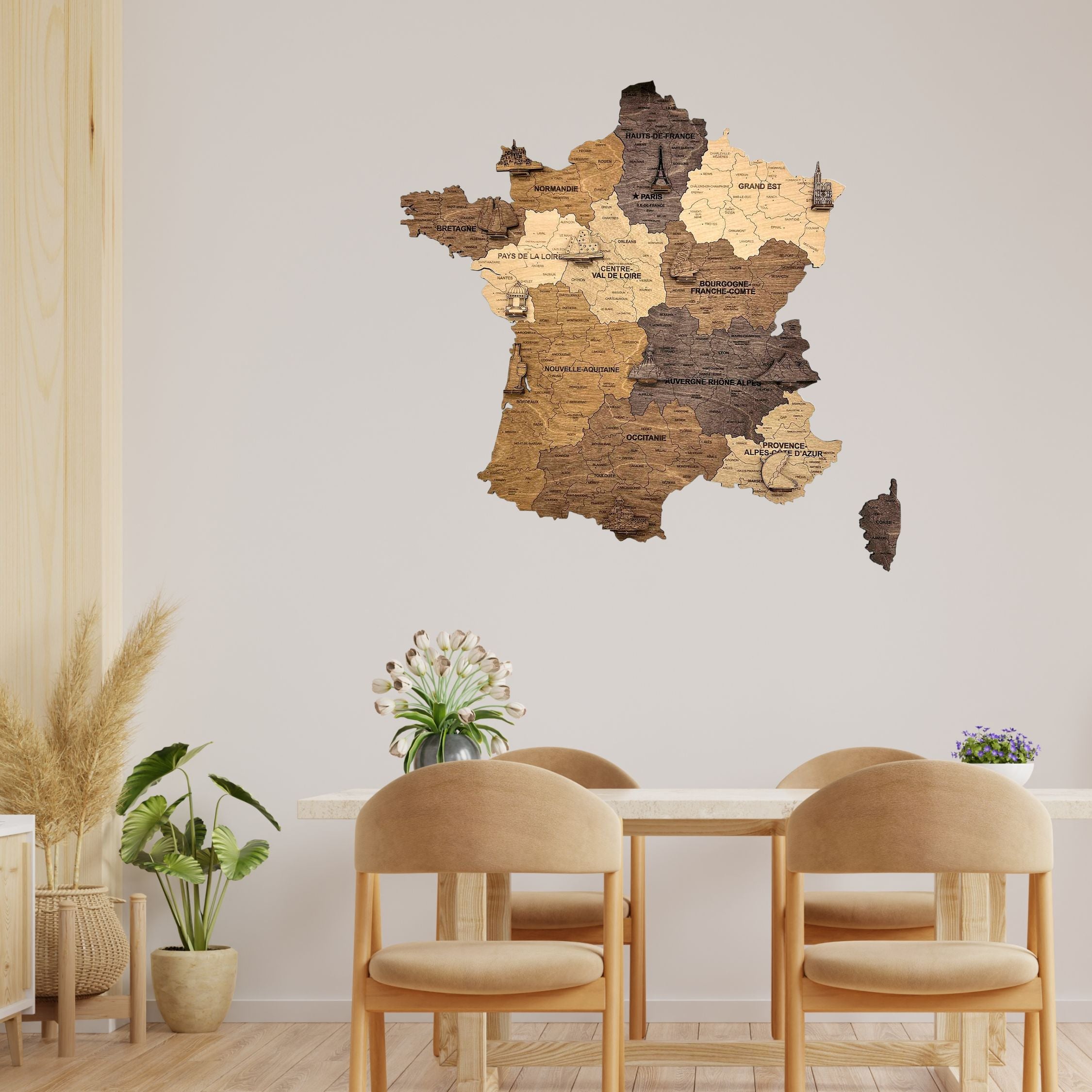
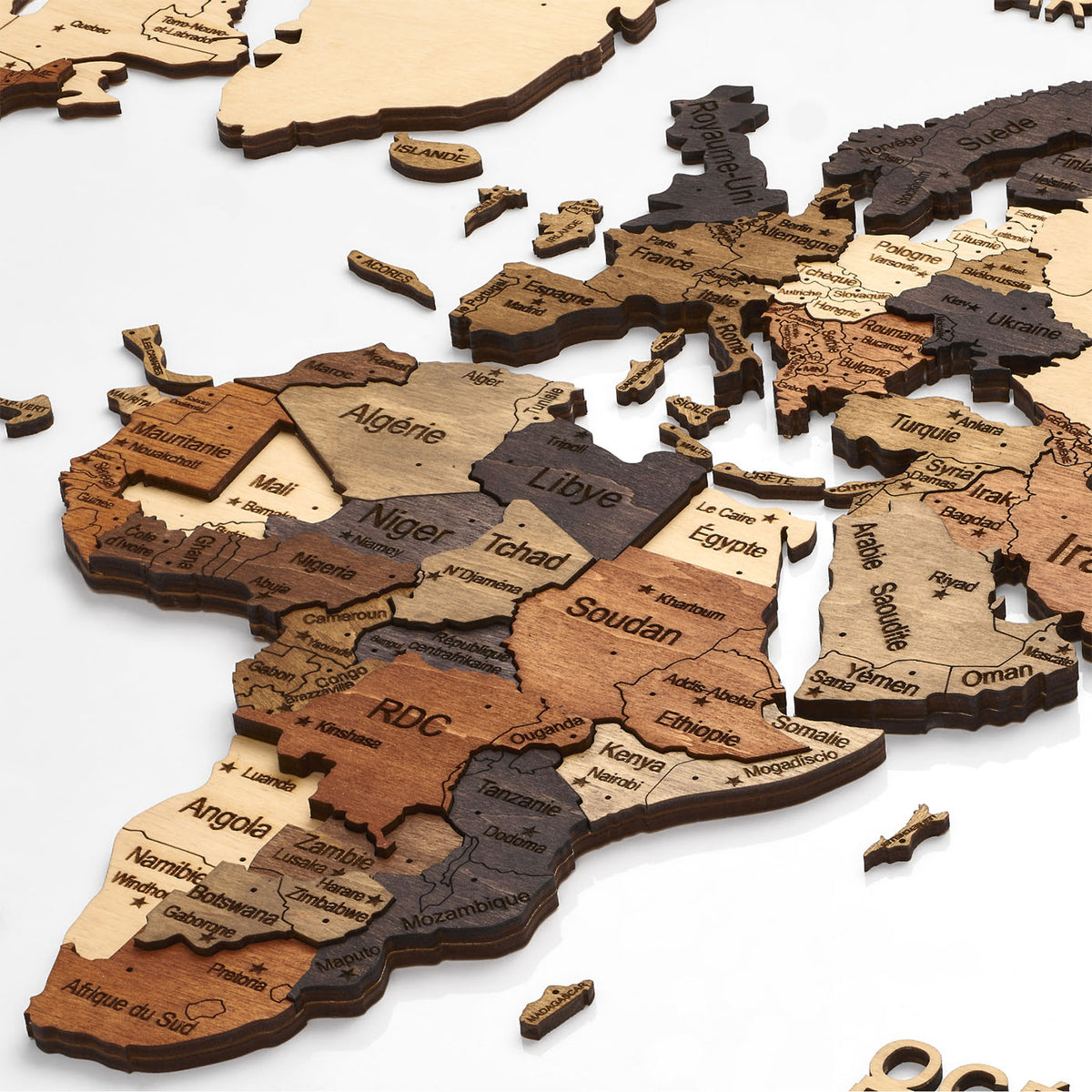
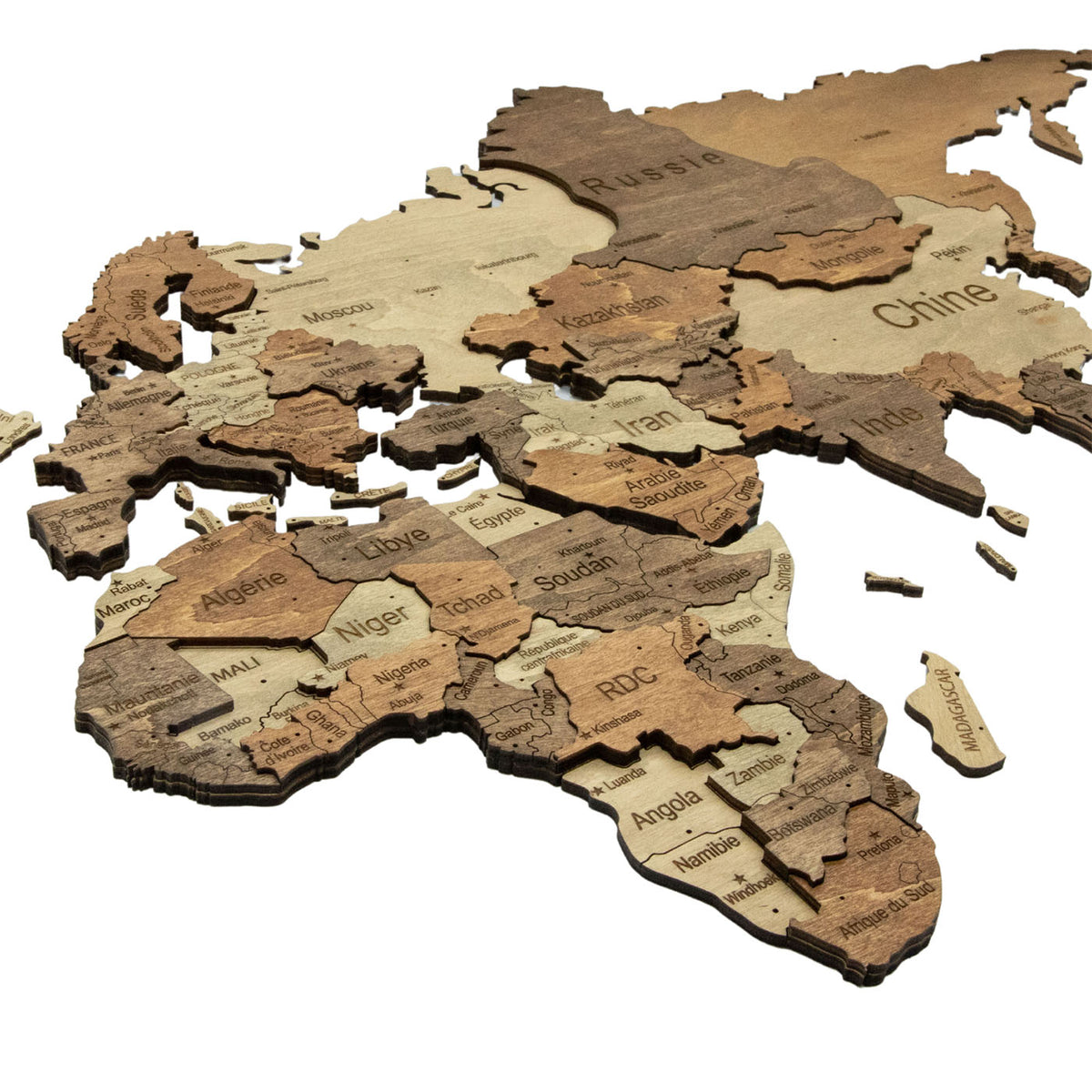
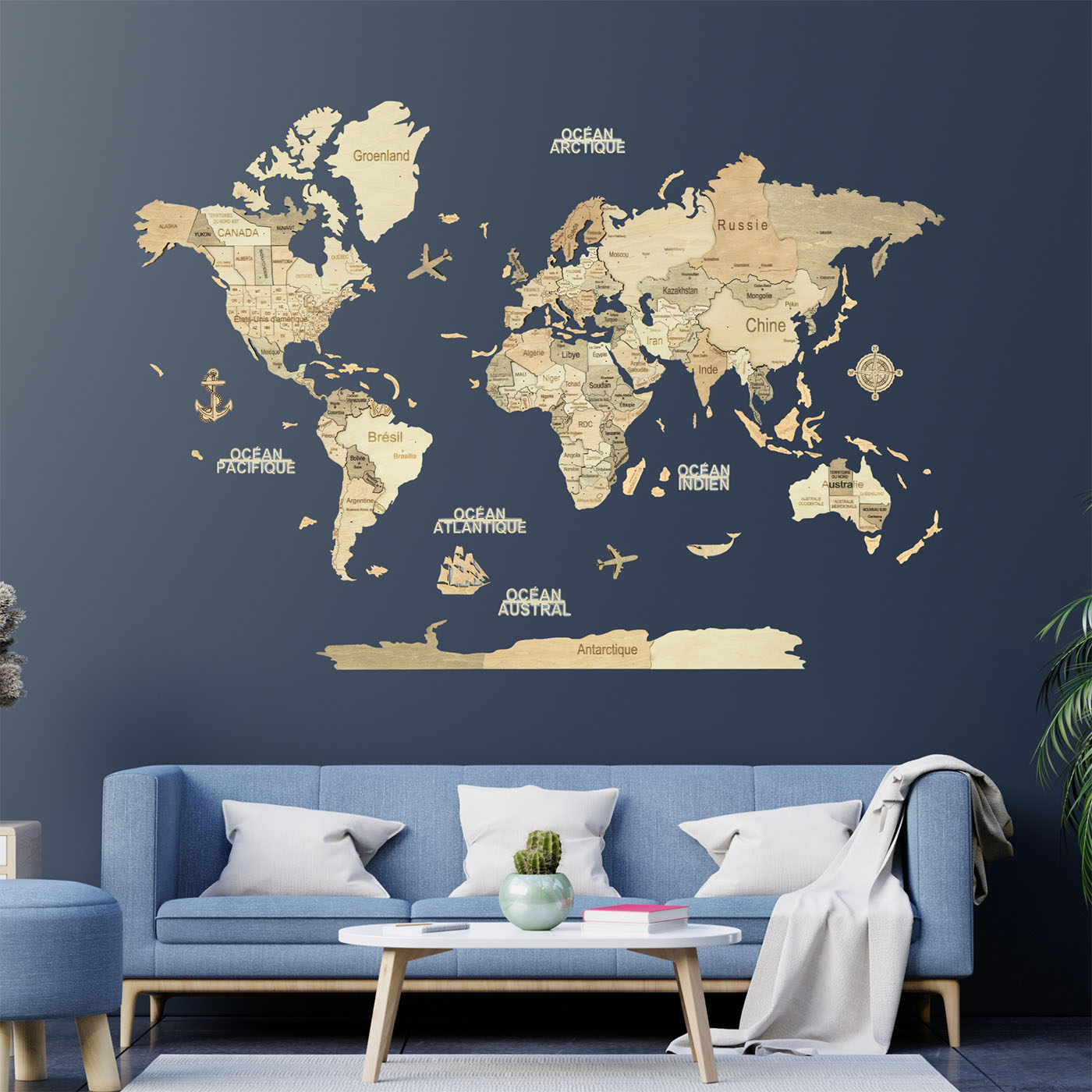
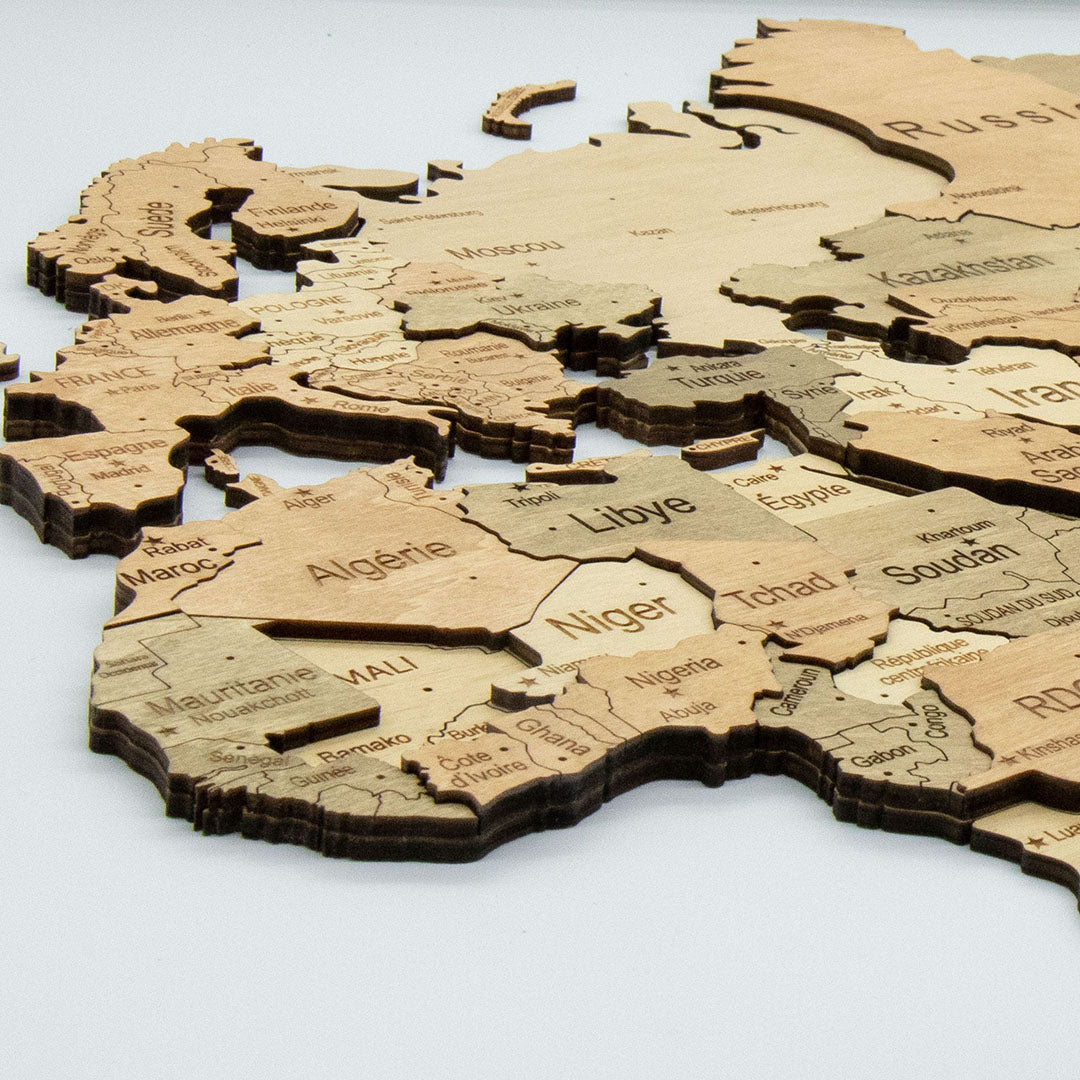
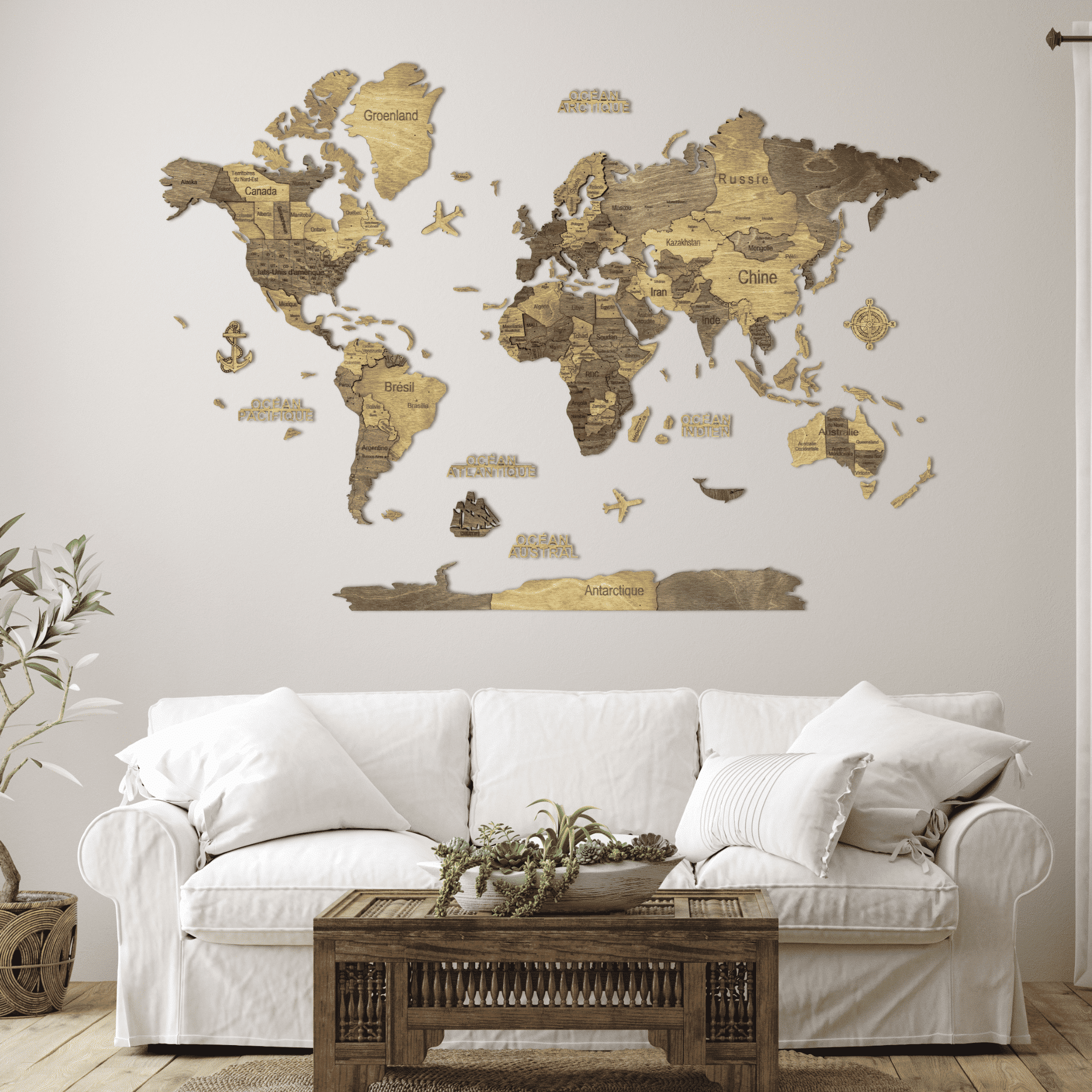
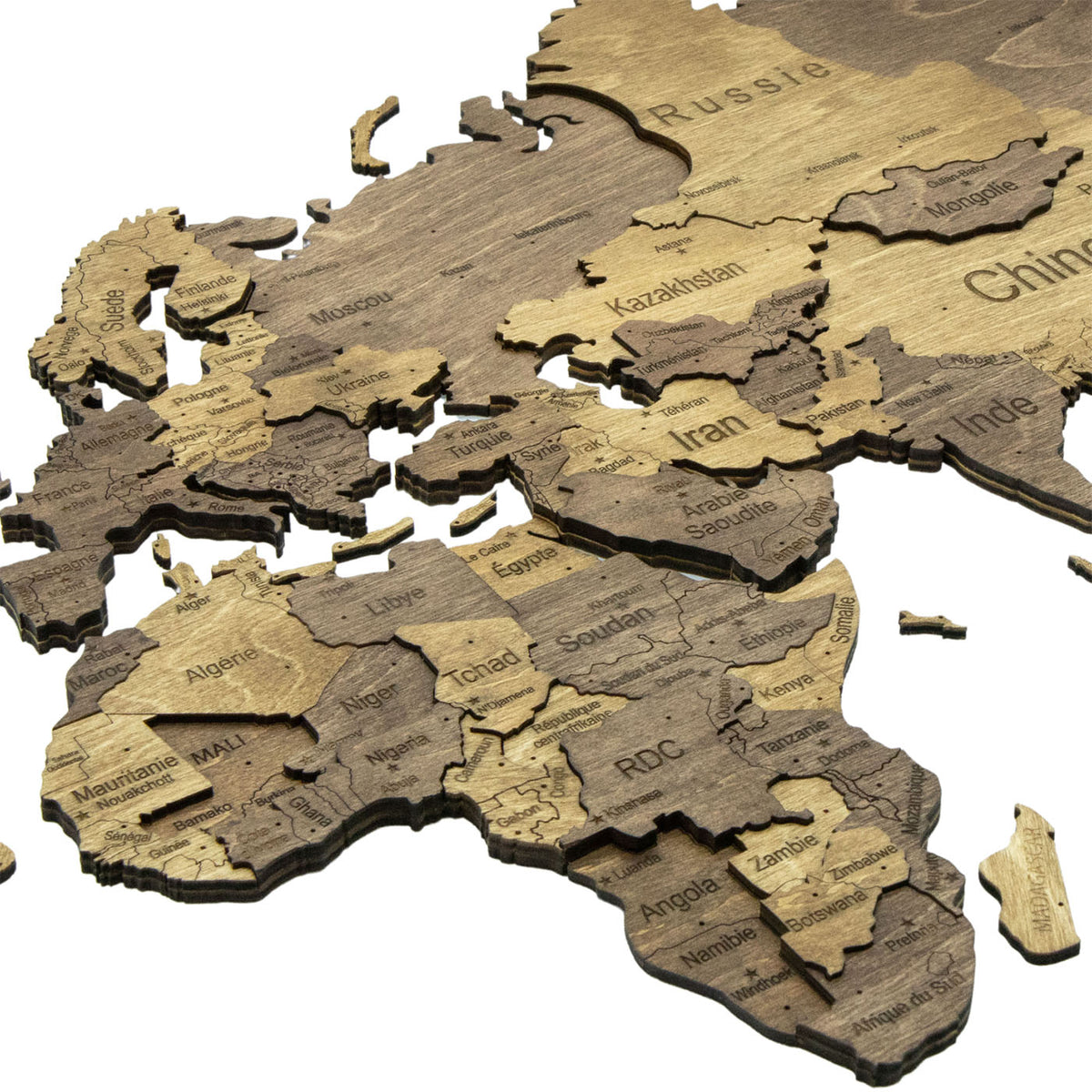
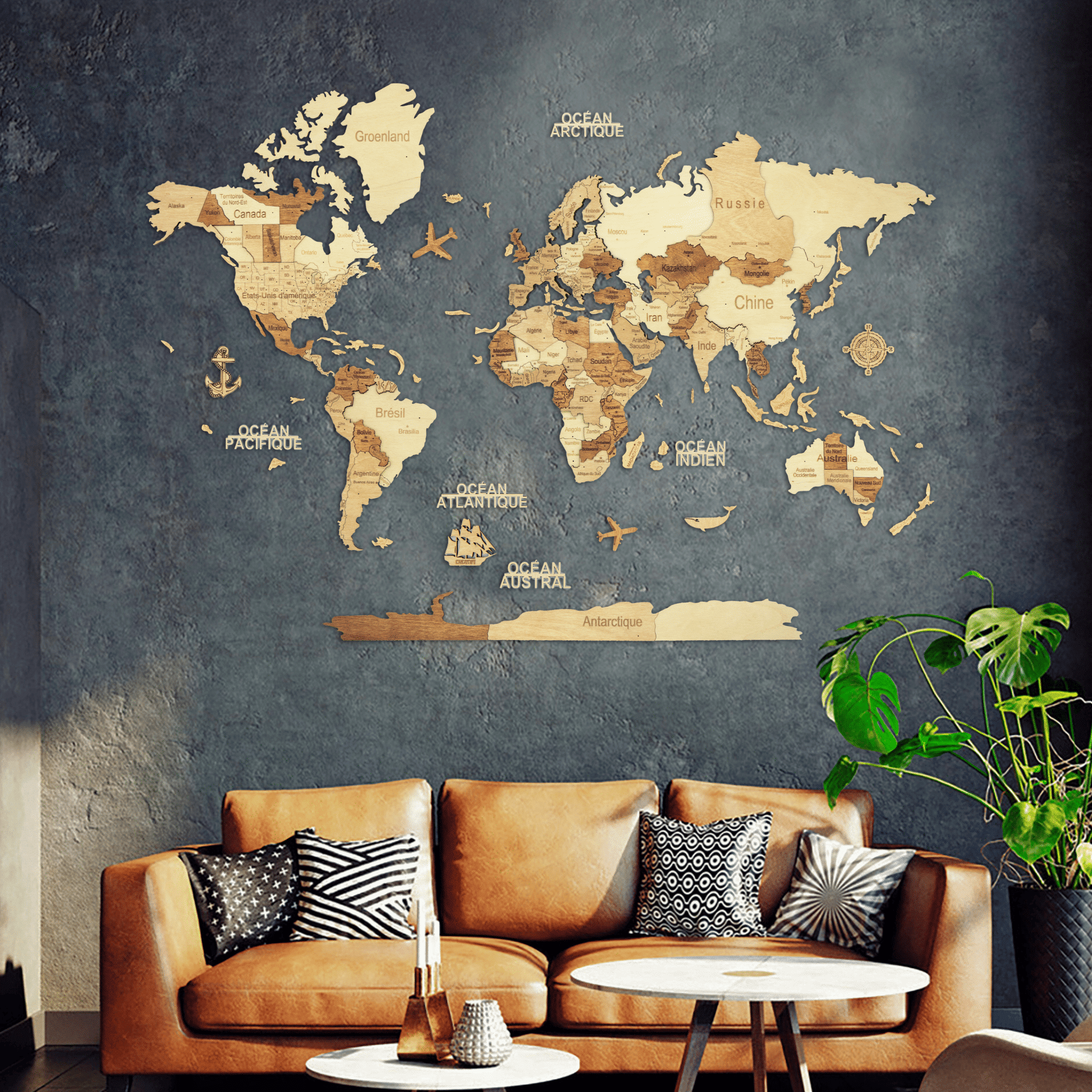
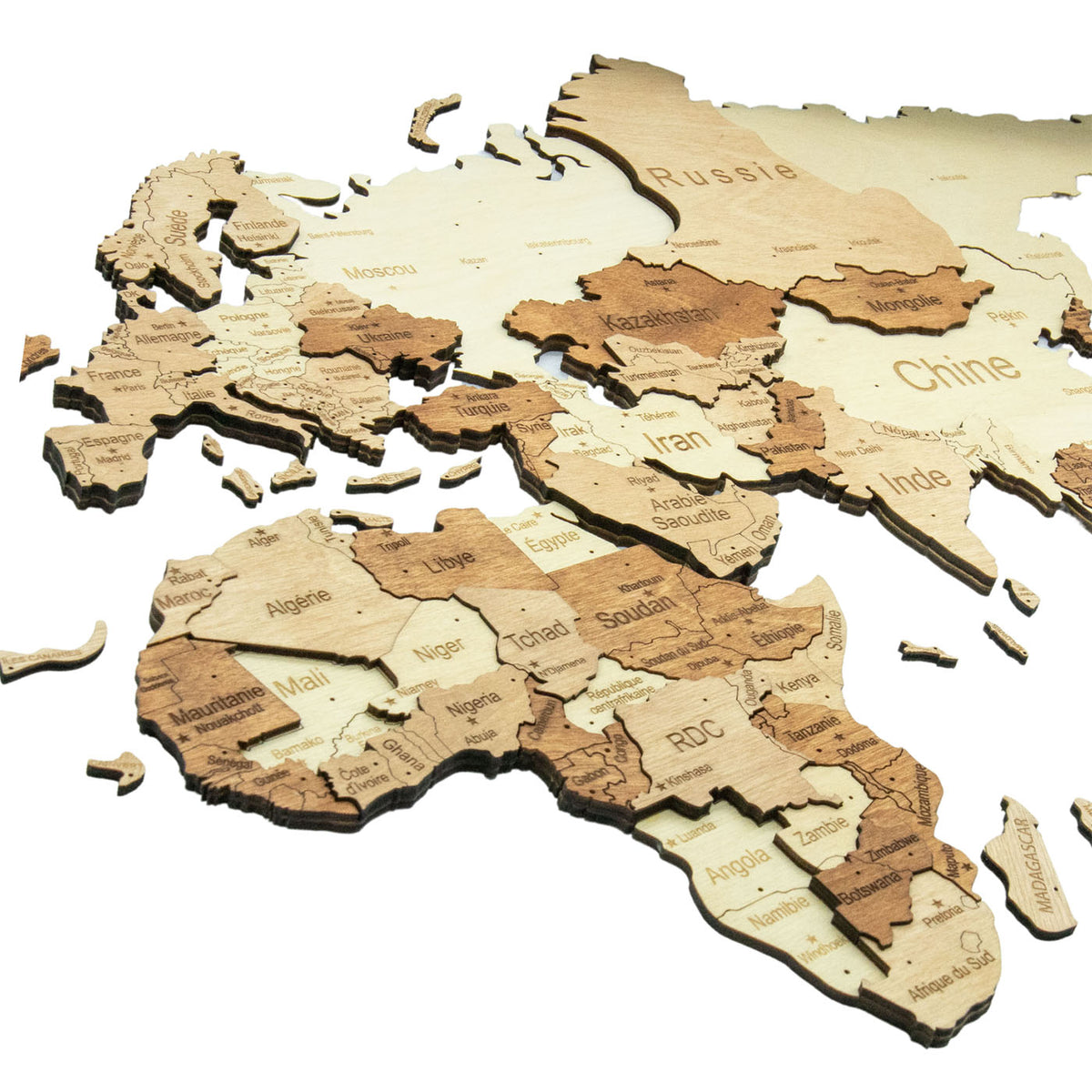
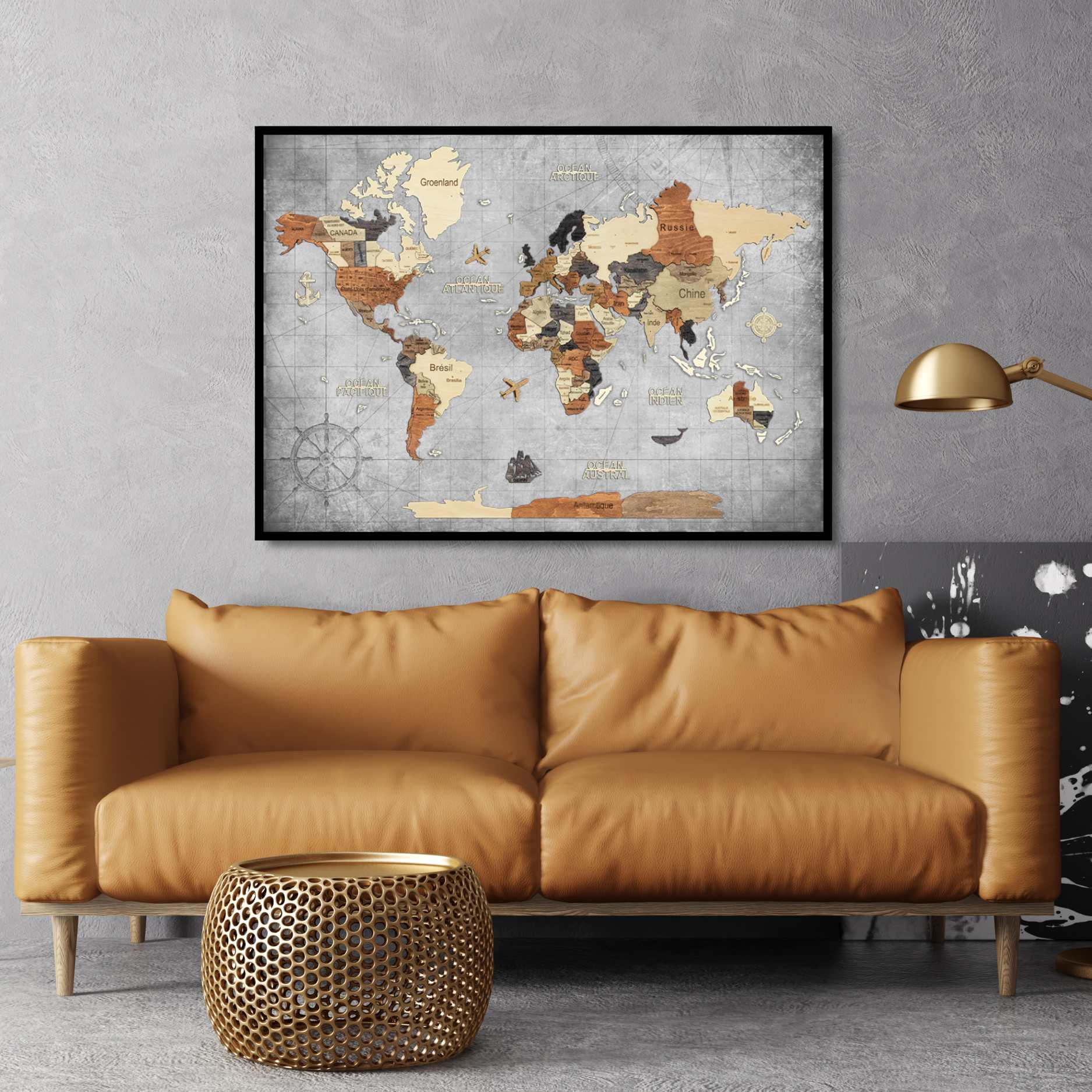
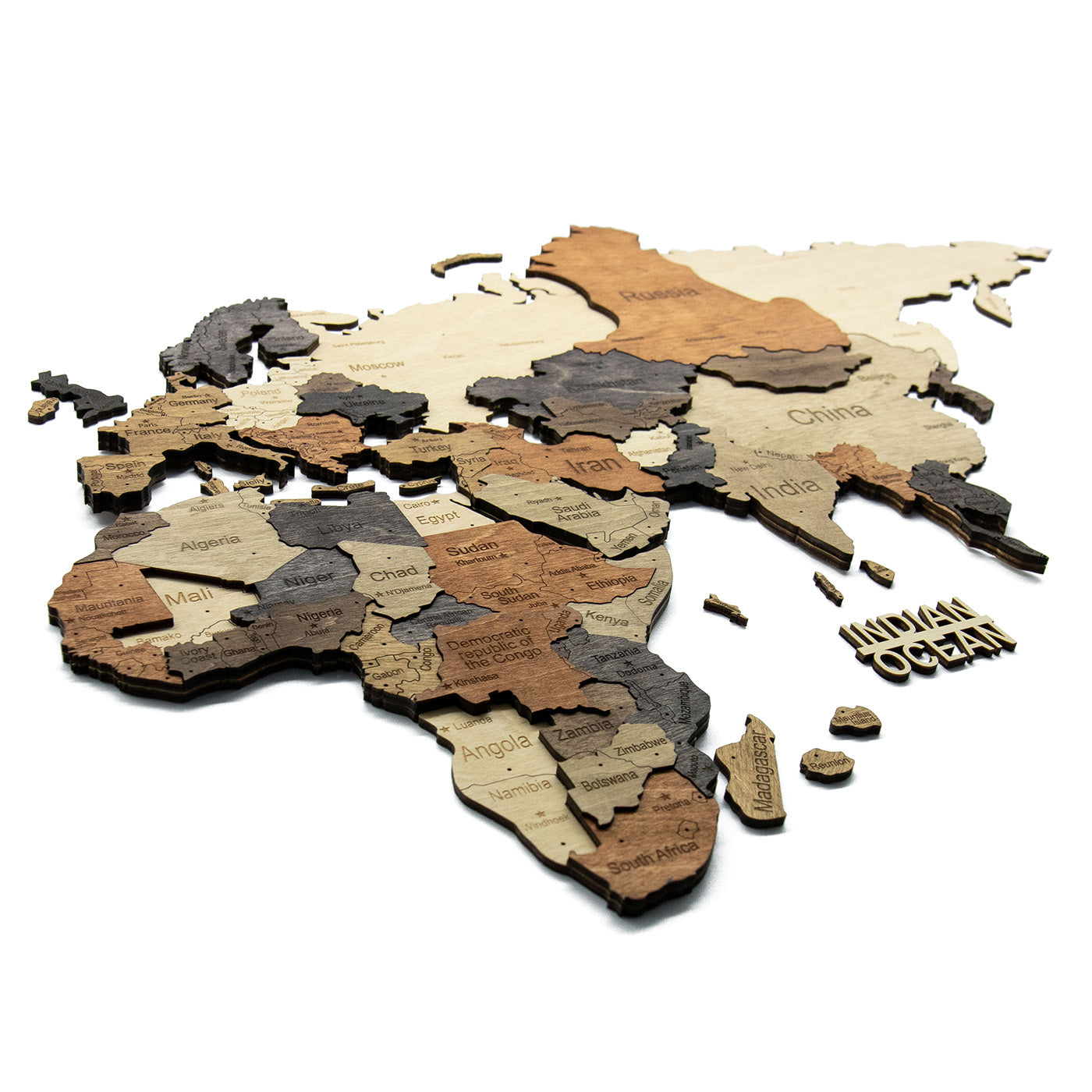
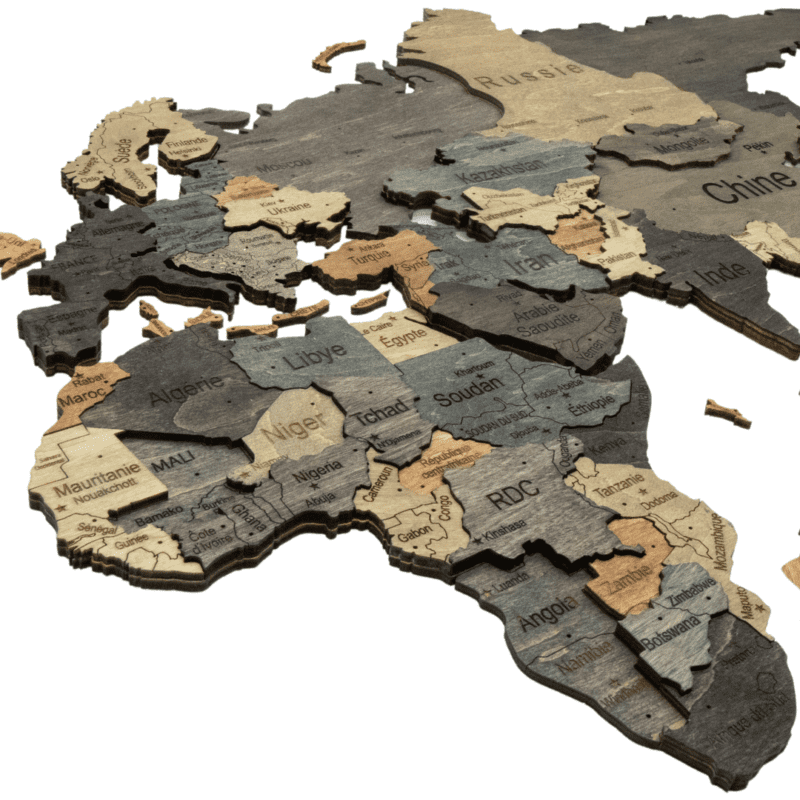
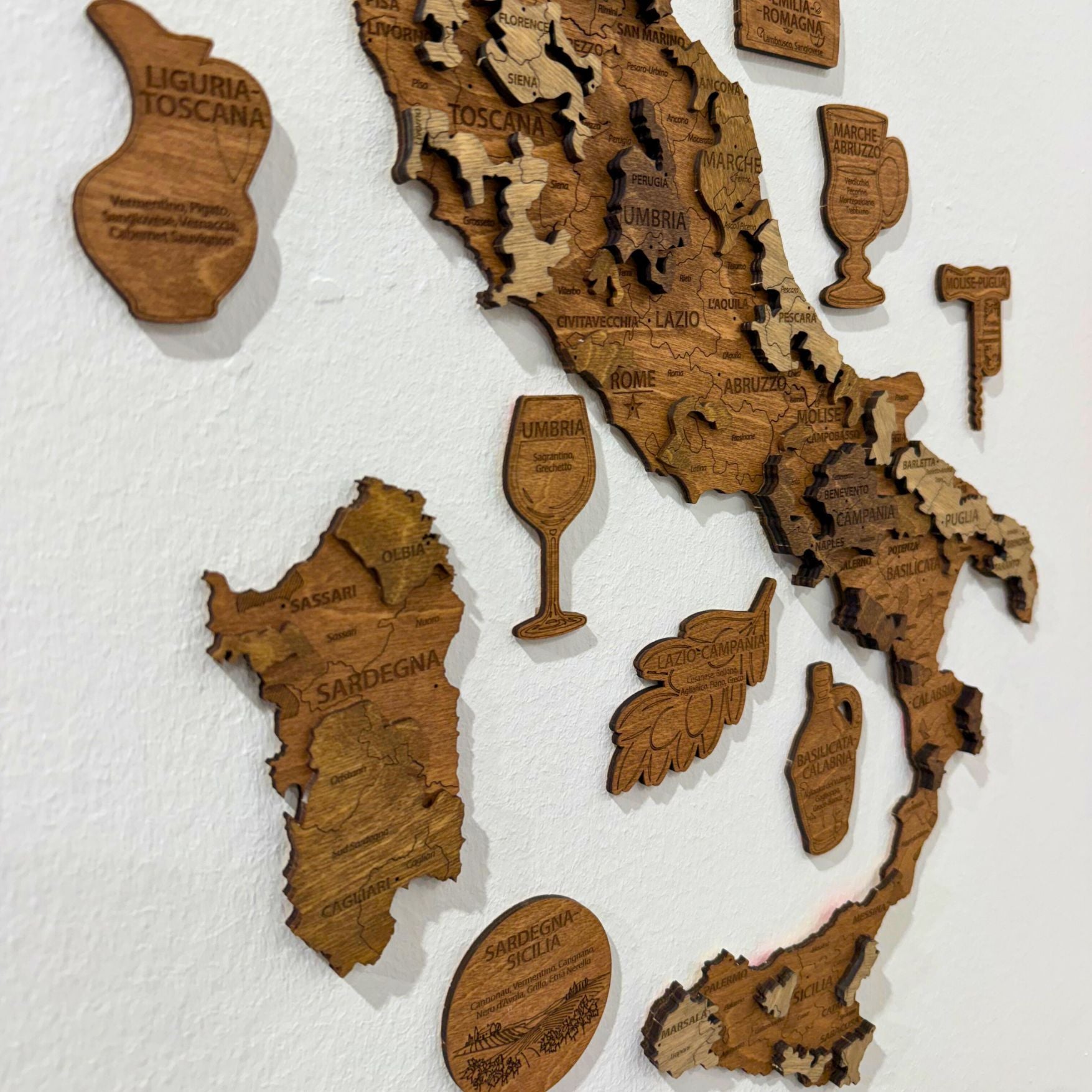
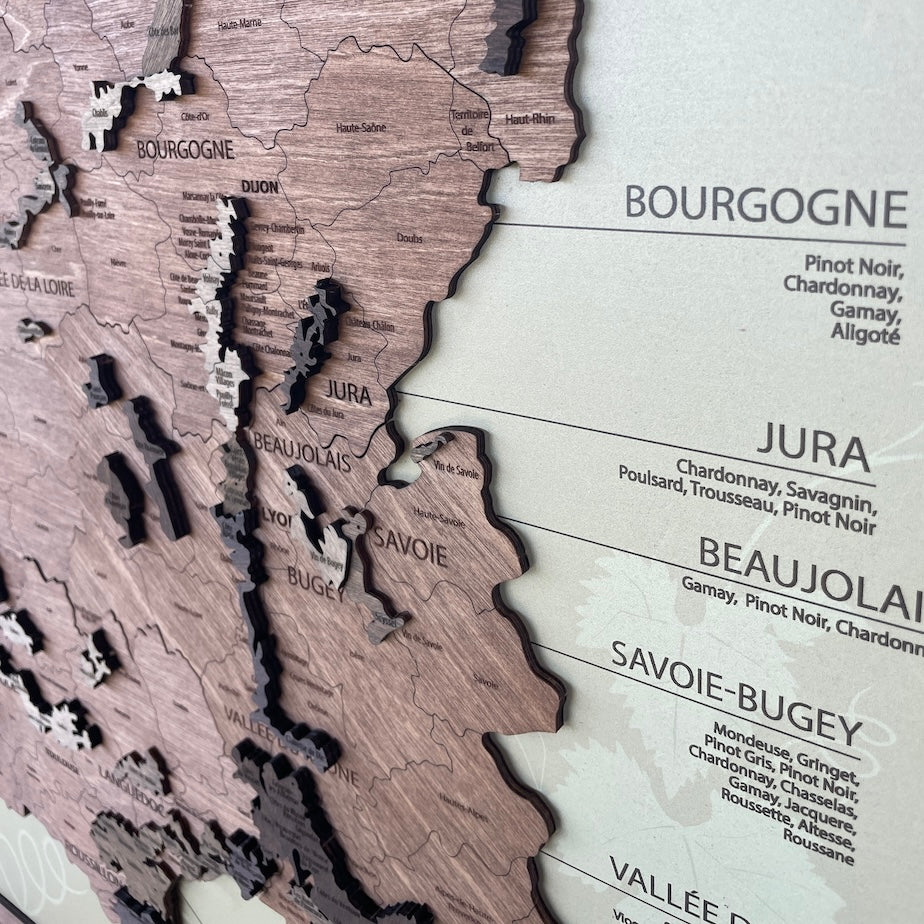
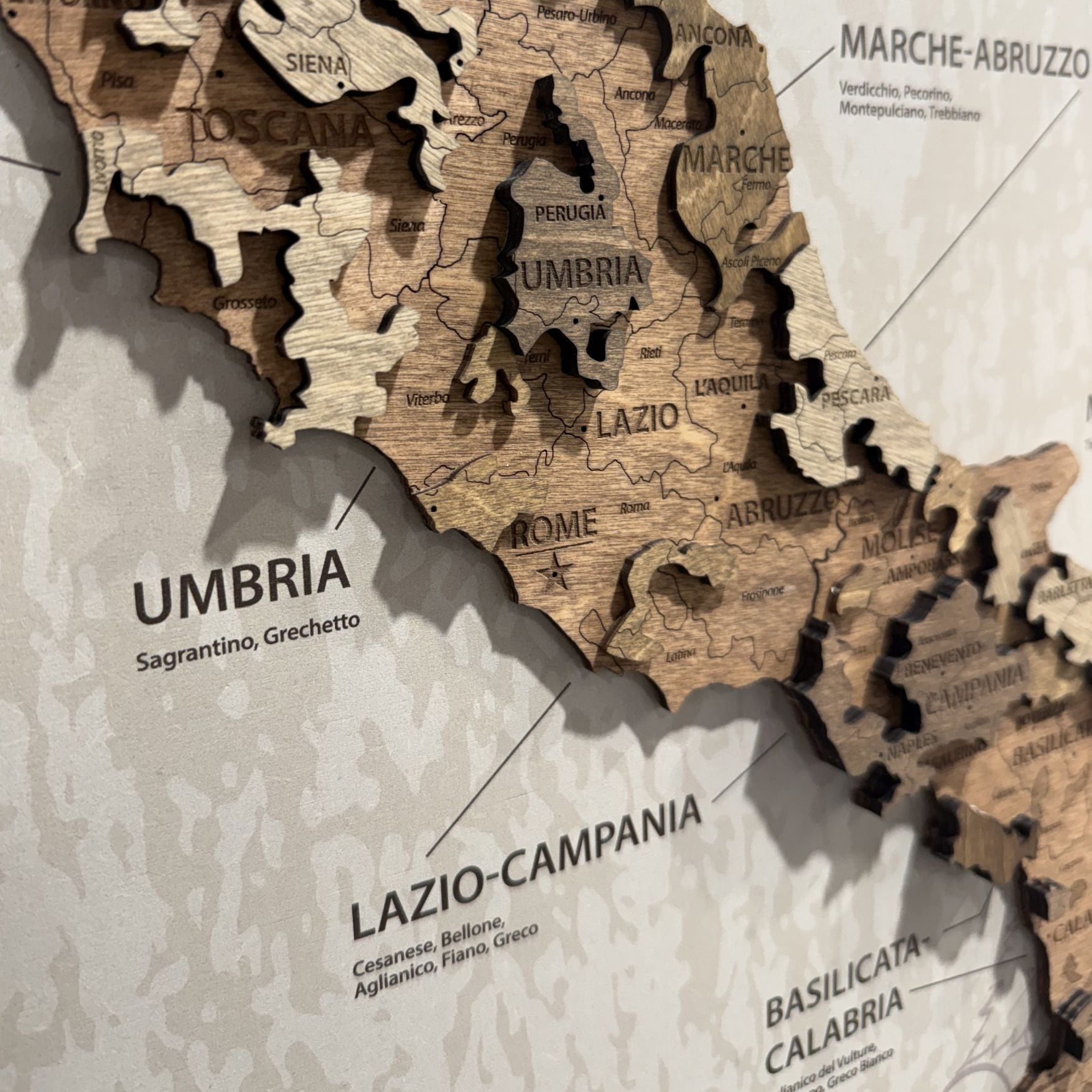
The maps here are cut from birch plywood and engraved rather than printed, and even the framed panels carry engraved wood over their printed chart. That is the difference between these and a poster, a canvas or a framed print: the surface has depth, the shadows move as the light does, and the object reads as material before it reads as an image.
A print is looked at once. A wooden map with a hundred engraved country names is read repeatedly, which is why these end up on walls people stand beside rather than walk past.
What is in this collection?
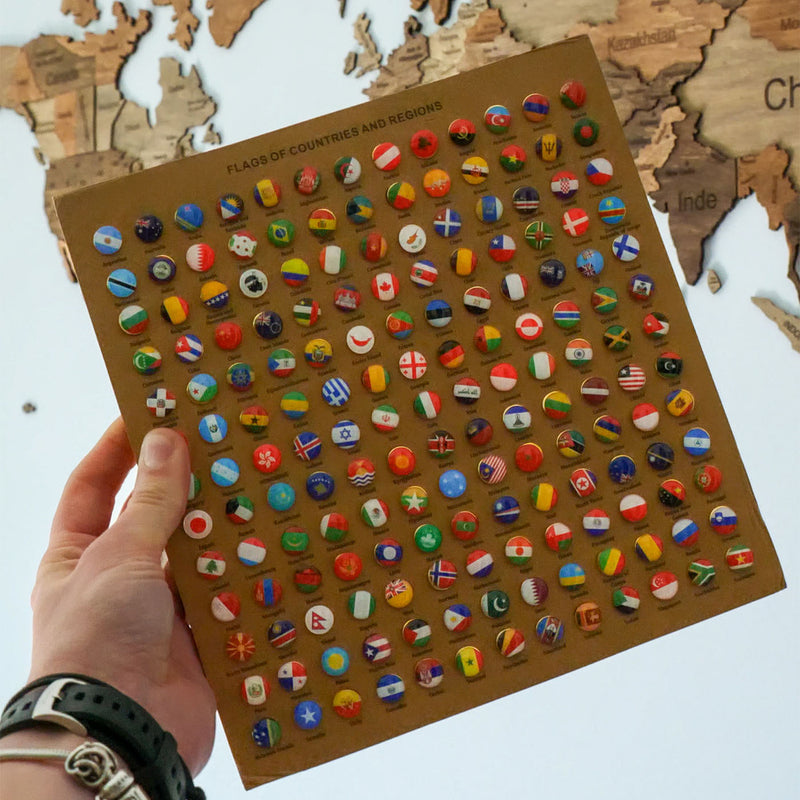
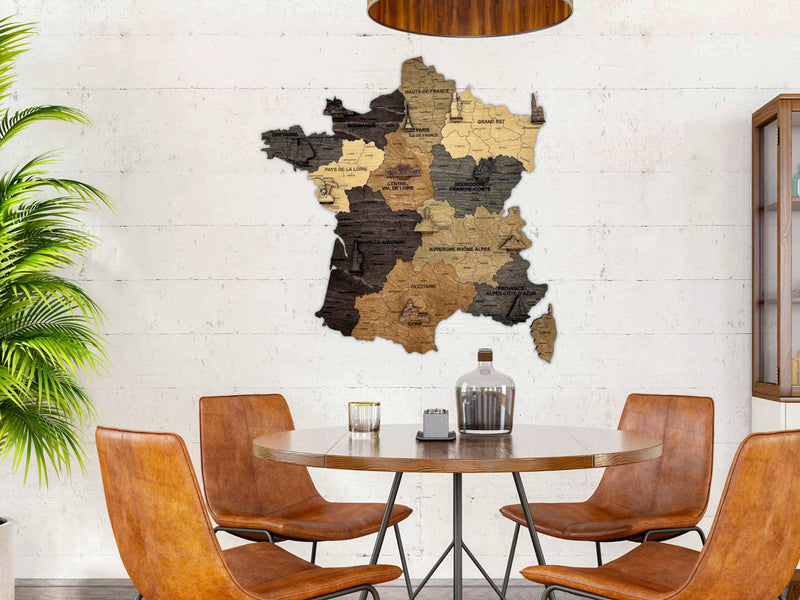
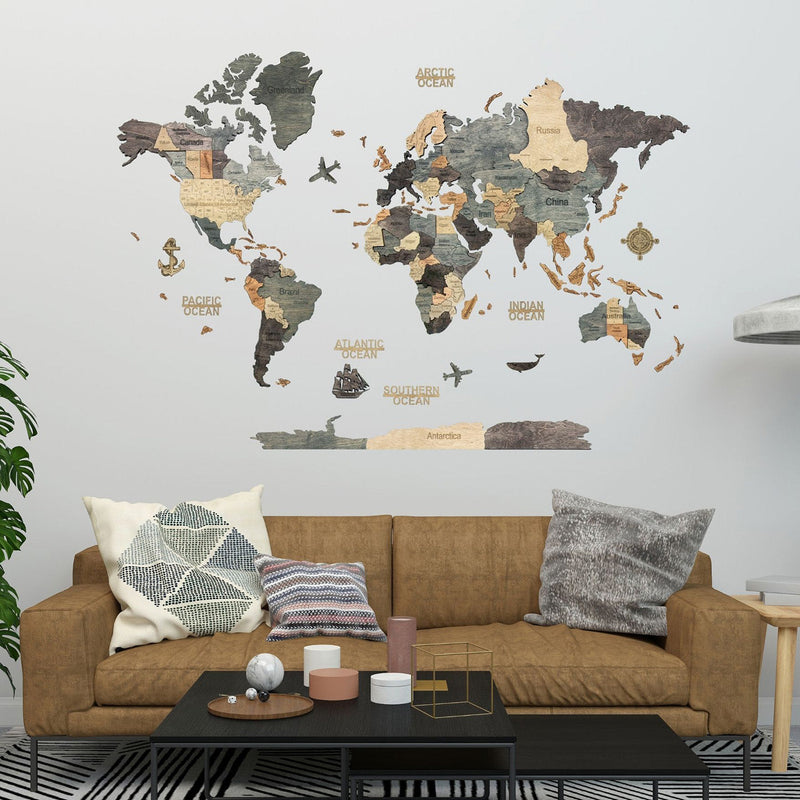
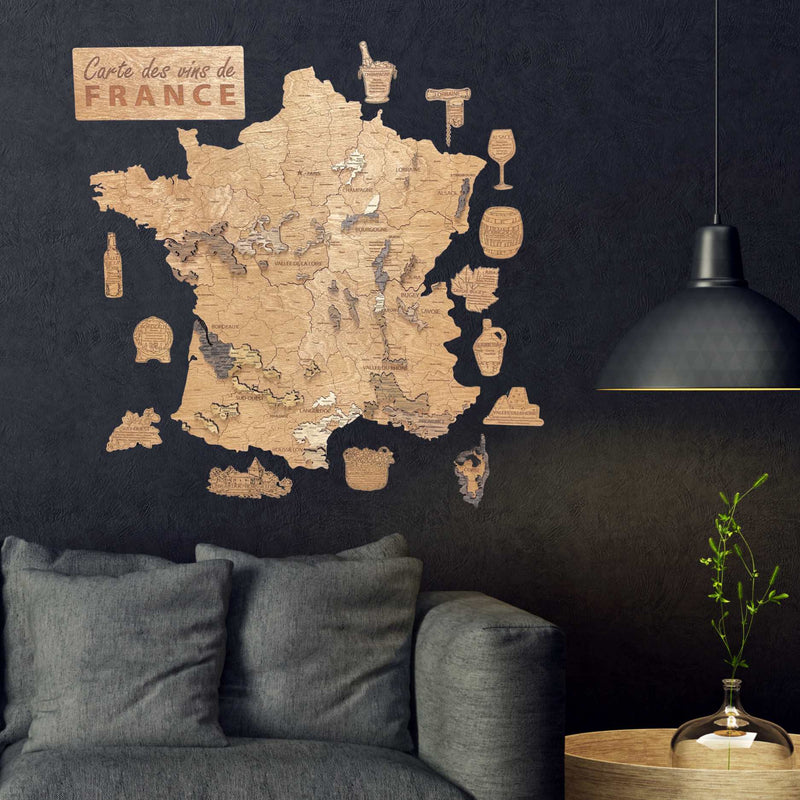
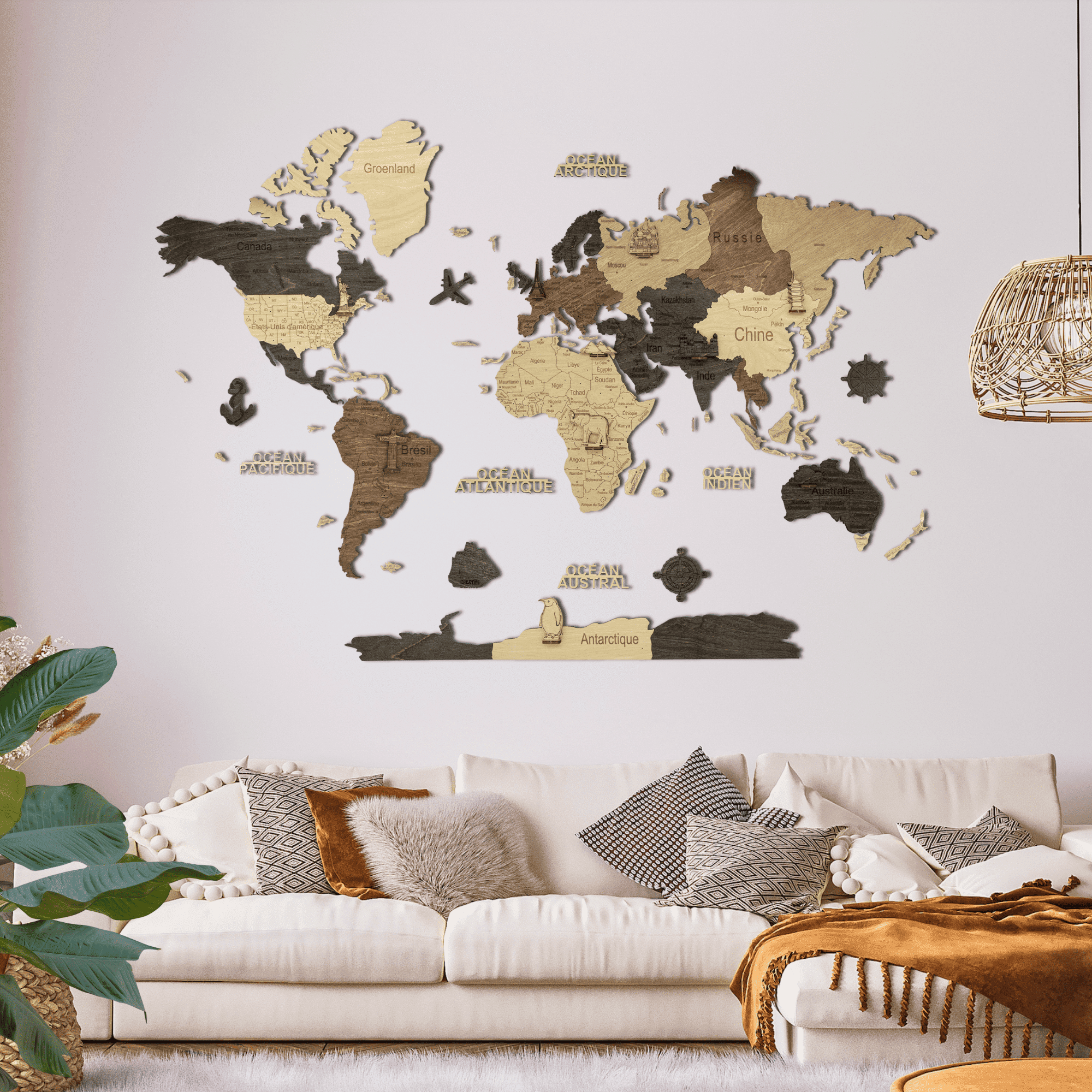
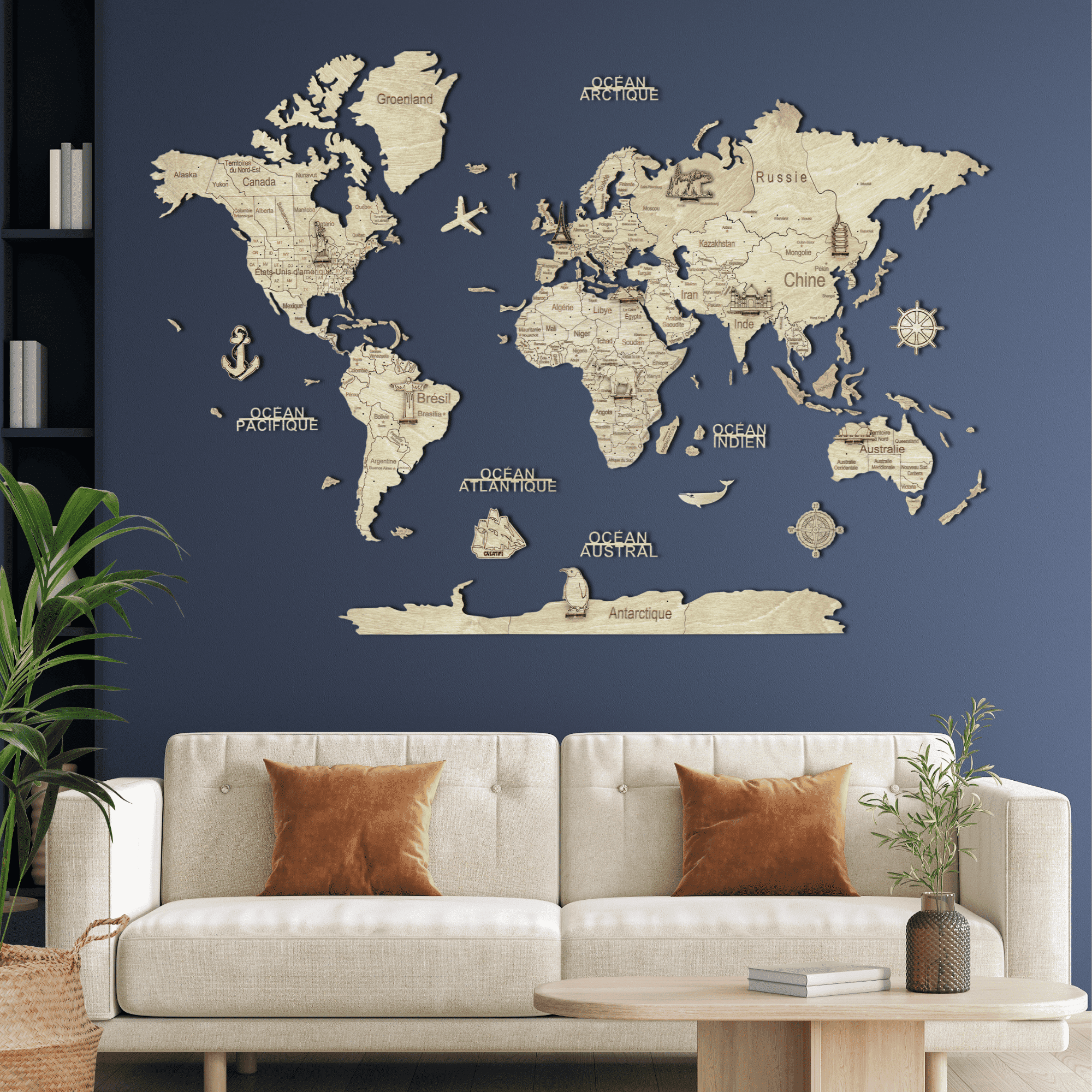
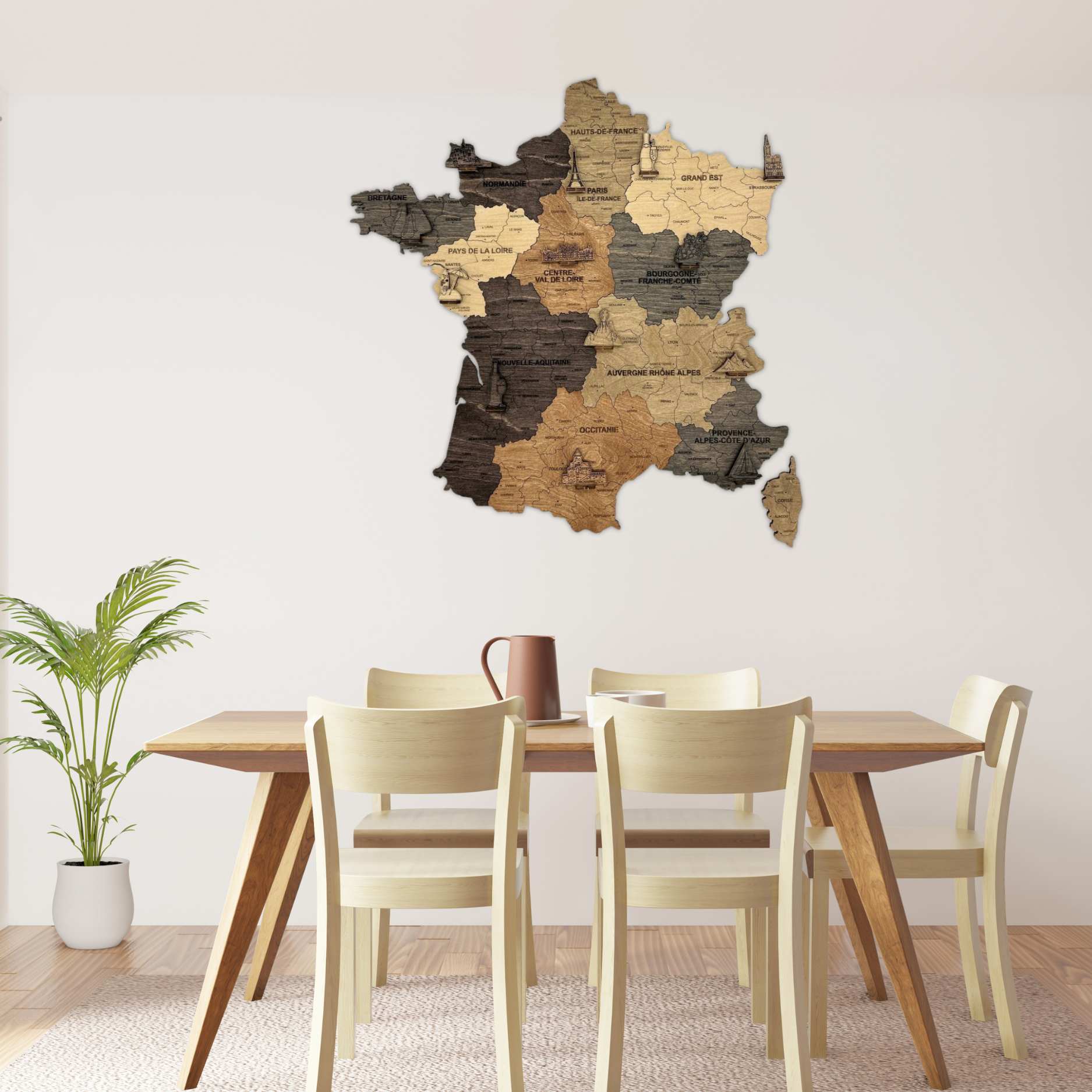
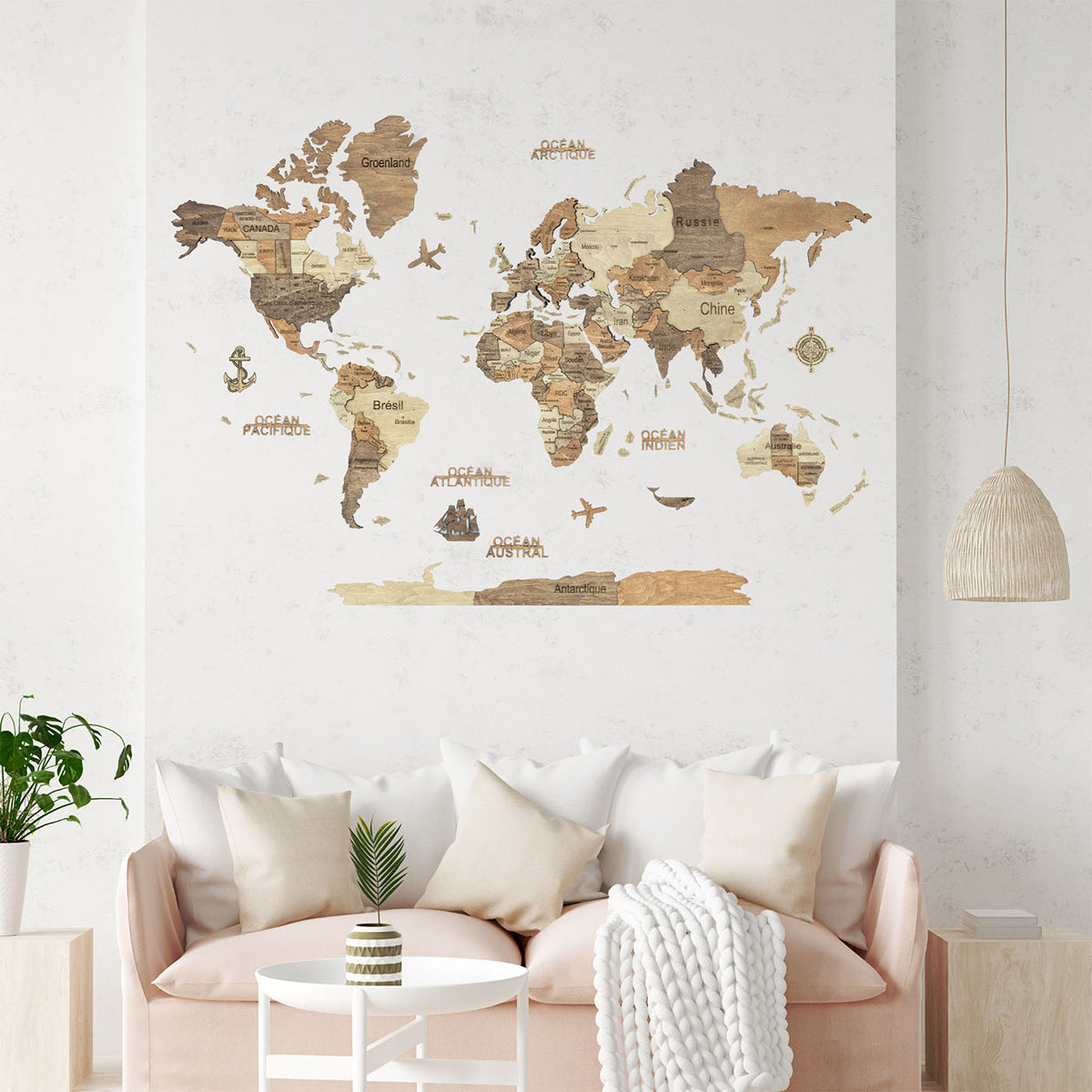
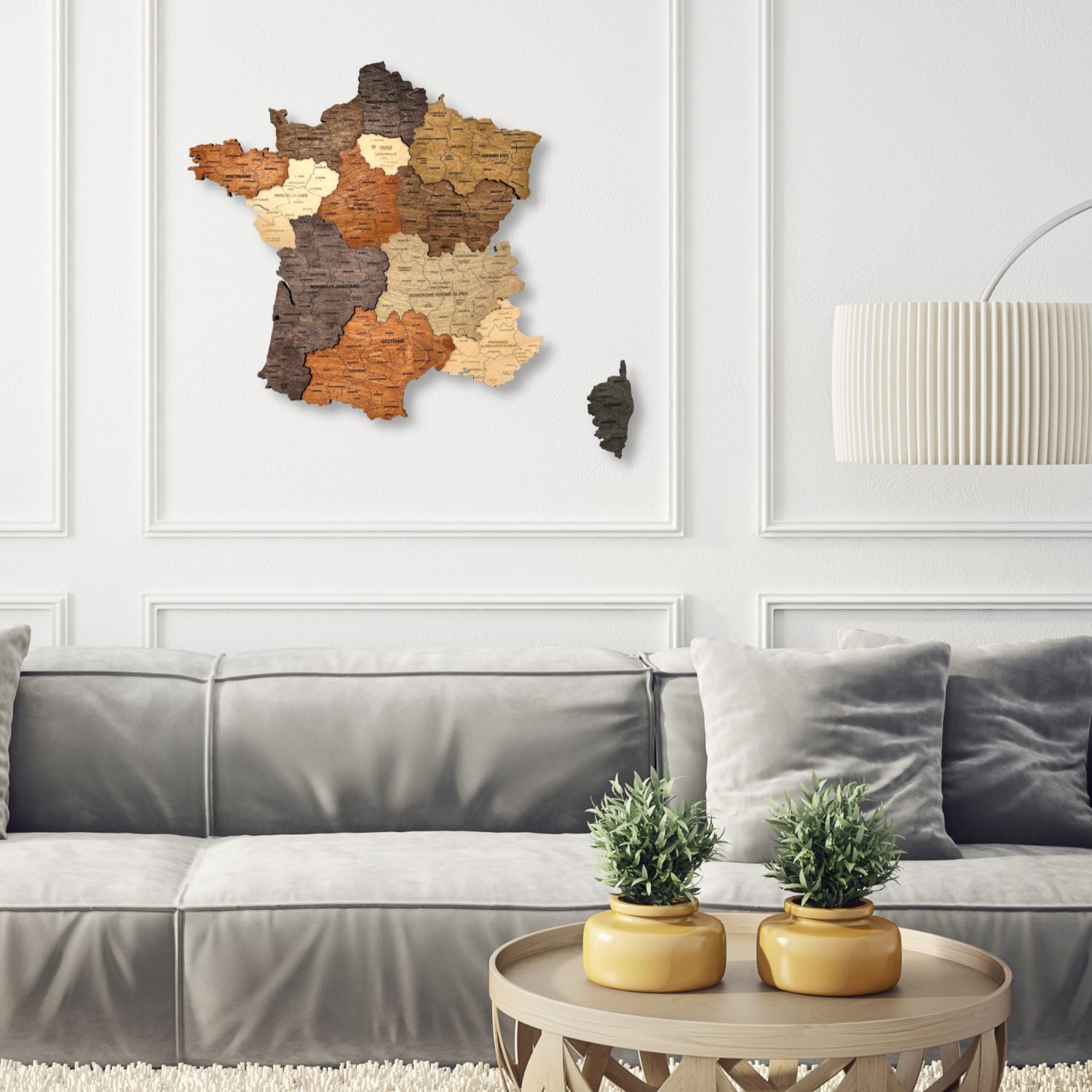
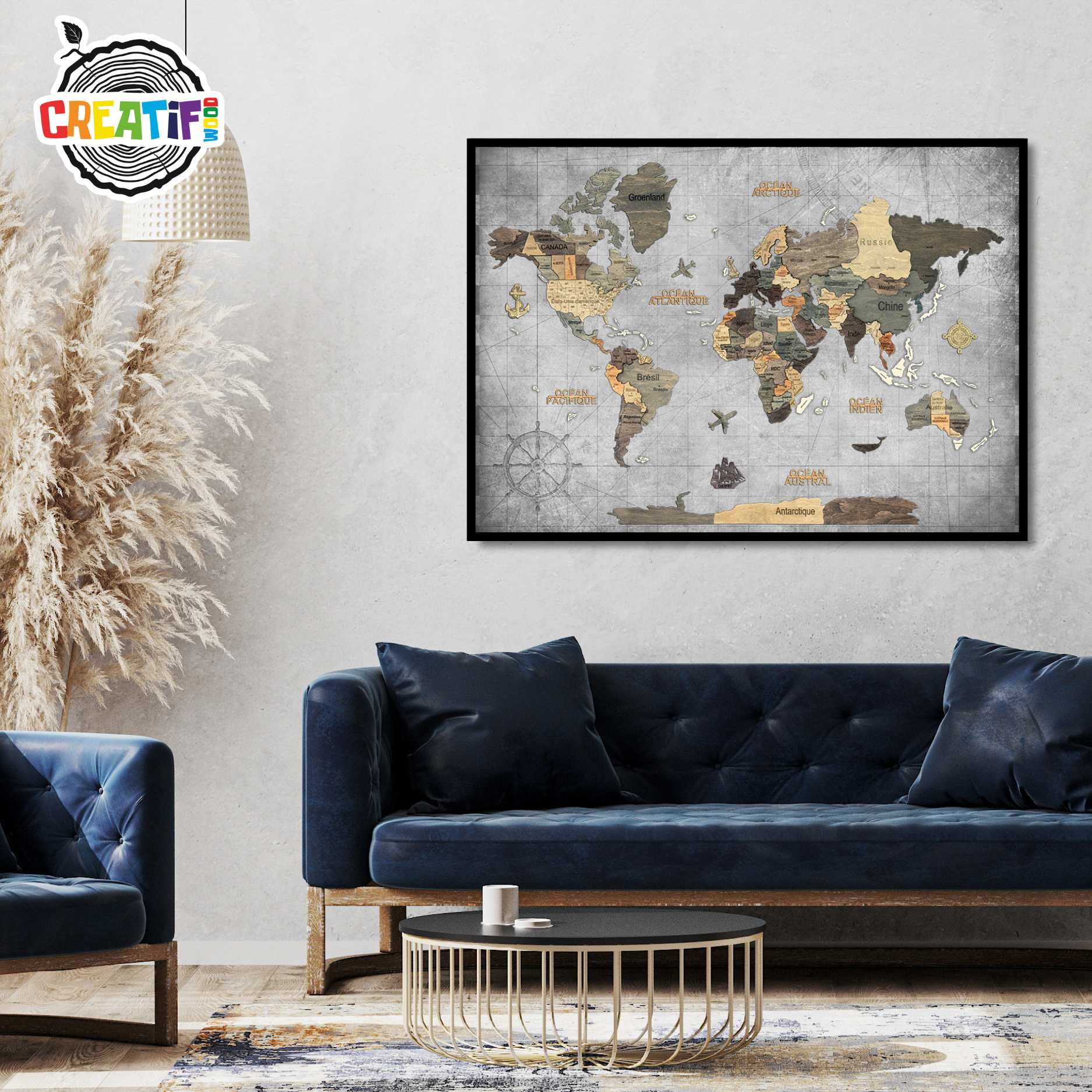
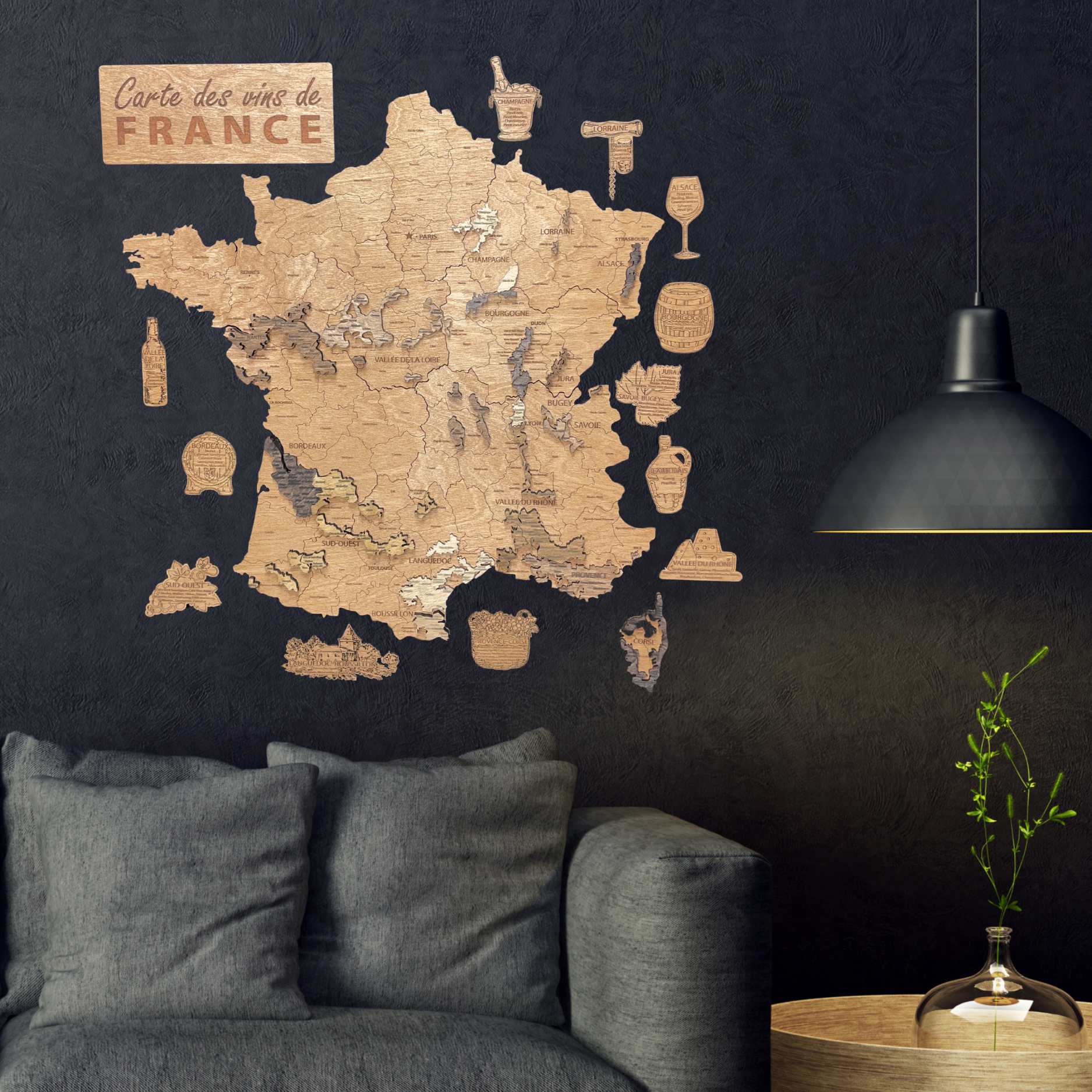
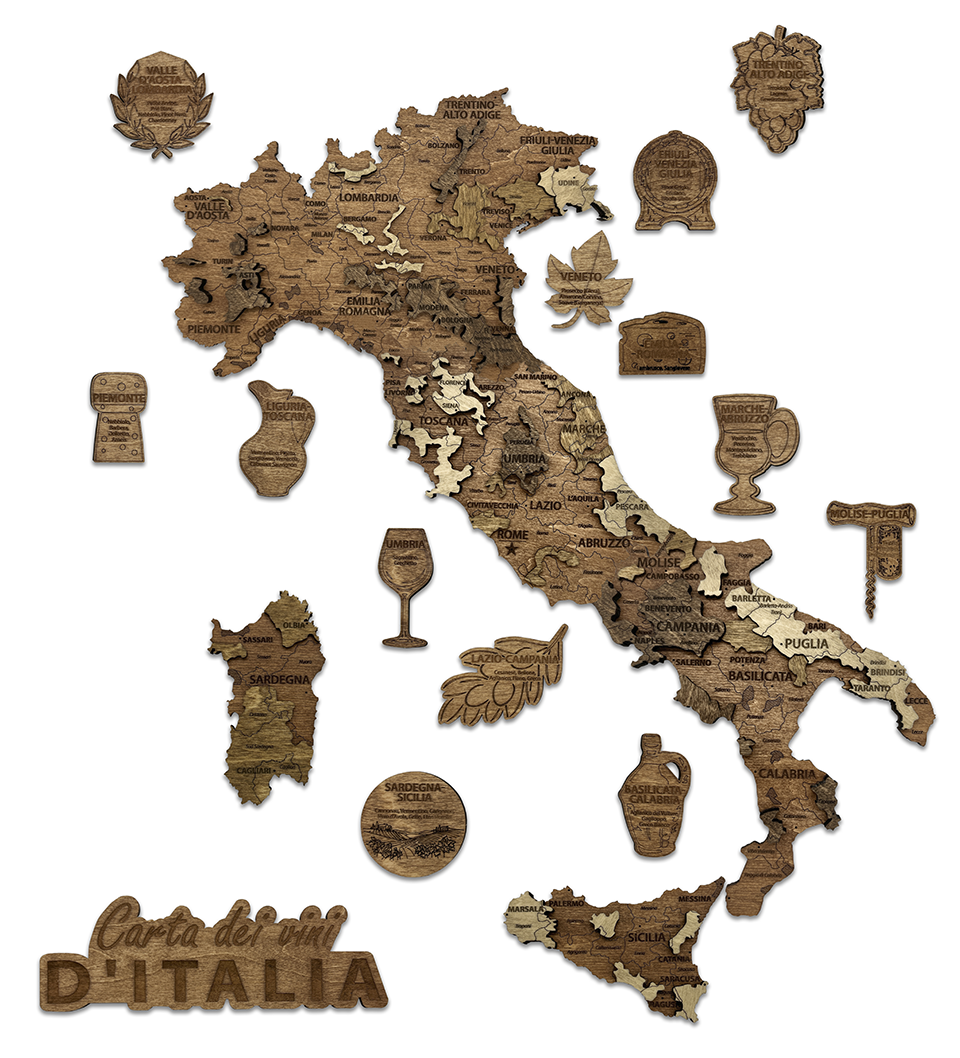
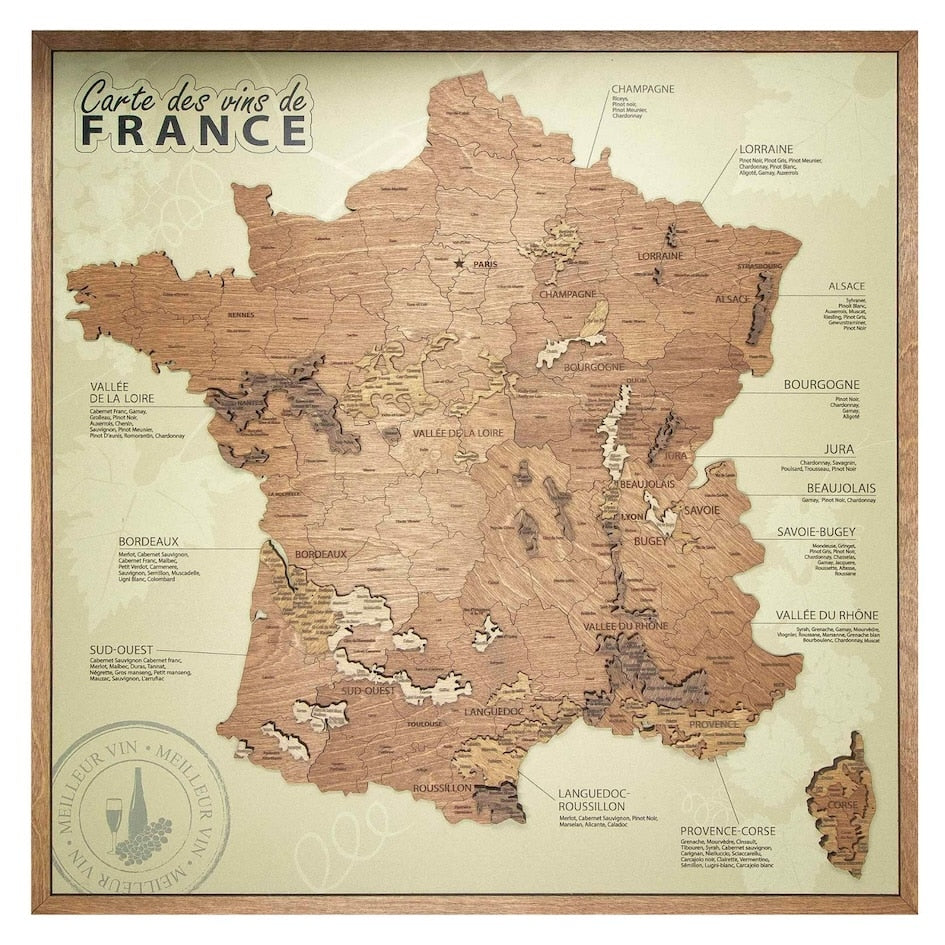
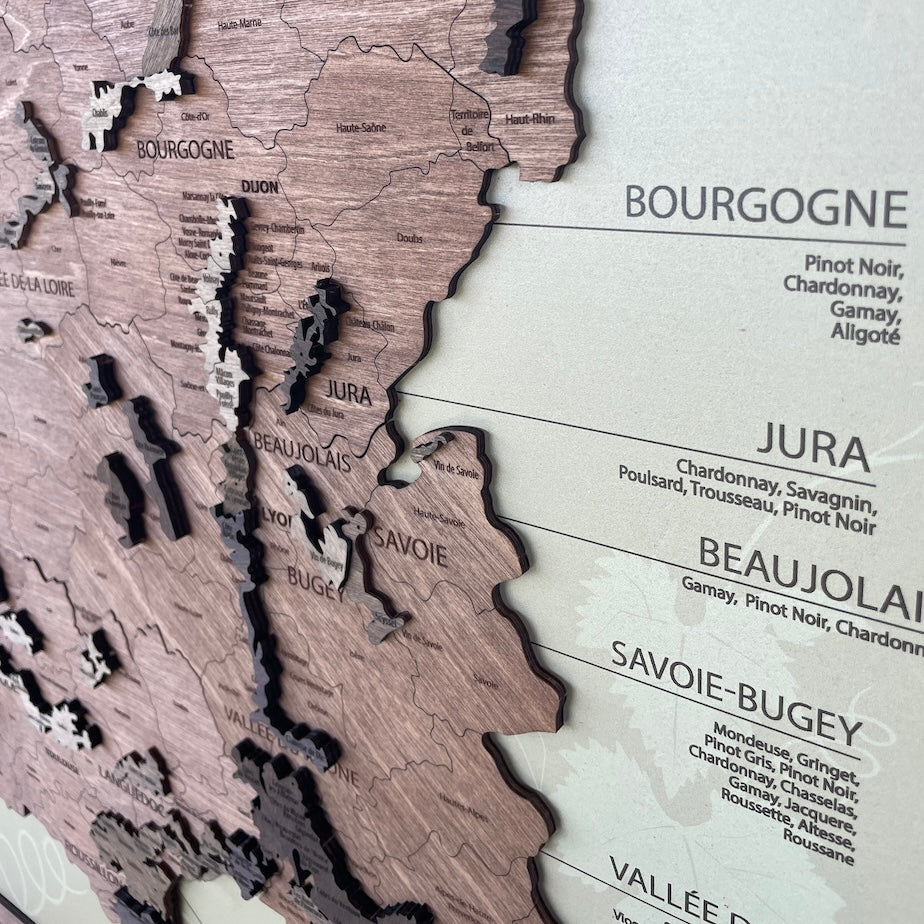
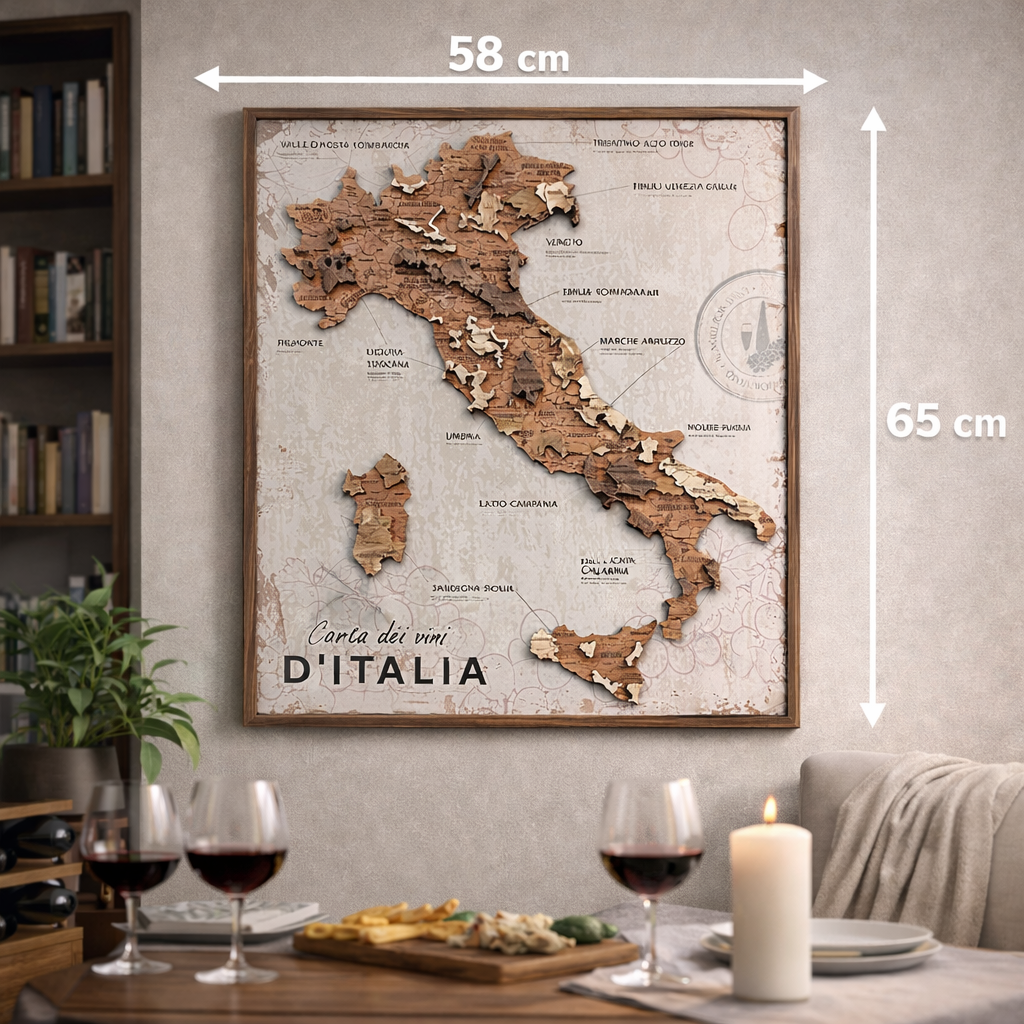
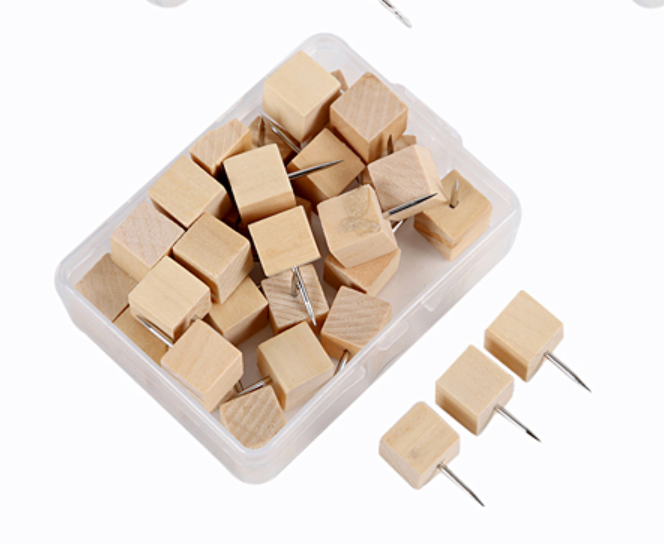
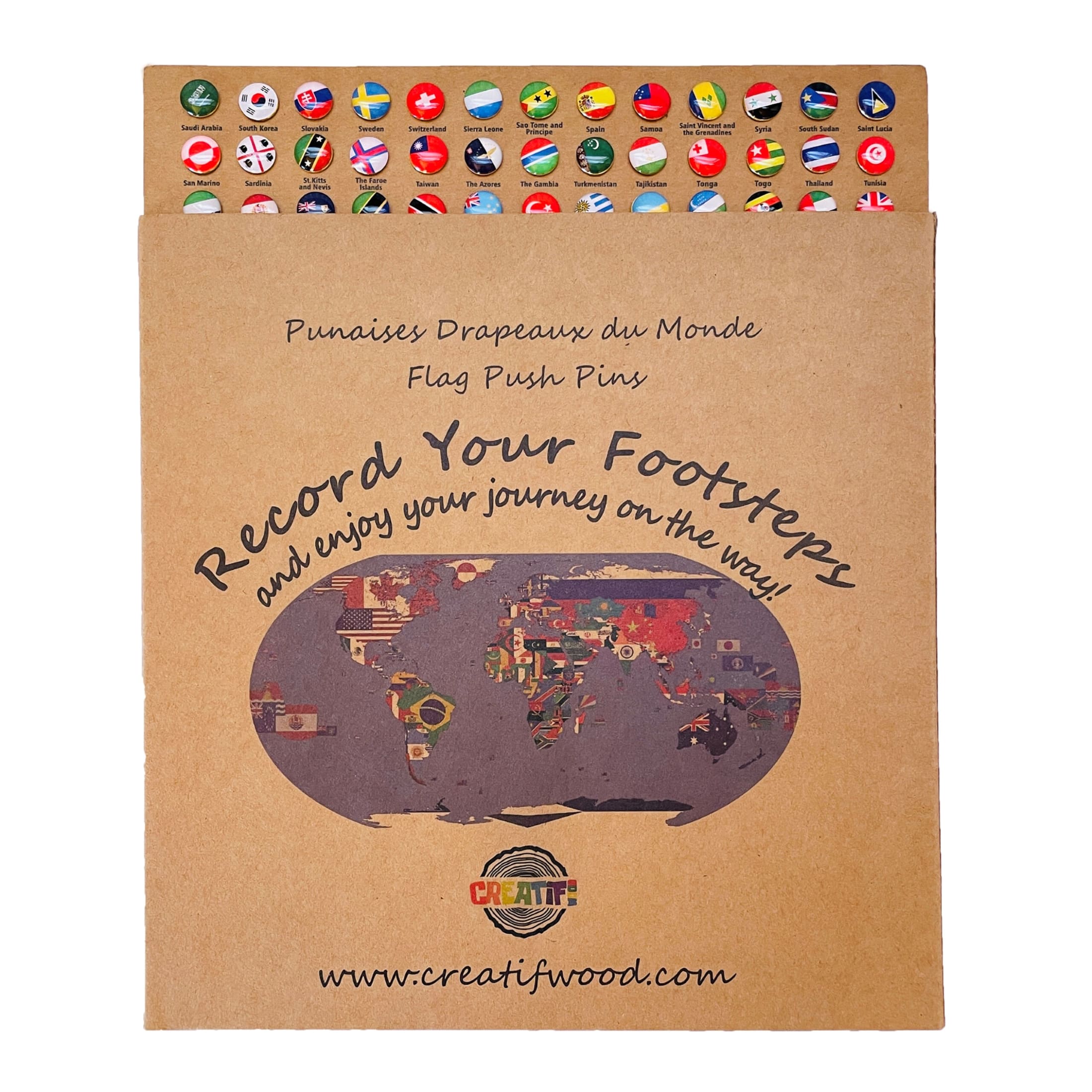
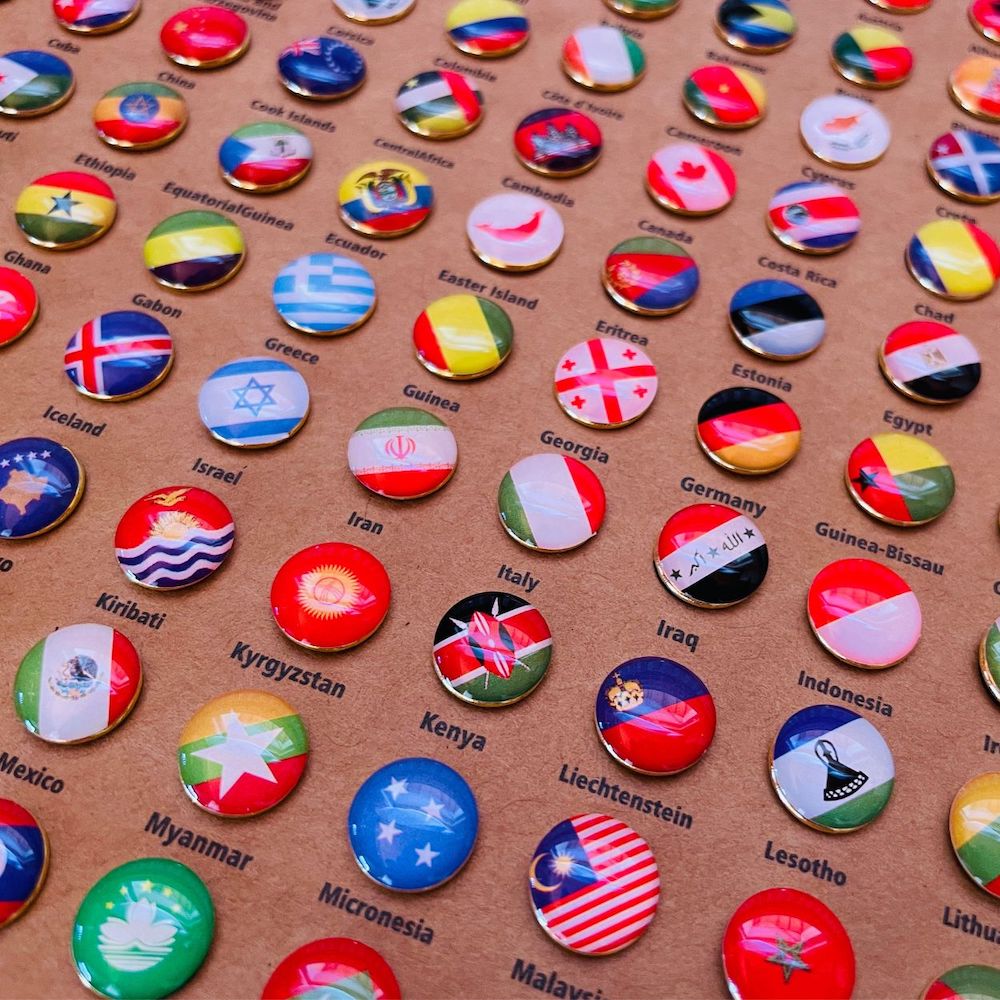
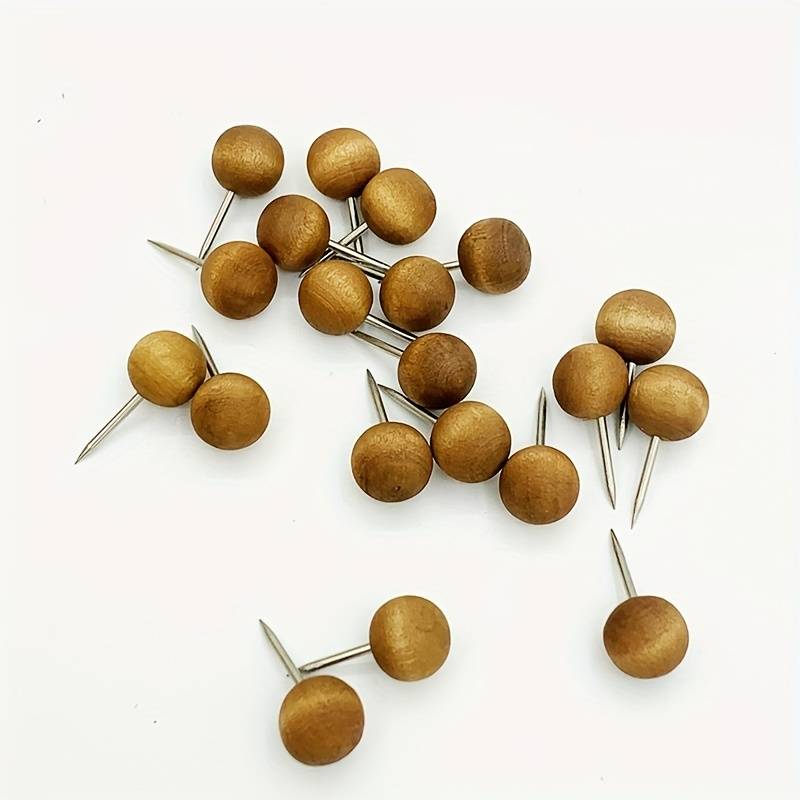
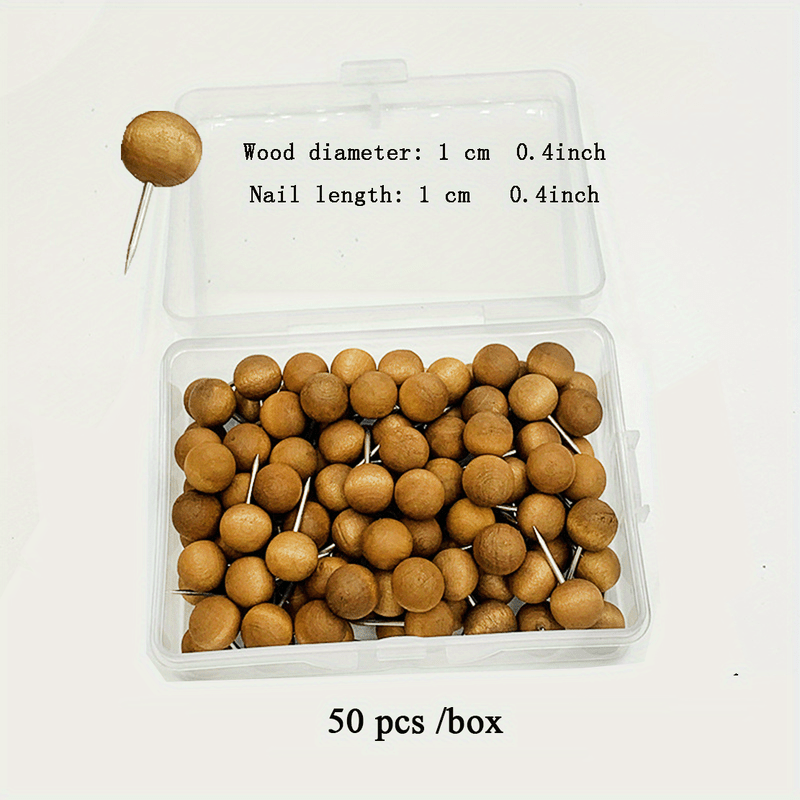
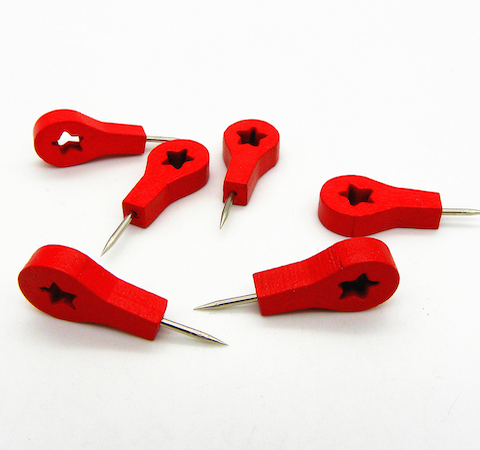
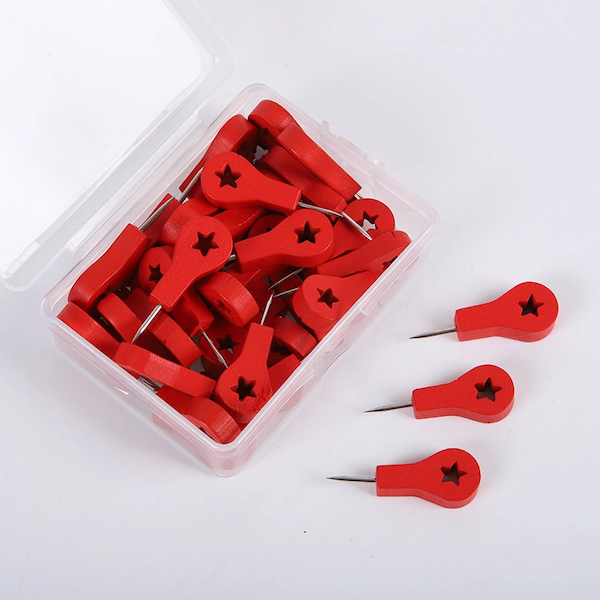
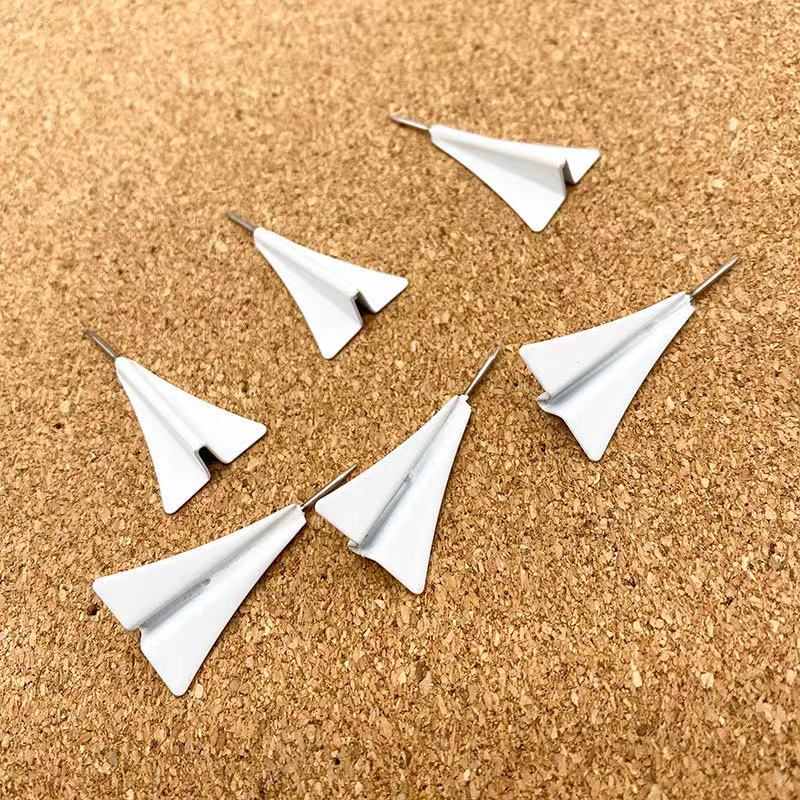
World maps in two constructions – layered ones that stand off the wall and flat ones that lie almost against it – in finishes from bare birch to near-black. Maps of France by région or by wine region, and wine maps of France and Italy. Framed panels that arrive assembled. And the pins that turn any of them into a record of where somebody has been.
Sizes run from 50 cm to two metres.
Which piece for which room?
A hallway or an entrance. The hardest wall in most houses: narrow, passed close, and rarely large enough for anything substantial. This is where our smallest formats belong – a 2D map at 60 × 40 cm, or a map of France at 50 × 51 cm. Choose flat over layered here, because in a corridor a raised map eventually meets a shoulder or a coat.
A dining room. The best room in the house for a wine map, because it is the only wall people sit and look at for two hours at a time. Detail rewards a seated viewer in a way it never does in a corridor. A framed panel suits a dining room already hung with pictures; a piece-by-piece map suits a plain wall that can carry an object on its own.
A kitchen. Warm finishes work here – Amber, Dark, the wine maps with their warm bases – because a kitchen usually has wood in it already and a cold grey map fights that. Keep any wooden piece away from directly above a hob, where heat, steam and grease will reach it.
A living room. The largest formats belong here and nowhere else. An L or XL map needs a clear run of wall, ideally above a sofa or a sideboard, and it needs light from the side rather than straight on if it is a layered one.
An office or a study. A world map behind a desk is the oldest idea in interior decoration and it still works, because it is the one wall a person looks at while thinking. This is also where the pins matter most: a map that records something is better company than one that only decorates.
A restaurant, a wine bar or a cellar door. Wine maps read from a table, which is the distance that matters commercially. The panels hang from one fixing and come down cleanly, which matters when the wall is not yours.
Which finish for which interior style?
Scandinavian. Pale wood on white or soft grey, minimal ornament, everything a shade lighter than you expect. Our Light and Amber finishes are made for this – pale or honey-stained birch, with the relief doing the work instead of colour. Avoid the dark finishes here; they read as heavy against a Scandinavian palette rather than as contrast.
Japandi. The same restraint with more warmth and more shadow. Japandi rooms want texture at low contrast, which is precisely what a layered map in Light or Amber gives: nothing bright, nothing loud, and a surface that changes through the day. The 3D construction matters more here than the finish does.
Industrial. Concrete, black steel, exposed brick. This is where Graphite belongs and where nothing else in our range works as well – it is the only finish that leaves the wood family for slate and cold grey, and against warm brick it holds its own rather than blending in.
Rustic and modern rustic. Rooms that already have beams, oak floors or reclaimed timber have a problem: more wood competes rather than complements. Graphite solves it, and so does the Multicolor, whose variation reads as pattern rather than as another brown surface.
Bohemian. Layered textiles, plants, colour, pattern from several directions at once. Multicolor is the map most likely to survive this, because its countries separate from each other rather than depending on the wall to do it. A single-tone map disappears into a busy room.
Minimalist. One object on one wall. Any finish works, and the size is the whole decision – go a size larger than feels comfortable, because a map that is too small for its wall looks lost in a way that a slightly large one never does.
Why match the finish to the wall, not the room?
Because the wall is what the map has to separate itself from. This is the rule that catches people out, and it applies to every piece here.
Pale finishes need a dark wall. Cream birch on navy, charcoal, forest green or brick reads instantly. The same map on white is barely visible until you are close.
Dark finishes need a pale wall. Charcoal or walnut continents on white or cream give the strongest contrast we can offer.
Multicolor works on either, because its countries differ from each other rather than from the background.
The rule matters more on our flat maps than on the layered ones. A 3D map has shadow to separate it from the wall; a 2D map has nothing but the colour behind it.
How do they go up?
Most of what is here mounts on double-sided tape, piece by piece: the layered maps positioned with a paper template, the flat ones with two corner stencils, the wine maps with their vineyard pieces already taped. Nothing is drilled and nothing is permanent, though a mounted map needs a hairdryer and fresh tape to move.
The framed panels are the exception: they arrive assembled and hang from one fixing in a few minutes. If the wall is textured, papered, freshly painted or rented, that is the format to choose.
How do you look after wood on a wall?
Keep it out of direct sunlight. Wood warms over years wherever it is, which reads as age rather than damage – but sun does it unevenly, and a faded side drifting away from a shaded one is the one thing that looks like a fault rather than like time passing.
Away from radiators, away from bathrooms, away from directly above a hob. Dust it dry; nothing wet, nothing oiled.